Green Patio Tables
Patio tables are a great way to extend your outdoor living area. They can be used as extra dining space, as a place to eat or entertain, or as an extension of your patio decor. The best part about patio tables is that they can be used year-round, even in areas where winter snowfall is possible. Here are some of our favorites.
Sort
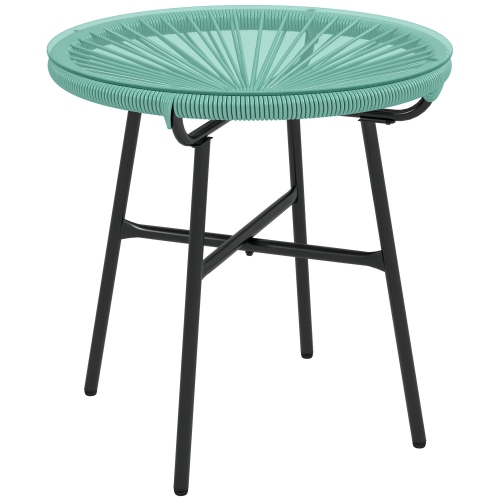
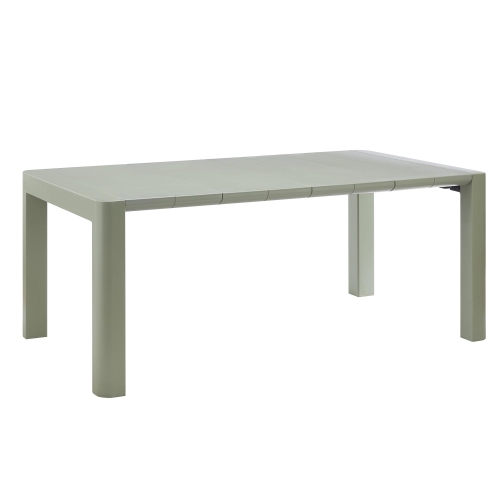
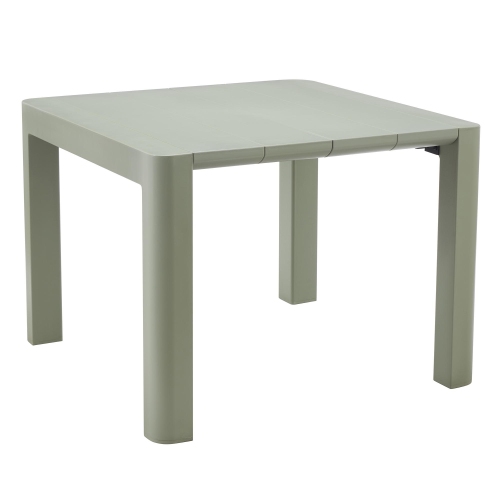
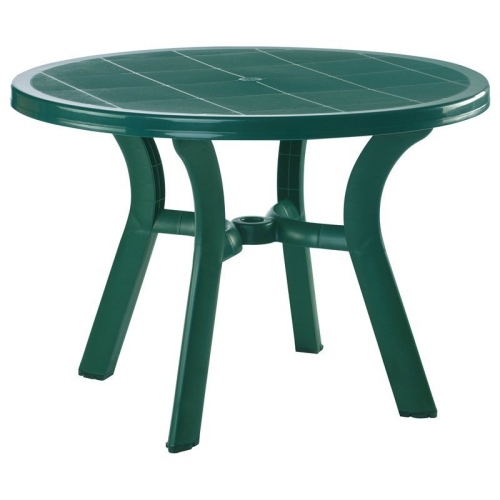
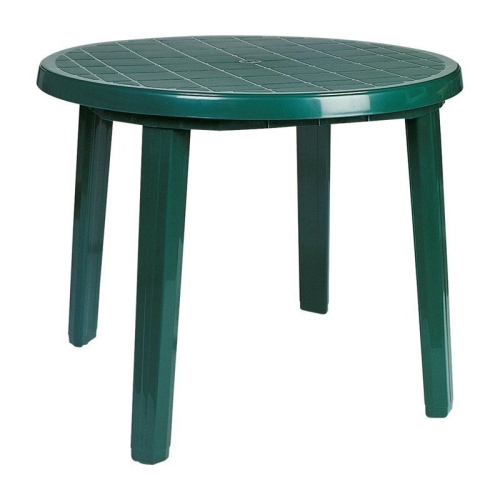
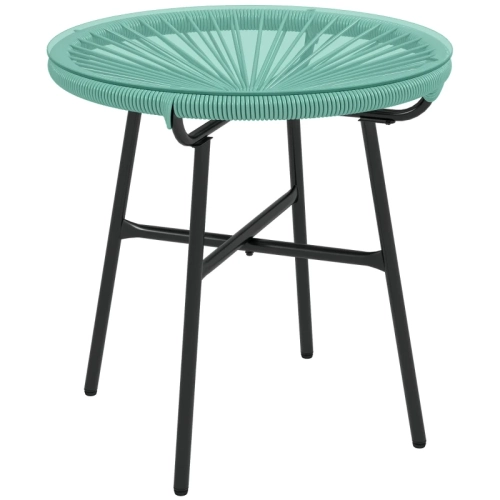
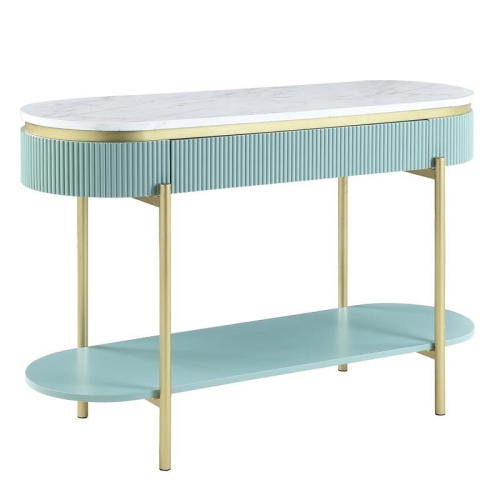
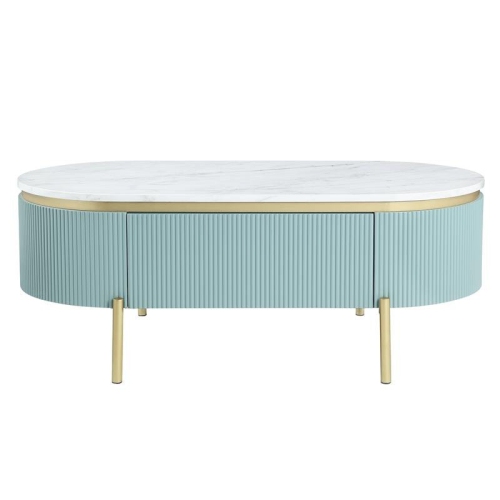
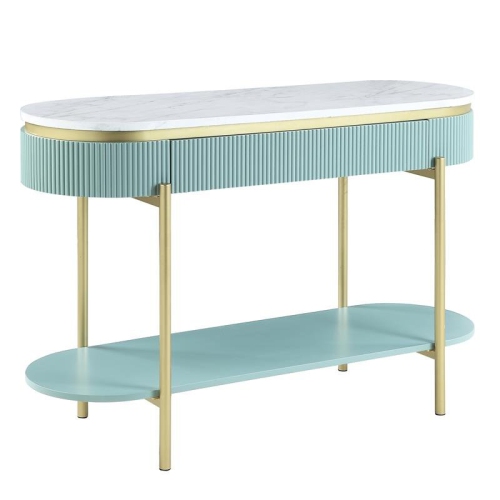
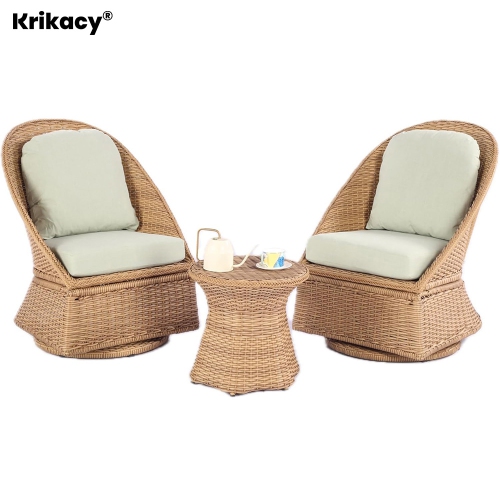

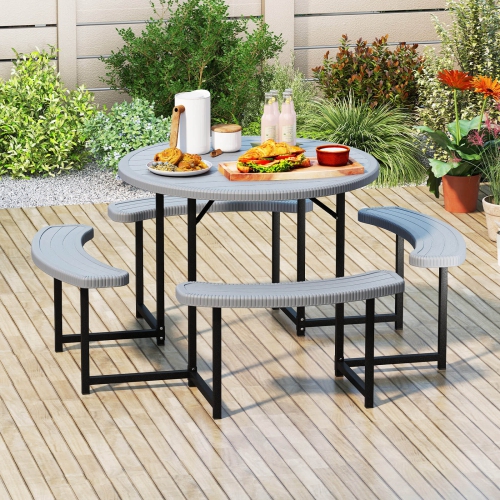
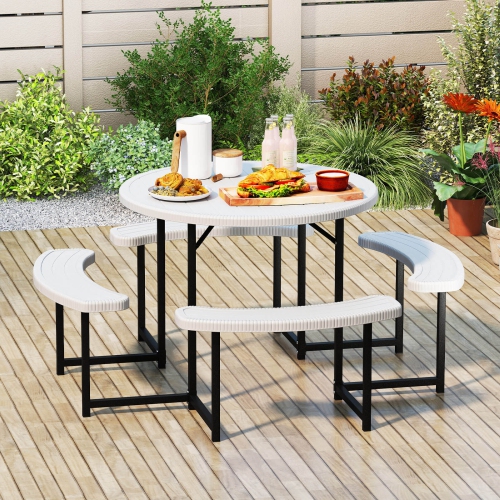
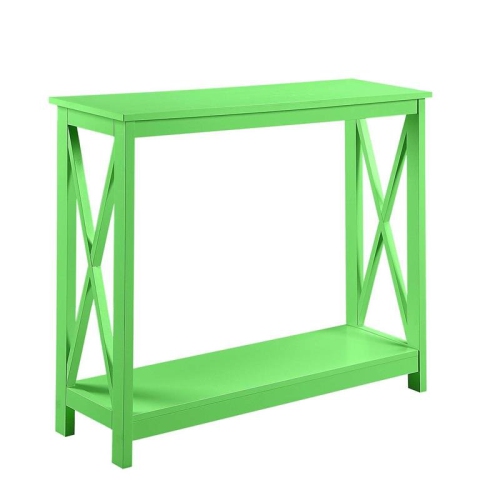
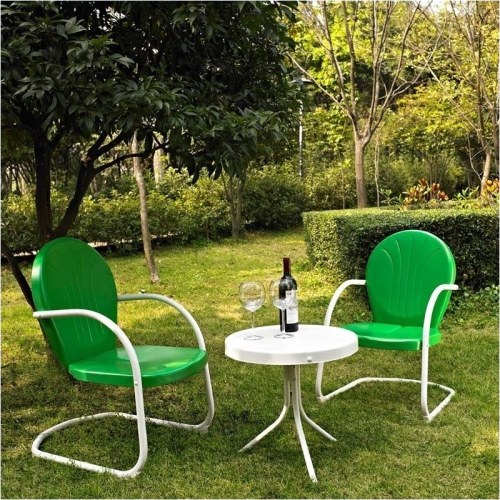
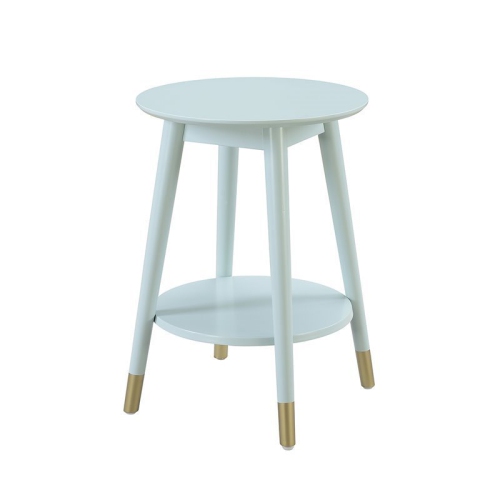
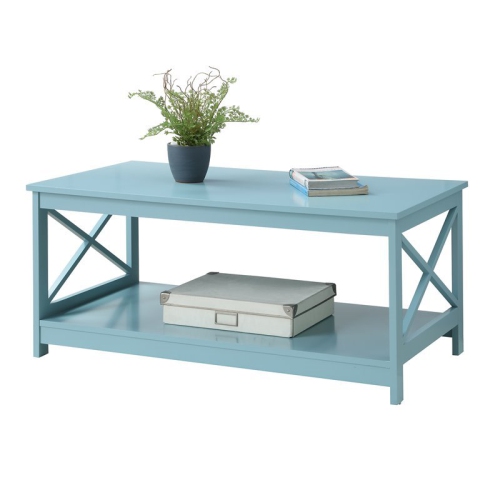
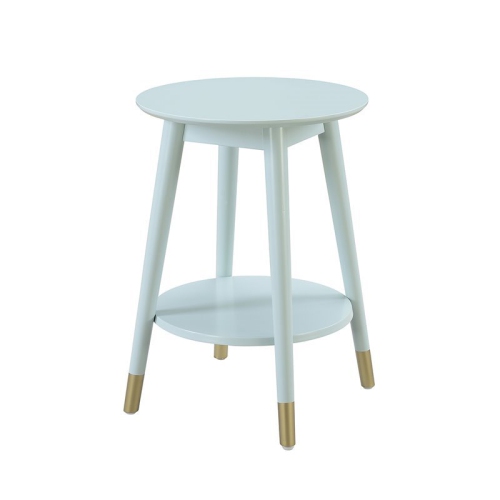
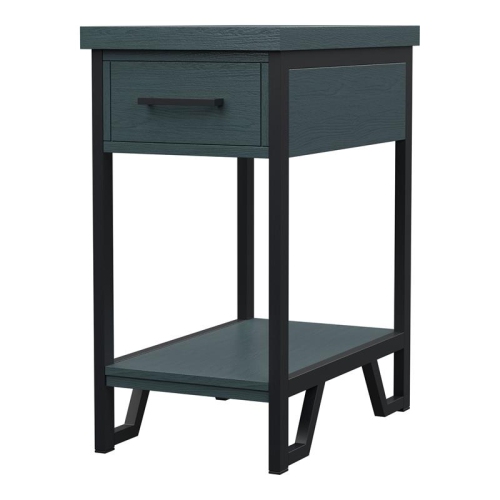
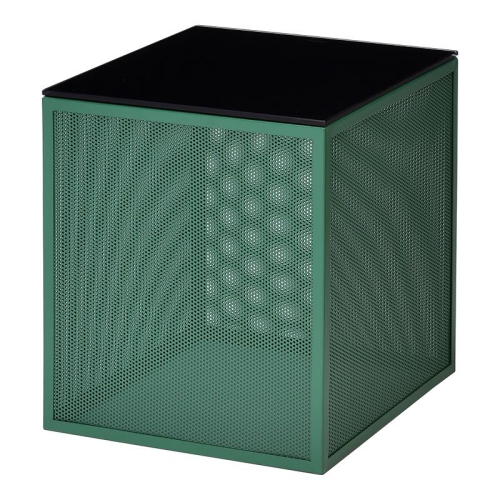
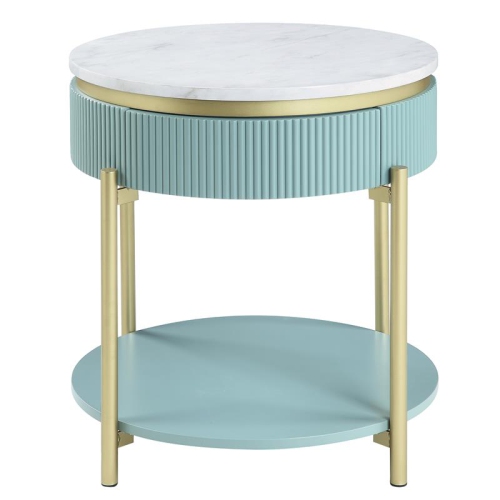
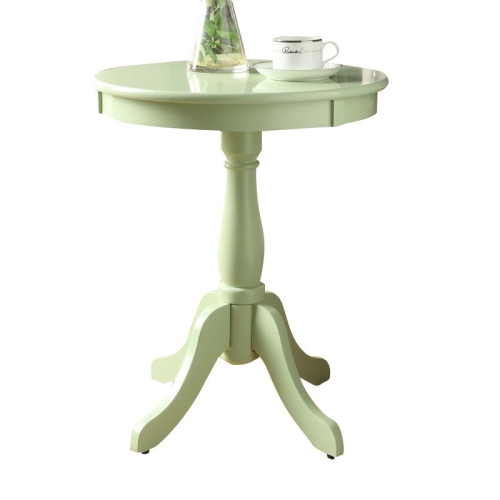

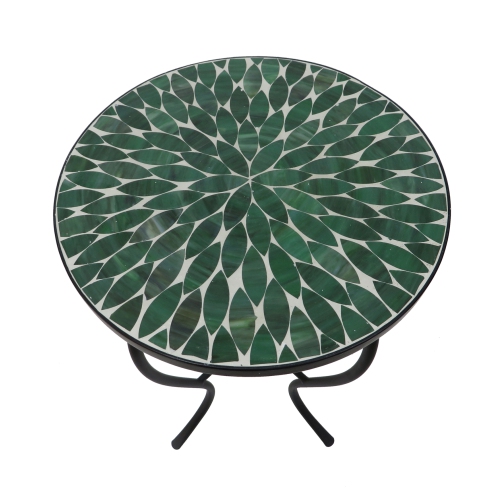
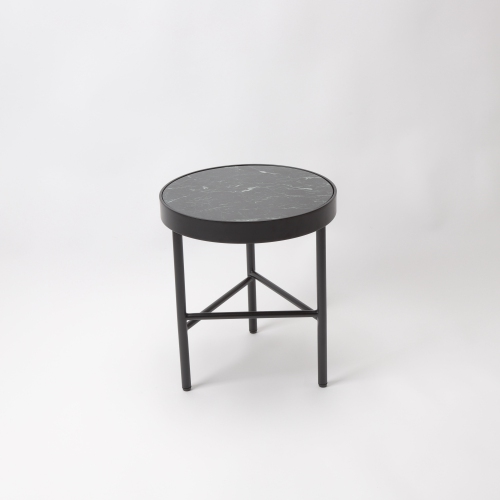
From soft sage to a bold outdoor focal point
Green patio tables bring colour and a sense of continuity to outdoor seating areas, whether the setting is a compact balcony, a paved courtyard, or a roomy backyard deck. Green can blend into a backdrop of shrubs and climbing plants, but it can also create a distinct focal point against pale siding, red brick, or charcoal railings. The shade makes a noticeable difference: soft sage feels understated alongside light wood and cream cushions, olive pairs naturally with warm neutrals, and deeper forest green gives a dining arrangement a more defined presence. Brighter greens lend a playful touch to small seating areas without requiring every chair or accessory to match. A table’s finish matters as much as its colour. A matte surface offers a muted appearance, while a glossy finish catches more light and makes the hue feel stronger. On a balcony with just enough space for two chairs, a small green bistro table can turn an unused corner into a place for coffee, a crossword, or lunch outdoors. Beside a lounge chair, a low side table keeps a mug and reading glasses within reach; between a sofa and a pair of armchairs, a coffee table gives everyone a shared surface for snacks and conversation. Taller dining tables suit full meals, board games, and gatherings where guests need room for plates and serving dishes. Green tables also work well with mixed seating, tying together woven chairs, wood benches, or simple metal frames through a shared accent colour. For a broader view of outdoor table styles, Patio Garden Tables includes another way to explore shapes and uses for garden and patio settings. The most useful shape depends on how the space is lived in: a round top encourages conversation in a small group, while a rectangular top can follow the length of a narrow deck or anchor a larger dining area.
Materials and construction determine how a green patio table feels in daily use and how much attention it needs over time. Powder-coated aluminium is generally lightweight and resistant to rust, making it practical when a table needs to move between a sunny corner and a sheltered seating area. Its lighter weight is worth considering on an exposed balcony, where a more substantial base or sheltered placement may be preferable. Steel often provides a weightier feel, though chips or scratches in its protective finish can leave the underlying metal vulnerable to rust. Painted wood brings visible grain and a warmer texture to an outdoor arrangement, with upkeep depending on the wood species, coating, and exposure to moisture. Plastic and resin tables can be easy to carry and wipe down, but their resistance to fading, brittleness, and temperature changes varies by construction and the manufacturer’s stated outdoor rating. Where a table combines a green frame with a glass, tile, or wood top, each material may have different cleaning and storage needs. Surface details also affect everyday comfort. A smooth top gives glasses and small dishes a steady resting place, while slatted or perforated designs allow water to pass through rather than collect across the surface. Those openings may make a tray helpful for narrow-based drinkware or small game pieces. A rim can keep objects from sliding off, but it may also catch crumbs and water. Rounded edges can be more comfortable in tight passageways, and well-positioned legs help prevent knees from bumping the frame. For shared family meals, a stable table with secure connections matters more than appearance alone. An umbrella opening can add flexibility to a dining setup, although the opening must suit the umbrella pole and does not replace an appropriately rated umbrella base. Across materials, useful details include securely attached feet, accessible fasteners, and a finish intended for outdoor use rather than colour alone.
Fit is about more than whether the tabletop fits between a wall and a railing. Chairs need space to pull out, guests need a clear route past seated diners, and doors should open without striking the furniture. Measuring the usable area with those movements in mind helps distinguish a comfortable dining spot from a table that occupies nearly all the floor space. The relationship between table height and seating height is especially important when pairing a table with chairs already at home. Lounge seating generally calls for a lower surface, while dining chairs need enough clearance beneath both the tabletop and its supporting frame. Armrests may prevent chairs from tucking in, and wide bases can limit foot room even beneath a generous top. Folding tables suit patios that serve several purposes, provided the locking mechanism is secure during use and the folded dimensions fit the intended storage space. For renters or households that rearrange outdoor seating often, a manageable carrying weight can be just as valuable as a large surface. Care routines should reflect both the material and Canadian weather. During the cooler months, fallen leaves, standing water, and trapped moisture can mark finishes if left in place. Gentle cleaning with products approved by the manufacturer, followed by drying where needed, helps keep the surface ready for use without damaging protective coatings. Abrasive pads and harsh cleaners can dull or scratch some finishes, so material-specific care directions matter. Cushioned feet or suitable protective pads can help reduce scraping on deck boards, while a level surface limits wobbling and uneven strain on joints. Before prolonged freezing conditions or snowfall, storage requirements deserve particular attention: an outdoor rating does not automatically mean a table should remain uncovered through winter. A suitable cover, ventilation, and sheltered storage where required can help protect the finish and connections. With proportions that suit the seating, a finish suited to its exposure, and practical care, a green patio table can feel like a natural part of the space rather than an obstacle to work around.
Materials and construction determine how a green patio table feels in daily use and how much attention it needs over time. Powder-coated aluminium is generally lightweight and resistant to rust, making it practical when a table needs to move between a sunny corner and a sheltered seating area. Its lighter weight is worth considering on an exposed balcony, where a more substantial base or sheltered placement may be preferable. Steel often provides a weightier feel, though chips or scratches in its protective finish can leave the underlying metal vulnerable to rust. Painted wood brings visible grain and a warmer texture to an outdoor arrangement, with upkeep depending on the wood species, coating, and exposure to moisture. Plastic and resin tables can be easy to carry and wipe down, but their resistance to fading, brittleness, and temperature changes varies by construction and the manufacturer’s stated outdoor rating. Where a table combines a green frame with a glass, tile, or wood top, each material may have different cleaning and storage needs. Surface details also affect everyday comfort. A smooth top gives glasses and small dishes a steady resting place, while slatted or perforated designs allow water to pass through rather than collect across the surface. Those openings may make a tray helpful for narrow-based drinkware or small game pieces. A rim can keep objects from sliding off, but it may also catch crumbs and water. Rounded edges can be more comfortable in tight passageways, and well-positioned legs help prevent knees from bumping the frame. For shared family meals, a stable table with secure connections matters more than appearance alone. An umbrella opening can add flexibility to a dining setup, although the opening must suit the umbrella pole and does not replace an appropriately rated umbrella base. Across materials, useful details include securely attached feet, accessible fasteners, and a finish intended for outdoor use rather than colour alone.
Fit is about more than whether the tabletop fits between a wall and a railing. Chairs need space to pull out, guests need a clear route past seated diners, and doors should open without striking the furniture. Measuring the usable area with those movements in mind helps distinguish a comfortable dining spot from a table that occupies nearly all the floor space. The relationship between table height and seating height is especially important when pairing a table with chairs already at home. Lounge seating generally calls for a lower surface, while dining chairs need enough clearance beneath both the tabletop and its supporting frame. Armrests may prevent chairs from tucking in, and wide bases can limit foot room even beneath a generous top. Folding tables suit patios that serve several purposes, provided the locking mechanism is secure during use and the folded dimensions fit the intended storage space. For renters or households that rearrange outdoor seating often, a manageable carrying weight can be just as valuable as a large surface. Care routines should reflect both the material and Canadian weather. During the cooler months, fallen leaves, standing water, and trapped moisture can mark finishes if left in place. Gentle cleaning with products approved by the manufacturer, followed by drying where needed, helps keep the surface ready for use without damaging protective coatings. Abrasive pads and harsh cleaners can dull or scratch some finishes, so material-specific care directions matter. Cushioned feet or suitable protective pads can help reduce scraping on deck boards, while a level surface limits wobbling and uneven strain on joints. Before prolonged freezing conditions or snowfall, storage requirements deserve particular attention: an outdoor rating does not automatically mean a table should remain uncovered through winter. A suitable cover, ventilation, and sheltered storage where required can help protect the finish and connections. With proportions that suit the seating, a finish suited to its exposure, and practical care, a green patio table can feel like a natural part of the space rather than an obstacle to work around.
Top selling and popular products
-
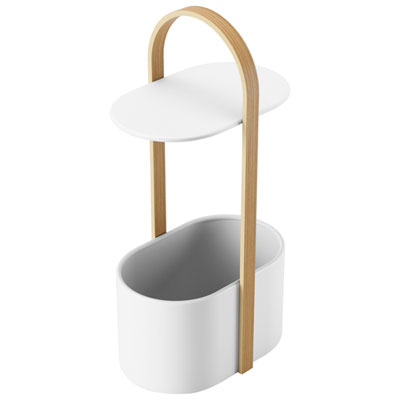 Your price for this item is $69.98
 -
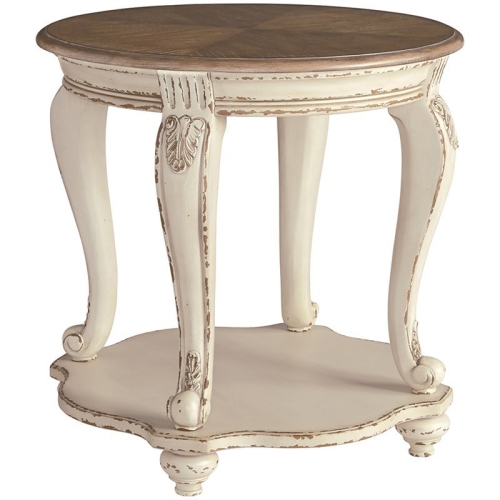 Your price for this item is $369
 -
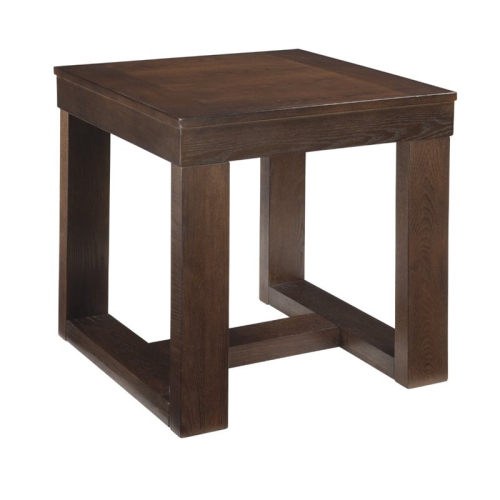 Your price for this item is $199
 -
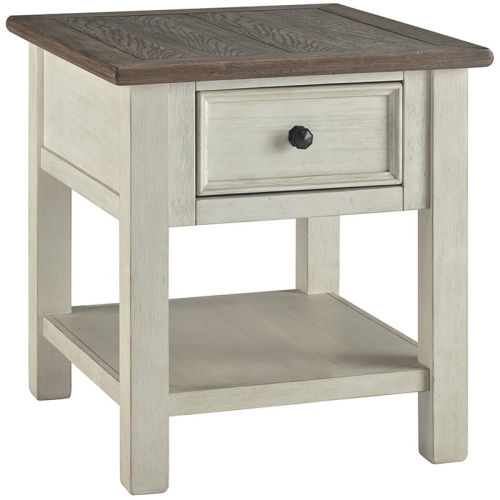 Your price for this item is $399
 -
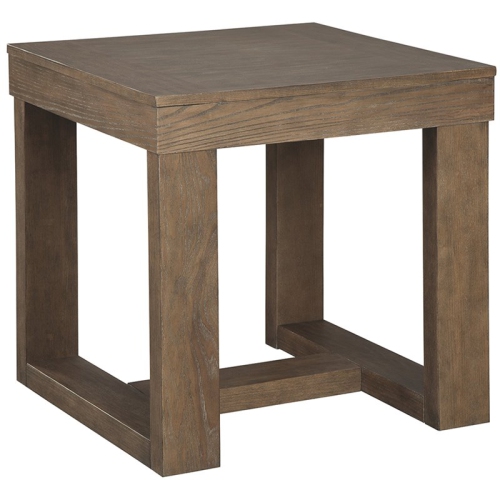 Your price for this item is $416.14
 -
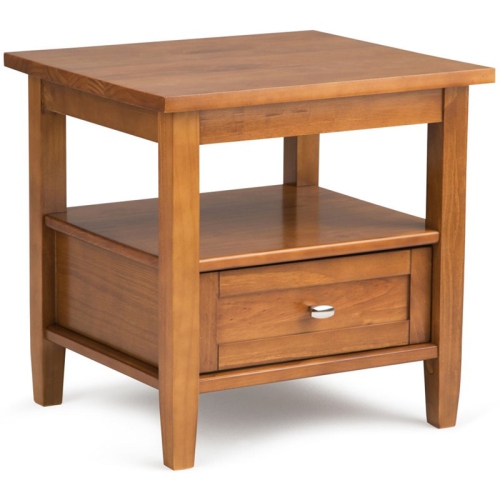 Your price for this item is $379.37
 -
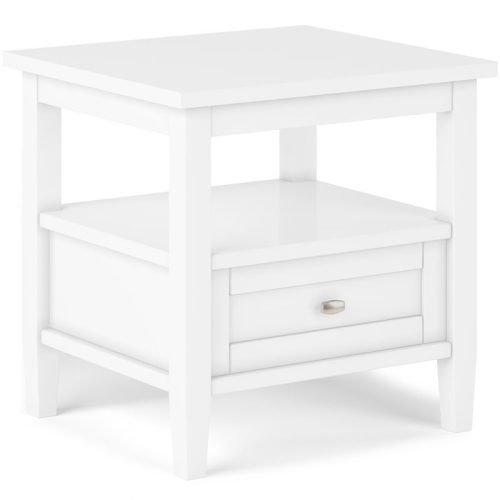 Your price for this item is $400.69
 -
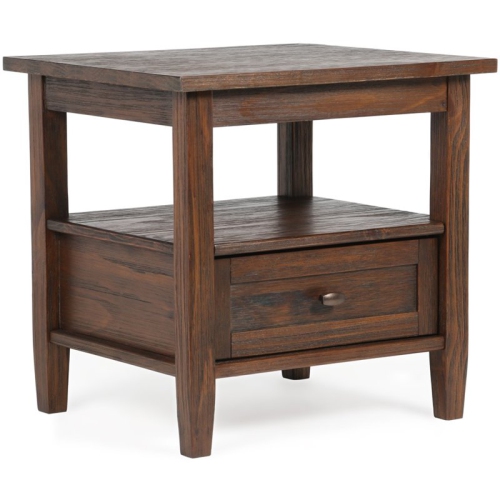 Your price for this item is $400.25
Discover more categories related to Green Patio Tables
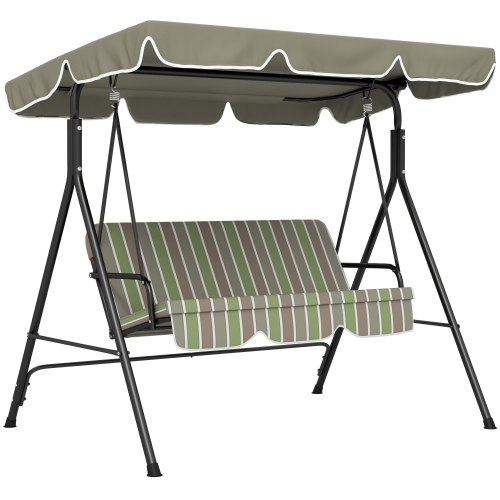
Top Collections:
Pokemon Centers, Kindle Devices, Best Budget Office Chairs, Apple iPhones 16, Best Laptops for Writers, iPhone 15 Apple, Canon G7X Cameras, Refurbished Apple Laptops, Alarm Clock, Motorola Razr Phones
Some products may be subject to Environmental Handling Fees
(EHF) depending on your province.
Learn more about EHFs.