High Quality Picnic Tables
Transform your outdoor gatherings with high-quality picnic tables that blend durability with style, perfect for any backyard or park setting. Whether you're planning a family barbecue, a casual lunch, or a festive celebration, these picnic tables offer the ideal spot for dining and socializing. Crafted to withstand the elements while providing a comfortable seating arrangement, they are designed to enhance your outdoor experience. Explore this selection to find the perfect addition to your outdoor space.
Sort
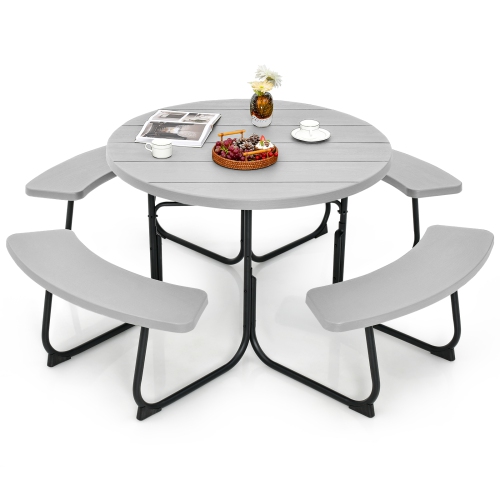
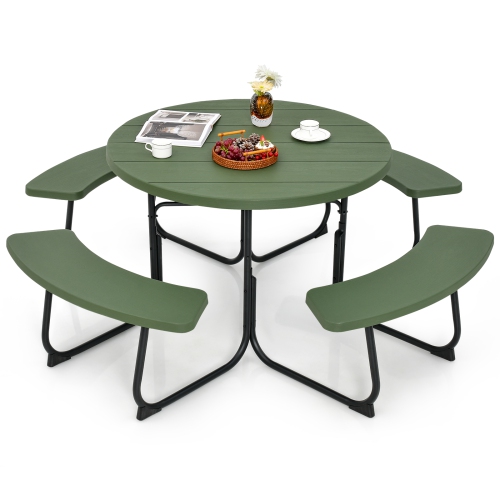
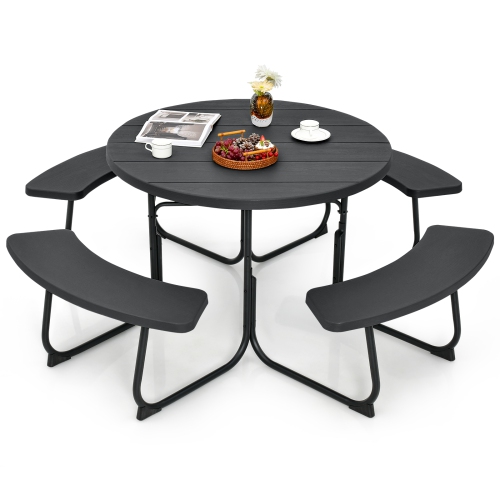
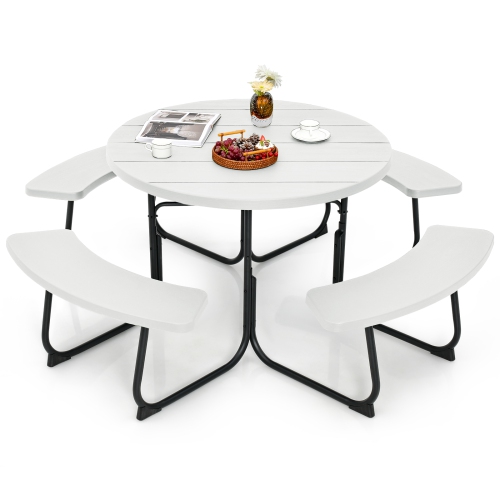

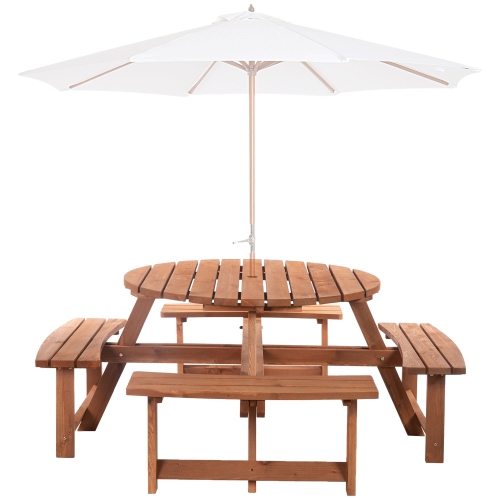

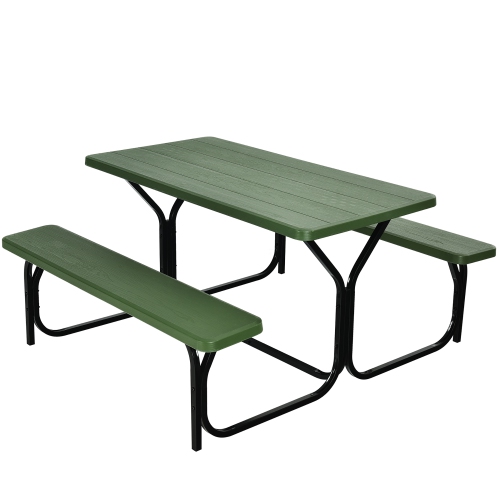
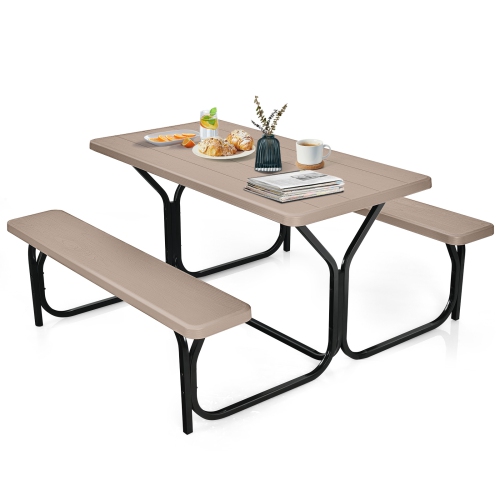


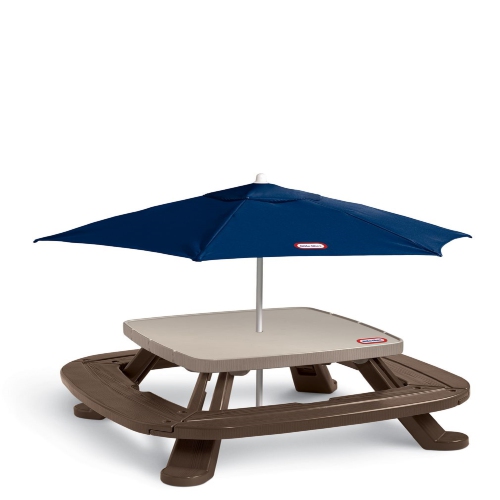


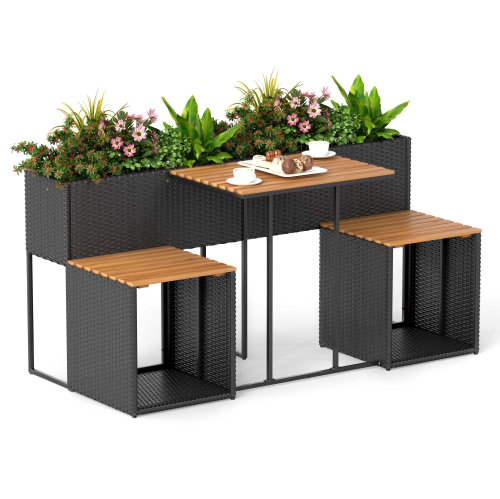
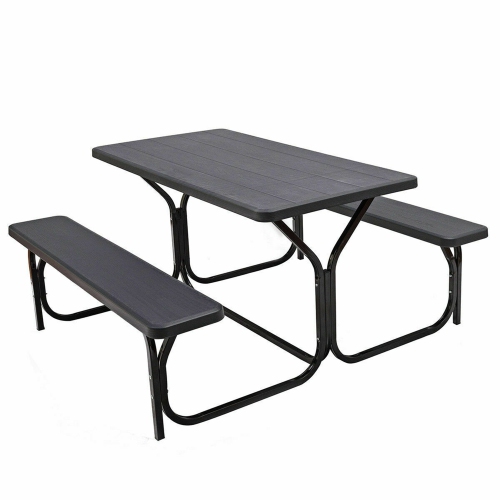
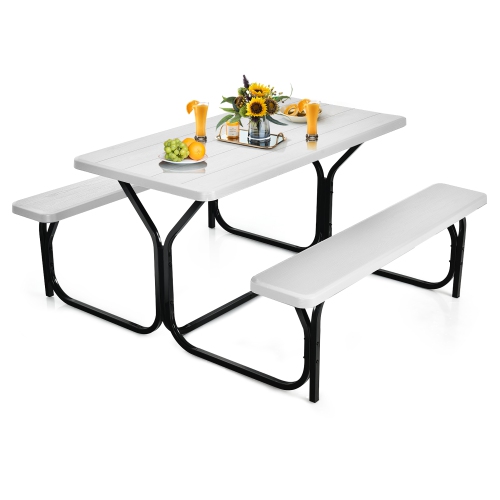

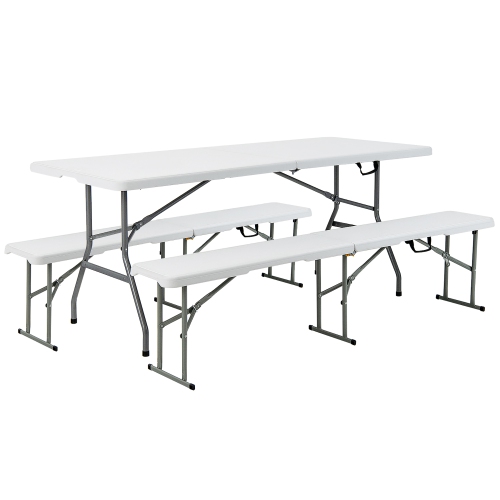

Picnic table comfort goes beyond a sturdy frame
High-quality picnic tables bring seating and a shared dining surface together in a format that suits everything from family lunches to busy communal spaces. Their quality comes from the combination of materials, construction, proportions, and finish—not simply a heavy frame or a thick tabletop. A well-built table feels stable when people sit down, has smooth edges where hands and legs make contact, and provides enough support to keep the top and benches from flexing excessively during normal use. Wood picnic tables have a familiar, substantial appearance that works naturally beside a garden, on a patio, or near a cottage. Their performance depends on the wood species, treatment, joinery, and ongoing care. Some woods have natural resistance to decay, while others rely more heavily on protective treatment and an appropriate finish. Rounded edges, evenly fitted boards, and neatly recessed fasteners contribute to everyday comfort. High-density polyethylene, often called HDPE, offers a different balance of features, with surfaces that are straightforward to wipe clean and do not require the same refinishing routine as wood. Plastic lumber still needs a properly supported frame and suitable hardware; material choice alone does not determine strength. Metal picnic tables can suit frequently used spaces, particularly when their frames, welds, and protective coatings are designed for repeated use. Thermoplastic-coated steel combines a metal structure with a coated contact surface, while perforated or expanded-metal designs have openings that allow liquids to pass through. Those openings also affect how comfortably small cups, narrow glass bases, or writing materials rest on the top. Across these materials, cross-bracing, secure bench supports, and well-finished connection points are meaningful signs of thoughtful construction. A table’s overall weight can influence how easily it moves, but weight is not a substitute for sound engineering. Published load limits are also important distinctions: a tabletop rating does not describe bench capacity, and neither should be interpreted as permission to stand on the furniture. The most suitable construction is one that matches the way the table will actually be used.
Fit involves more than whether a picnic table can be placed within a measured rectangle. Its full footprint includes the benches, while its usable footprint also includes room for people to approach, sit down, and leave without squeezing past a wall, railing, or neighbouring furniture. On a compact patio, an attached-bench design keeps the seating neatly aligned, but the position of the supports can affect how easily someone steps in. Walk-through frames and separate benches can offer different access arrangements, although detached seating needs room to move. Rectangular picnic tables create a straightforward layout for shared platters and side-by-side seating. Round, square, and other multi-sided designs change how people face one another and how the table occupies a space. Seating capacity is best understood alongside the actual dimensions: a bench that accommodates several children may feel much tighter when occupied by adults sharing a full meal. Elbow room matters, as does tabletop depth when plates, drinks, serving dishes, and a pitcher all need a place. For extended family meals or group lunches, Large Picnic Tables can provide additional seating and serving space, provided their dimensions leave comfortable circulation around the table. Tabletop overhang and the placement of legs or braces also influence knee room. An extended end may help accommodate a wheelchair user, but access depends on suitable knee and toe clearance, an unobstructed approach, and a usable route to the table—not the overhang alone. Children’s picnic tables have their own proportions and intended age ranges, rather than simply being shorter versions of adult seating. For shared residential spaces, staff lunch areas, and community gathering spots, ease of entry and a stable, level position deserve particular attention. A broad, firm supporting surface helps the table sit evenly, while any anchoring arrangement needs to suit both the frame and the surface beneath it. These details shape whether a table feels welcoming during an actual meal, not just whether it fits on paper.
Care requirements help distinguish a picnic table that suits occasional household use from one that fits a demanding shared setting. Crumbs, spilled juice, greasy serving dishes, and craft supplies all leave different marks, so a surface that can be cleaned according to the manufacturer’s directions is a practical advantage. Wood generally benefits from gentle cleaning, prompt attention to splinters or rough patches, and refinishing when required for its species and existing coating. Small changes in wood, including movement at joints or fine surface checking, do not all have the same significance; loose connections, sharp edges, and damaged structural parts require closer attention. HDPE surfaces usually need routine washing rather than painting or staining, but abrasive tools and unsuitable cleaners can still affect their appearance. Coated metal needs cleaning around seams, fasteners, and other places where residue collects, with chips or exposed areas addressed using the specified repair method. Hardware matters across every material. Corrosion-resistant fasteners suited to the table’s construction, secure brackets, and accessible connection points make ongoing checks more manageable. Assembly quality is equally important: correctly fitted supports and properly tightened fasteners help the table perform as intended, whereas overtightening can damage some materials. For households that rearrange their space regularly, portability may matter as much as a substantial build. Folding tables and benches need secure locking mechanisms and careful handling around hinges, while fixed designs offer a more permanent arrangement without moving joints. A picnic table used for board games, drawing, or homework benefits from a smooth, continuous top; one used mainly for meals may place greater emphasis on easy cleanup and generous serving space. For a housewarming gift or a shared family purchase, the recipient’s space, seating needs, and willingness to maintain the material matter more than appearance alone. A thoughtfully chosen picnic table becomes a dependable place to set down lunch, gather for conversation, or spread out an activity, with its quality evident in comfortable proportions and reliable everyday use.
Top selling and popular products
-
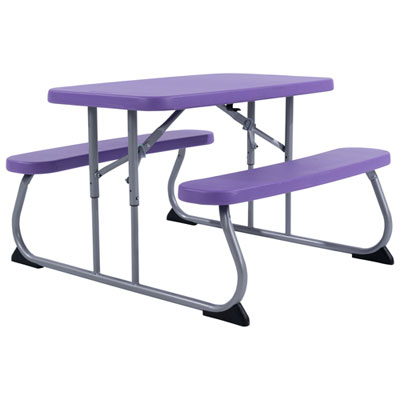 Your price for this item is $123.98
-
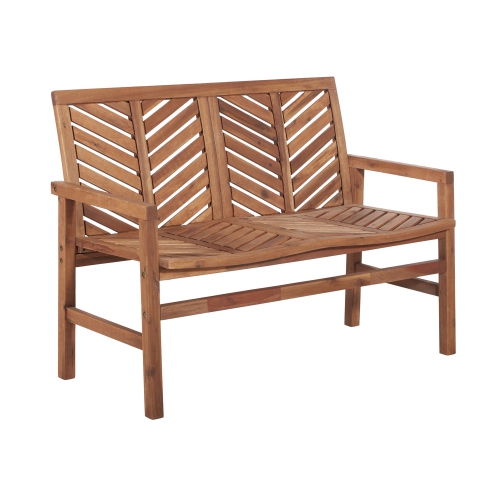 Your price for this item is $481.58
-
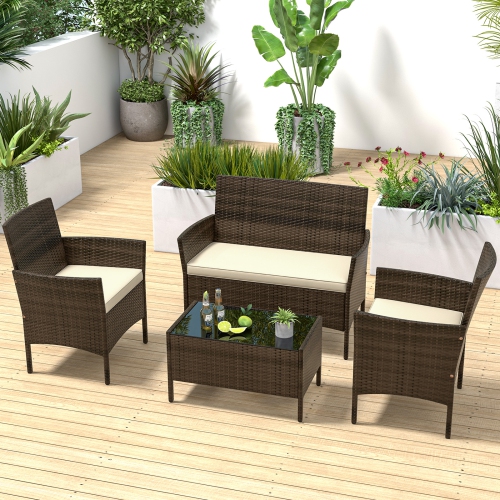 Your price for this item is $246.99
-
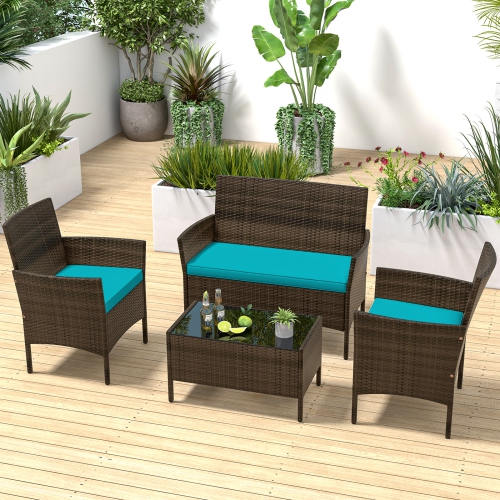 Your price for this item is $236.99
-
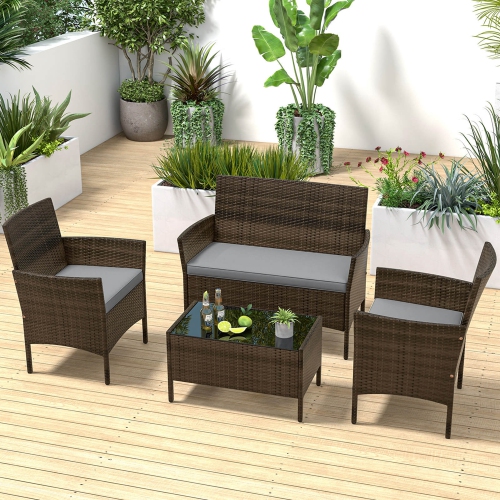 Your price for this item is $236.99
-
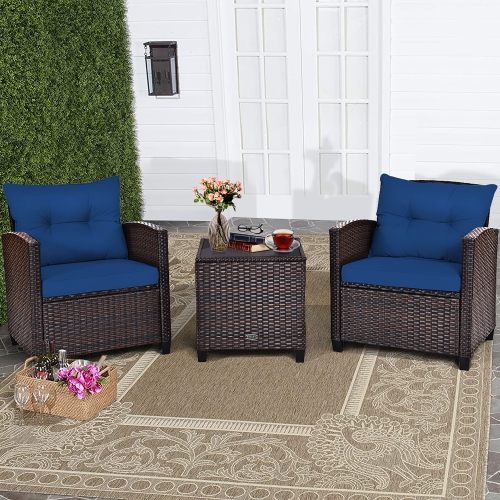 Your price for this item is $229.99
-
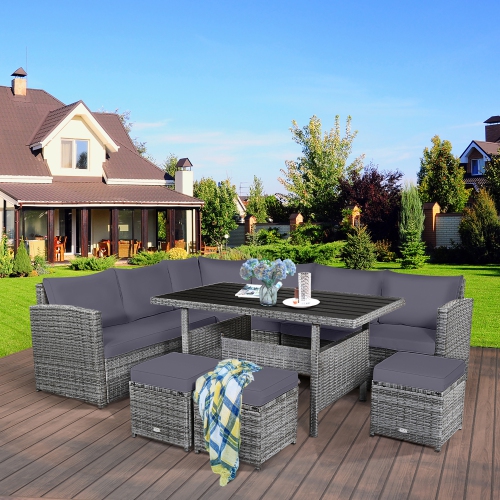 Your price for this item is $899.99
-
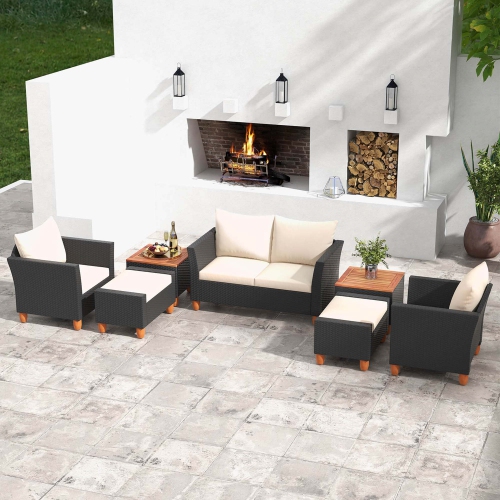 Your price for this item is $599.99
Discover more categories related to High Quality Picnic Tables
Top Collections:
Pokemon Centers, Best Cameras for Sports Photography, Kindle Devices, Samsung Galaxy Phones, Canon G7X Cameras, Pokémon 30th Celebration Cards, Refurbished Apple Laptops, iPhone 15 Apple, Laptops for Students, Budget Smartphones
Some products may be subject to Environmental Handling Fees
(EHF) depending on your province.
Learn more about EHFs.