Good Quality Sleeping Bags
A sleeping bag is one of the most important pieces of gear you'll take with you on a backpacking trip. It keeps you warm when it's cold and cool when it's hot. And it provides a place to sleep and rest when you're tired from hiking or camping in a rough spot. Here are some of our favorite sleeping bags.
Sort
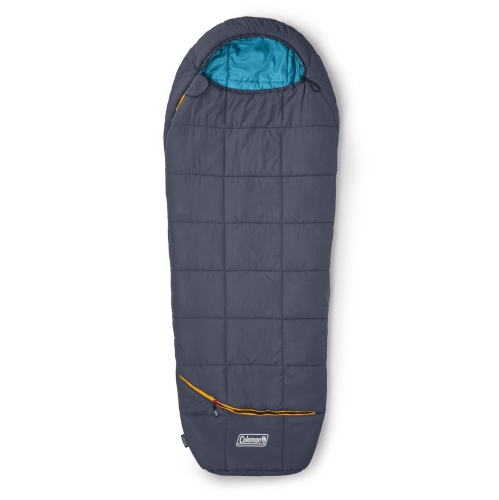
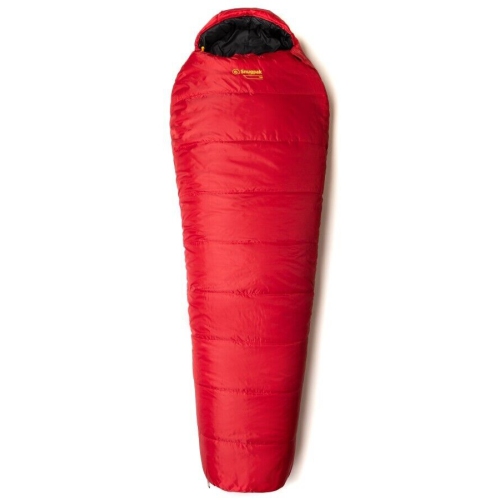
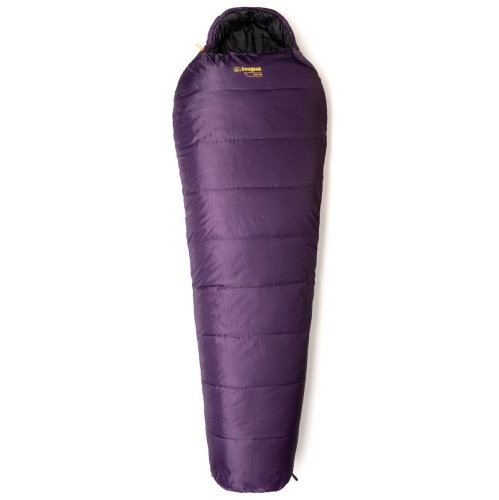
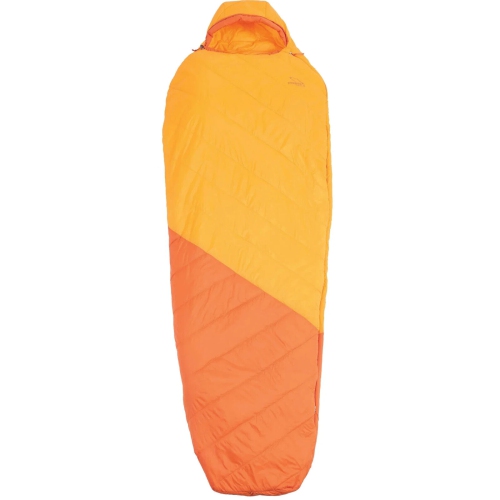
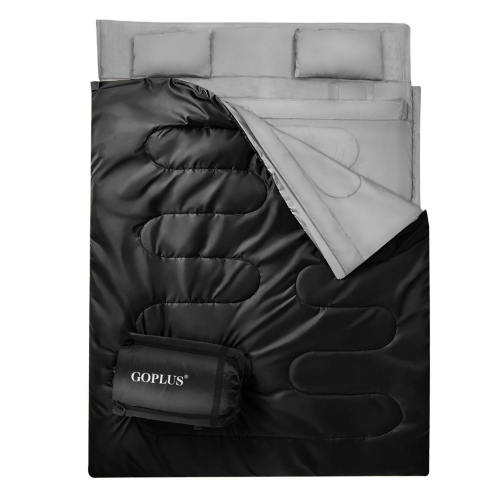
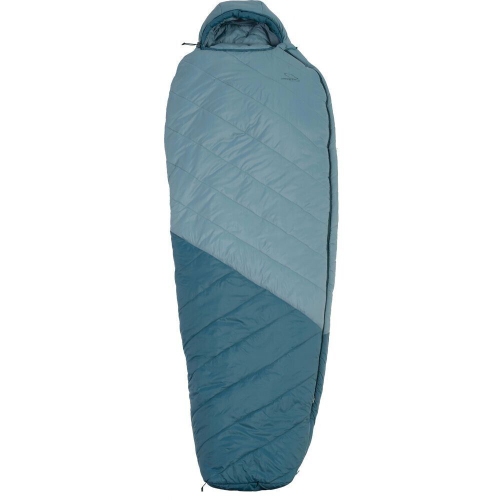
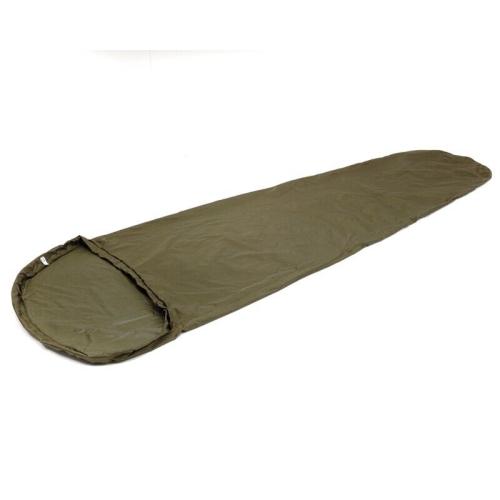
Insulation, shape and features for more comfortable nights
Good quality sleeping bags bring together dependable insulation, thoughtful construction and a shape that suits the way you plan to sleep. For backpacking, paddling trips and campsite-to-campsite travel, a lightweight bag that compresses easily can make a noticeable difference when every item must fit inside a pack. Down insulation is often valued for its warmth-to-weight ratio and compact storage, while synthetic insulation offers practical performance in damp conditions and is generally easy to care for. For drive-in camping, backyard sleepovers or a cabin trip, packed size may matter less than generous room, soft lining and convenient features. A rectangular sleeping bag provides plenty of space to stretch out, while a mummy-shaped design fits more closely around the body to help retain warmth. Spoon-shaped options offer a useful middle ground, giving side sleepers extra room around the elbows and knees without feeling as open as a traditional rectangular bag. Consider the bag’s listed temperature rating as a starting point rather than a guarantee, since warmth depends on clothing, a sleeping pad, shelter, wind and personal comfort. A bag rated for warmer conditions can suit summer camping, while a lower-rated option provides more flexibility for cooler nights during the shoulder seasons. Look for a hood, draft collar and insulated zipper area when overnight temperatures may fall, and consider a two-way zipper or ventilation opening when you want to regulate warmth as the air changes.
The best sleeping bag for your plans should also match your sleeping habits and the conditions around your campsite. If you tend to sleep cold, choose additional insulation and leave room for a thermal base layer, rather than relying on heavy outdoor clothing that can compress the fill and restrict movement. If you sleep warm or camp during milder weather, a lighter bag with a full-length zipper can provide more airflow and can often be opened flat as a blanket. A hood helps keep heat around your head on cool nights, while a foot box gives toes space to move and prevents the insulation from being compressed. Check the zipper design for smooth operation, snag-resistant construction and an interior draft tube that helps limit cold air from entering along the closure. Details such as a small interior pocket can keep a phone, headlamp or glasses close at hand, and a compression sack can make storage more manageable when space is limited. For family camping, look for practical sizing that allows children to stay comfortably covered without leaving excessive empty space that is difficult to warm. Couples may prefer compatible bags that can be joined together, while solo campers may appreciate a wider cut for changing positions. A sleeping bag is also a useful gift for a student heading to camp, a first-time camper building an outdoor kit, or a frequent traveller who spends nights in tents, trailers and rustic accommodations. For shoppers comparing comfort-focused designs, Comfortable Sleeping Bags can help narrow the selection by highlighting features intended to make overnight rest easier.
Quality is found in the details that hold up through repeated trips: durable outer fabric, secure stitching, consistent insulation and a zipper that remains reliable after being opened and closed in low light. Before choosing a size, compare the bag’s length and shoulder, hip and foot measurements with your own proportions, especially if you prefer to wear layers or move around while sleeping. Tall campers may need an extended length, while a closer-fitting design can reduce unused space and help conserve warmth. Think about the sleeping system as a whole, too. A well-insulated sleeping pad separates your body from the cold ground and can make a moderate-temperature bag feel much more comfortable. Inside a tent, ventilation matters because condensation can collect overnight; keeping the bag as dry as possible helps preserve its insulating ability. After a trip, follow the care instructions, air the bag thoroughly before storing it and keep it in a roomy storage sack rather than compressed for long periods. During warmer outings, a lightweight sleeping bag can be used on its own, while cooler camping may call for a liner, warmer clothing or a bag designed for lower temperatures. Whether it is being packed for a quiet night beside a lake, a family weekend at a campground or an overnight visit where familiar bedding is not available, a well-chosen sleeping bag creates a comfortable personal space when the temperature drops and the campsite grows quiet.
The best sleeping bag for your plans should also match your sleeping habits and the conditions around your campsite. If you tend to sleep cold, choose additional insulation and leave room for a thermal base layer, rather than relying on heavy outdoor clothing that can compress the fill and restrict movement. If you sleep warm or camp during milder weather, a lighter bag with a full-length zipper can provide more airflow and can often be opened flat as a blanket. A hood helps keep heat around your head on cool nights, while a foot box gives toes space to move and prevents the insulation from being compressed. Check the zipper design for smooth operation, snag-resistant construction and an interior draft tube that helps limit cold air from entering along the closure. Details such as a small interior pocket can keep a phone, headlamp or glasses close at hand, and a compression sack can make storage more manageable when space is limited. For family camping, look for practical sizing that allows children to stay comfortably covered without leaving excessive empty space that is difficult to warm. Couples may prefer compatible bags that can be joined together, while solo campers may appreciate a wider cut for changing positions. A sleeping bag is also a useful gift for a student heading to camp, a first-time camper building an outdoor kit, or a frequent traveller who spends nights in tents, trailers and rustic accommodations. For shoppers comparing comfort-focused designs, Comfortable Sleeping Bags can help narrow the selection by highlighting features intended to make overnight rest easier.
Quality is found in the details that hold up through repeated trips: durable outer fabric, secure stitching, consistent insulation and a zipper that remains reliable after being opened and closed in low light. Before choosing a size, compare the bag’s length and shoulder, hip and foot measurements with your own proportions, especially if you prefer to wear layers or move around while sleeping. Tall campers may need an extended length, while a closer-fitting design can reduce unused space and help conserve warmth. Think about the sleeping system as a whole, too. A well-insulated sleeping pad separates your body from the cold ground and can make a moderate-temperature bag feel much more comfortable. Inside a tent, ventilation matters because condensation can collect overnight; keeping the bag as dry as possible helps preserve its insulating ability. After a trip, follow the care instructions, air the bag thoroughly before storing it and keep it in a roomy storage sack rather than compressed for long periods. During warmer outings, a lightweight sleeping bag can be used on its own, while cooler camping may call for a liner, warmer clothing or a bag designed for lower temperatures. Whether it is being packed for a quiet night beside a lake, a family weekend at a campground or an overnight visit where familiar bedding is not available, a well-chosen sleeping bag creates a comfortable personal space when the temperature drops and the campsite grows quiet.
Top selling and popular products
-
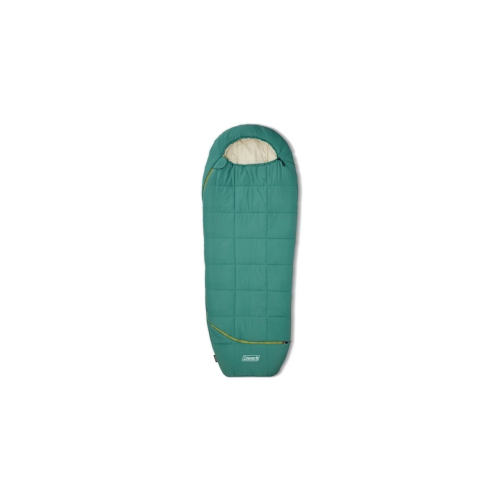 Your price for this item is $149.99
 -
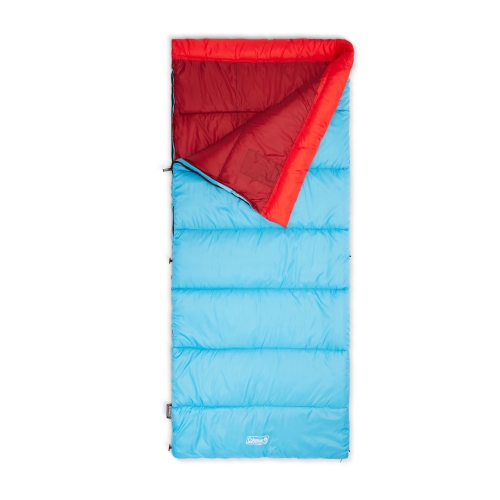 Your price for this item is $134.99
 -
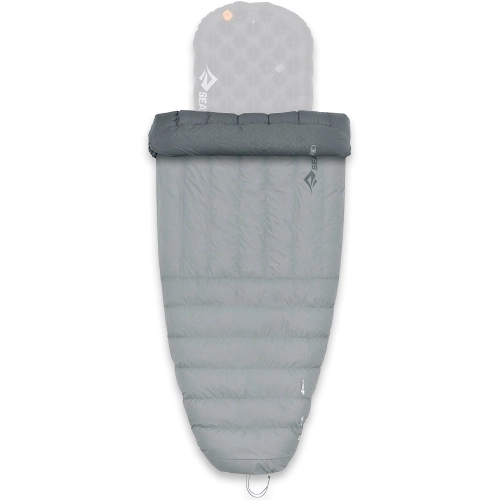 Your price for this item is $378.95
 -
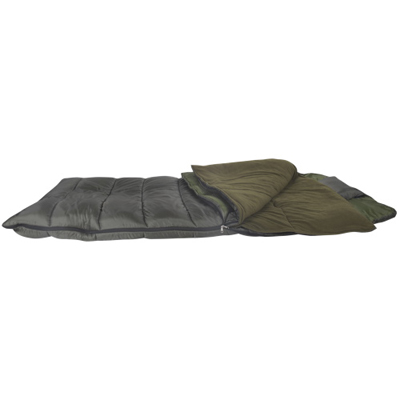 Your price for this item is $219.99
 -
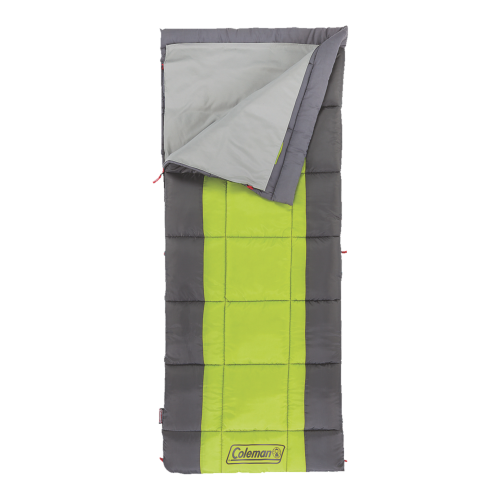 Your price for this item is $90
 -
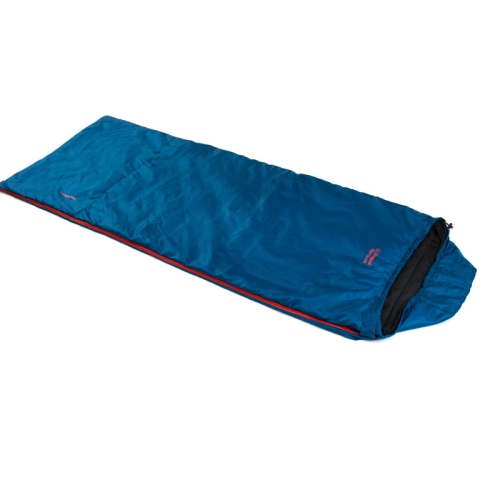 Your price for this item is $124.95
 -
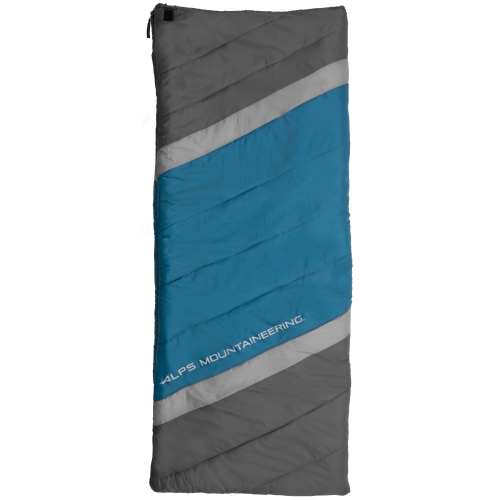 Your price for this item is $159.99
 -
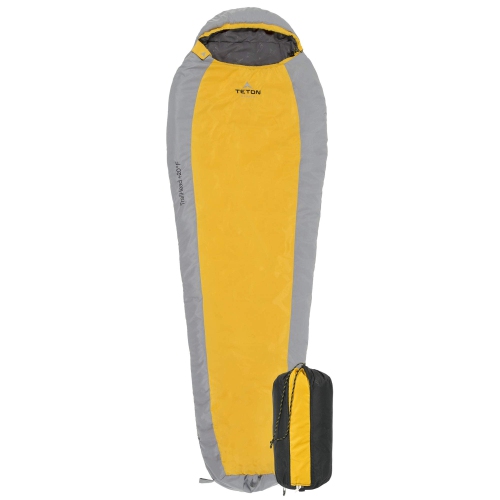 Your price for this item is $276.07
Discover more categories related to Good Quality Sleeping Bags
Top Collections:
Pokemon Centers, Kindle Devices, Best Budget Office Chairs, Apple iPhones 16, Best Laptops for Writers, iPhone 15 Apple, Canon G7X Cameras, Refurbished Apple Laptops, Alarm Clock, Motorola Razr Phones
Some products may be subject to Environmental Handling Fees
(EHF) depending on your province.
Learn more about EHFs.