Comfortable Sleeping Bags
The best sleeping bags are the ones that keep you warm and toasty while providing a comfortable night's sleep. Whether you're camping in the mountains, backpacking through the woods, or just trying to get a good night's rest in your bed, here are some of our favorite sleeping bags for comfort and durability.
Sort
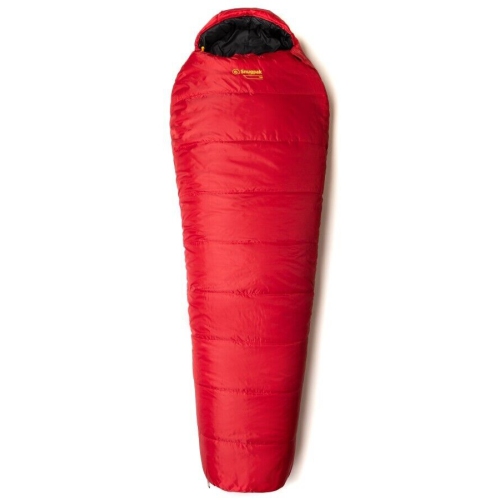
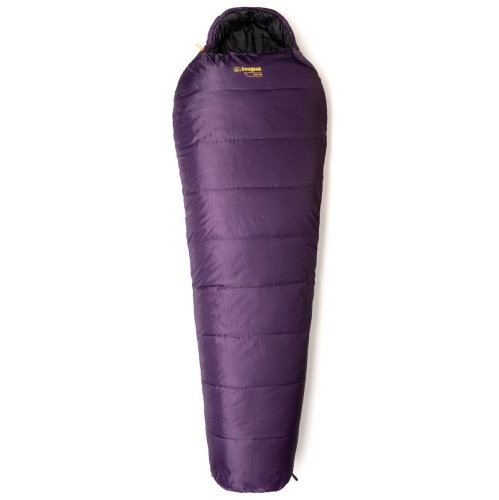
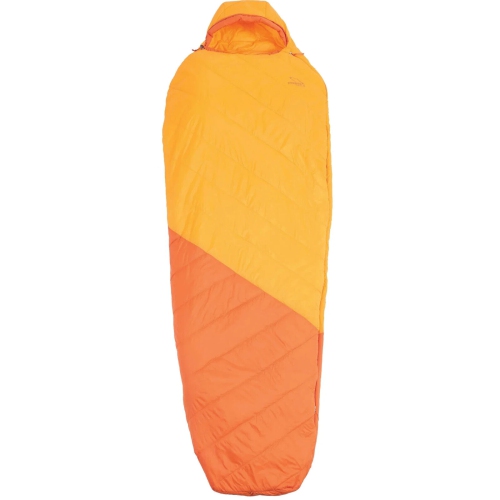
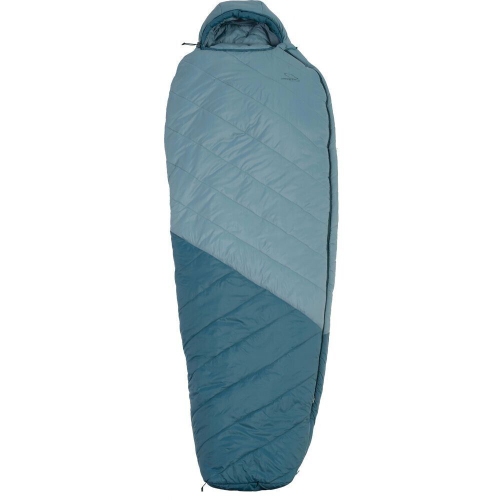
Warmth, room to move, and practical features for camping
Comfortable sleeping bags make overnight adventures more inviting, whether you are settling into a tent at a lakeside campsite, spending the night in a backyard shelter, or preparing a reliable sleep system for cooler conditions. The right sleeping bag should feel warm without being restrictive, with enough room to shift positions and adjust layers during the night. Traditional mummy shapes are designed to hold heat close to the body and may suit sleepers who prefer a close-fitting design, while semi-rectangular, rectangular, and spoon-shaped sleeping bags provide additional space around the elbows, knees, shoulders, and feet. This extra room can be especially helpful for side sleepers, restless sleepers, or anyone who dislikes feeling enclosed. Look for thoughtful details such as a soft lining, a shaped hood, a draft collar, and a full-length zipper that moves smoothly without catching fabric. A two-way zipper can make it easier to adjust airflow near the feet, while a footbox with a little structure can help maintain warmth without pressing against your toes. If you tend to overheat while sleeping, ventilation is just as important as insulation. Side vents, foot zippers, or adjustable openings allow warm air to escape without requiring you to open the entire bag, helping you stay comfortable as conditions change from a crisp evening to a colder night. For campers who want more room to move, some designs include arm openings or flexible construction that allows you to sit up, read, or reach for items while remaining covered. These features can turn a sleeping bag from a simple overnight necessity into a more adaptable part of your outdoor sleep setup.
Temperature ratings are among the most important details to consider when choosing comfortable sleeping bags. Manufacturers may list a comfort rating, a lower limit rating, and an extreme rating, and these numbers are not interchangeable. The comfort rating is generally the better reference for shoppers who want to understand the lowest temperature at which an average sleeper may remain warm, while the lower limit describes conditions for a more experienced or heat-efficient sleeper. The extreme rating is intended for emergency situations and should not be treated as a realistic target for a comfortable night. Personal factors also affect warmth, including clothing, fatigue, metabolism, sleeping position, and how well the bag fits. A bag that is too large may leave more air to heat, while one that is too tight can compress insulation and create cold spots. Down insulation is valued for its warmth-to-weight ratio and compressibility, making it appealing for backpackers and anyone with limited storage space. Synthetic insulation can provide dependable warmth, dry more quickly, and offer practical performance for family camping, damp conditions, or frequent use. Insulation weight and construction matter as well; baffles and quilting help keep fill distributed so that cold areas do not develop along the torso, feet, or sides. Pairing the bag with an insulated sleeping pad is essential because the ground can draw warmth away from the body even when the sleeping bag itself is well insulated. A pad also cushions hips and shoulders, making it easier to sleep comfortably through a long night. Choose a pad and bag together when possible, paying attention to the bag’s width, zipper placement, and shape so the two pieces work naturally as a system. For children, petite sleepers, or anyone who prefers a more compact fit, Small Warm Sleeping Bags can help reduce excess interior space while making the sleeping area feel cosy and manageable.
Comfortable sleeping bags can serve a wide range of campers and make thoughtful gifts for people who enjoy road trips, cottage weekends, hiking, festivals, scouting activities, or quiet nights under the stars. A parent may appreciate a warm, easy-to-pack option for family outings, while a student moving between residences may value a versatile bag that works for sleepovers, camping trips, and unexpected overnight stays. For a frequent traveller, weight, packed size, and compression are likely to be priorities; for car campers, a roomier shape and plush lining may matter more than the smallest packed dimensions. Consider how the bag will be stored and transported, since a large storage sack can be useful at home while a compact stuff sack makes carrying it easier. Features such as an interior pocket can keep a phone, headlamp, glasses, or other small essentials close by, and a zipper guard can reduce snags and help prevent cool air from entering along the closure. A hood with an adjustable drawcord can retain warmth around the head, while a draft tube along the zipper helps block cold air from reaching the torso. For shared camping arrangements, compatible zippers may allow two bags to be joined, provided they have matching zipper layouts and compatible shapes. During the cooler months, layering a moisture-wicking base layer, warm socks, and a light hat can improve comfort without forcing you to choose an overly heavy bag. Avoid overdressing to the point that insulation is compressed, and allow damp clothing to dry before settling in for the night. After each trip, air the bag thoroughly and follow the care instructions so the insulation and lining remain ready for future use. Whether it is selected for a first camping trip, a chilly cottage night, or a seasoned outdoor traveller who knows exactly how they like to sleep, a comfortable sleeping bag should provide warmth, freedom of movement, and practical features that make resting outdoors feel more natural.
Temperature ratings are among the most important details to consider when choosing comfortable sleeping bags. Manufacturers may list a comfort rating, a lower limit rating, and an extreme rating, and these numbers are not interchangeable. The comfort rating is generally the better reference for shoppers who want to understand the lowest temperature at which an average sleeper may remain warm, while the lower limit describes conditions for a more experienced or heat-efficient sleeper. The extreme rating is intended for emergency situations and should not be treated as a realistic target for a comfortable night. Personal factors also affect warmth, including clothing, fatigue, metabolism, sleeping position, and how well the bag fits. A bag that is too large may leave more air to heat, while one that is too tight can compress insulation and create cold spots. Down insulation is valued for its warmth-to-weight ratio and compressibility, making it appealing for backpackers and anyone with limited storage space. Synthetic insulation can provide dependable warmth, dry more quickly, and offer practical performance for family camping, damp conditions, or frequent use. Insulation weight and construction matter as well; baffles and quilting help keep fill distributed so that cold areas do not develop along the torso, feet, or sides. Pairing the bag with an insulated sleeping pad is essential because the ground can draw warmth away from the body even when the sleeping bag itself is well insulated. A pad also cushions hips and shoulders, making it easier to sleep comfortably through a long night. Choose a pad and bag together when possible, paying attention to the bag’s width, zipper placement, and shape so the two pieces work naturally as a system. For children, petite sleepers, or anyone who prefers a more compact fit, Small Warm Sleeping Bags can help reduce excess interior space while making the sleeping area feel cosy and manageable.
Comfortable sleeping bags can serve a wide range of campers and make thoughtful gifts for people who enjoy road trips, cottage weekends, hiking, festivals, scouting activities, or quiet nights under the stars. A parent may appreciate a warm, easy-to-pack option for family outings, while a student moving between residences may value a versatile bag that works for sleepovers, camping trips, and unexpected overnight stays. For a frequent traveller, weight, packed size, and compression are likely to be priorities; for car campers, a roomier shape and plush lining may matter more than the smallest packed dimensions. Consider how the bag will be stored and transported, since a large storage sack can be useful at home while a compact stuff sack makes carrying it easier. Features such as an interior pocket can keep a phone, headlamp, glasses, or other small essentials close by, and a zipper guard can reduce snags and help prevent cool air from entering along the closure. A hood with an adjustable drawcord can retain warmth around the head, while a draft tube along the zipper helps block cold air from reaching the torso. For shared camping arrangements, compatible zippers may allow two bags to be joined, provided they have matching zipper layouts and compatible shapes. During the cooler months, layering a moisture-wicking base layer, warm socks, and a light hat can improve comfort without forcing you to choose an overly heavy bag. Avoid overdressing to the point that insulation is compressed, and allow damp clothing to dry before settling in for the night. After each trip, air the bag thoroughly and follow the care instructions so the insulation and lining remain ready for future use. Whether it is selected for a first camping trip, a chilly cottage night, or a seasoned outdoor traveller who knows exactly how they like to sleep, a comfortable sleeping bag should provide warmth, freedom of movement, and practical features that make resting outdoors feel more natural.
Top selling and popular products
-
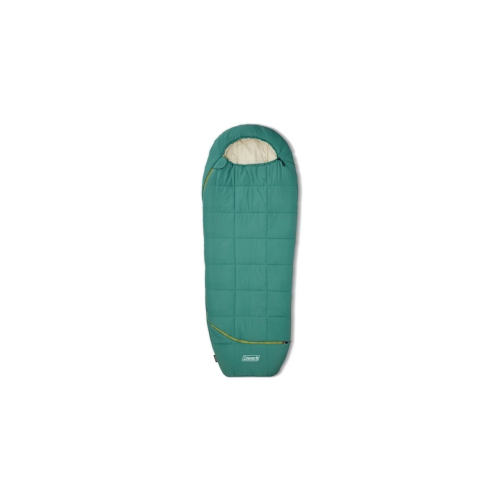 Your price for this item is $149.99
 -
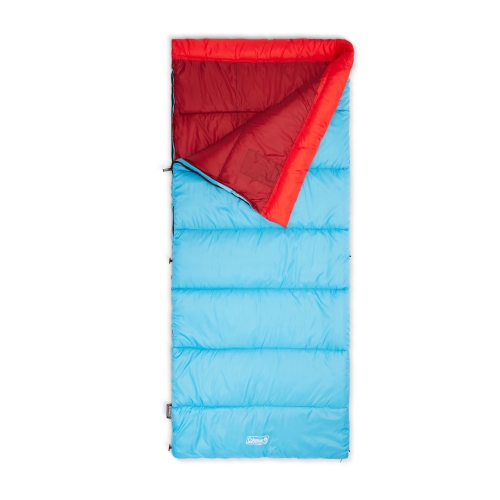 Your price for this item is $134.99
 -
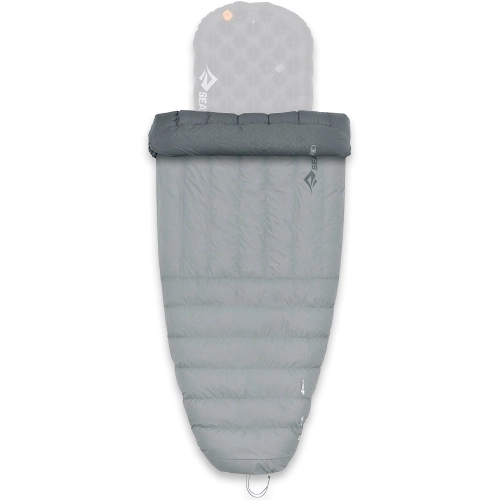 Your price for this item is $378.95
 -
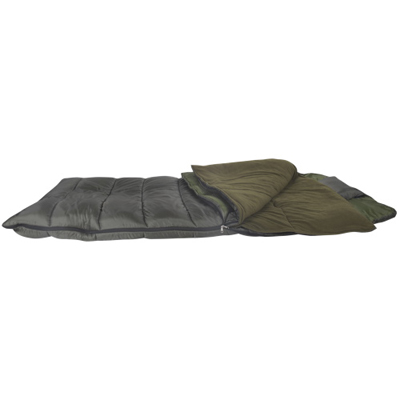 Your price for this item is $219.99
 -
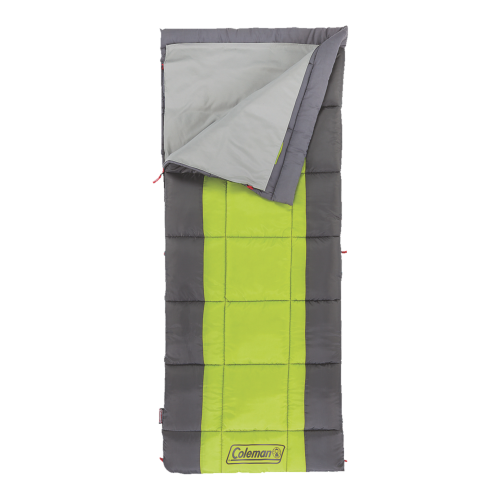 Your price for this item is $90
 -
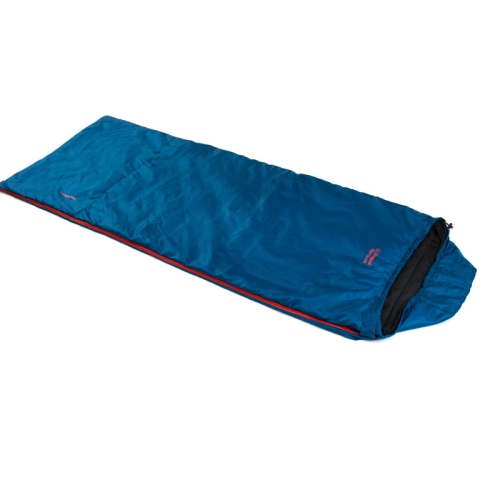 Your price for this item is $124.95
 -
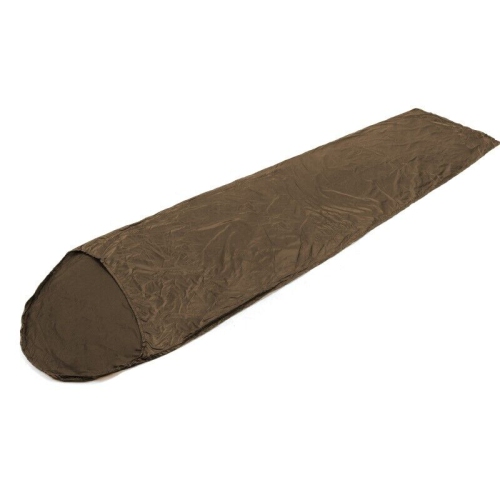 Your price for this item is $99.95
 -
 Your price for this item is $99.95
Discover more categories related to Comfortable Sleeping Bags
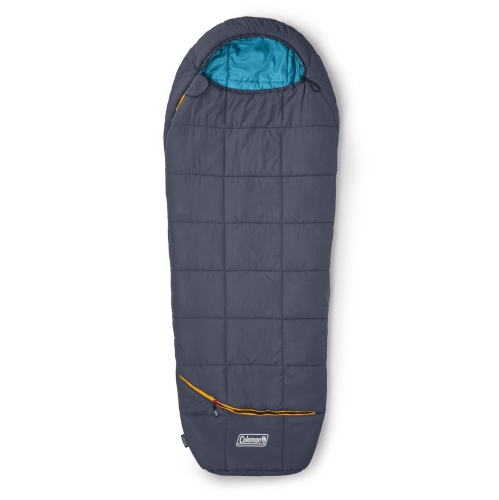
Top Collections:
Pokemon Centers, Kindle Devices, Best Budget Office Chairs, Apple iPhones 16, Canon G7X Cameras, iPhone 15 Apple, Alarm Clock, Refurbished Apple Laptops, Flip Phones, Best Laptops for Writers
Some products may be subject to Environmental Handling Fees
(EHF) depending on your province.
Learn more about EHFs.