Overhead Headphones Wireless

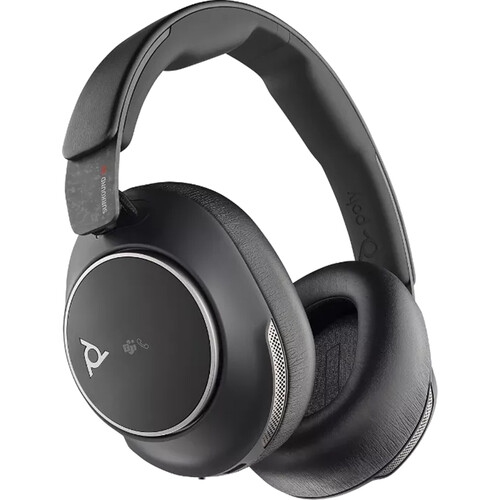
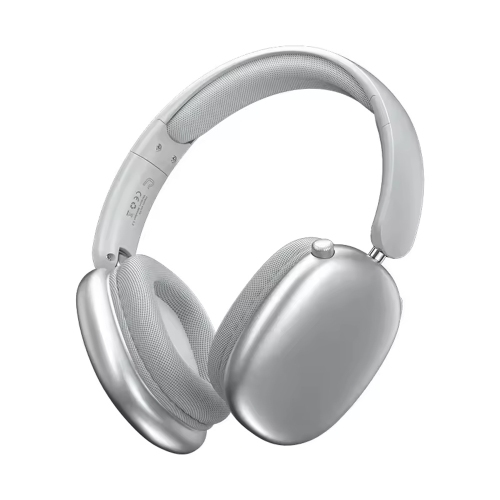
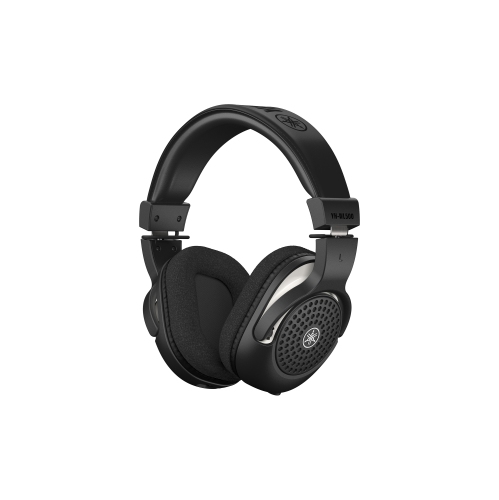
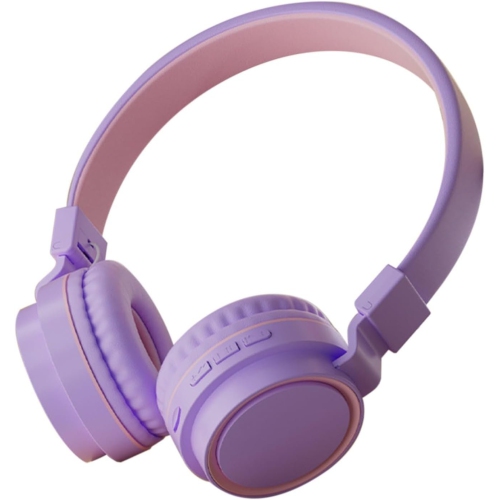
Shop wireless over-ear headphones for listening without a cable connecting you to your device. This headband-style design fits around your ears, making fit and comfort useful starting points when comparing options. Check battery life, device compatibility, and controls to find a pair that suits your daily listening.
Read More

Sort

How headphone fit shapes comfort and sound

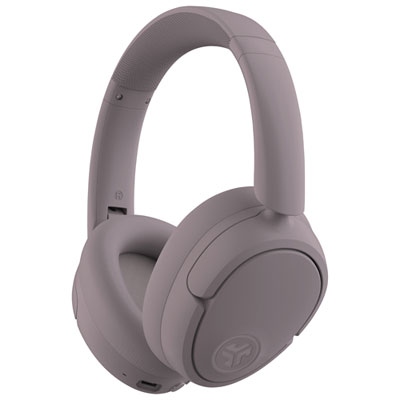
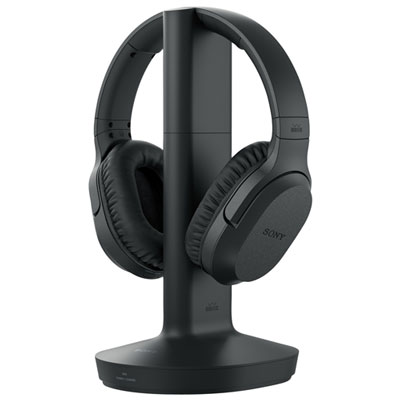
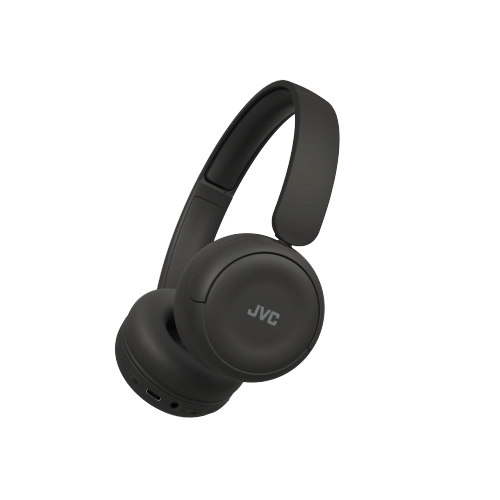
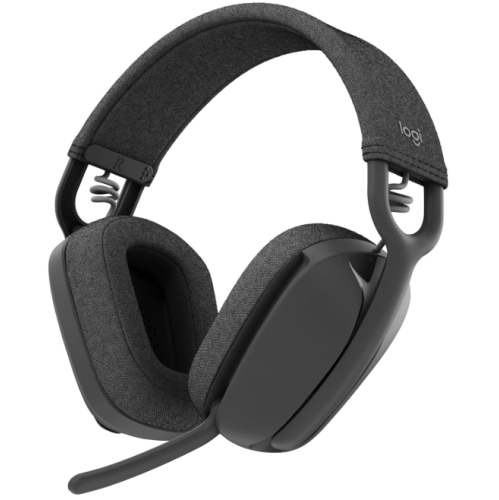
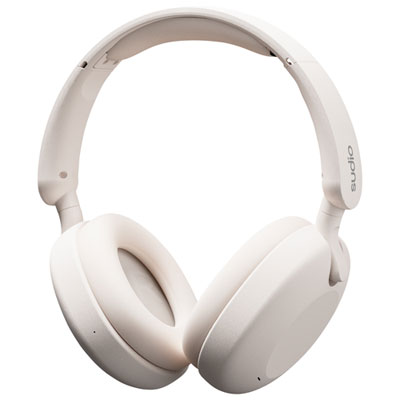
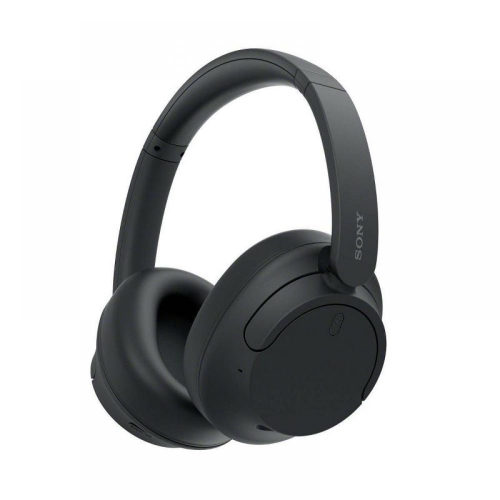
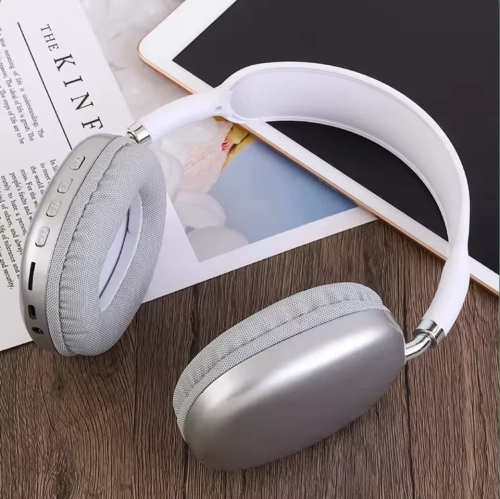
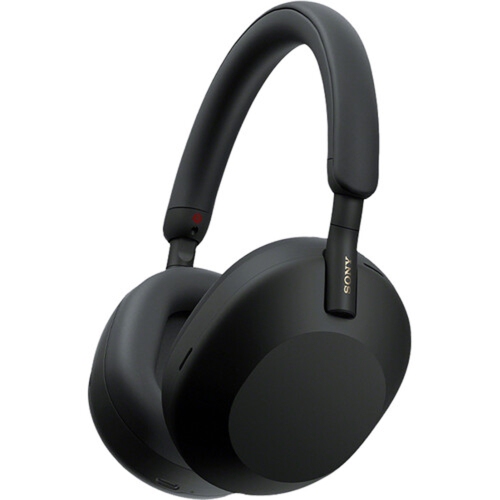
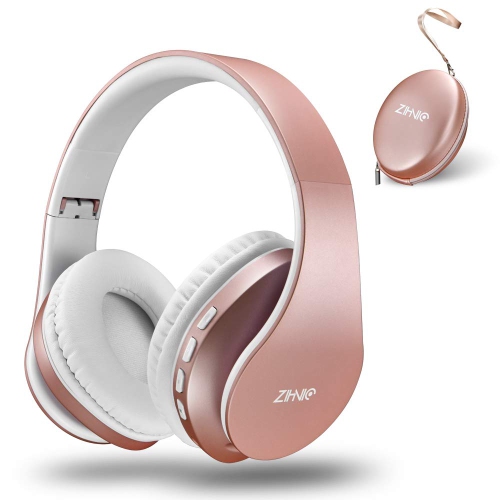
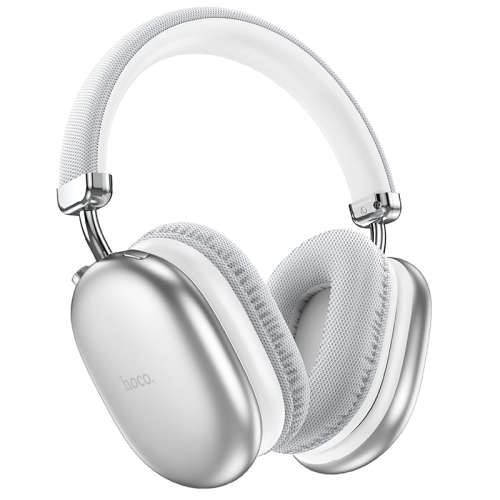
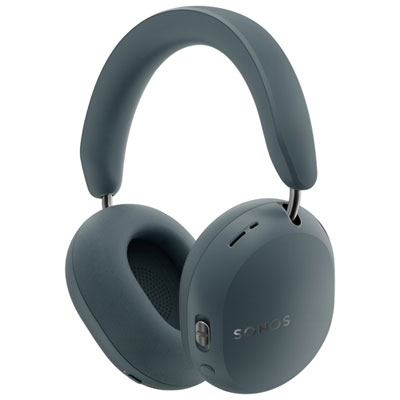
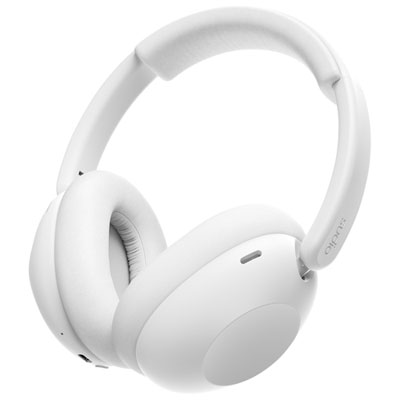
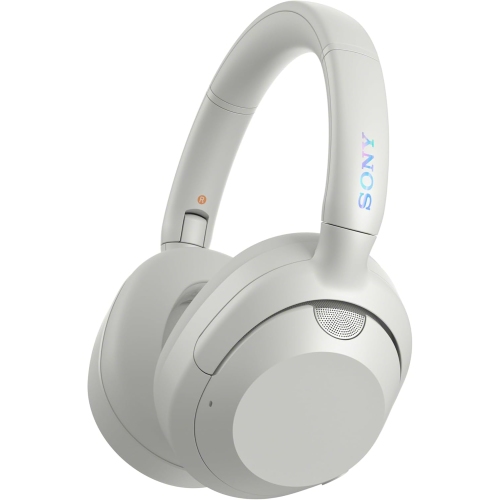
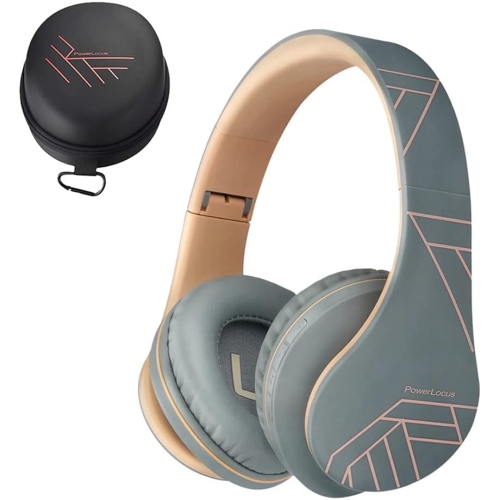
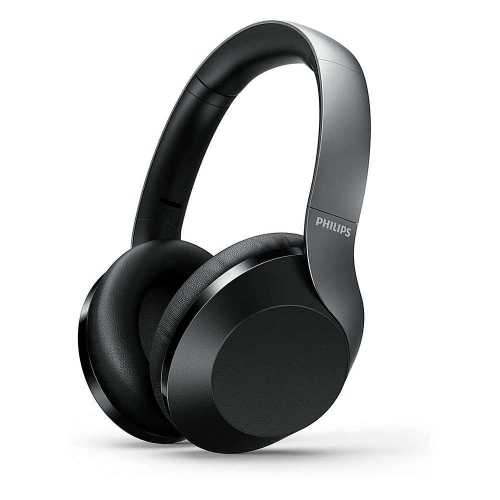
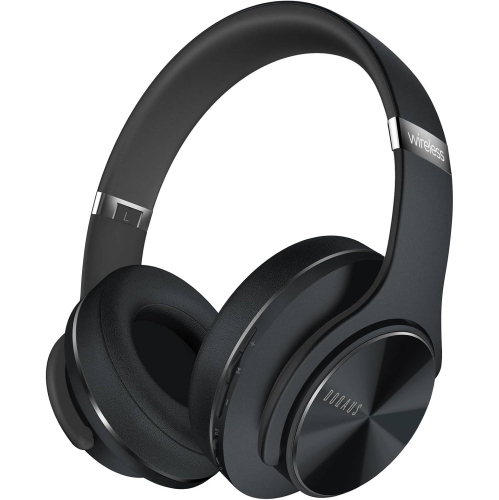
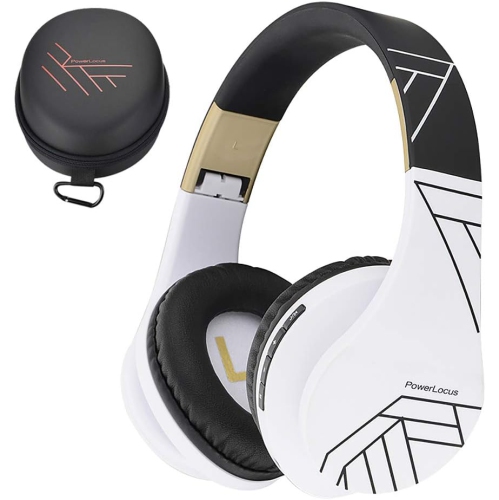
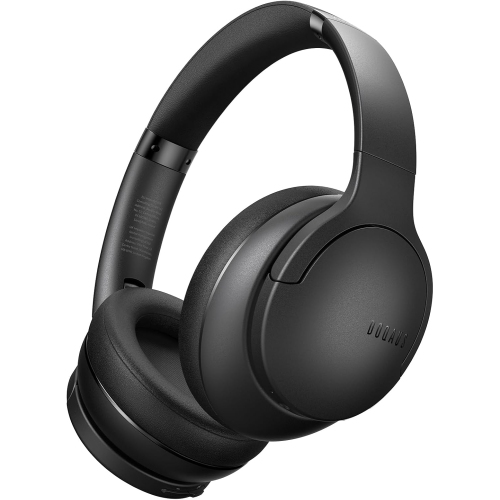
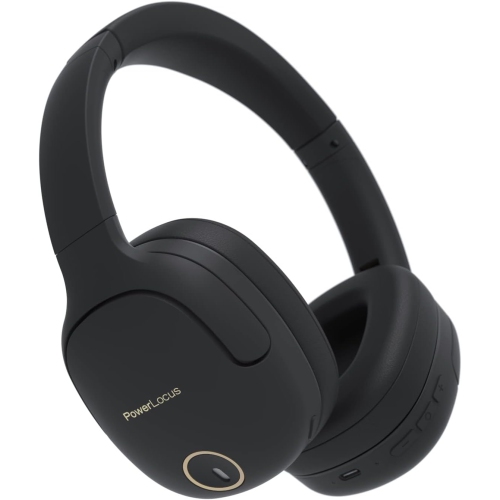
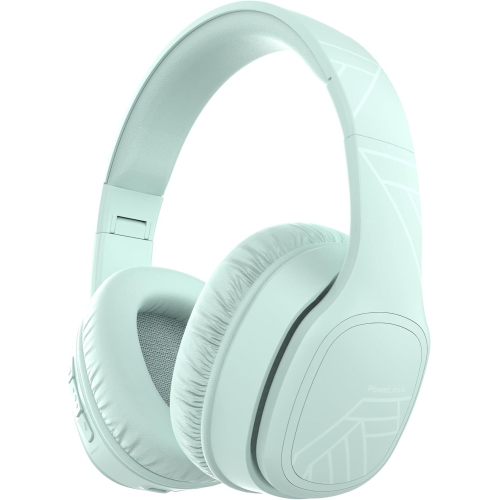
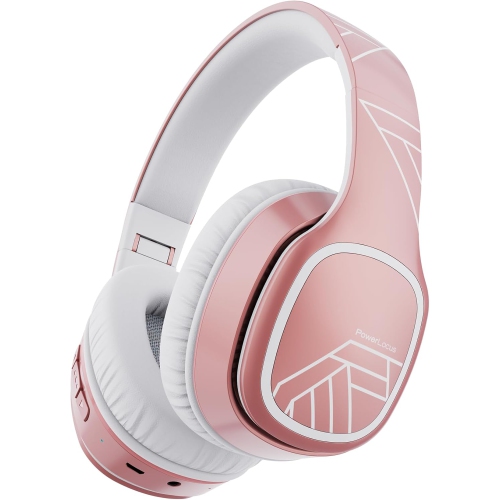
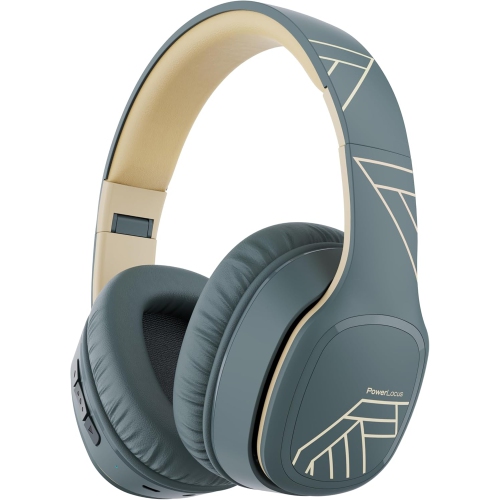
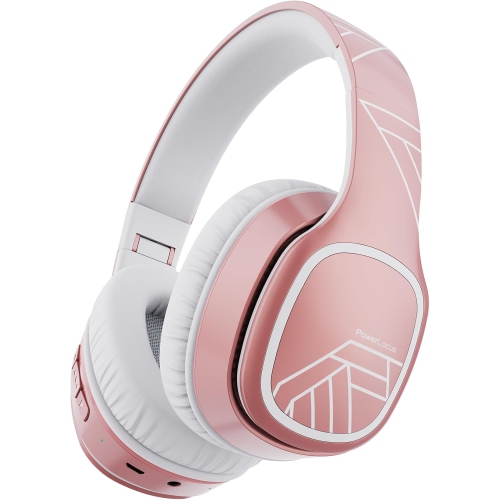
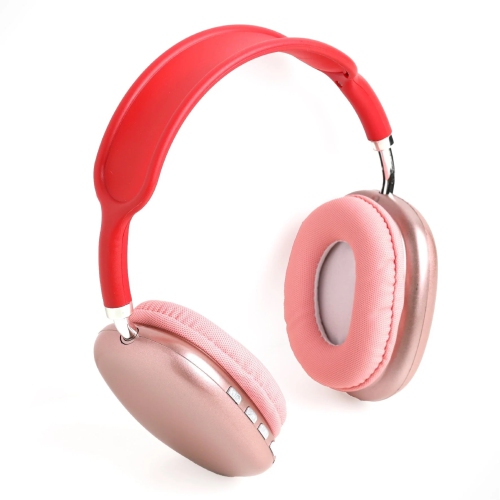
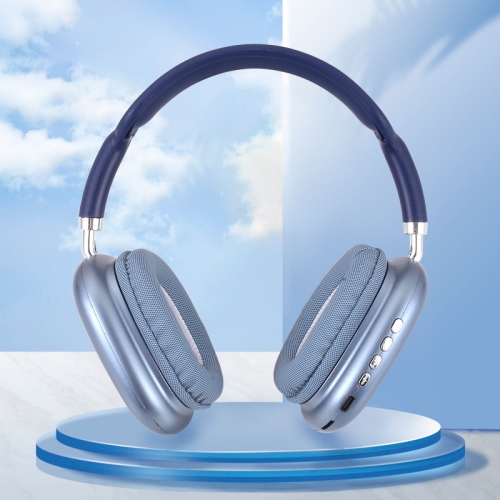
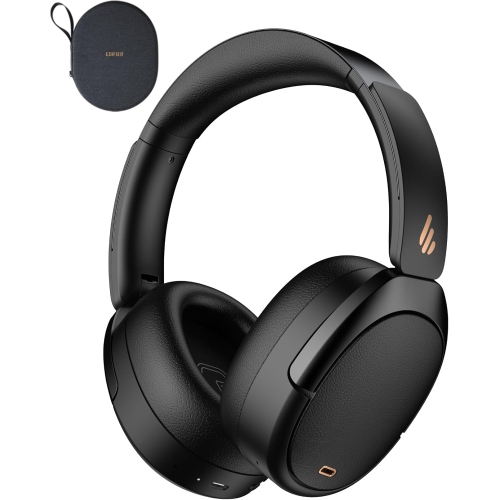
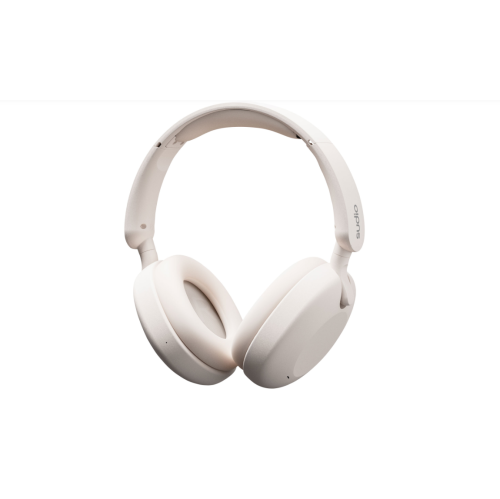
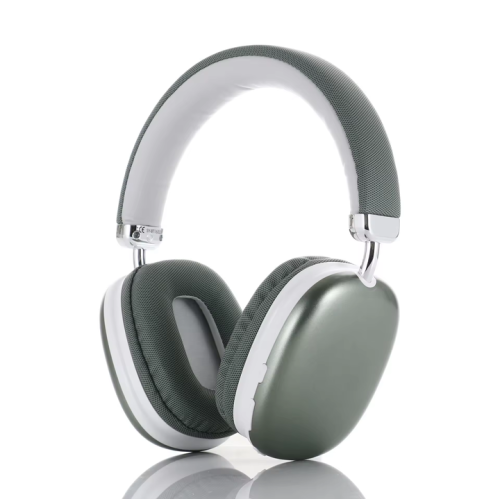
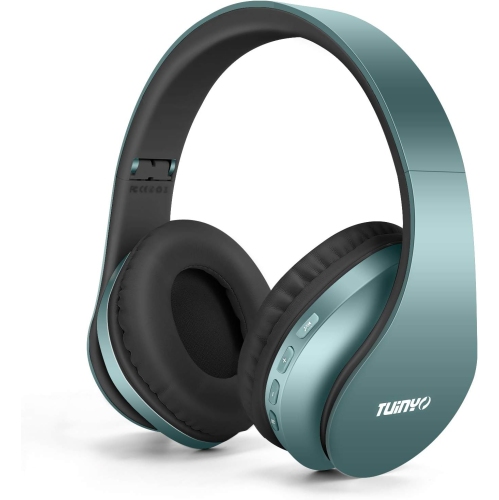
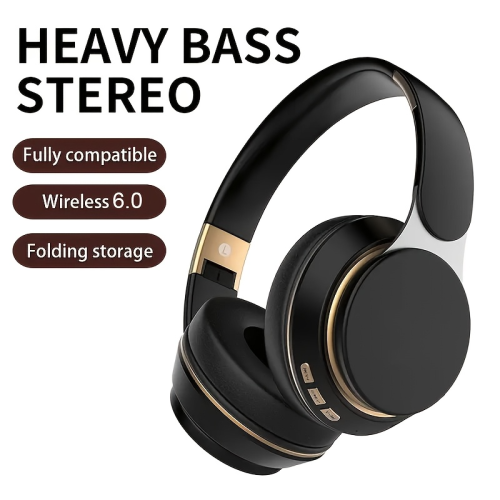
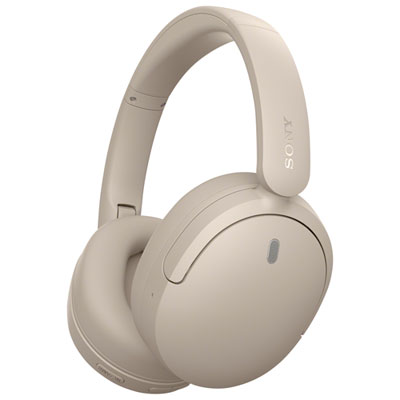
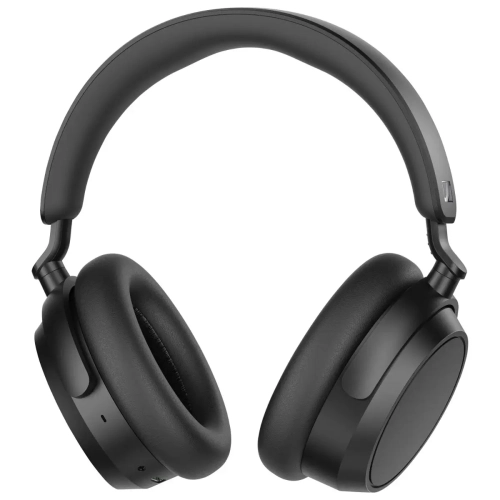
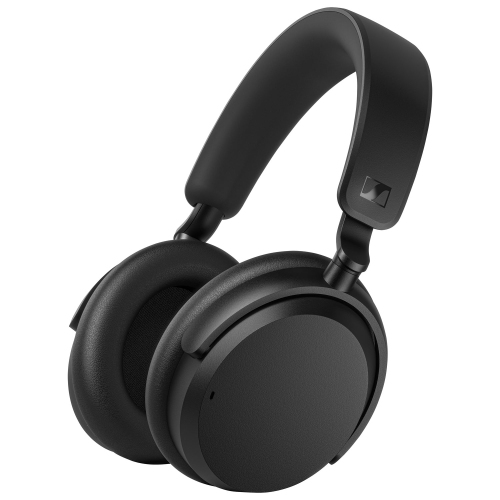
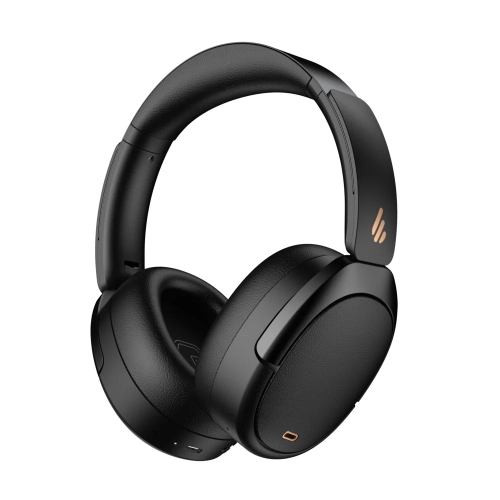
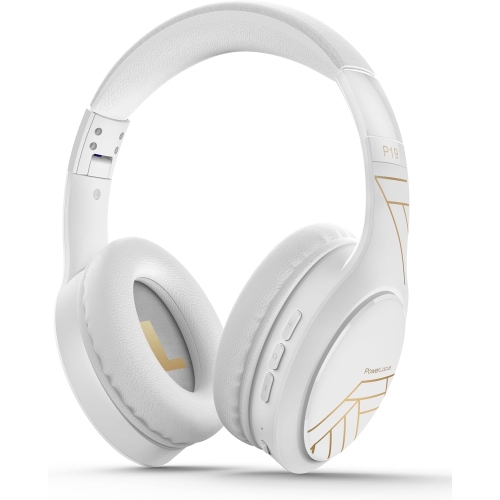
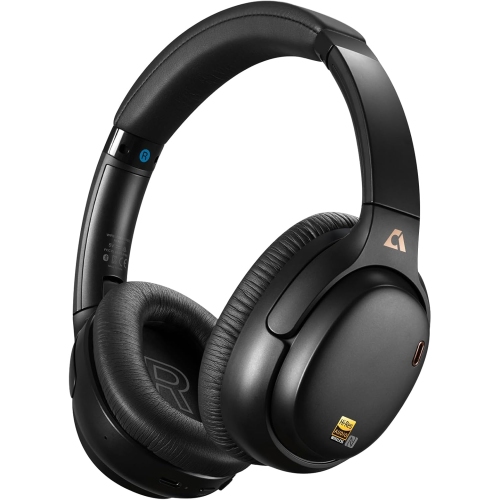
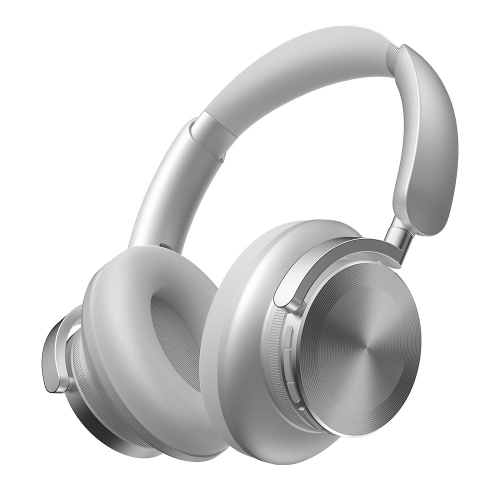
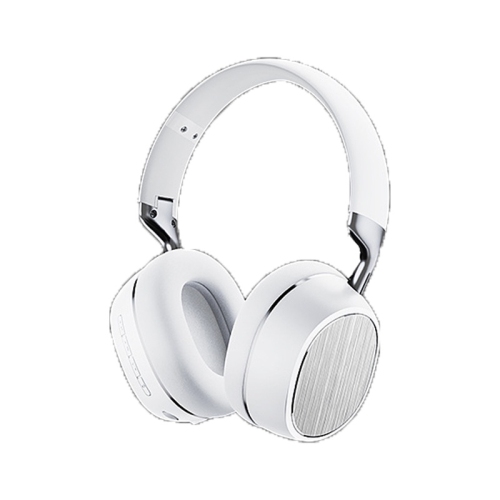
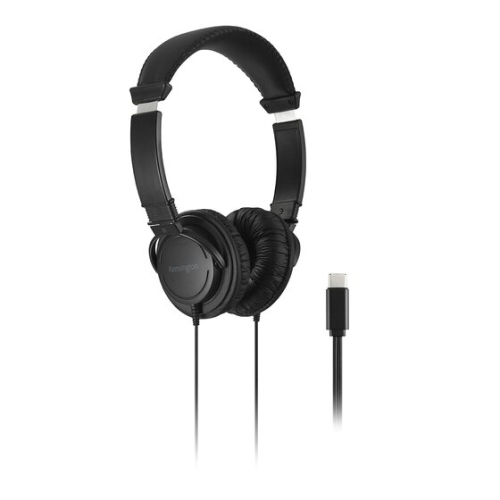
Wireless overhead headphones use a headband to hold two earcups in place, delivering personal audio without a cable running to a phone, tablet, or computer. The category includes over-ear designs, which surround the ears, and on-ear designs, which rest against them. Wireless over-ear headphones are particularly well suited to longer listening sessions, with cushioned earcups that create a seal around each ear and help reduce outside sound. They suit everyday routines such as listening to an album at a desk, following a podcast on public transit, or watching a film without disturbing someone nearby. Fit makes a noticeable difference to both comfort and sound. An adjustable headband helps position the earcups correctly, while swivelling cups can accommodate different head shapes and distribute pressure more evenly. Deep ear cushions provide space around the ears, although their comfort also depends on the firmness of the foam, the size of the openings, and the weight of the headphones. For someone who wears glasses, softer cushioning may ease pressure where the arms of the frames pass beneath the pads, though the frames can also affect the acoustic seal. Materials contribute to the feel of the headphones over several hours: fabric-covered cushions tend to feel different against the skin than synthetic leather, while metal reinforcement can add structure to an otherwise lightweight plastic frame. Neither a heavier build nor thicker padding automatically means a better fit. A stable headband, balanced weight, and enough adjustment to avoid pinching are more meaningful during a full afternoon of listening. Controls also shape everyday use. Physical buttons can be easier to identify by touch, while touch-sensitive earcups may offer convenient gestures for volume, playback, and calls. The position of those controls matters when reaching up during a commute or pausing a conversation at home. Colour, finish, and a compact silhouette offer room for personal preference, but the most useful design is one that feels comfortable and straightforward enough to become part of a regular routine.

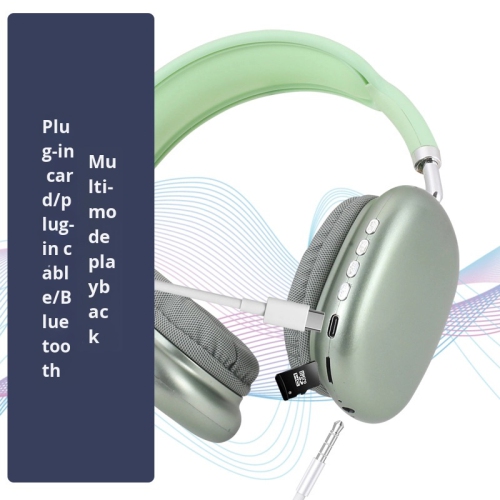
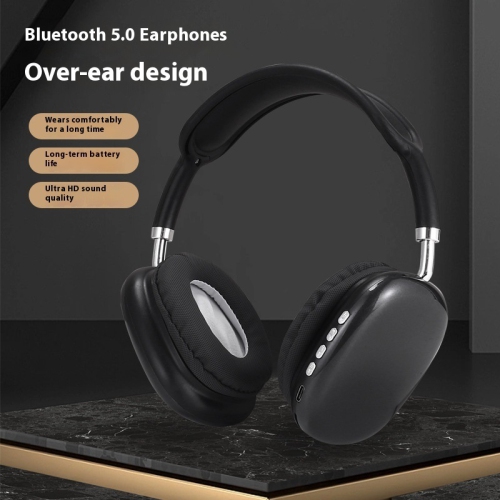
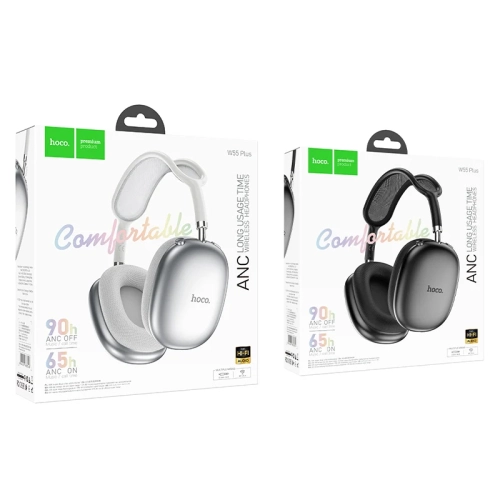
Sound quality, noise control, and wireless connectivity each affect how overhead headphones perform beyond their fit. A secure earcup seal supports bass response and passive noise isolation, while the tuning determines whether vocals, instruments, and dialogue sound balanced or more strongly emphasized. Strong bass can add weight to electronic music and action scenes, but clear midrange detail is useful for spoken-word recordings, video calls, and lyrics. Active noise cancellation, often shortened to ANC, uses microphones and processing to reduce unwanted sound reaching the listener. It is generally most effective against steady, low-frequency noise, such as an aircraft cabin or a ventilation system; nearby speech and sudden sounds may remain audible. Transparency or ambient listening modes, where offered, let more surrounding sound through the headphones, making it easier to hear an announcement or a brief conversation without removing them. These features serve different purposes, and noise cancellation is not a substitute for certified hearing protection. Bluetooth provides cable-free listening with compatible devices, while multipoint connectivity on supported headphones can keep a laptop and phone connected at the same time. That can simplify moving from a work call to audio on a phone, although it does not necessarily mean both devices can play sound simultaneously. Call quality also depends on microphone placement, voice processing, and background noise, not simply the quality of music playback. For listeners interested in High Resolution Wireless Over Ear Headphones, higher-quality playback depends on the full connection: the headphones, source device, supported Bluetooth codec, and recording all play a part. A high-resolution label alone does not guarantee a particular listening experience. Battery life likewise varies with volume, noise cancellation, call use, and other settings. Stated listening times are usually measured under particular test conditions, so everyday results can differ. Quick charging can provide useful listening time after a short charge where supported, while an optional wired connection may add flexibility. Wired operation, microphone support, and playback with an empty battery vary by design.

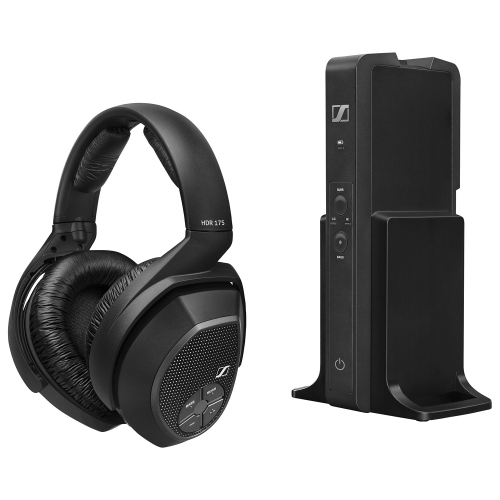
The right wireless overhead headphones can fit several parts of a day, but intended use helps distinguish genuinely useful features from ones that may see little use. For commuting and travel, folding hinges or rotating earcups can make headphones easier to pack, and a protective case keeps the cushions and headband from rubbing against other belongings. At a shared desk, comfortable padding, clear voice pickup, and a reliable mute control may matter more than a large collection of sound settings. For television and gaming, connection compatibility and audio delay deserve attention: standard Bluetooth performance varies, and some televisions or consoles require a supported transmitter, adapter, or a different wireless connection. For movement and exercise, a secure fit matters, but sweat resistance should never be assumed from the appearance of the headphones. Any stated water-resistance rating applies only under specified conditions and does not make a pair suitable for swimming. Care and storage also influence durability. Skin oils, hair products, and moisture can collect on ear cushions, so routine cleaning with a soft cloth, following the manufacturer’s care directions, helps maintain their finish. Excess liquid and harsh cleaners can damage coverings or reach internal components. Letting cushions dry before placing the headphones in a case helps prevent trapped moisture, and keeping them away from loose keys or pressure at the bottom of a bag protects surfaces and hinges. Replaceable ear cushions, when offered, can make it easier to maintain comfort after the original pads have worn. For gifting, wireless headphones suit students, frequent travellers, music listeners, and people who take regular calls, provided the fit and device compatibility match the recipient’s routine. A lightweight pair with simple controls may be more welcome for daily podcasts than a feature-heavy design, while someone who spends hours listening at home may appreciate spacious earcups and adjustable sound settings. Those practical details help headphones feel like a natural part of the listener’s day.
Read More

FAQ

Some products may be subject to Environmental Handling Fees (EHF) depending on your province. Learn more about EHFs.