Rattan Island Stools
If you're looking for a stool to use at your island or bar, you've got a lot of options. Rattan stools are a popular choice, as they're strong and durable and can be used in a variety of places. Here are some great options available today.
Sort

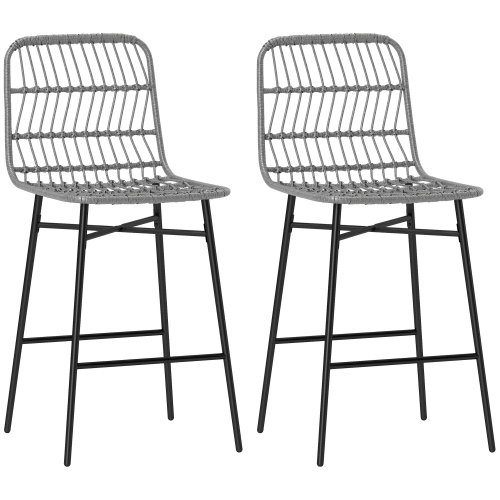
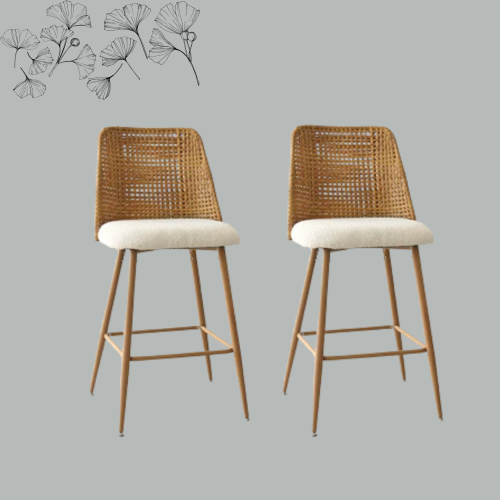
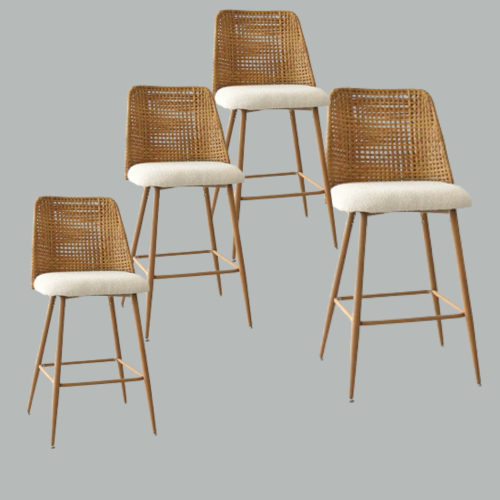
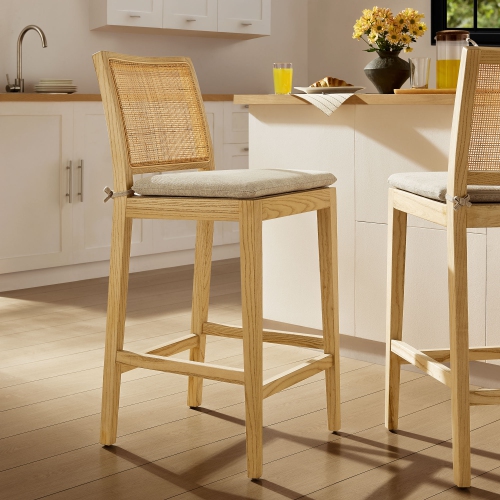
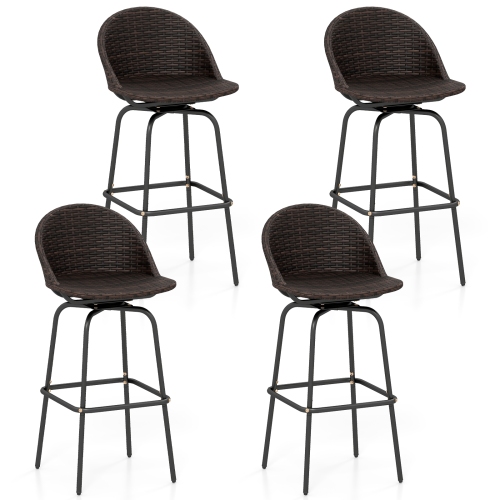
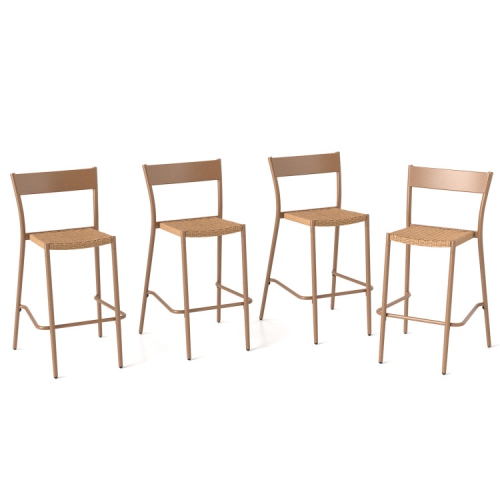
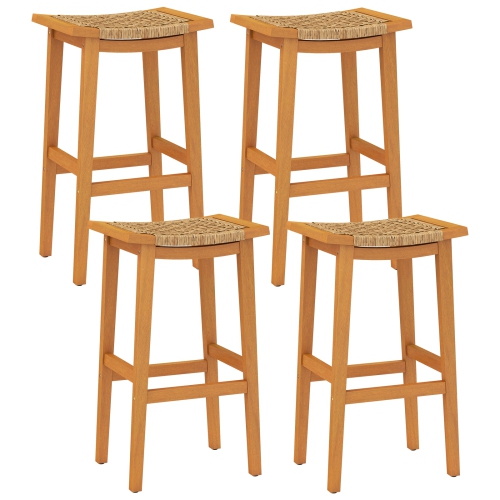
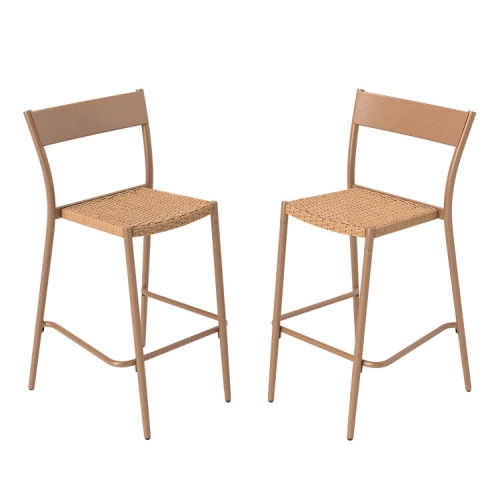
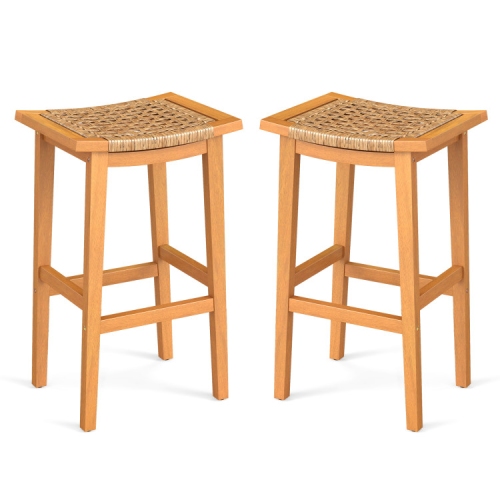
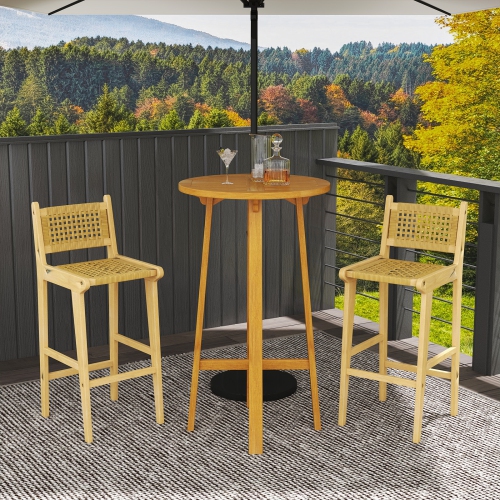
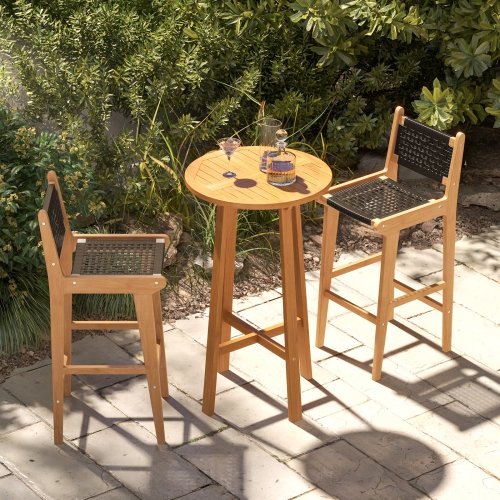
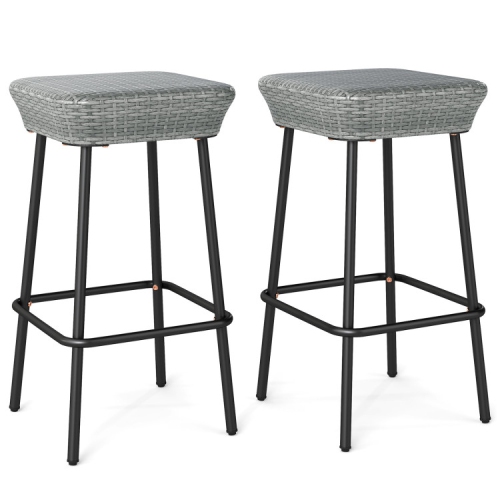
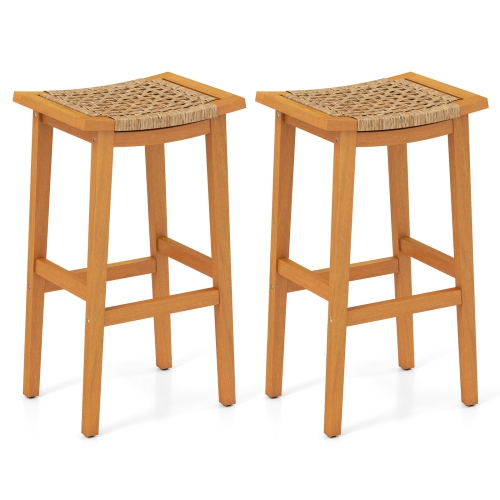
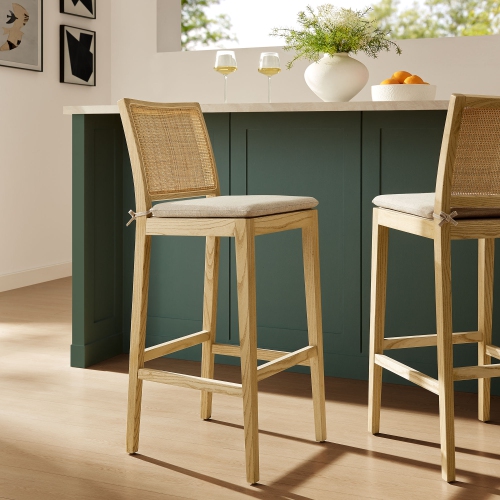
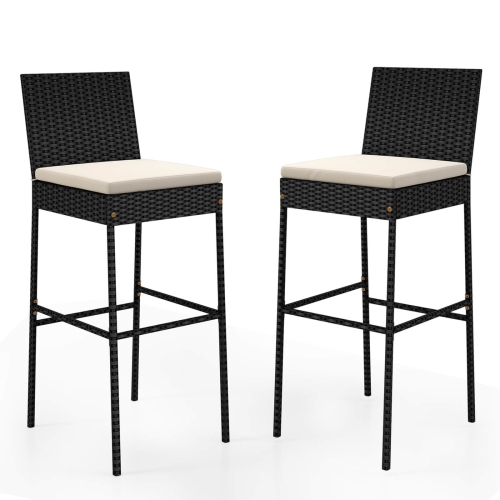
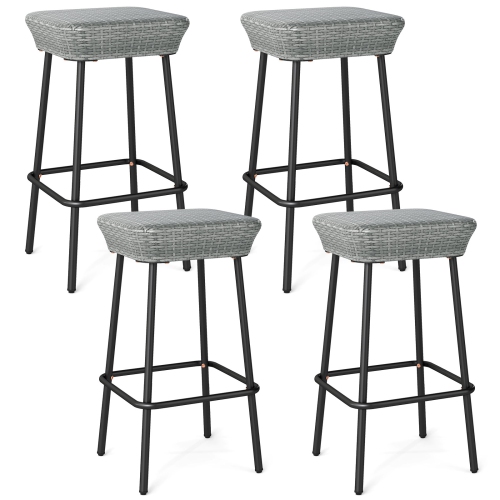
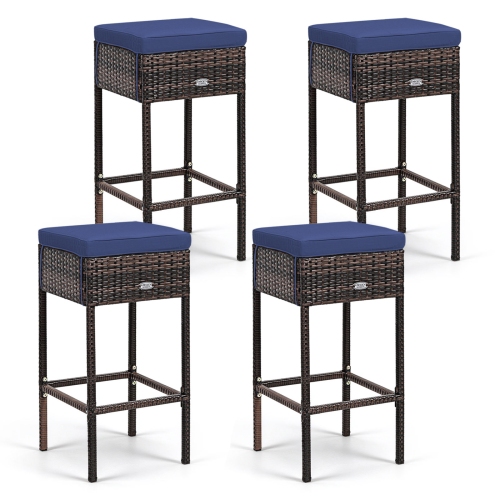
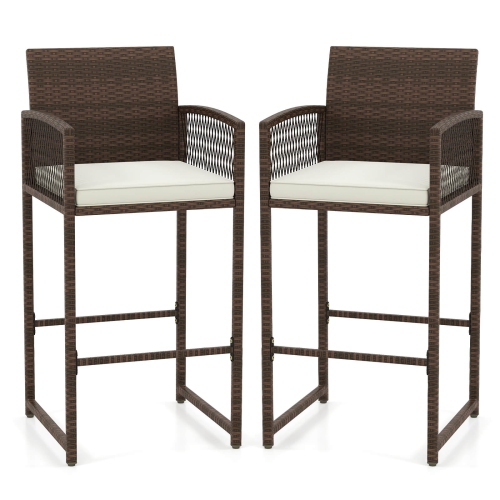
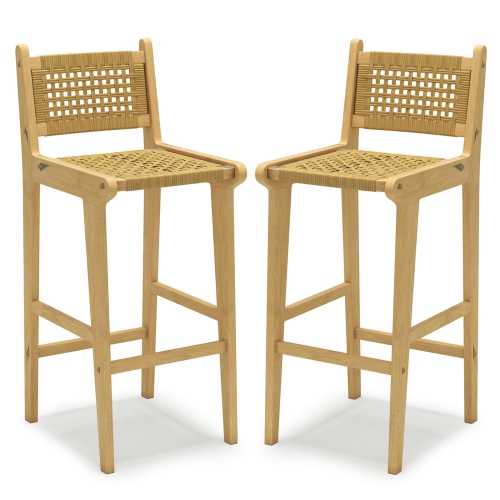
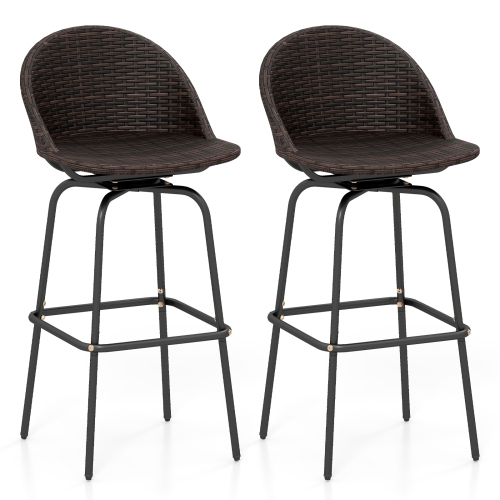
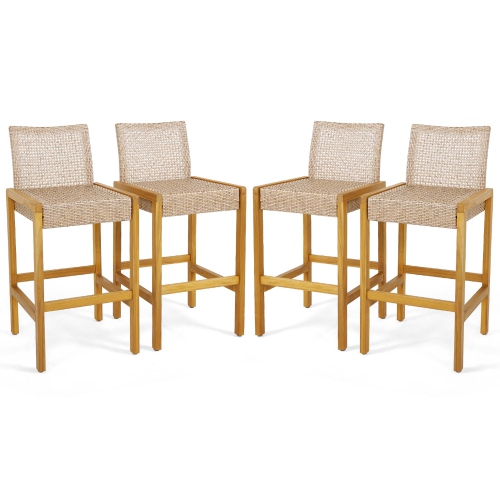
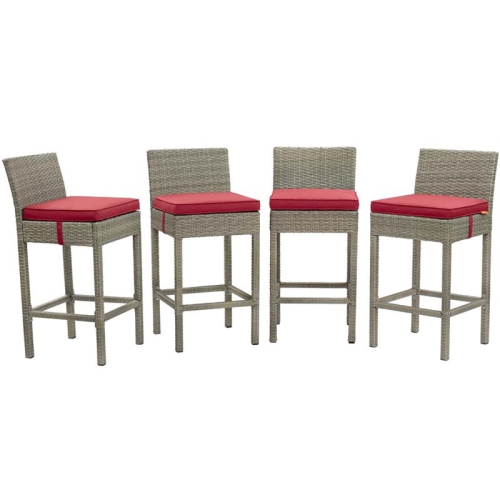
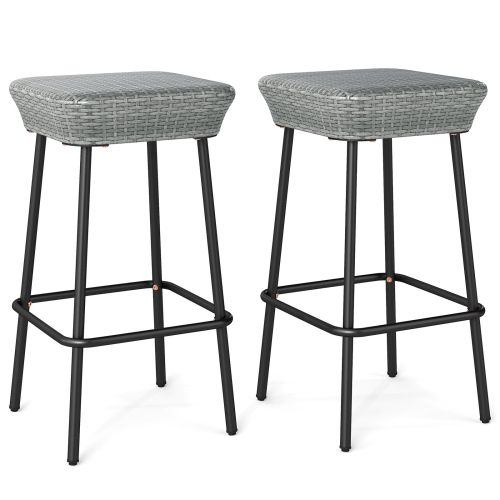
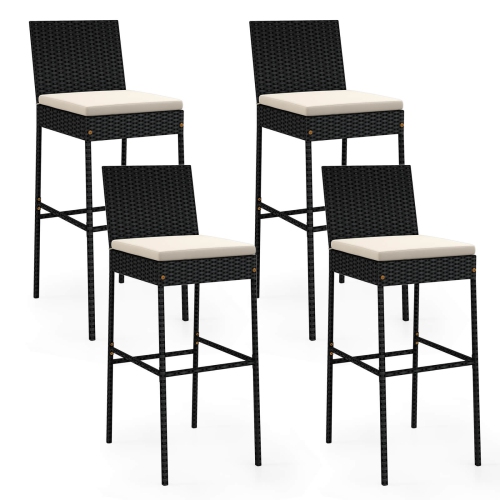
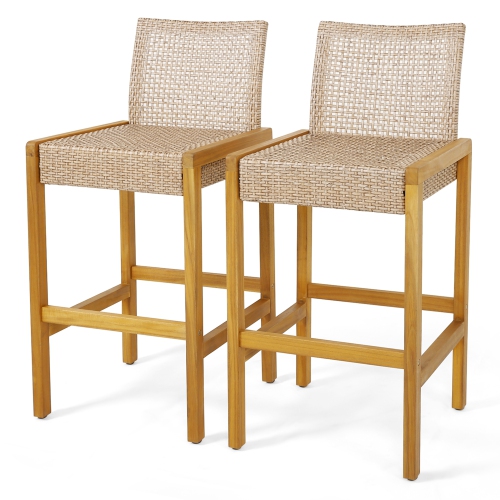
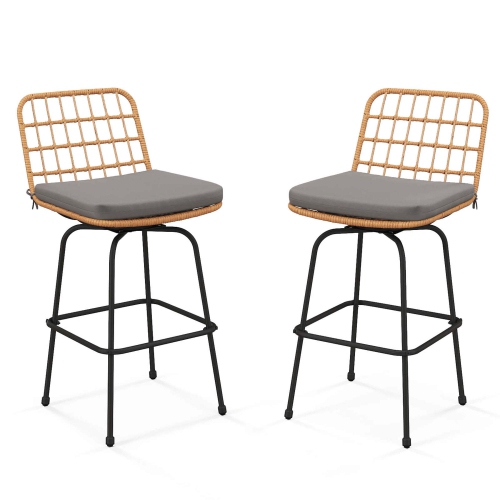
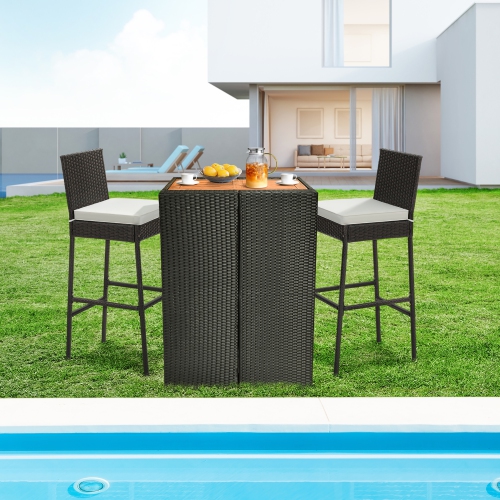
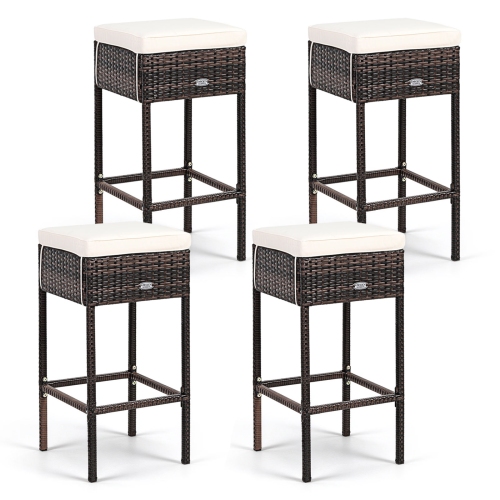
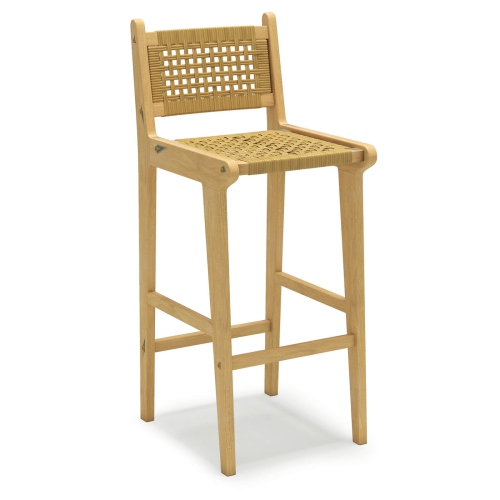

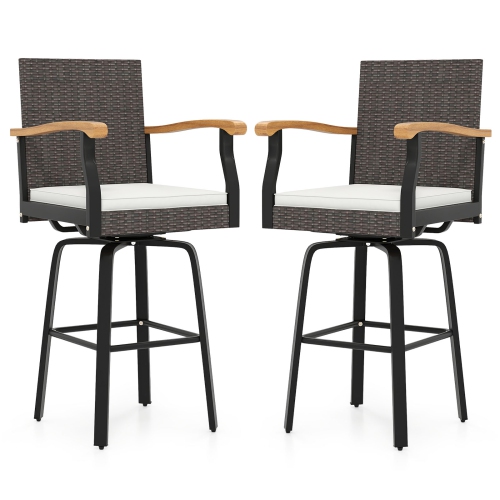

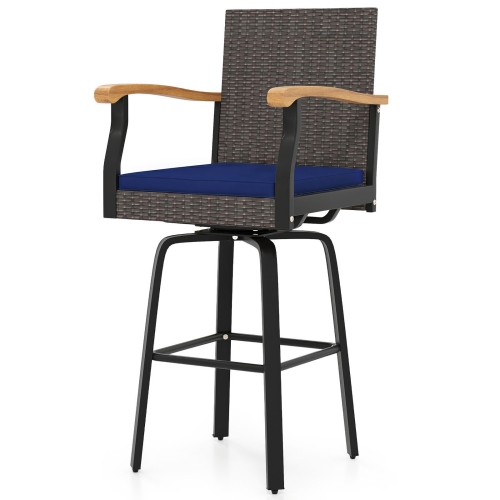
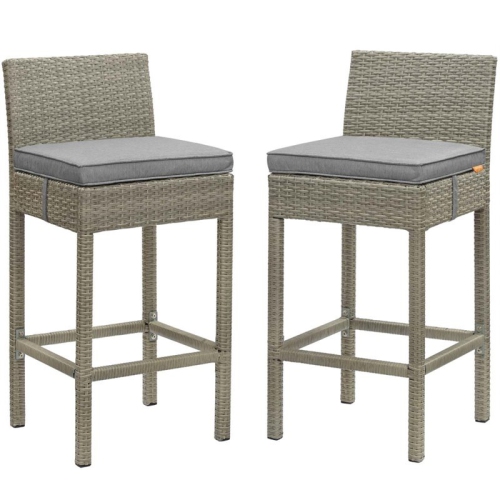
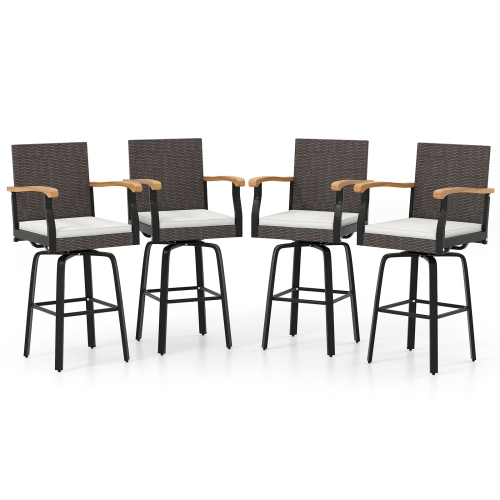
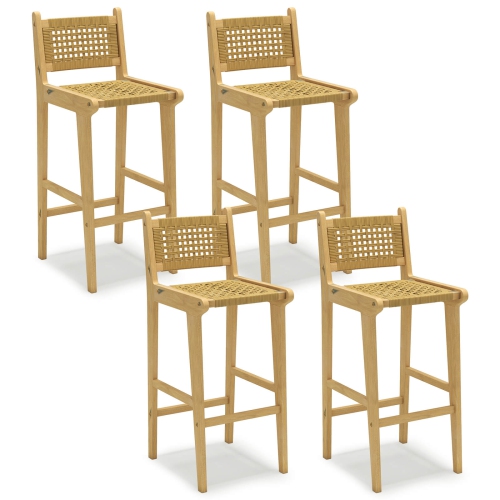
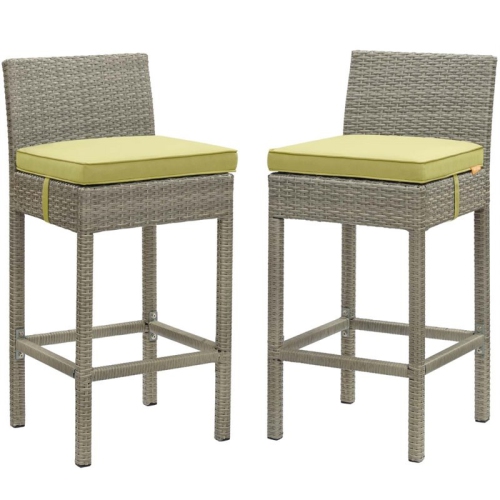
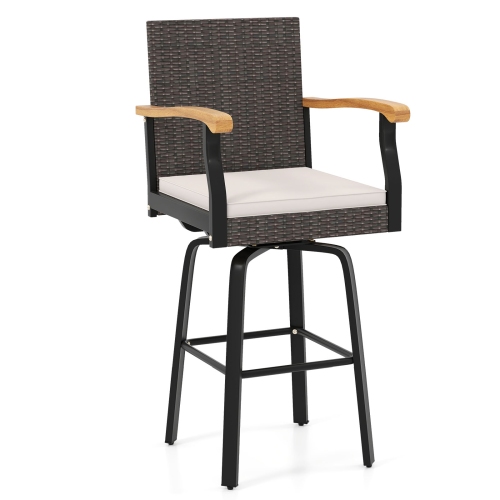
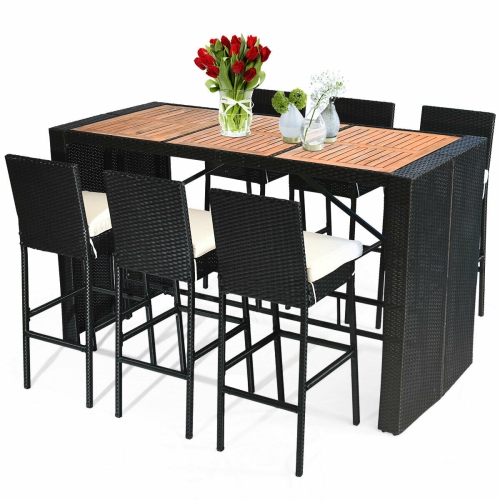
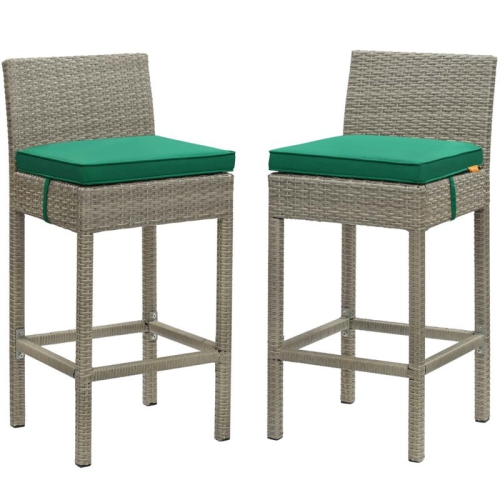
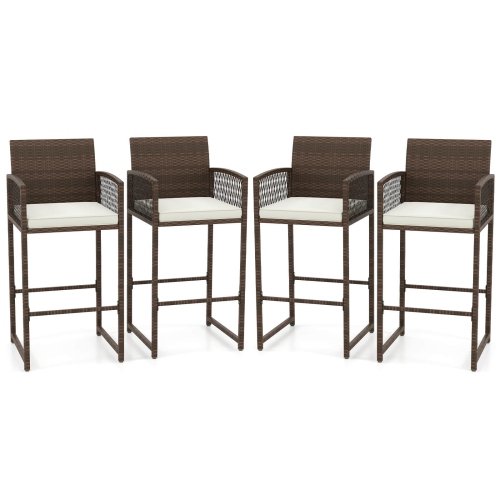
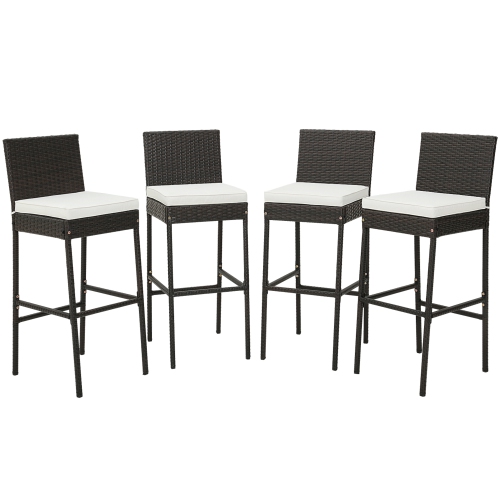

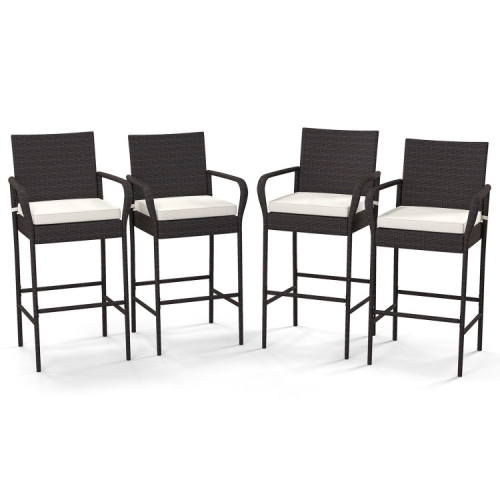
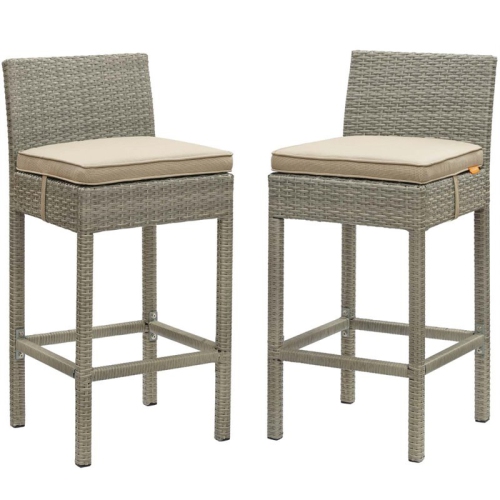

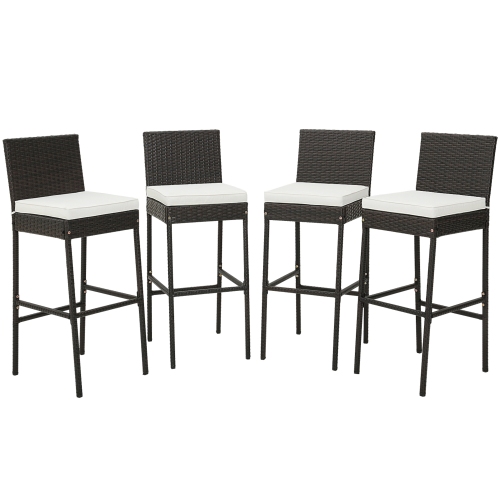

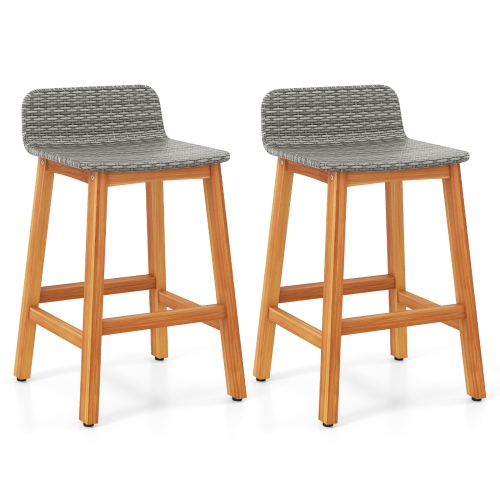
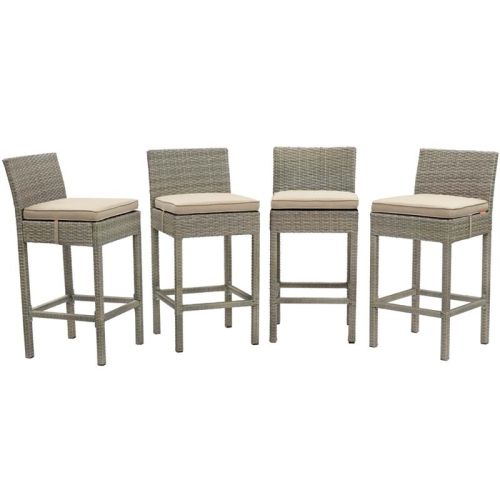
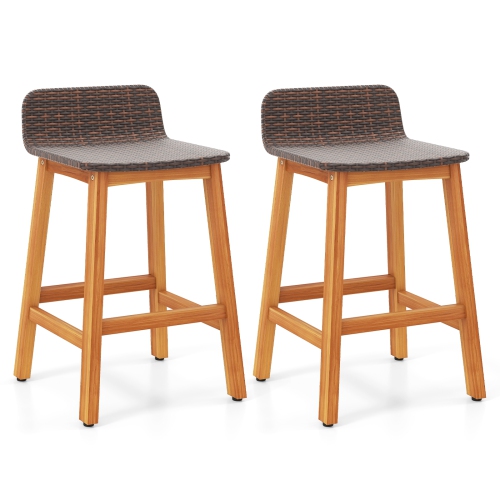
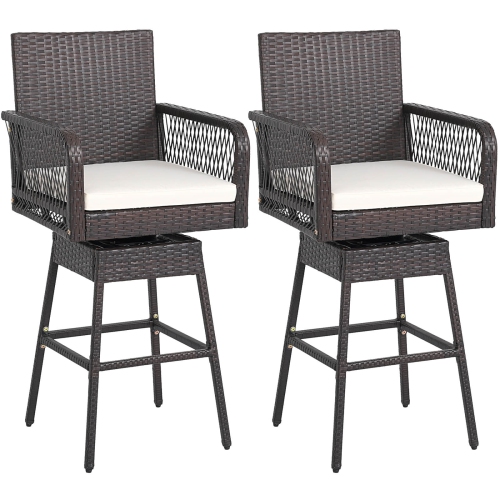
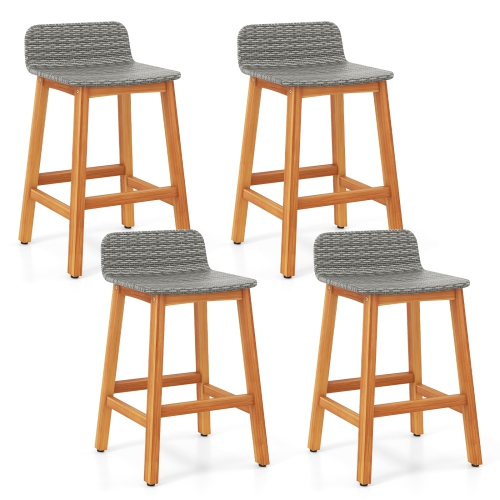
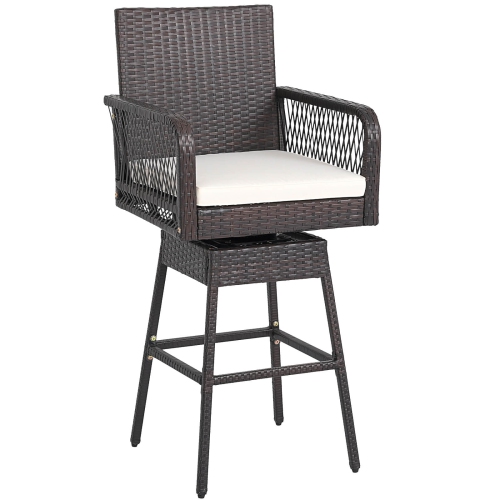

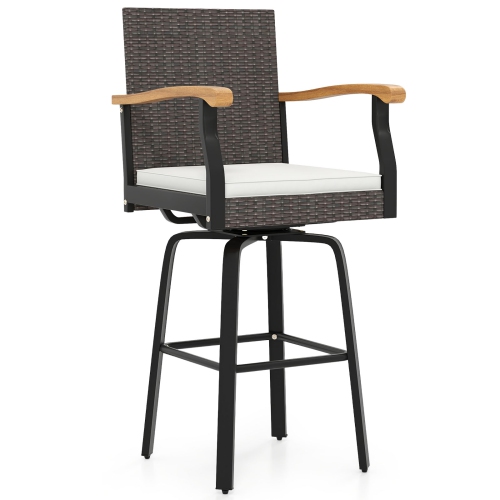
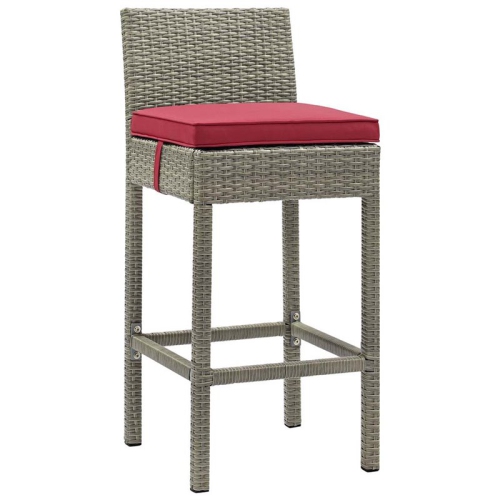

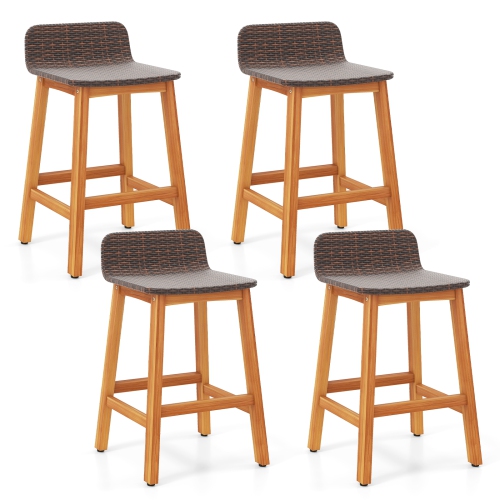
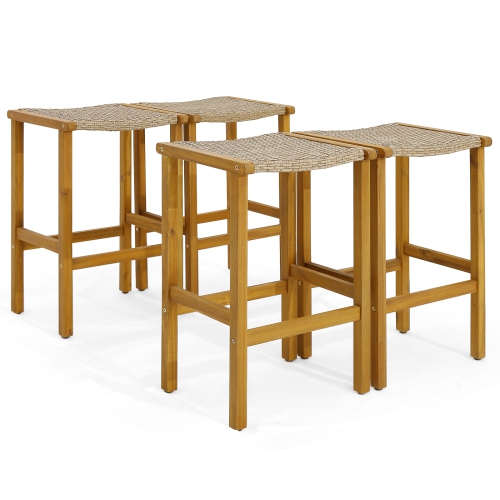

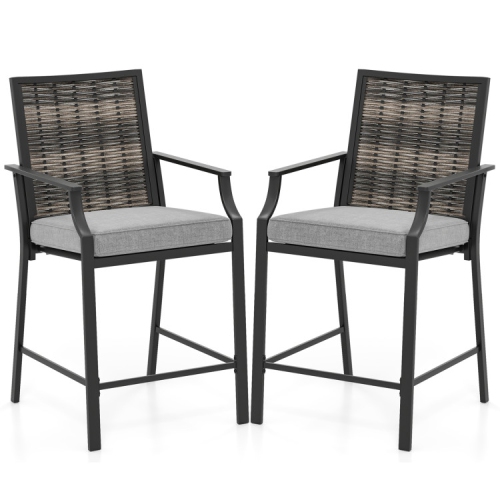
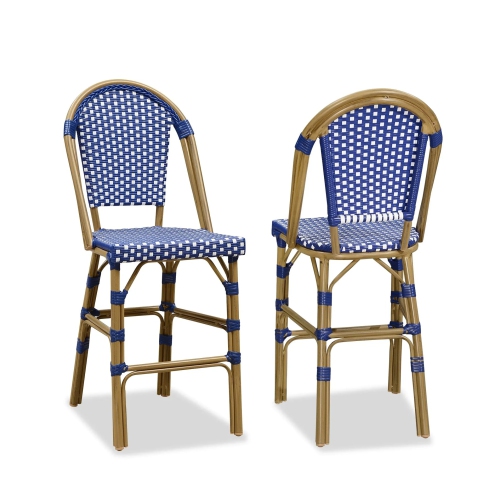
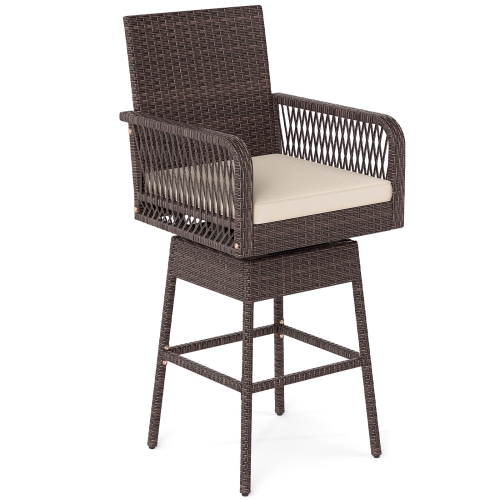
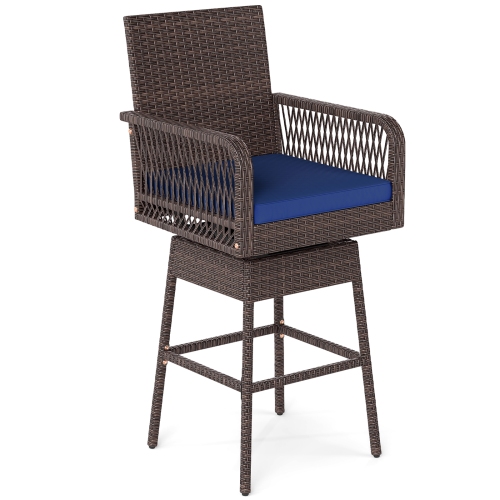
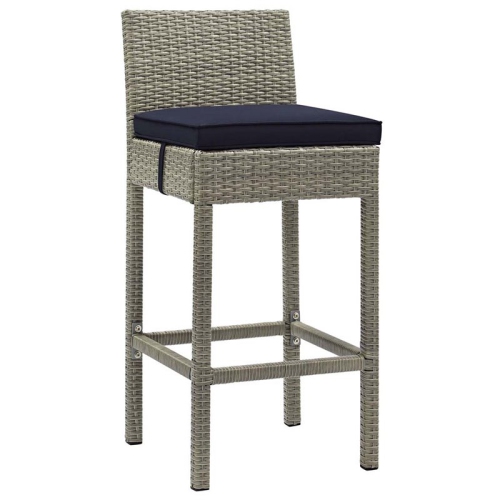
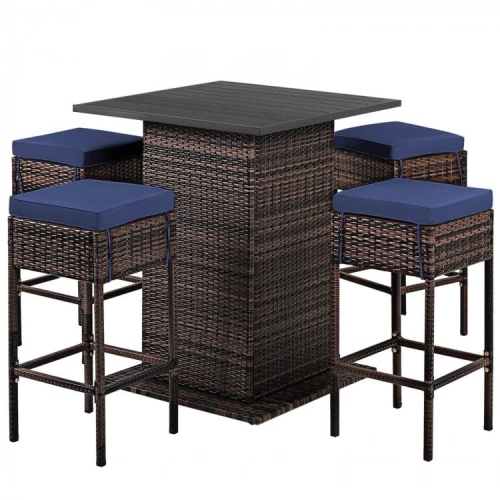
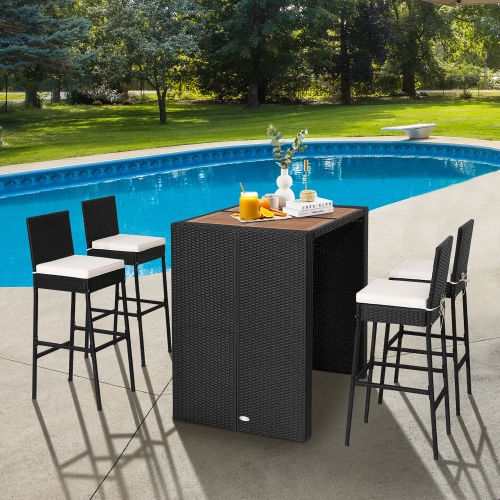
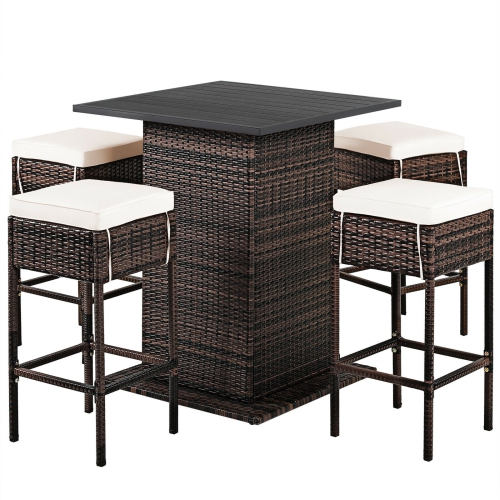
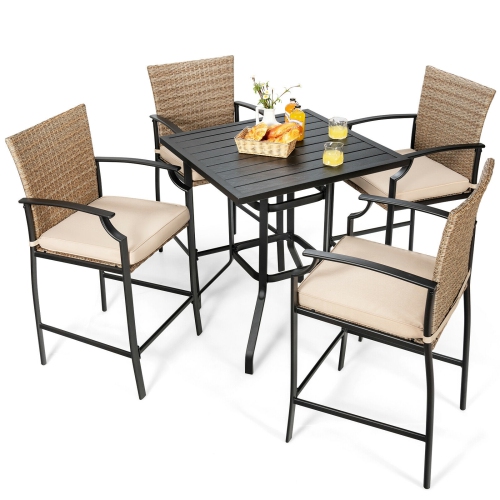
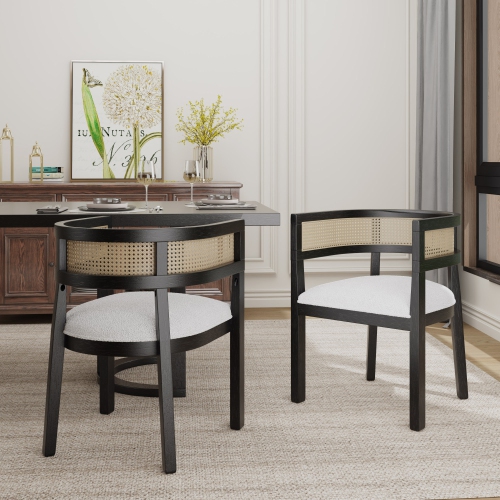
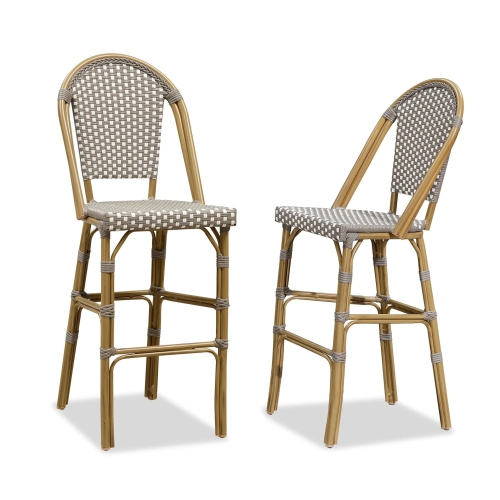
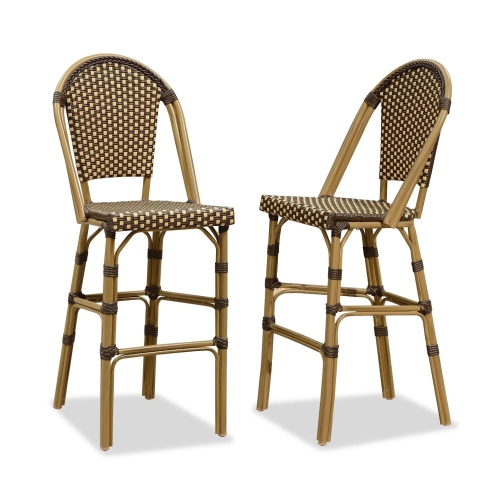
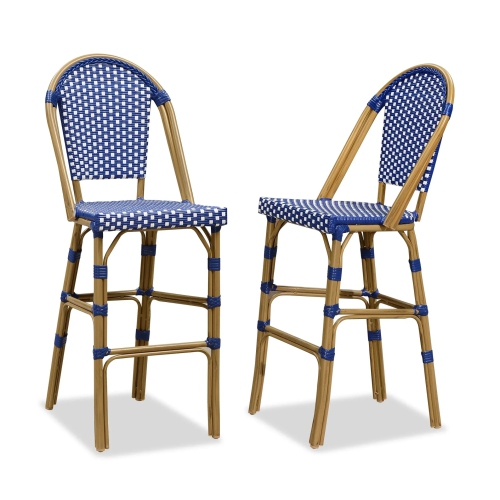
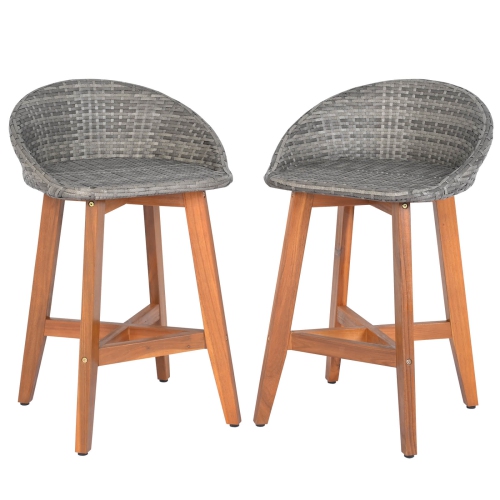
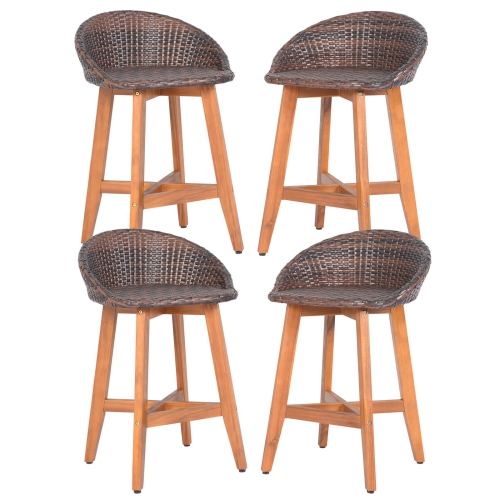
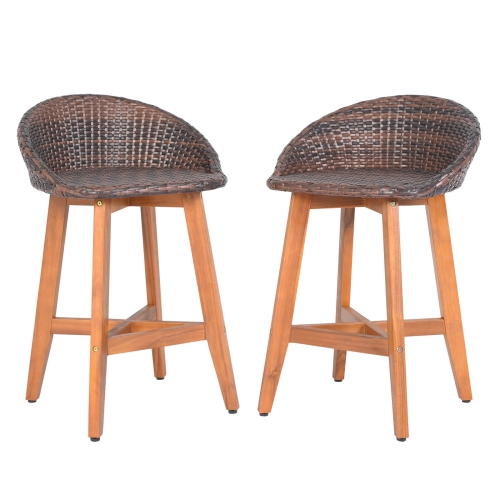
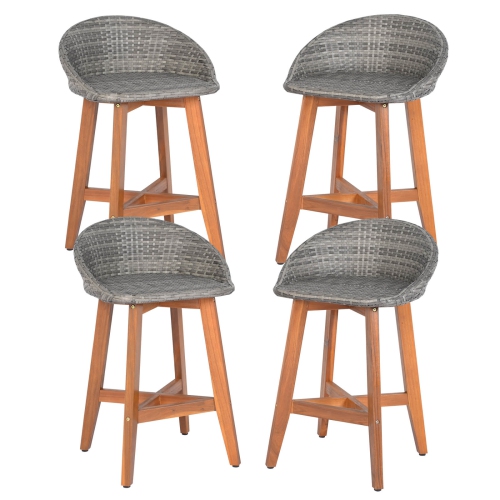


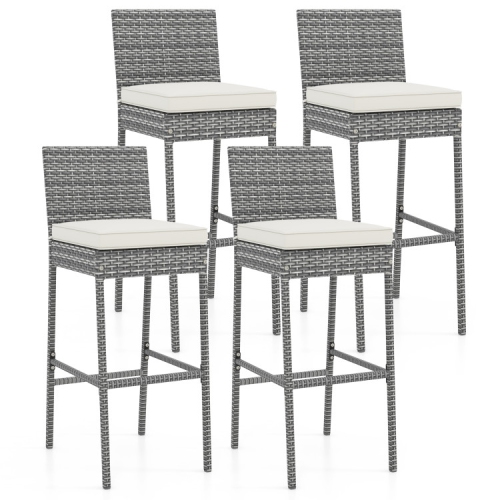
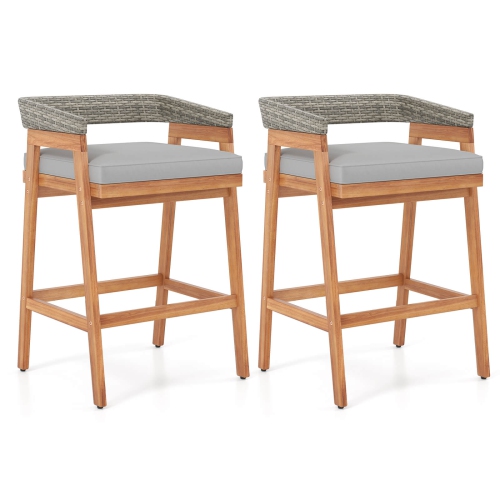
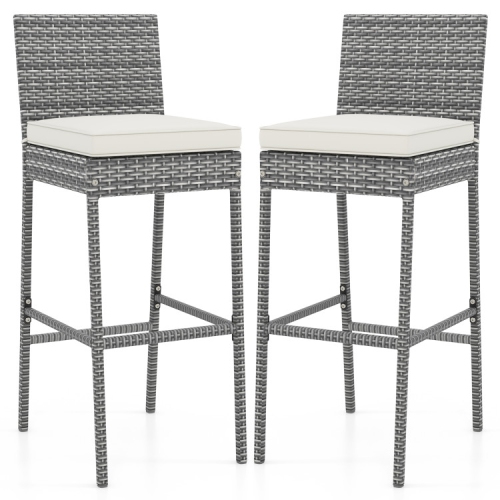
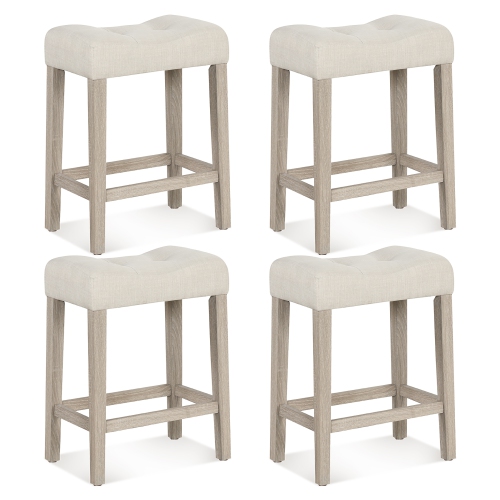
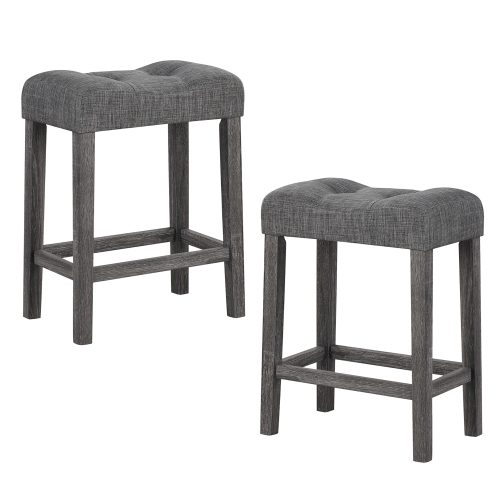
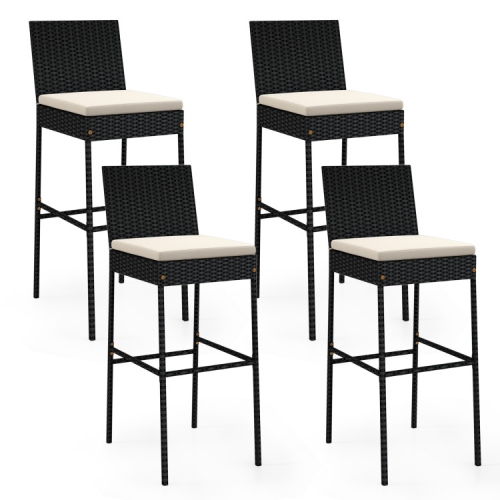
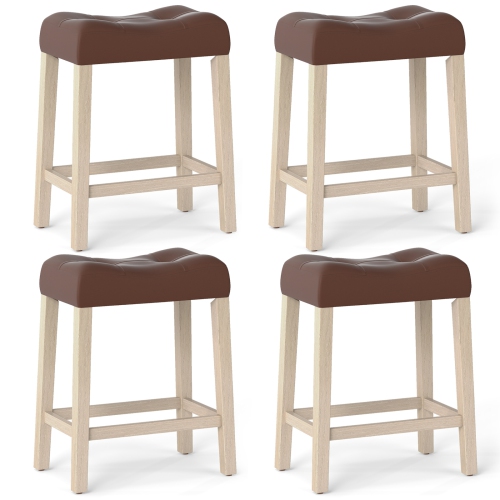
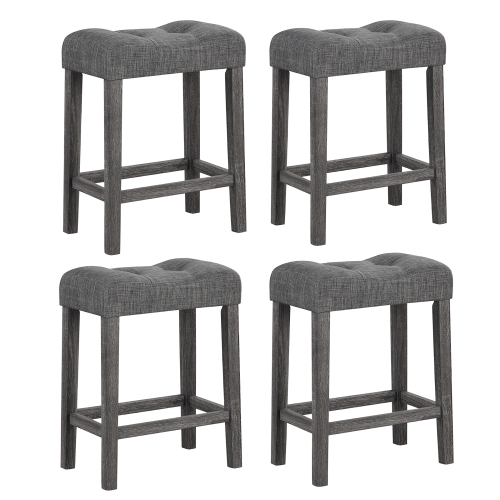
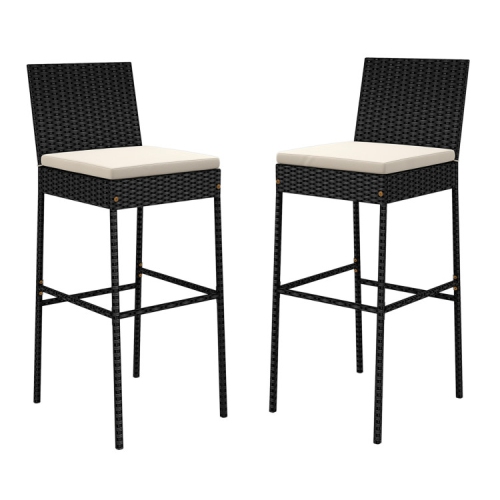
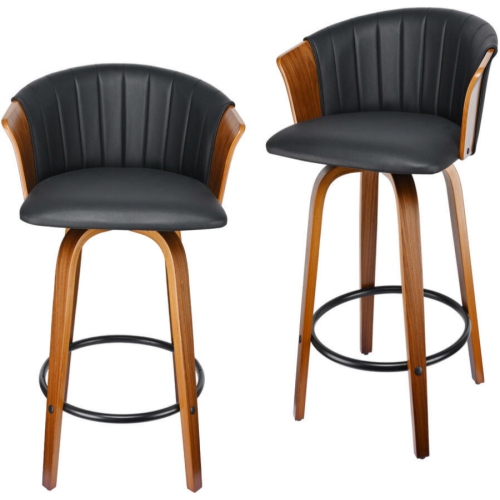
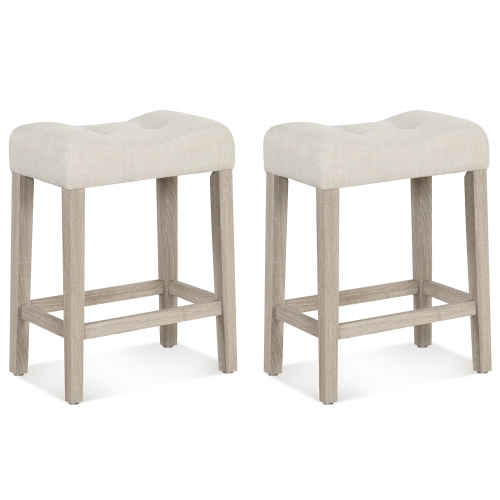
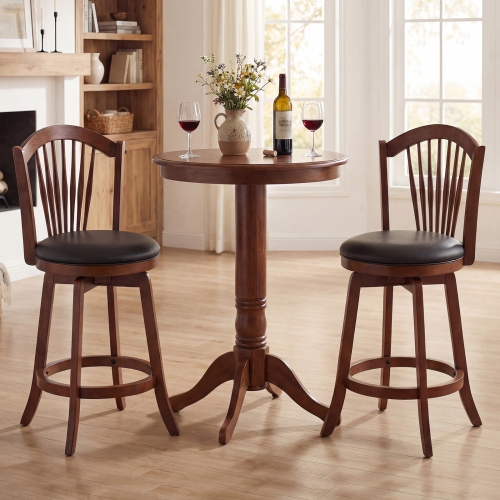
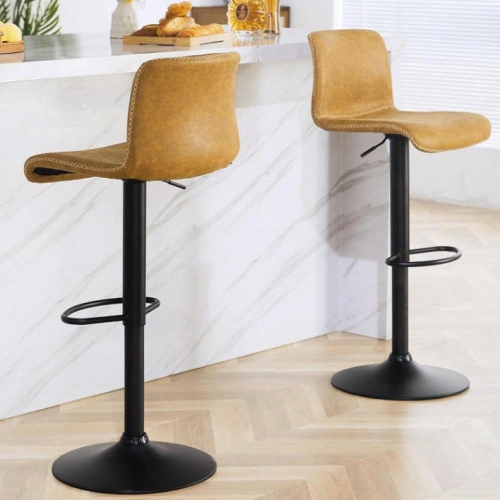
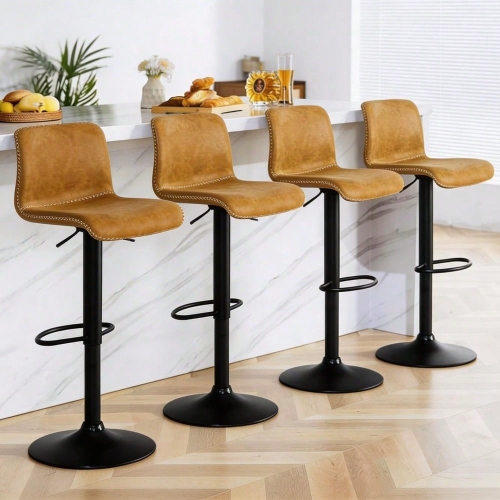
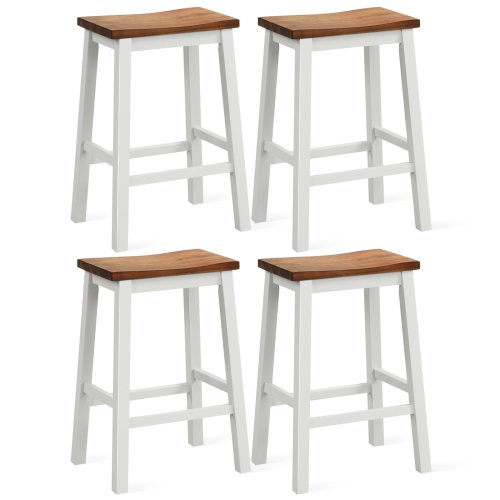
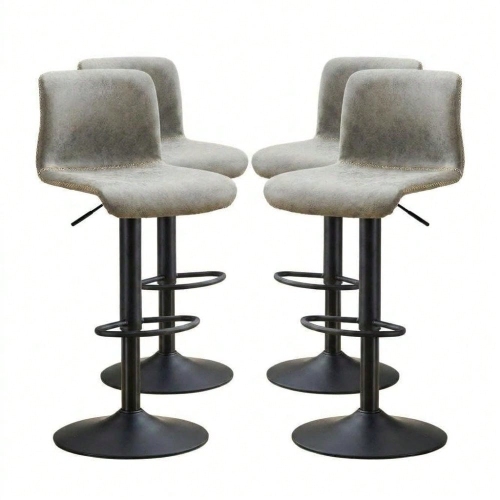
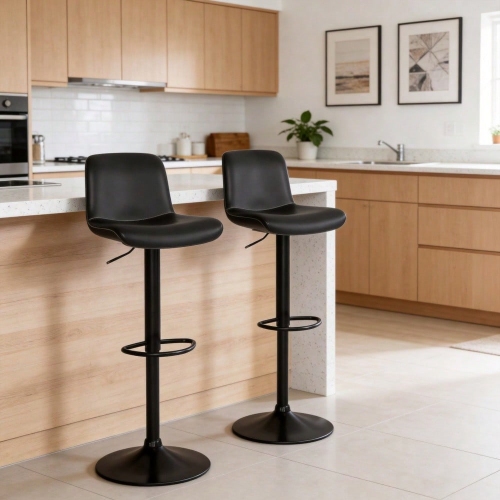
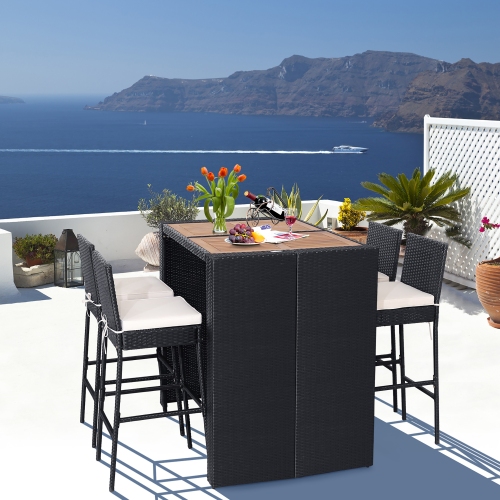
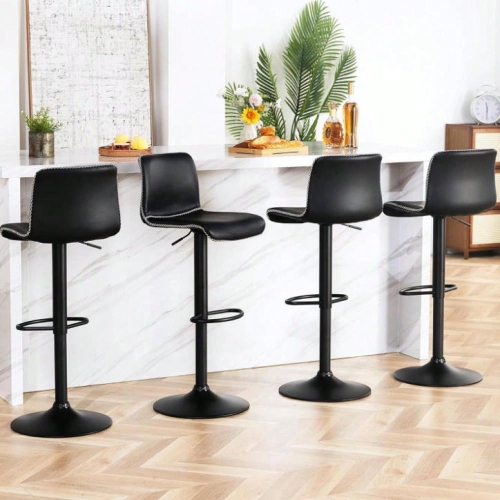
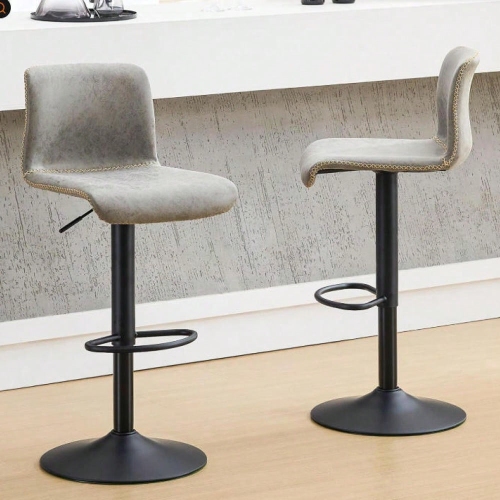
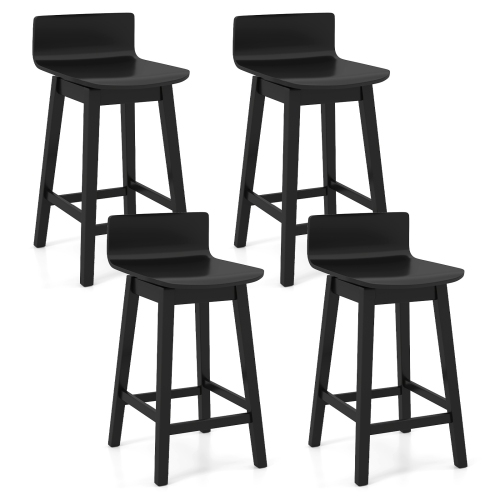
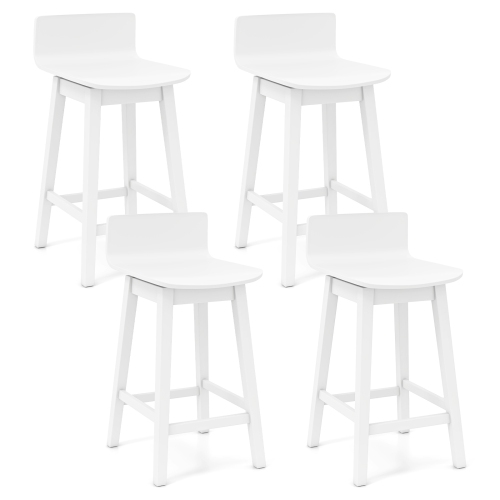
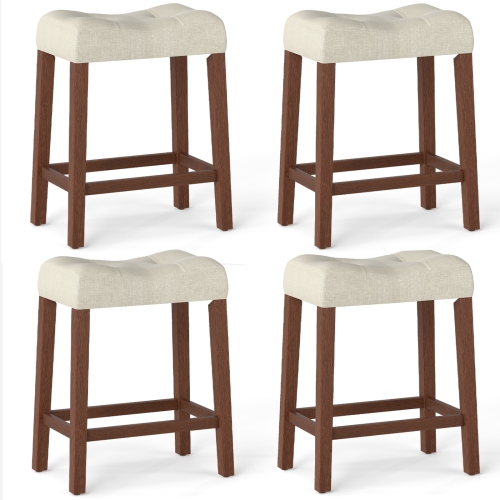
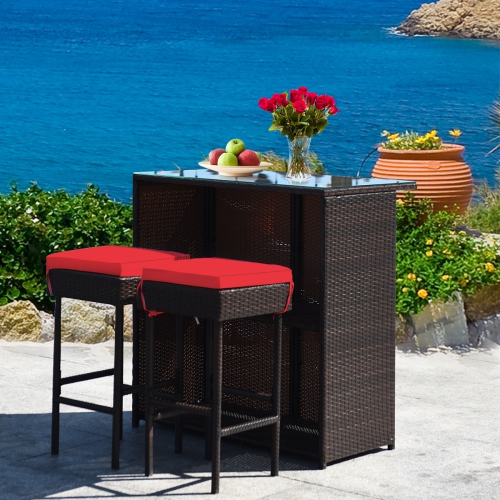
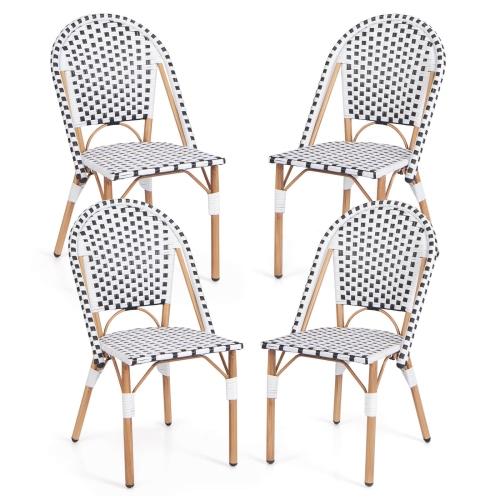
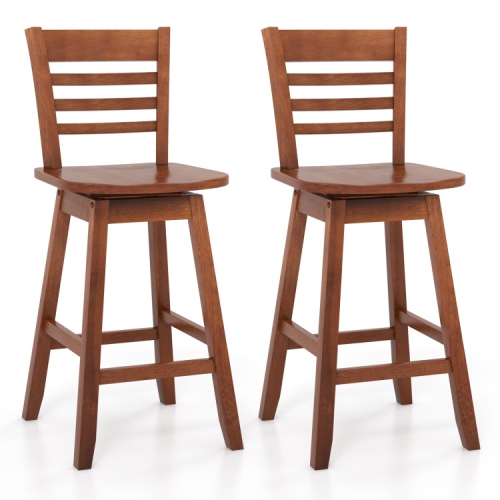
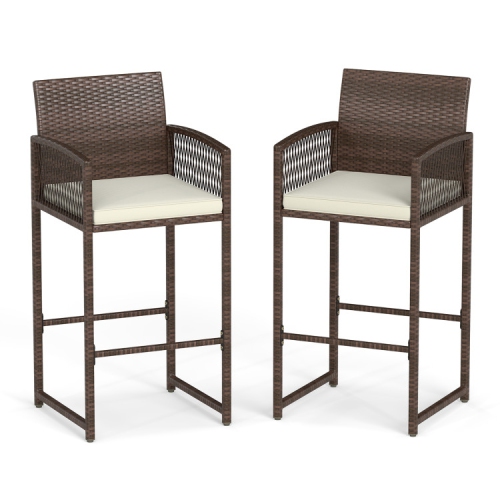
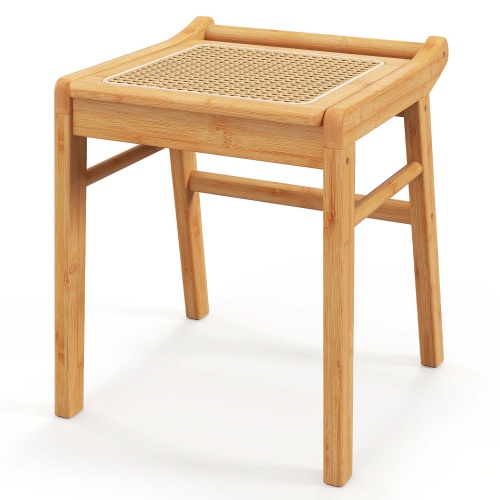
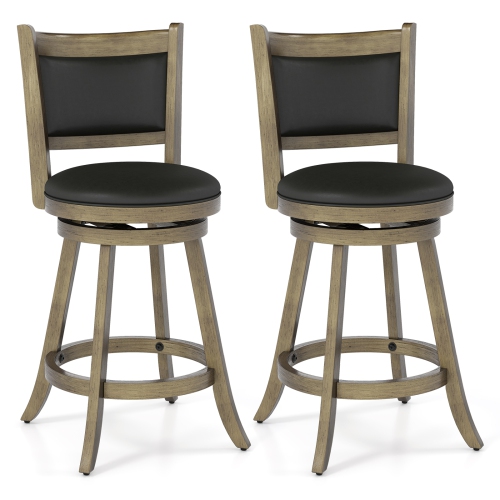
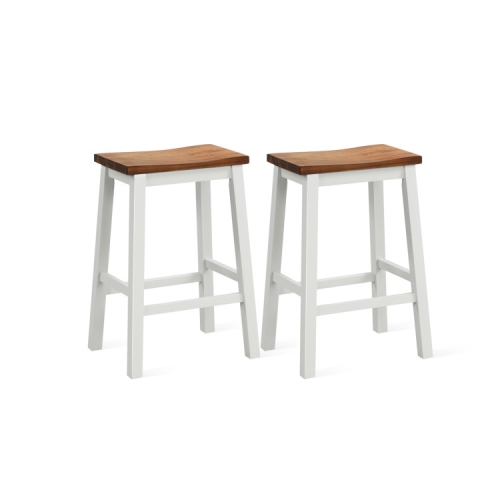
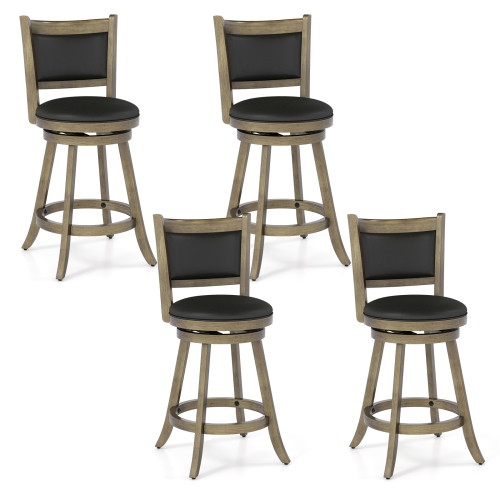
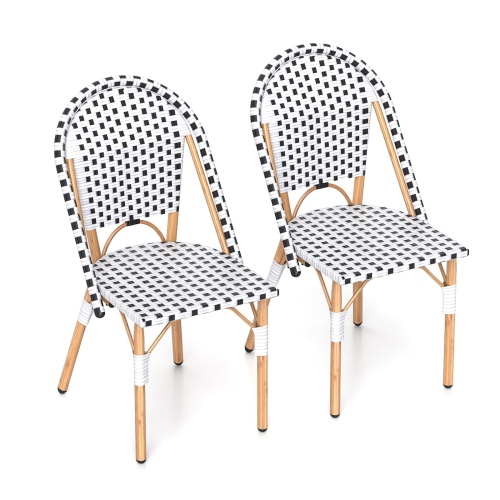
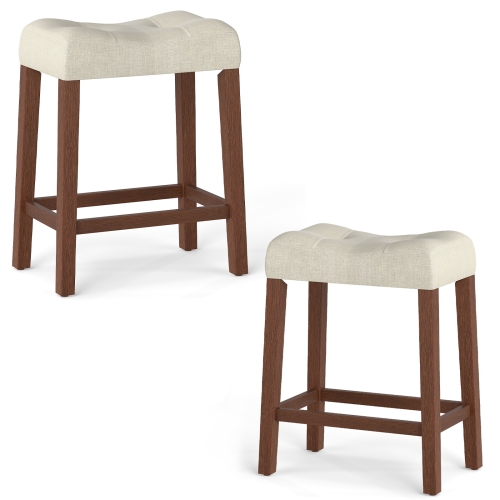
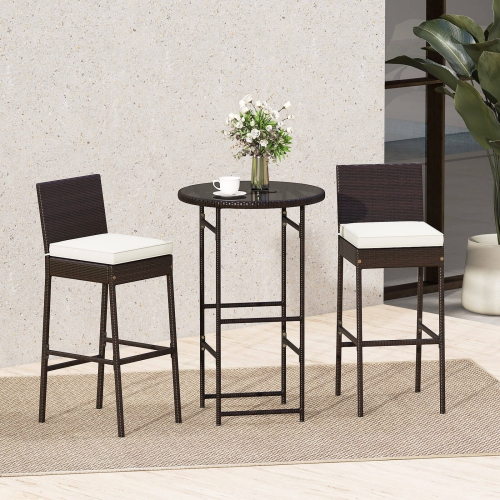
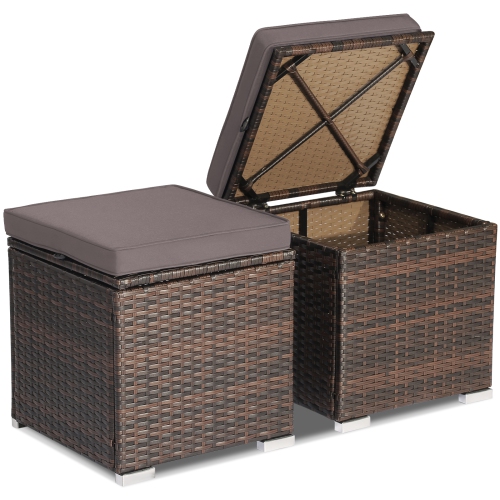
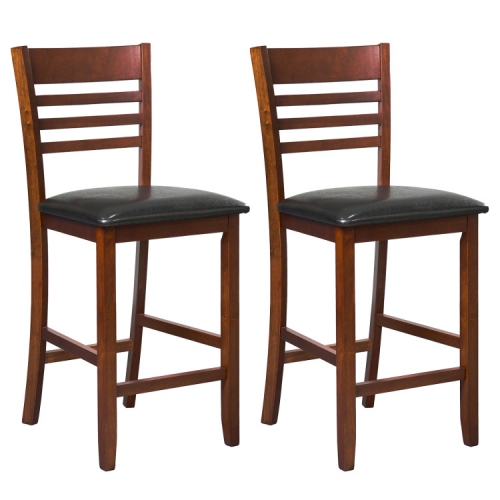
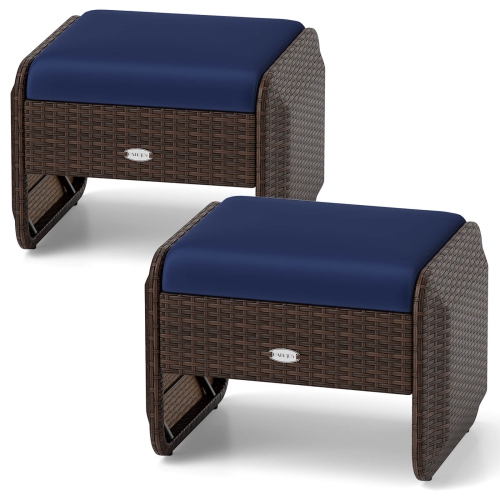
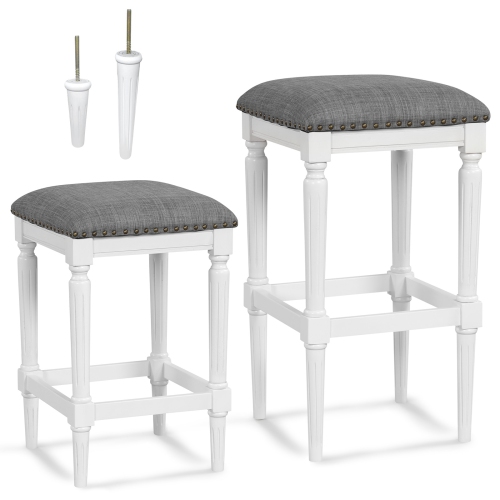
Woven texture meets everyday comfort at the kitchen island
Rattan island stools bring woven texture and a relaxed, welcoming feel to kitchen seating, balancing the hard surfaces of cabinetry, tile and stone with an open, tactile finish. Positioned along a kitchen island, they create a place for breakfast, an afternoon snack or a conversation while dinner comes together, without the larger footprint of a separate dining area. The term rattan can describe several different constructions, so the material details matter as much as the overall appearance. Natural rattan is a climbing palm whose stems can form curved furniture frames, while cane is made from its outer skin and is often woven into seat or back panels. Some stools combine these materials with solid wood legs; others pair a woven back with a padded seat and metal base. Synthetic rattan, often made from polyethylene, uses manufactured strands to create a similar woven appearance, but its care requirements and suitability for different spaces depend on the construction and finish. These differences affect how a stool feels, how much visual space it occupies and how it stands up to everyday use. An open cane back lets light pass through, helping a row of stools feel less solid in a compact kitchen. A more closely woven seat creates a denser texture, while an upholstered seat offers a softer place to settle in. Pale honey tones work comfortably beside white cabinetry and light wood, while deeper brown finishes add contrast to painted islands. Black metal legs can connect the seating to cabinet hardware or pendant lighting, and curved wood frames soften an otherwise angular layout. Rattan island stools suit coastal, bohemian and mid-century-inspired interiors, but they also fit contemporary kitchens where a little texture keeps smooth finishes from feeling stark. Matching every wood tone is not essential; repeating a similar undertone or frame colour is often enough to make the seating feel connected to the room.
The right fit begins with the relationship between the seat, the countertop and the space around the island. Counter-height stools commonly have seats around 24 to 26 inches high and are often suited to kitchen islands with countertops around 35 to 36 inches high. Taller bar-height seating generally has seats around 28 to 30 inches high for surfaces around 40 to 42 inches high. These are starting points rather than guarantees: countertop thickness, support brackets, seat cushions and the shape of the stool can all affect legroom. Roughly 10 to 12 inches between the seat and the underside of the countertop is a useful allowance for comfortable movement, with the actual opening measured where someone will sit. Seat height is different from overall stool height, which includes the backrest. Armrests also need enough clearance if the stool is expected to tuck beneath the island. Along the seating edge, allowing approximately 24 to 30 inches of width per person helps prevent crowded elbows, although wider seats, arms and swivel mechanisms may require more room. A kitchen island beside a busy walkway benefits from seating that tucks away neatly without blocking an appliance door or cupboard. Backless rattan stools keep sightlines open and can disappear beneath an overhang, making them practical for quick meals and smaller layouts. A backrest provides support for longer conversations, while arms offer another place to rest, provided they do not make getting in and out awkward. Swivel seats can make turning towards the room easier, but they need clearance from neighbouring stools and the island itself. For anyone using the island as a place to read, help with homework or spend time over coffee, a supportive back, a comfortable seat and a well-positioned footrest can matter more than a compact silhouette. Younger children may find tall seating difficult to use safely, and a stool should not be treated as a step for reaching cupboards. Households with different comfort needs may find a slightly wider seat or a cushioned design more accommodating, while checking each stool’s stated weight capacity remains important.
Everyday durability depends on the entire stool, not simply the woven surface. A firm frame, secure joints and an intact weave contribute to a stable seat, while footrests take repeated pressure as people get on and off. Natural variation in colour and weave gives rattan character, but loose strands, splitting or movement at a connection deserve attention. A tightly woven back is not necessarily designed to support someone leaning heavily against it, and a cane seat should be used within its stated limits rather than as a place to stand. Cushions can make woven seats more comfortable, though removable does not automatically mean machine washable; the fabric care label determines the appropriate cleaning method. Crumbs and dust can collect between strands, so a soft brush or a vacuum with a gentle brush attachment helps reach the gaps without snagging the weave. For routine marks, a soft cloth lightly dampened with a suitable cleaner may be appropriate when permitted by the care instructions, followed by drying rather than leaving moisture on the surface. Soaking woven panels or using harsh cleaning products can damage fibres, finishes or adhesives. Spills near the island are easier to manage when they are blotted promptly, especially around cushions and seat joints. Natural rattan generally belongs indoors unless the furniture is expressly designed otherwise, and a synthetic weave alone does not make an entire stool suitable for outdoor use. Prolonged direct sunlight and placement close to a heat source can also affect finishes and woven materials. Floor protectors help limit scuffs as stools move across tile or wood, while adjustable feet, where included, can help address minor unevenness without replacing a stable floor surface. Rechecking fasteners according to the assembly instructions helps keep frequently used seating secure. For a related woven accent in a separate seating area, Rattan Footstools can carry that texture into a reading corner or living room, with their intended use kept distinct from island seating. Well-proportioned rattan island stools combine that same tactile appeal with the height, support and practical details needed for a kitchen’s daily routines.
Top selling and popular products
-
 Your price for this item is $209.99
-
 Your price for this item is $222.99
-
 Your price for this item is $407.99
-
 Your price for this item is $187.99
-
 Your price for this item is $254.99
-
 Your price for this item is $712.99
-
 Your price for this item is $177.99
-
 Your price for this item is $459.99
Discover more categories related to Rattan Island Stools


Top Collections:
Best Black Friday Deals This Year, Best Black Friday Deals On Electronics, Kindle Devices, Dyson Airwrap, Best Cameras for Sports Photography, Best Budget Office Chairs, Canon G7X Cameras, PS5 Pro Consoles, Best Black Friday Deals On Apple Products, XBOX One S Consoles
Some products may be subject to Environmental Handling Fees
(EHF) depending on your province.
Learn more about EHFs.