Pergola Covers

Find a pergola cover to replace an existing canopy or add shade to your outdoor seating area. Compare covers by dimensions, material, and attachment style to find an option that fits your pergola, and check the listed coverage and water-resistance details to suit your needs.

Read More

Sort

Why shade and rain protection aren’t the same

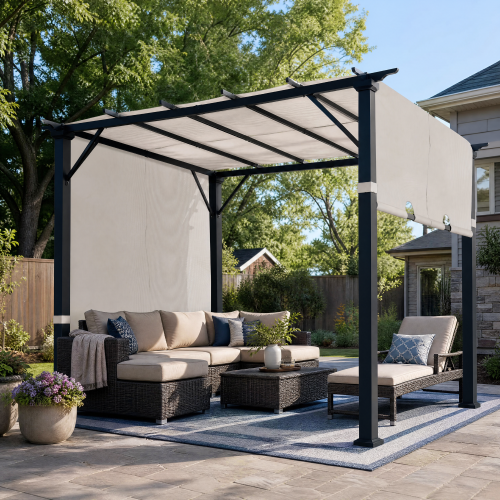
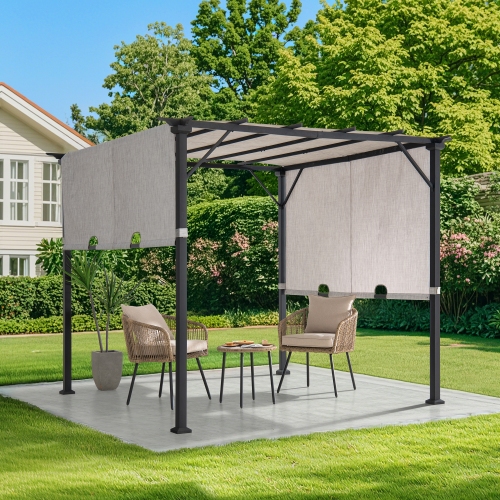
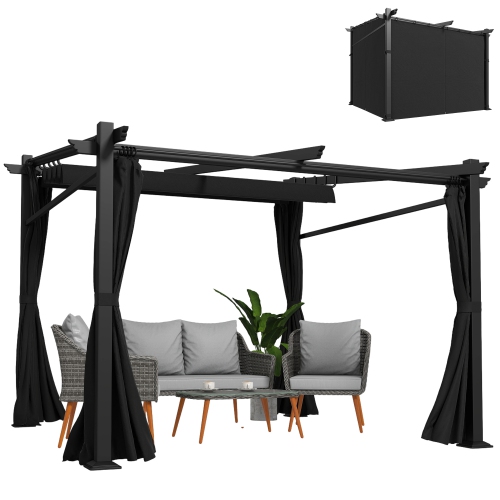
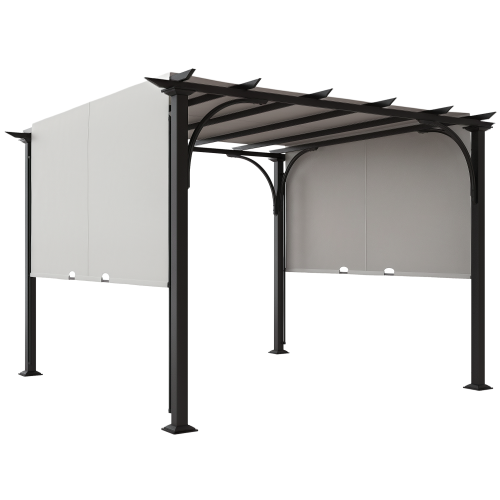
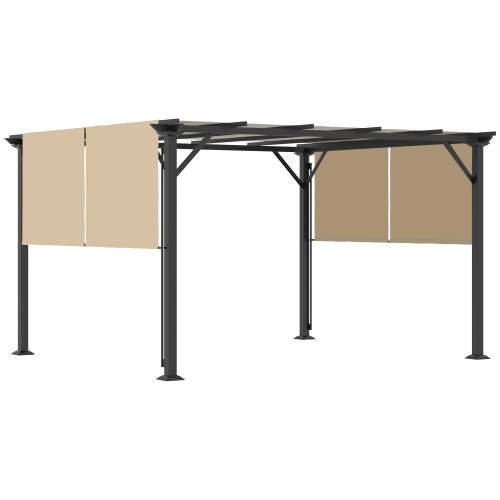
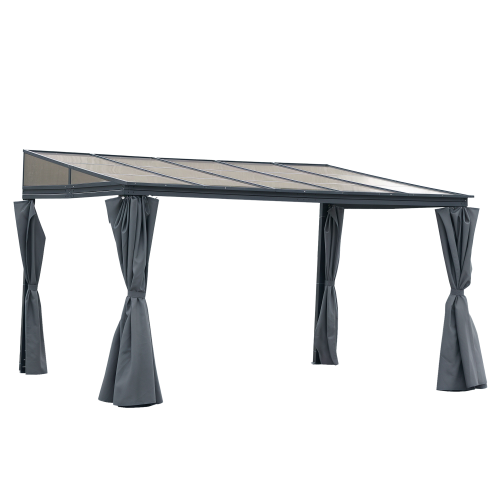
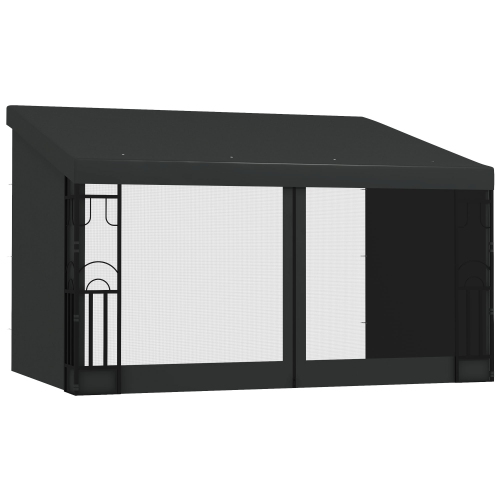
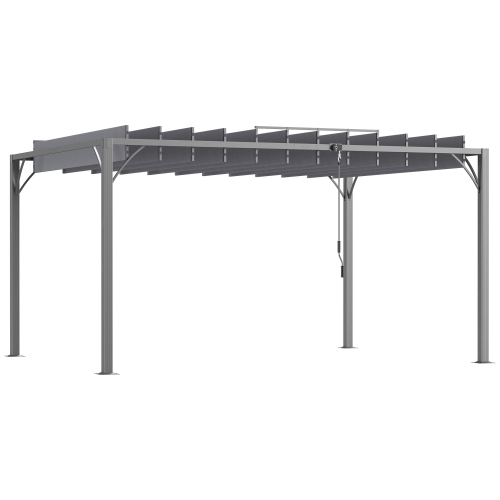
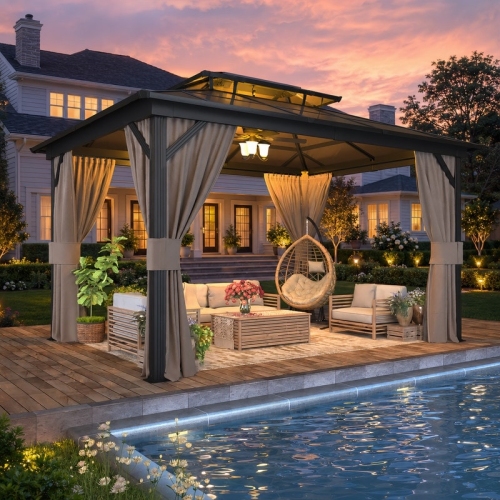
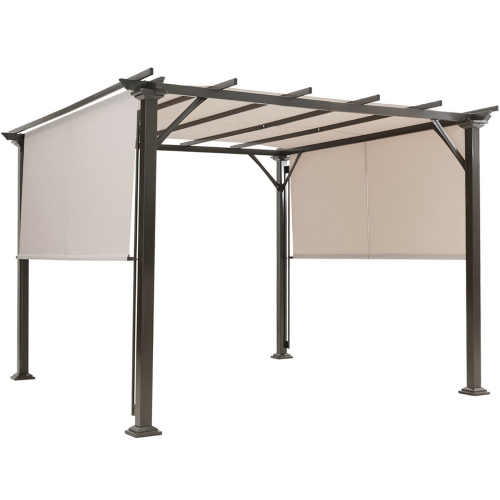
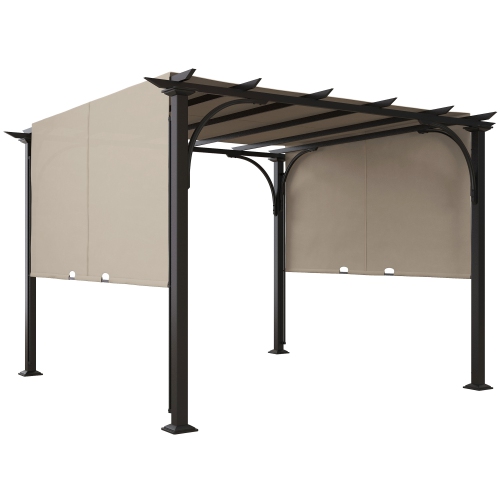
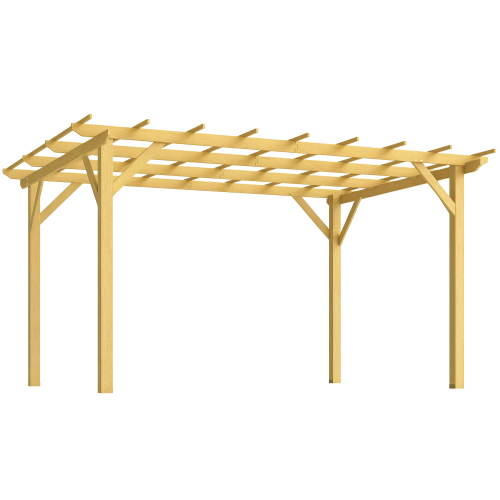
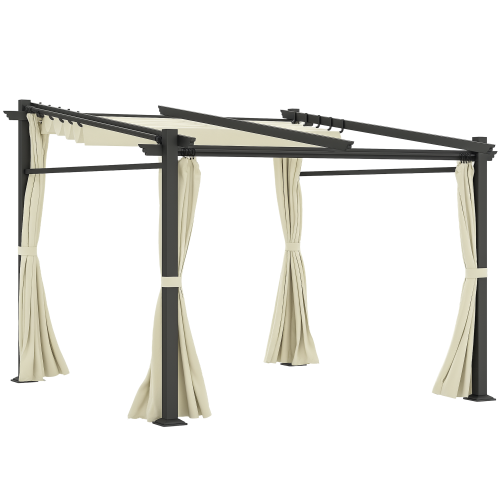
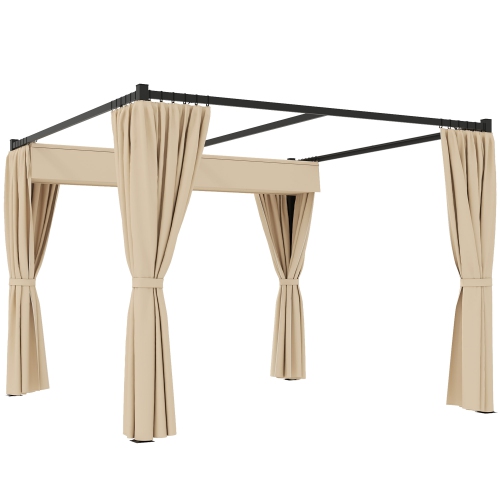
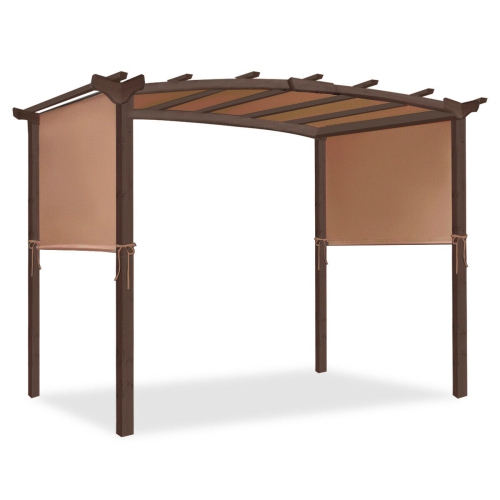
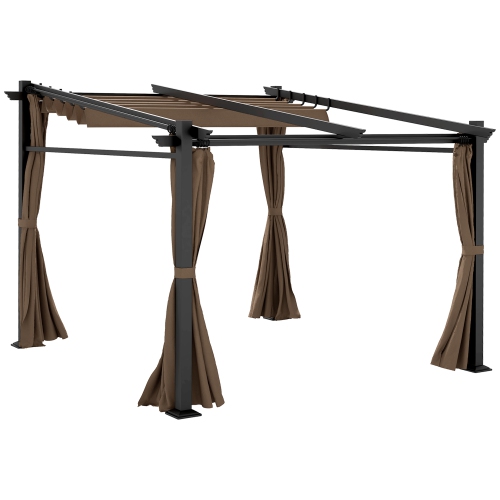
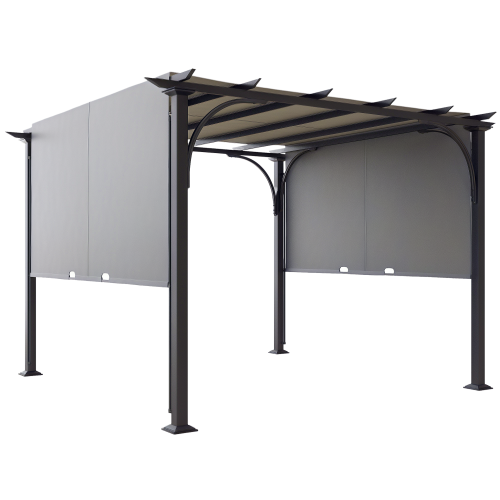
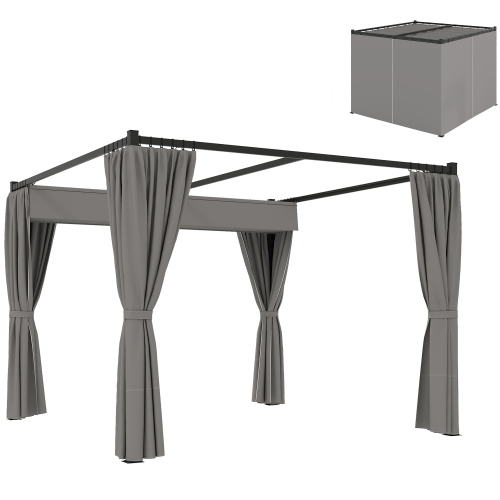
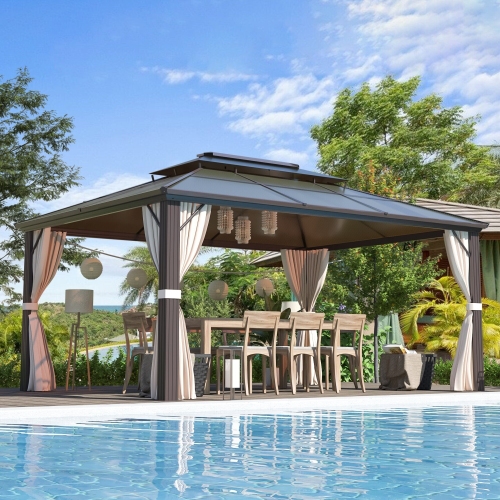
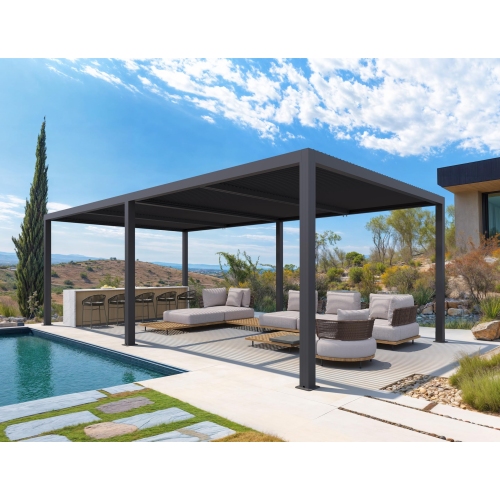
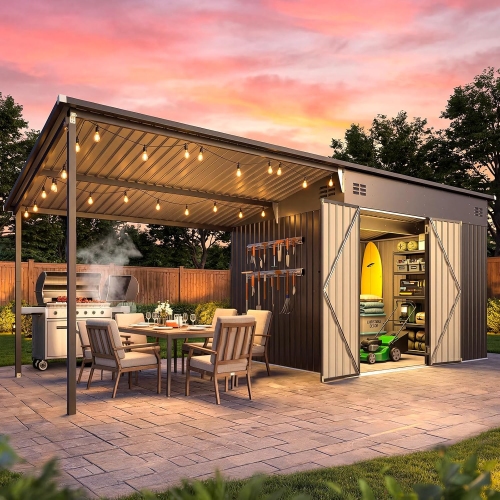
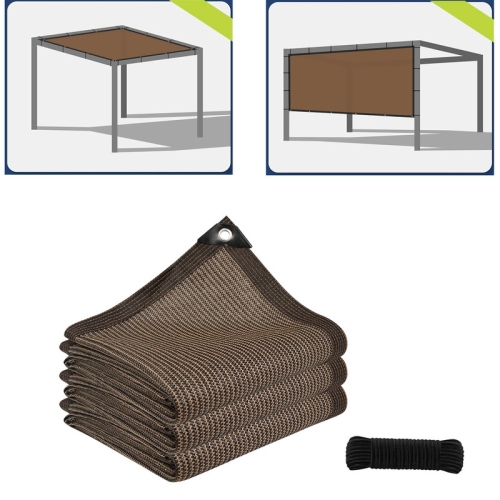
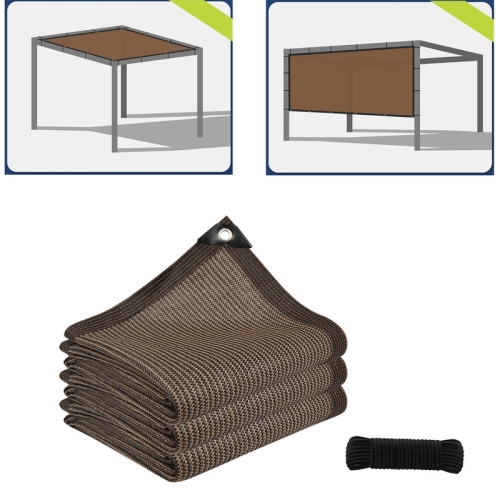
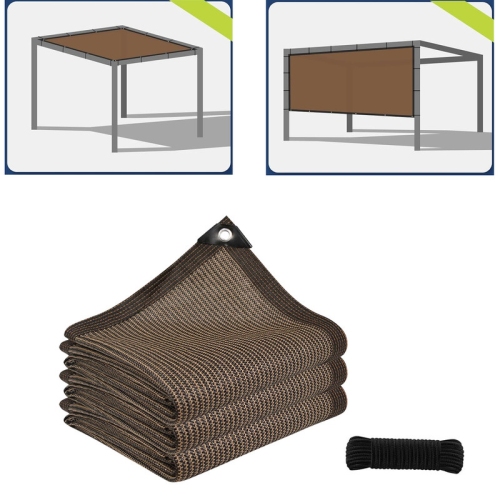
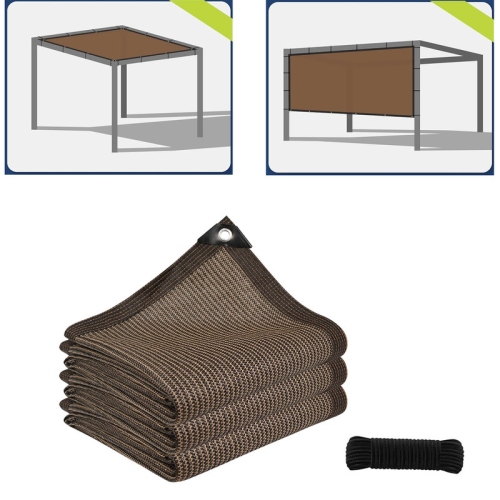
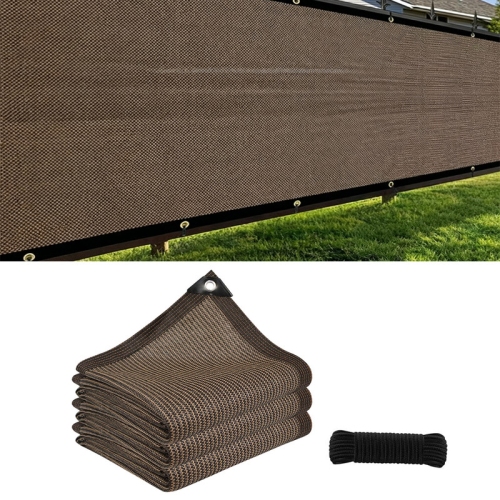
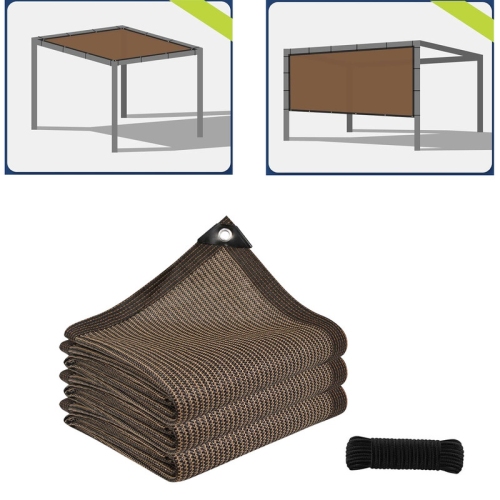
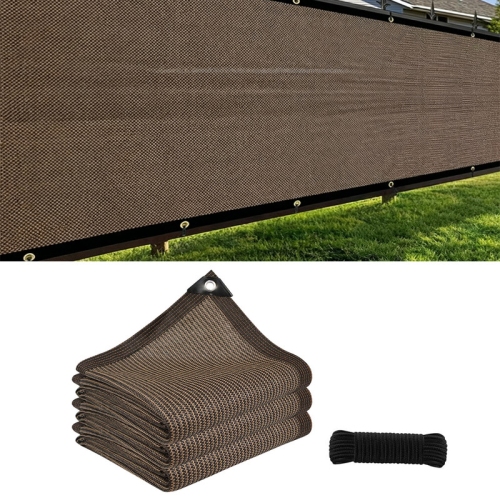
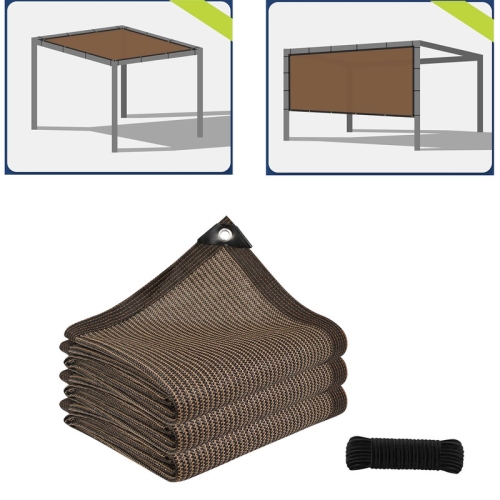
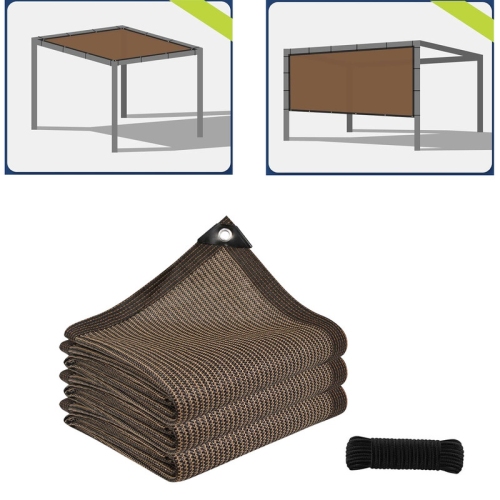
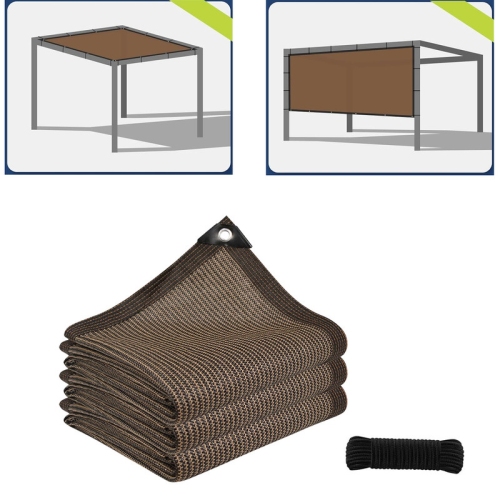
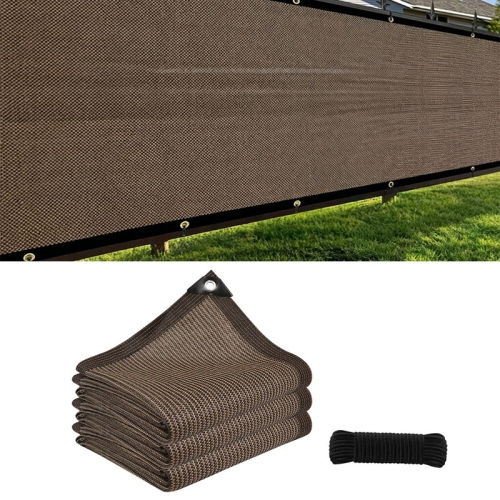
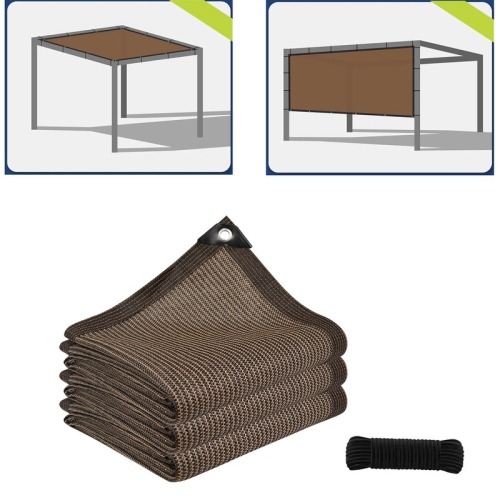
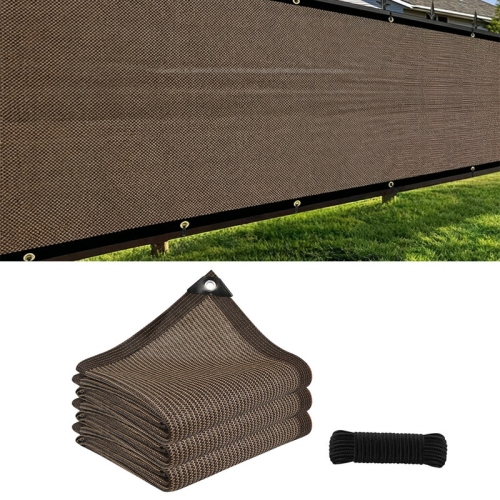
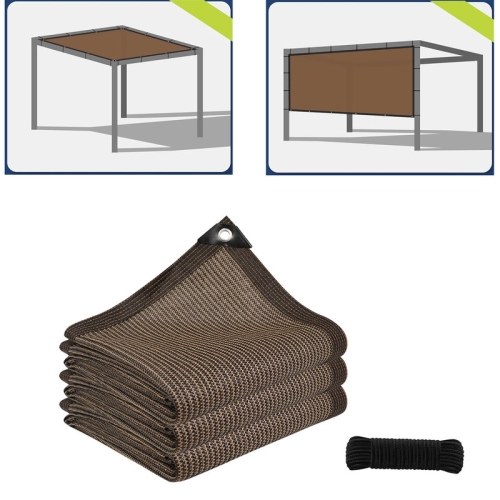
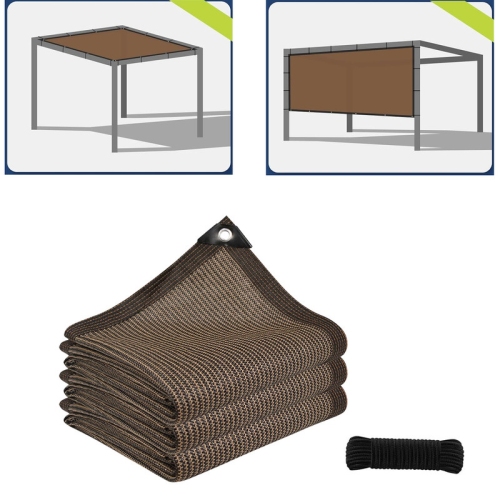
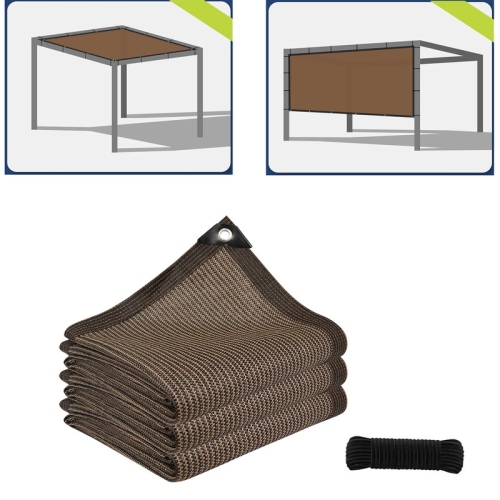
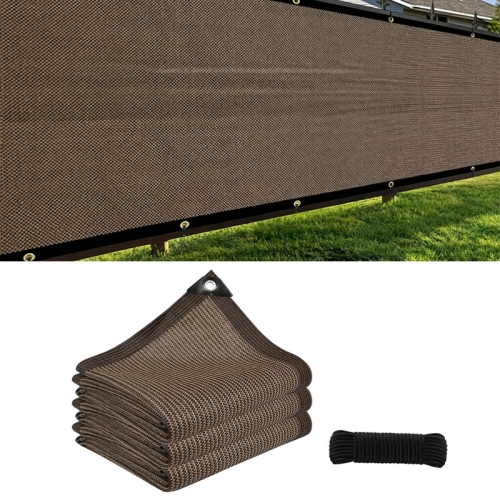
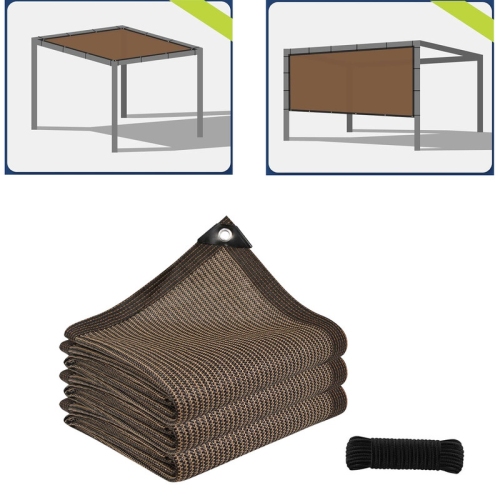
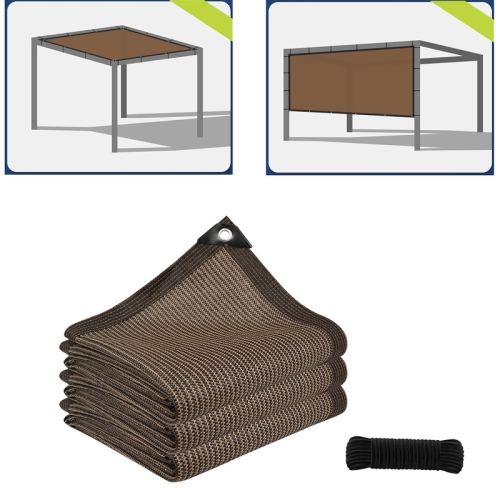
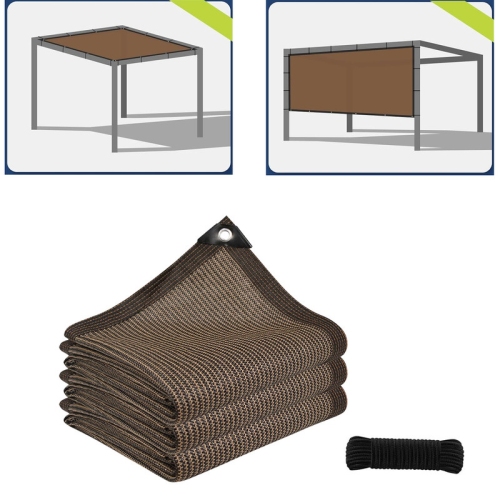
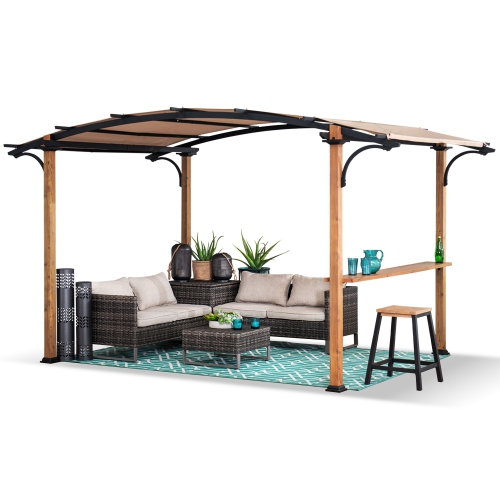
Pergola covers add shade and overhead protection to the open framework of a pergola, making an outdoor dining area, lounge space, or garden seating nook more comfortable to use. A cover can soften bright sunlight over a table, reduce glare across a reading chair, or provide shelter from light rain when its material and installation are designed for that purpose. The term includes several different product types: fixed fabric panels, breathable shade cloth, replacement canopies, retractable fabric roofs, and protective covers or enclosures made for particular structures. These options serve different needs, so an overhead sunshade should not be confused with a storage cover or a winter enclosure. An open-sided canopy leaves the surrounding space accessible and airy, while compatible side panels can offer additional privacy or help limit wind-driven rain. Neither arrangement automatically makes a pergola suitable for heavy snow or severe weather. For everyday use, the distinction between shade and rain protection matters more than the appearance of the fabric alone. Breathable mesh allows air to pass through and helps reduce direct sunlight, but its openings also let rain through. A tightly woven or coated canopy may offer better water resistance, although its ability to keep the space beneath it dry depends on seams, drainage, roof slope, and the way it attaches to the frame. A water-resistant cover can handle some moisture without being fully waterproof, and a waterproof material does not guarantee a leak-free installation. Around a dining table, coverage beyond the tabletop can help shade the people seated at its edges; over a lounge area, the position of the seating and the angle of the sun affect how much shade reaches the cushions. Homeowners furnishing a backyard, families creating a shared gathering space, and anyone refreshing an existing pergola may find a cover useful without needing to replace the entire structure. The right style preserves the pergola’s open character while adding protection suited to the way the space is used.
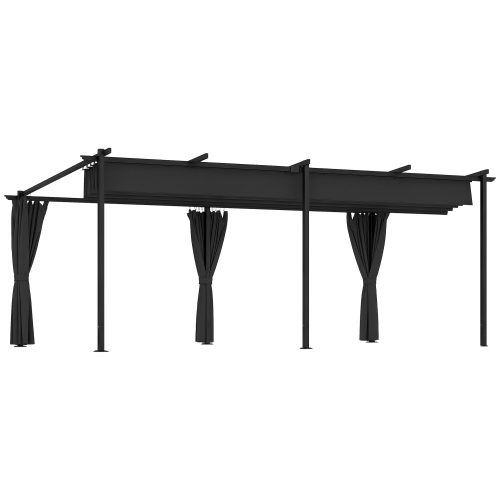
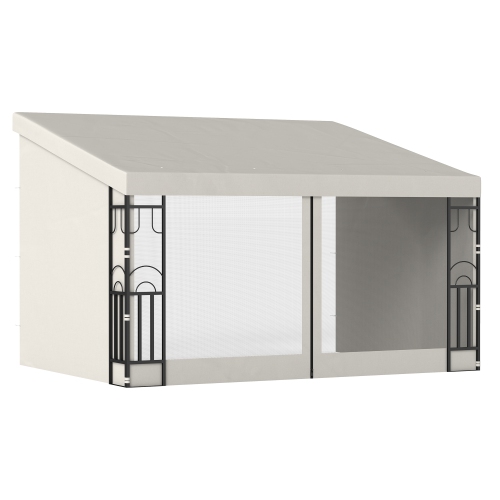
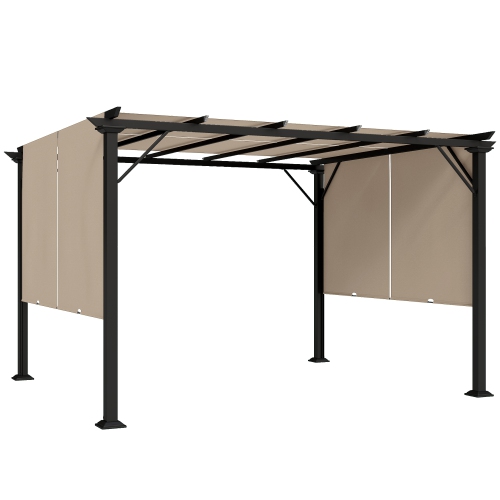
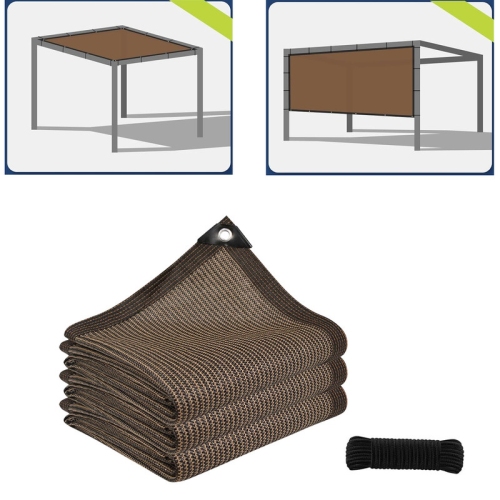
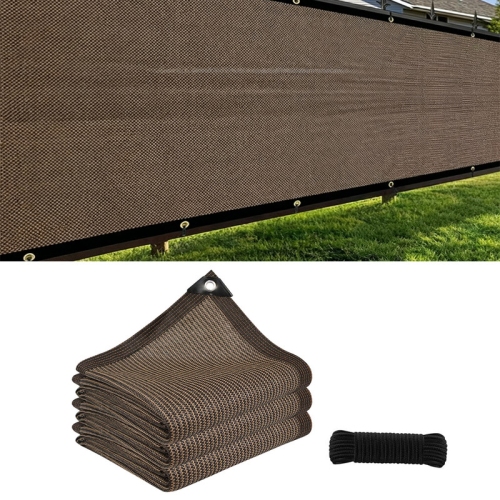
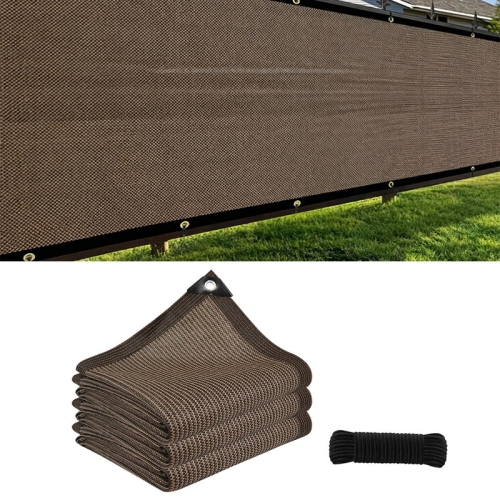
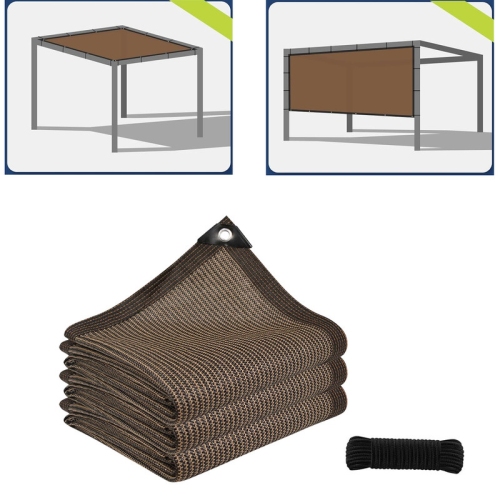
Material choice influences the feel, performance, and upkeep of a pergola canopy. Polyester is commonly used for outdoor fabric covers because it can be woven into a relatively lightweight panel and finished with coatings for added water resistance. PVC-coated fabrics are generally less breathable and can provide a more substantial barrier against rain, but their weight and attachment requirements need to suit the supporting structure. Mesh and shade cloth prioritize filtered light and airflow rather than a dry roof. A stated shade percentage describes the amount of light the fabric is designed to screen; it should not be treated as a UV protection rating unless the product documentation supports that claim. Colour also changes the character of the covered area. Pale fabrics can create a bright, softly lit space, while darker shades may give a stronger visual outline to the roof and coordinate with metal frames or darker furniture. Beyond colour, reinforced edges, securely finished seams, and attachment points built to spread tension are useful details for a cover that will be opened, adjusted, or exposed to regular breezes. Fit is equally important. The outside measurements of a pergola are not always the same as the dimensions required for its canopy, particularly when fabric sits between beams or runs along a recessed track. Replacement panels may depend on the original frame design, support spacing, rod diameter, or placement of fastening points, even when two structures share the same overall footprint. Grommets typically work with compatible ties or tensioning hardware, rod pockets require supports that can pass through the fabric, and sliding panels need the correct track or cable arrangement. A loose panel can flap and rub against the frame, while an undersized cover can place excessive tension on seams and fasteners. Intended roof pitch and drainage also affect fit: fabric that forms a low pocket can collect water rather than direct it away. Matching the canopy to the frame’s specified dimensions and attachment system helps maintain its shape without relying on improvised connections.

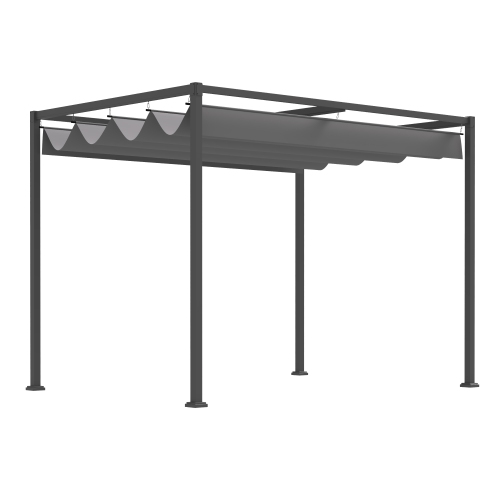
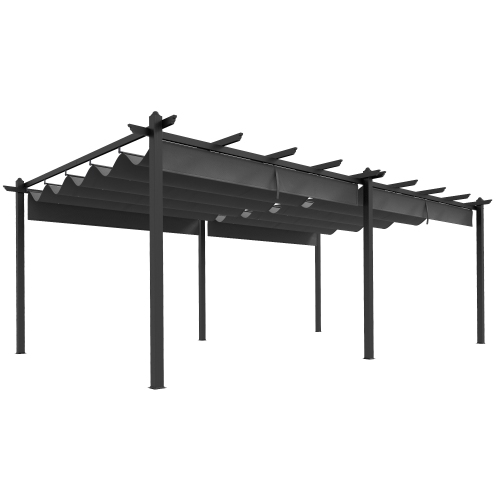
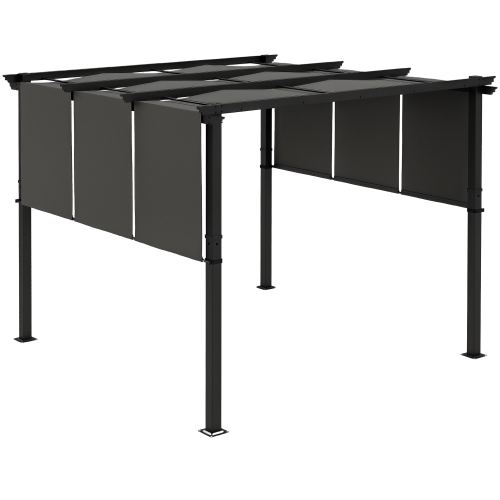
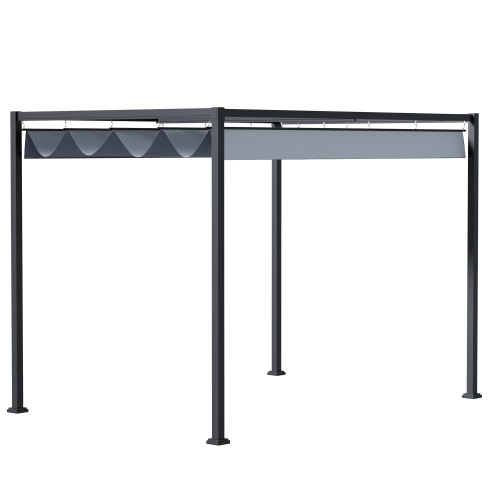
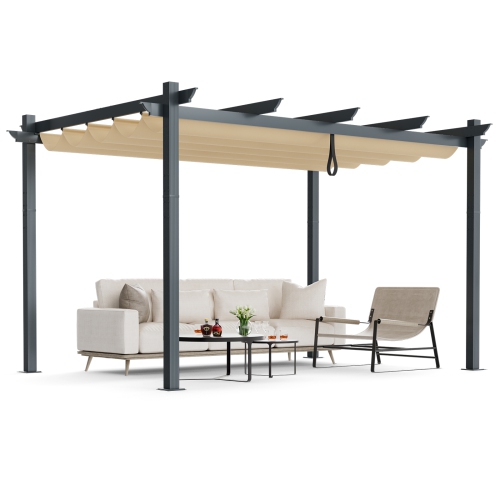
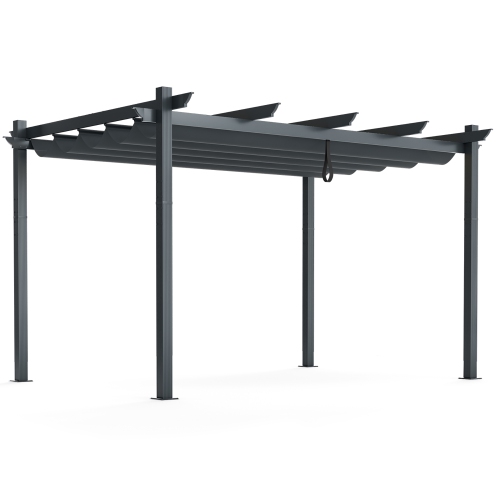
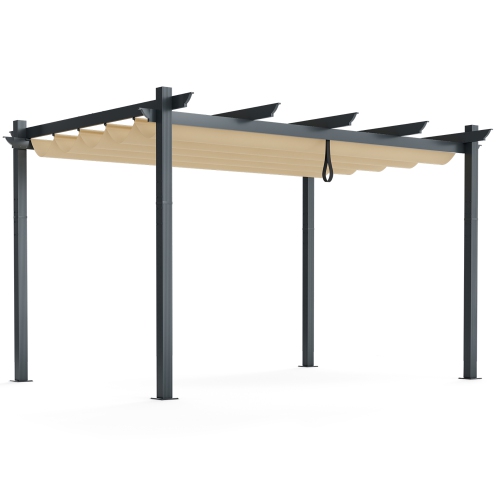
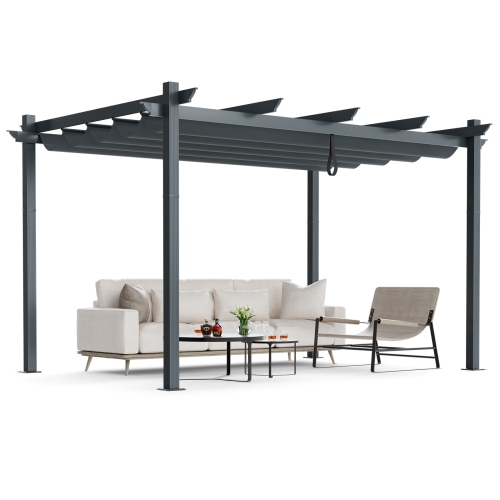
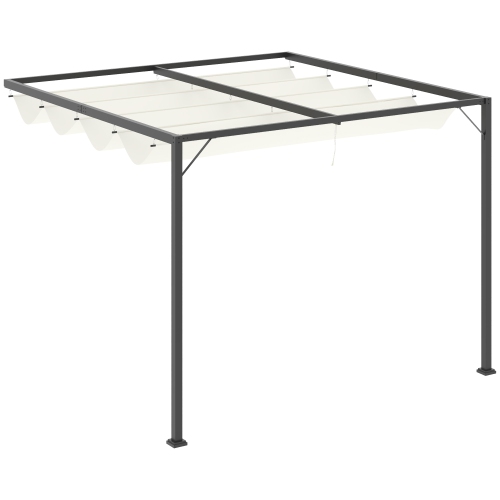
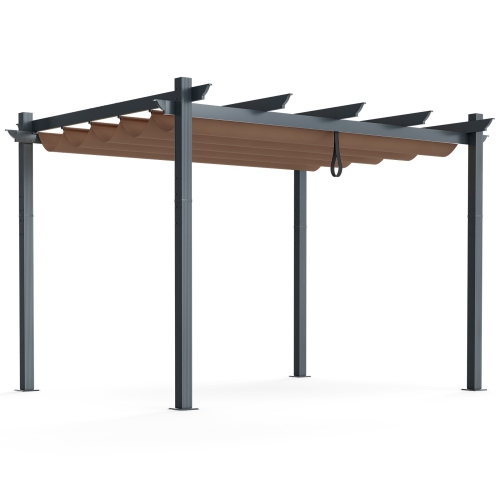
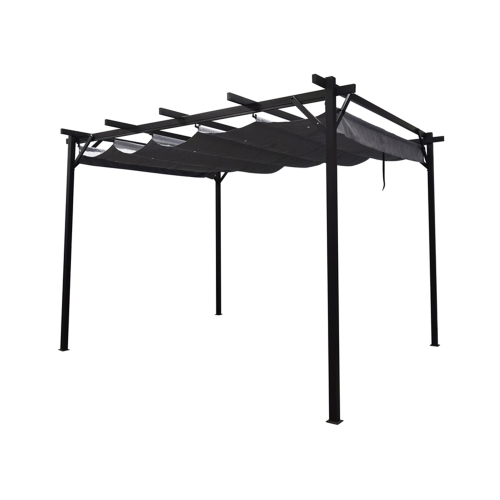
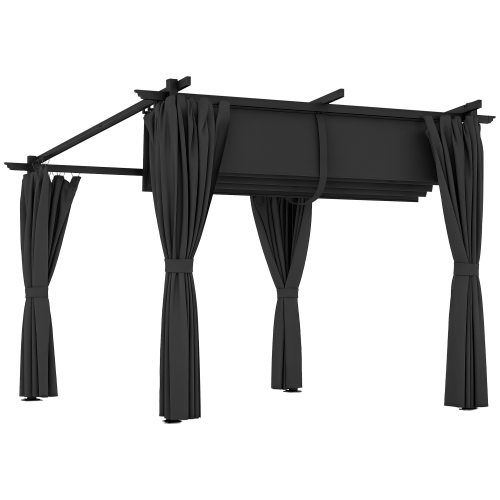
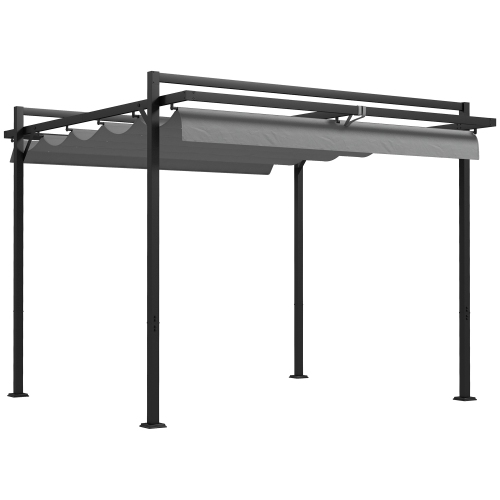
Adjustable coverage is particularly useful where the same patio serves several purposes. A canopy drawn across a pergola can shade an afternoon meal, then open to leave a clearer view overhead for an evening gathering. Retractable fabric covers may slide along cables, rods, or tracks, and their operating method determines how smoothly the panels move and where the folded fabric rests. A replacement retractable canopy must be compatible with the existing mechanism; a fixed shade panel cannot simply take its place. When both an adjustable roof and a supporting structure are needed, retractable pergolas offer a different starting point from a cover intended for an existing frame. Care requirements deserve the same attention as operation. Leaves and small twigs caught in folds can interfere with movement or hold moisture against the fabric, while grit around attachment points can gradually wear the surface. Many fabric covers benefit from gentle cleaning with a soft brush, mild soap, and water, but the manufacturer’s care directions take priority, especially for coated materials. Harsh cleaners, abrasive scrubbing, or pressure washing can damage finishes or seams. Allowing fabric to dry fully before folding or storing it helps reduce the risk of mould and odours, and a dry storage area keeps the canopy ready for its next use. Periodic inspection of stitching, grommets, ties, and moving parts can reveal wear before a small tear or loose connection becomes a larger problem. Wind, snow, and ice require particular caution: a fabric canopy should not be assumed to carry accumulated snow, and adding a cover does not increase the load capacity of the pergola beneath it. Some covers need to be retracted or removed in strong winds or before snowfall, according to their specifications. Protective enclosures also need to be matched to their intended use rather than treated as heated living spaces. With suitable fit, sensible care, and clear expectations about protection, a pergola cover can make an established outdoor seating area more practical while keeping its layout and familiar character intact.
Read More

FAQ

Some products may be subject to Environmental Handling Fees (EHF) depending on your province. Learn more about EHFs.