Persian Design Rugs
Transform your living space into a luxurious oasis with our exquisite collection of Persian design rugs. Crafted with meticulous attention to detail, these timeless pieces are the perfect addition to any room, adding warmth, style, and a touch of elegance. From intricate patterns to rich colors, each rug tells a unique story and brings a sense of culture and heritage to your home. Whether you're looking for a statement piece or a subtle accent, our Persian design rugs are sure to elevate your decor and create an inviting atmosphere that reflects your personal style.
Sort
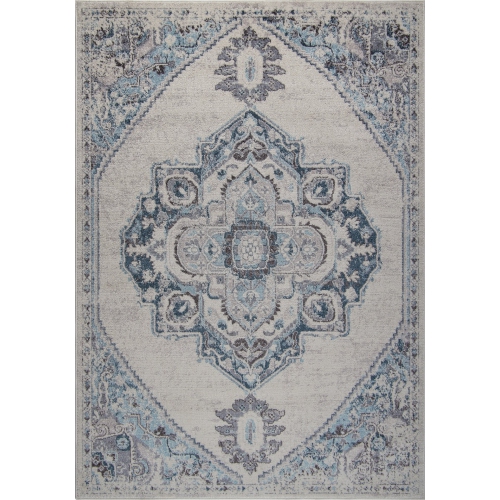
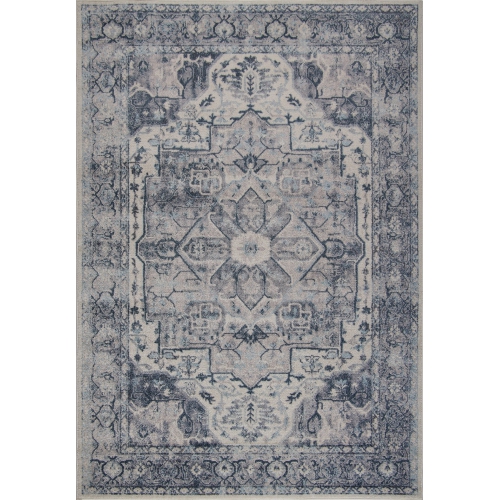
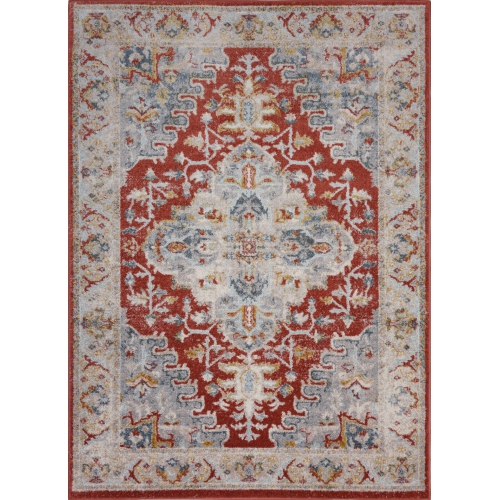

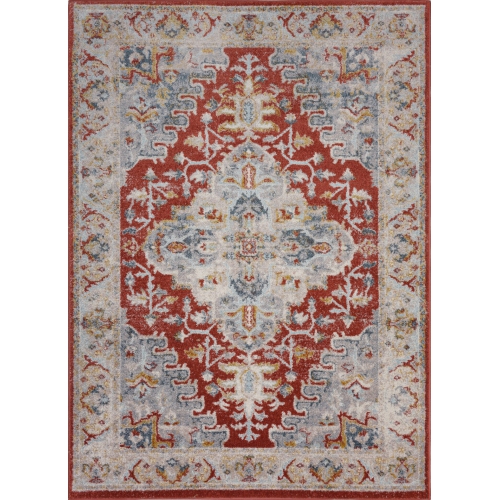




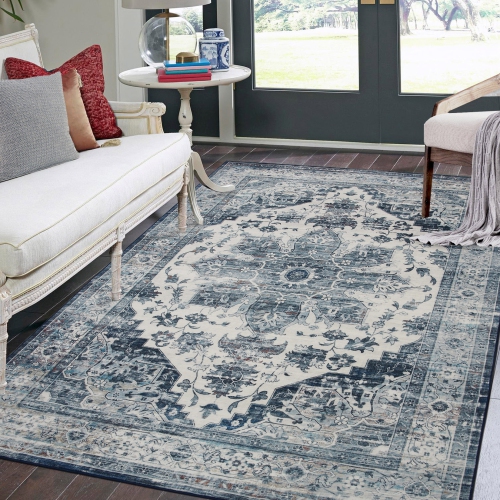


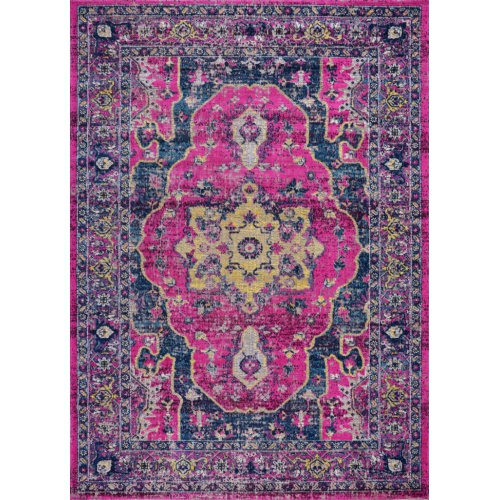
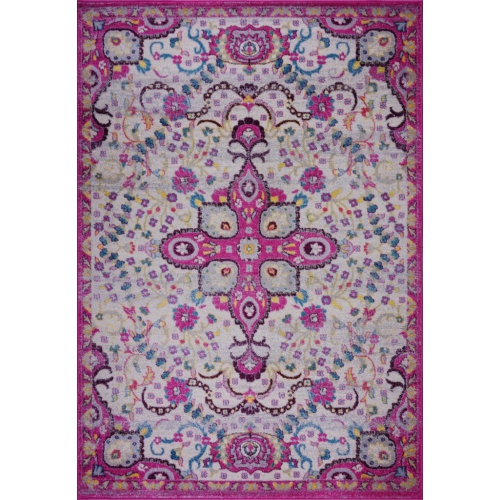
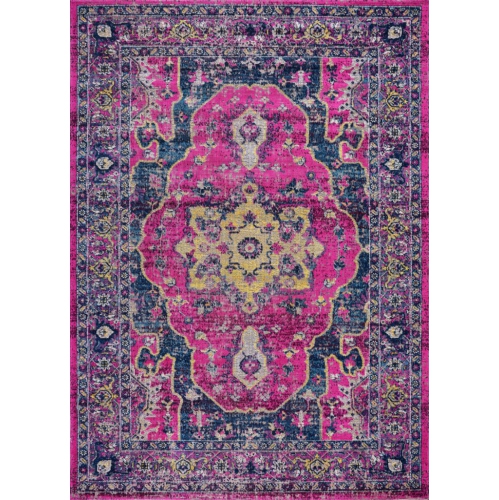
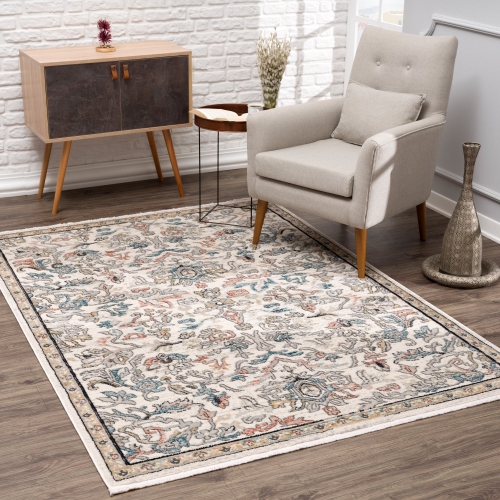
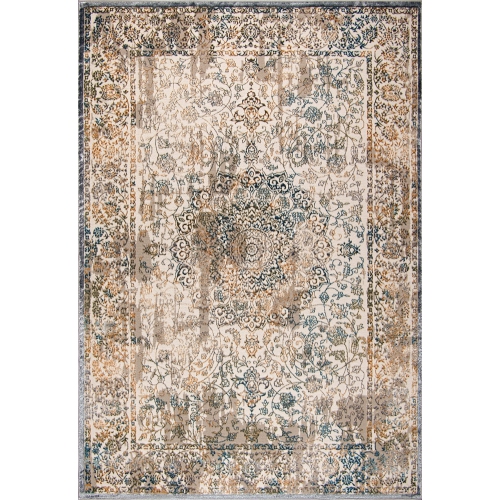






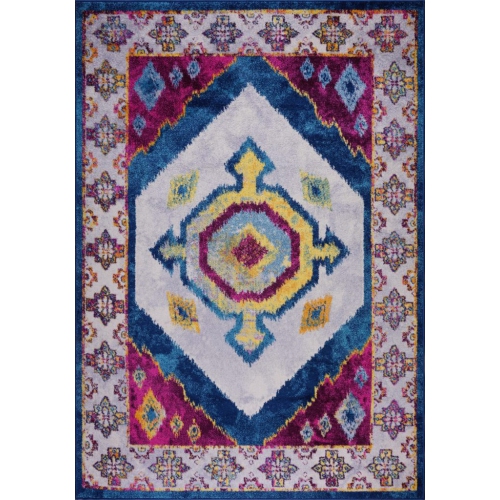
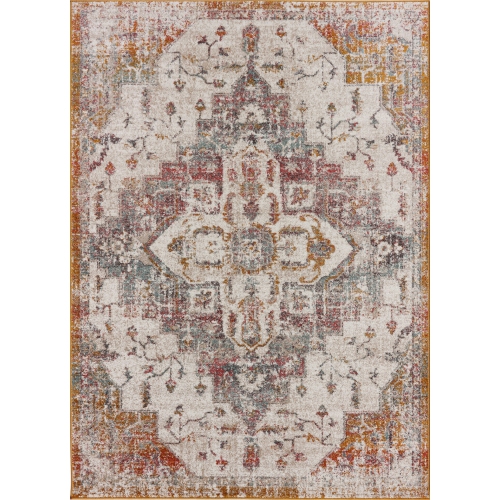

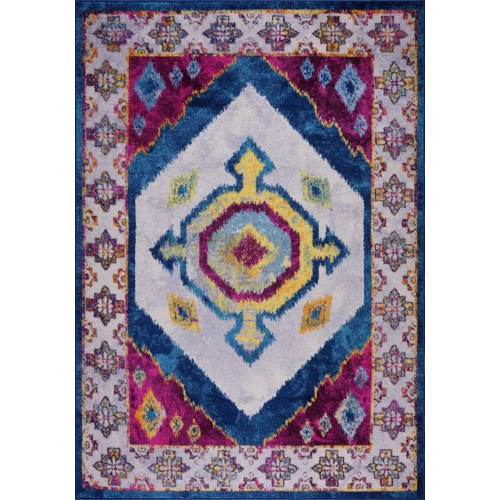
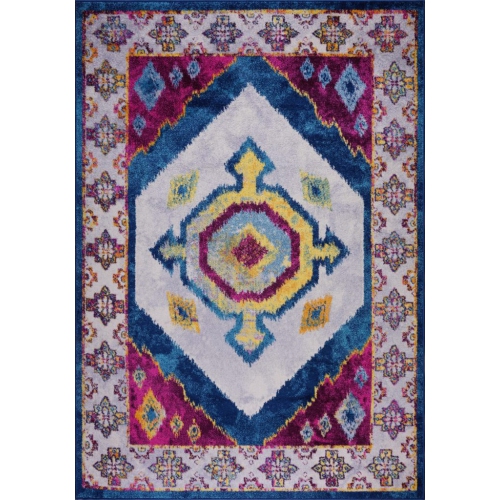



How medallions and borders shape a room
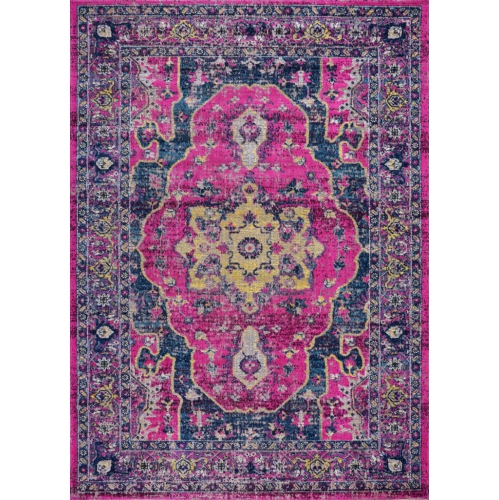
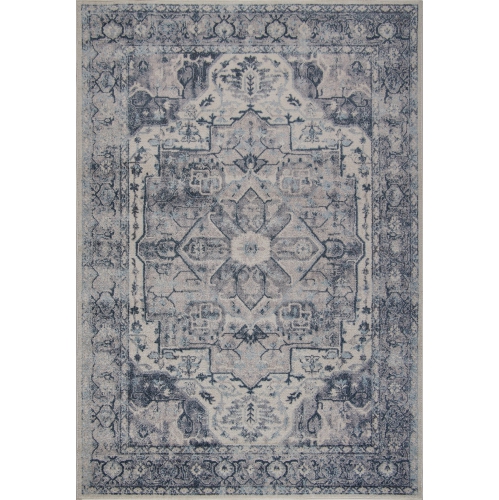
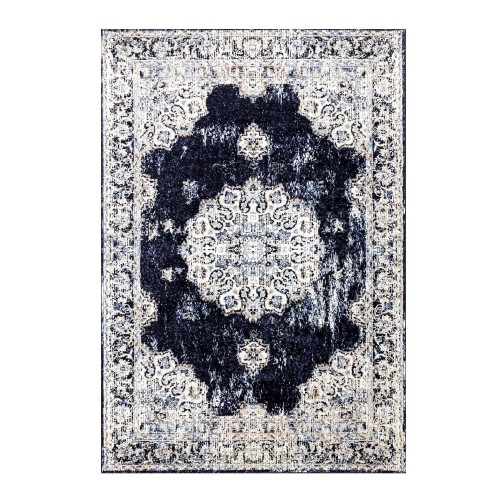
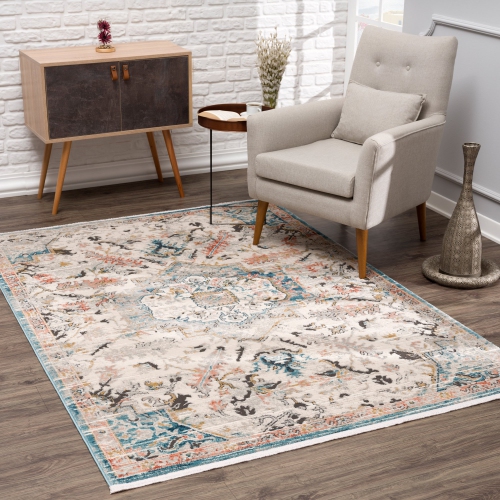
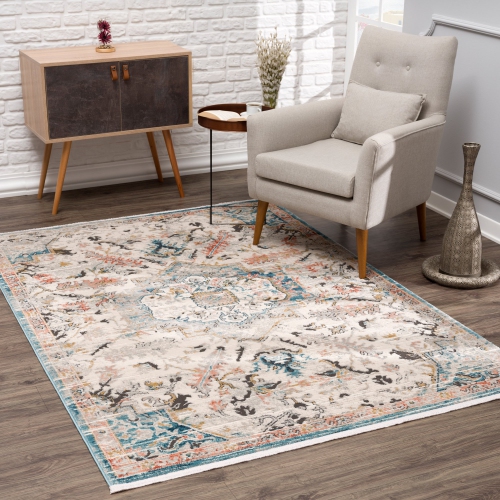
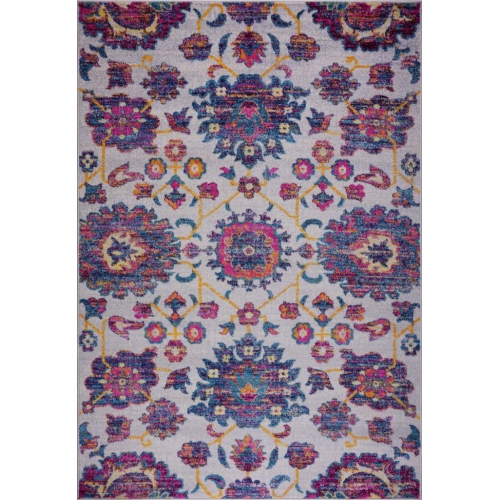
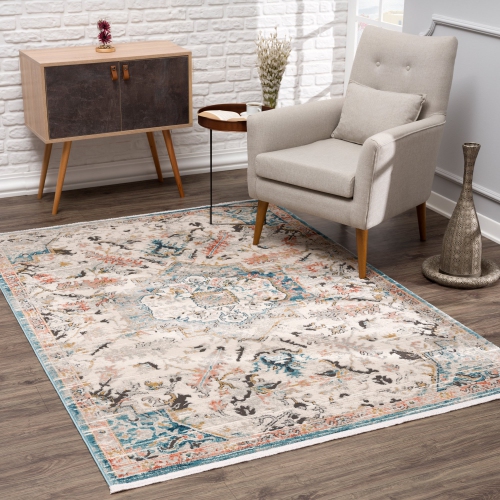
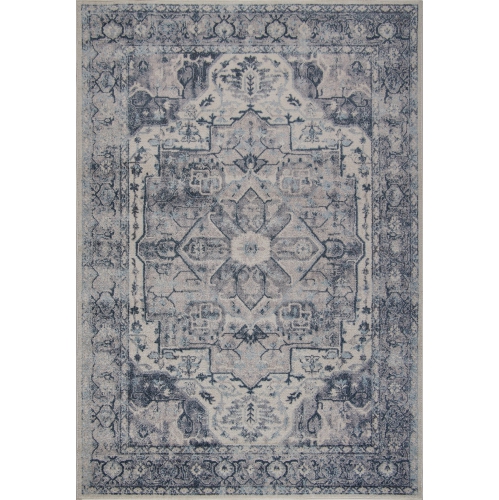
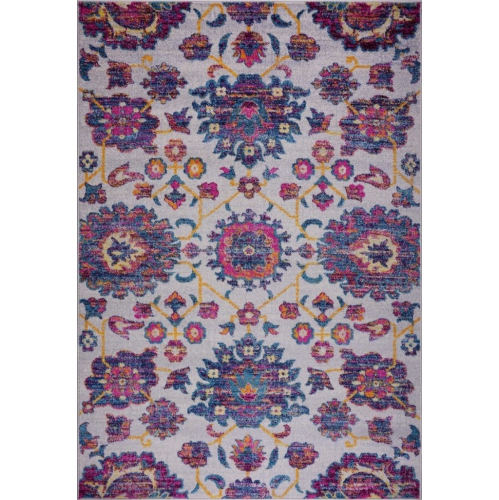
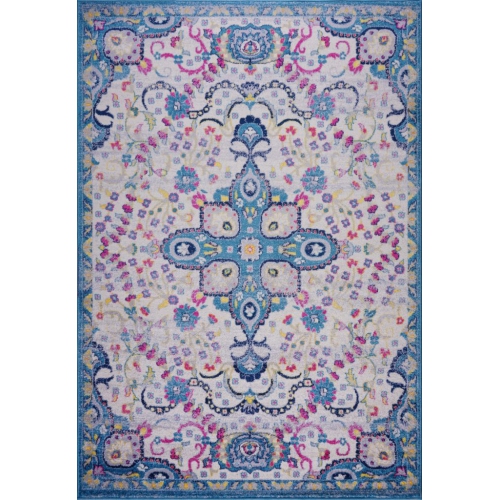
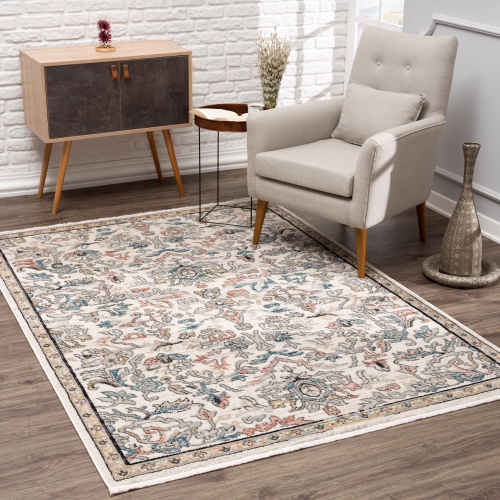
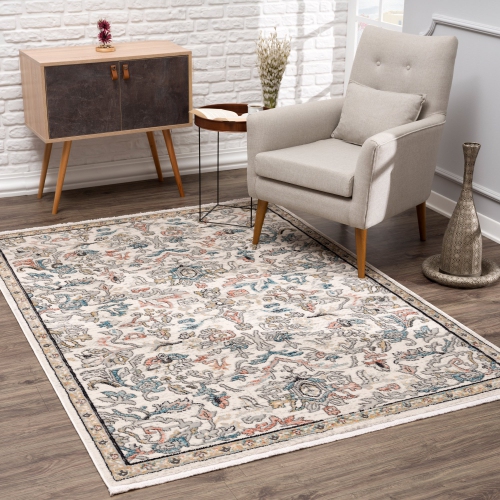
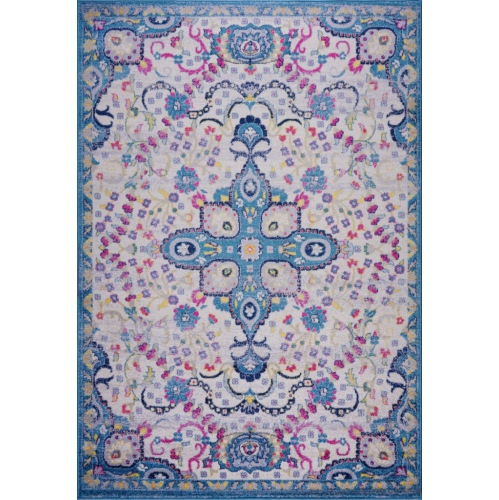
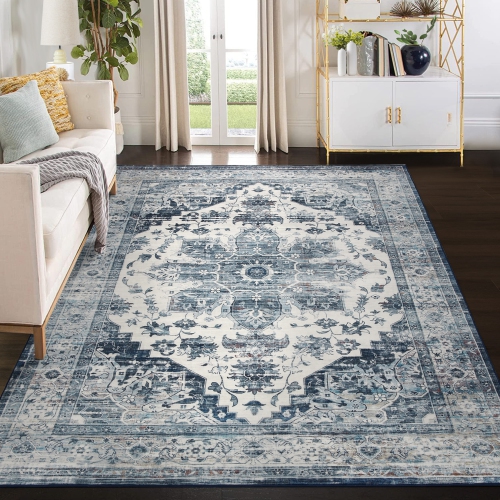
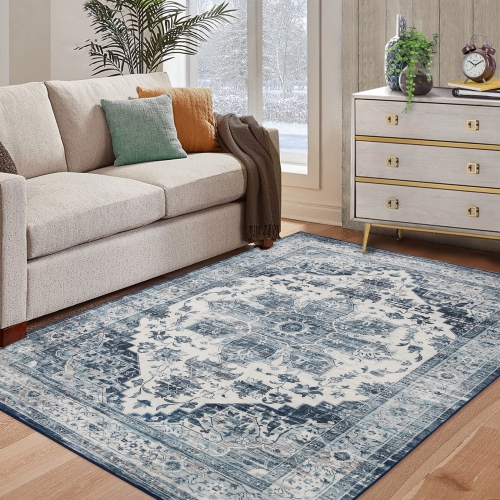
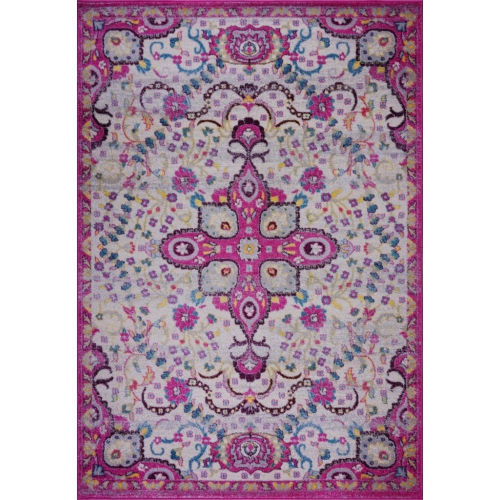
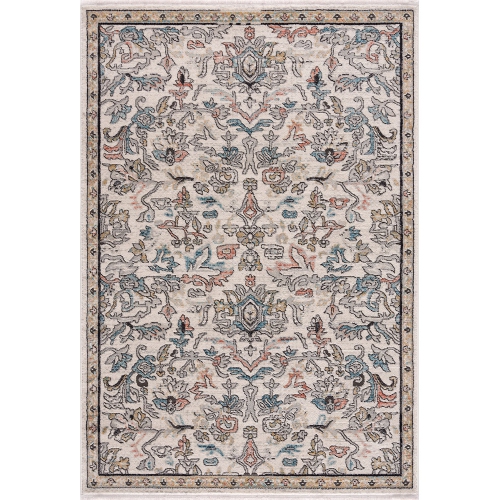
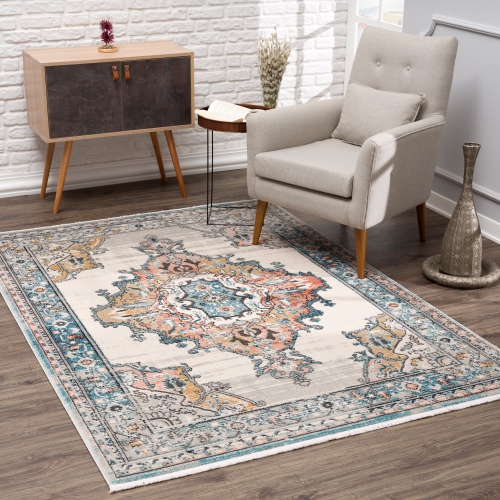
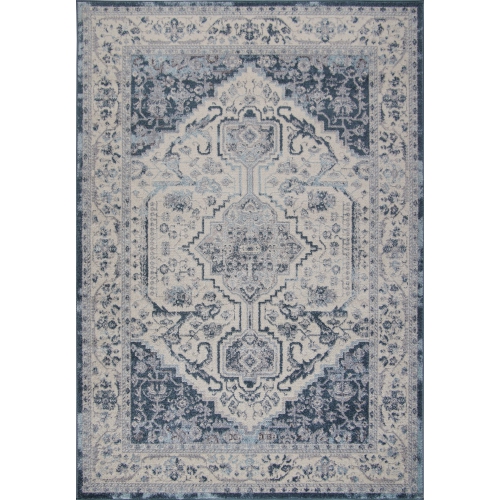
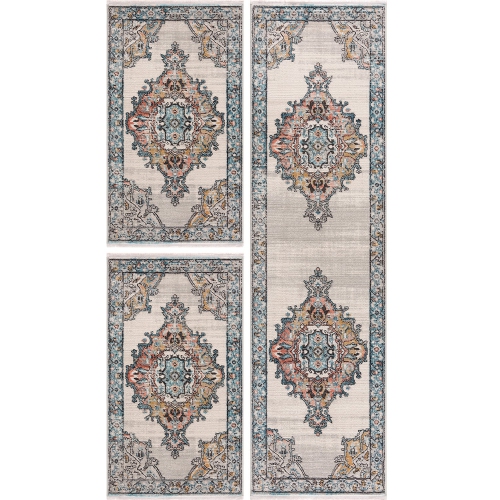
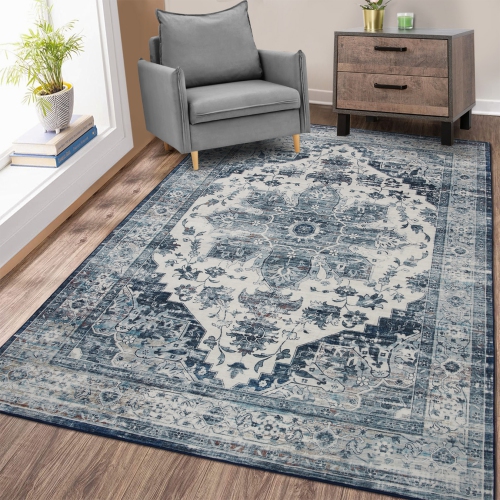
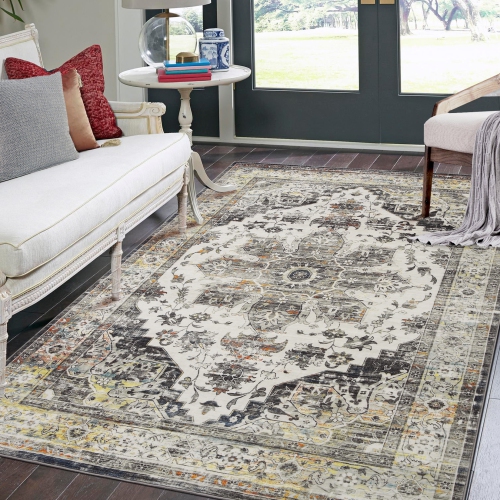
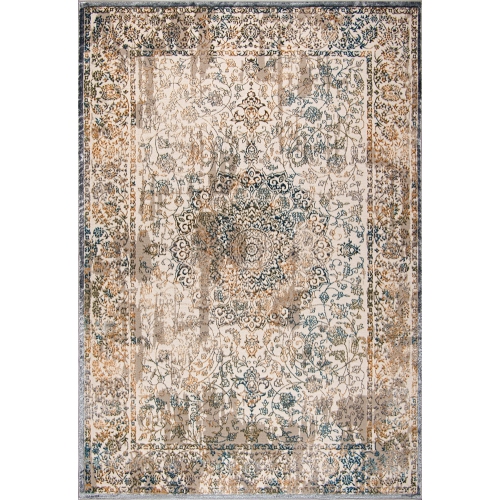
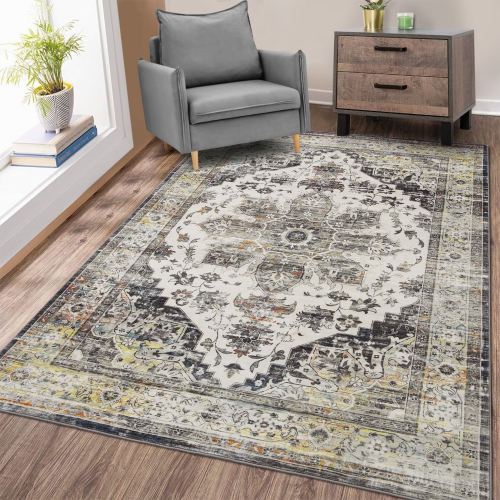
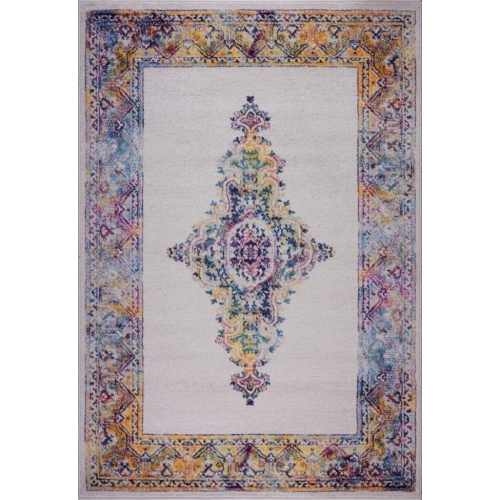
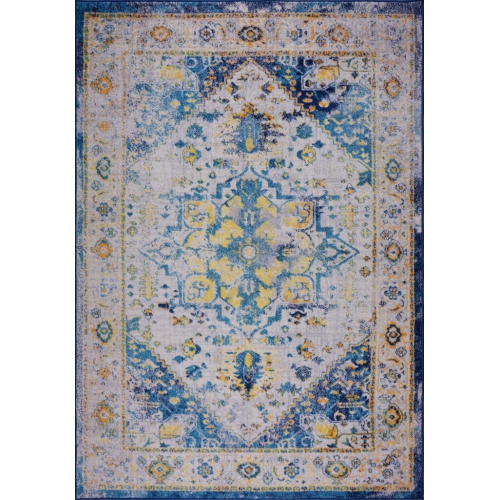
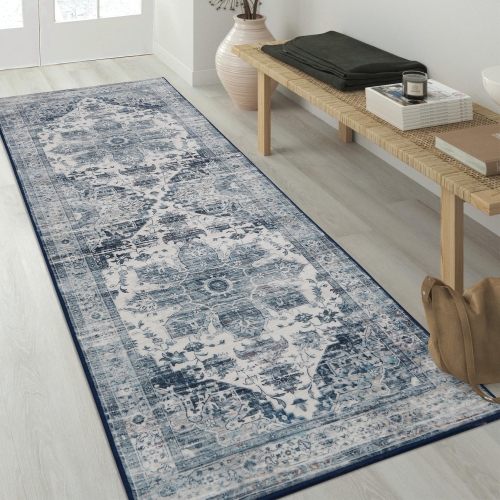
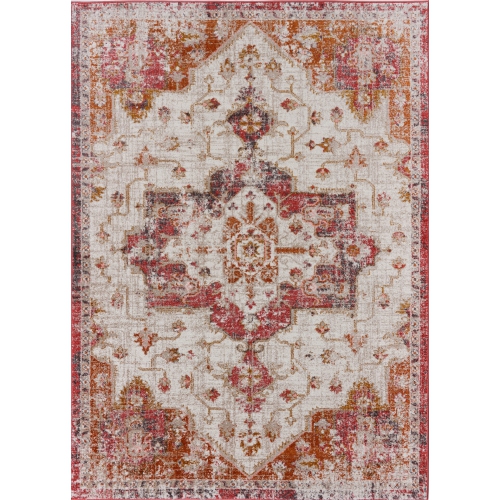
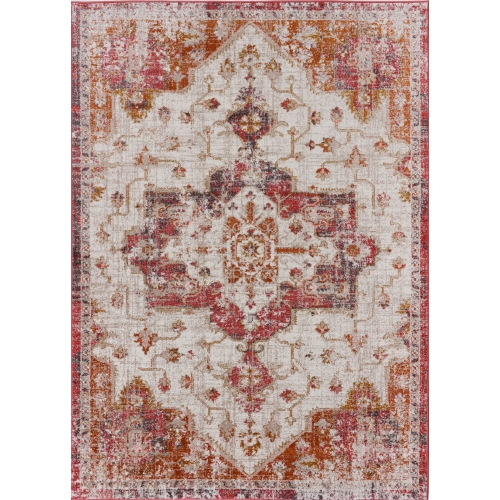
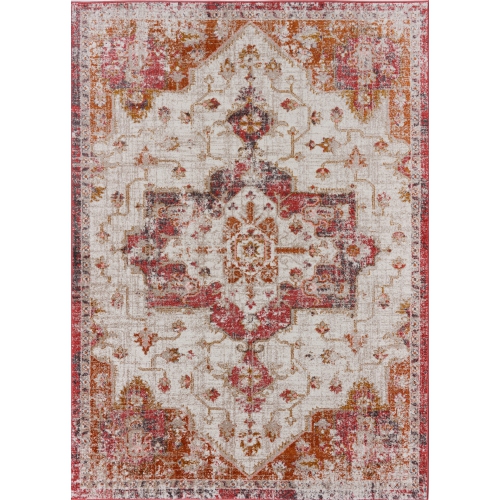
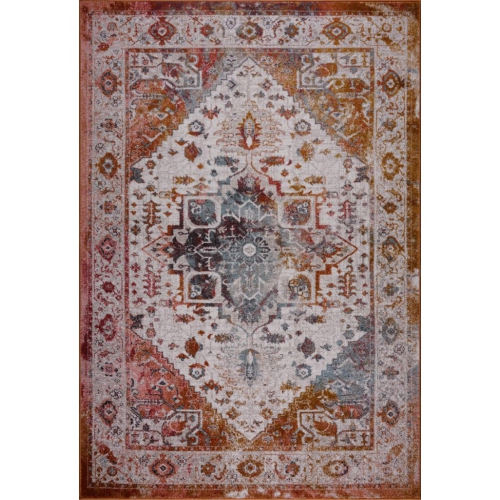
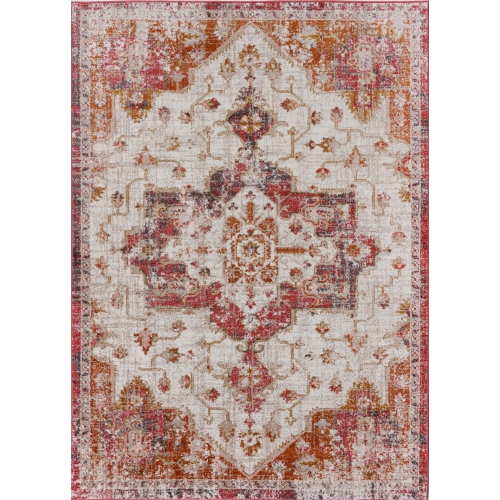
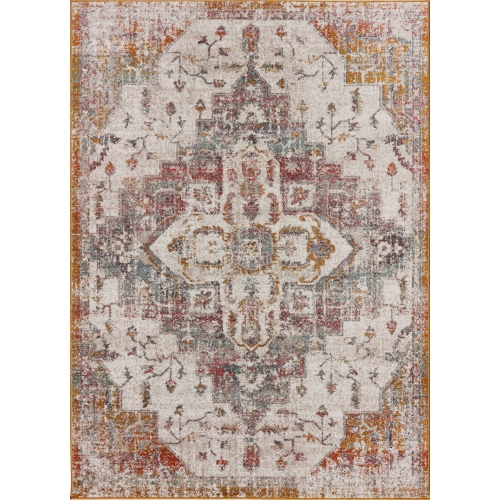
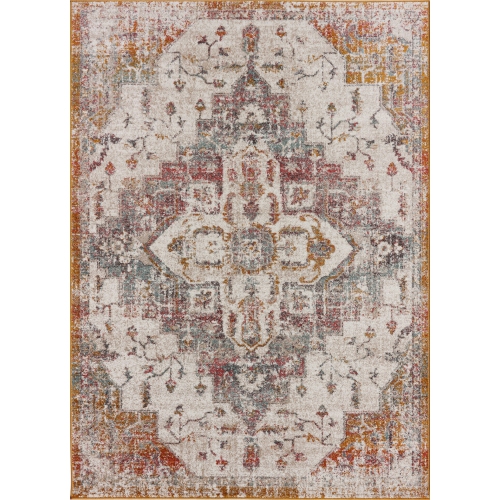
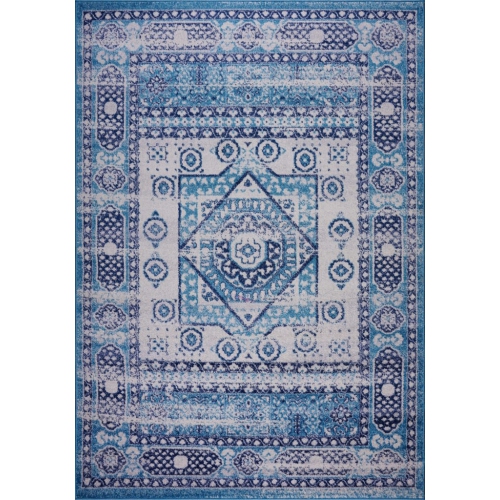
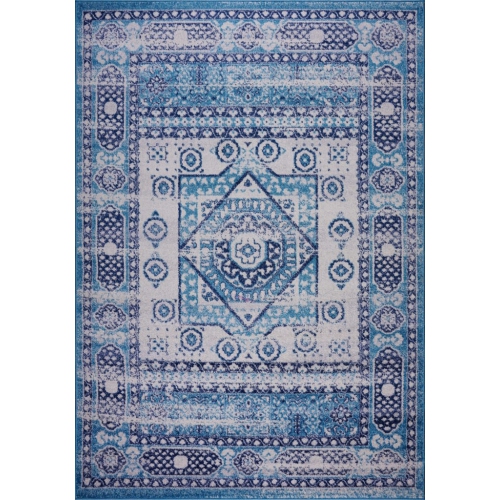
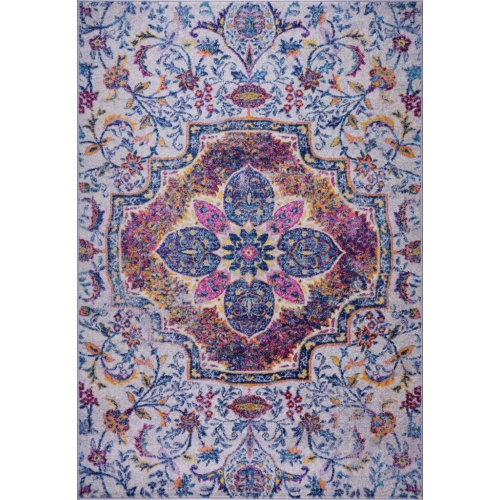
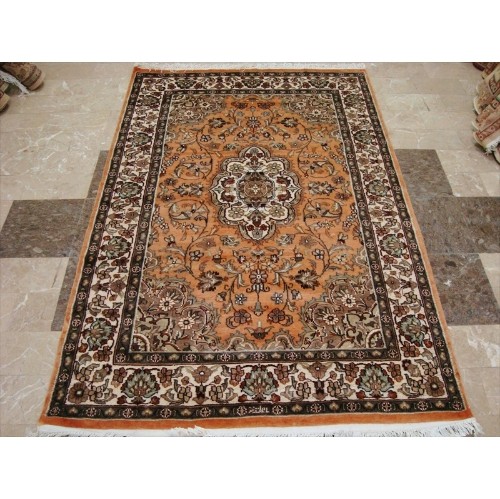
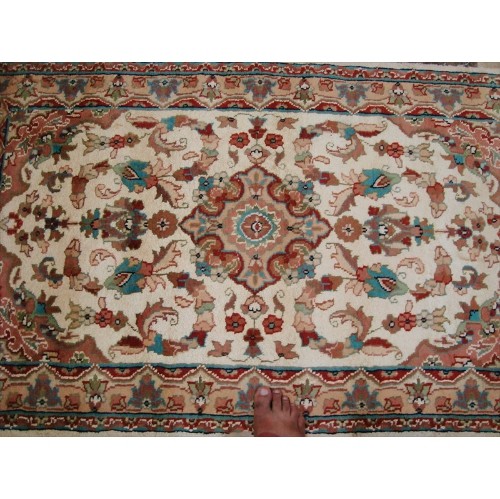
Persian design rugs are defined by patterned fields, framed borders and motifs drawn from the weaving traditions of Iran. Their designs range from flowing floral compositions to angular arrangements of diamonds, stars and stylized blossoms, giving them a place in both traditional rooms and more pared-back interiors. A Persian-style pattern describes the appearance of a rug, rather than proving its origin or construction: these designs can appear in hand-knotted, machine-woven and printed rugs made in different regions. Among the main layouts, the medallion arrangement places a prominent rosette, diamond or star at the centre, often with matching corner sections and several surrounding borders. Allover layouts distribute repeating motifs across the field without a single central focal point, while geometric designs emphasize stepped lines, hooked forms and bold shapes. Floral and garden designs feature curling vines, flowers and branching arrangements, sometimes organized into garden-like compartments. Pictorial rugs may include trees, birds, animals or narrative scenes. Mehrab layouts have a directional arch associated with a prayer niche and a distinct place within prayer-rug traditions. Individual motifs add another layer of character. Herati patterns typically combine a small central flower, a diamond framework and curved leaves often described as fish-like. Boteh is a curved, teardrop-shaped motif familiar in paisley patterns, while Mina Khani features repeating blossoms joined by a lattice of connecting stems. Tree of Life compositions centre on a branching tree and are often associated with growth and continuity, although interpretations vary by tradition and maker. Regional references also help describe the visual range: Heriz designs are associated with strong angular forms, while Kashan and Isfahan traditions are known for intricate floral compositions. These distinctions make Persian design rugs more varied than a single familiar red-and-navy pattern might suggest. From a small repeating blossom to an expansive central medallion, the balance between the main field, corners and borders shapes how a rug looks across an open floor or beneath furniture.
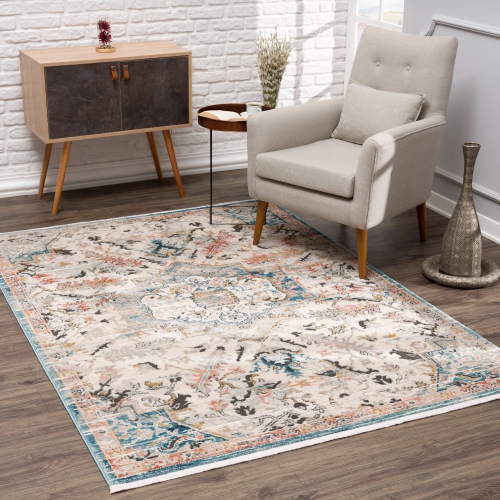
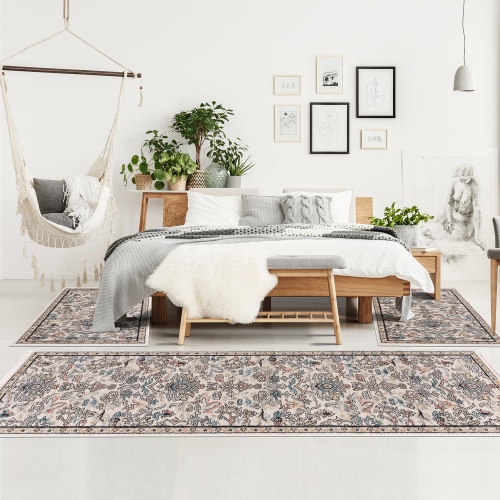
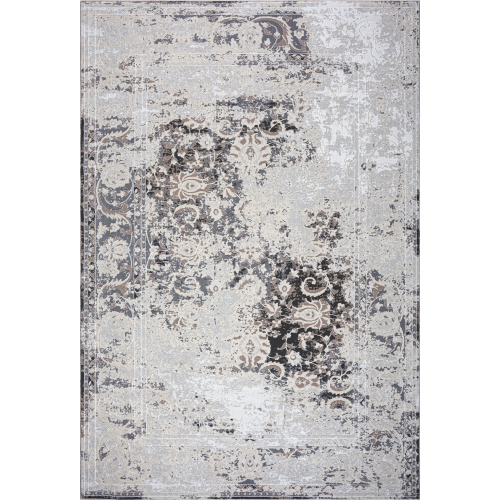
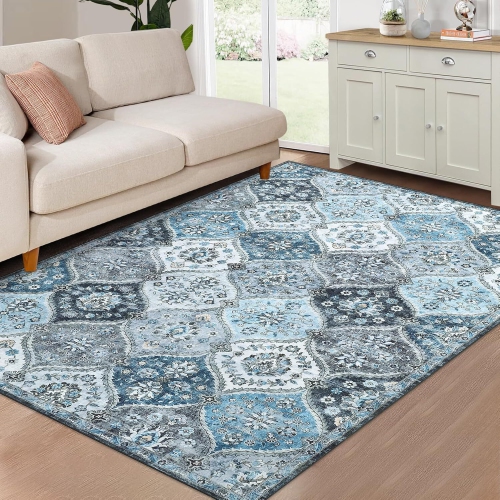
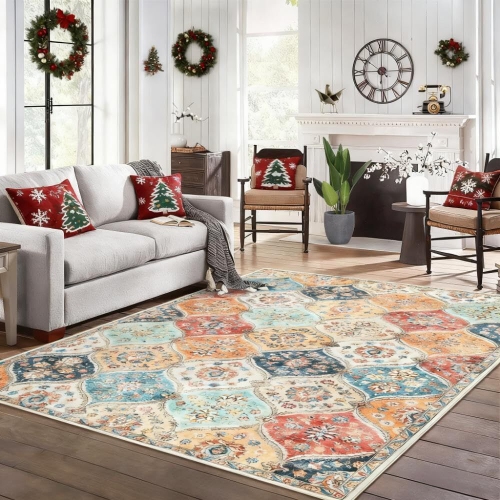
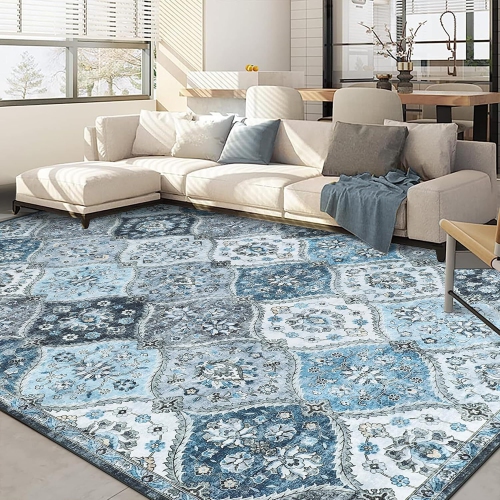
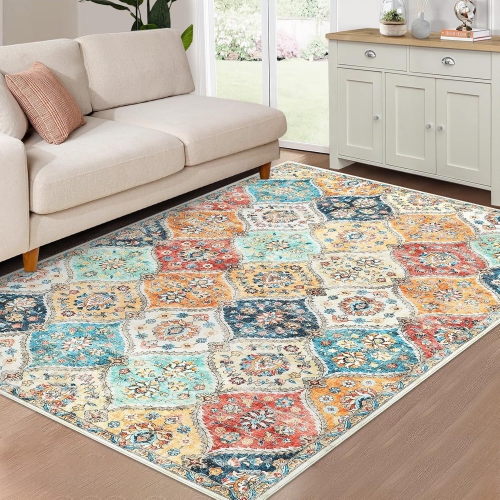
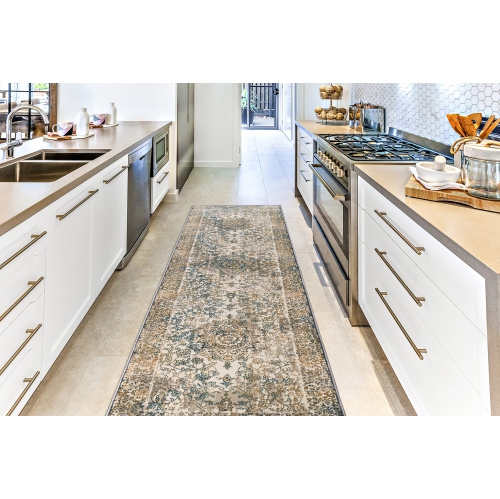
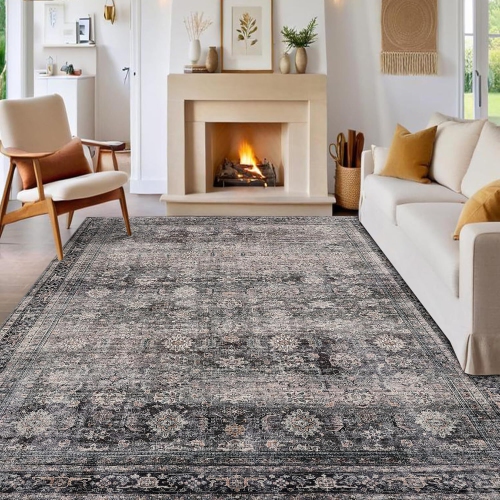
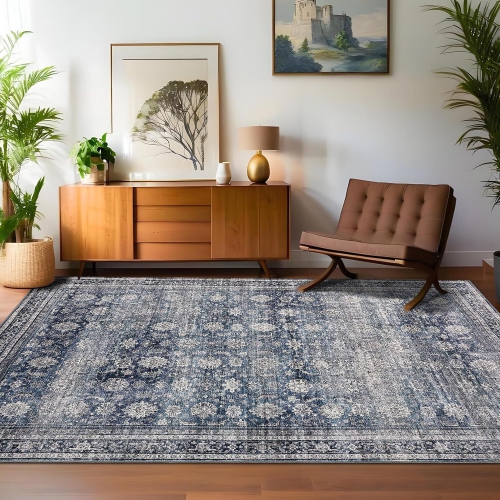
The relationship between the pattern and the room matters as much as the colours themselves. Styles grouped as Persian Medallion Rugs create a clear visual centre, making them particularly effective where the middle of the rug remains visible, such as between facing sofas or beneath a glass coffee table. An allover pattern maintains its rhythm when a bed, dining table or sectional covers a large portion of the field. Borders can frame a seating arrangement, distinguish a reading corner within an open-plan room, or give a hallway a more deliberate sense of direction. Rug dimensions influence that effect: in a living room, having at least the front legs of the main seating pieces on the rug can help connect the arrangement. Beneath a dining table, enough room for chairs to remain on the rug when pulled out makes everyday use more comfortable. In a bedroom, a rug extending beyond the sides of the bed creates a softer landing underfoot, while runners suit narrower spaces where door clearance and secure placement are important. Measuring the usable floor area, rather than judging the rug in isolation, helps account for door swings, nearby cabinetry and furniture legs. Colour and pattern scale offer further ways to suit the space. Burgundy, indigo and cream can bring depth to neutral upholstery, while muted terracotta, soft blue, grey and ivory offer a gentler contrast. A closely spaced pattern tends to read as texture from a distance; larger motifs remain distinct across a room. Faded or distressed effects create an aged appearance, but do not necessarily indicate an antique rug or actual wear. Repeating one or two rug colours in cushions, curtains or artwork can make the room feel connected without matching every surface. In a busy room, simpler surrounding fabrics leave space for detailed borders and floral forms, while a restrained geometric design can sit comfortably alongside patterned upholstery.
Materials, pile height and construction determine how Persian design rugs feel and how they fit into daily routines. Wool offers a resilient pile with a substantial feel, though some wool rugs shed loose fibres, particularly early in use. Cotton may appear in the pile, foundation or backing and can provide a lighter feel, depending on the weave. Polypropylene and polyester are common in machine-made rugs and may offer practical routine care, but stain resistance, softness and cleaning requirements vary by construction and finish. Silk and viscose can produce a lustrous surface that changes with the viewing angle; they may also need more careful placement and specialized cleaning. A low pile generally allows dining chairs and wheeled furniture to move more freely, whereas a thicker pile adds cushioning to seating areas and bedrooms. Flatwoven styles offer a different underfoot feel from dense, tufted or knotted rugs, so the pattern alone does not indicate comfort or durability. For homes with children or pets, tightly constructed surfaces and manageable pile heights may be more convenient than long fringes or raised details that can catch. Pattern can make small crumbs and everyday marks less noticeable, but it does not replace regular care. Gentle vacuuming suited to the rug’s construction helps remove grit before it works deeper into the fibres, and fringed edges need protection from rotating brushes. Spills are best blotted promptly rather than rubbed, with cleaning methods guided by the care label; a washable appearance or synthetic fibre does not mean a rug is machine washable. Occasional rotation can distribute foot traffic and light exposure more evenly. A compatible rug pad can add cushioning, reduce movement and help protect the floor beneath, provided it is suitable for the flooring finish. For a housewarming or a shared living space, Persian design rugs offer lasting visual interest when the dimensions, colours and upkeep suit the recipient’s home. Their appeal lies in that combination of intricate pattern and everyday function, whether anchoring a family seating area, softening a home office or bringing definition to a quiet reading space.
Top selling and popular products
-
 Your price for this item is $130.55
-
 Your price for this item is $129.15
-
 Your price for this item is $130.55
-
 Your price for this item is $129.15
-
 Your price for this item is $129.15
-
 Your price for this item is $130.55
-
 Your price for this item is $144.99
-
 Your price for this item is $103.99
Discover more categories related to Persian Design Rugs
Top Collections:
Best Black Friday Deals This Year, Best Black Friday Deals On Electronics, Kindle Devices, Dyson Airwrap, Best Cameras for Sports Photography, Best Budget Office Chairs, Canon G7X Cameras, PS5 Pro Consoles, Best Black Friday Deals On Apple Products, XBOX One S Consoles
Some products may be subject to Environmental Handling Fees
(EHF) depending on your province.
Learn more about EHFs.