Barber Shop Shavers
Our collection of barber shop shavers is designed to provide you with a smooth and precise grooming experience. Whether you're maintaining your beard, creating sharp lines, or achieving a clean shave, these high-quality shavers are equipped to meet your styling needs. Explore our range of advanced features, ergonomic designs, and cutting-edge technology to elevate your grooming routine to the next level.
Sort
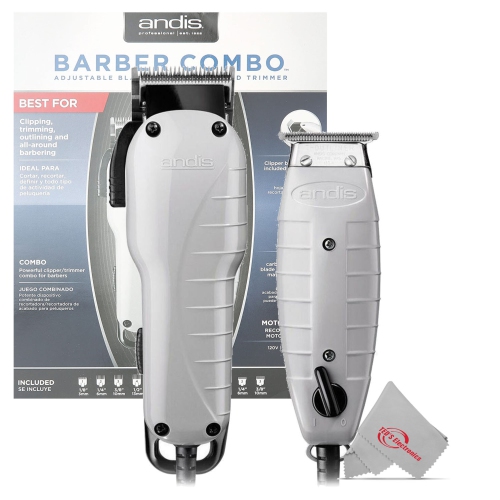
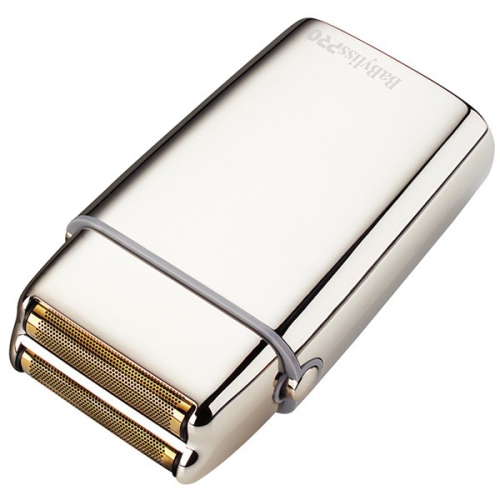
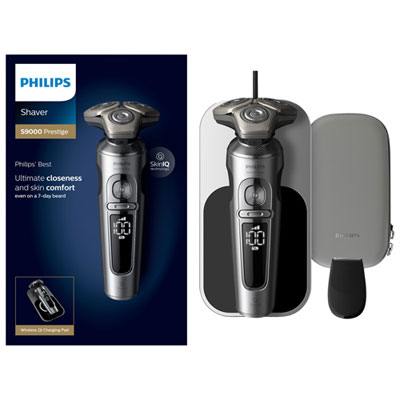
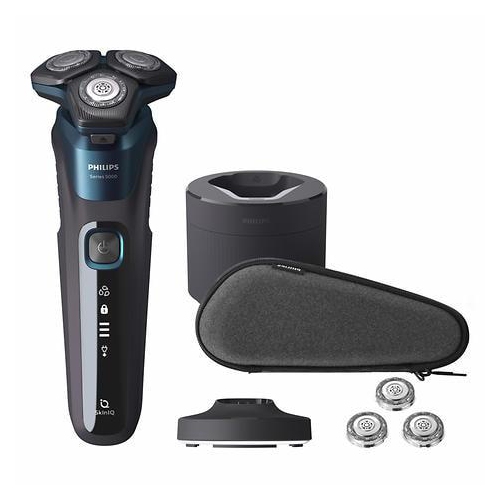
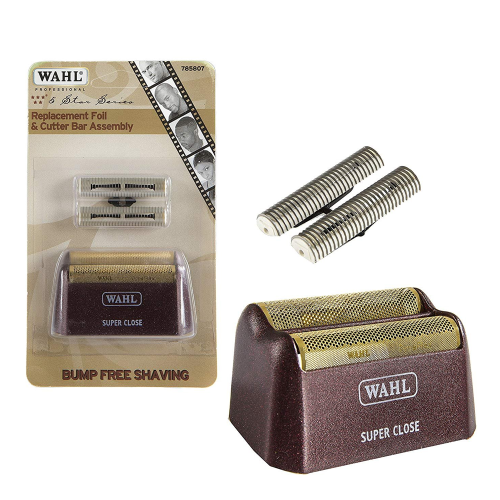
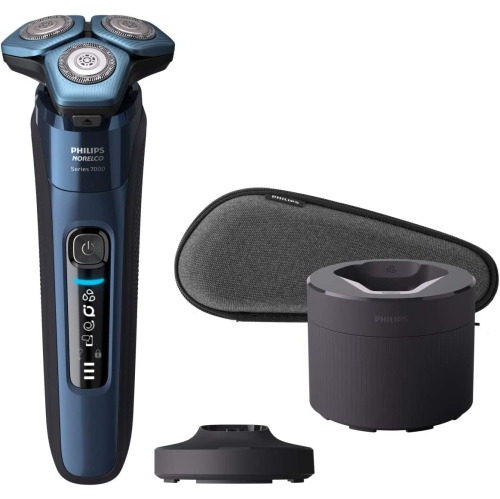
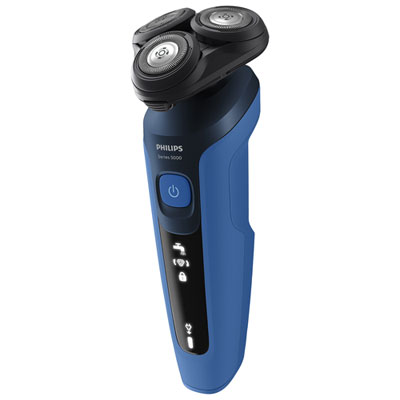
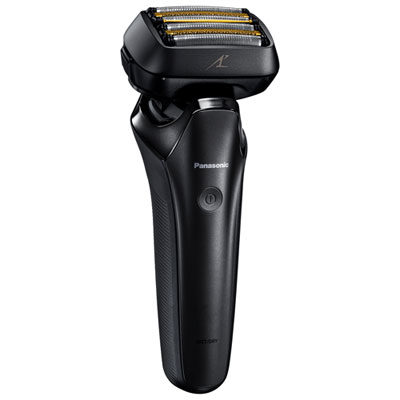

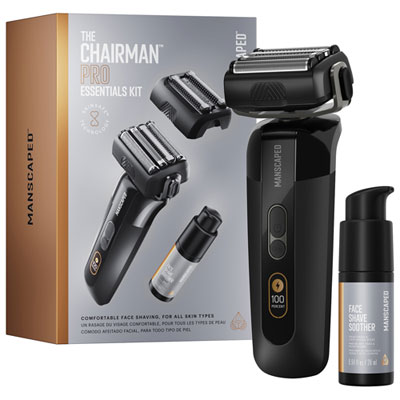
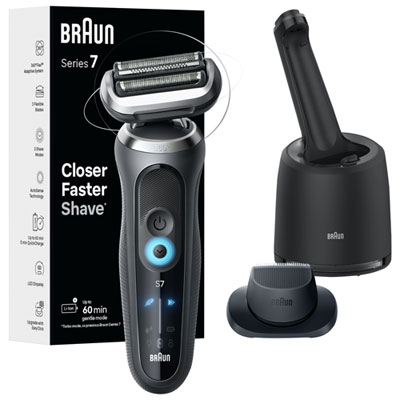
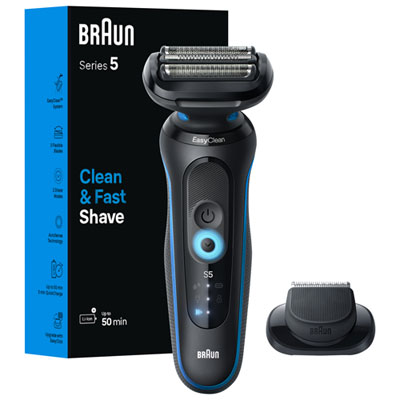
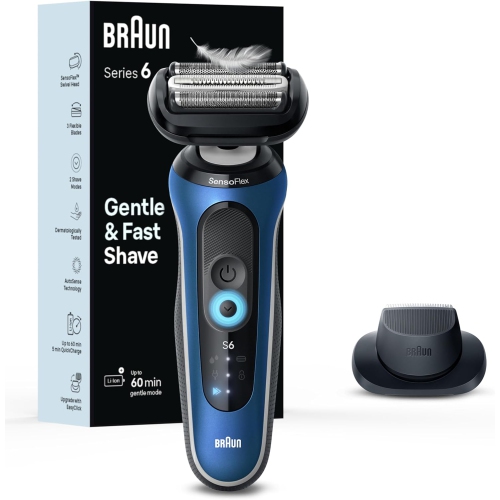
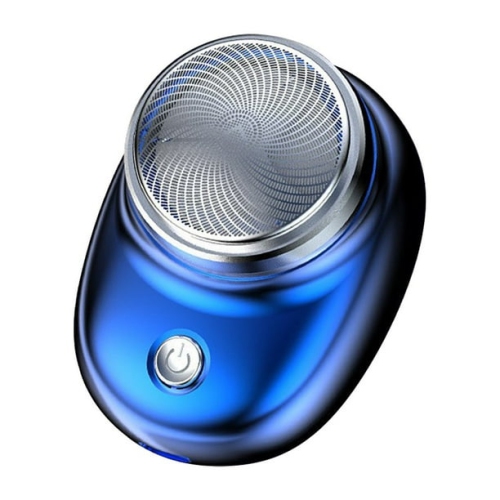
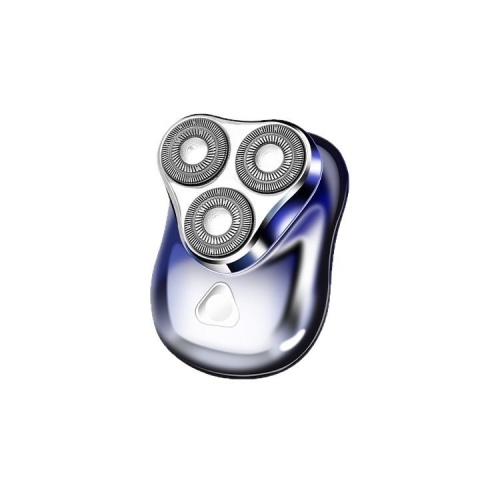
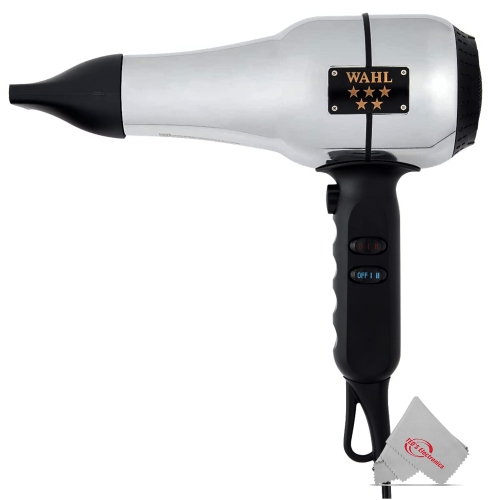
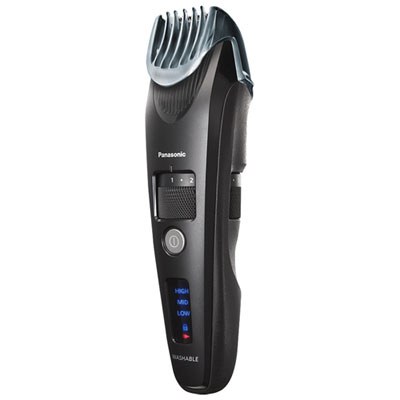
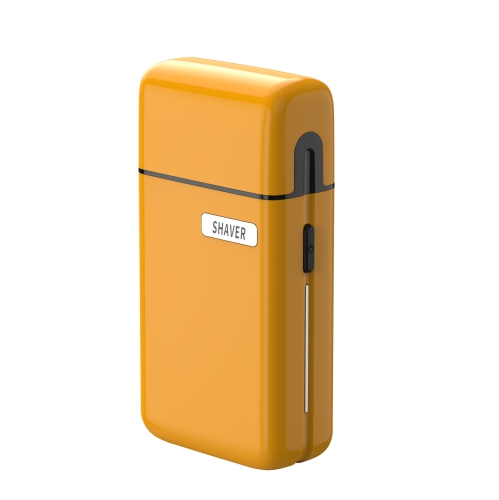
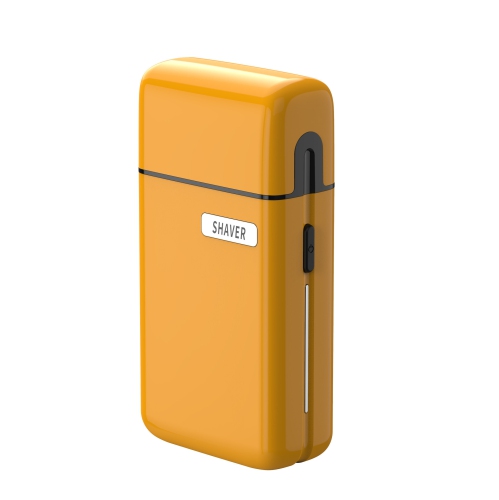
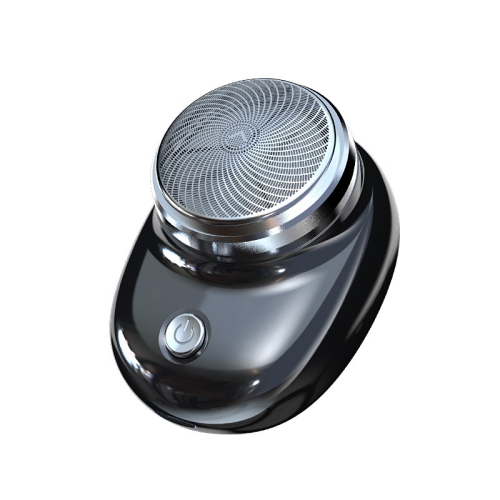
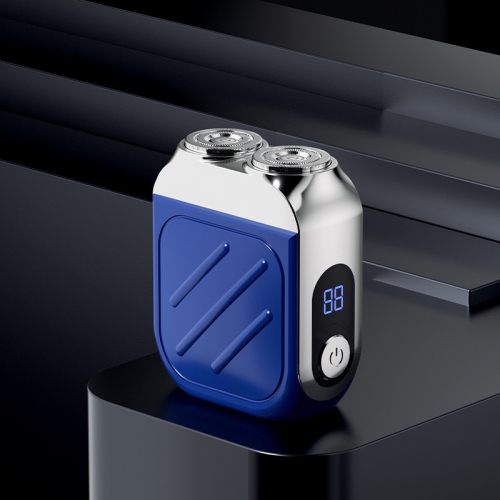


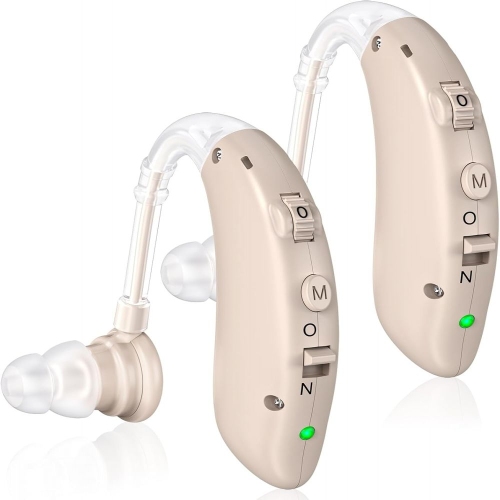
How foil shavers give skin fades a smoother finish
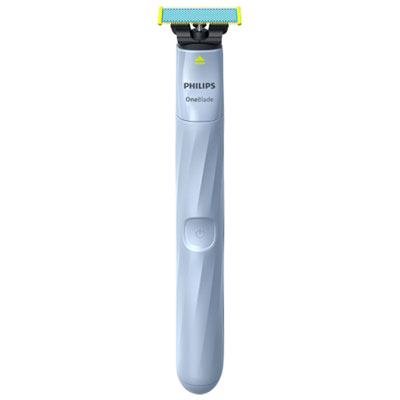
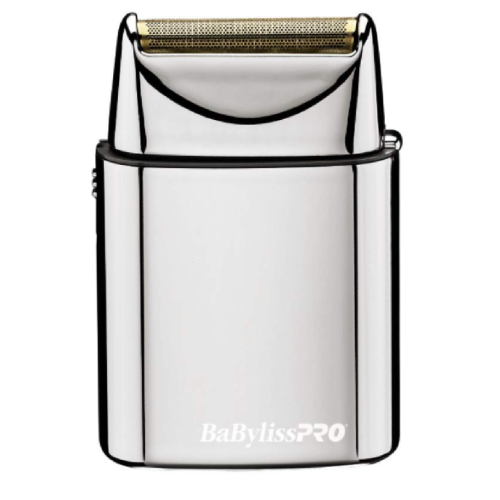
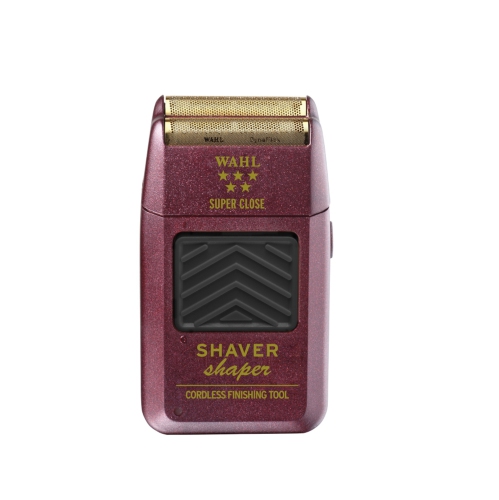
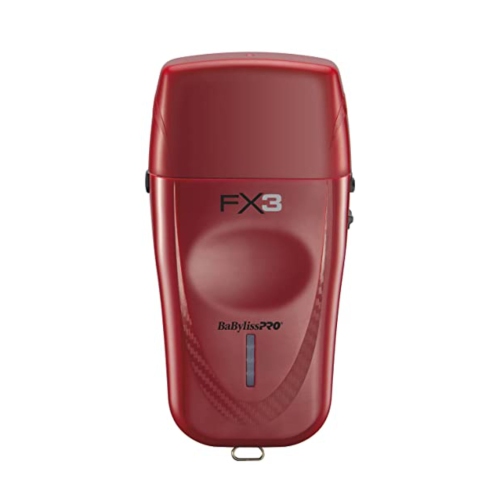
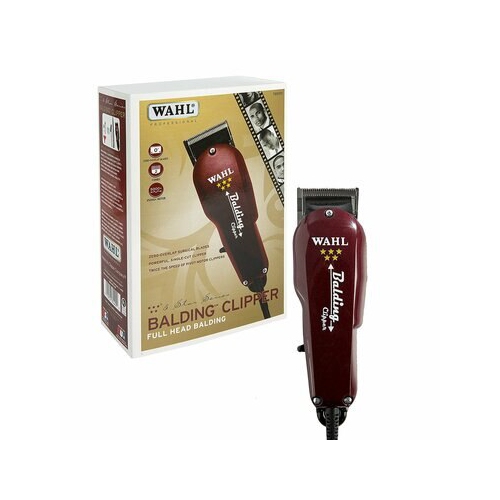
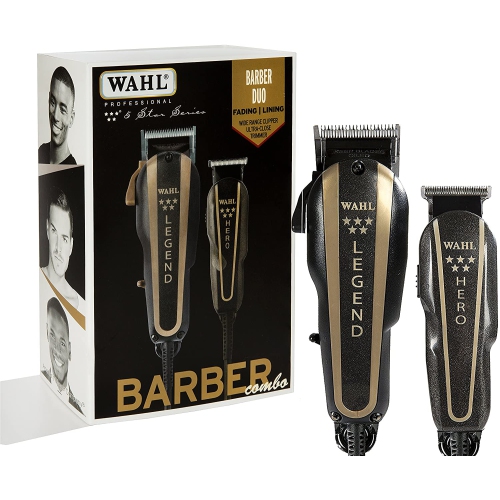
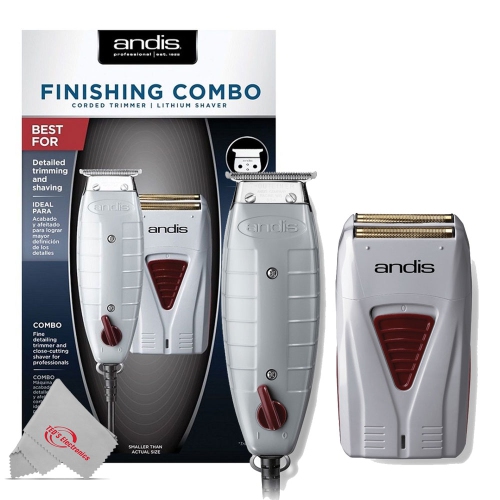
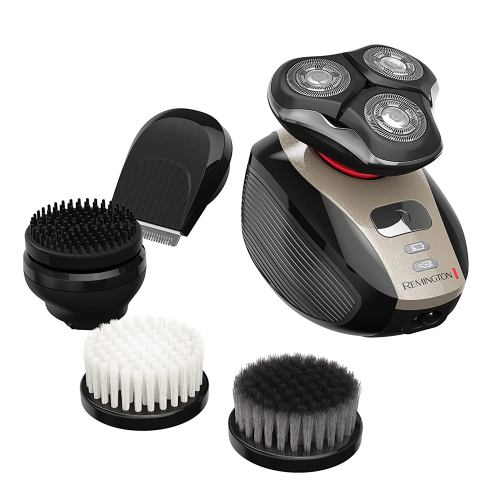
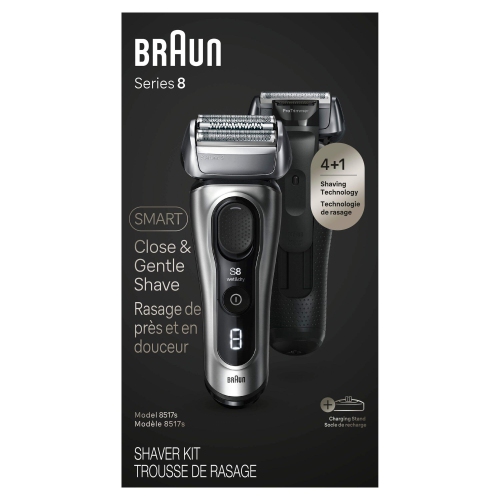
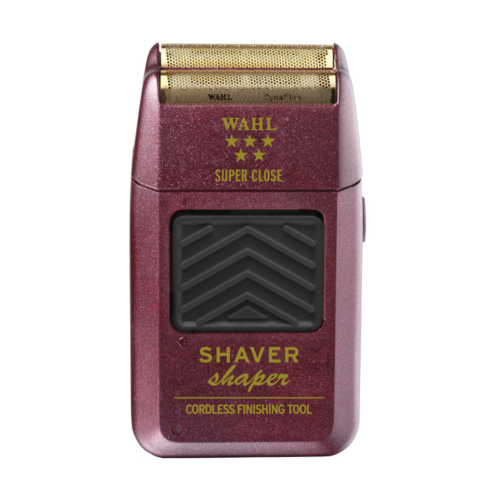
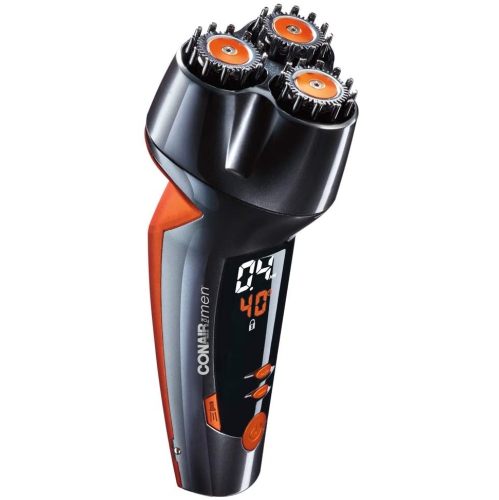
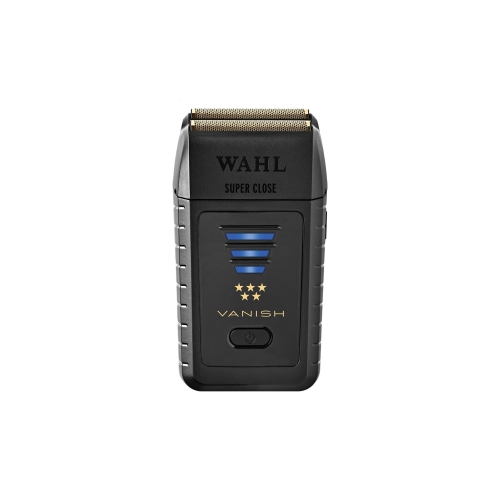
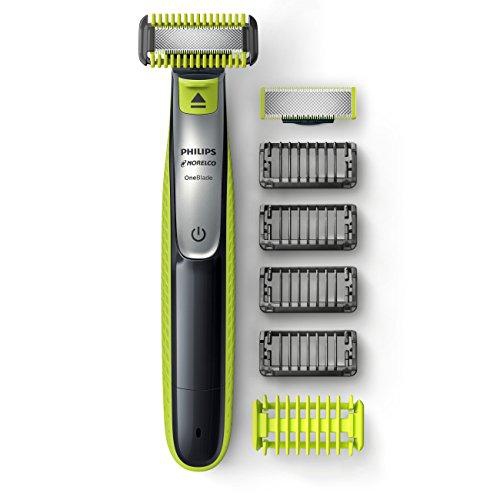
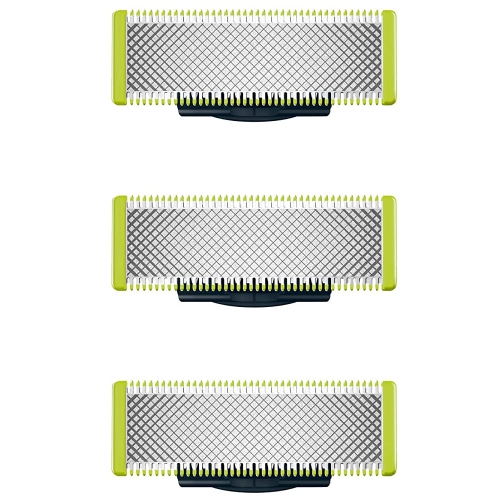
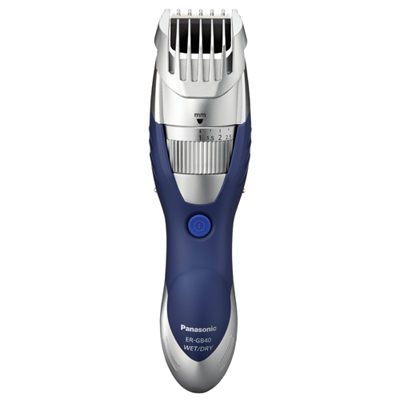
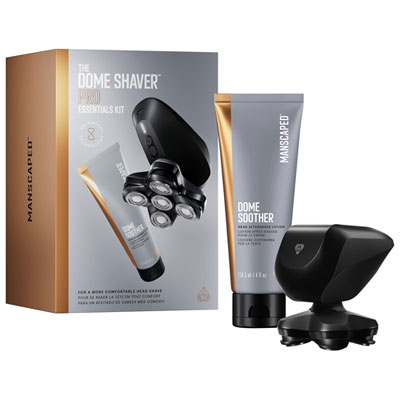
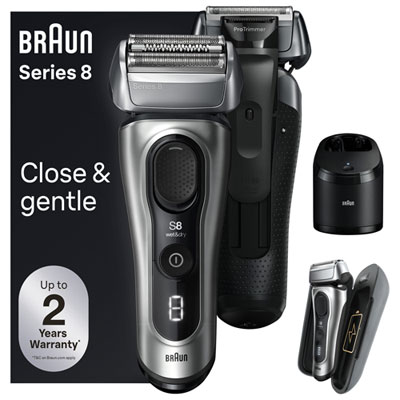
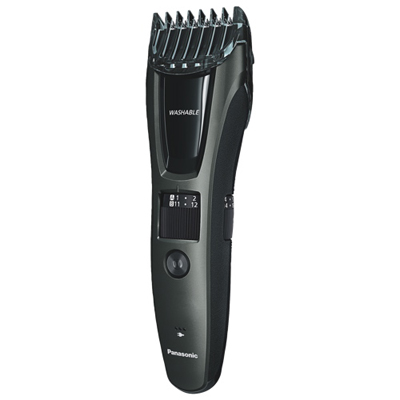
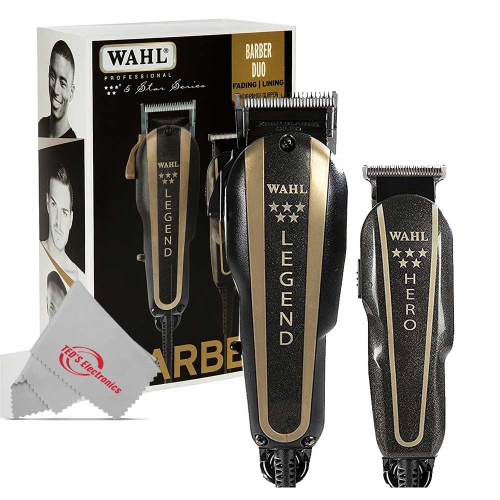
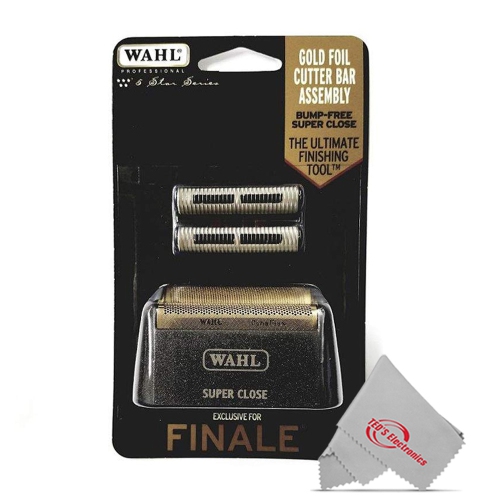
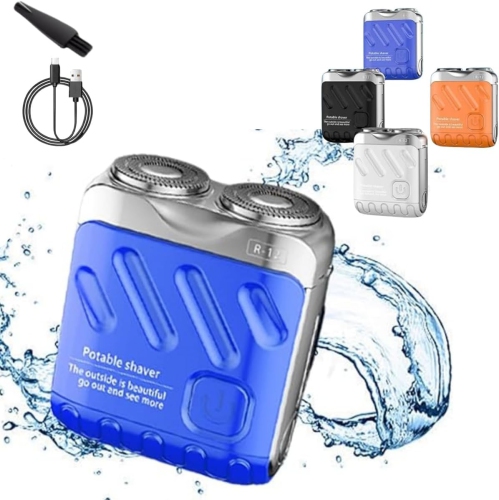
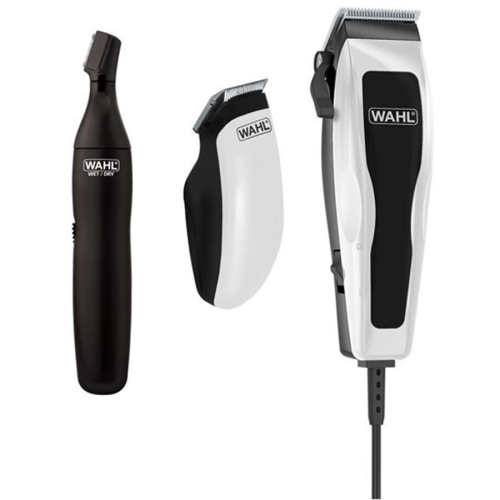
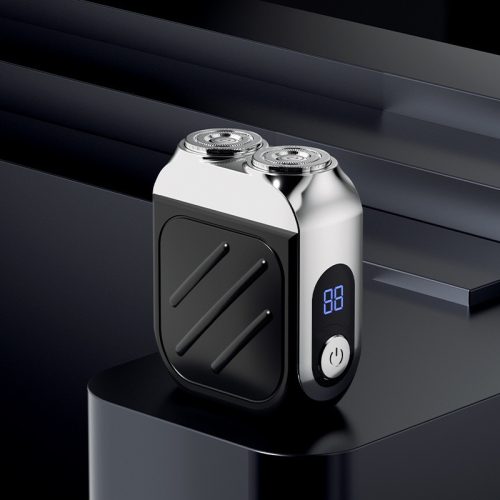
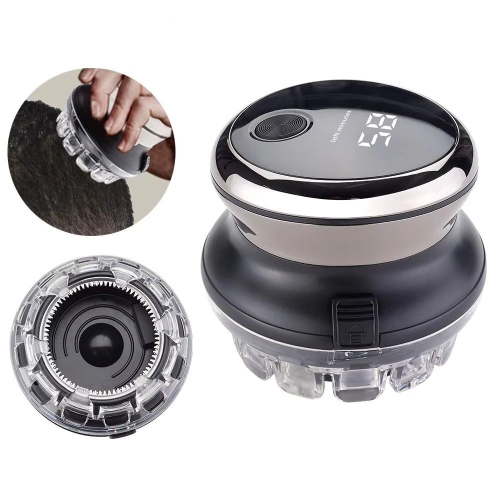
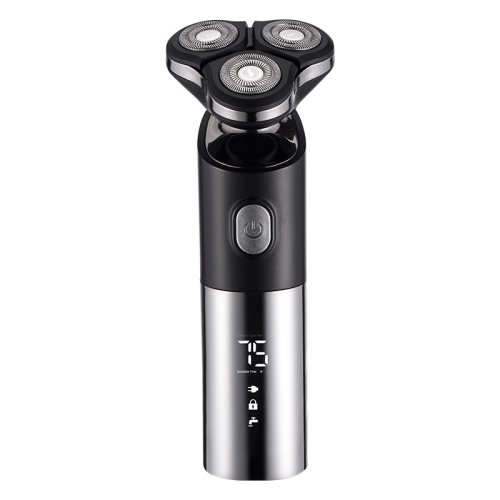
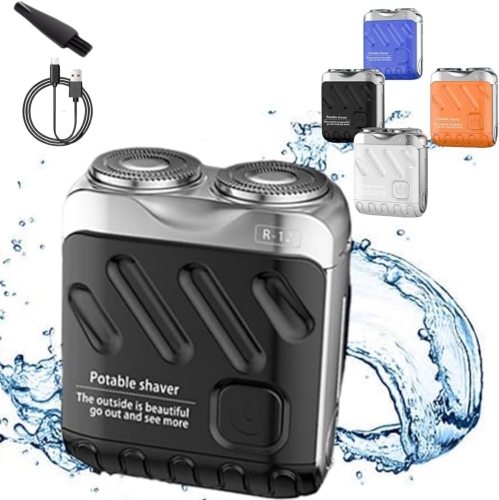
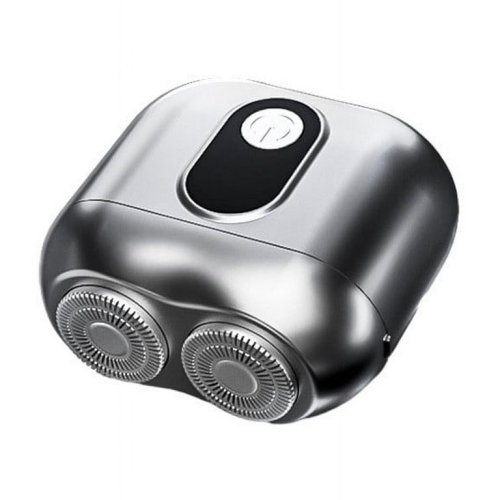
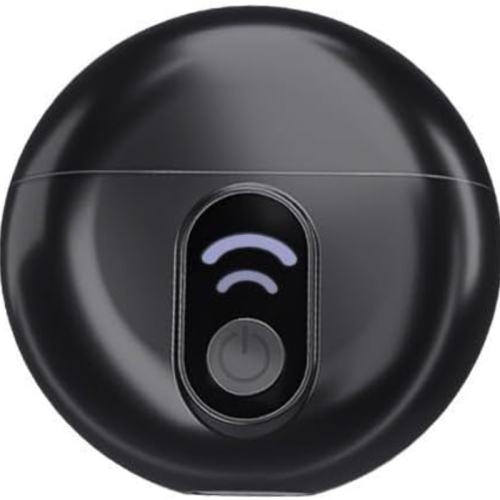
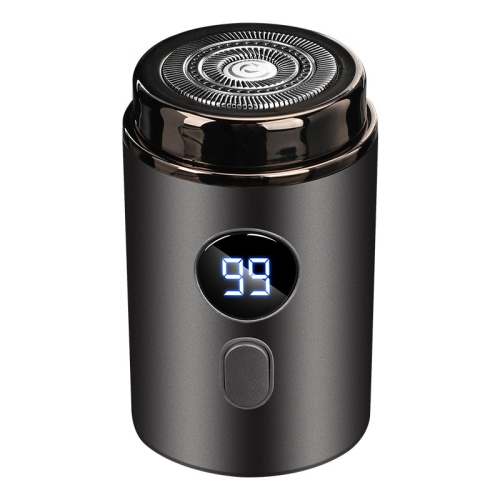
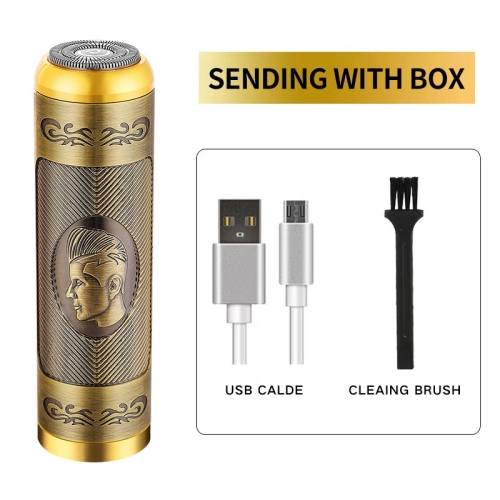
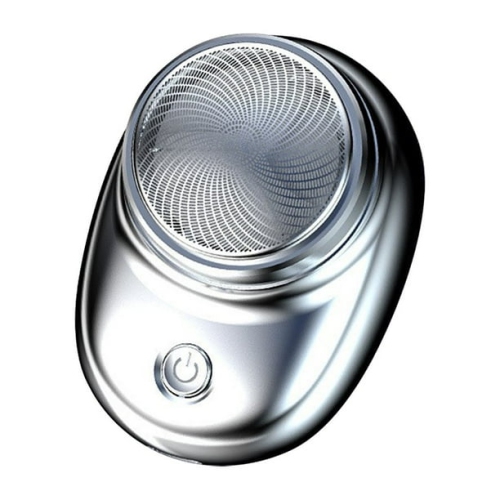
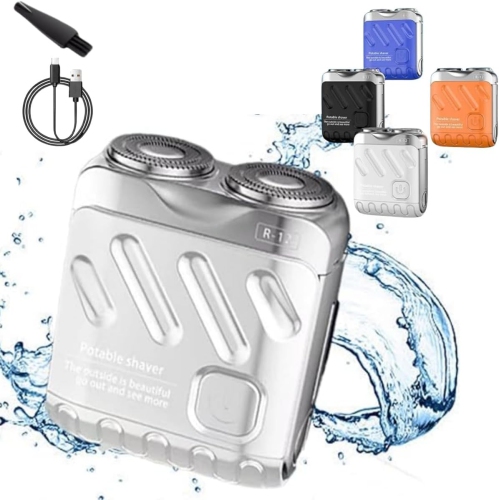
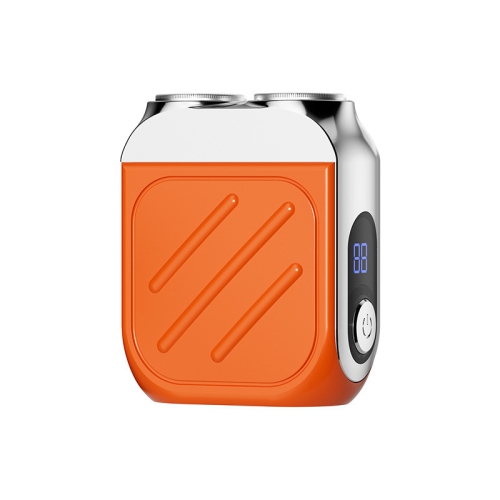
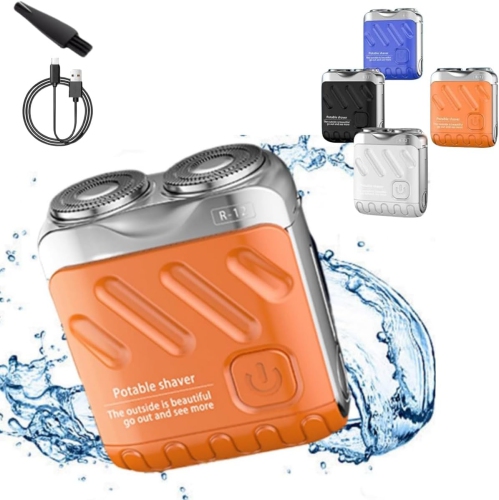
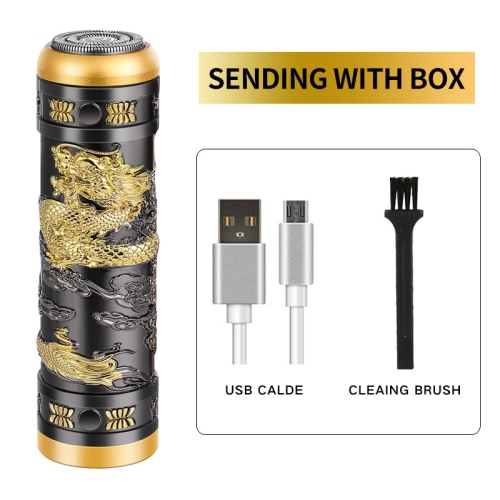
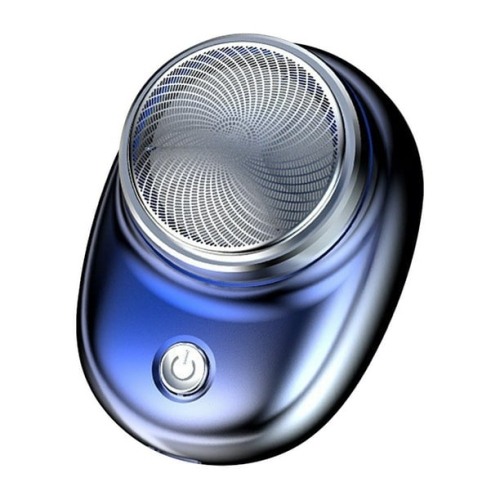
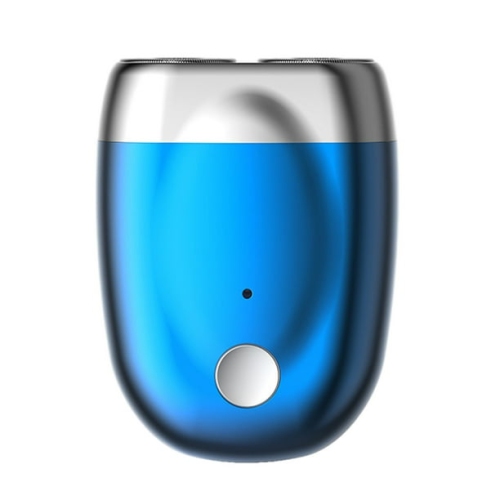
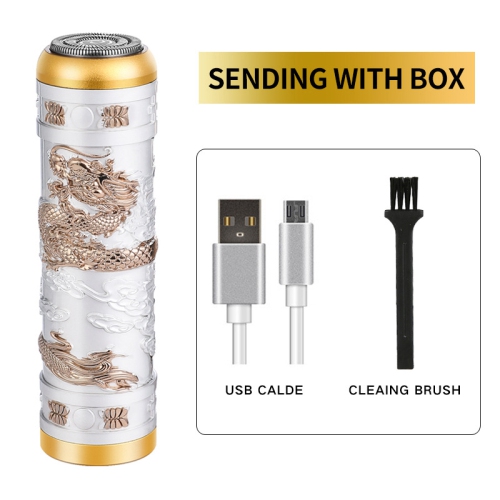
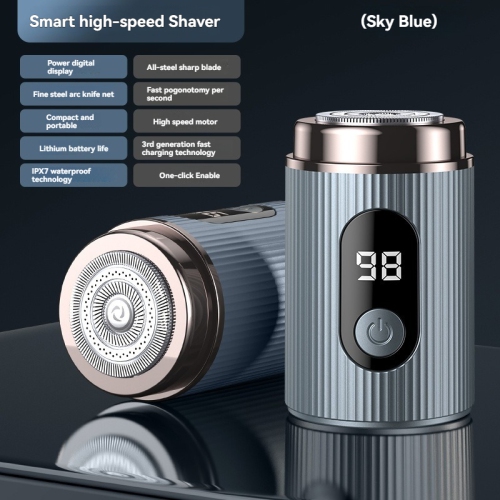
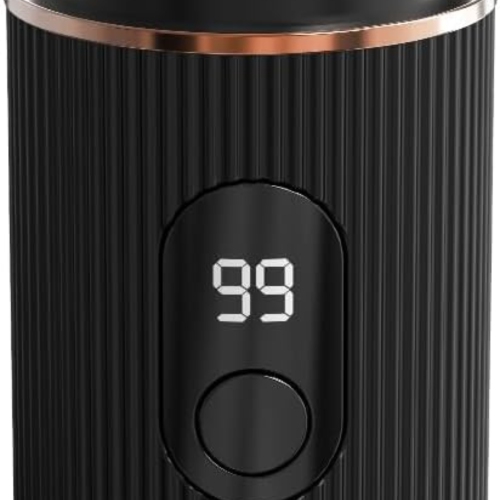
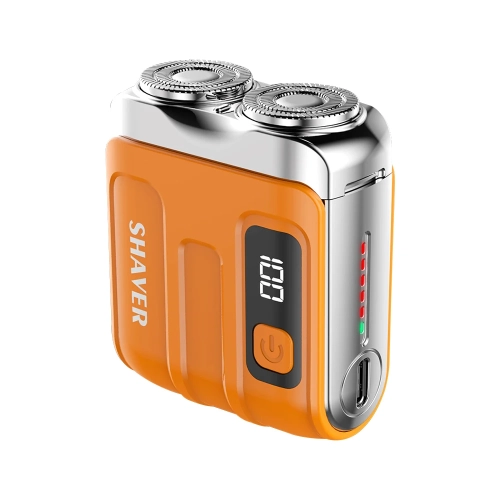
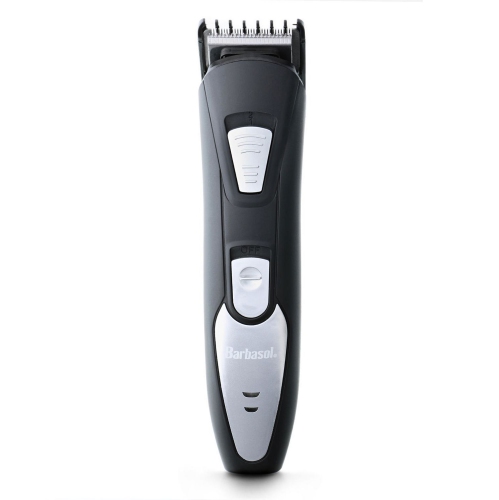
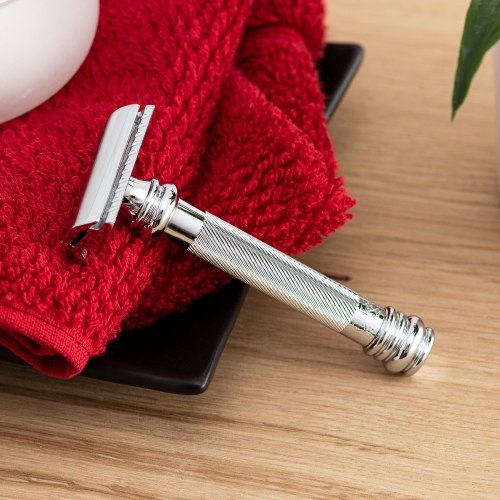
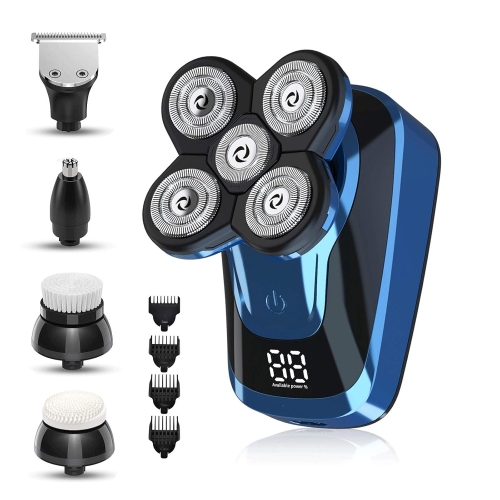
Barber shop shavers are finishing tools used to remove very short stubble, smooth the lowest section of a skin fade, and tidy shaved areas around a haircut. Professional foil shavers are especially associated with this work: a thin, perforated metal screen covers moving cutters, allowing short hairs to enter while keeping the blades from making direct contact with the skin. That design suits the final stage of a close cut rather than the first pass through longer hair. Clippers remove bulk, trimmers establish edges and reduce remaining length, and a finishing shaver takes suitable areas closer to the skin. The distinction matters for anyone maintaining a bald fade at home or choosing equipment for a barber’s station. A shaver that handles fine regrowth comfortably is not necessarily designed to tackle several days of dense beard growth without preparation. Single-foil designs can offer a compact contact area for detailed work, while double-foil designs cover a broader strip and may use offset heads to follow contours. Flexible or independently moving foils can help maintain contact around the curve of the head, although results still depend on hair length, growth direction, and technique. Rotary shavers use circular cutting heads and offer a different approach to following facial or scalp contours; their suitability for precise fade finishing depends on the design and intended use. For a wider look at tools made for removing hair, Hair Shavers covers the broader category. Within barber-style finishing tools, the most useful distinctions are the cutting system, the areas the manufacturer approves for shaving, and the amount of control the handle provides. A barber blending the last visible shadow beneath a fade has different needs from someone shaving their whole head. Scalp use should be expressly supported, and a narrow finishing head may require more passes over a large area than a tool designed specifically for that task.
The feel of a barber shop shaver comes from the combination of its foil, cutters, motor, and body, not a single specification. Foils may be made from stainless steel or feature titanium or gold-coloured coatings, depending on the design. A coating or a hypoallergenic description does not guarantee freedom from irritation, particularly for someone with a known metal sensitivity. Smooth foil edges, an undamaged screen, and light pressure are important because pressing harder can increase friction without improving the finish. On the rounded area behind an ear or along the back of the neck, a balanced body and secure grip help keep movements controlled. Textured surfaces can make a handle easier to hold, while the placement of the power switch affects whether fingers can settle naturally without switching the tool off accidentally. Metal housings often feel substantial, but weight becomes more noticeable during repeated appointments; a lighter body may be easier to manoeuvre for extended work. Housing material alone does not establish durability, since the foil remains a delicate working surface regardless of how solid the handle feels. Motor performance is also more than a speed figure. Consistent cutting through short, coarse stubble can reduce the need to revisit the same patch, but longer hairs should still be shortened with an appropriate tool rather than forced through a finishing foil. Power arrangements shape everyday use just as much. Cordless operation leaves more room to move around a chair or reach the back of the head, while corded operation can support longer sessions where the design permits it. Some rechargeable shavers cannot operate while plugged in, so that capability should not be assumed. Battery runtime, charging time, charge indicators, and the charging connection all deserve attention together. For a busy barber, a clear battery display and a stable charging stand can simplify the space between appointments; for occasional home touch-ups, straightforward charging and comfortable handling may matter more than extended runtime.
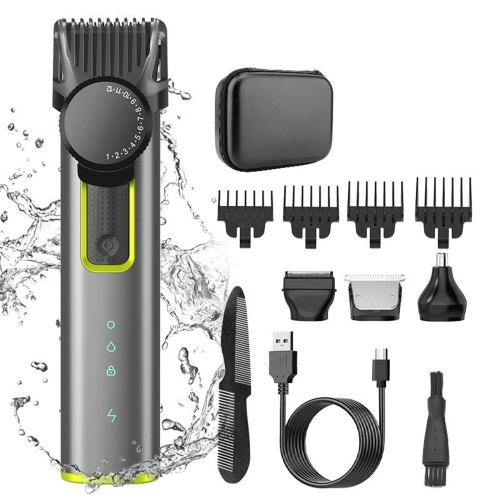
Care requirements have a direct effect on how a finishing shaver performs over time. Short hair collects beneath the foil, and regular removal helps the cutting assembly work as intended. Removable heads can make access easier, but the correct cleaning method depends on the model: a washable head does not necessarily mean the whole body can be rinsed or used in the shower. Wet-and-dry capability should be stated explicitly before water, shaving foam, or gel enters the routine. Where a brush is supplied, it should be used only on the parts identified in the instructions, since delicate foil surfaces can be damaged by rough handling. Lubrication requirements also vary, and only suitable products and methods should be used. In a shared professional setting, removing visible hair is only one part of preparation between clients; cleaning and disinfection need to follow the equipment manufacturer’s directions and applicable local public health requirements. At home, keeping a shaver for personal use, allowing cleaned parts to dry as directed, and fitting the protective cap before storage help maintain a dependable routine. A dented or torn foil should not be used, and increased pulling, unusual noise, or a less even finish can indicate that the cutting assembly needs attention. Replacement foils and cutters must match the exact model, with paired replacement carried out when the manufacturer calls for it. Those maintenance details are worth considering alongside the initial feel of the tool, especially for frequent use. A protective cap or fitted case is useful when equipment travels between a training station, a salon, and home, because loose accessories can press against an exposed foil in a bag. Barber shop shavers can suit practising barbers, barbering students, and people who already maintain closely cropped hairstyles or shaved areas. They can also make a thoughtful gift for someone with an established grooming routine, provided the cutting style, grip, charging needs, and upkeep match that person’s habits. The strongest fit is a tool designed for the intended area and used at the finishing stage it handles best: short stubble, controlled passes, and a clean, even result without unnecessary pressure.
The feel of a barber shop shaver comes from the combination of its foil, cutters, motor, and body, not a single specification. Foils may be made from stainless steel or feature titanium or gold-coloured coatings, depending on the design. A coating or a hypoallergenic description does not guarantee freedom from irritation, particularly for someone with a known metal sensitivity. Smooth foil edges, an undamaged screen, and light pressure are important because pressing harder can increase friction without improving the finish. On the rounded area behind an ear or along the back of the neck, a balanced body and secure grip help keep movements controlled. Textured surfaces can make a handle easier to hold, while the placement of the power switch affects whether fingers can settle naturally without switching the tool off accidentally. Metal housings often feel substantial, but weight becomes more noticeable during repeated appointments; a lighter body may be easier to manoeuvre for extended work. Housing material alone does not establish durability, since the foil remains a delicate working surface regardless of how solid the handle feels. Motor performance is also more than a speed figure. Consistent cutting through short, coarse stubble can reduce the need to revisit the same patch, but longer hairs should still be shortened with an appropriate tool rather than forced through a finishing foil. Power arrangements shape everyday use just as much. Cordless operation leaves more room to move around a chair or reach the back of the head, while corded operation can support longer sessions where the design permits it. Some rechargeable shavers cannot operate while plugged in, so that capability should not be assumed. Battery runtime, charging time, charge indicators, and the charging connection all deserve attention together. For a busy barber, a clear battery display and a stable charging stand can simplify the space between appointments; for occasional home touch-ups, straightforward charging and comfortable handling may matter more than extended runtime.
Care requirements have a direct effect on how a finishing shaver performs over time. Short hair collects beneath the foil, and regular removal helps the cutting assembly work as intended. Removable heads can make access easier, but the correct cleaning method depends on the model: a washable head does not necessarily mean the whole body can be rinsed or used in the shower. Wet-and-dry capability should be stated explicitly before water, shaving foam, or gel enters the routine. Where a brush is supplied, it should be used only on the parts identified in the instructions, since delicate foil surfaces can be damaged by rough handling. Lubrication requirements also vary, and only suitable products and methods should be used. In a shared professional setting, removing visible hair is only one part of preparation between clients; cleaning and disinfection need to follow the equipment manufacturer’s directions and applicable local public health requirements. At home, keeping a shaver for personal use, allowing cleaned parts to dry as directed, and fitting the protective cap before storage help maintain a dependable routine. A dented or torn foil should not be used, and increased pulling, unusual noise, or a less even finish can indicate that the cutting assembly needs attention. Replacement foils and cutters must match the exact model, with paired replacement carried out when the manufacturer calls for it. Those maintenance details are worth considering alongside the initial feel of the tool, especially for frequent use. A protective cap or fitted case is useful when equipment travels between a training station, a salon, and home, because loose accessories can press against an exposed foil in a bag. Barber shop shavers can suit practising barbers, barbering students, and people who already maintain closely cropped hairstyles or shaved areas. They can also make a thoughtful gift for someone with an established grooming routine, provided the cutting style, grip, charging needs, and upkeep match that person’s habits. The strongest fit is a tool designed for the intended area and used at the finishing stage it handles best: short stubble, controlled passes, and a clean, even result without unnecessary pressure.
Top selling and popular products
-
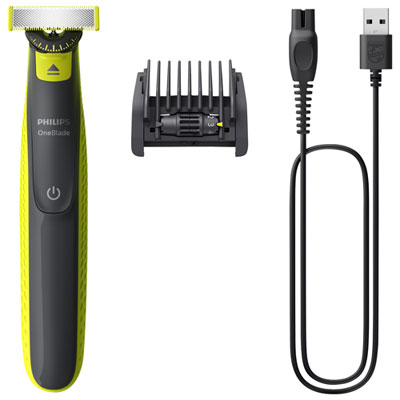 Your price for this item is $49.99
 -
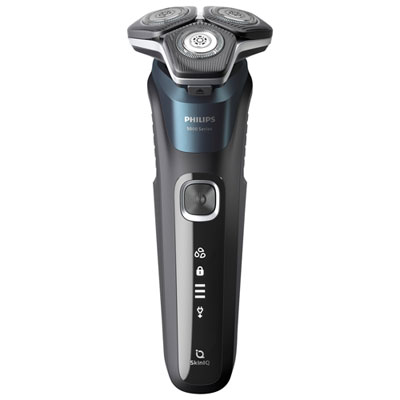 Your price for this item is $99.99
 -
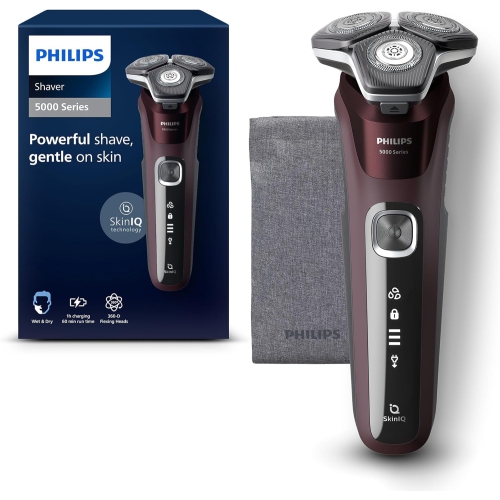 Your price for this item is $79.99
 -
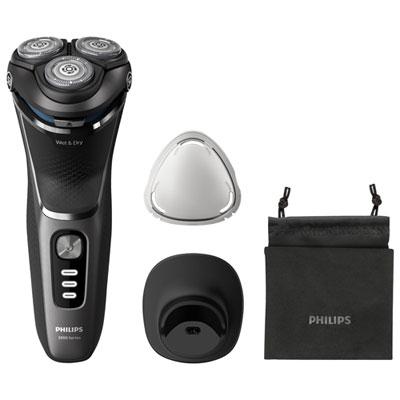 Your price for this item is $89.99
 -
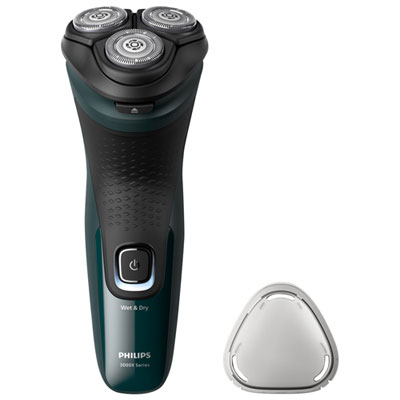 Your price for this item is $49.99
 -
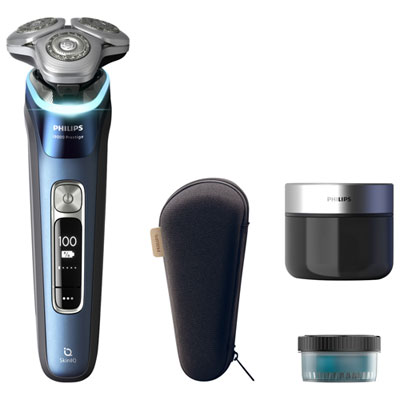 Your price for this item is $299.99
 -
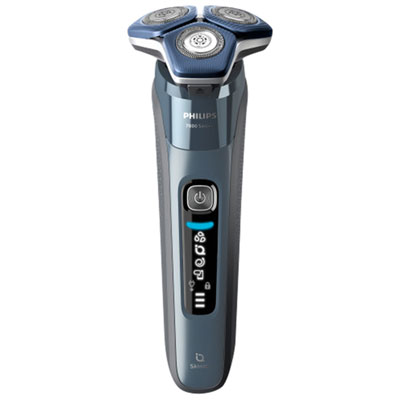 Your price for this item is $199.99
 -
 Your price for this item is $109.99
Discover more categories related to Barber Shop Shavers
Top Collections:
Pokemon Centers, Kindle Devices, Best Budget Office Chairs, Apple iPhones 16, Best Laptops for Writers, iPhone 15 Apple, Canon G7X Cameras, Refurbished Apple Laptops, Alarm Clock, Motorola Razr Phones
Some products may be subject to Environmental Handling Fees
(EHF) depending on your province.
Learn more about EHFs.