Black Hair Straighteners
If you're looking to achieve sleek and smooth hair, these black hair straighteners offer a wide range of options to help you achieve the perfect straight look. Whether you have thick, curly locks or fine, frizzy strands, these hair straighteners are designed to deliver salon-quality results right in the comfort of your own home. With advanced features and technologies, these black hair straighteners provide fast heating, precise temperature control, and even distribution of heat for efficient styling.
Sort


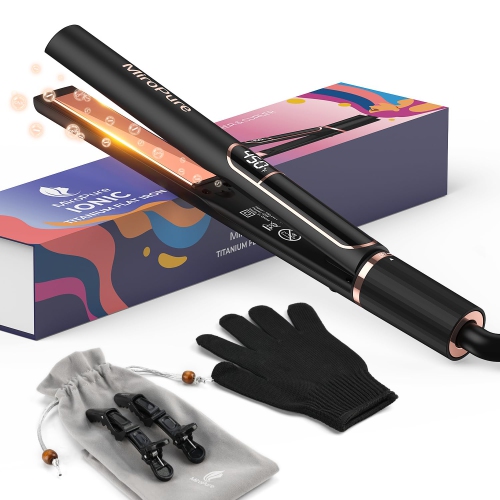


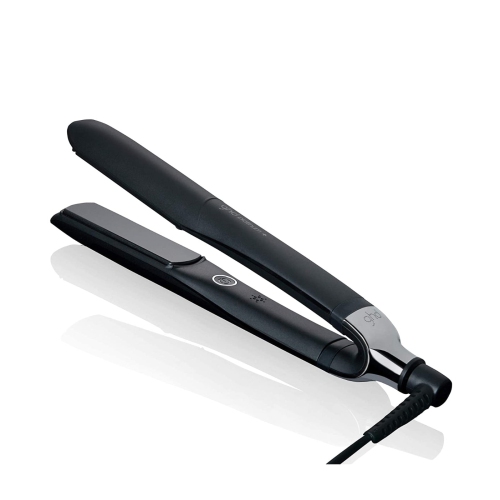


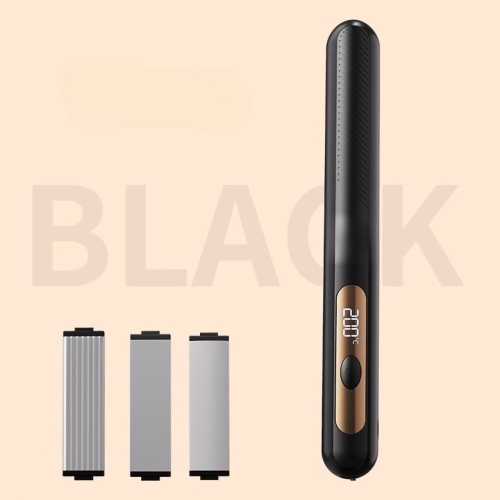


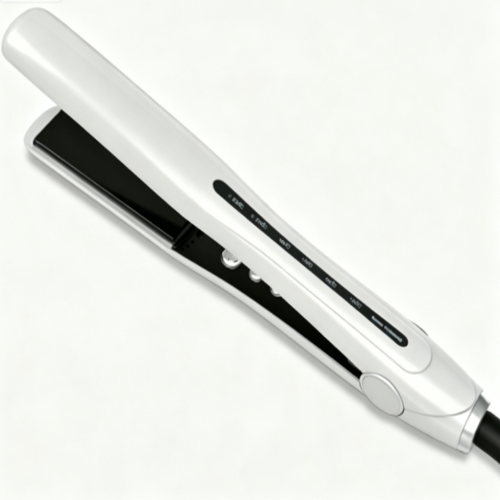
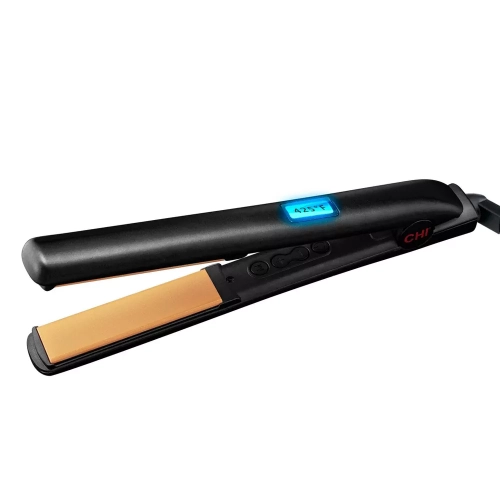


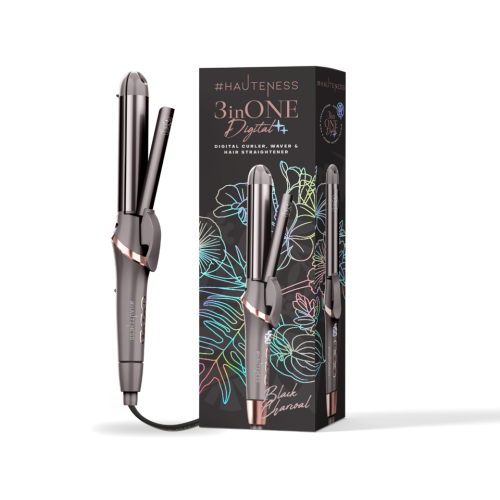


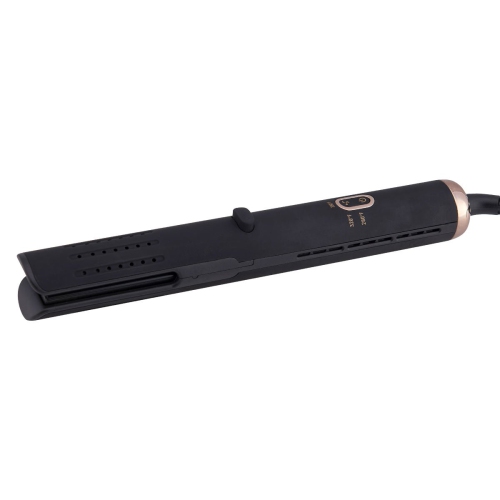


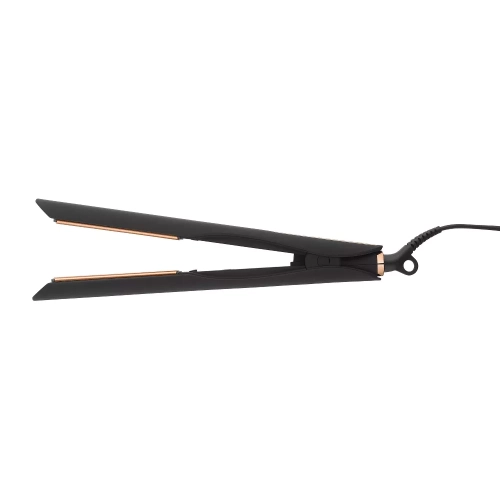












































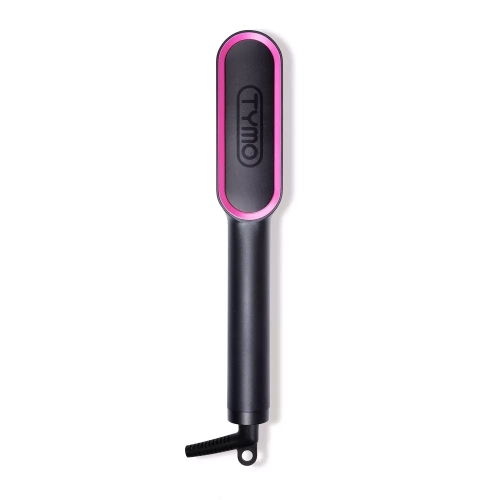


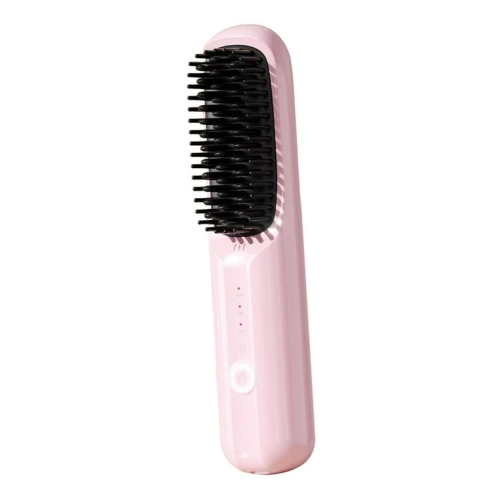


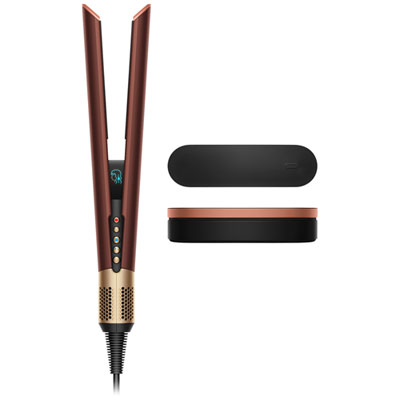
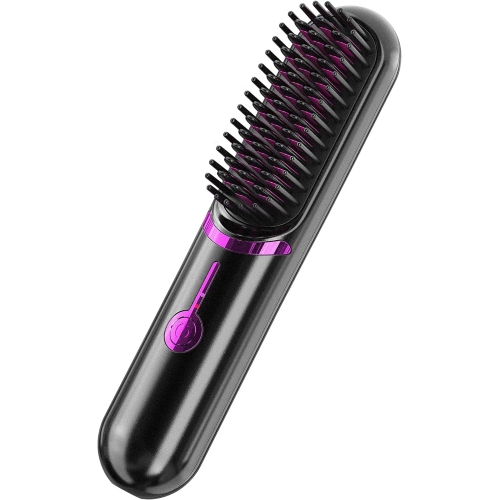














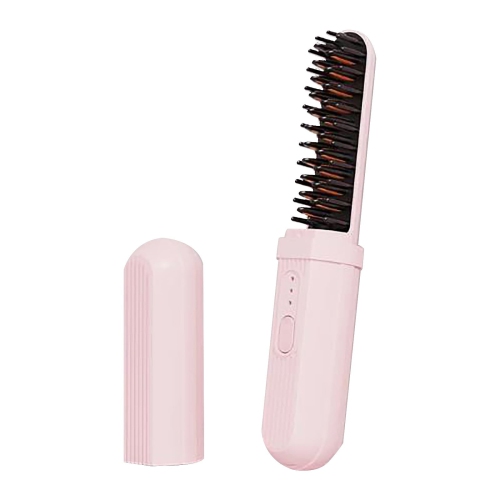
Why plate design matters more than a black finish
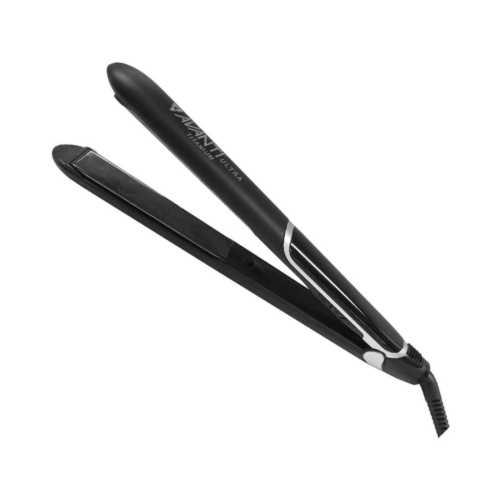
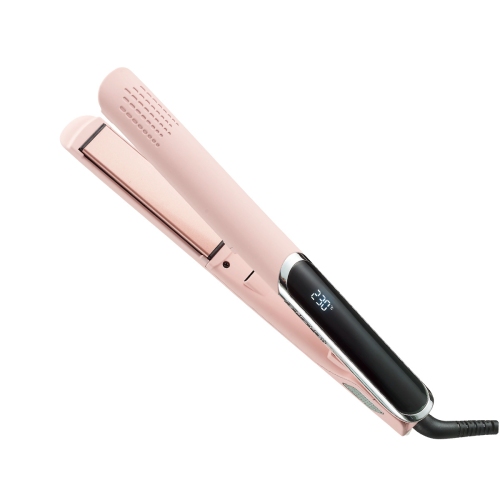
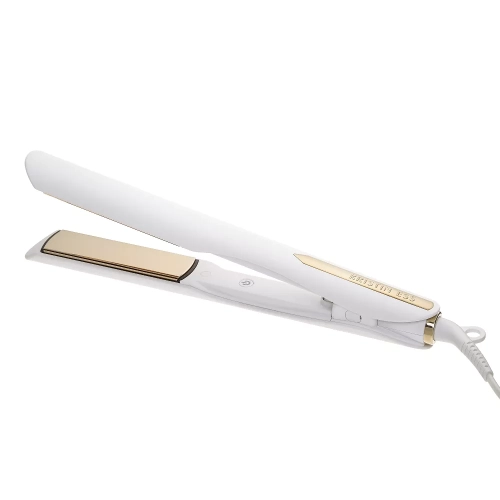
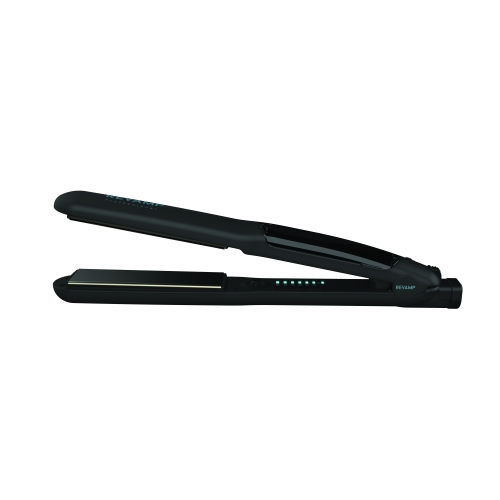
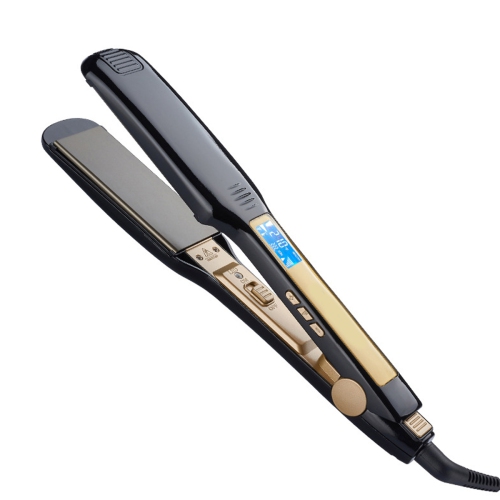
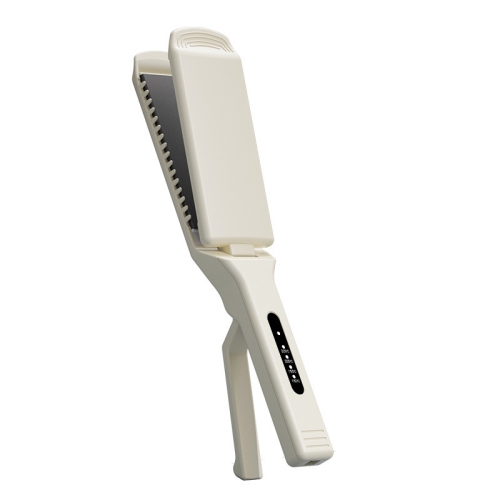
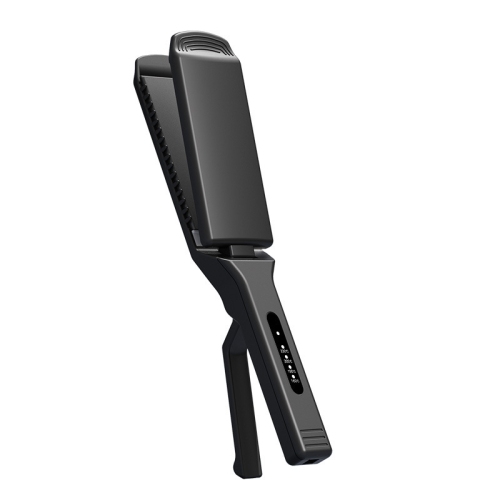
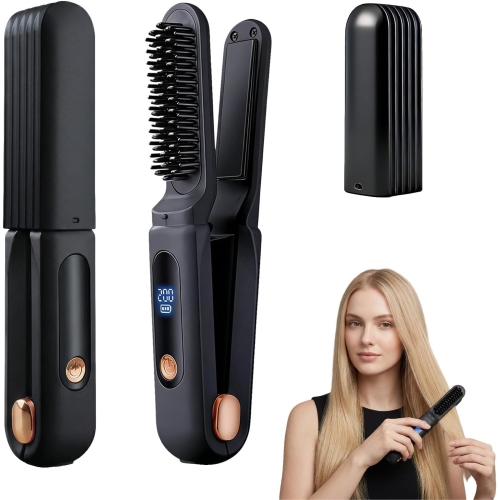
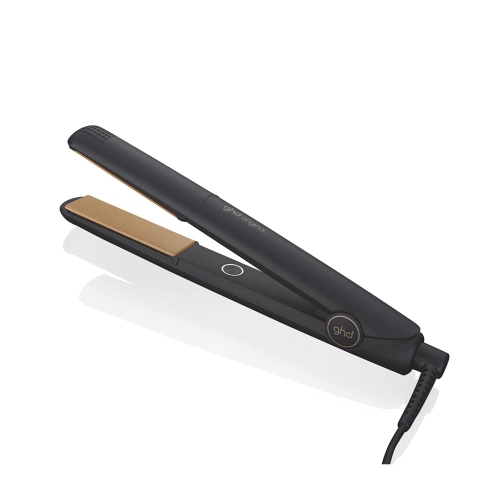
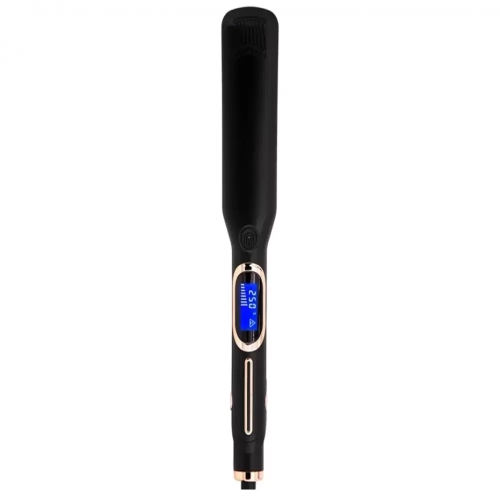
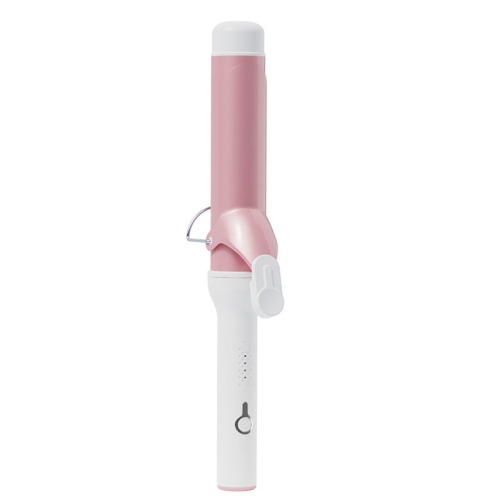
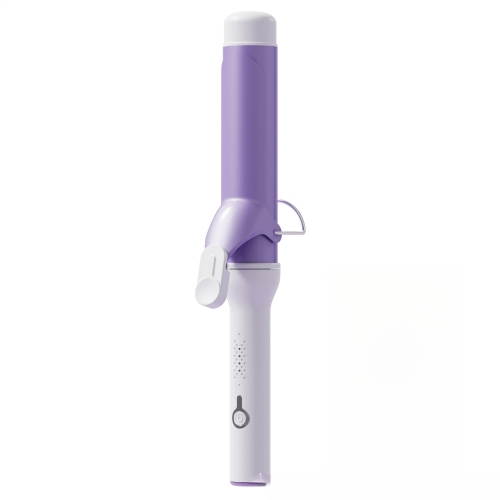
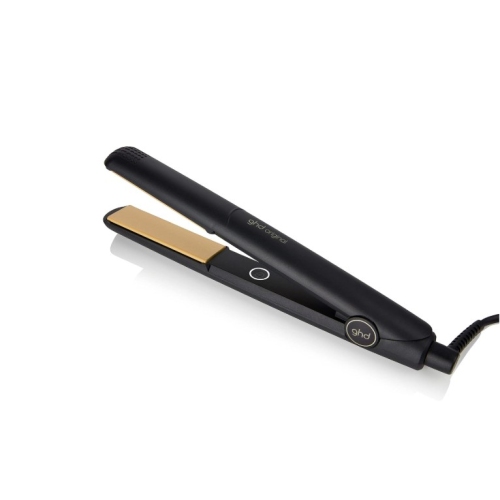
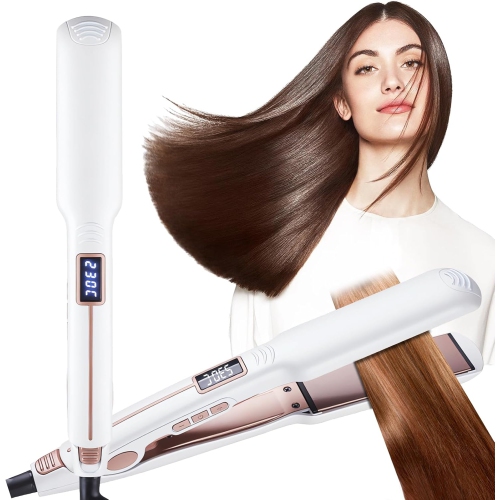
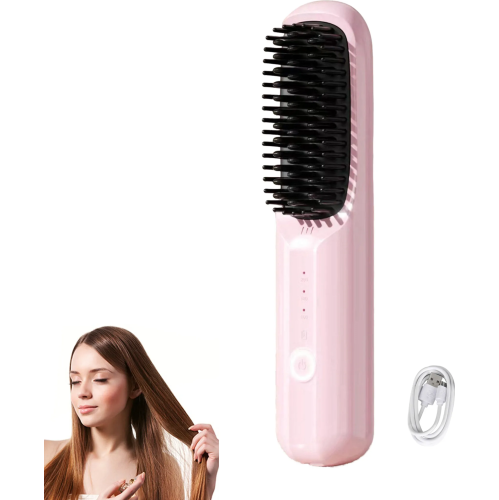
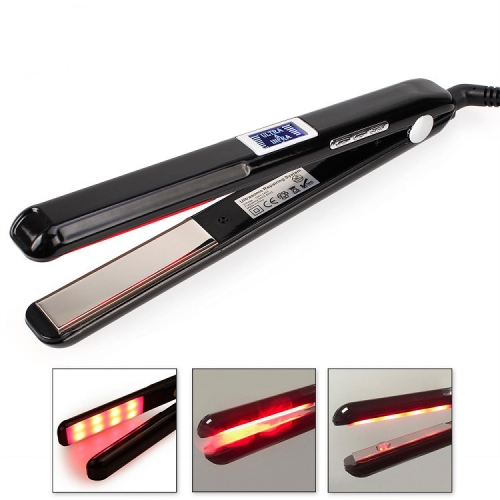
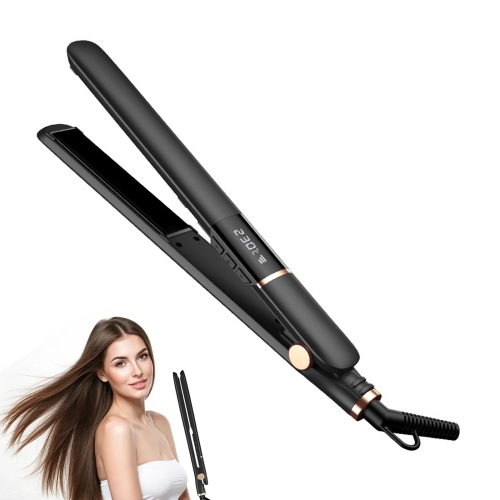
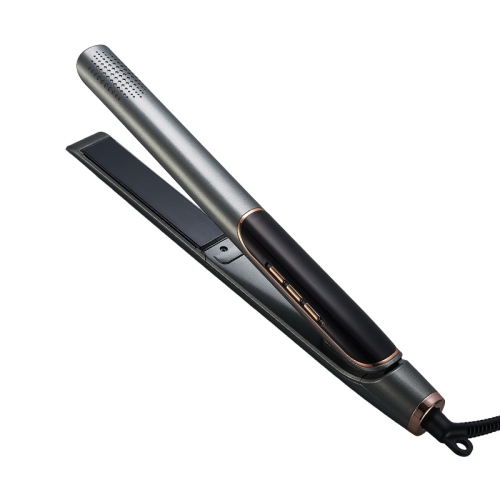
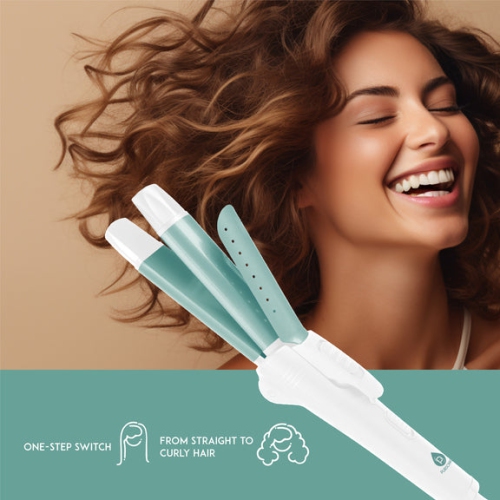
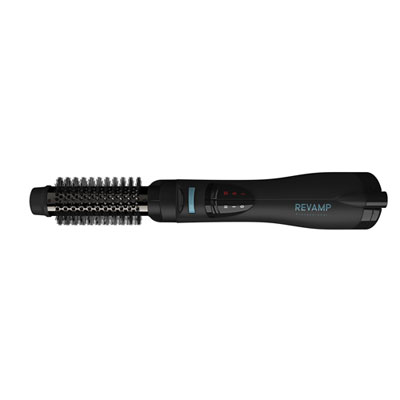
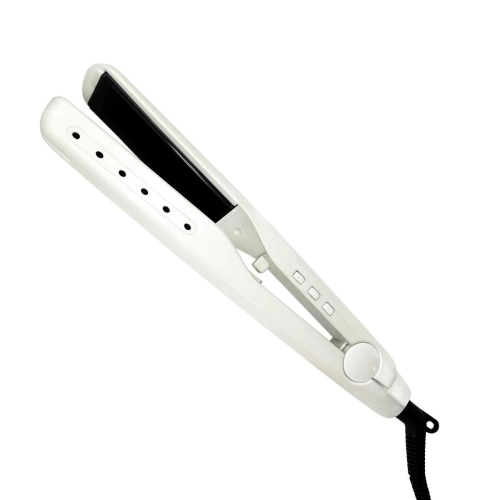
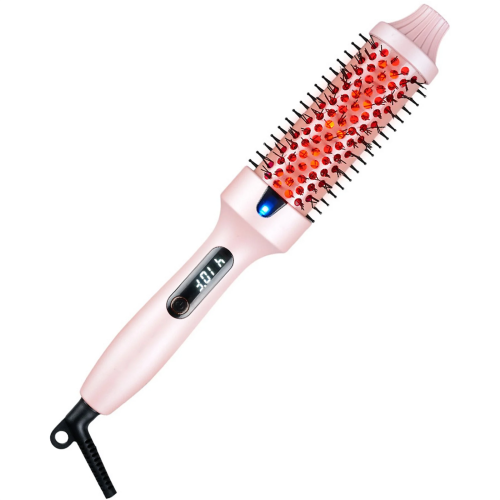
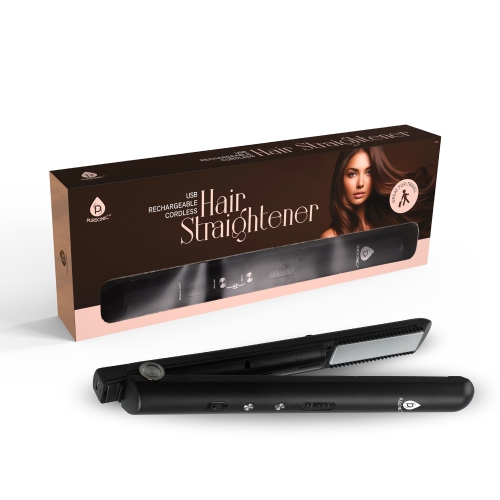
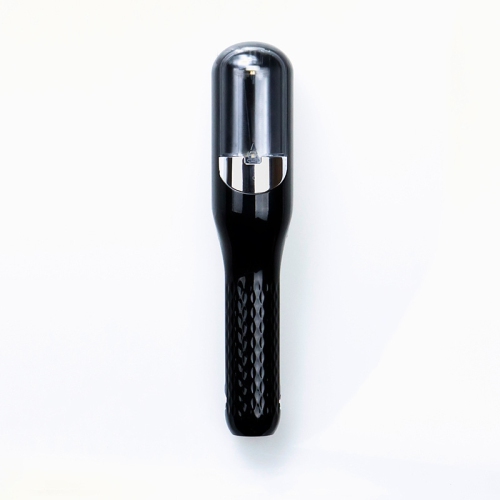
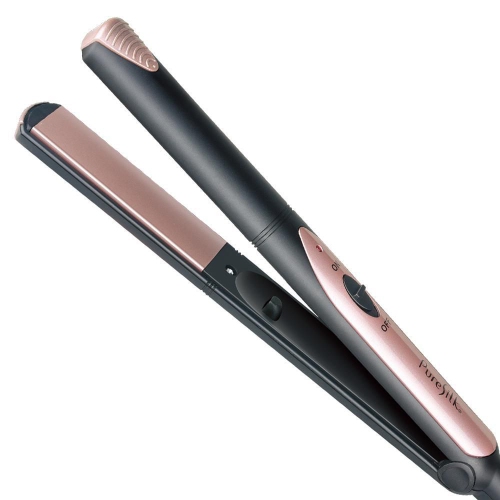
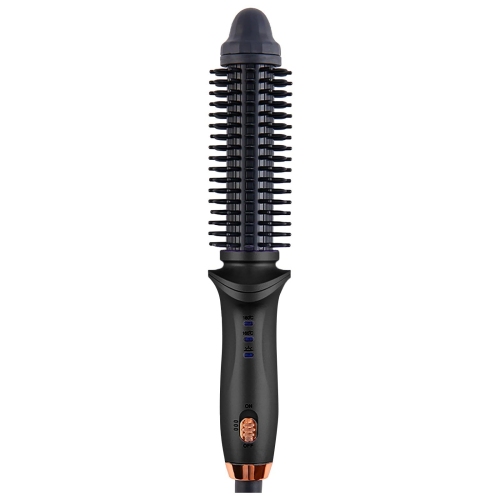
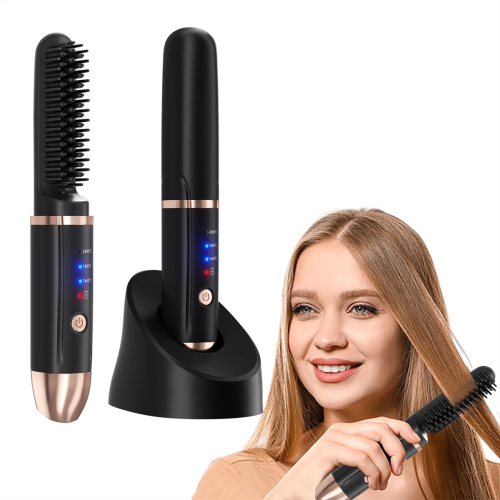
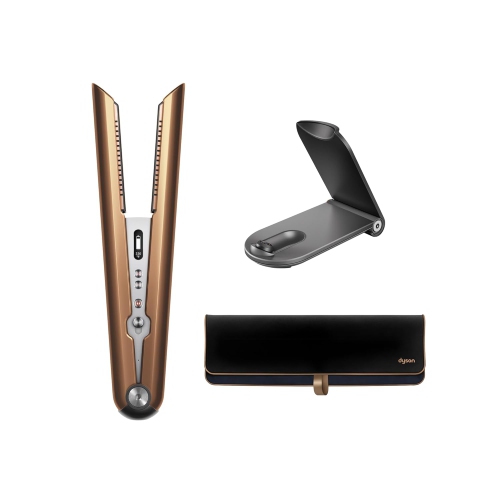
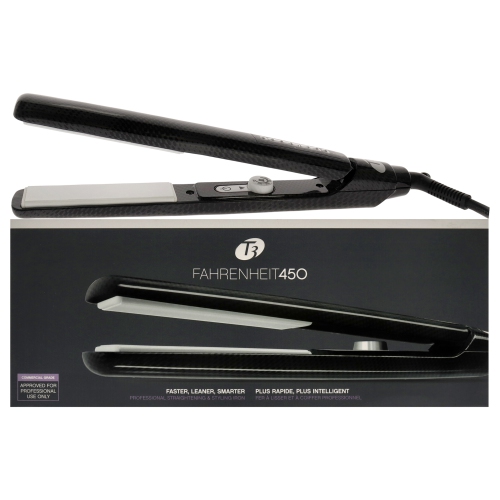
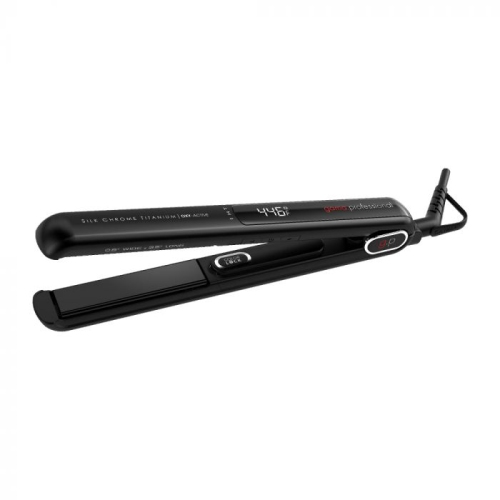
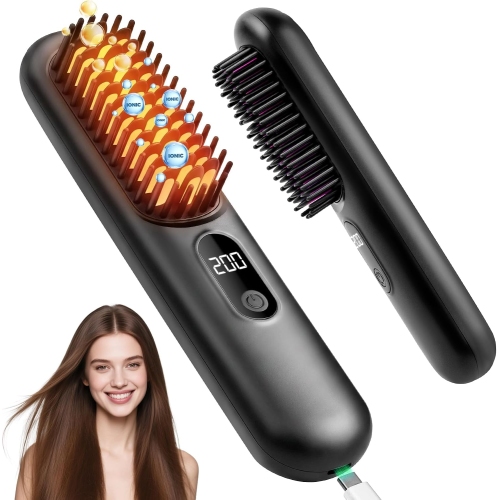
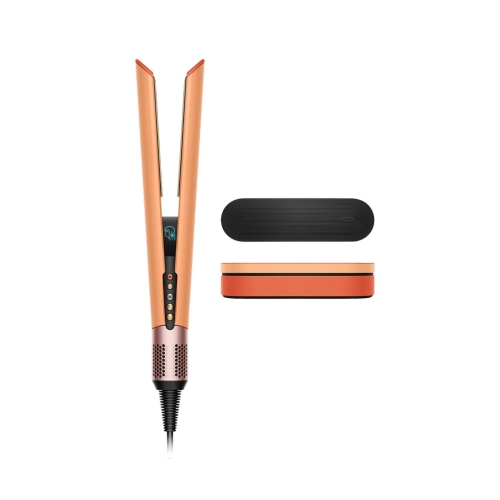
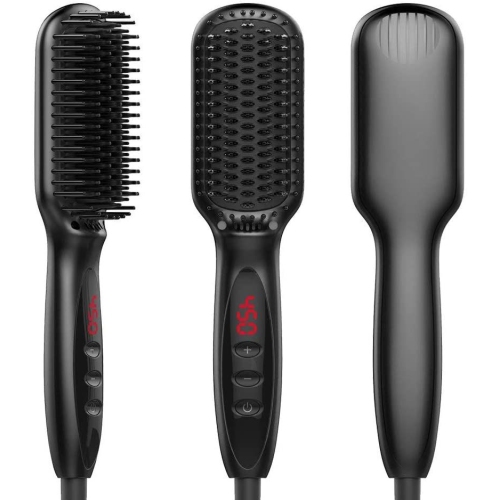
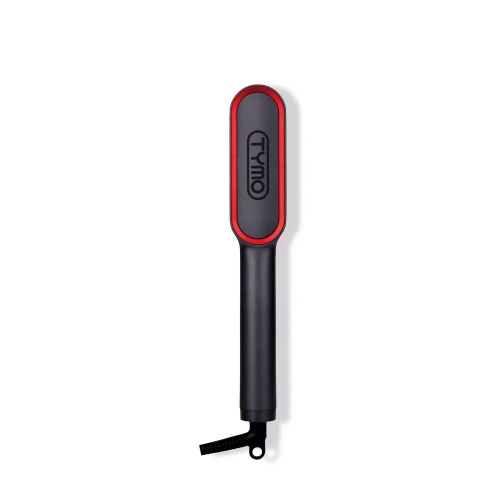
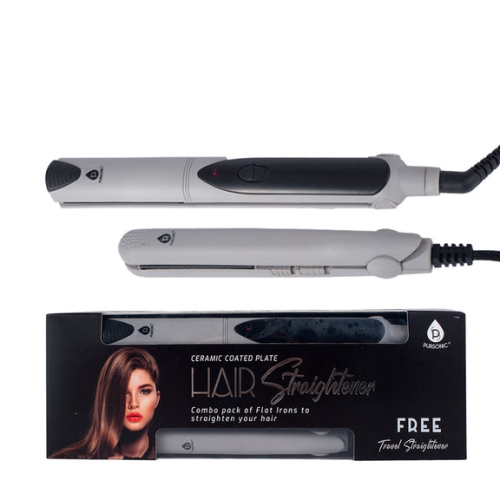
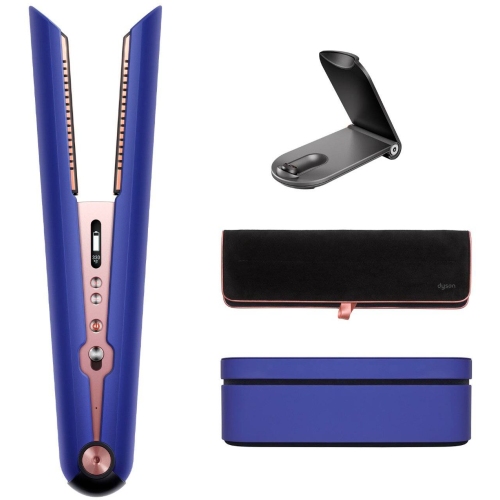
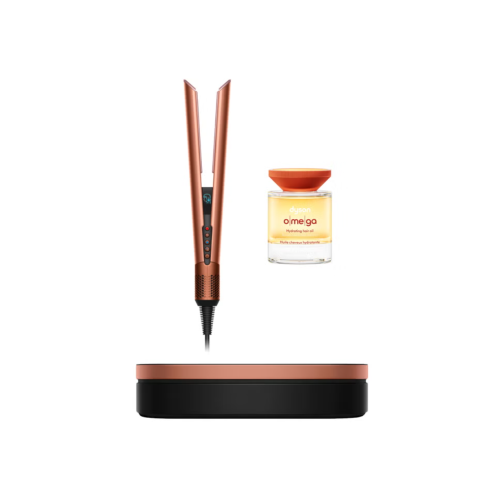
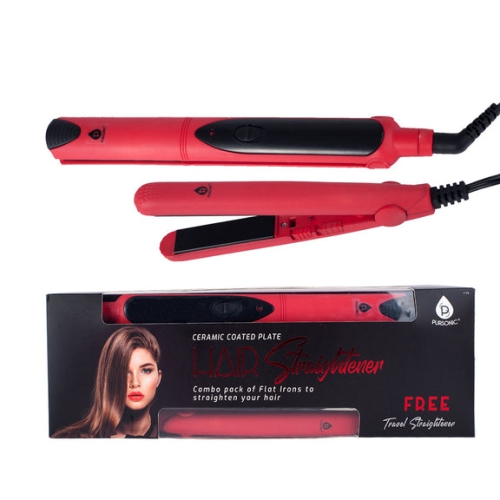
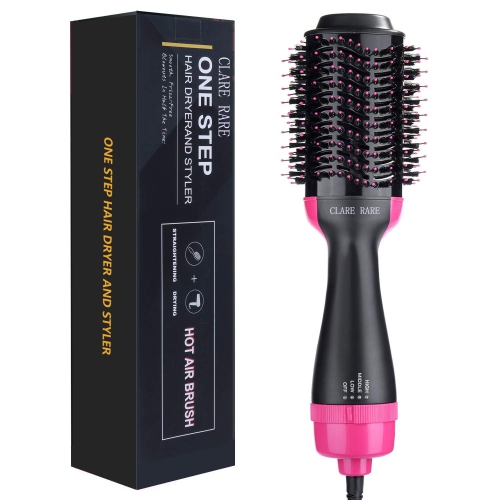
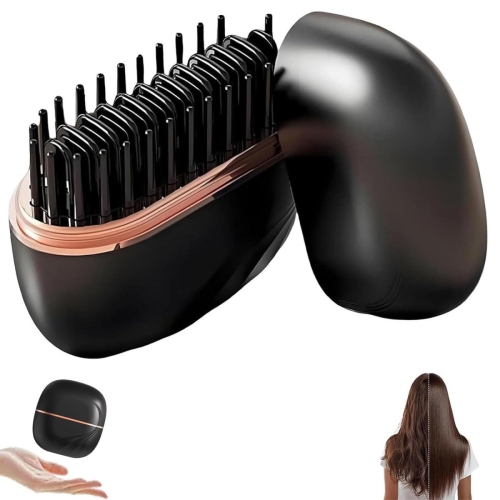
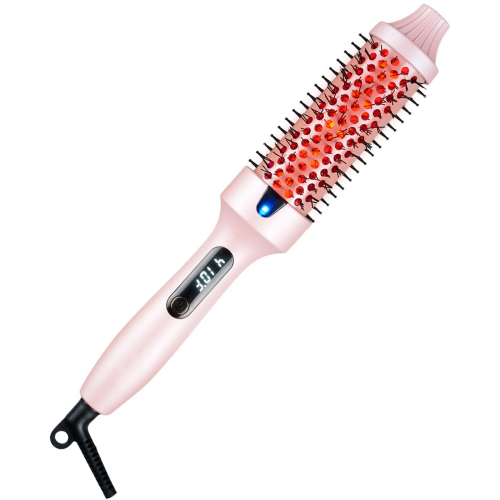
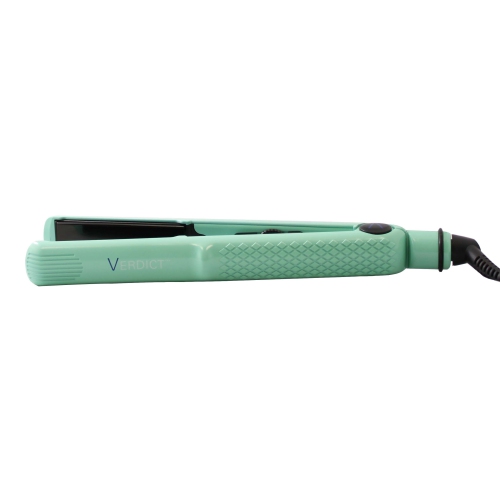
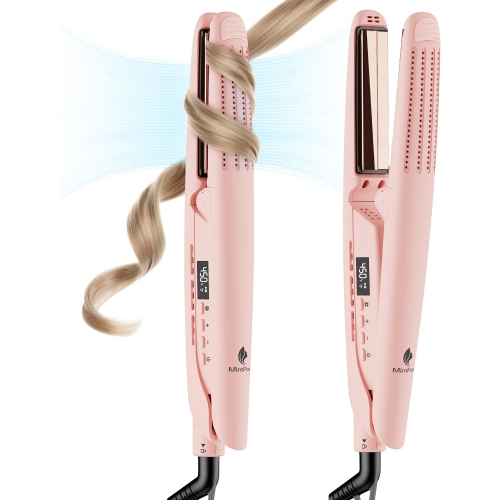
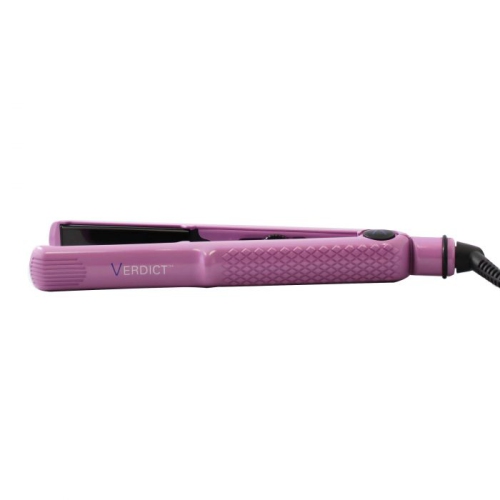
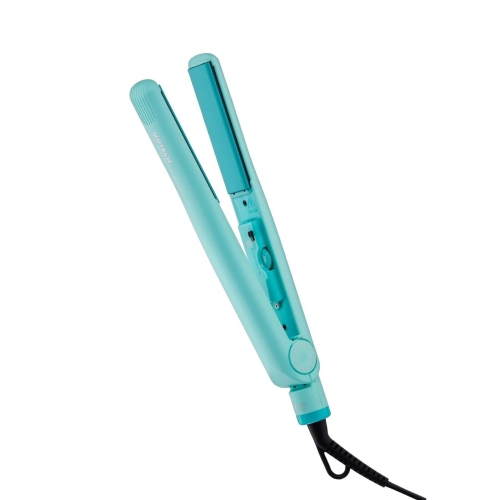
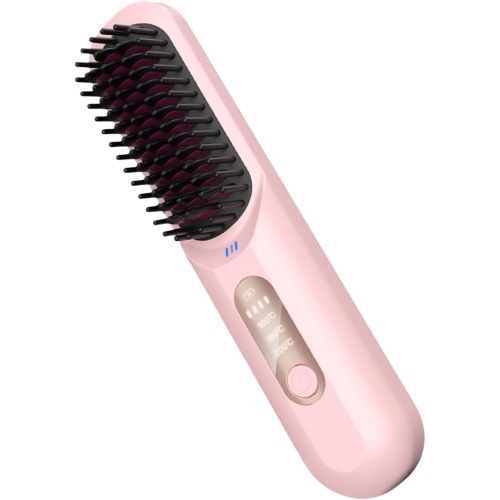
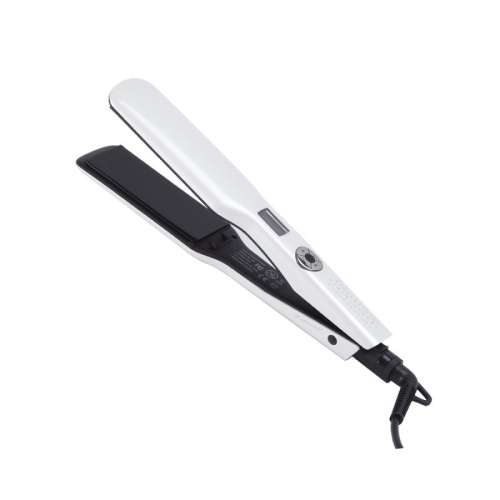
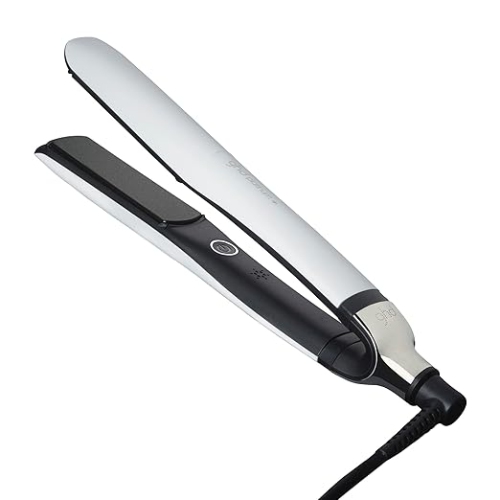
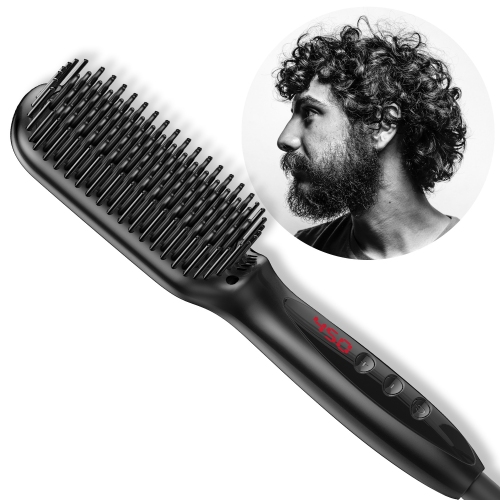
Black hair straighteners are flat irons with a black finish, designed to smooth hair between heated plates for a straighter look. Depending on the shape of the tool, they can also create soft bends, curved ends, and loose waves. The black exterior is a style preference rather than an indication of which hair textures the straightener suits; plate material, temperature control, and plate size have more influence on how it performs. A simple black finish can look at home beside other personal care tools without drawing attention on a dressing table or bathroom counter. Within the broader category of Hair Straightening Irons, different plate designs accommodate everything from short fringes to long, dense lengths. Ceramic plates and ceramic-coated plates are commonly used for their smooth surfaces and even heat distribution, although a ceramic coating is different from a solid ceramic plate. Titanium plates transfer heat efficiently and are often associated with tools intended for more demanding styling routines, but they still require careful temperature selection. Some plate surfaces incorporate tourmaline or other treatments intended to help reduce static and improve glide; results depend on the tool, hair condition, and technique. Plate width also changes the styling experience. Plates around 1 inch wide offer a versatile balance for reaching smaller sections and shaping ends, while wider plates can cover broader sections of long hair. Narrow plates may be easier to position around a short cut or fringe, where precision matters more than coverage. Floating plates are designed to move slightly as they close, helping maintain contact with the section of hair without relying on excessive pressure. Rounded edges can make bends easier to form, whereas a broader, flatter body may feel better suited to straight styles. These construction details matter more than the colour of the housing when matching a straightener to a haircut and styling routine.
Hair texture, density, and condition all affect how a black hair straightener fits into everyday use. Fine strands can be easily overwhelmed by excessive heat, while a thick head of hair may take longer to section even when the individual strands are relatively fine. Curly and coily textures can require more preparation and smaller sections for an even finish, rather than simply a higher temperature. Adjustable heat settings allow the tool to suit different needs, and a clearly readable temperature display makes it easier to check the selected setting at a glance. The lowest effective setting is generally preferable to using maximum heat by default, particularly on bleached, coloured, chemically treated, or fragile hair. A high maximum temperature is not, by itself, a measure of better results. Consistent heat and smooth plate contact can be more useful than an extensive range of settings that rarely get used. Heat protection designed for hot tools can help reduce damage when applied according to its directions, but it does not make hair immune to heat. For conventional flat irons, hair needs to be fully dry before the plates touch it; a straightener should only be used on damp hair if it is specifically designed and approved for that purpose. Smaller, manageable sections help the plates reach the hair evenly, whether the goal is a sleek centre part, a polished bob, or a gentle curve through shoulder-length layers. Repeated passes over the same section can add unnecessary heat exposure, especially at delicate ends. A smooth glide should not require forceful pulling, and persistent snagging can point to product buildup, damaged plates, or a section that is too large. Straightening can leave hair looking smoother and more controlled, but it does not repair split ends or reverse existing damage. The most suitable tool supports the desired finish while leaving room for a routine that respects the condition of the hair.
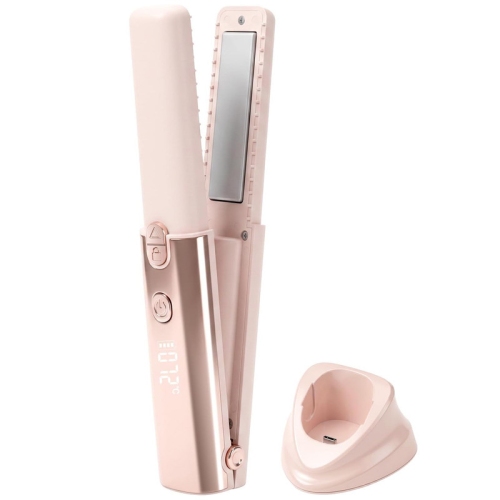
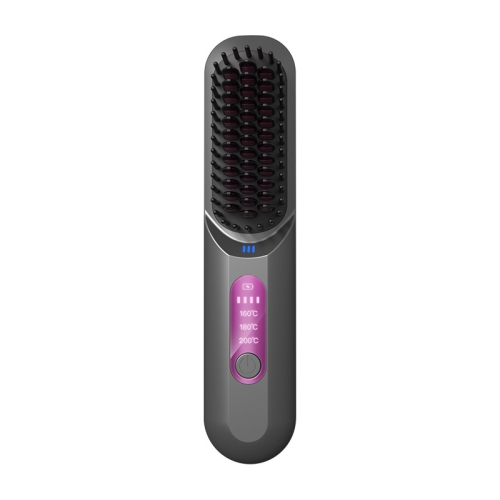
Comfort and practical details often become most noticeable after a straightener has been used regularly. A lightweight body can be easier to handle when styling the back of the head, while a secure grip helps with the small wrist movements needed to turn ends under or away from the face. The position of the controls matters, too: buttons placed where fingers naturally rest can be inconvenient if settings are changed accidentally during use. A swivel cord allows the tool to turn with the hand, and sufficient cord length can make a dressing-table setup more comfortable without pulling against the outlet. Cordless designs offer freedom of movement, with battery runtime and charging requirements becoming part of the routine. Automatic shut-off provides an additional safeguard, but the straightener should still be switched off and unplugged after use, then left to cool on a suitable heat-resistant surface away from water. For travel, dual-voltage capability must be confirmed on the device or in its instructions; a plug adapter alone does not convert electrical voltage. Regular care also affects how well the plates glide over time. Styling products can leave residue, so cleaning should follow the manufacturer’s directions and take place only once the tool is unplugged and cool. Gentle handling, protected storage, and keeping the cord loosely arranged rather than tightly wrapped around the body can help limit avoidable wear. A black finish may make some marks less noticeable, but it does not prevent scratches or replace proper care. For someone who straightens a fringe before work, smooths a bob for an evening out, or styles longer hair for special occasions, these everyday details can be as important as the plate material. A straightener can also be a thoughtful gift when the recipient’s preferred plate width, heat controls, and styling habits are known. The strongest match is a tool that feels comfortable in the hand and suits the way the recipient actually wears their hair.
Top selling and popular products
-
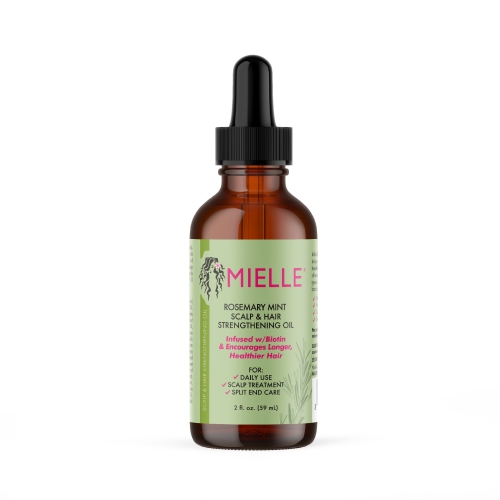 Your price for this item is $15.99
-
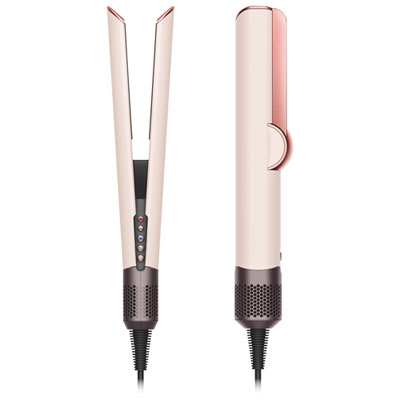 Your price for this item is $699.99
-
 Your price for this item is $549.99
-
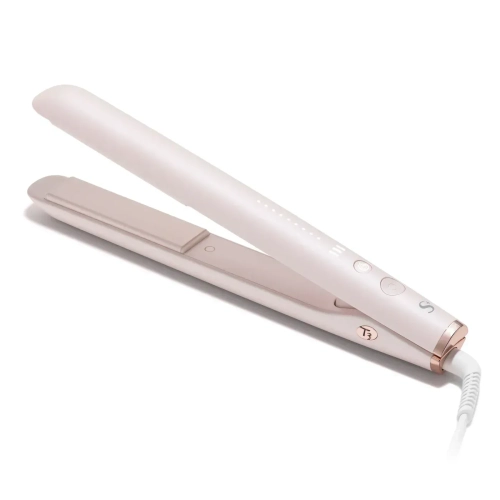 Your price for this item is $249.99
-
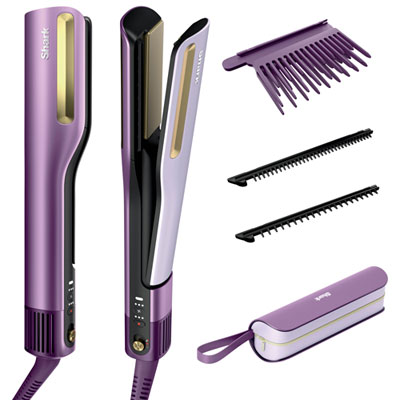 Your price for this item is $349.99
-
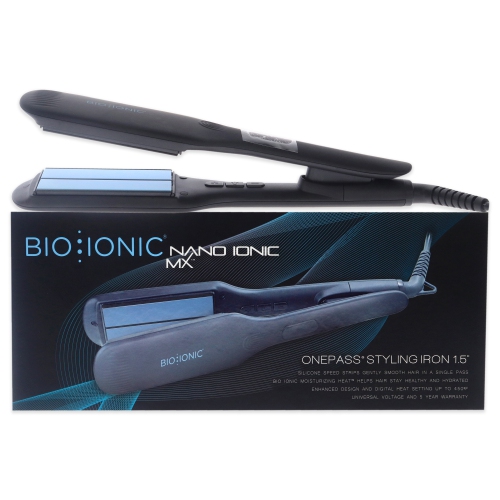 Your price for this item is $283.56
-
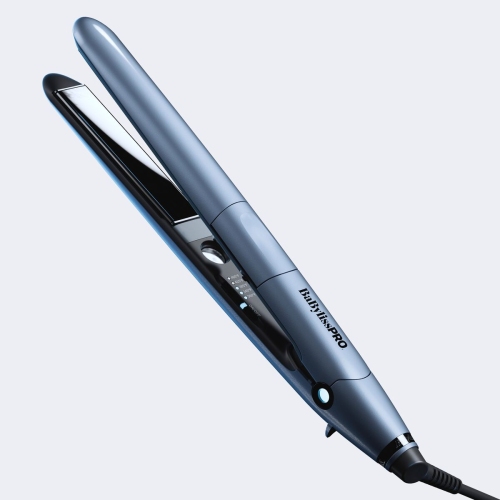 Your price for this item is $119.99
-
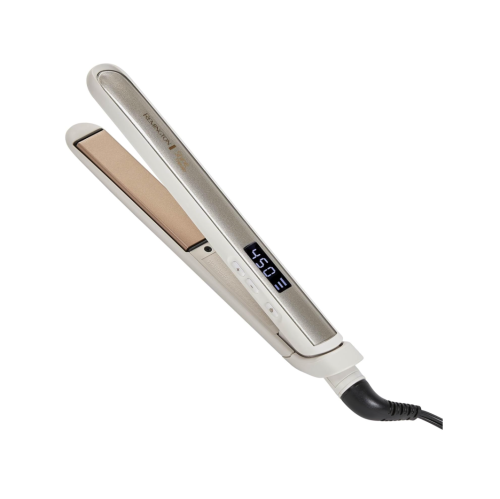 Your price for this item is $53
Discover more categories related to Black Hair Straighteners
Top Collections:
Pokemon Centers, Best Cameras for Sports Photography, Kindle Devices, Samsung Galaxy Phones, Canon G7X Cameras, Pokémon 30th Celebration Cards, Refurbished Apple Laptops, iPhone 15 Apple, Laptops for Students, Budget Smartphones
Some products may be subject to Environmental Handling Fees
(EHF) depending on your province.
Learn more about EHFs.