Conditioners for Wavy Hair
Get ready to embrace your natural waves with these conditioners specifically designed for wavy hair. Whether you have loose, beachy waves or tight curls, these conditioners are formulated to nourish and enhance your unique hair texture. Say goodbye to frizz and hello to defined, bouncy waves that will turn heads wherever you go. These wavy hair conditioners offer a range of options to suit different needs and preferences, ensuring you can find the perfect product to make your waves shine.
Sort
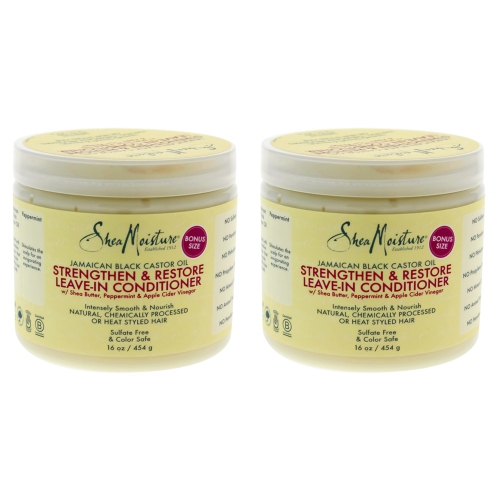
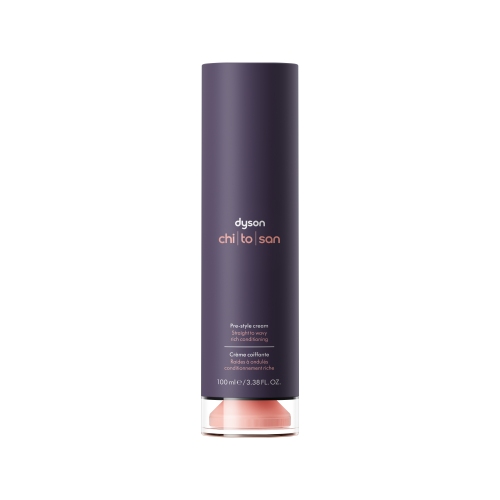
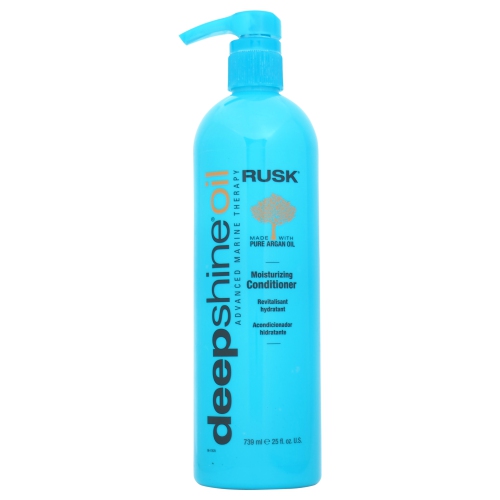
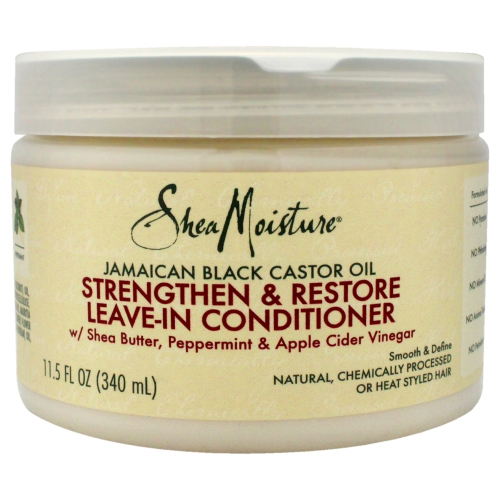

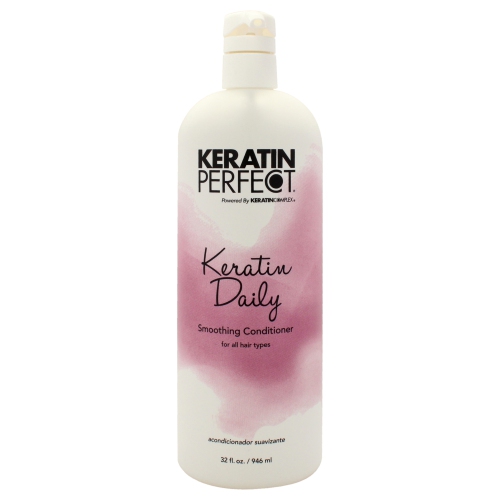
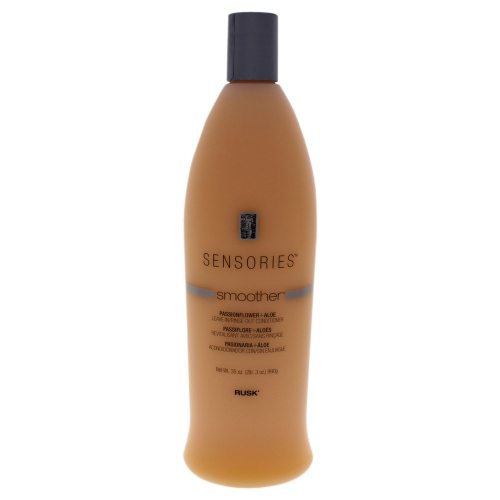
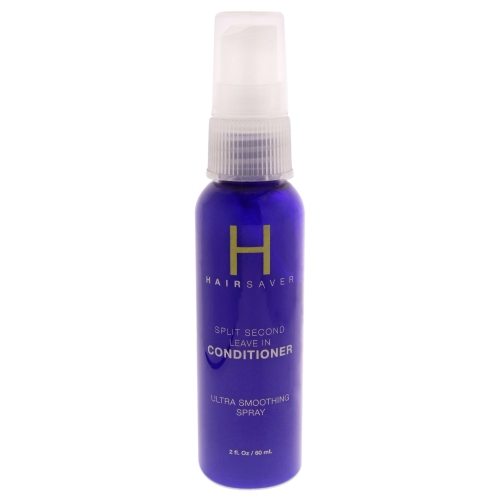
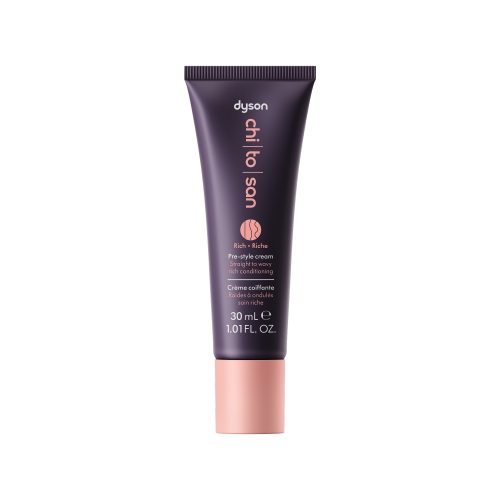

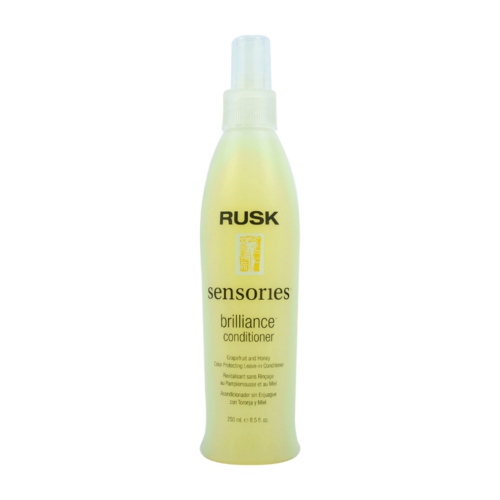
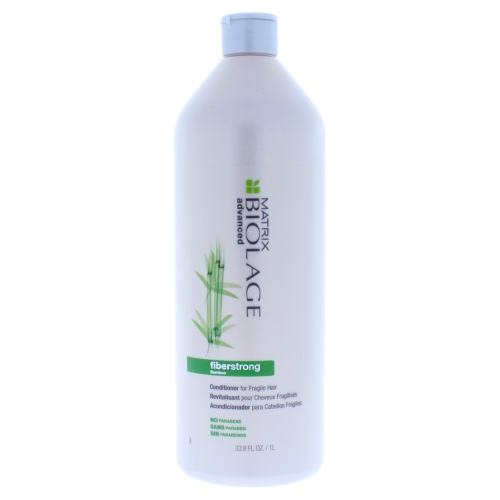
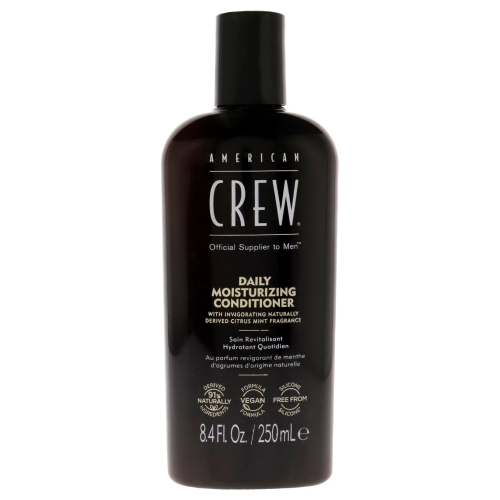

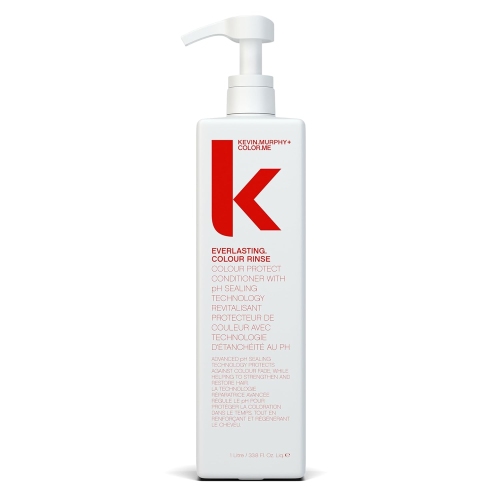
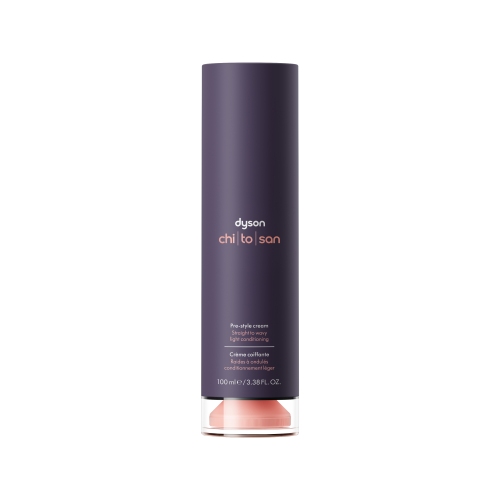
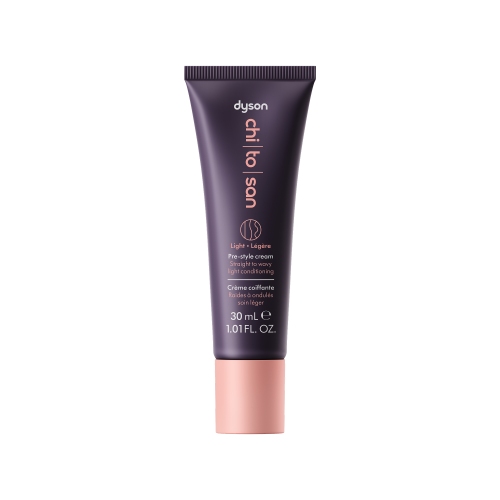


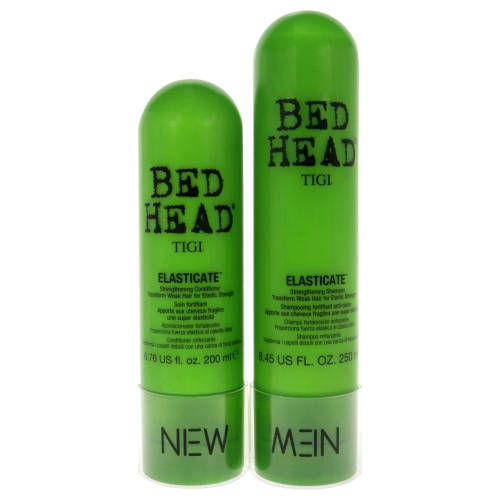
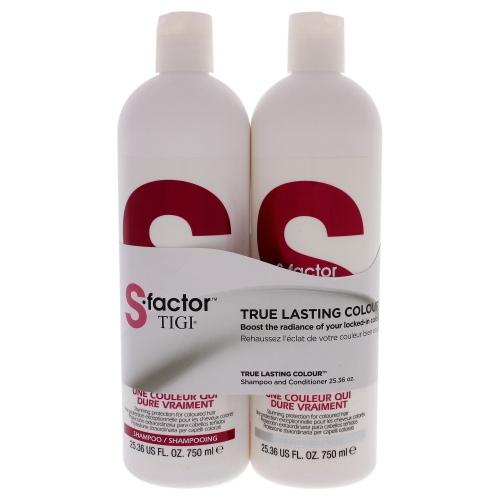

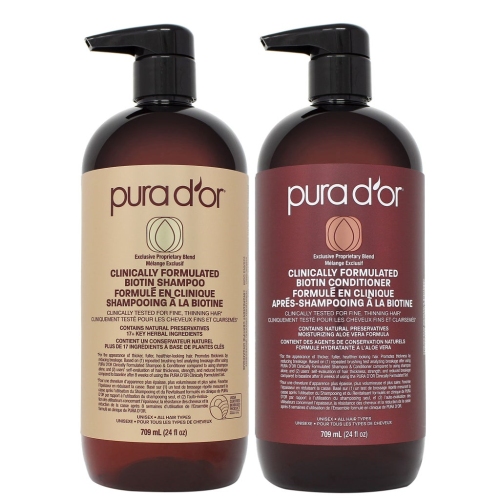
Softer waves without the weight that flattens them
Conditioners for wavy hair help soften strands, ease tangles, and support a more defined wave pattern without leaving the lengths feeling coated or flat. Wavy hair often forms loose bends or a soft S shape, with straighter roots and more movement through the middle and ends. That combination can make the balance between moisture and weight especially noticeable: a rich formula may leave dry tips feeling smoother while making the crown look limp. Lightweight, hydrating conditioners are often a good starting point for fine or loose waves, while richer creams can suit coarse strands, dense hair, or lengths that feel rough after washing. Strand thickness and hair density are different considerations. Someone with plenty of fine strands may need easy detangling without the heavy finish that suits a smaller amount of coarse hair. The best match depends on how the hair feels and behaves, rather than wave shape alone. Hair that tangles at the nape, catches on a brush, or feels dry at the ends may benefit from more conditioning slip. Hair that turns stringy soon after washing may feel better with a lighter texture, a smaller amount, or more thorough rinsing. A rinse-out conditioner provides softness during a regular wash routine, while a leave-in conditioner stays on the lengths to help with manageability between washes. Deep conditioners and masks offer a more intensive option for hair that needs extra softness, but they are not automatically necessary for every wavy texture. For a short, lightly layered cut, a fluid conditioner may be enough to keep the ends flexible. Longer waves, especially those with colour-treated or frequently heat-styled sections, can need more attention through the oldest lengths. A well-suited conditioner leaves the hair easier to handle while preserving the movement that makes waves distinct, whether the preferred finish is airy and tousled or smooth with clearly separated bends.
Formula texture and conditioning ingredients help distinguish one type of conditioner from another. Glycerin and panthenol are common moisture-supporting ingredients, while fatty alcohols such as cetyl alcohol and cetearyl alcohol contribute creaminess and softness. These fatty alcohols are different from the alcohols often associated with a drying feel. Conditioning agents such as behentrimonium chloride help reduce static and provide slip, making strands easier to separate with less pulling. Silicones can improve smoothness and combability; a silicone-free formula is a preference, not a requirement for healthy-looking waves. How much product remains on the hair, and how it works with the rest of a washing routine, matters more than a single ingredient claim. Oils and butters can add a richer feel that suits coarse or very dry ends, although generous amounts may overwhelm fine waves. A small amount of oil within a balanced formula does not necessarily make that conditioner heavy. Likewise, a thin, milky consistency can still provide useful conditioning. Formulas containing hydrolyzed proteins may appeal to people with processed hair, but a protein label alone does not predict softness or wave definition. The overall formula and the hair’s response remain important. For colour-treated hair, a conditioner labelled for that use may help maintain a smoother feel without replacing the need for gentle cleansing and appropriate styling care. Fragrance is another practical consideration, particularly when a leave-in will remain close to the face throughout the day. Fragrance-free options may suit people who prefer to avoid added scent, though any formula can contain ingredients that cause an individual reaction. Packaging also affects daily use: a pump can make dispensing easier with wet hands, a squeeze tube offers control over smaller amounts, and a jar may suit a thicker mask. Label directions, ingredient information, and the intended rinse-out or leave-in use provide a clearer picture of suitability than broad promises of perfect waves. For anyone buying hair care as a gift, knowing the recipient’s usual texture and fragrance preferences is more useful than choosing by hair length alone.
Conditioner fits into a wavy-hair routine by preparing the lengths for easier drying and styling, rather than doing the work of every other hair product. It can soften a rough surface and reduce the friction that makes detangling difficult, but it does not permanently repair split ends or provide the same hold as a mousse or gel. Waves that look smooth when wet but lose their shape as they dry may need styling support rather than a heavier conditioner. The wider range of Hair Products for Wavy Hair can complement conditioning with cleansing and hold options suited to different finishes. Application habits also influence results. For hair with oily roots and dry tips, concentrating a rinse-out formula through the mid-lengths and ends can provide softness where it is needed without adding unnecessary weight near the scalp. Gentle detangling while the hair has enough slip, starting at the ends and gradually moving upward, helps limit tugging at knots. Following the stated contact time and rinsing directions supports the finish the formula was designed to deliver; leaving a rinse-out conditioner in the hair is not interchangeable with using a leave-in. An additional leave-in may suit long or coarse waves, while fine hair may need only a modest amount through the tips, if any. Squeezing excess water gently and avoiding vigorous towel rubbing can help keep freshly detangled strands from becoming tangled again. People who use a diffuser or other heated tools should look for a separate heat-protection claim rather than assuming every conditioner provides it. Product care is straightforward but worth considering: tightly closed packaging, clean handling, and storage according to the label help keep the formula in suitable condition. Expiry information and any period-after-opening symbol take precedence over judging a product by appearance alone. Ultimately, a useful conditioner for wavy hair supports a repeatable routine: lengths that separate without a struggle, ends that feel softer to the touch, and waves that retain body instead of collapsing under residue. That balance can suit everyday wash-and-wear styling just as well as a more polished finish.
Top selling and popular products
-
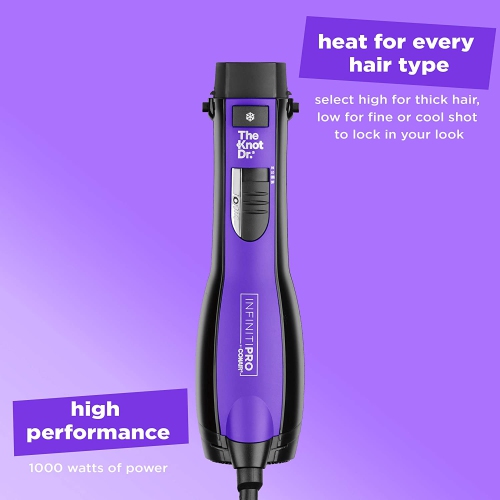 Your price for this item is $155.86
-
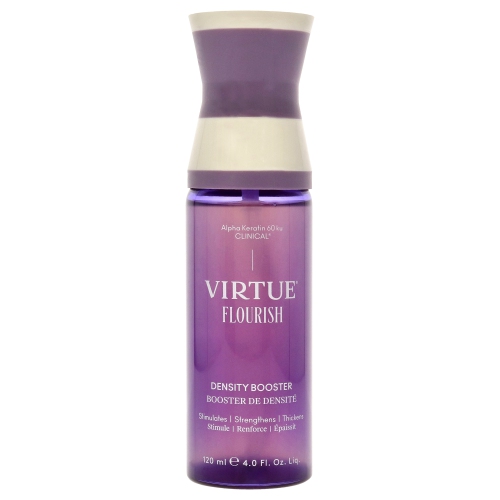 Your price for this item is $63.68
-
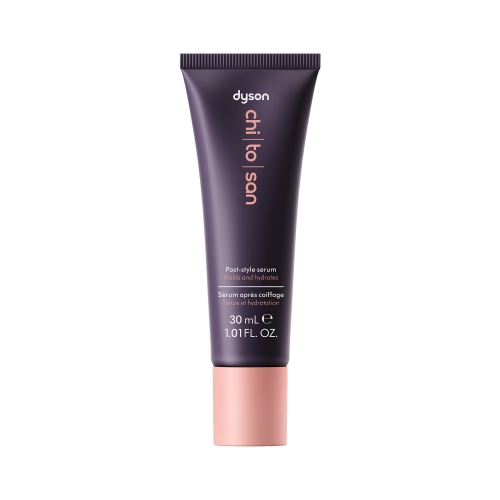 Your price for this item is $39.99
-
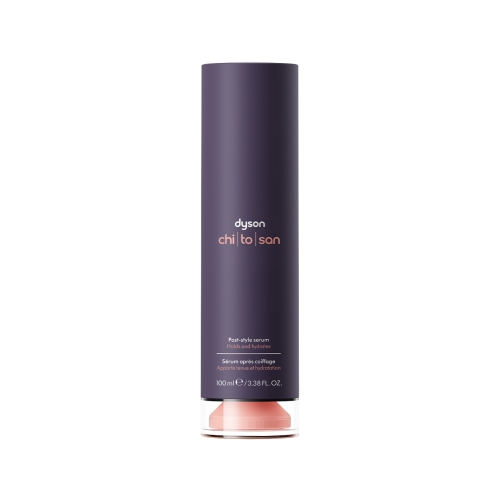 Your price for this item is $59.99
-
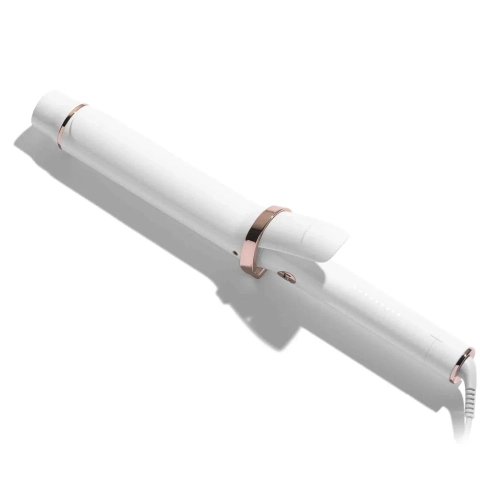 Your price for this item is $229.99
-
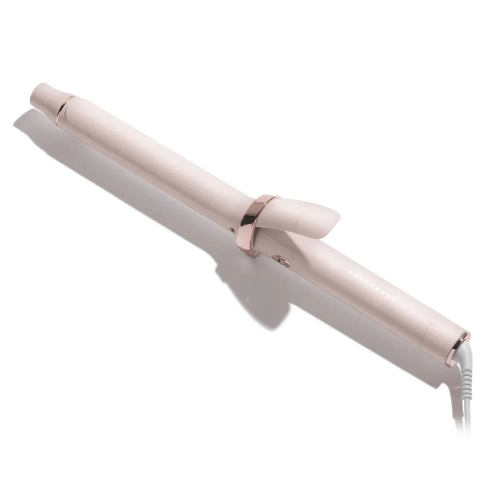 Your price for this item is $229.99
-
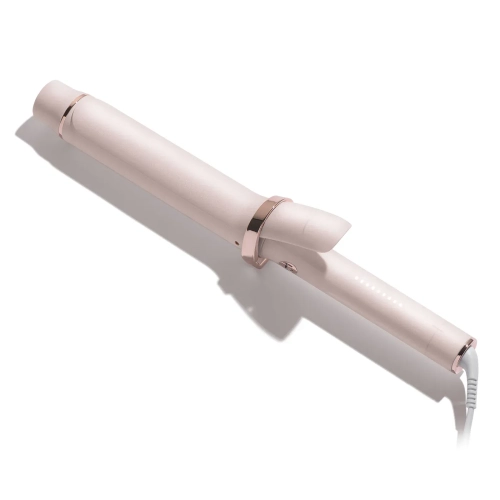 Your price for this item is $229.99
-
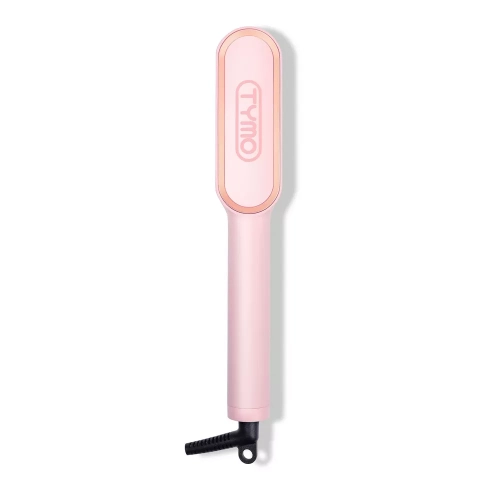 Your price for this item is $155.86
Discover more categories related to Conditioners for Wavy Hair

Top Collections:
Pokemon Centers, Best Cameras for Sports Photography, Kindle Devices, Samsung Galaxy Phones, Canon G7X Cameras, Pokémon 30th Celebration Cards, Refurbished Apple Laptops, iPhone 15 Apple, Laptops for Students, Budget Smartphones
Some products may be subject to Environmental Handling Fees
(EHF) depending on your province.
Learn more about EHFs.