Curling Irons for Layered Hair
Curling Irons for Layered Hair offer versatile styling options designed to enhance the natural movement and texture of layered cuts. Whether you want to create loose waves, defined curls, or add volume, the right curling iron can help achieve a polished look that highlights each layer. Explore a selection of curling irons tailored to suit different hair lengths and textures, making it easy to find the perfect tool for your unique style. Elevate your hairstyling routine with Curling Irons for Layered Hair and enjoy salon-quality results at home.
Sort


Why your shortest layers matter when comparing barrels
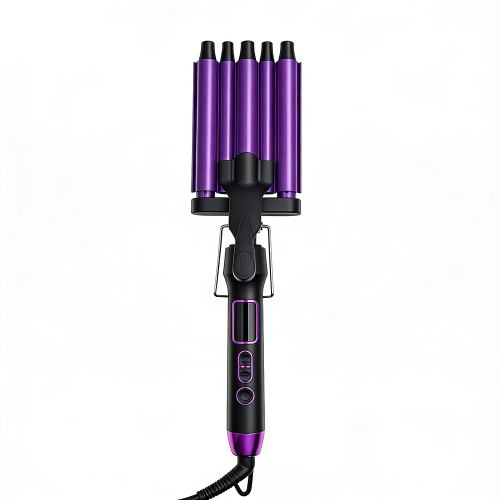
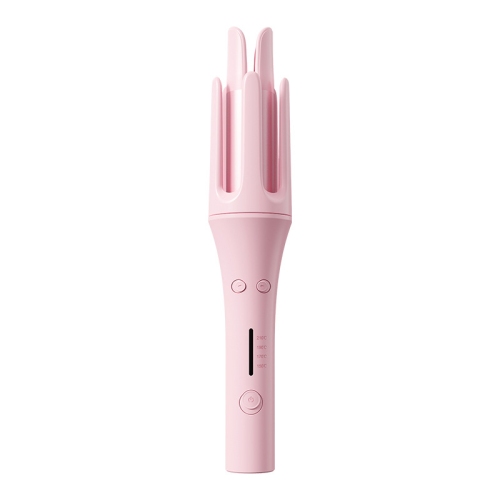
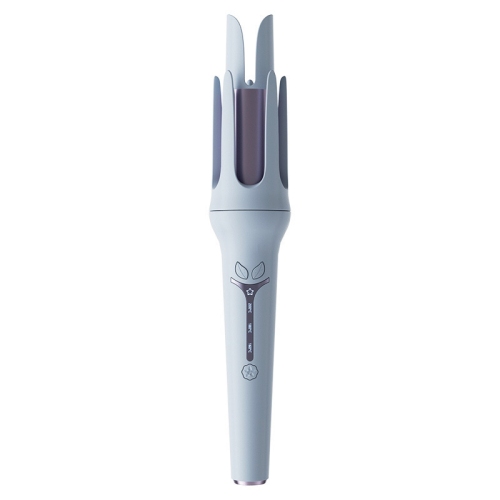
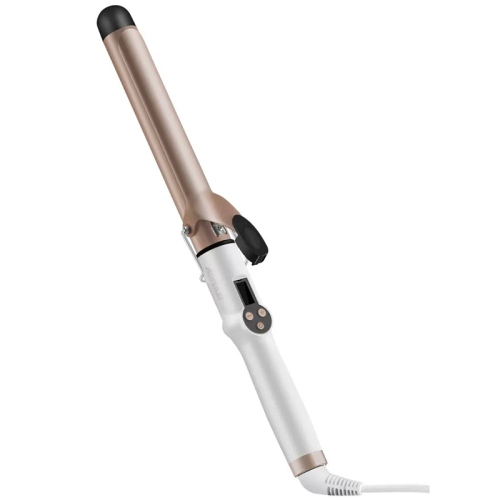
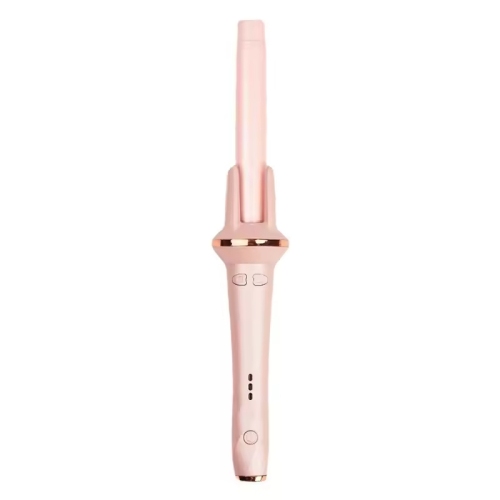
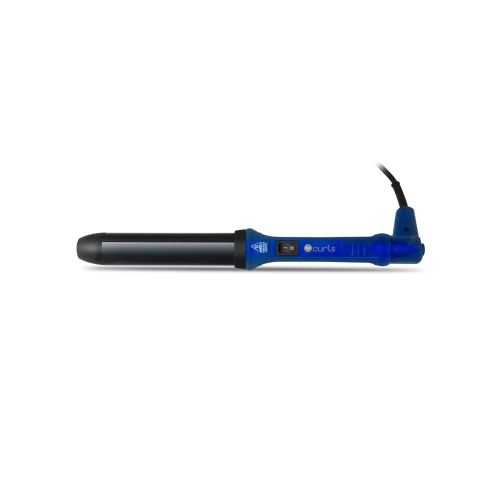
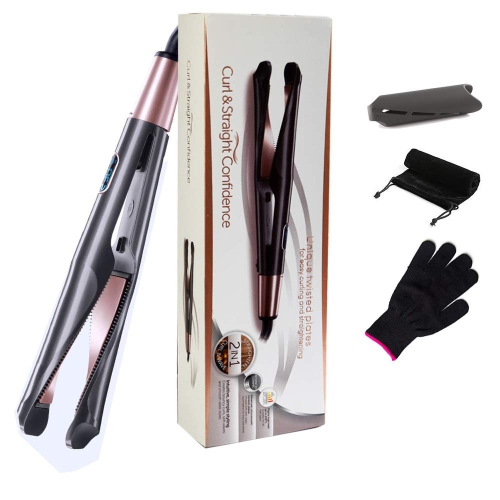
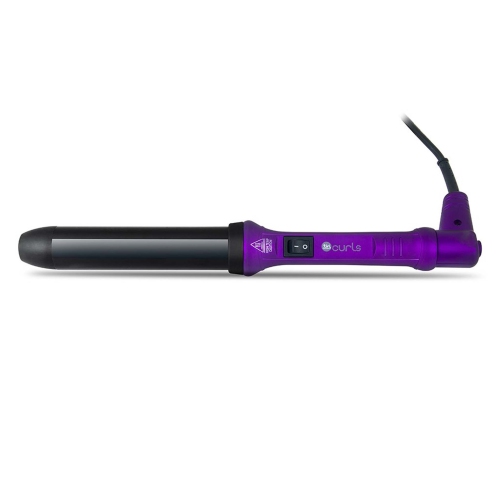
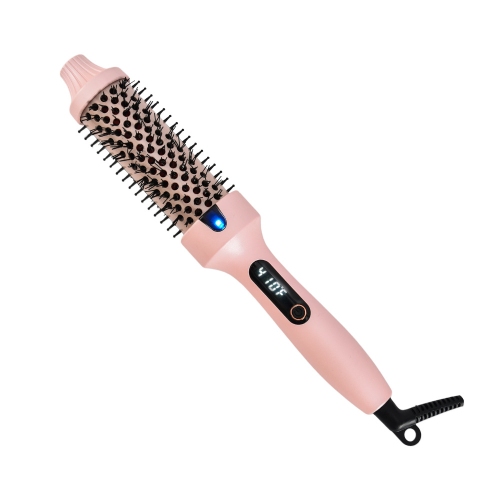
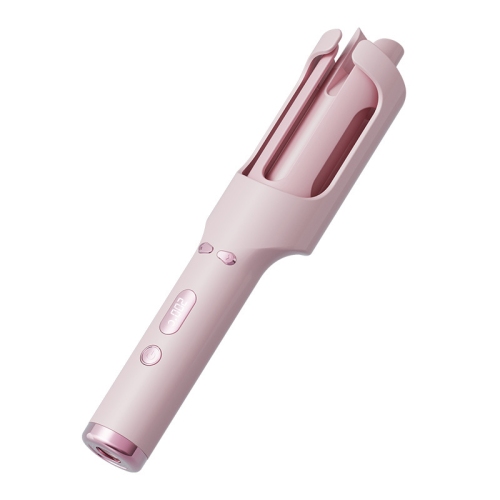
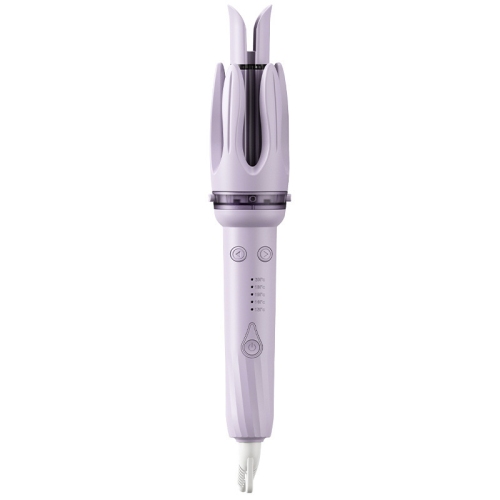
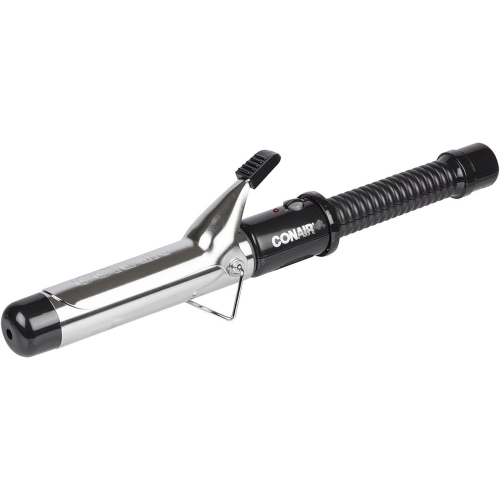
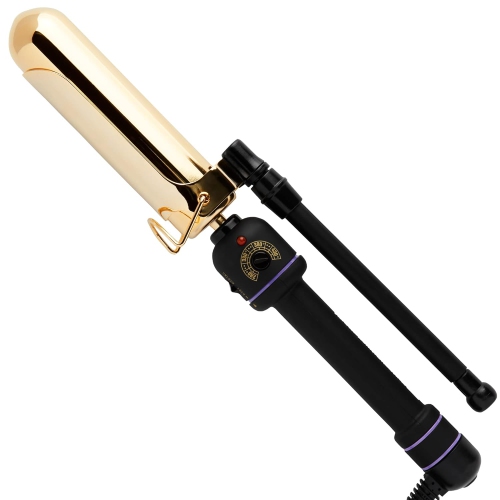
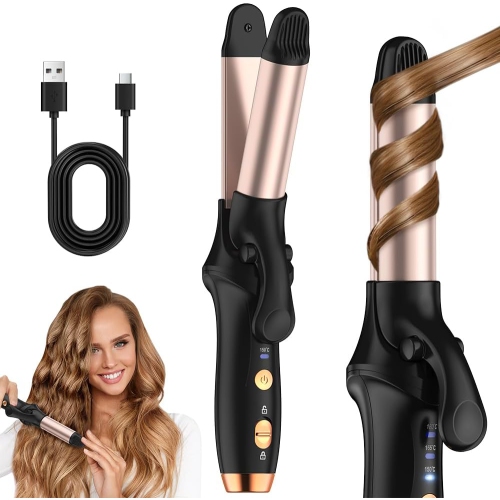
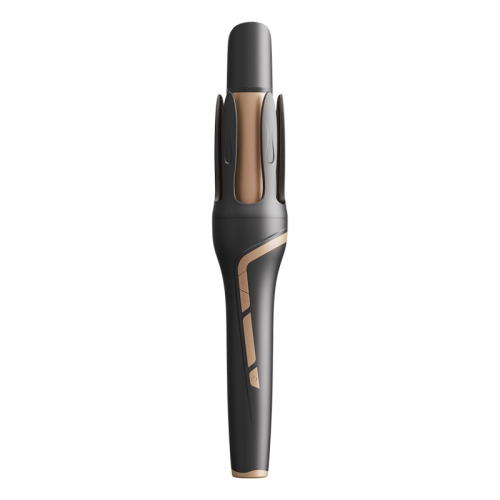
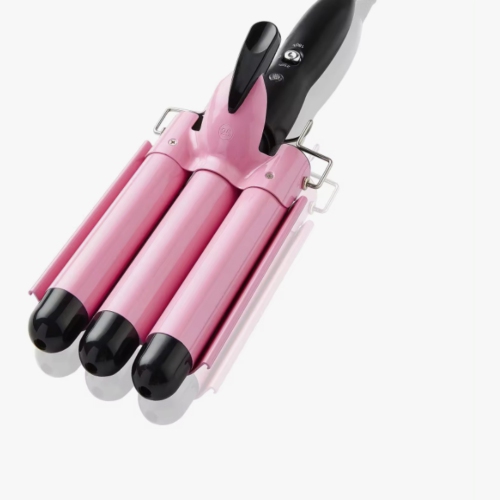
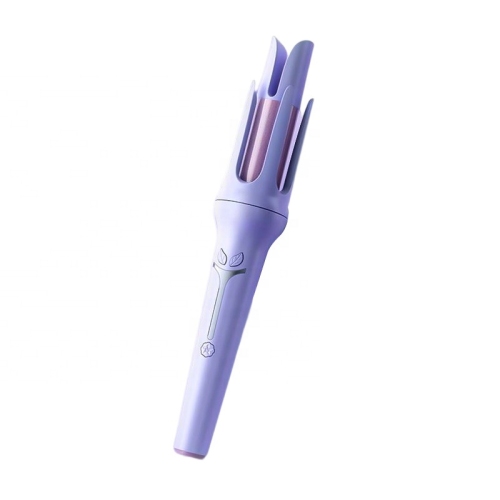
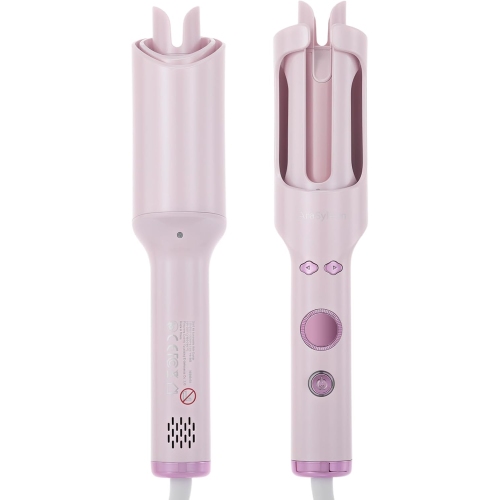
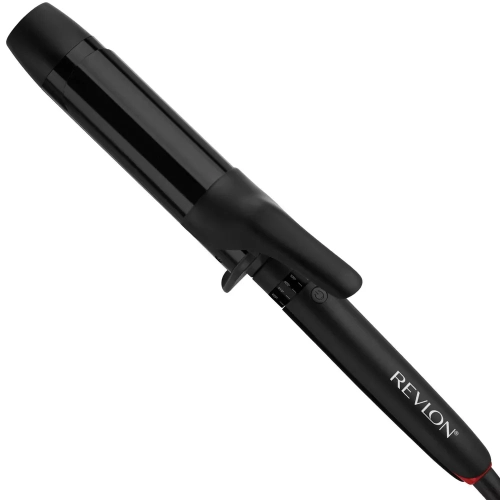
Curling irons for layered hair need to work with several lengths at once, from shorter pieces around the face to longer sections through the back. A suitable barrel size and a well-designed clamp can make those different lengths easier to shape without leaving the shortest ends loose. For many layered cuts, a 1-inch barrel offers a useful balance: it can create defined curls through longer sections while still giving shorter layers enough surface to wrap around. A 0.75-inch barrel generally suits smaller curls and shorter sections, while 1.25-inch and 1.5-inch barrels tend to produce broader bends on hair with enough length to wrap securely. Barrel diameter alone does not determine the finished look; natural texture, section size and the length of the shortest layers also matter. On a shoulder-length cut with cheekbone-length pieces, for example, a very wide barrel may shape the ends more than it creates a complete curl. Spring-clamp curling irons provide a way to hold staggered ends against the barrel, making them worth considering when shorter pieces tend to slip free. A clamp that opens smoothly and meets the barrel evenly can help maintain gentle, consistent contact without excessive pressure. Clamp-free curling wands offer a different feel, allowing sections to wrap freely for a less uniform finish, though managing short ends requires more care around the heated surface. Longer barrels provide room for long layers without crowding the hair into overlapping coils, but they can feel less manageable around a cropped fringe or a narrow face-framing section. A tapered barrel produces different curl sizes along its length, whereas a straight barrel makes it easier to repeat a similar shape across the head. The best fit is not necessarily the largest or longest tool; it is the one that accommodates the shortest sections while still creating the desired movement through the rest of the haircut. That balance helps layers look connected rather than like separate tiers of curls.
Hair texture and condition are just as important as the cut when comparing barrel materials and heat settings. Ceramic barrels and ceramic-coated surfaces are commonly chosen for their smooth feel and even heat distribution, although construction and performance vary between tools. A ceramic coating is not the same as a solid ceramic barrel, and damage to a coating can affect how smoothly hair passes over it. Titanium barrels typically heat quickly and transfer heat efficiently, which can appeal to experienced users working with thicker hair, but a higher heat capability is not a reason to use a higher setting. Fine, lightened, colour-treated or fragile hair generally calls for more conservative heat than thick, resistant strands. Adjustable temperature controls allow the setting to suit the hair rather than forcing every section to receive the same fixed heat. The lowest effective setting is a sensible starting point, particularly around delicate face-framing layers, where repeated styling can concentrate wear on the same small sections. A clear display, stable heat control and buttons positioned away from the grip can make everyday handling more predictable. Heat-ready indicators are also useful for distinguishing a warmed barrel from one that has just been switched on. No barrel material makes frequent heat styling damage-free, and smooth-looking results should not be confused with protection from excessive heat. Conventional curling irons are intended for dry hair; using them on damp strands can cause damage. A heat protectant suitable for hot-tool styling belongs alongside the iron, with any application allowed to dry as directed before the heated barrel touches the hair. Styling goals also influence the choice. Defined curls benefit from a barrel small enough to form a complete turn, while a softly curved layered bob may need only a gentle bend through the ends. Long layers can carry broad, flowing shapes, but the shorter sections still need enough contact with the barrel to join the overall pattern. A polished, rounded clamp edge can help reduce obvious marks, while smooth barrel surfaces allow ends to move without catching.
Comfort and control become especially noticeable when styling the back of the head or alternating between short and long sections. A handle that feels balanced, a swivel cord and an accessible clamp lever can reduce awkward wrist positions during regular use. A cool tip provides a designated place to steady the tool when used according to its instructions, though nearby surfaces may still be hot. Heat-resistant gloves can offer added protection with certain designs, but they do not make it safe to hold a heated barrel. A built-in stand and a suitable heat-resistant resting surface help keep the barrel away from a countertop between sections. Automatic shut-off adds reassurance, but it does not replace switching the iron off and unplugging it after use. For someone who styles layered hair several times a week, practical details such as a readable control panel, manageable weight and a cord that reaches comfortably may matter more than a long list of styling modes. Those who prefer soft, open waves rather than compact ringlets may also find the Curling Irons for Loose Curls collection relevant when comparing barrel shapes and sizes. Day-to-day care helps preserve the smooth surfaces that layered ends move across. Styling residue can collect on the barrel and clamp, so cleaning should follow the manufacturer's directions with the tool unplugged and fully cool. Abrasive cleaners and scraping can damage coatings, while tightly winding the cord around the handle can strain its connection over time. A secure storage space protects the barrel from knocks and keeps the cord from tangling with other tools. Travel use calls for checking the electrical rating and any voltage requirements rather than assuming a plug adaptor is enough. As a gift, a curling iron is most useful when its controls, barrel size and handling suit the recipient's hair length and styling habits. Someone maintaining a short layered cut may value precise control around the face, while someone with long layers may prefer more usable barrel length. Matching those everyday needs helps make the tool a practical part of a familiar routine.
Top selling and popular products
-
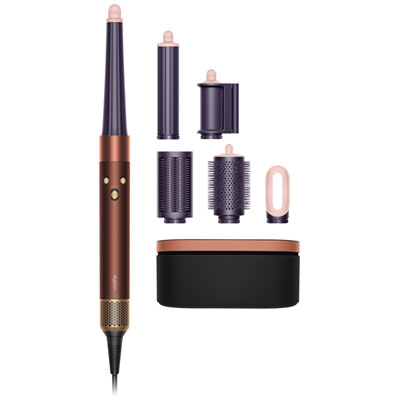 Your price for this item is $799.99
-
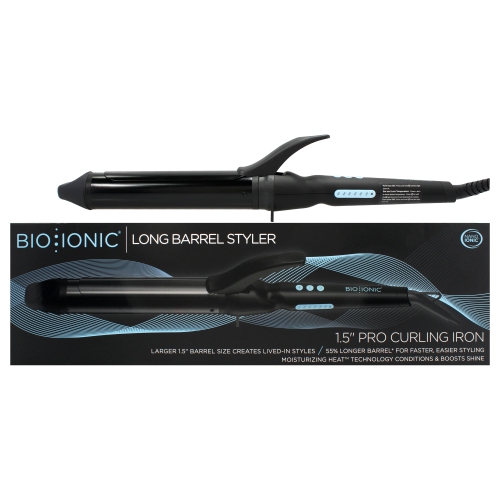 Your price for this item is $136.76
-
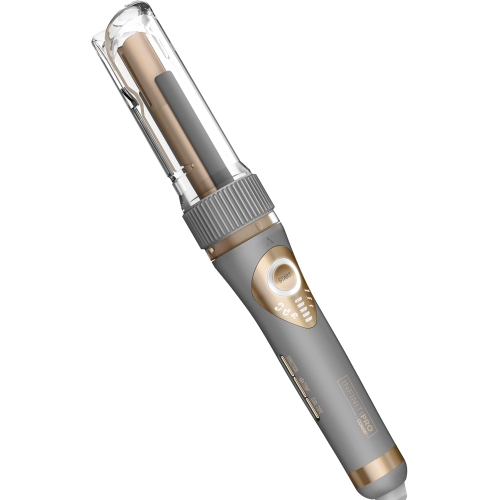 Your price for this item is $150
-
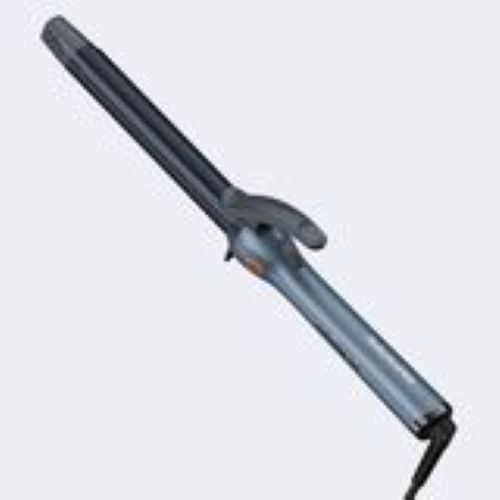 Your price for this item is $99.99
-
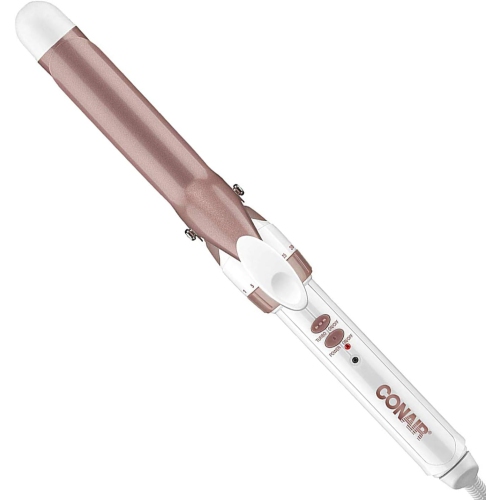 Your price for this item is $47.97
-
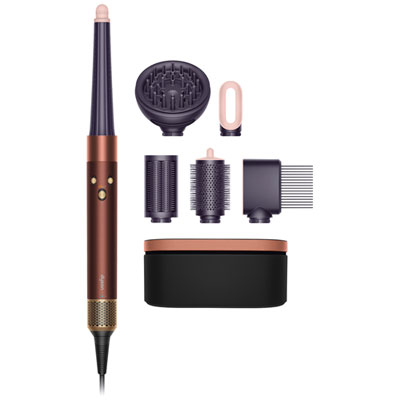 Your price for this item is $799.99
-
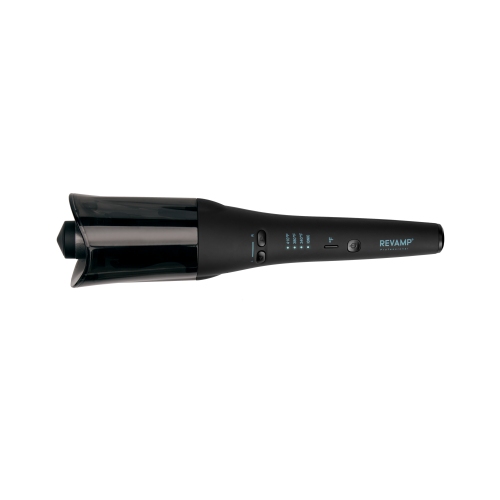 Your price for this item is $69.99
-
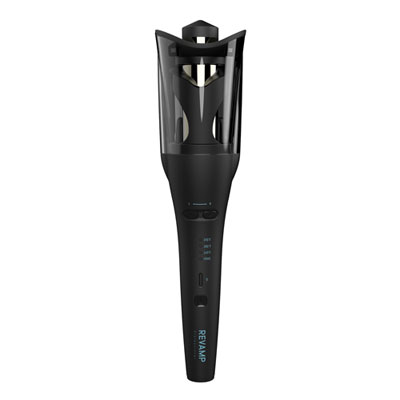 Your price for this item is $149.99
Discover more categories related to Curling Irons for Layered Hair
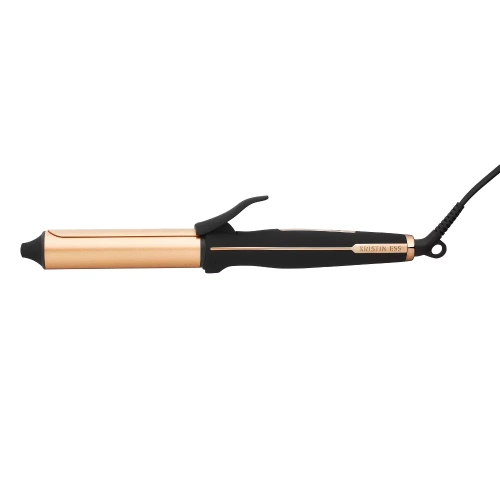
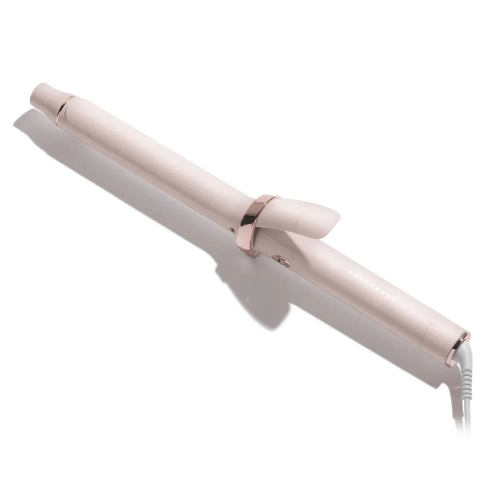
Top Collections:
Best Black Friday Deals This Year, Best Black Friday Deals On Electronics, Kindle Devices, Pokemon Centers, Best Black Friday Deals On Apple Products, Best Cameras for Sports Photography, Dyson Airwrap, Pokémon 30th Celebration Cards, Apple iPhone 17 Pro, Canon G7X Cameras
Some products may be subject to Environmental Handling Fees
(EHF) depending on your province.
Learn more about EHFs.