Curling Irons for Tight Curls
If you're looking to achieve those stunning, tight curls that are all the rage right now, look no further! These curling irons for tight curls have you covered. Whether you have naturally straight hair and want to switch up your look or you're looking to enhance your already curly hair, these curling irons offer the perfect solution. With a wide range of options to choose from, you'll be able to find the perfect curling iron that suits your hair type and desired style.
Sort


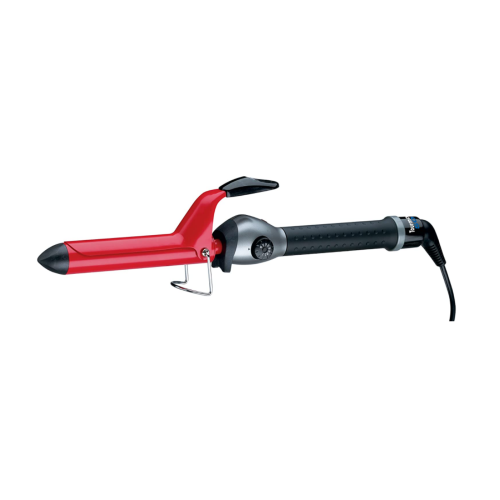
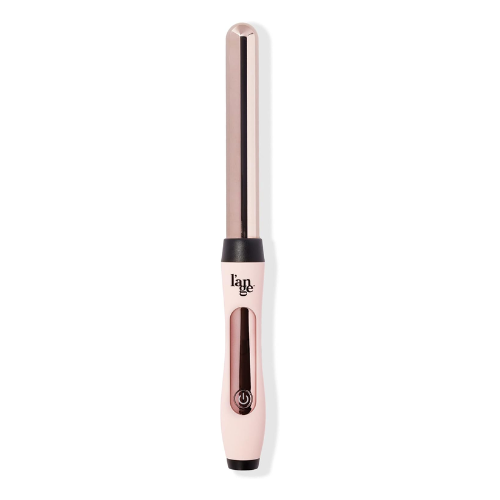
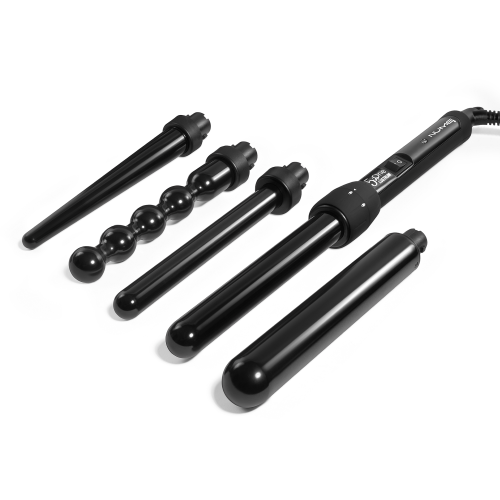
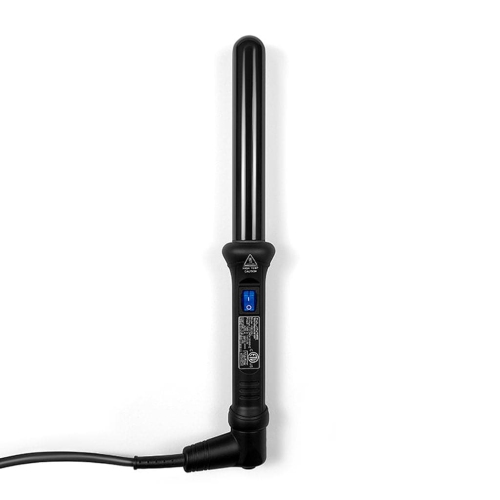
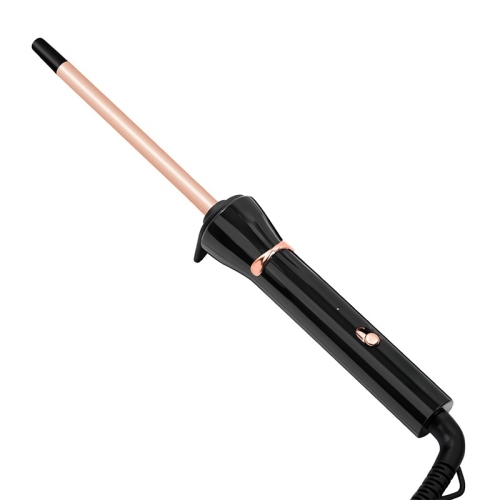
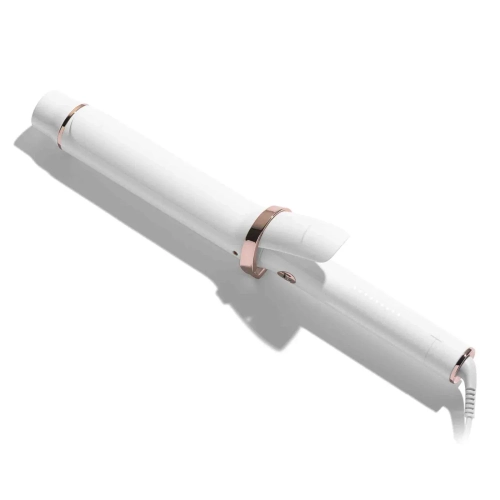
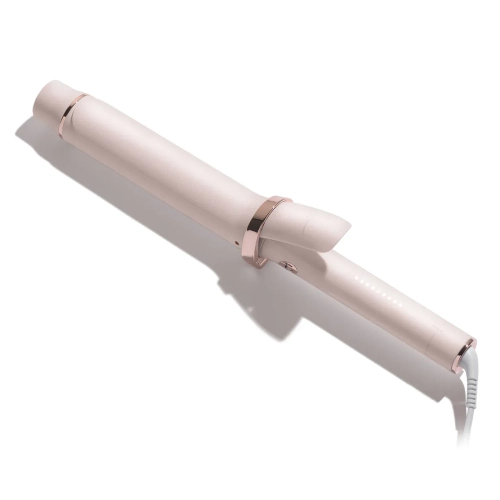
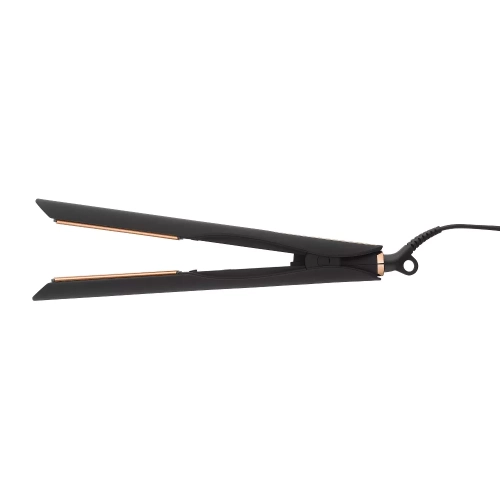
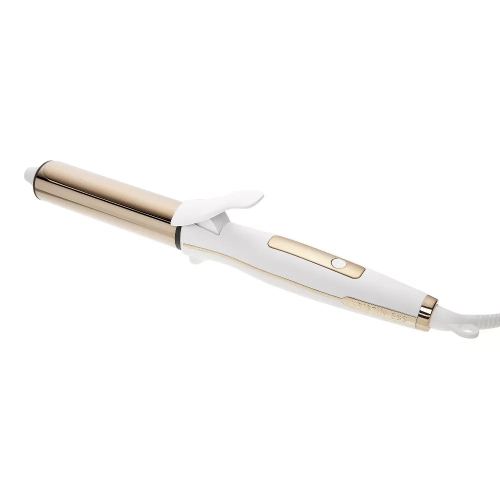
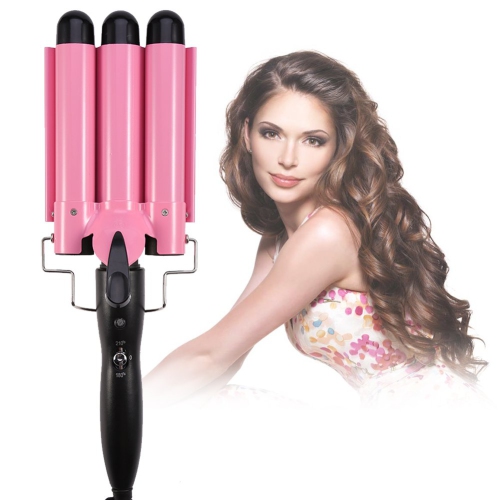
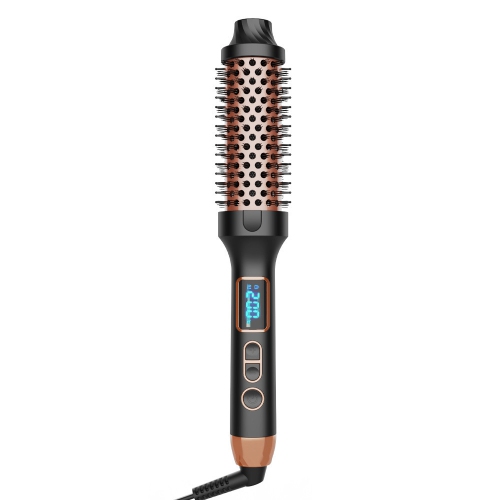
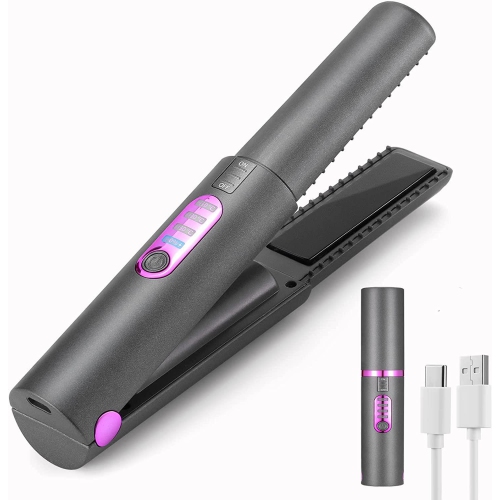
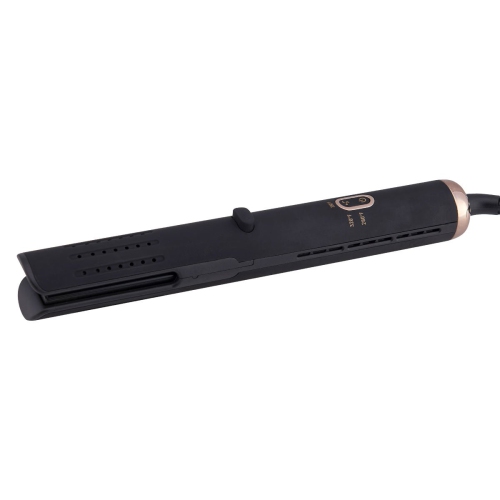
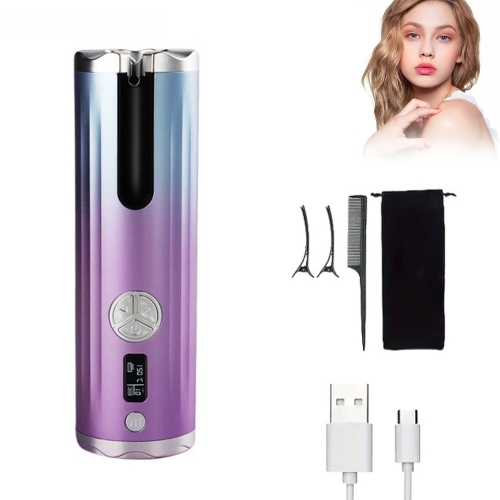
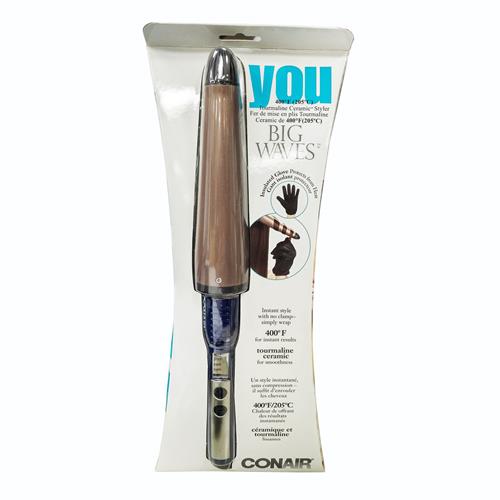
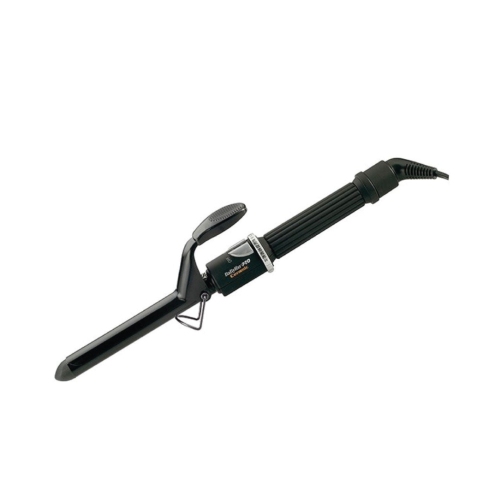
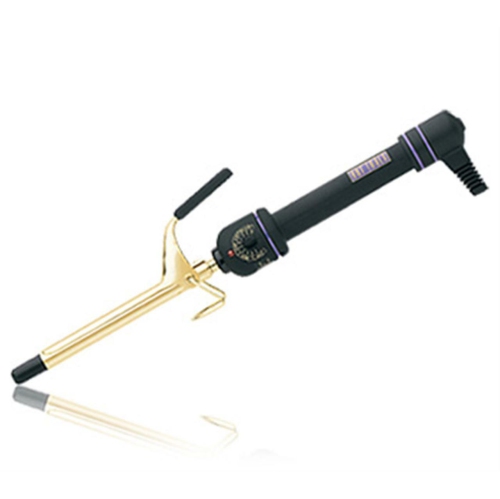
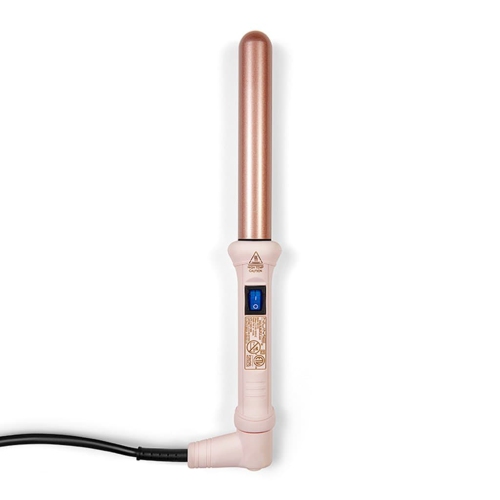
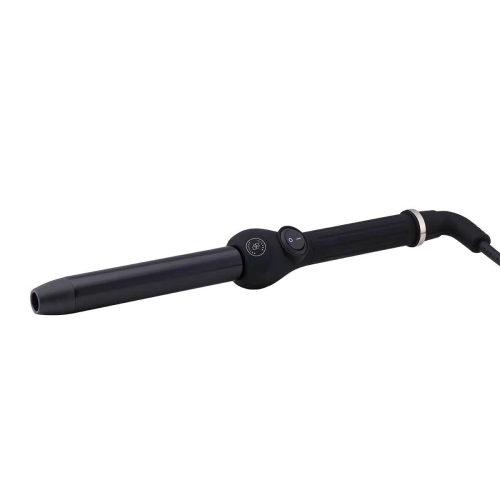
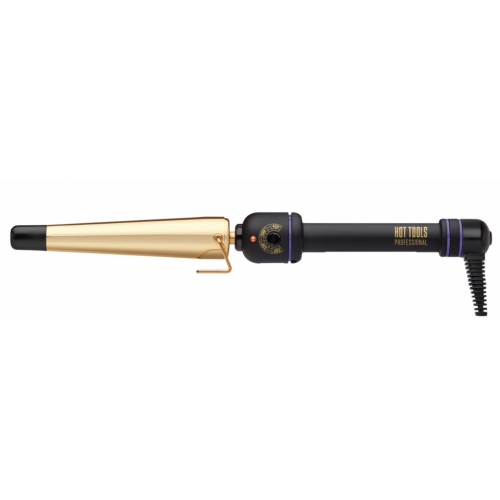
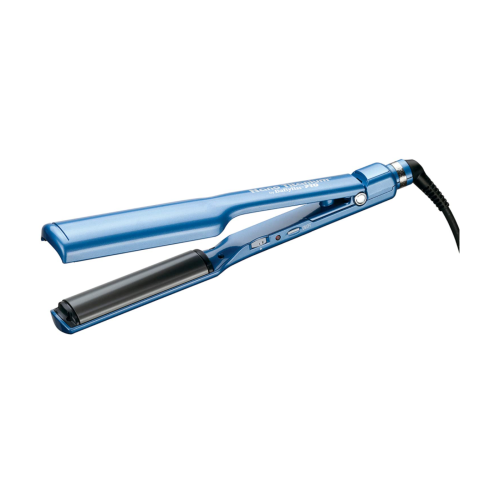
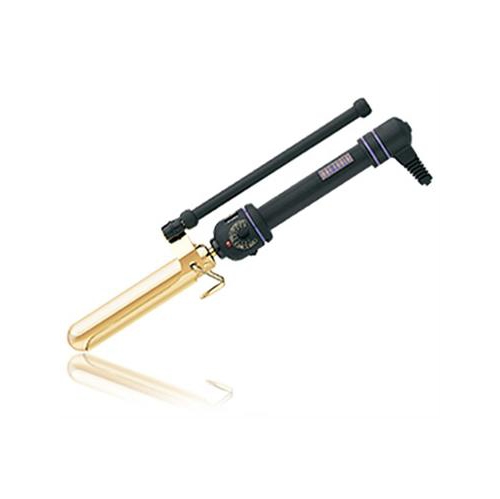
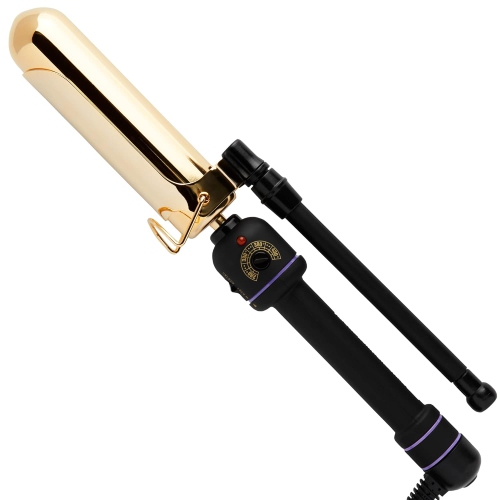

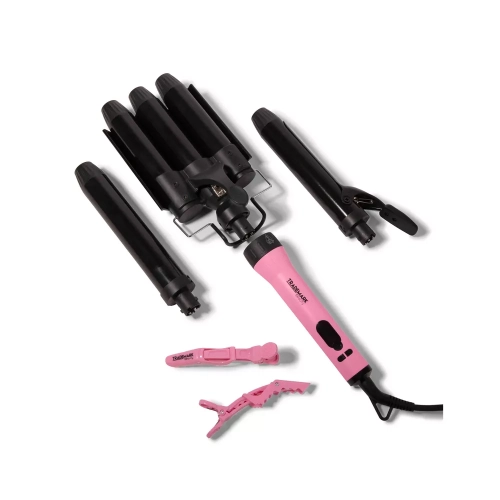
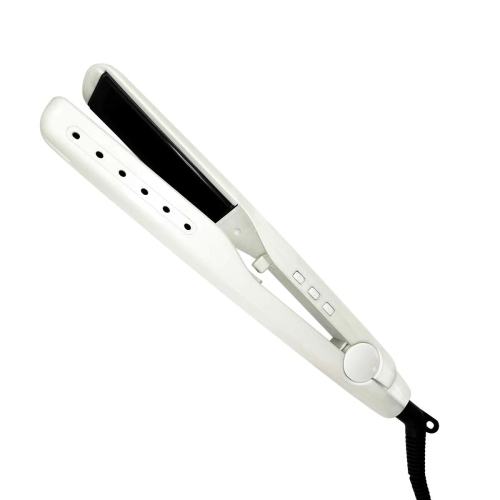
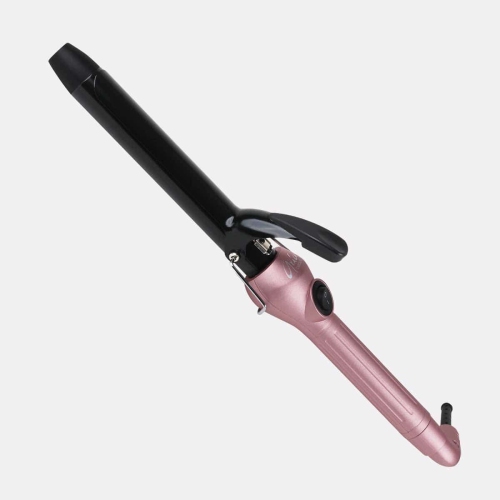
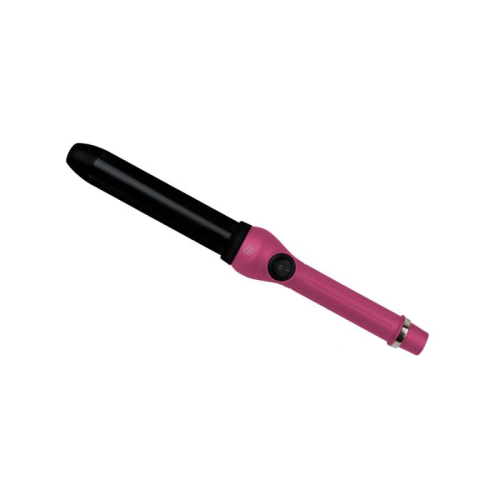
How narrow barrels shape springy ringlets and spirals
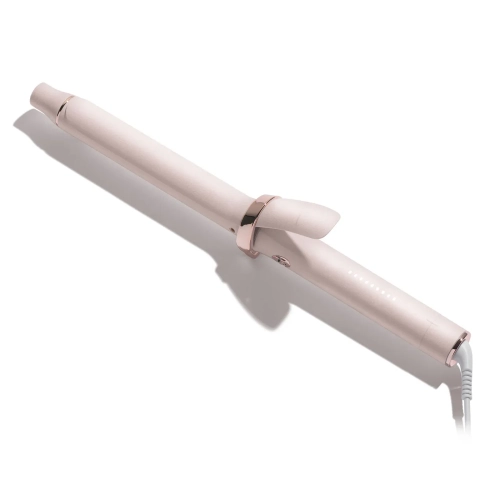
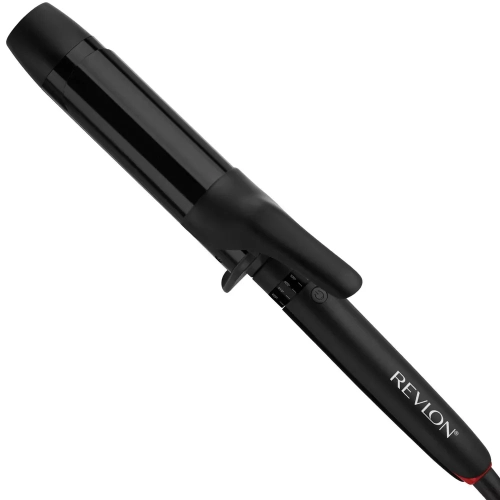
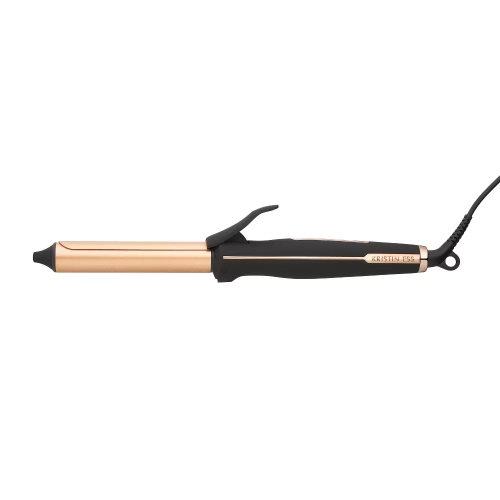
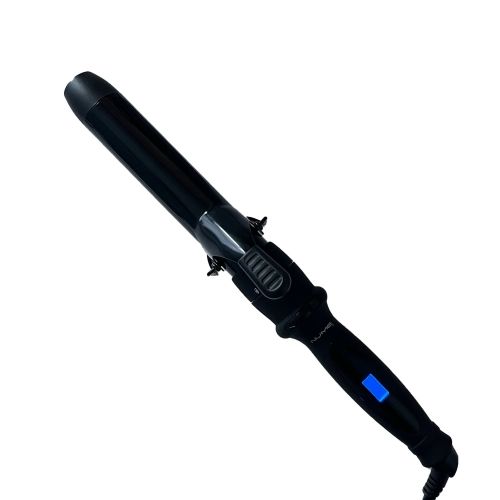
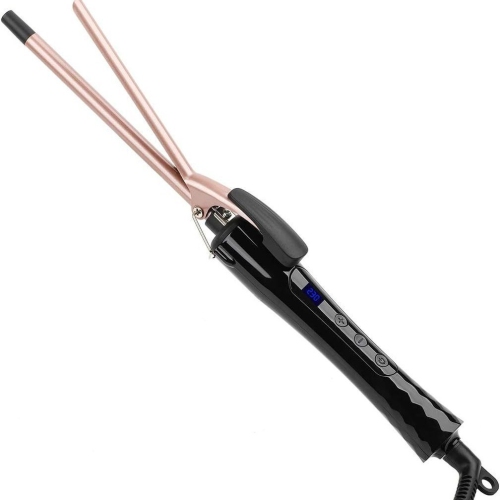
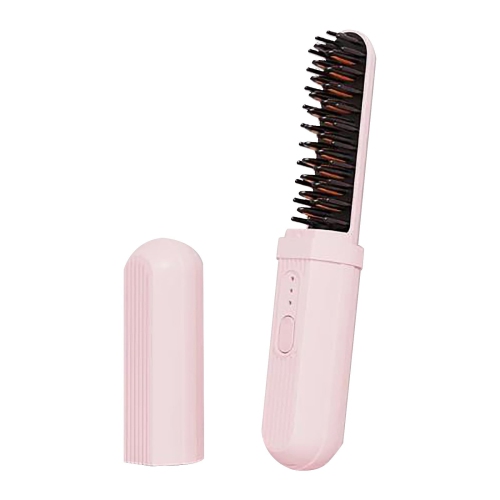
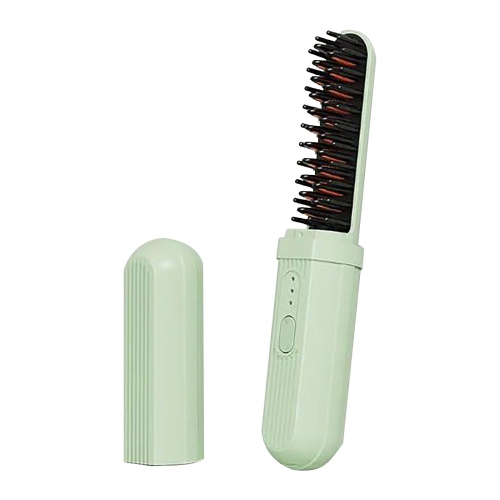
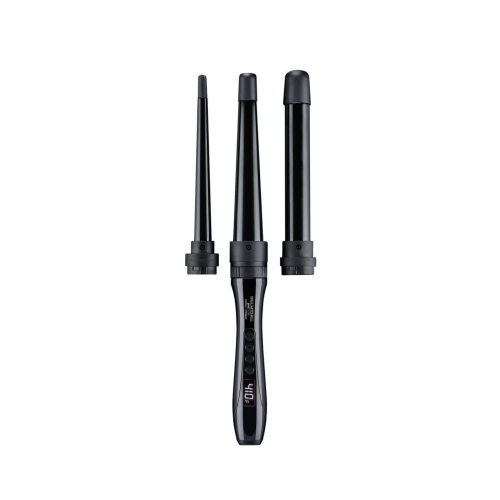
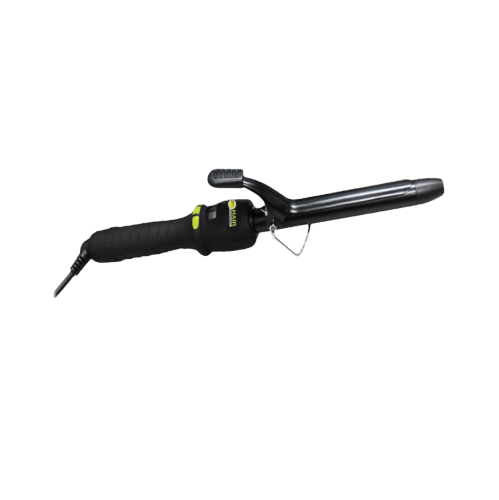
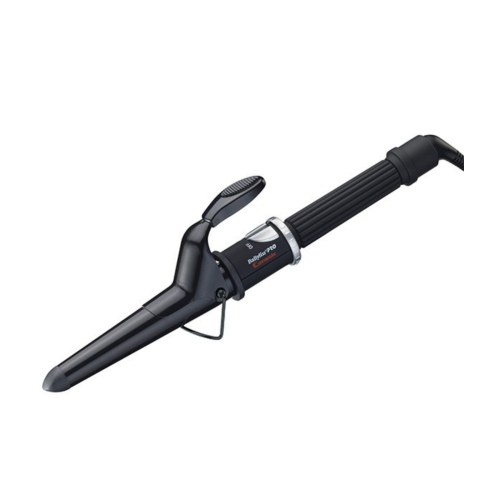
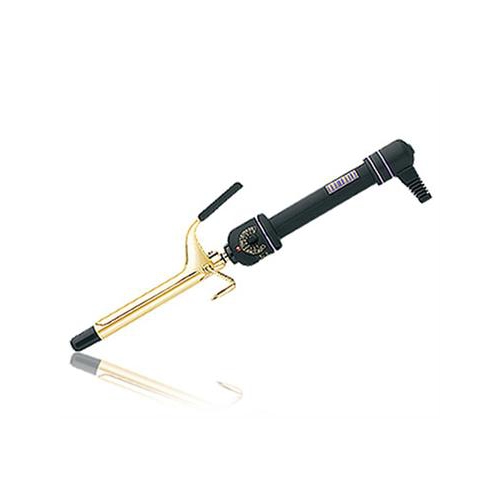
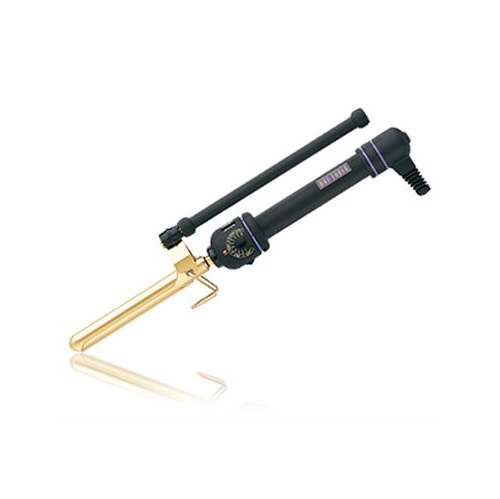
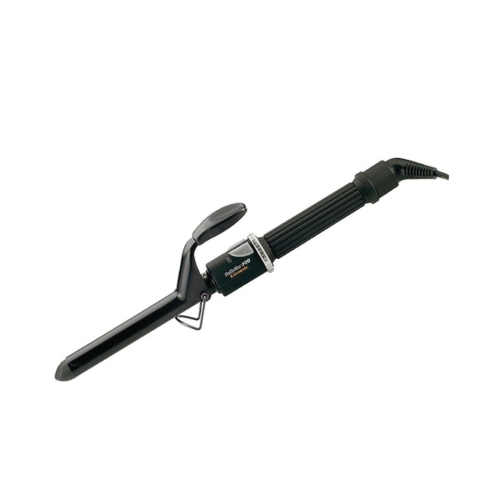
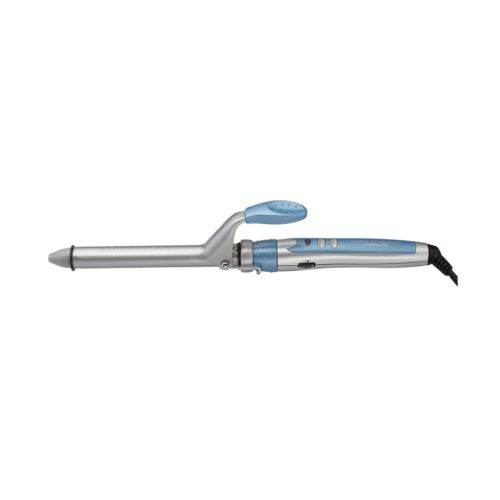
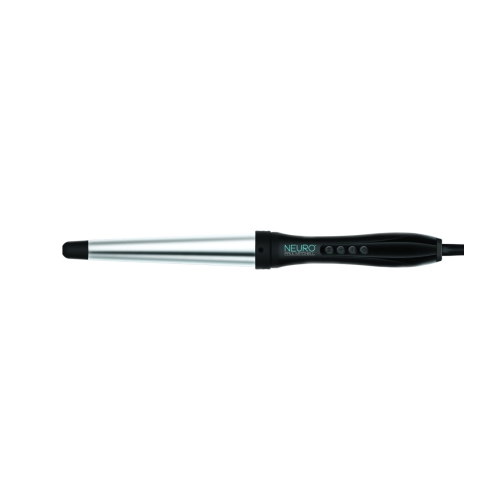
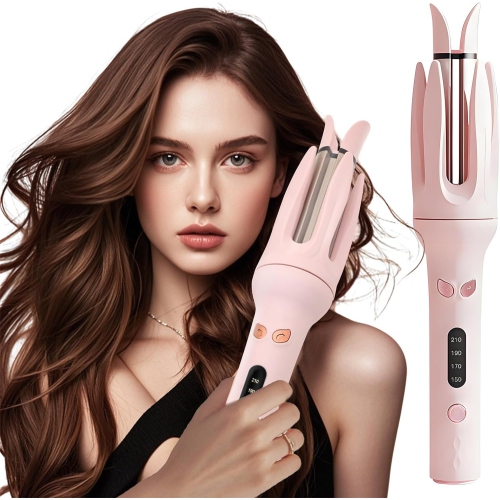
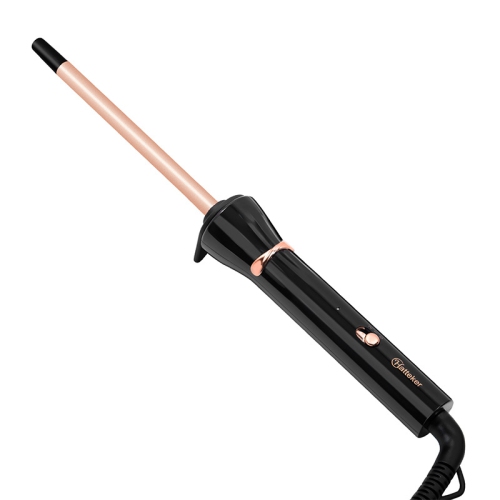
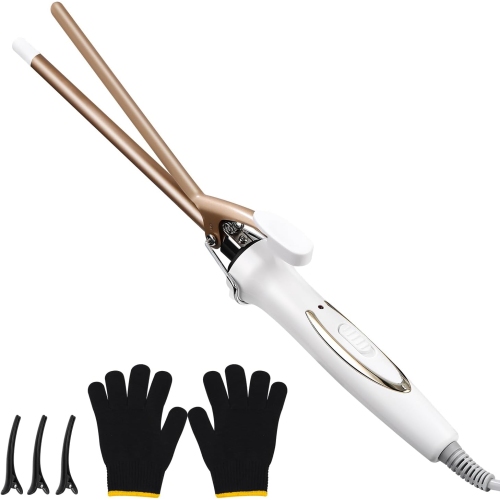
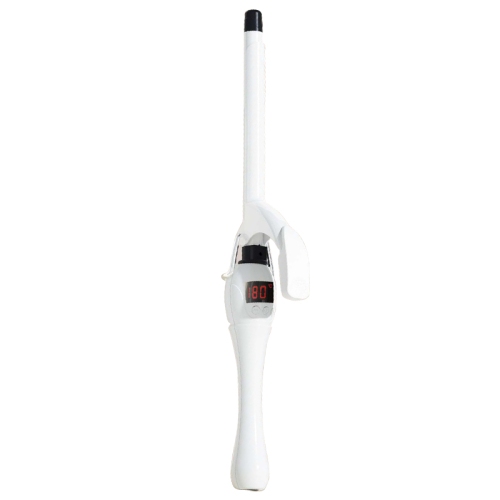
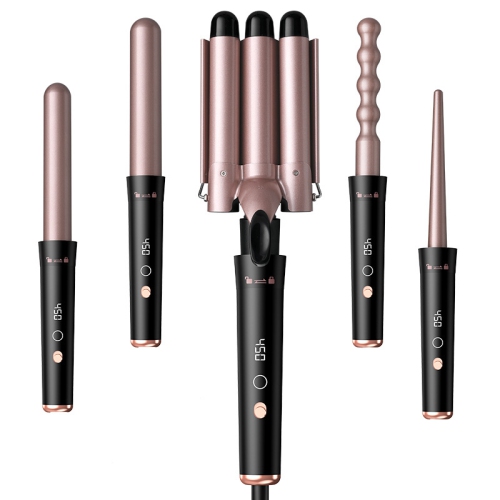
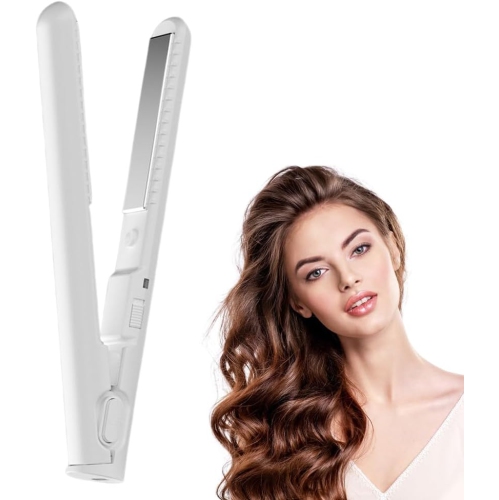
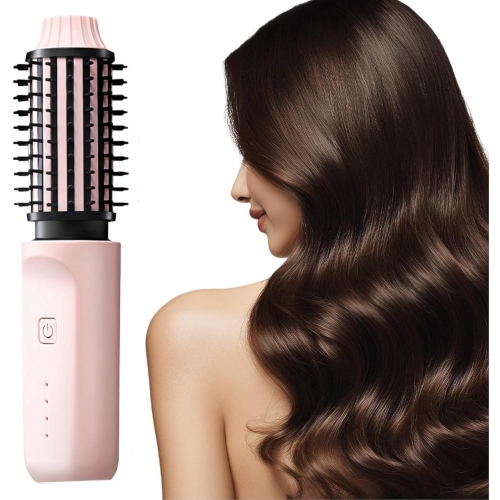
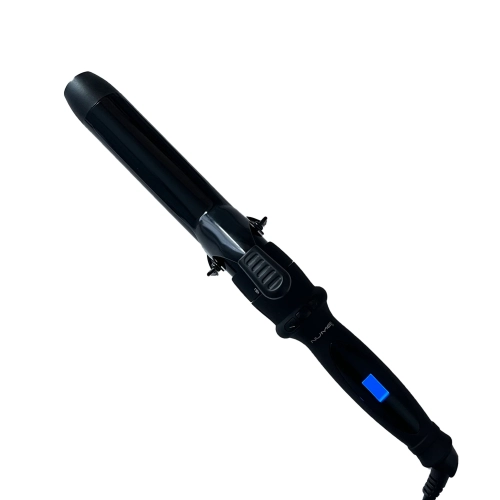
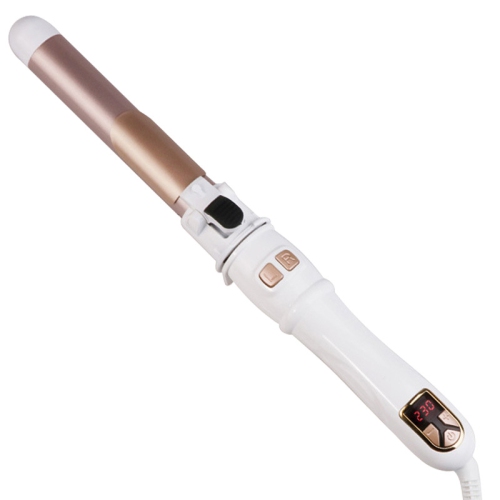
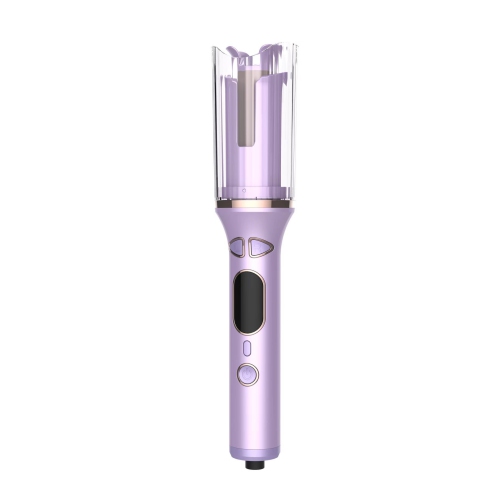
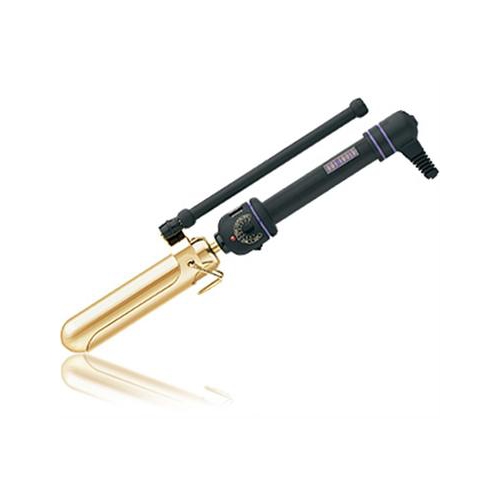
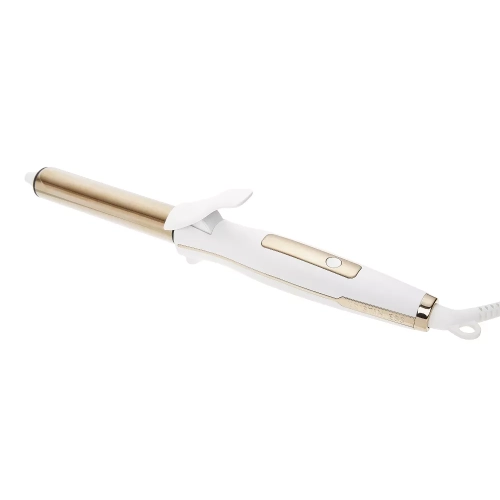
Curling irons for tight curls use a narrow heated barrel to shape hair into defined ringlets, springy spirals, and compact corkscrew curls. A barrel measuring approximately 3/8 inch to 1/2 inch is a common choice for these styles, while an extra-slim barrel around 9 mm can create a particularly small curl pattern. Barrel diameter is one of the most useful distinctions when comparing tools: a smaller barrel generally produces a tighter curl, although hair length, texture, section size, and styling technique all influence the finished result. These narrow tools suit more than an all-over ringlet look. They can add definition around the face, shape shorter layers, or refresh individual sections that look less defined than the surrounding curls. Someone with a bob might want compact curls with plenty of movement, while someone with long hair might prefer closely formed spirals that fall into a fuller silhouette. Hair appears shorter once it is curled tightly, so the same tool can create quite different proportions on shoulder-length and waist-length hair. Barrel length matters alongside diameter, particularly when there is a lot of hair to wrap; a longer working surface gives longer sections more room without excessive overlapping. For shorter hair, a slim barrel can make it easier to catch and shape small sections, provided there is enough length to wrap safely away from the scalp. The distinction between tight curls and loose waves also helps narrow the choice. Small barrels concentrate the bend into a compact shape, whereas larger barrels generally create broader curves and a more relaxed finish. For a softer style with less pronounced ringlets, Curling Irons for Wavy Hair offers a related category to consider. The right barrel is the one that supports the intended curl shape without relying on unnecessarily high heat or repeated passes over the same section.
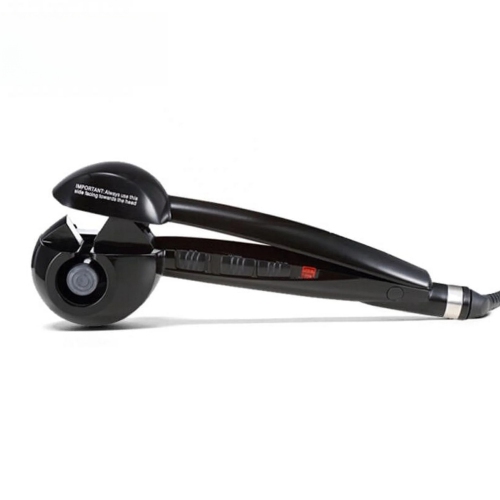
The choice between a traditional curling iron and a clipless wand affects both handling and the appearance of the curls. A clamp iron holds the hair against the barrel, which can be helpful for controlling the ends and producing a uniform curl from section to section. A smooth clamp with even tension is especially useful on fine strands that tend to slip, although placement takes practice to avoid leaving a visible crease. A wand leaves the hair free to wrap around the barrel, giving more flexibility over spacing and curl direction. A straight, narrow wand supports a consistent spiral diameter, while a tapered wand can create variation along the curl. Neither design is automatically better for every hair type; comfort, familiarity, and the desired finish are important parts of the fit. Ceramic styling surfaces are commonly used for relatively even heat distribution, but a ceramic coating and a solid ceramic component are not the same construction. Titanium surfaces typically transfer heat efficiently and may suit some coarse or resistant hair textures, though efficient heat transfer also makes careful temperature selection important. Tourmaline is often incorporated into a coating rather than forming the entire barrel, and no barrel material eliminates the possibility of heat damage. Adjustable heat settings are therefore more useful than a high maximum temperature alone. Fine, lightened, fragile, or chemically treated hair generally calls for a lower setting and greater caution, while thicker strands may need a different setting within the tool’s stated operating range. Hair density and strand thickness are separate considerations: a full head of fine hair does not necessarily need the same heat as coarse hair. A clear temperature display, accessible controls, and a setting lock can make a tool easier to manage without accidentally changing the heat mid-style. A comfortable handle, a swivel cord, and a well-positioned cool tip also matter during longer styling sessions, especially when reaching the back of the head. Automatic shut-off provides a useful safety feature, but it does not replace switching off and unplugging the tool after use.
Lasting curl definition depends on how the tool suits the hair as much as on the barrel itself. Naturally straight hair may relax after styling, while hair with an existing curl pattern may need only a few carefully shaped pieces to bring the overall look together. Smaller, manageable sections usually make contact with the barrel more evenly than thick sections, helping create a clearer spiral without holding hair against heat for longer than necessary. Conventional curling irons are intended for dry hair unless the manufacturer explicitly states otherwise, and a suitable heat protectant should be used according to its directions before styling. Allowing newly formed curls to cool before separating them helps preserve their shape; gentle finger separation gives a different finish from brushing, which can turn compact ringlets into a much fuller style. A lightweight finishing product may suit fine hair better than a heavy formula that weighs down the curl. For everyday use, practical details can be just as valuable as styling versatility. A stable safety stand and a heat-resistant resting surface help keep a hot barrel away from countertops, while a heat-resistant glove can reduce accidental contact when using a wand without making it safe to hold the heated surface. Durability depends on the whole construction, including the clamp mechanism, cord connection, controls, and condition of the barrel coating. Once the iron is unplugged and fully cool, cleaning away styling residue as directed by the manufacturer helps keep the surface smooth; abrasive cleaners and scraping can damage coatings. The cord should be stored loosely rather than wound tightly around the handle, and a tool with a damaged cord or flaking styling surface should not remain in use. For travel, voltage compatibility must be confirmed from the tool’s specifications, since a plug adapter does not convert voltage. As a gift, a narrow-barrel curling iron is most useful for someone who enjoys defined curls or wants a tool for detailed styling. Matching the barrel shape, controls, and handling to that person’s routine makes it a more thoughtful choice than focusing on maximum heat or appearance alone.
The choice between a traditional curling iron and a clipless wand affects both handling and the appearance of the curls. A clamp iron holds the hair against the barrel, which can be helpful for controlling the ends and producing a uniform curl from section to section. A smooth clamp with even tension is especially useful on fine strands that tend to slip, although placement takes practice to avoid leaving a visible crease. A wand leaves the hair free to wrap around the barrel, giving more flexibility over spacing and curl direction. A straight, narrow wand supports a consistent spiral diameter, while a tapered wand can create variation along the curl. Neither design is automatically better for every hair type; comfort, familiarity, and the desired finish are important parts of the fit. Ceramic styling surfaces are commonly used for relatively even heat distribution, but a ceramic coating and a solid ceramic component are not the same construction. Titanium surfaces typically transfer heat efficiently and may suit some coarse or resistant hair textures, though efficient heat transfer also makes careful temperature selection important. Tourmaline is often incorporated into a coating rather than forming the entire barrel, and no barrel material eliminates the possibility of heat damage. Adjustable heat settings are therefore more useful than a high maximum temperature alone. Fine, lightened, fragile, or chemically treated hair generally calls for a lower setting and greater caution, while thicker strands may need a different setting within the tool’s stated operating range. Hair density and strand thickness are separate considerations: a full head of fine hair does not necessarily need the same heat as coarse hair. A clear temperature display, accessible controls, and a setting lock can make a tool easier to manage without accidentally changing the heat mid-style. A comfortable handle, a swivel cord, and a well-positioned cool tip also matter during longer styling sessions, especially when reaching the back of the head. Automatic shut-off provides a useful safety feature, but it does not replace switching off and unplugging the tool after use.
Lasting curl definition depends on how the tool suits the hair as much as on the barrel itself. Naturally straight hair may relax after styling, while hair with an existing curl pattern may need only a few carefully shaped pieces to bring the overall look together. Smaller, manageable sections usually make contact with the barrel more evenly than thick sections, helping create a clearer spiral without holding hair against heat for longer than necessary. Conventional curling irons are intended for dry hair unless the manufacturer explicitly states otherwise, and a suitable heat protectant should be used according to its directions before styling. Allowing newly formed curls to cool before separating them helps preserve their shape; gentle finger separation gives a different finish from brushing, which can turn compact ringlets into a much fuller style. A lightweight finishing product may suit fine hair better than a heavy formula that weighs down the curl. For everyday use, practical details can be just as valuable as styling versatility. A stable safety stand and a heat-resistant resting surface help keep a hot barrel away from countertops, while a heat-resistant glove can reduce accidental contact when using a wand without making it safe to hold the heated surface. Durability depends on the whole construction, including the clamp mechanism, cord connection, controls, and condition of the barrel coating. Once the iron is unplugged and fully cool, cleaning away styling residue as directed by the manufacturer helps keep the surface smooth; abrasive cleaners and scraping can damage coatings. The cord should be stored loosely rather than wound tightly around the handle, and a tool with a damaged cord or flaking styling surface should not remain in use. For travel, voltage compatibility must be confirmed from the tool’s specifications, since a plug adapter does not convert voltage. As a gift, a narrow-barrel curling iron is most useful for someone who enjoys defined curls or wants a tool for detailed styling. Matching the barrel shape, controls, and handling to that person’s routine makes it a more thoughtful choice than focusing on maximum heat or appearance alone.
Top selling and popular products
-
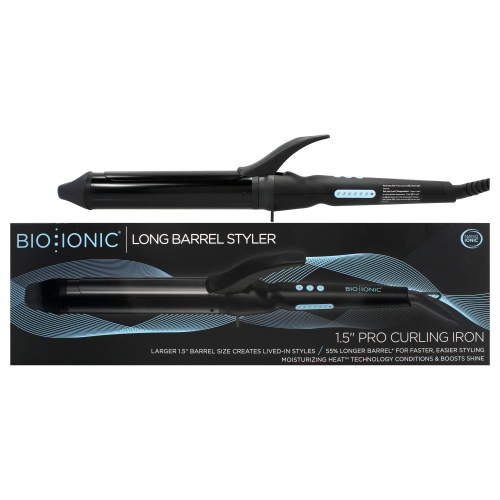 Your price for this item is $136.76
 -
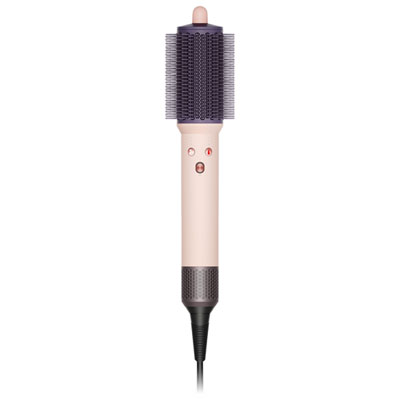 Your price for this item is $349.99
 -
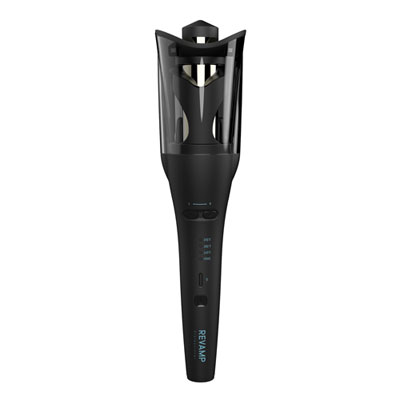 Your price for this item is $149.99
 -
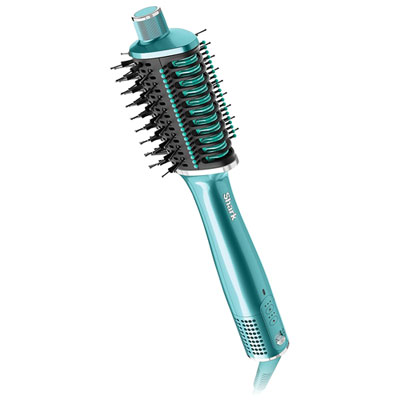 Your price for this item is $229.99
 -
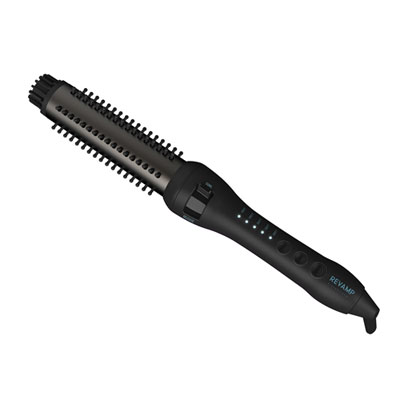 Your price for this item is $59.98
 -
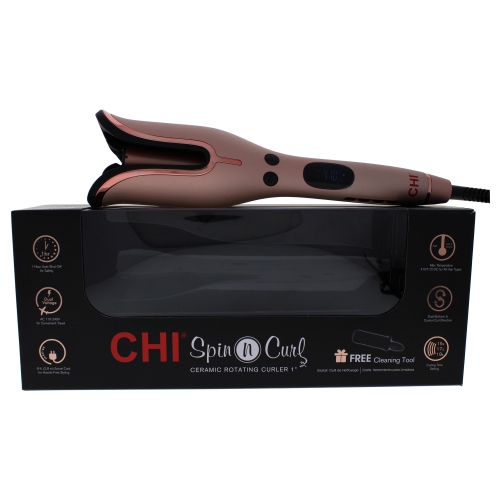 Your price for this item is $318.99
 -
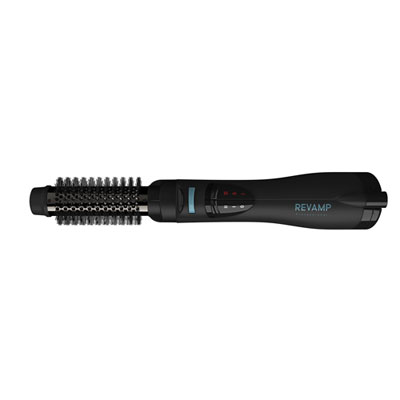 Your price for this item is $149.99
 -
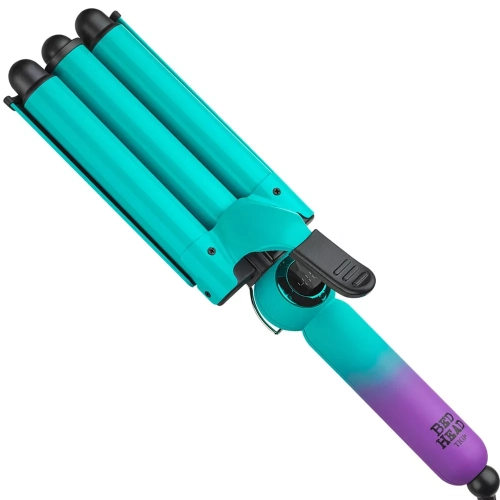 Your price for this item is $197.99
Discover more categories related to Curling Irons for Tight Curls
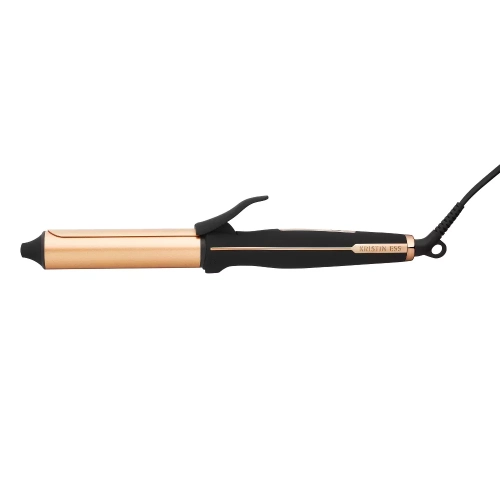
Top Collections:
Pokemon Centers, Kindle Devices, Best Budget Office Chairs, Apple iPhones 16, Best Laptops for Writers, iPhone 15 Apple, Canon G7X Cameras, Refurbished Apple Laptops, Alarm Clock, Motorola Razr Phones
Some products may be subject to Environmental Handling Fees
(EHF) depending on your province.
Learn more about EHFs.