Ear Hair Shavers
Our handy grooming tools are designed to effortlessly trim unwanted hair from your ears, leaving you with a clean and polished look. Whether you're getting ready for an important meeting or simply want to maintain your well-groomed appearance, our range of ear hair shavers offers the perfect blend of precision and convenience. Say goodbye to unruly ear hair and hello to a sleek and sophisticated look with our selection of top-notch ear hair shavers.
Sort
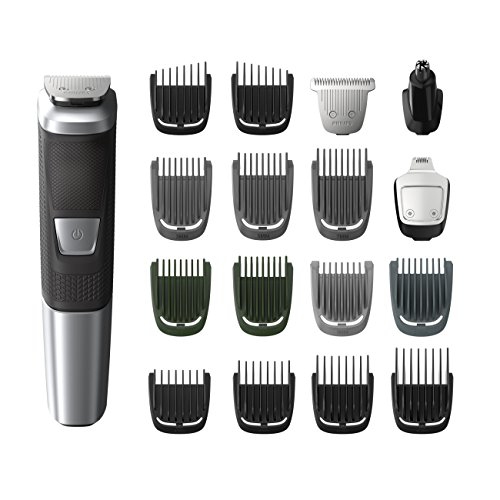

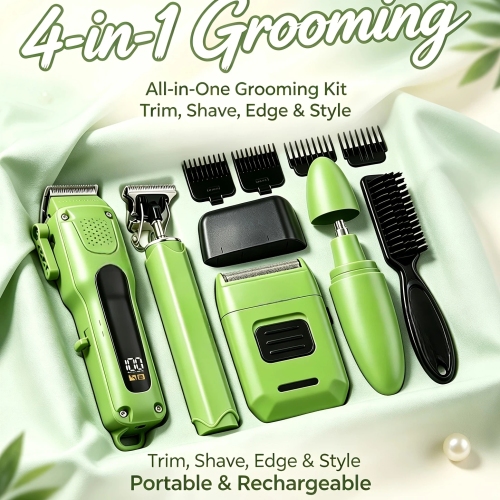
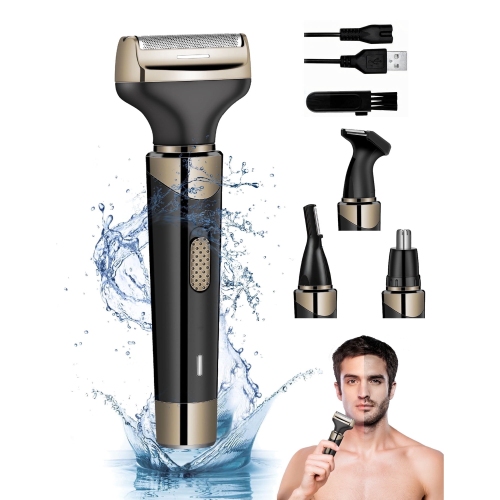
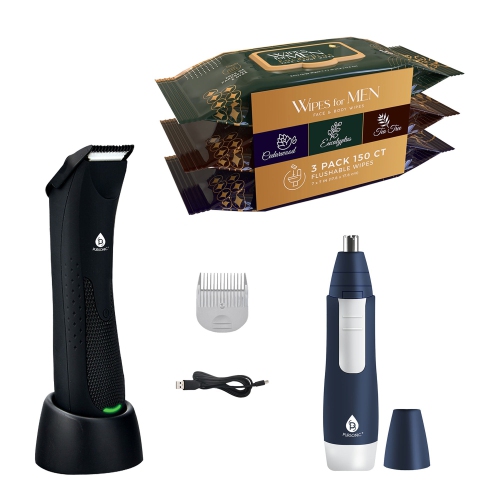
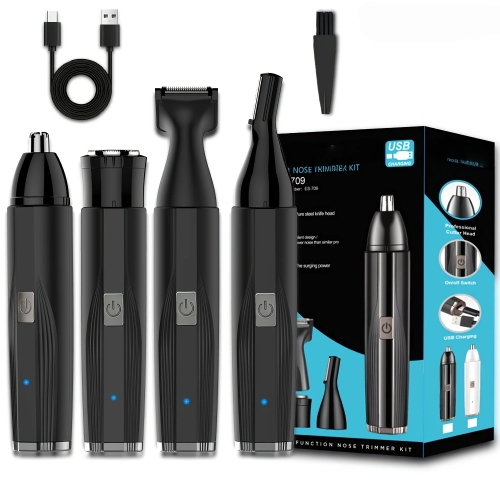
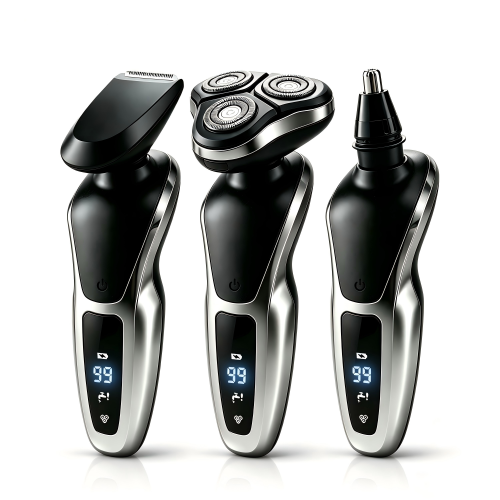
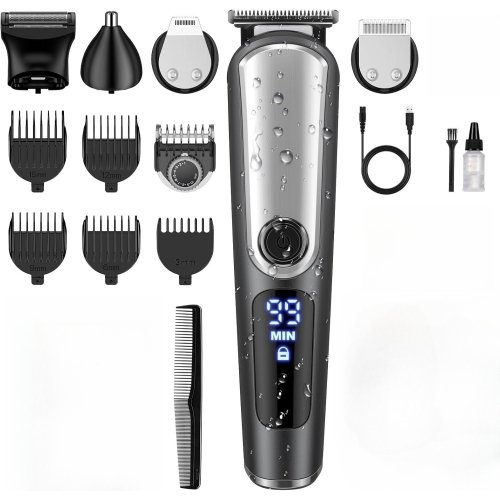


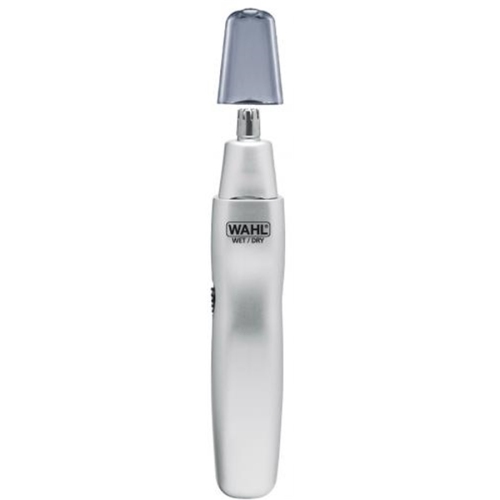



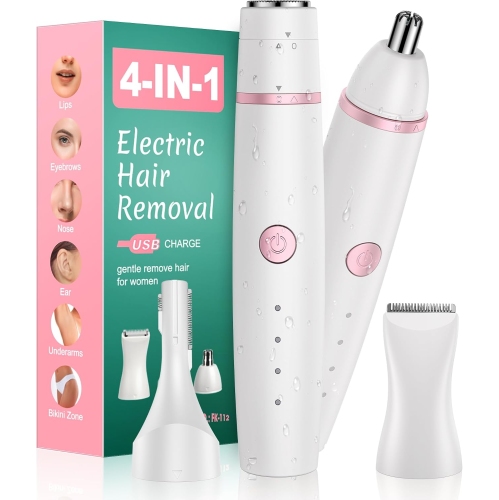
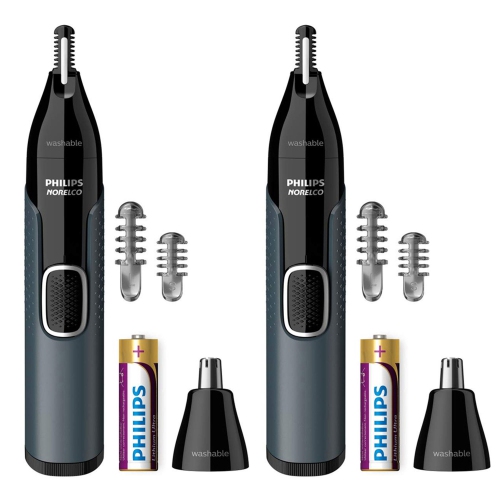
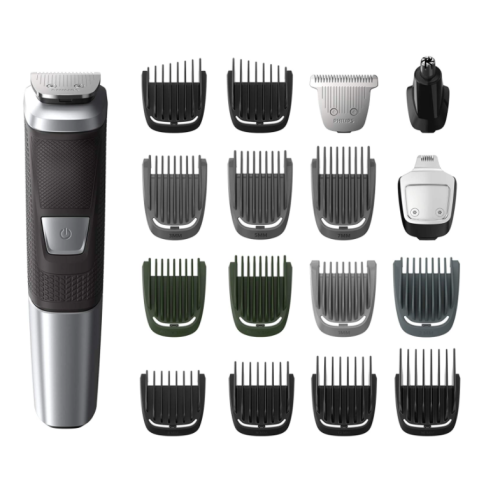
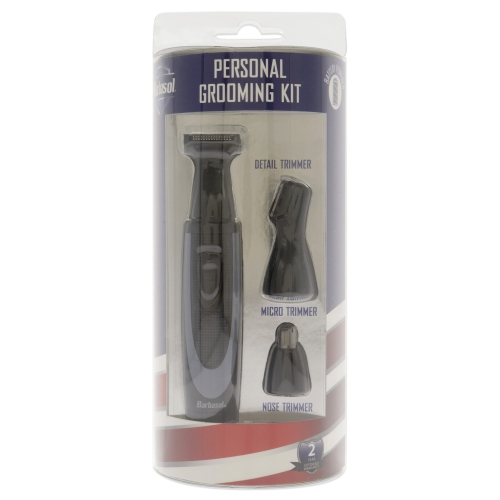
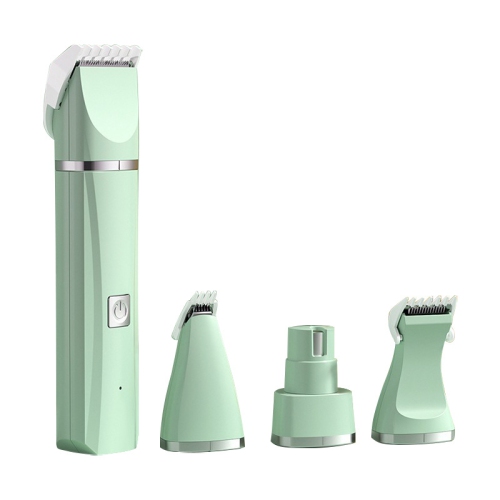
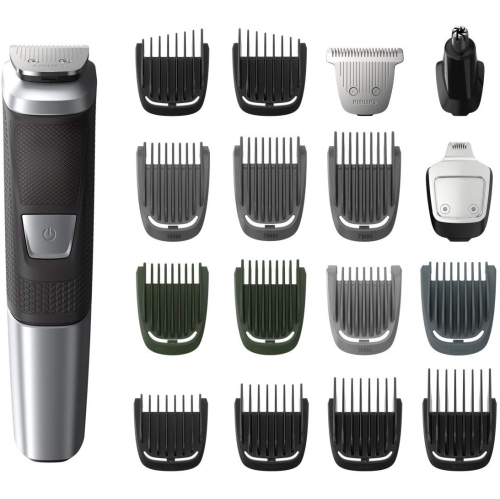
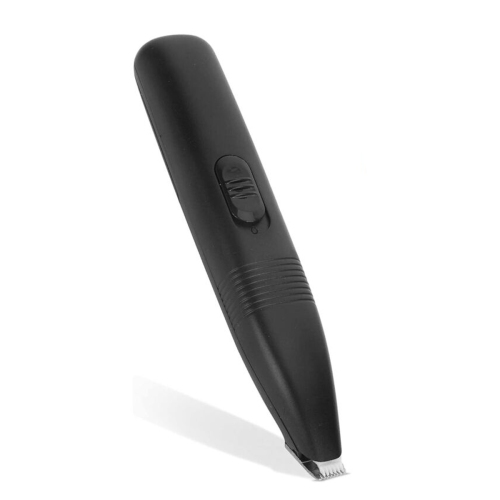
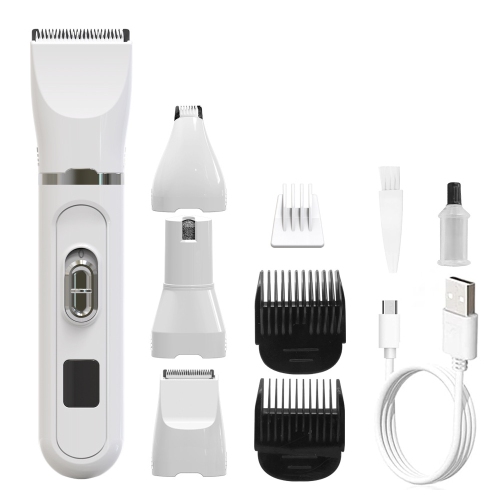
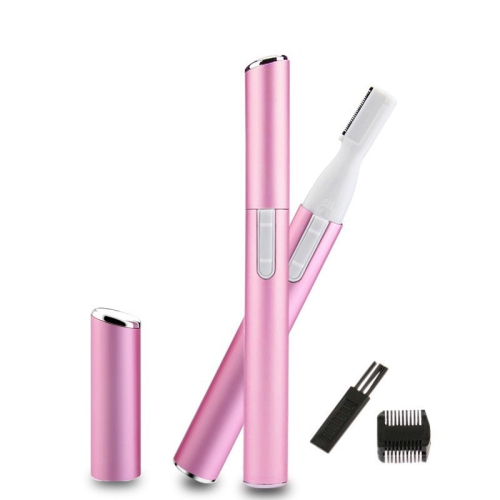
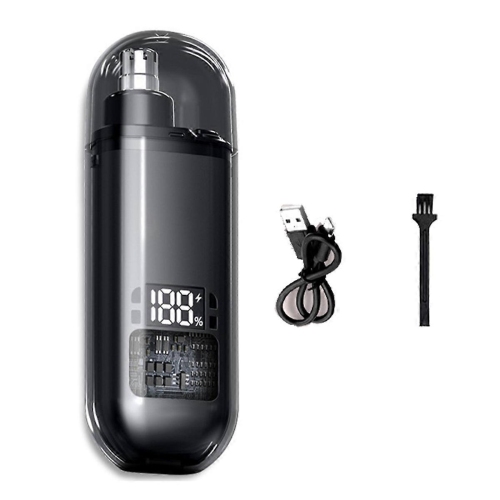
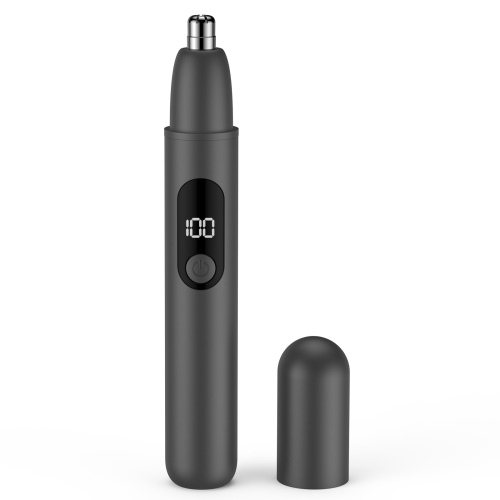
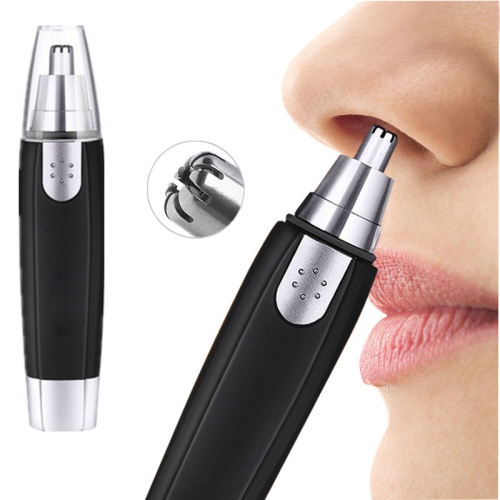

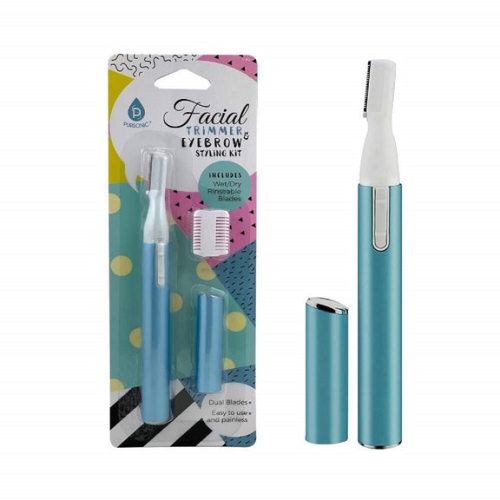
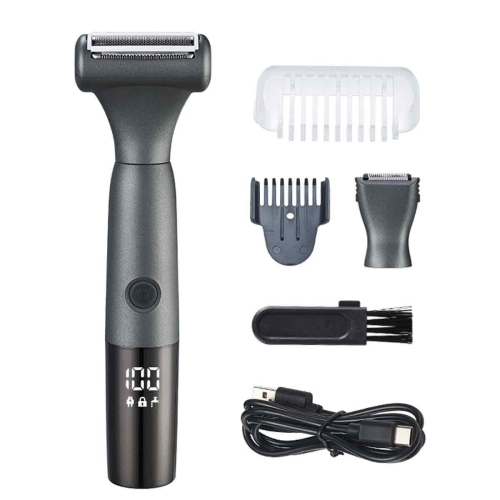

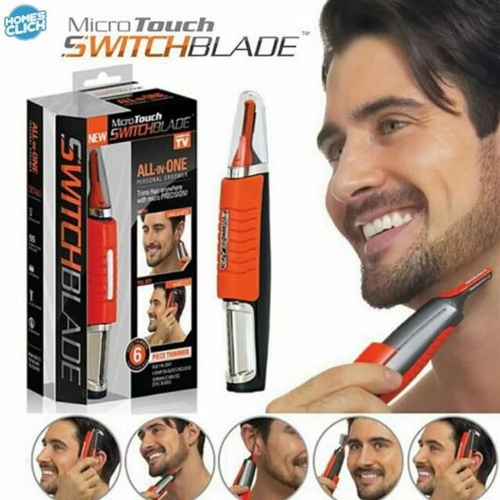
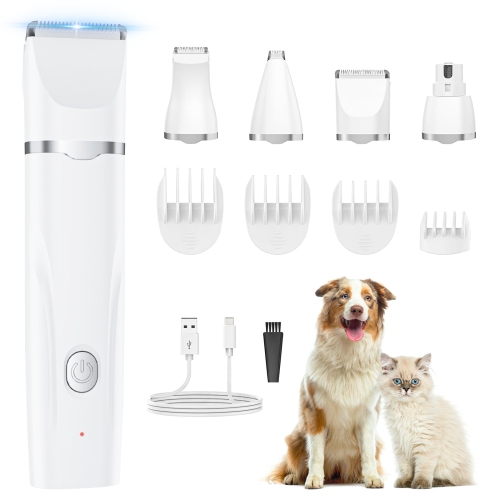

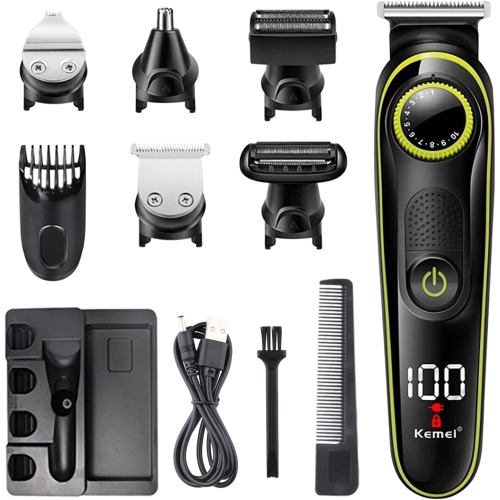
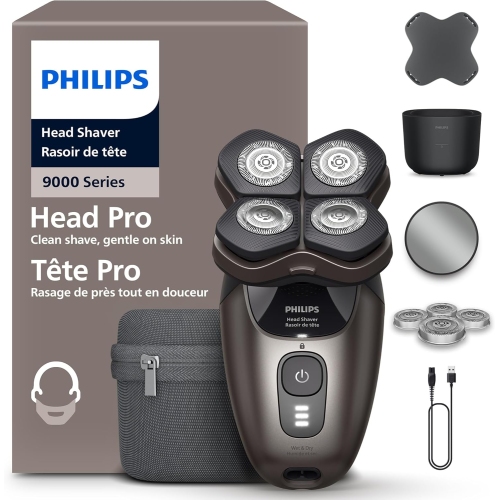
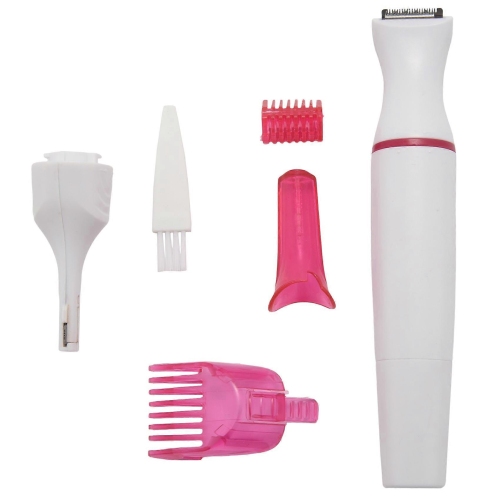
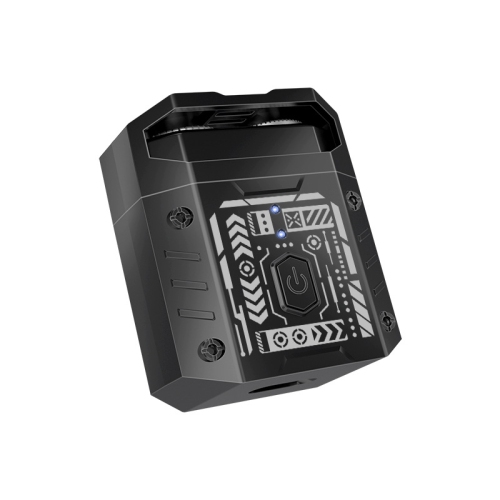
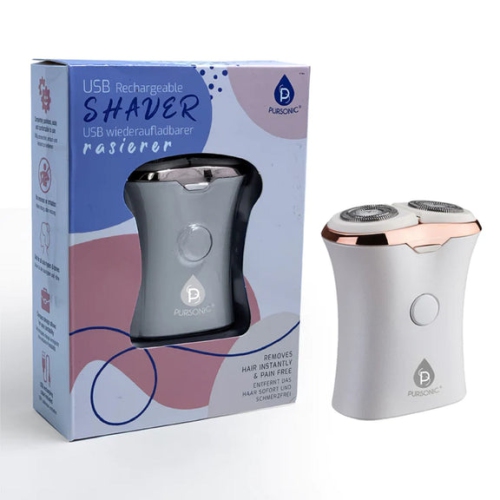
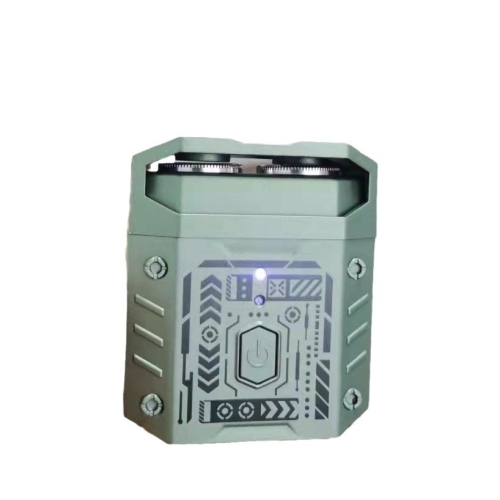
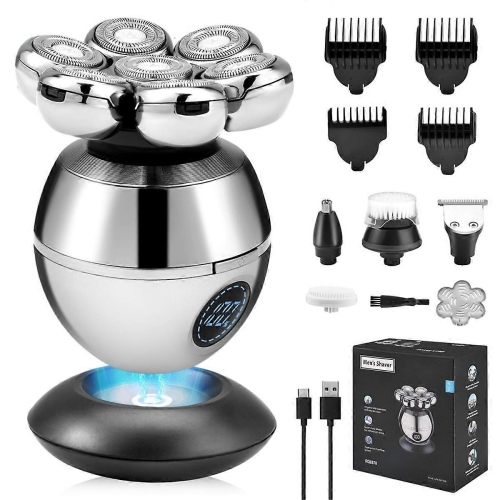
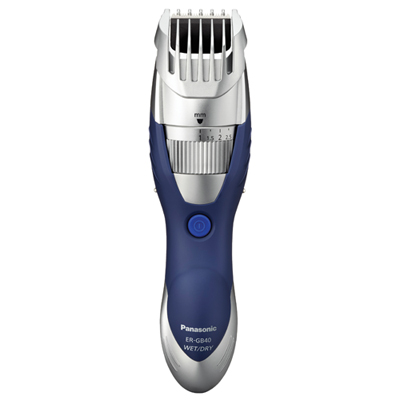


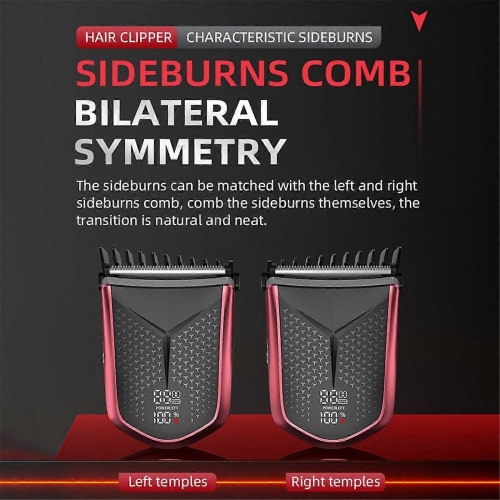
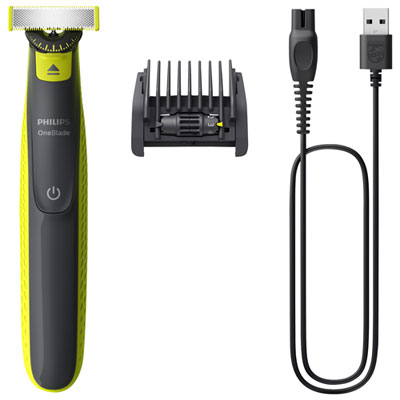
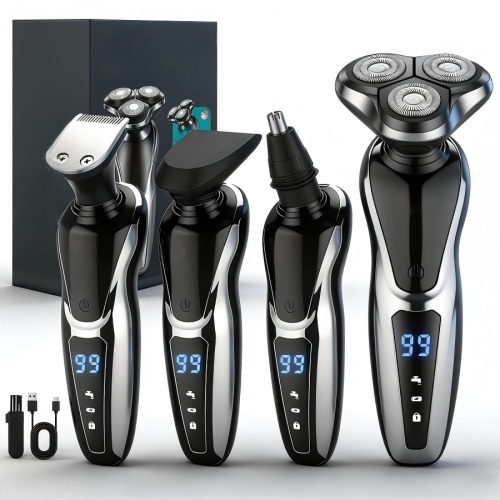
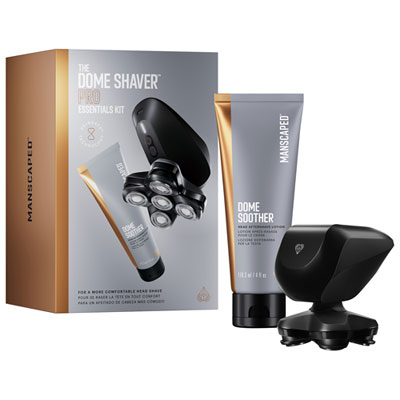
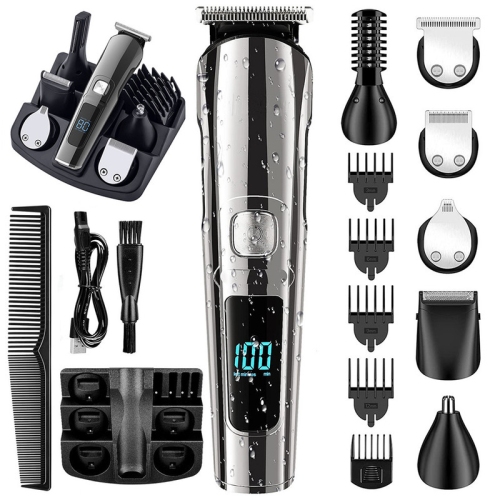
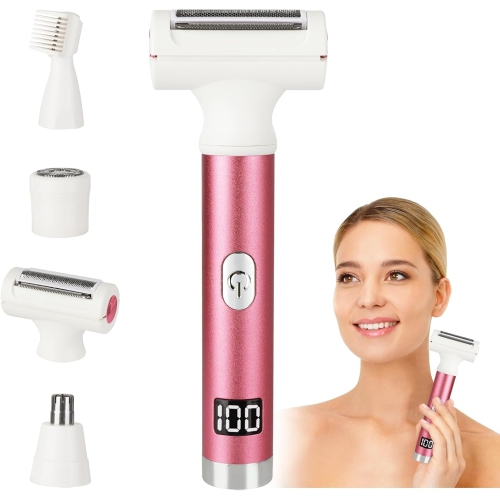
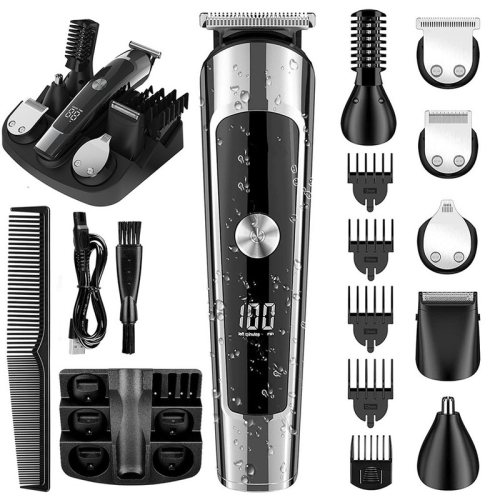
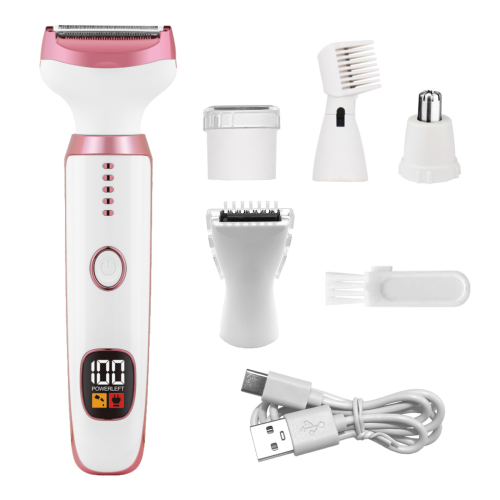
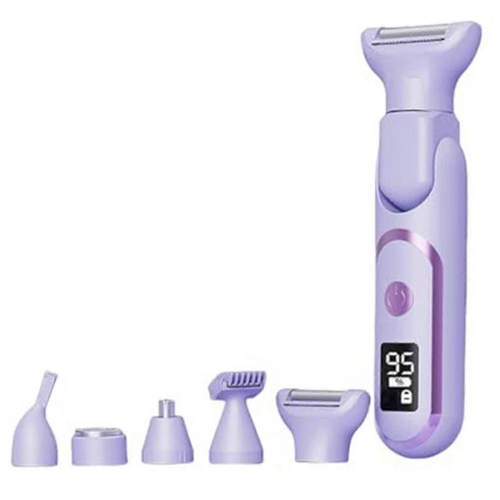
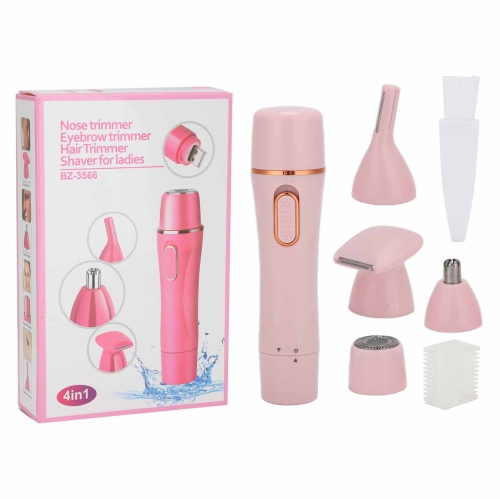
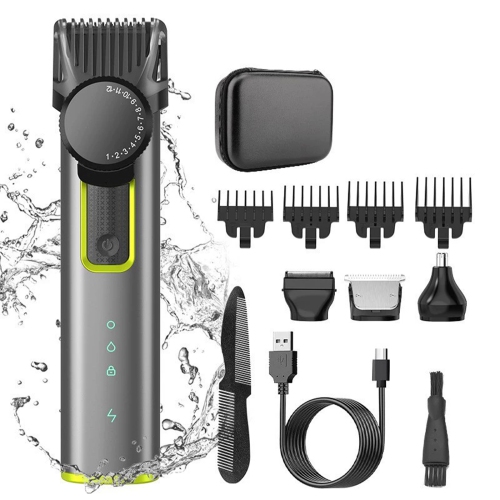
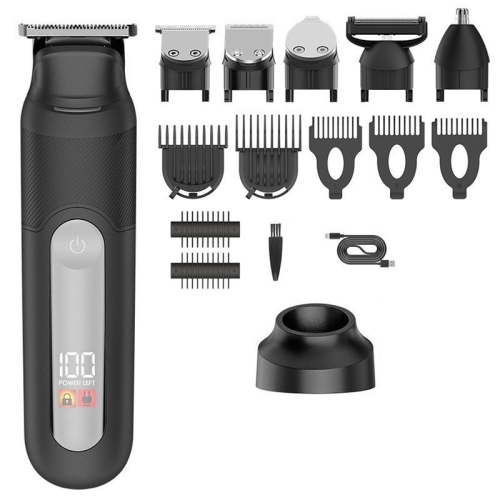
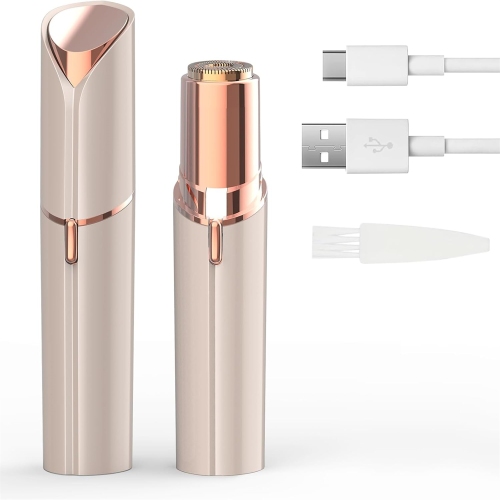

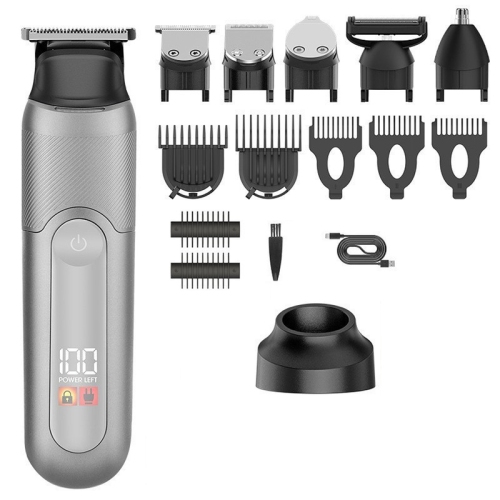
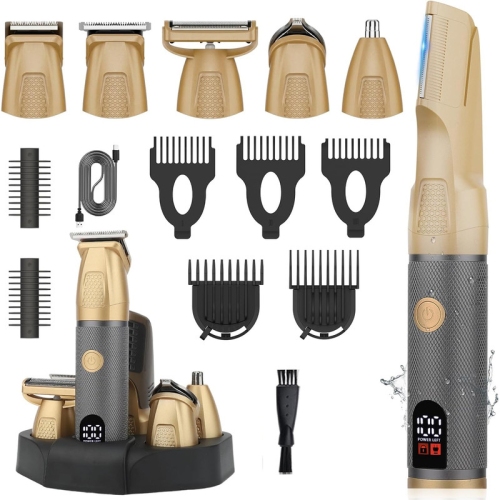
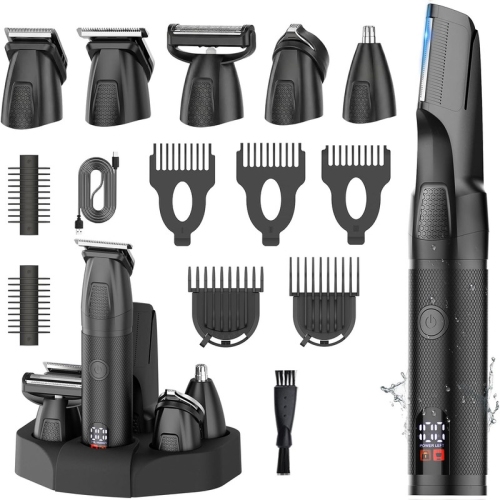
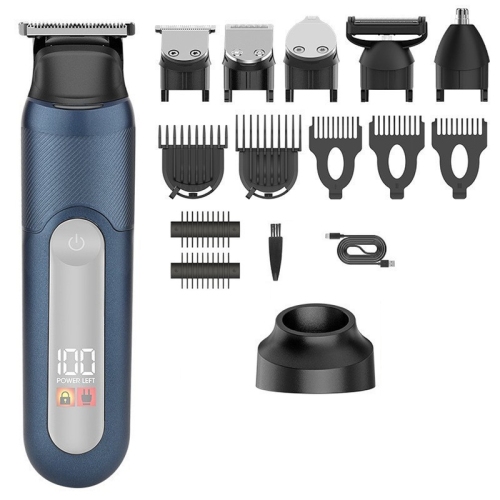
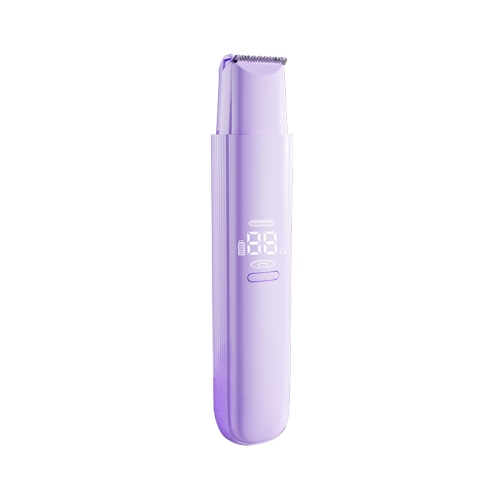
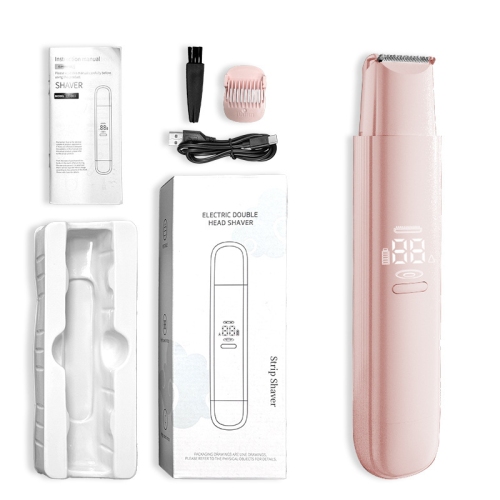
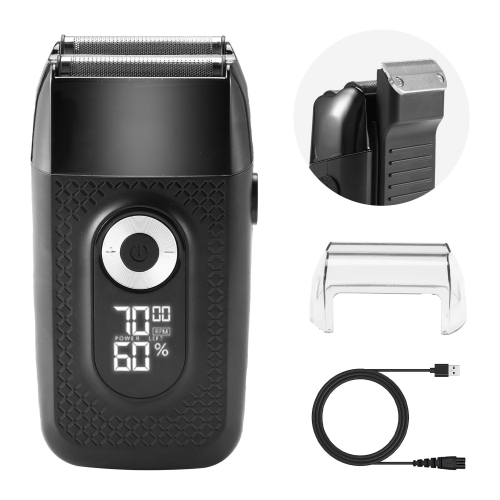
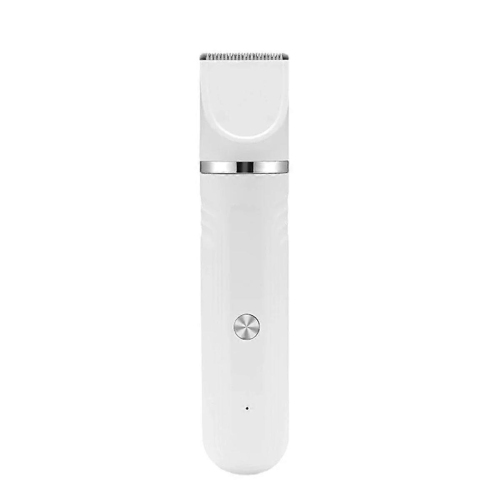
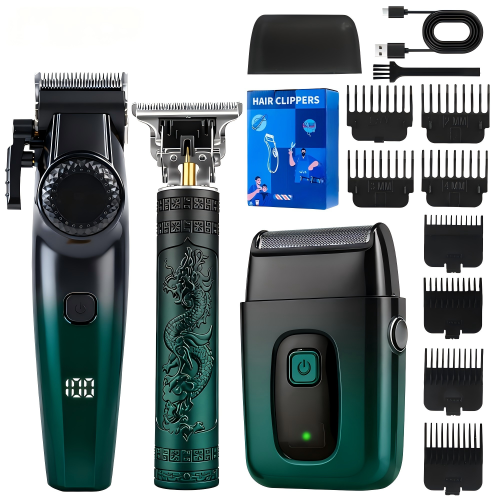
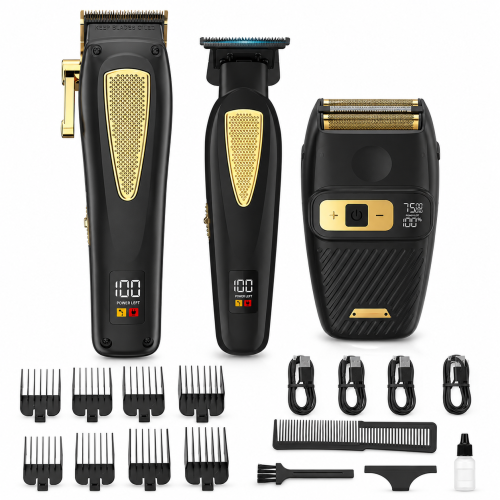
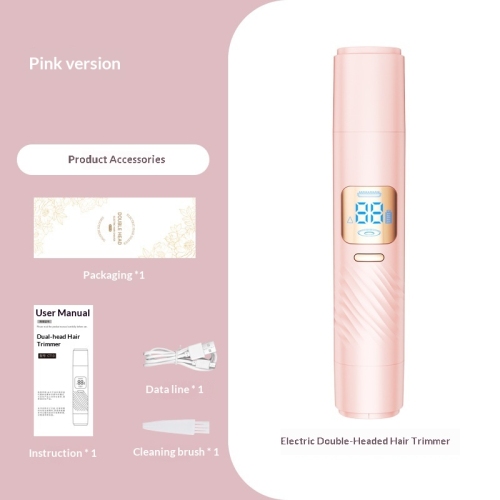
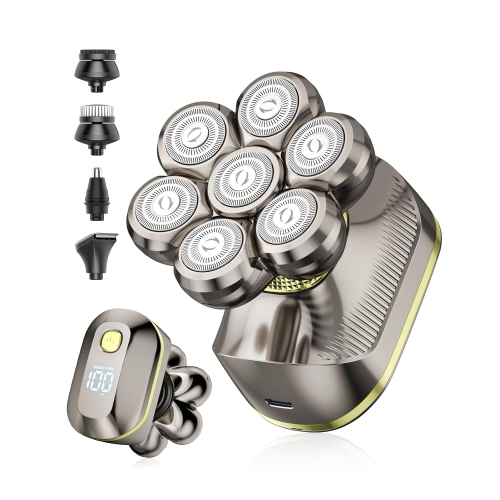
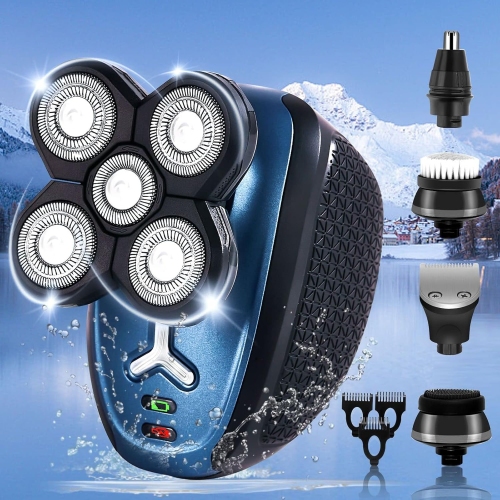
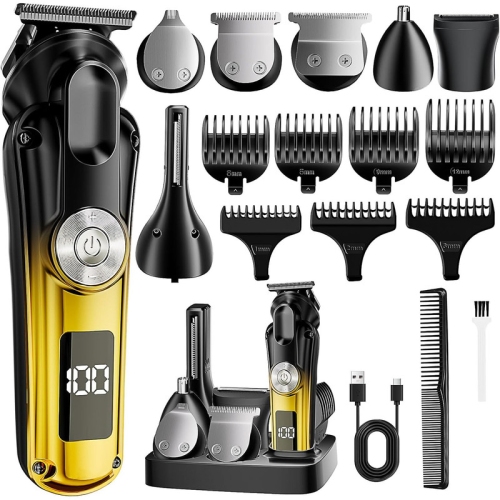
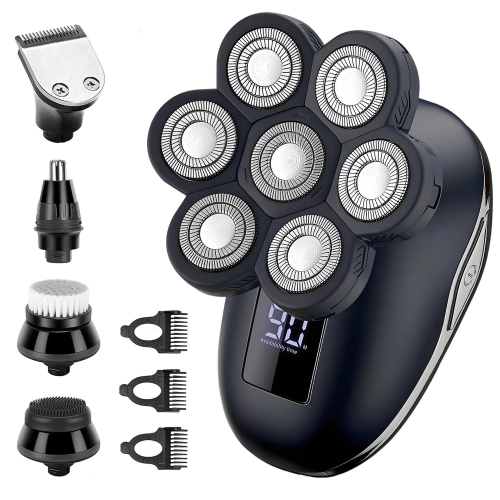
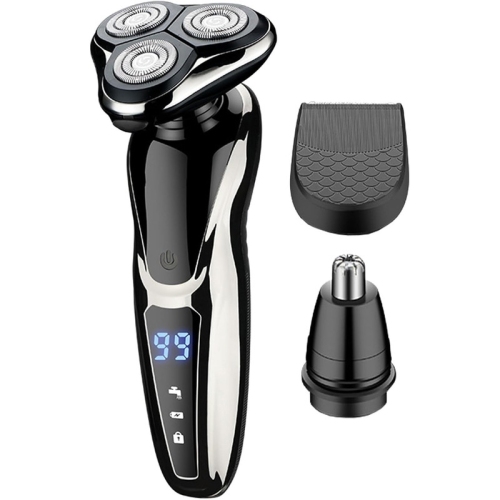

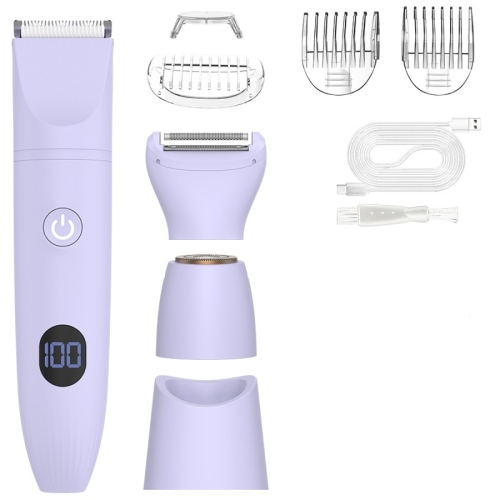
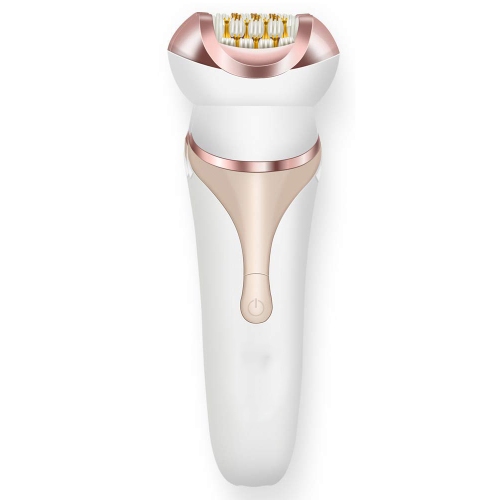
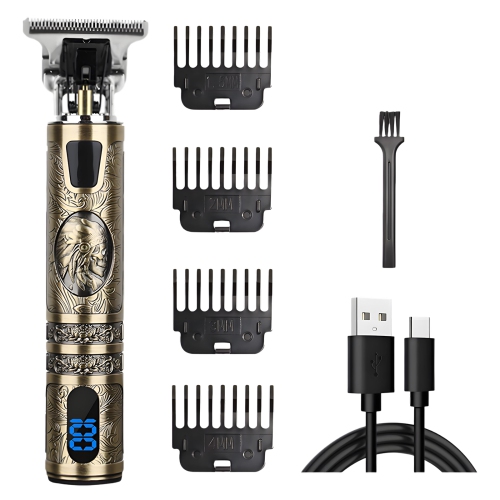
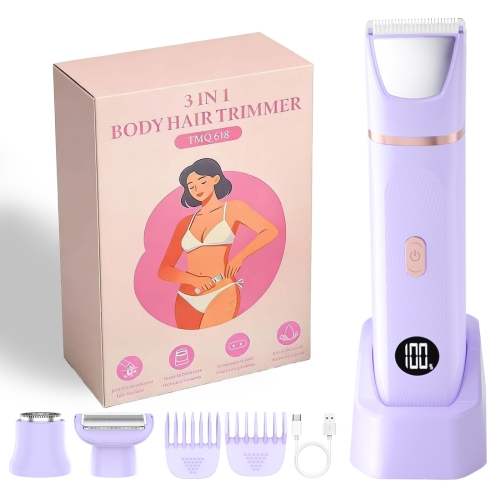
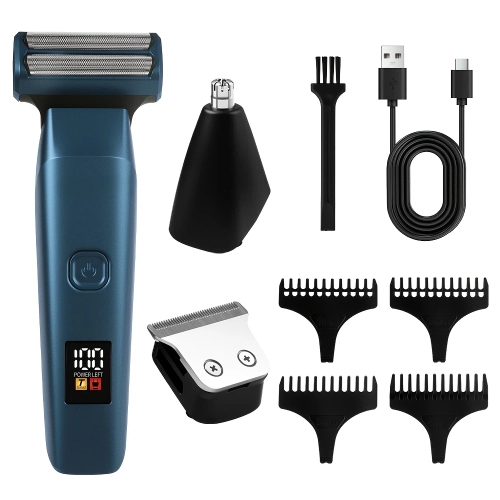
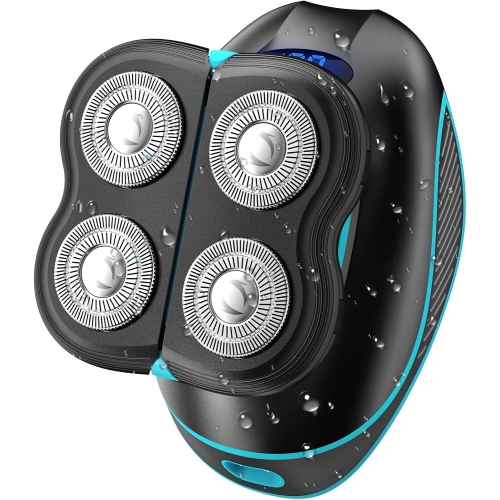
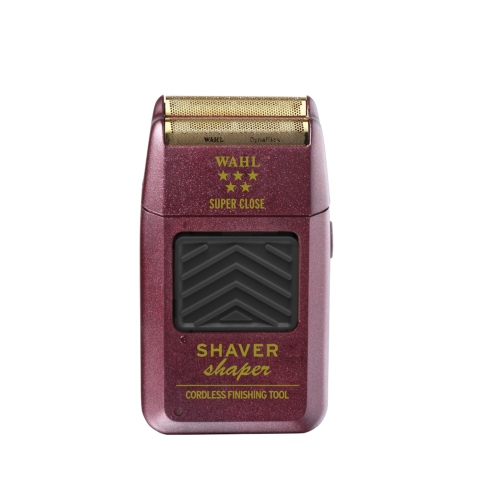
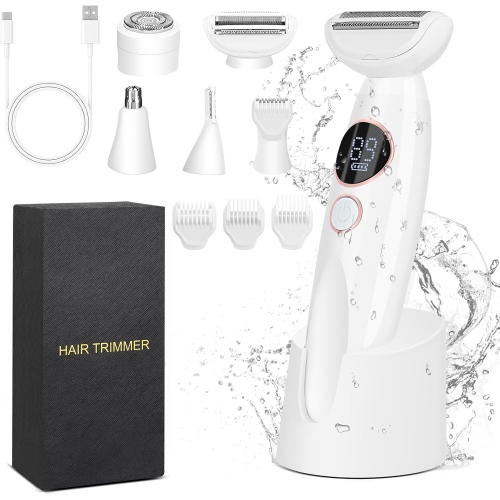
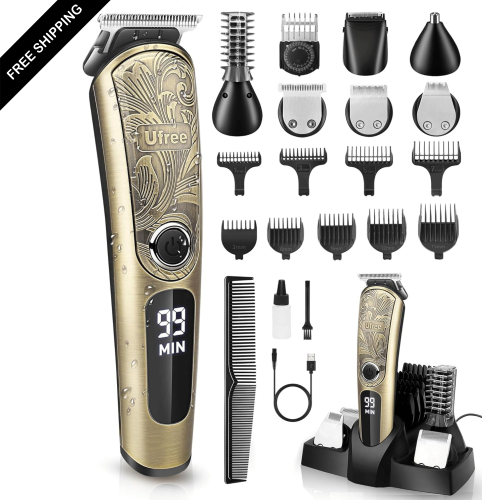
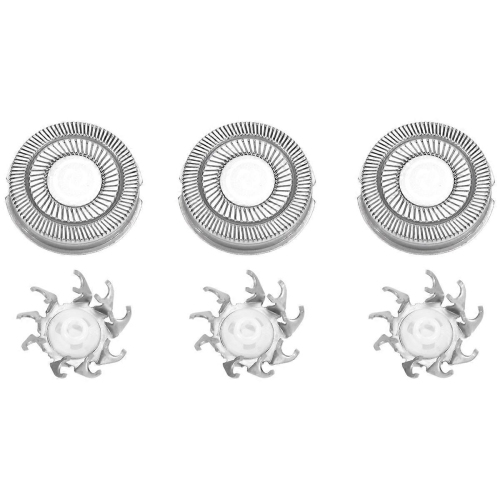
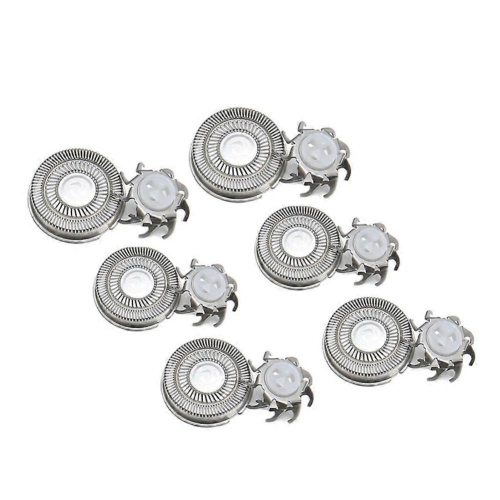
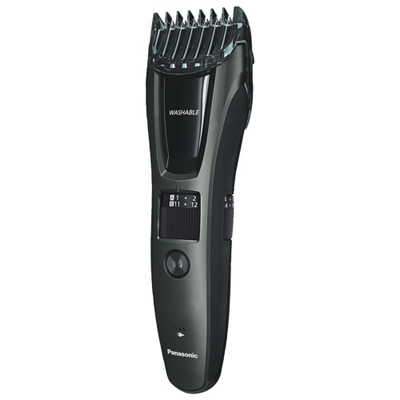
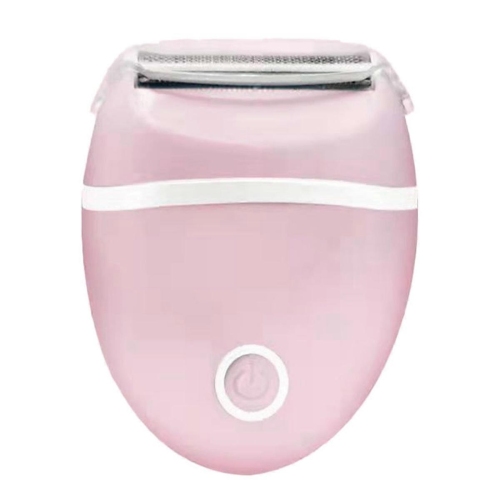
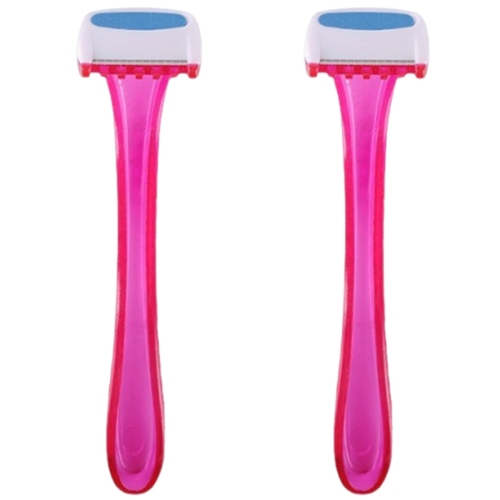
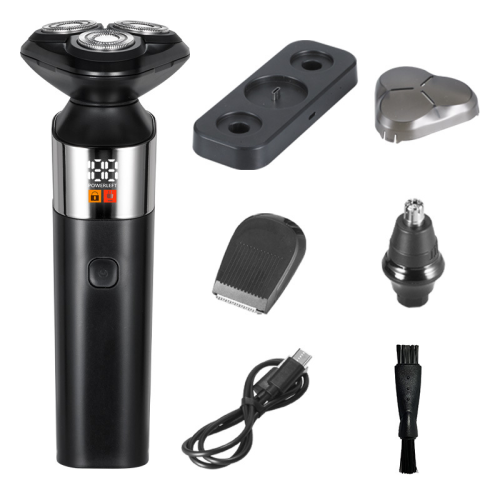
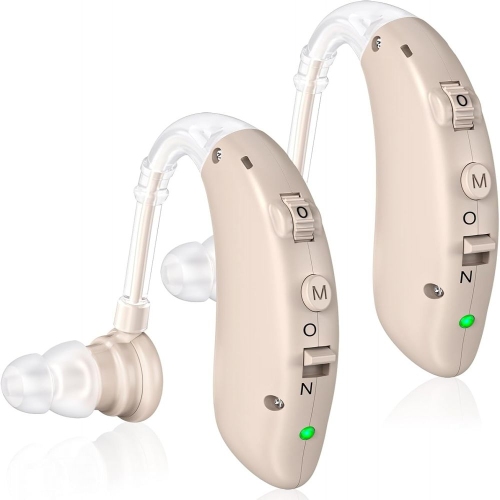


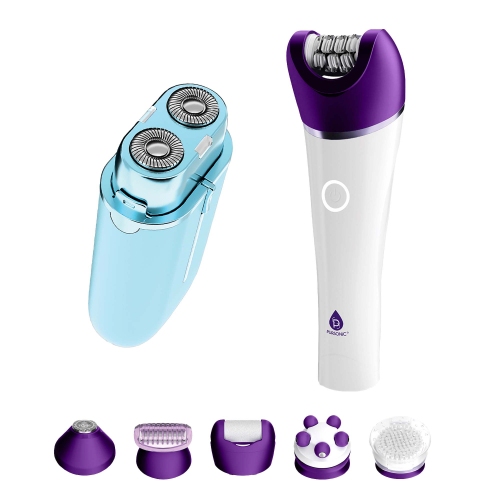
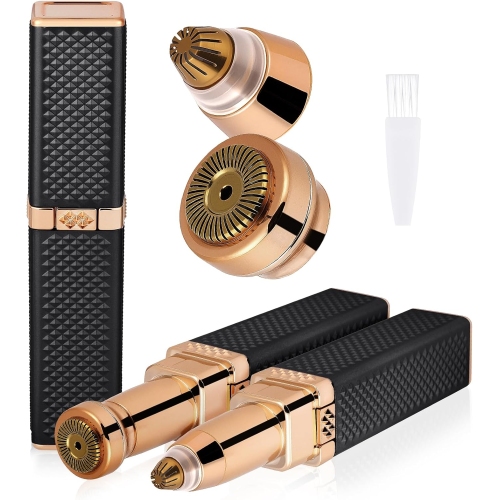


What matters most for comfortable, controlled ear grooming
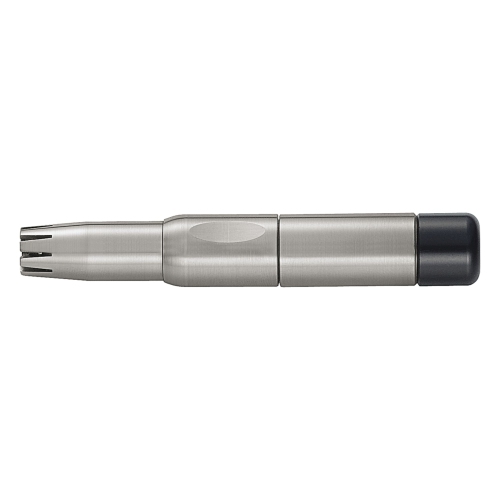
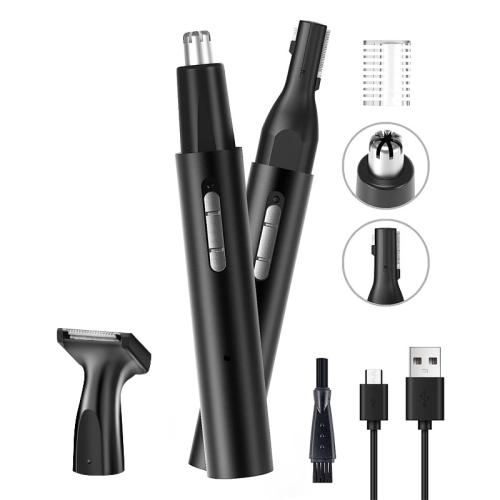
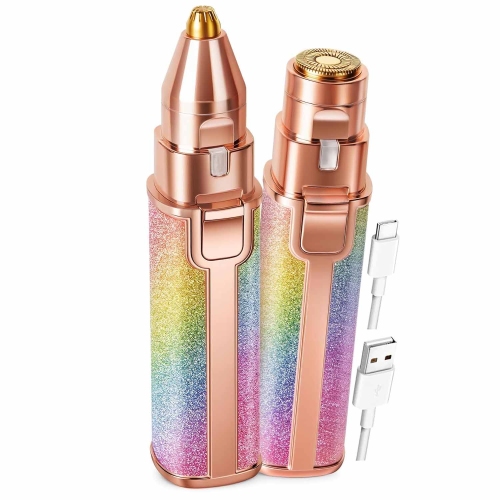
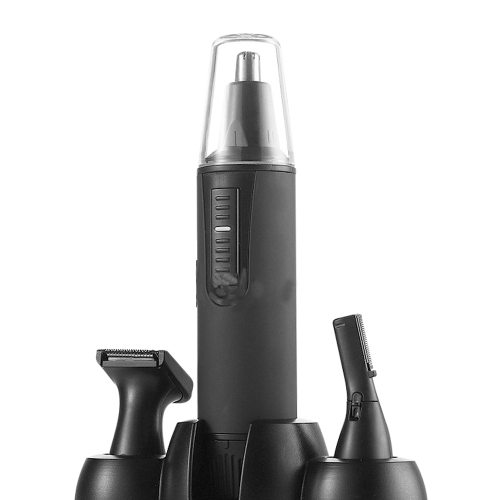
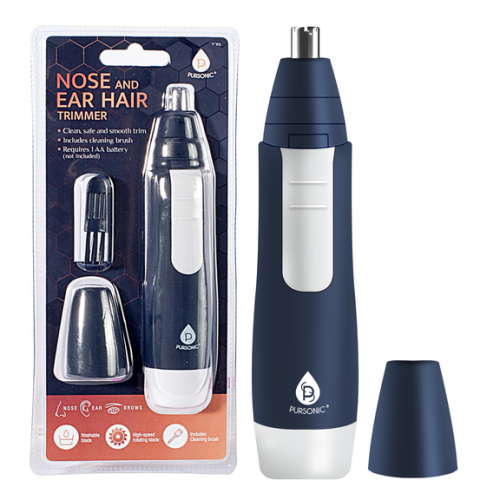
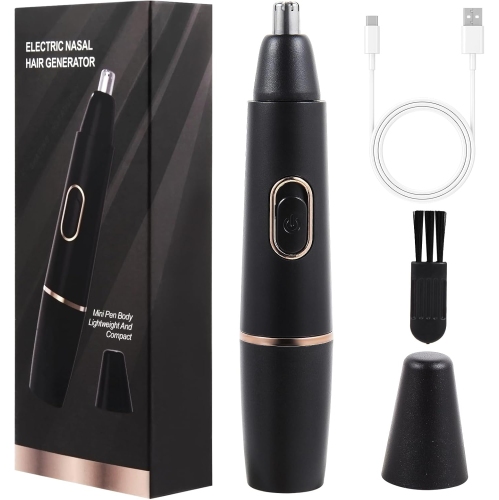
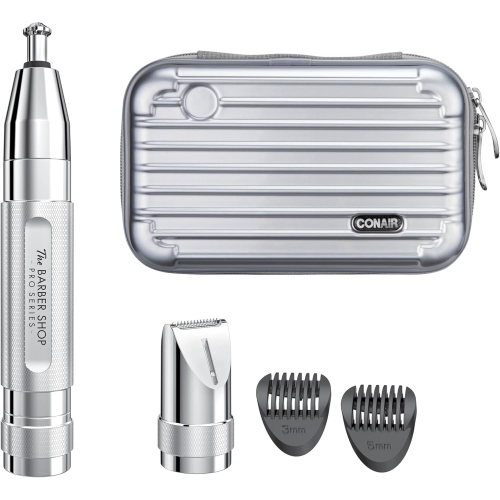
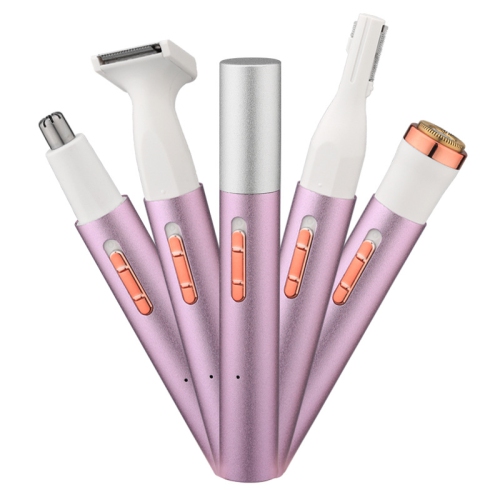
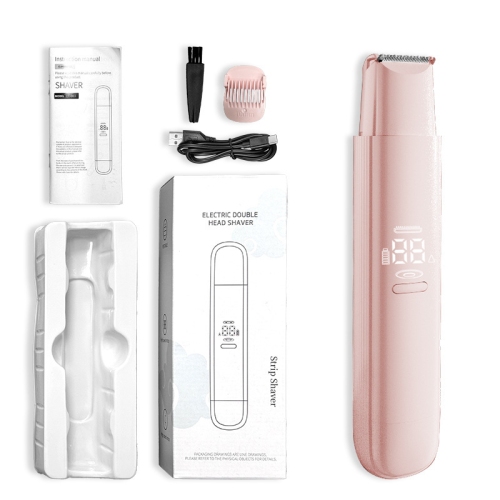
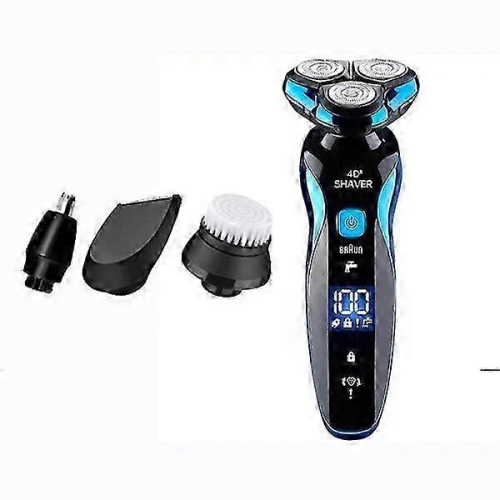
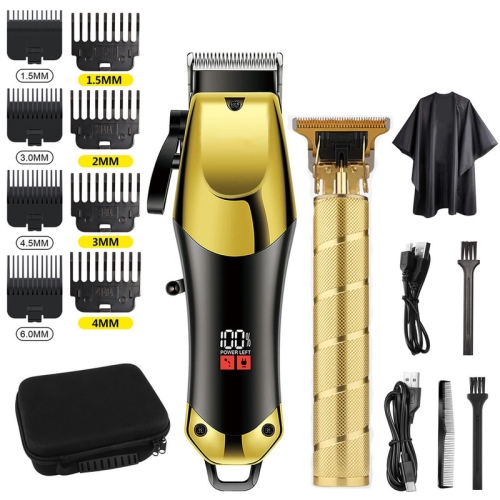
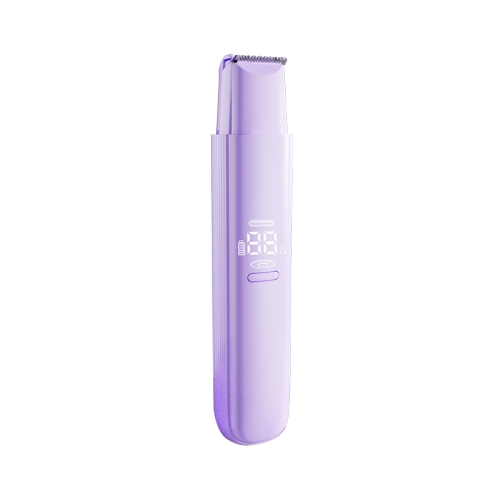
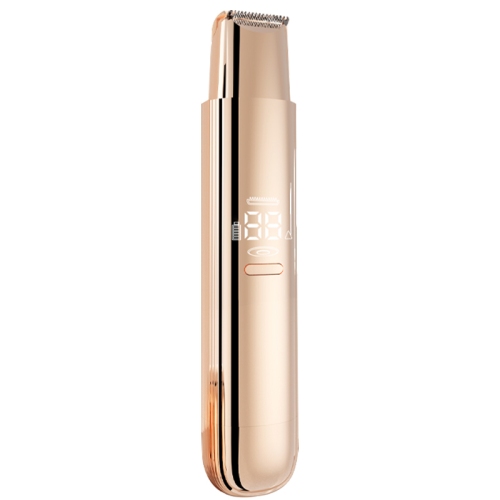
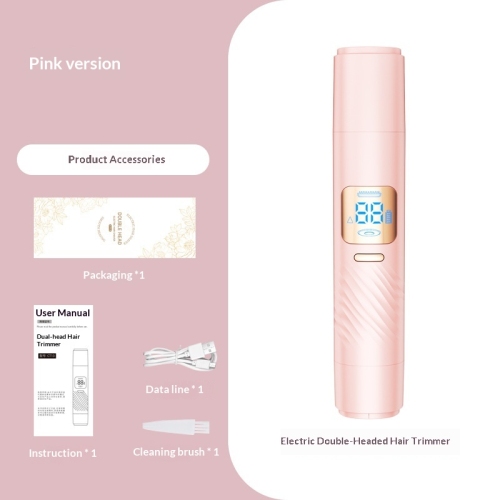
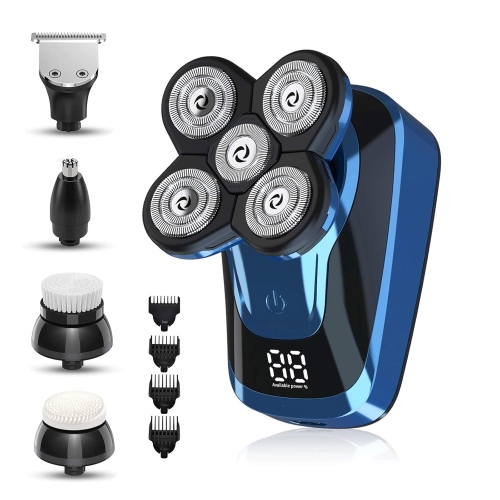
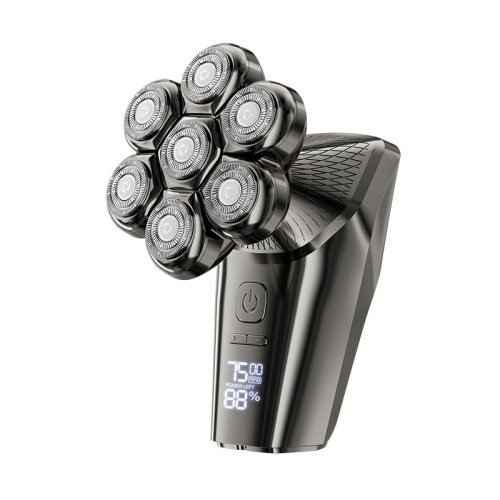
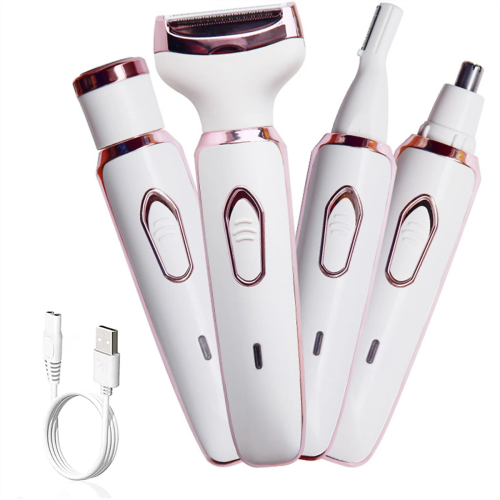
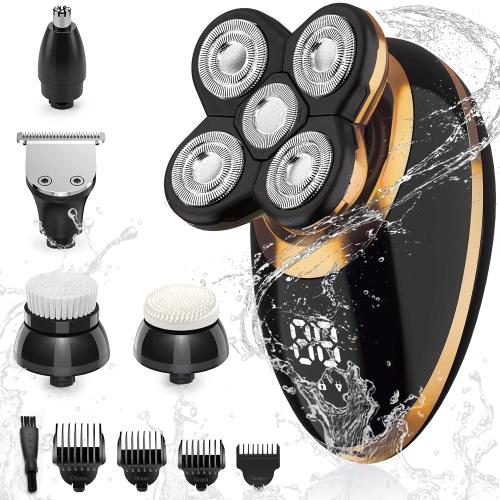
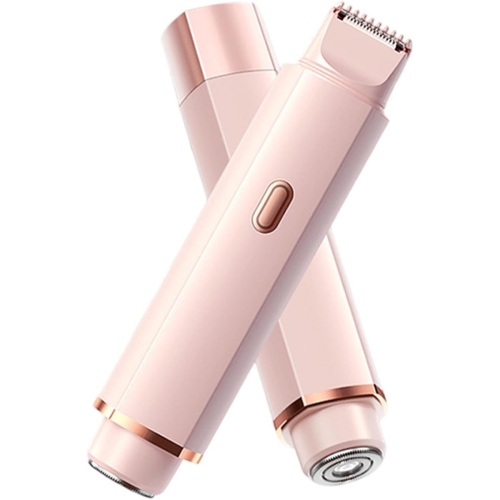
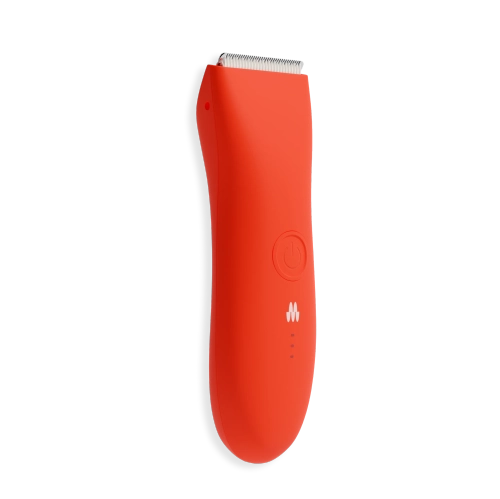
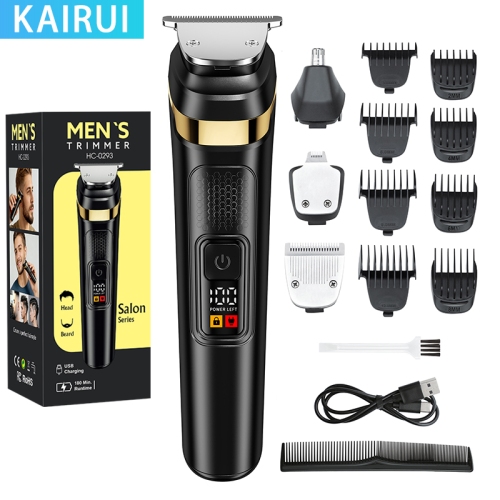
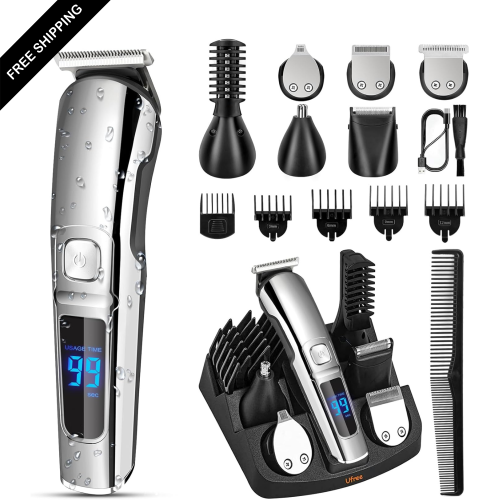
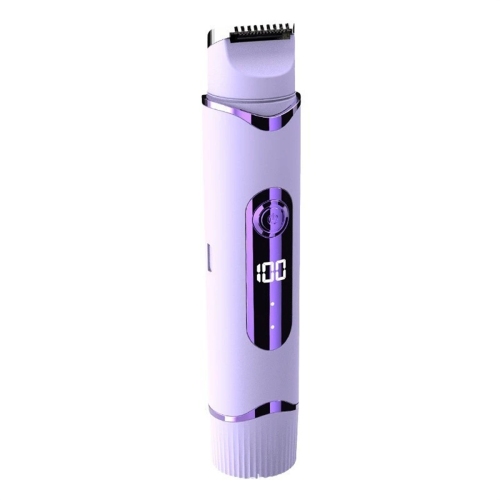
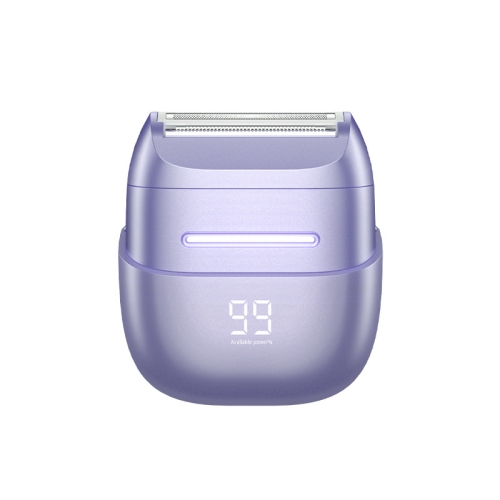
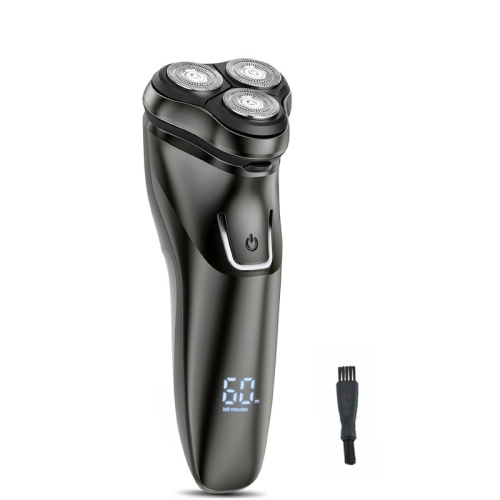
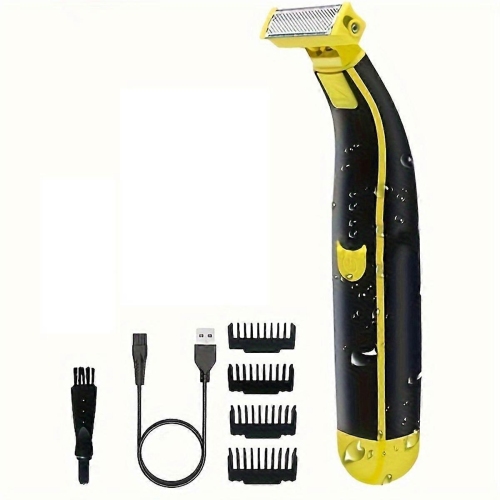
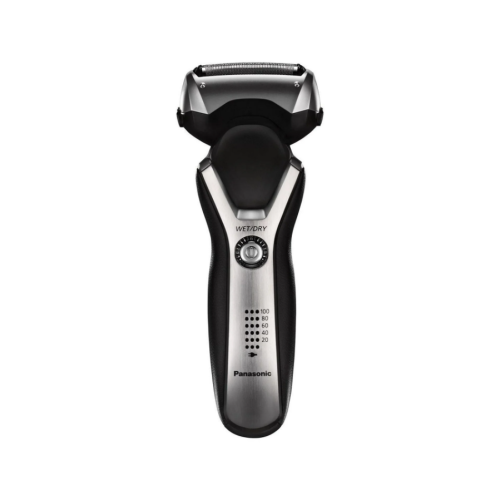
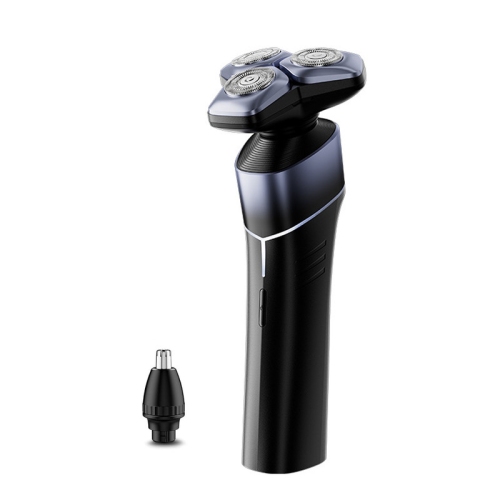
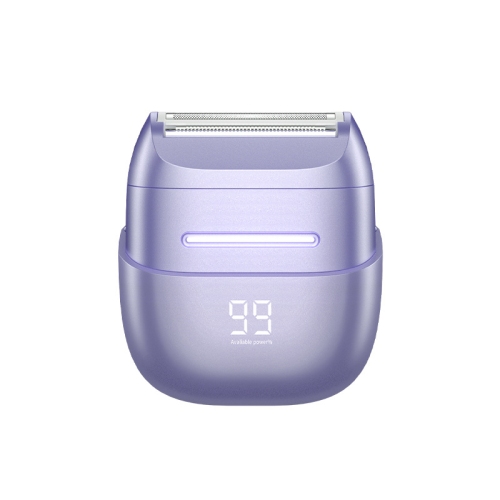
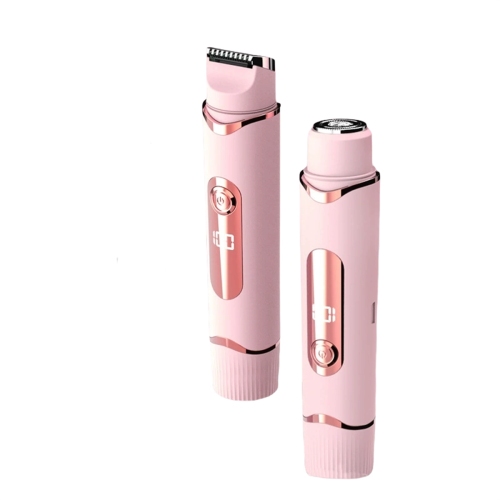
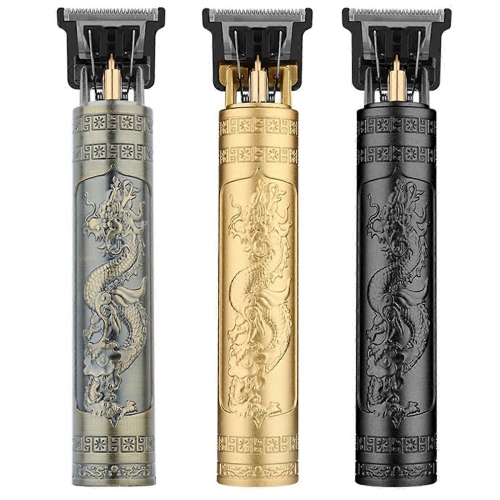
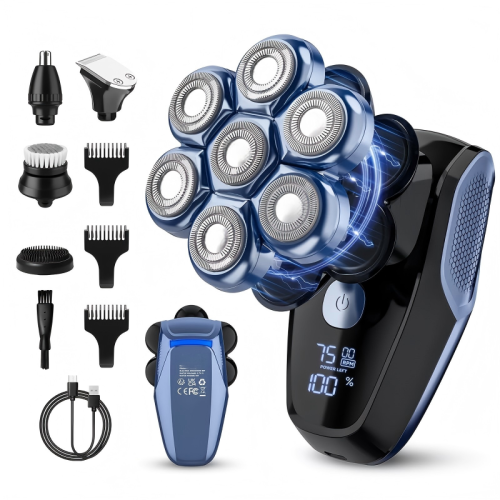
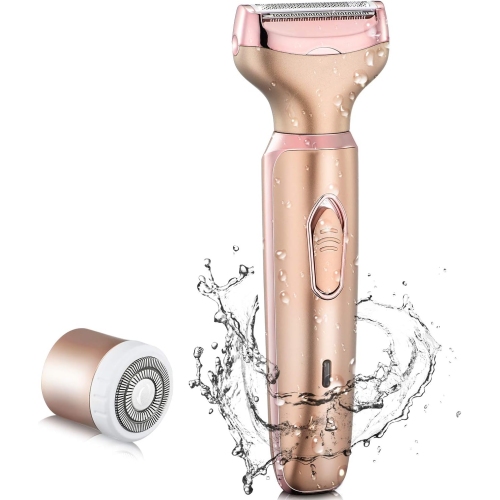
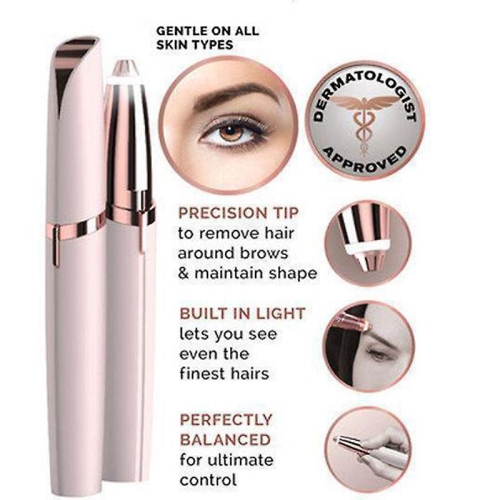
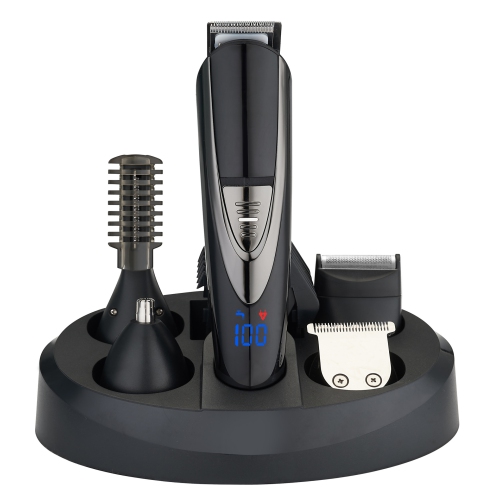
Ear hair shavers are compact grooming tools designed to trim visible hair around the outer ear and at the entrance of the ear canal with greater control than ordinary scissors or larger clippers. They can be useful for anyone who prefers a neat, well-groomed appearance without removing every hair or spending much time on a detailed grooming routine. Ear hair is a normal part of growing older, and it can also appear more noticeably for people with naturally thick or fast-growing hair. A dedicated ear trimmer makes it easier to tidy those small areas before work, a special occasion, travel, or an evening out, especially when a bathroom mirror highlights stray hairs that are easy to overlook. These tools are also handy for maintaining the area between haircuts or beard trims, since a clean hairstyle and a carefully shaped beard can draw attention to the ears. Some shoppers choose an ear hair shaver as part of a broader personal-care kit, while others look for a simple, focused tool that can be kept in a washroom drawer or travel bag. They may also be a practical gift for a parent, partner, friend, or relative who appreciates useful grooming accessories. For a more complete personal-care routine, shoppers may also wish to explore Nose Hair Shavers, particularly when they want one compact device for several small facial grooming tasks. When comparing ear hair shavers, consider the cutting head first. Rotary heads are commonly shaped to follow the curved contours of the outer ear, while vertical detailers can provide a more direct view of the area being trimmed. Protective guards or screens are important because the skin around the ear is delicate and uneven, and a guard can help keep the cutting element from pressing directly against the skin. A comfortable grip also matters: a rubberized or textured handle can make the tool easier to guide with one hand, even when your fingers are slightly damp. Look at the power source as well. Battery-operated models are convenient for a drawer, overnight bag, or carry-on, while rechargeable options can be useful for regular grooming at home. If you prefer a tool that can be rinsed after use, check its water-resistance rating and care instructions rather than assuming it is safe to submerge. Some models are designed for dry use only, and following the manufacturer’s directions helps protect both the device and its cutting performance.
Safe technique is more important than speed when trimming ear hair. Use the tool only on hair that is visible on the outer ear or very near the entrance of the ear canal. It should never be pushed deeply into the ear, and tweezers, scissors, cotton swabs, or any other object should not be inserted into the actual canal. Earwax and fine hair help protect the ear, so the aim is to tidy noticeable growth rather than create a completely hair-free surface. Before trimming, use a well-lit mirror and make sure the outer ear is clean and dry unless the device is specifically rated for wet use. Gently pull the ear into a natural position if needed, then move the trimmer slowly over the outer contours without pressing hard. Short, light passes are generally easier to control than repeated scraping, and pausing to check the result can help prevent over-trimming. It can be useful to ask someone you trust for assistance if the back of the ear is difficult to see, particularly when balance, vision, or hand control makes detailed grooming challenging. Avoid using an ear hair shaver over irritated skin, cuts, rashes, piercings that are still healing, or areas that feel painful. If you notice persistent discomfort, drainage, bleeding, a sudden change in hearing, or an unusual lump, stop grooming and seek advice from a qualified health professional. After each use, remove loose hairs from the head with the supplied brush or rinse it only as directed. Let washable components dry fully before storing them, and do not share a trimmer unless the head has been thoroughly cleaned and disinfected according to the care instructions. Check the cutting head, guard, and battery compartment from time to time for buildup or damage, since a clean, properly maintained tool is easier to handle and more comfortable against the skin. During the cooler months, when indoor lighting and dry skin can make small grooming details more noticeable, keeping an ear hair shaver readily available can make personal care feel less like a chore and more like a quick finishing step. Whether you are choosing a straightforward manual detailer, a multi-purpose groomer, or a rechargeable model with a washable head, focus on safe trimming, comfortable handling, easy cleaning, and a design suited to how often you plan to use it.
Top selling and popular products
-
 Your price for this item is $19.99
-
 Your price for this item is $44.99
-
 Your price for this item is $74.99
-
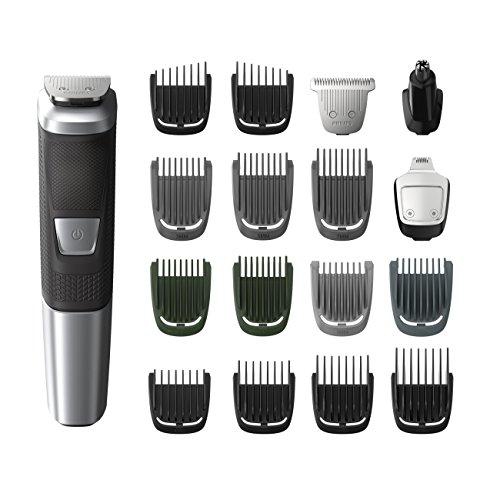 Your price for this item is $35
-
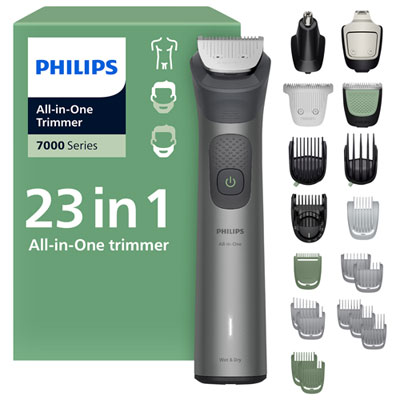 Your price for this item is $89.99
-
 Your price for this item is $21.99
-
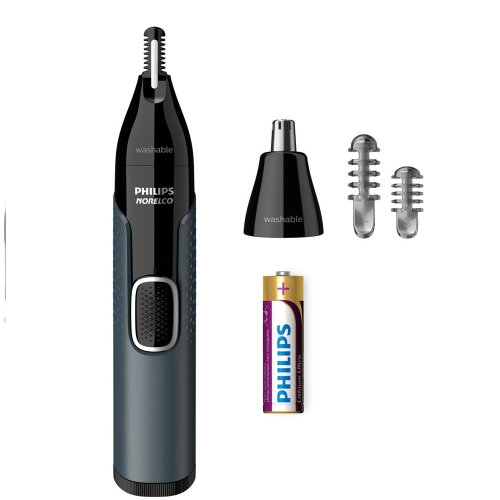 Your price for this item is $34.99
-
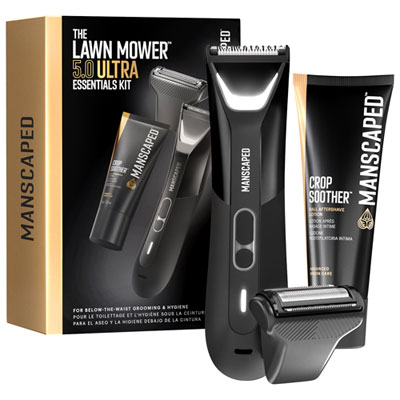 Your price for this item is $149.99
Discover more categories related to Ear Hair Shavers
Top Collections:
Best Black Friday Deals This Year, Best Black Friday Deals On Electronics, Kindle Devices, Pokemon Centers, Best Black Friday Deals On Apple Products, Best Cameras for Sports Photography, Dyson Airwrap, Pokémon 30th Celebration Cards, Apple iPhone 17 Pro, Canon G7X Cameras
Some products may be subject to Environmental Handling Fees
(EHF) depending on your province.
Learn more about EHFs.