Hair Colors for Dark Blondes
Discover a stunning array of hair colors specifically designed for dark blondes. Elevate your look with vibrant and rich shades that perfectly complement your natural hair color. Whether you're looking to add dimension, enhance your current shade, or make a bold statement, our selection offers a variety of options to suit your individual style. From warm caramel tones to cool ash hues, find the perfect hair color to transform your locks and express your unique personality. Explore our collection now and unlock a world of endless possibilities for your dark blonde hair.
Sort
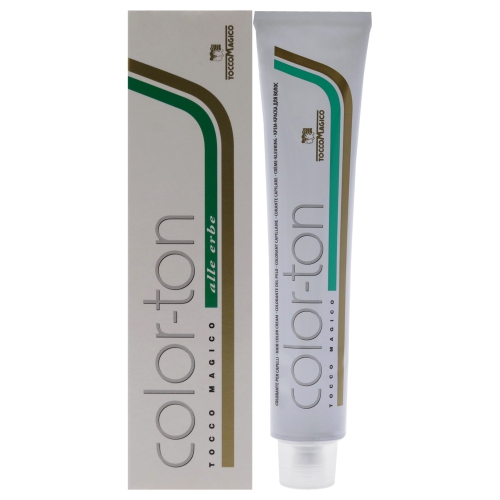
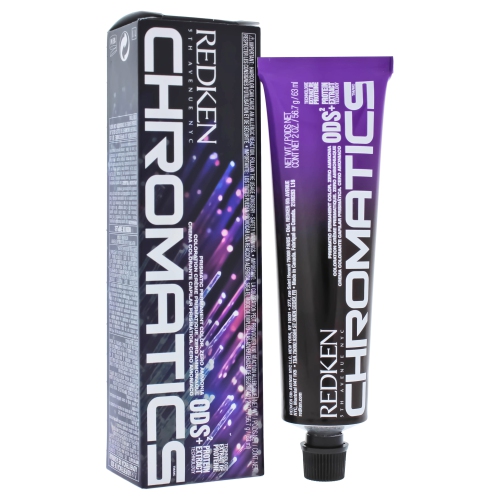
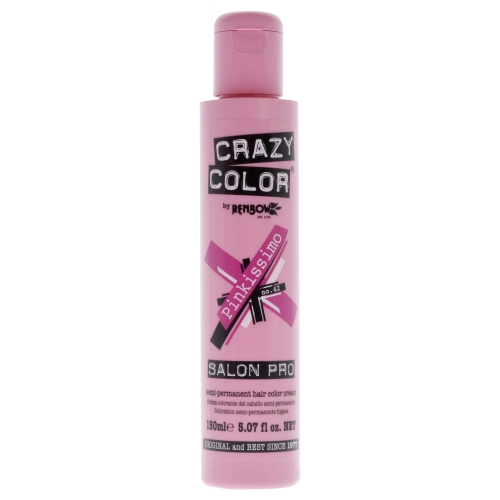
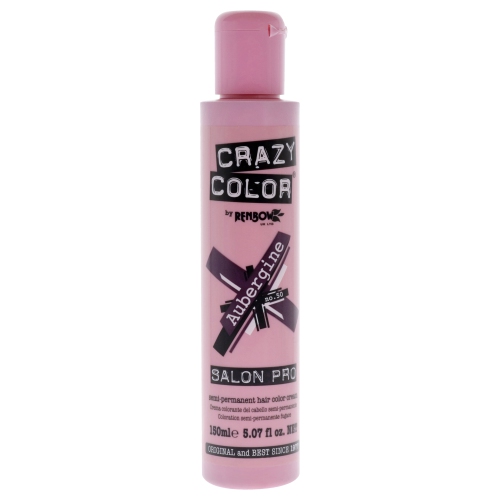
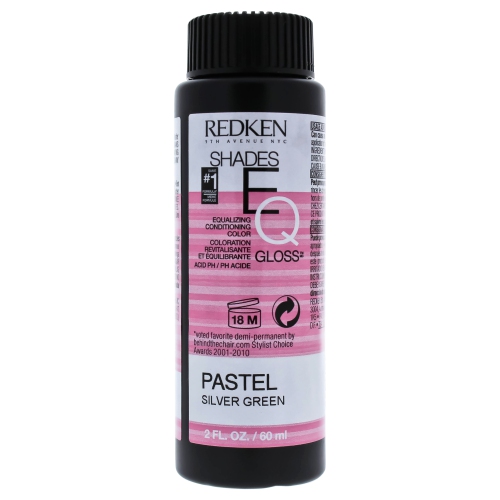
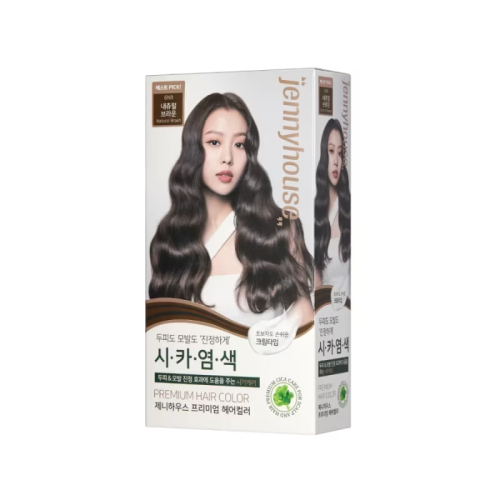
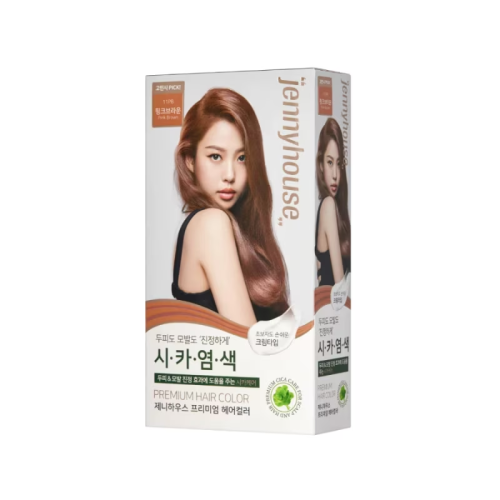
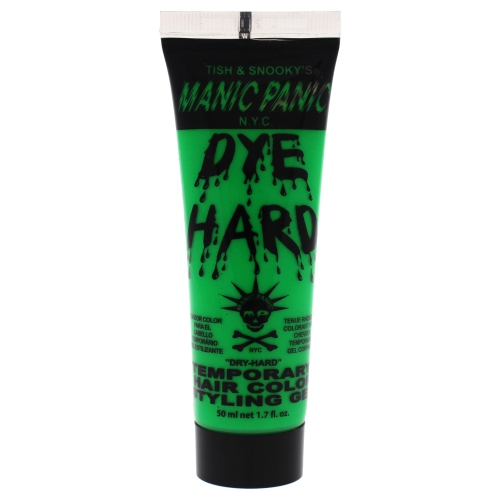
How undertones and formulas affect your final colour
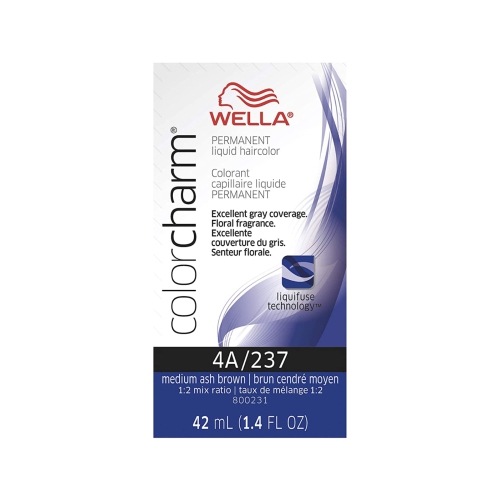
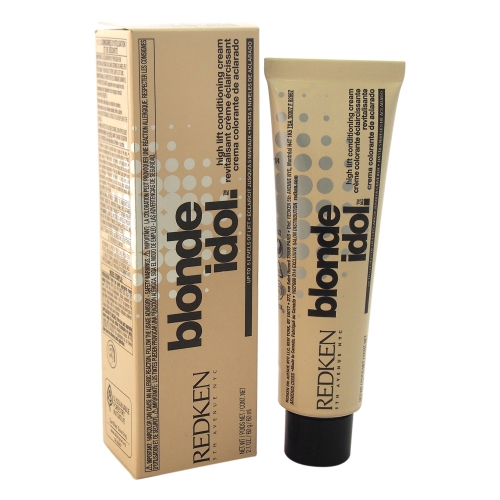
Dark blonde hair colour sits in the appealing space between light brown and medium blonde, often described as bronde or dirty blonde. On professional colour charts, it commonly falls around level 6 or 7, although the exact result depends on the starting shade, undertones, previous colour treatments, and the condition of the hair. This range can look softly golden in natural light, cool and smoky with ash tones, or balanced and understated when a neutral shade is chosen. Hair colours for dark blondes are designed for people who want to refresh their existing tone, deepen lighter hair, blend emerging gray, add warmth, or create a more even-looking shade from roots to ends. They can also be useful for anyone transitioning between seasons: a richer dark blonde may feel especially natural during the cooler months, while beige or golden variations can preserve a sun-kissed impression when outdoor light becomes less intense. When browsing, begin by comparing the colour description with your current hair rather than relying on the image on the package alone. A dark blonde shade generally works most predictably on hair that is already within a similar light-to-medium range. On very dark brown hair, it may add tone without creating a noticeably lighter result, while hair that has been lightened significantly may absorb colour more strongly and appear deeper or cooler than expected. Previously coloured hair can also respond differently from natural hair, so the final appearance may vary along the length, particularly where roots, mid-lengths, and ends have had different treatments. A strand test on a small, hidden section can help show how the shade will develop before applying it more broadly. It is also wise to complete the product’s recommended skin sensitivity test and follow the included instructions, including the processing time and application order. Anyone with a known sensitivity to hair colour ingredients should review the label carefully and consult a qualified professional when needed. These products may suit people who enjoy maintaining their colour at home, those looking to soften the contrast between roots and lengths, or shoppers choosing a practical beauty gift for a friend or family member who already colours their hair. If the recipient’s preferred tone, current shade, or coverage needs are uncertain, a gift card or a choice from a broader selection can be more useful than guessing at a specific colour.
The type of formula is another important consideration. Permanent hair colour is typically selected when longer-lasting coverage, a more noticeable change, or gray blending is the priority. Demi-permanent and semi-permanent options are often chosen for tonal refreshes, subtle darkening, or experimenting with a new direction without committing to the same level of permanence. Colour-depositing products can help revive dull-looking lengths between more substantial applications, while root-focused formulas may be convenient when regrowth is the main concern. Look for shade names that indicate the undertone: ash shades can help create a cooler, less golden appearance; neutral shades are intended to look balanced; and golden, honey, or warm shades can bring richness and brightness to dark blonde hair. Understanding the difference between a shade level and an undertone makes it easier to narrow the selection. For example, two products may both be labelled dark blonde while one leans cool and the other appears warmer in daylight. Those with gray hair should check the coverage information, since some formulas are better suited to blending a few strands while others are intended for more complete coverage. People with naturally dark hair who want a lighter dark blonde result may need a separate lightening process rather than a standard colour application, and previously dyed hair generally cannot be lightened reliably by applying another dye over it. For darker starting shades, explore Hair Dye for Dark Hair to find options intended for deeper bases. Hair texture and condition matter as well: porous or heat-styled hair may take in colour quickly, leaving the ends more intense than the roots, while thick hair may require careful sectioning and enough formula for even saturation. Gloves, an old towel, and a well-ventilated space can make the process more comfortable, and a colour-safe care routine can help maintain the tone after application. Whether the goal is a softly blended bronde finish, a cooler ash effect, a neutral everyday shade, or a warmer golden update, choosing according to starting colour, desired depth, undertone, gray coverage, and formula type will help set realistic expectations and support a more consistent result.
The type of formula is another important consideration. Permanent hair colour is typically selected when longer-lasting coverage, a more noticeable change, or gray blending is the priority. Demi-permanent and semi-permanent options are often chosen for tonal refreshes, subtle darkening, or experimenting with a new direction without committing to the same level of permanence. Colour-depositing products can help revive dull-looking lengths between more substantial applications, while root-focused formulas may be convenient when regrowth is the main concern. Look for shade names that indicate the undertone: ash shades can help create a cooler, less golden appearance; neutral shades are intended to look balanced; and golden, honey, or warm shades can bring richness and brightness to dark blonde hair. Understanding the difference between a shade level and an undertone makes it easier to narrow the selection. For example, two products may both be labelled dark blonde while one leans cool and the other appears warmer in daylight. Those with gray hair should check the coverage information, since some formulas are better suited to blending a few strands while others are intended for more complete coverage. People with naturally dark hair who want a lighter dark blonde result may need a separate lightening process rather than a standard colour application, and previously dyed hair generally cannot be lightened reliably by applying another dye over it. For darker starting shades, explore Hair Dye for Dark Hair to find options intended for deeper bases. Hair texture and condition matter as well: porous or heat-styled hair may take in colour quickly, leaving the ends more intense than the roots, while thick hair may require careful sectioning and enough formula for even saturation. Gloves, an old towel, and a well-ventilated space can make the process more comfortable, and a colour-safe care routine can help maintain the tone after application. Whether the goal is a softly blended bronde finish, a cooler ash effect, a neutral everyday shade, or a warmer golden update, choosing according to starting colour, desired depth, undertone, gray coverage, and formula type will help set realistic expectations and support a more consistent result.
Top selling and popular products
-
 Your price for this item is $43.13
 -
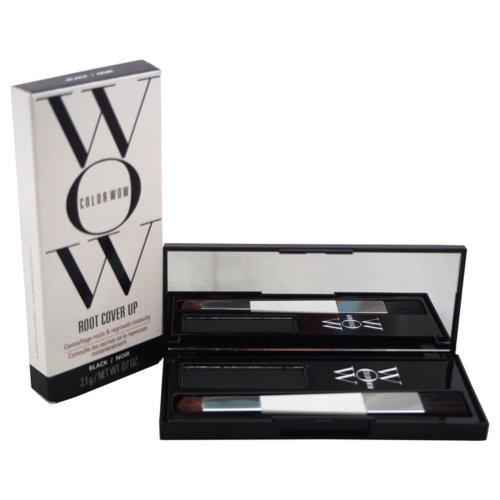 Your price for this item is $43.13
 -
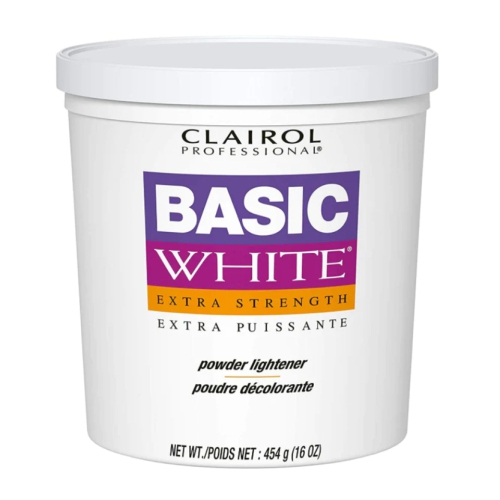 Your price for this item is $29.99
 -
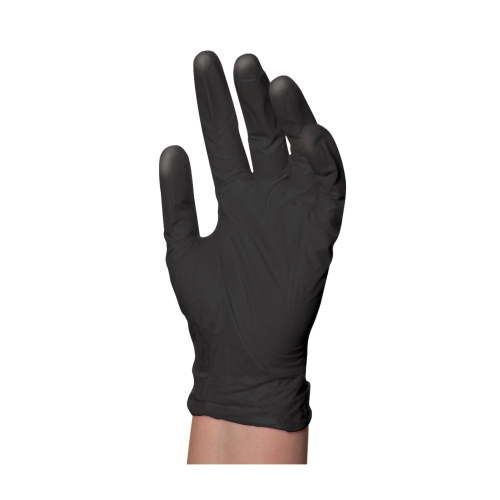 Your price for this item is $11.99
 -
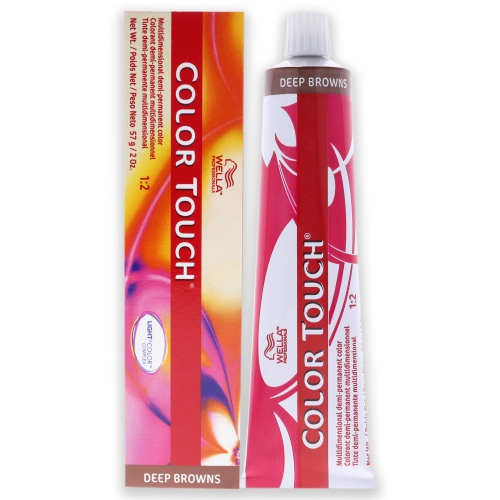 Your price for this item is $7.95
 -
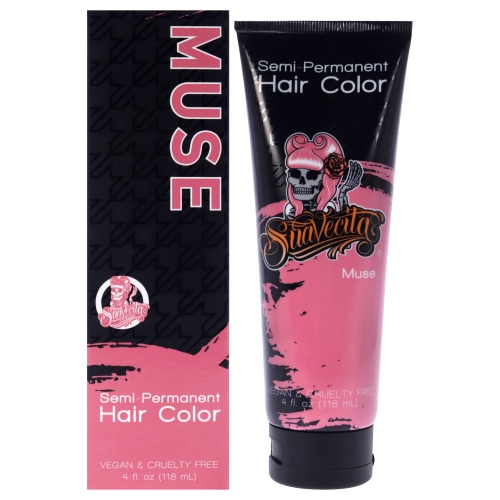 Your price for this item is $15.3
 -
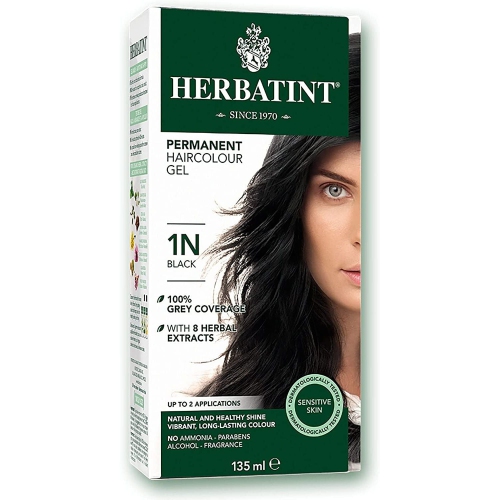 Your price for this item is $39.86
 -
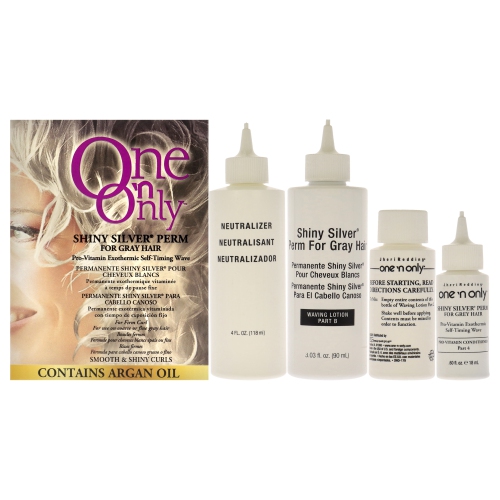 Your price for this item is $29.68
Discover more categories related to Hair Colors for Dark Blondes
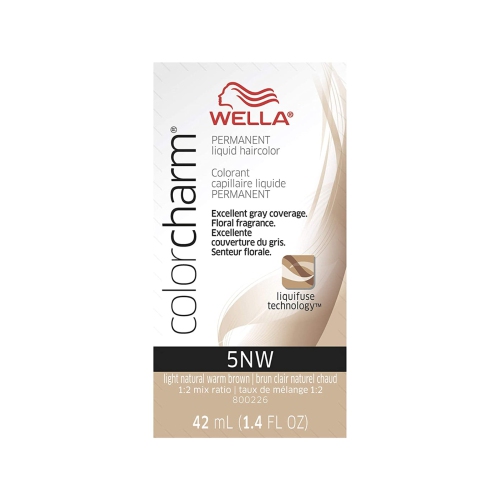
Top Collections:
Pokemon Centers, Budget 4K TVs, Kindle Devices, Canon G7X Cameras, Apple iPhones 16, iPhone 15 Apple, Laptops for Business Work, Flip Phones, Xiaomi Phones, Refurbished Apple Laptops
Some products may be subject to Environmental Handling Fees
(EHF) depending on your province.
Learn more about EHFs.