Hair Cutting Blades
If you're looking to achieve salon-quality haircuts from the comfort of your own home, look no further than these hair-cutting blades. Whether you're a professional stylist or a DIY enthusiast, these precision-engineered blades are designed to deliver sharp, clean cuts every time. With a range of options to choose from, you can find the perfect blade to suit your needs and achieve the hairstyle you've always wanted.
Sort

![GREEN SCENIC Five-Layer Blade 5-Layer Razor Mensao Manual Razor 5-Head Knife Holder 4 Heads [Orange] In Black](https://multimedia.bbycastatic.ca/multimedia/products/500x500/192/19287/19287190.jpeg)
What to know about blade profiles, fit, and care
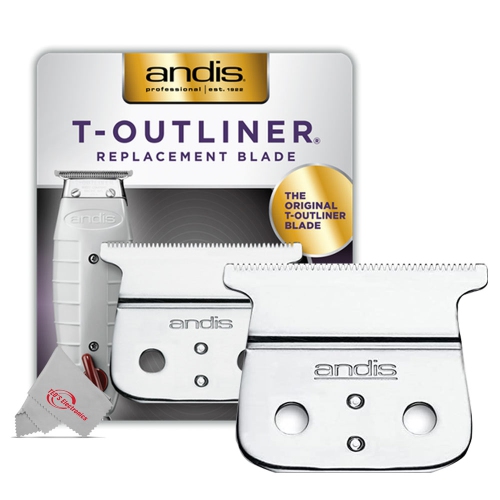
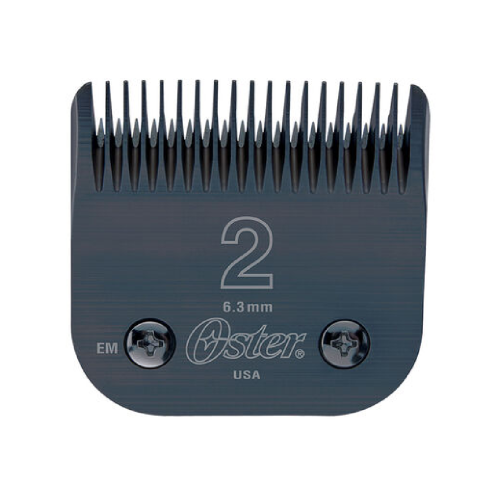
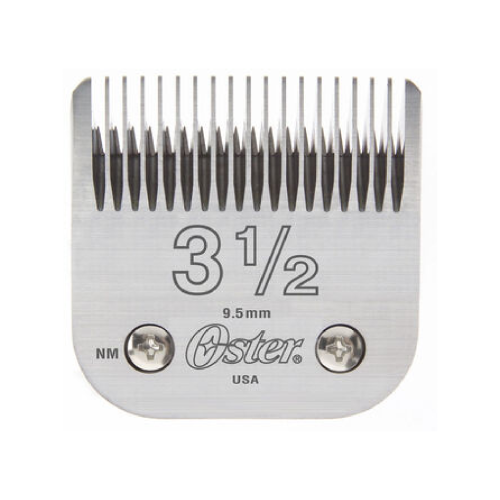
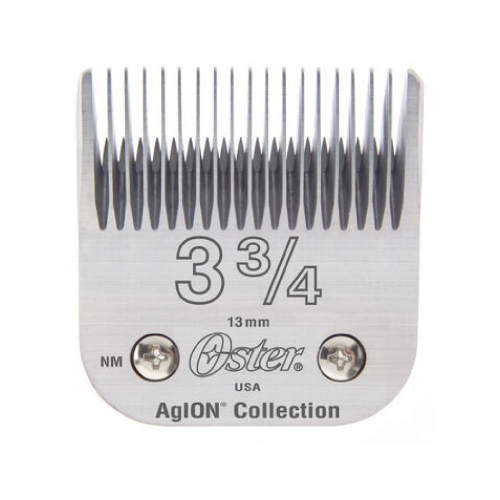
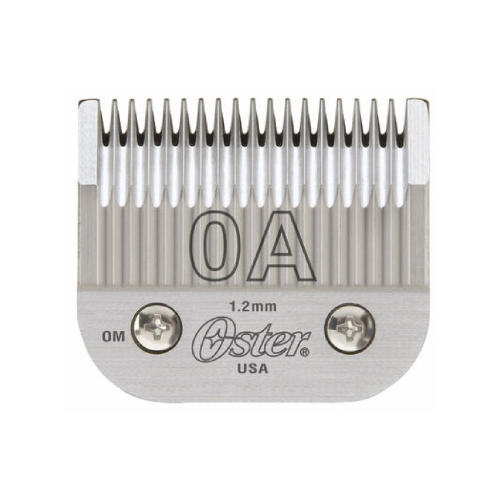
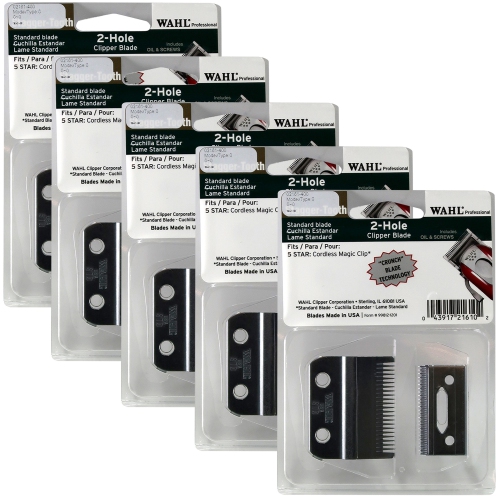
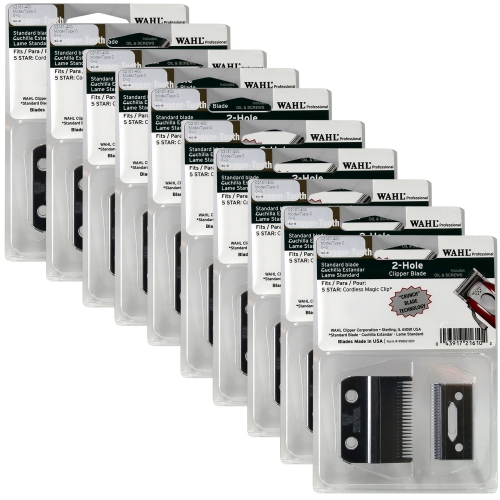
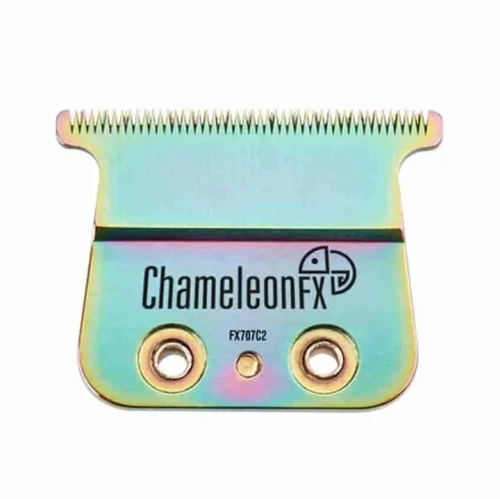
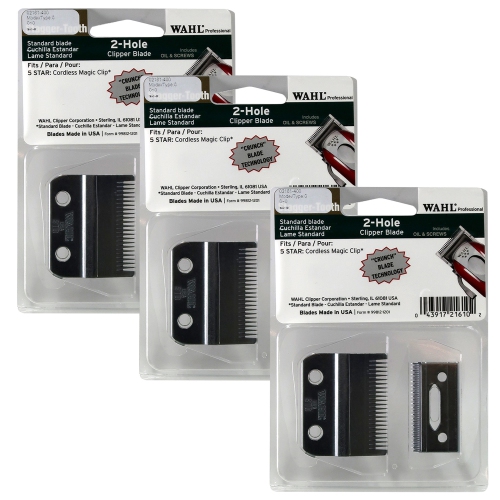
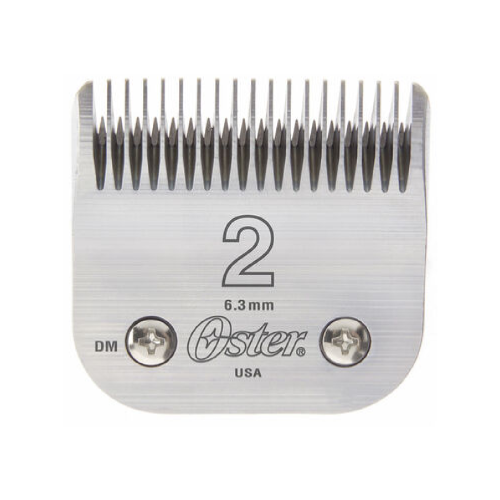
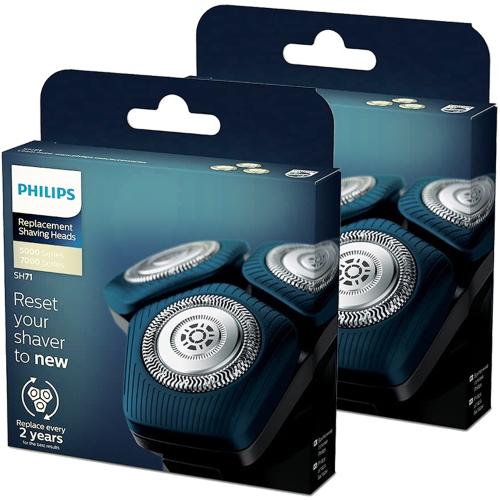
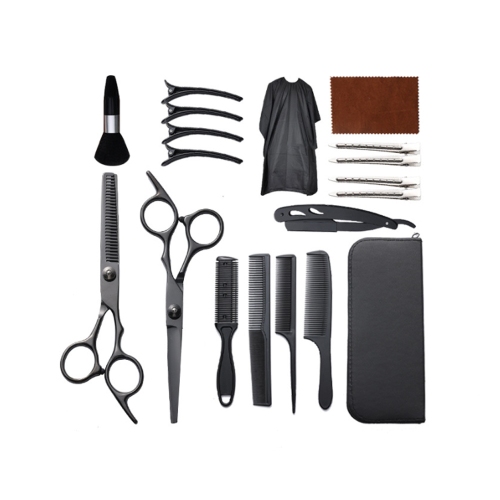
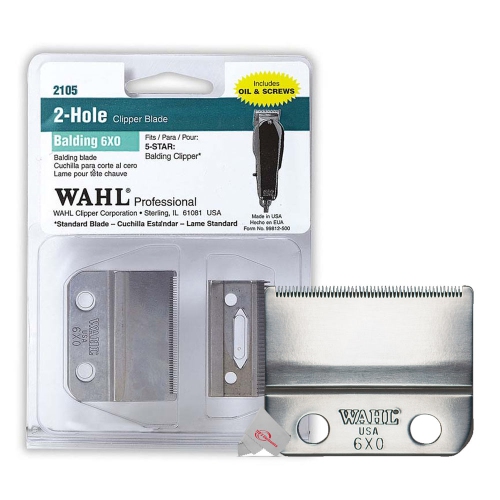
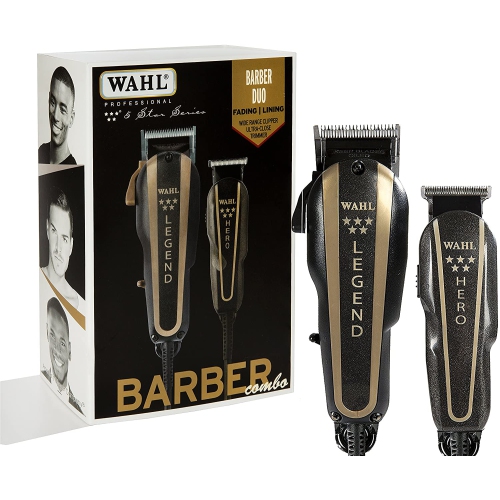
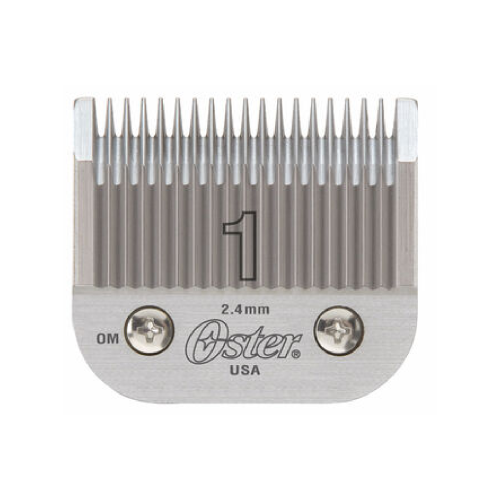
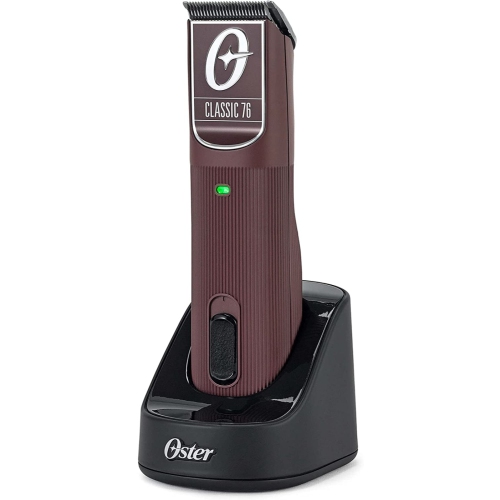
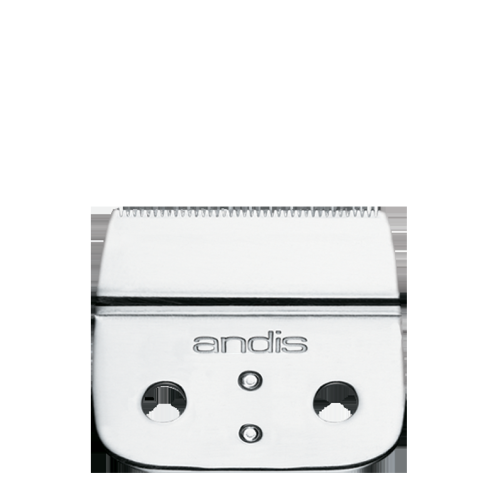
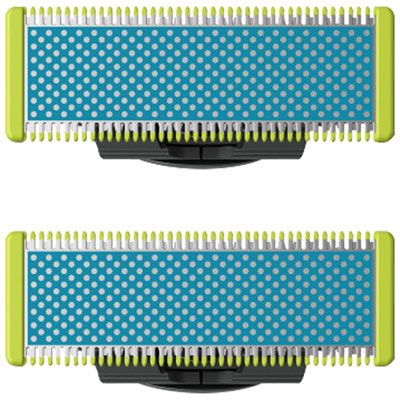
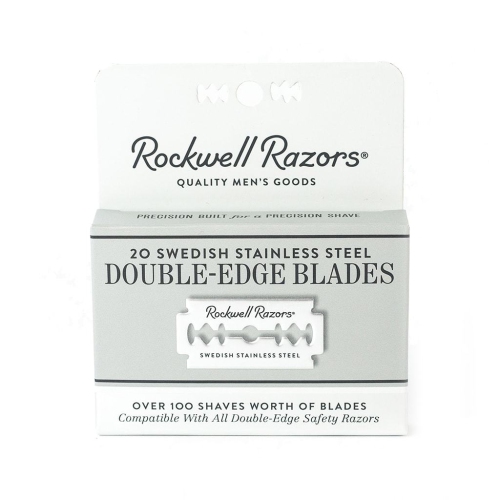
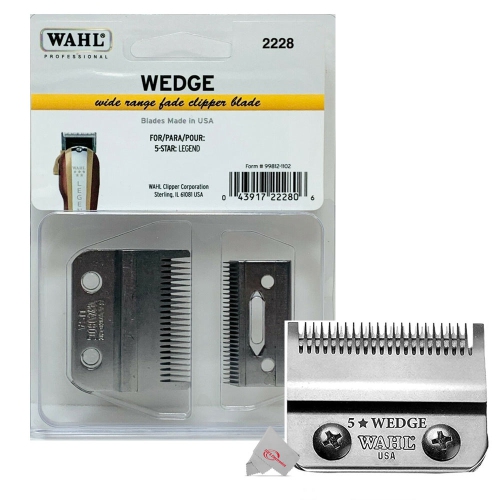
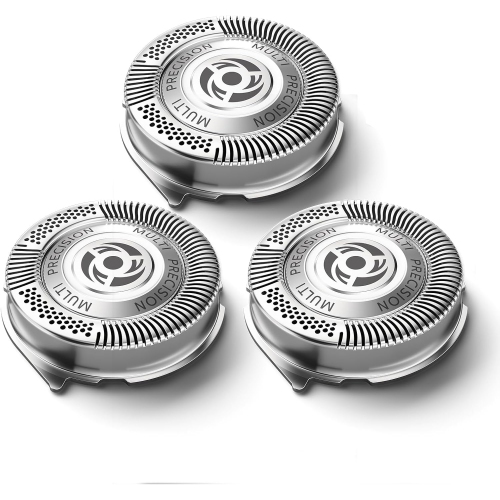
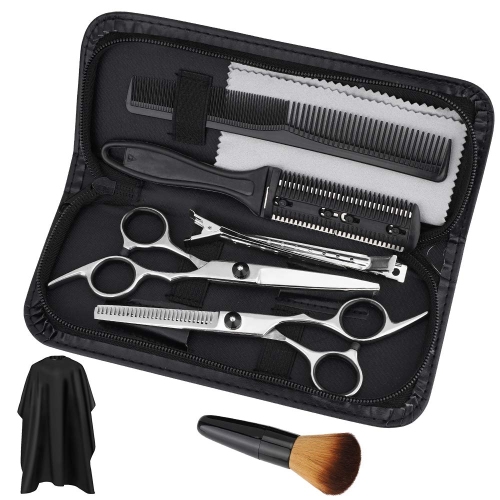
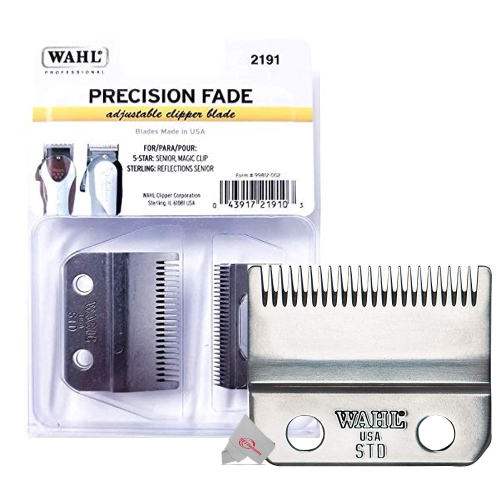
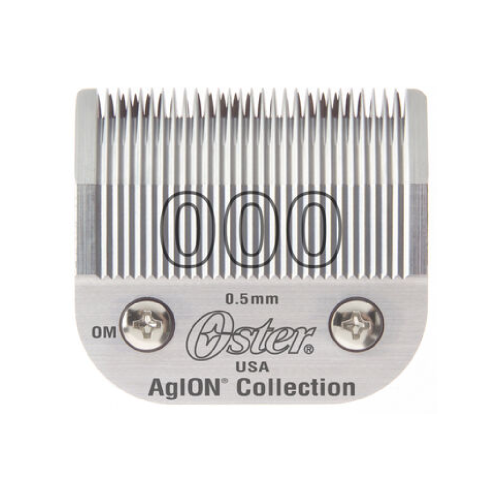
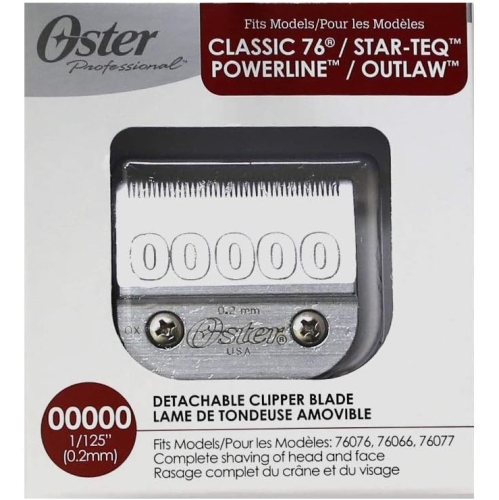
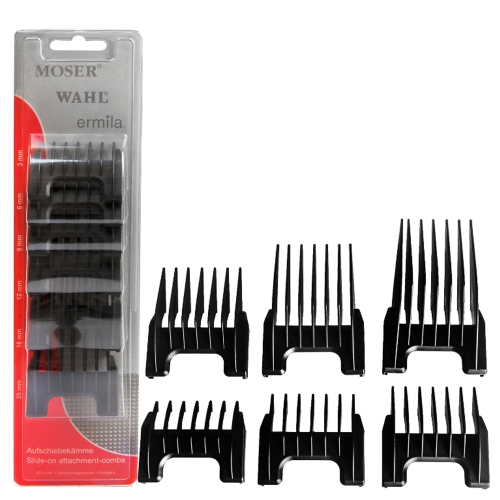
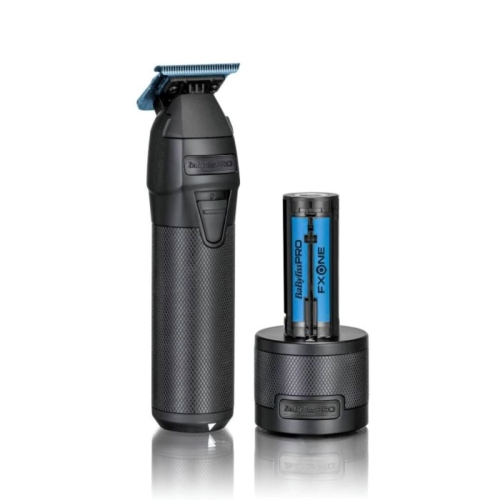
Hair cutting blades are replacement or interchangeable cutting components designed for clippers, trimmers, and hair-shaping tools. They help restore a tool’s cutting performance when an original blade becomes dull, damaged, worn, or difficult to clean. A fresh, compatible blade can make everyday grooming feel smoother, with more even passes through the hair and less need to go over the same area repeatedly. These blades are useful for professional barbers, salon stylists, mobile grooming services, and anyone who prefers maintaining hair at home. They can also be practical gifts for someone who regularly cuts family members’ hair, keeps a short style, maintains a beard and neckline, or enjoys learning barbering techniques. Before choosing a replacement, check the make and model of the clipper or trimmer, the blade attachment style, and the tool’s mounting pattern. Some blades are designed to be screwed into place, while others attach as detachable sets or fit adjustable clipper mechanisms. Compatibility matters because even blades that look similar may differ in their holes, hinges, dimensions, cutting range, or alignment requirements. Reviewing the manufacturer’s specifications and comparing the existing blade with the replacement can help prevent an unsuitable purchase. For broader grooming equipment, accessories, and related essentials, explore Hair Cutting Tools.
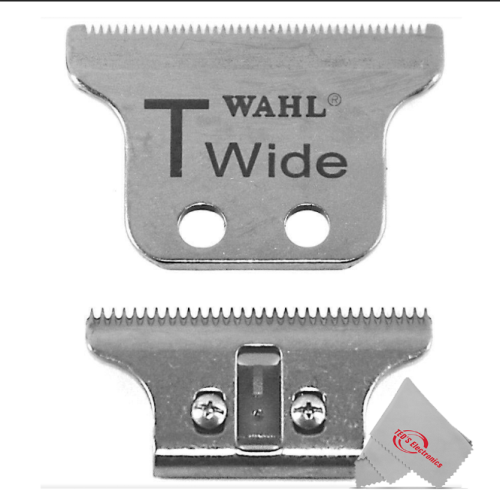
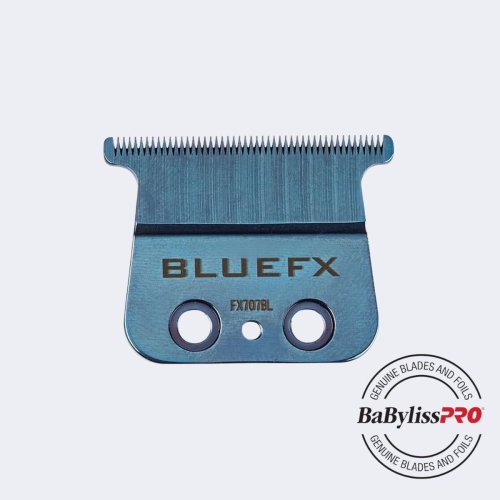
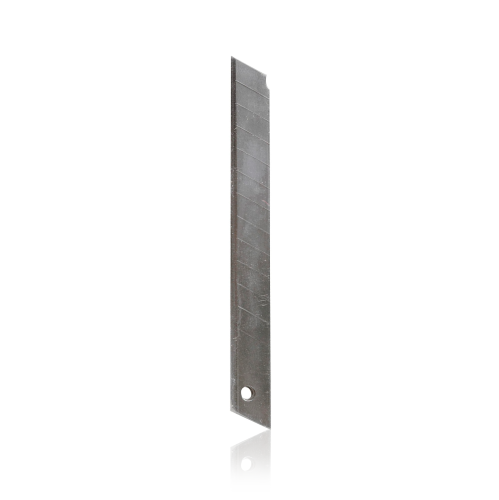
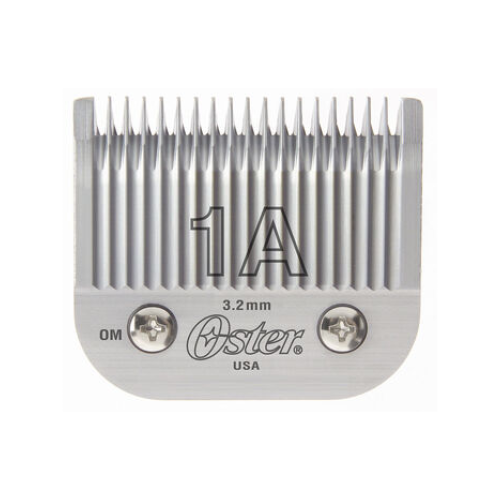
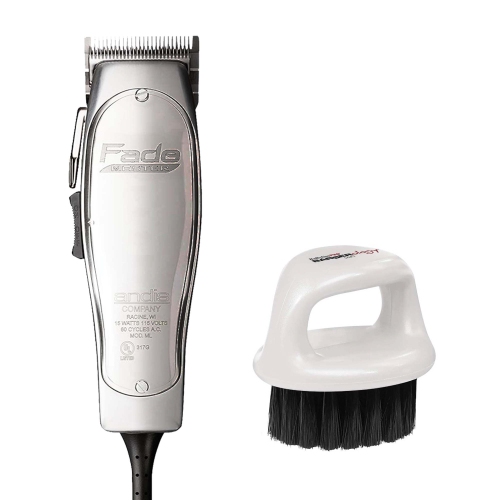
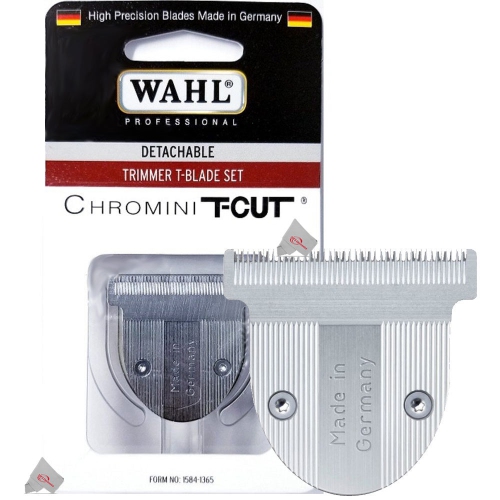
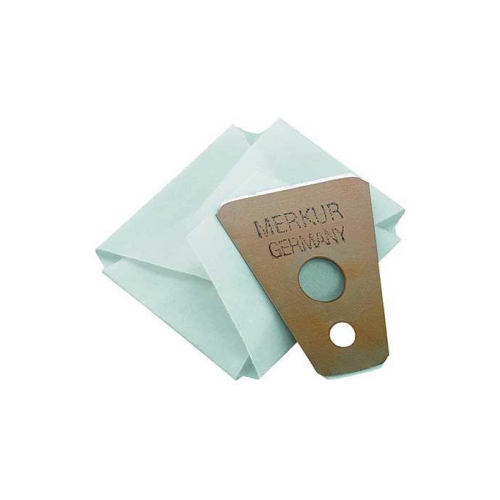
Different blade profiles suit different cutting techniques and hair types. Taper blades commonly have longer, curved teeth that help remove bulk while creating a softer transition between lengths. They can be useful for blending around the sides and back of the head, reducing weight in thick hair, or refining a gradual taper without leaving a harsh line. Fade and flat-top blades generally have flatter, shallower teeth intended for close cutting and controlled work near the skin. They are often chosen for short fades, crisp outlines, flat-top styles, and detailed finishing where precision is important. Shallow-tooth cutters tend to provide a smooth, versatile feed through ordinary hair and can be a useful all-around option. Deep-tooth cutters are better suited to heavy debulking because their wider spacing allows more hair to pass through during each stroke. Trimmer blades are usually smaller and designed for edging, sideburns, necklines, moustaches, and other detail work. Hair shaper blades are single-edge blades used with an appropriate shaper or feathering guard to thin, texture, and soften sections of hair. They are particularly useful for removing visual weight, creating movement, or blending ends without making a blunt cut. The right choice depends on the desired finish, the amount of hair being removed, and whether the tool is being used for broad cutting, blending, outlining, or texturizing.
Blade care has a direct effect on comfort, control, and service life. After use, brush loose hair from between the teeth and around the moving parts, following the tool manufacturer’s cleaning instructions. Some detachable blades can be removed for more thorough cleaning, while others should stay attached and be cleaned in place. A small amount of clipper oil on the recommended contact points helps reduce friction and heat, but excess oil should be wiped away so it does not collect hair and residue. Blades should remain dry when stored, and a protective cover can help prevent accidental contact with the teeth. Watch for signs that a blade needs attention, including pulling or snagging, uneven cutting, unusual heat, increased noise, visible rust, chipped teeth, or a finish that looks rough after cleaning. When installing a replacement, switch off and unplug corded equipment, disconnect cordless tools from charging power, and follow the removal and alignment instructions for that model. The blade should sit securely and move freely without rubbing against the housing. Avoid forcing a blade into place or using a damaged component, as poor alignment can cause discomfort, inconsistent results, or damage to the clipper. With the correct profile, dependable compatibility, and regular cleaning, hair cutting blades can support neat trims, smooth blends, sharp edges, and comfortable grooming routines through changing styles and seasons.
Different blade profiles suit different cutting techniques and hair types. Taper blades commonly have longer, curved teeth that help remove bulk while creating a softer transition between lengths. They can be useful for blending around the sides and back of the head, reducing weight in thick hair, or refining a gradual taper without leaving a harsh line. Fade and flat-top blades generally have flatter, shallower teeth intended for close cutting and controlled work near the skin. They are often chosen for short fades, crisp outlines, flat-top styles, and detailed finishing where precision is important. Shallow-tooth cutters tend to provide a smooth, versatile feed through ordinary hair and can be a useful all-around option. Deep-tooth cutters are better suited to heavy debulking because their wider spacing allows more hair to pass through during each stroke. Trimmer blades are usually smaller and designed for edging, sideburns, necklines, moustaches, and other detail work. Hair shaper blades are single-edge blades used with an appropriate shaper or feathering guard to thin, texture, and soften sections of hair. They are particularly useful for removing visual weight, creating movement, or blending ends without making a blunt cut. The right choice depends on the desired finish, the amount of hair being removed, and whether the tool is being used for broad cutting, blending, outlining, or texturizing.
Blade care has a direct effect on comfort, control, and service life. After use, brush loose hair from between the teeth and around the moving parts, following the tool manufacturer’s cleaning instructions. Some detachable blades can be removed for more thorough cleaning, while others should stay attached and be cleaned in place. A small amount of clipper oil on the recommended contact points helps reduce friction and heat, but excess oil should be wiped away so it does not collect hair and residue. Blades should remain dry when stored, and a protective cover can help prevent accidental contact with the teeth. Watch for signs that a blade needs attention, including pulling or snagging, uneven cutting, unusual heat, increased noise, visible rust, chipped teeth, or a finish that looks rough after cleaning. When installing a replacement, switch off and unplug corded equipment, disconnect cordless tools from charging power, and follow the removal and alignment instructions for that model. The blade should sit securely and move freely without rubbing against the housing. Avoid forcing a blade into place or using a damaged component, as poor alignment can cause discomfort, inconsistent results, or damage to the clipper. With the correct profile, dependable compatibility, and regular cleaning, hair cutting blades can support neat trims, smooth blends, sharp edges, and comfortable grooming routines through changing styles and seasons.
Top selling and popular products
-
 Your price for this item is $19.99
 -
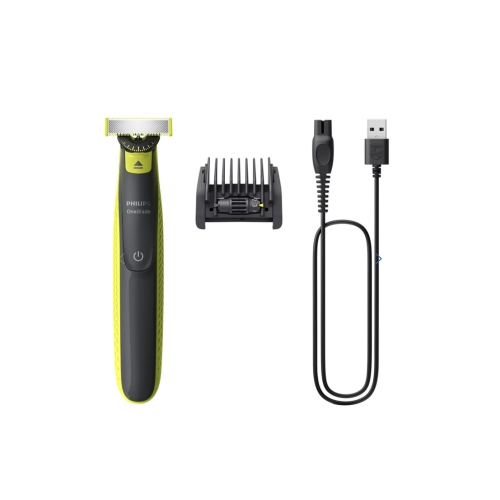 Your price for this item is $39.99
 -
 Your price for this item is $23.88
 -
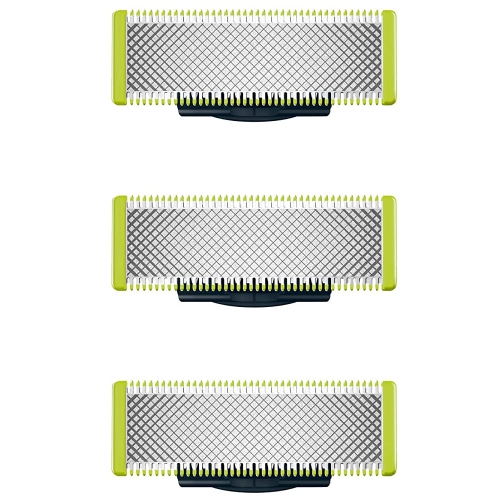 Your price for this item is $59.99
 -
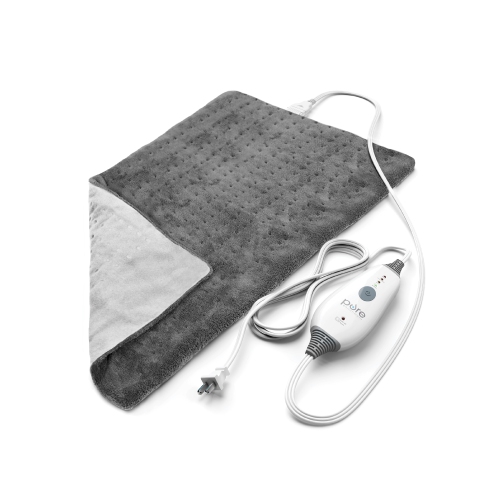 Your price for this item is $39.99
 -
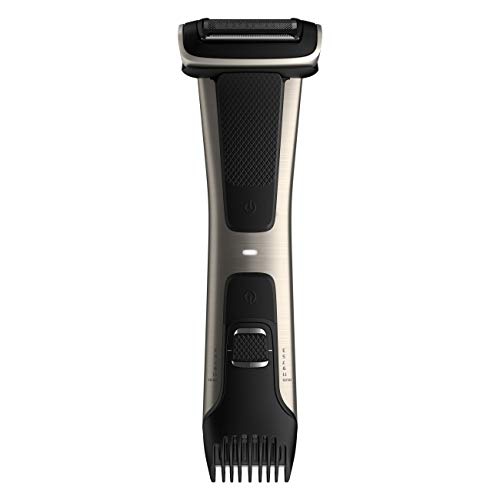 Your price for this item is $149.99
 -
 Your price for this item is $49.99
 -
 Your price for this item is $69.99
Discover more categories related to Hair Cutting Blades
Top Collections:
Pokemon Centers, Best Cameras for Sports Photography, Kindle Devices, Samsung Galaxy Phones, Canon G7X Cameras, Pokémon 30th Celebration Cards, Refurbished Apple Laptops, iPhone 15 Apple, Laptops for Students, Budget Smartphones
Some products may be subject to Environmental Handling Fees
(EHF) depending on your province.
Learn more about EHFs.