Hair Dye Brands
Looking to switch up your hair color? Our Hair Dye Brands collection offers a wide range of options to help you achieve the vibrant, bold, or subtle look you desire. Whether you're looking for a temporary change or a long-lasting transformation, our selection of high-quality hair dye brands has got you covered. From natural shades to vibrant hues, explore our extensive range and find the perfect hair dye brand to express your unique style and personality. Get ready to turn heads with a stunning new look that reflects your individuality.
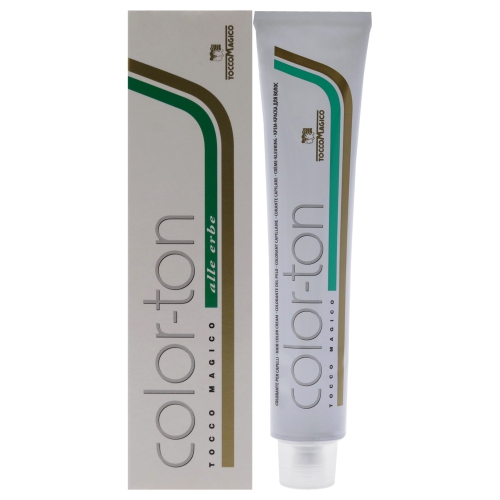
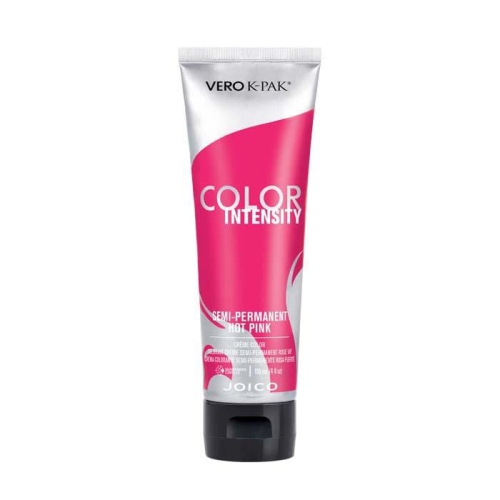
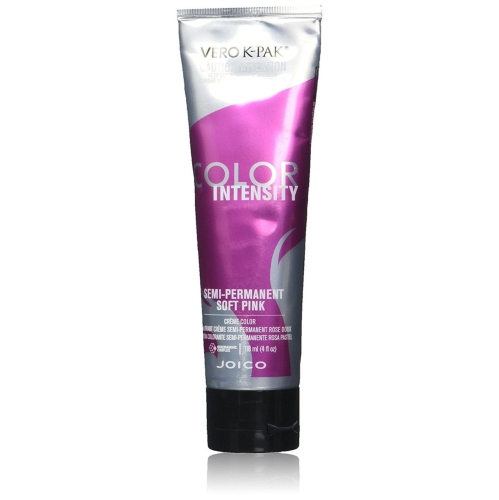
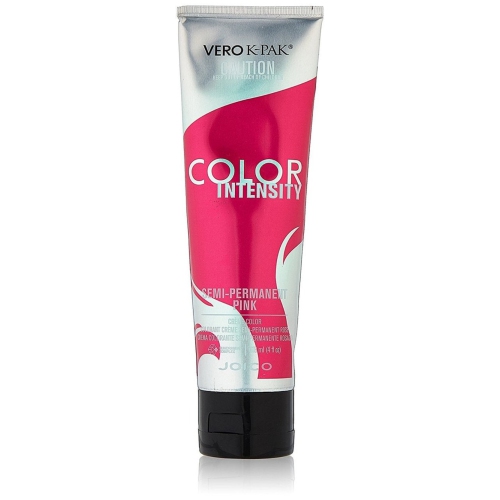
Why hair colour results depend on more than shade
Hair dye brands span a broad range of colour types, from permanent formulas for lasting shade changes to semi-permanent colour for softer shifts and expressive finishes. The most useful differences are often the intended coverage, the way the colour develops, and the upkeep it needs, rather than the shade name alone. Permanent hair dye typically uses an oxidative process, with colourant and developer mixed before application, to create a lasting change within the hair. It is often chosen for grey coverage or a consistent all-over shade, although new growth remains visible and the lengths can still fade. Demi-permanent colour generally works with a lower-strength developer to deposit tone with little or no lift, making it suited to blending some grey, deepening a shade, or refreshing faded colour when the formula allows. Semi-permanent dyes usually deposit direct pigments without a separate developer and gradually fade with washing; their staying power varies with the formula, shade, and condition of the hair. Temporary colour sits closer to the surface and is intended for short-lived changes, though lightened or porous hair may hold onto pigment longer than expected. Across these categories, natural-looking black, brown, blonde, and auburn shades serve different needs from vivid reds, blues, purples, and pastels. Someone maintaining a familiar brunette shade may value predictable root coverage, while someone adding a bright streak may be more interested in pigment intensity and how the colour fades. Root touch-up colour has a narrower purpose than an all-over application, with temporary and longer-lasting formats offering different levels of commitment. These distinctions make hair dye brands easier to compare by intended use: covering regrowth, blending silver strands, changing overall depth, or adding a noticeable flash of colour. A shade that suits one purpose is not automatically suited to another, and a natural-looking finish depends as much on the starting hair colour as it does on the colour shown on the packaging.
Starting shade, undertone, texture, and previous colour treatments all influence how hair dye looks once it has developed. A warm chestnut shade can appear softly golden on one head of hair and distinctly coppery on another, particularly where older highlights or sun-lightened ends are present. Shade charts are therefore more useful than the front-of-pack image alone, especially when they show expected results across several starting colours. Numbering systems can indicate depth and tone, but they are not identical across all hair dye brands, so a matching number does not always mean a matching result. For darker starting shades, hair dye for dark hair is relevant to colour choices designed with that base in mind. Deposit-only colour cannot lighten dark hair, and a vivid shade may appear as a subtle tint rather than the bright finish visible on a pale base. Noticeably lighter results often require a separate lightening process, while previously dyed lengths can respond differently from untreated roots. Grey hair adds another consideration: some formulas are designed for fuller coverage, while others leave a more translucent blend that preserves variation between strands. The formula’s texture also affects the application experience. Cream colour can offer controlled placement around the hairline, while liquid or foam formats have different spreading and saturation characteristics. Hair length and density influence how much mixed colour is needed; thick, shoulder-length hair may require more than fine hair of a similar length. Curly and coily hair can look shorter when dry, making full length and density more useful measures than appearance alone. Porosity matters just as much: dry, lightened ends may absorb pigment unevenly or look deeper than healthier sections. Conditioning ingredients can improve softness and manageability, but they do not guarantee protection from damage. Ammonia-free formulas may still use other alkalising agents, and neither a mild scent nor a botanical ingredient list establishes that a dye is suitable for sensitive skin. Clear directions, ingredient information, and compatibility with previous treatments remain important parts of choosing a formula.
The fit between a hair colour and an everyday routine often becomes clearest after the first application. A permanent shade close to the natural base can create a less obvious regrowth line than a dramatic shift, while strong contrasts between dyed hair and new silver growth tend to need more frequent attention. Rich reds and vivid fashion shades may lose intensity noticeably with washing, even when the overall colour remains visible. Semi-permanent colour offers a different kind of flexibility, but “fades gradually” does not necessarily mean an immediate return to the original shade, particularly on bleached hair. Wash frequency, heat styling, sun exposure, and swimming can all affect colour retention and hair feel. A gentle cleansing routine suited to colour-treated hair, regular conditioning, and restrained use of hot tools can help maintain a smoother appearance between applications. Wet, freshly coloured hair may transfer pigment onto towels, pillowcases, or clothing, especially with strongly pigmented direct dyes, so the formula’s rinsing and aftercare directions matter. For at-home use, packaging that clearly explains mixing, processing time, coverage expectations, and any separately required components makes the application requirements easier to understand. A boxed kit and a professional colour tube are not necessarily interchangeable formats; some colourants require a specific developer that is supplied separately. Professional-use formulas may also call for technical knowledge beyond a typical home application. Allergy alert testing should follow the manufacturer’s instructions before each use, even when a dye has been used previously without a reaction, and a strand test can help reveal likely colour results and timing. Hair dye should not be applied to an irritated or damaged scalp or used on eyebrows or eyelashes. Gloves and protected surfaces help limit skin contact and staining during application. For people maintaining a signature shade, softening the appearance of grey, or exploring a different tone, the strongest match is a colour type that suits their starting hair, desired finish, and willingness to maintain it. That combination supports a more considered choice than shade intensity or packaging claims alone.
Starting shade, undertone, texture, and previous colour treatments all influence how hair dye looks once it has developed. A warm chestnut shade can appear softly golden on one head of hair and distinctly coppery on another, particularly where older highlights or sun-lightened ends are present. Shade charts are therefore more useful than the front-of-pack image alone, especially when they show expected results across several starting colours. Numbering systems can indicate depth and tone, but they are not identical across all hair dye brands, so a matching number does not always mean a matching result. For darker starting shades, hair dye for dark hair is relevant to colour choices designed with that base in mind. Deposit-only colour cannot lighten dark hair, and a vivid shade may appear as a subtle tint rather than the bright finish visible on a pale base. Noticeably lighter results often require a separate lightening process, while previously dyed lengths can respond differently from untreated roots. Grey hair adds another consideration: some formulas are designed for fuller coverage, while others leave a more translucent blend that preserves variation between strands. The formula’s texture also affects the application experience. Cream colour can offer controlled placement around the hairline, while liquid or foam formats have different spreading and saturation characteristics. Hair length and density influence how much mixed colour is needed; thick, shoulder-length hair may require more than fine hair of a similar length. Curly and coily hair can look shorter when dry, making full length and density more useful measures than appearance alone. Porosity matters just as much: dry, lightened ends may absorb pigment unevenly or look deeper than healthier sections. Conditioning ingredients can improve softness and manageability, but they do not guarantee protection from damage. Ammonia-free formulas may still use other alkalising agents, and neither a mild scent nor a botanical ingredient list establishes that a dye is suitable for sensitive skin. Clear directions, ingredient information, and compatibility with previous treatments remain important parts of choosing a formula.
The fit between a hair colour and an everyday routine often becomes clearest after the first application. A permanent shade close to the natural base can create a less obvious regrowth line than a dramatic shift, while strong contrasts between dyed hair and new silver growth tend to need more frequent attention. Rich reds and vivid fashion shades may lose intensity noticeably with washing, even when the overall colour remains visible. Semi-permanent colour offers a different kind of flexibility, but “fades gradually” does not necessarily mean an immediate return to the original shade, particularly on bleached hair. Wash frequency, heat styling, sun exposure, and swimming can all affect colour retention and hair feel. A gentle cleansing routine suited to colour-treated hair, regular conditioning, and restrained use of hot tools can help maintain a smoother appearance between applications. Wet, freshly coloured hair may transfer pigment onto towels, pillowcases, or clothing, especially with strongly pigmented direct dyes, so the formula’s rinsing and aftercare directions matter. For at-home use, packaging that clearly explains mixing, processing time, coverage expectations, and any separately required components makes the application requirements easier to understand. A boxed kit and a professional colour tube are not necessarily interchangeable formats; some colourants require a specific developer that is supplied separately. Professional-use formulas may also call for technical knowledge beyond a typical home application. Allergy alert testing should follow the manufacturer’s instructions before each use, even when a dye has been used previously without a reaction, and a strand test can help reveal likely colour results and timing. Hair dye should not be applied to an irritated or damaged scalp or used on eyebrows or eyelashes. Gloves and protected surfaces help limit skin contact and staining during application. For people maintaining a signature shade, softening the appearance of grey, or exploring a different tone, the strongest match is a colour type that suits their starting hair, desired finish, and willingness to maintain it. That combination supports a more considered choice than shade intensity or packaging claims alone.
Top selling and popular products
-
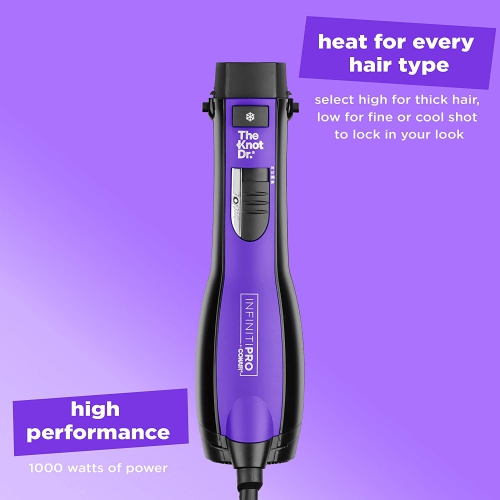 Your price for this item is $142.99
 -
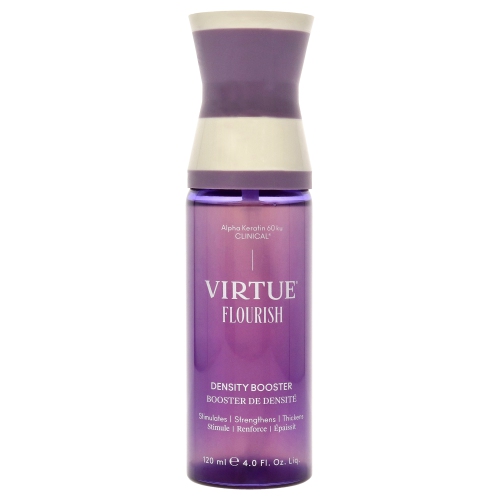 Your price for this item is $63.68
 -
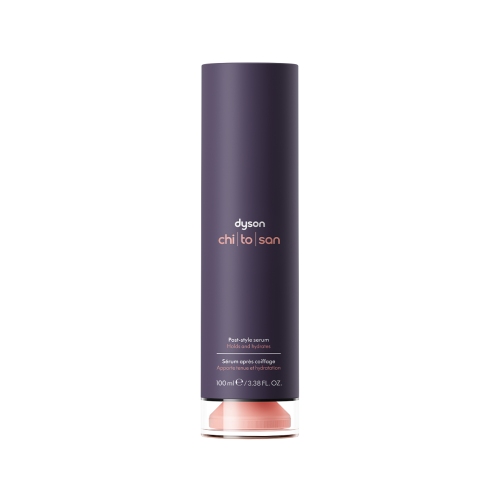 Your price for this item is $59.99
 -
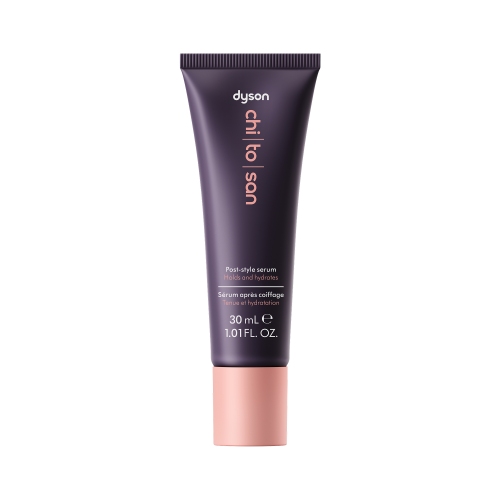 Your price for this item is $39.99
 -
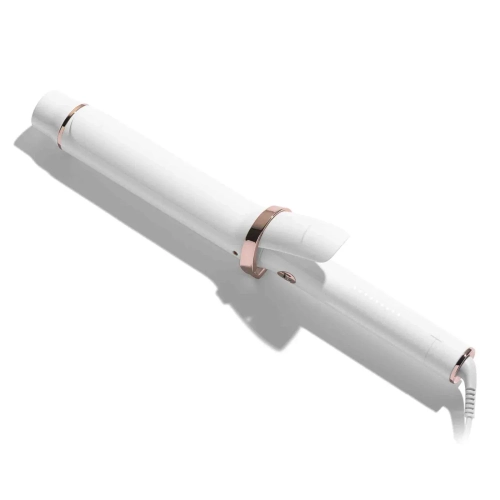 Your price for this item is $229.99
 -
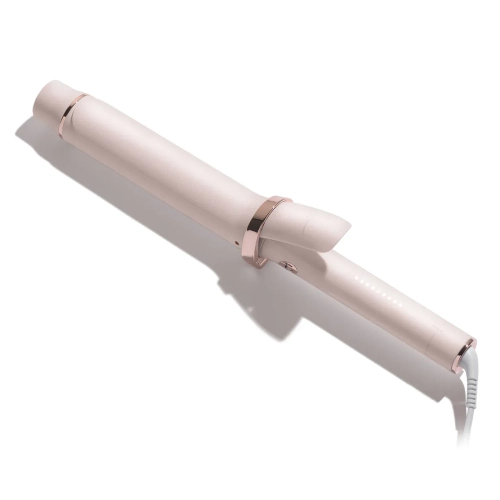 Your price for this item is $229.99
 -
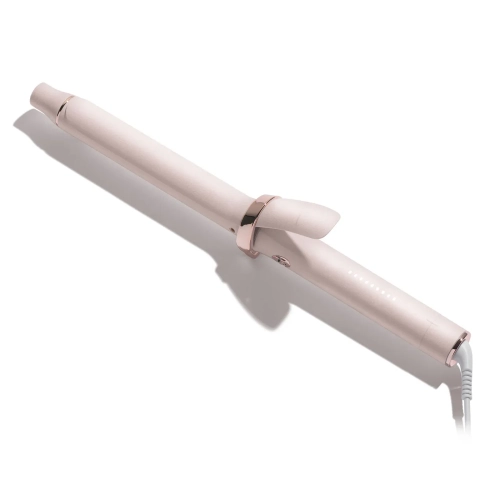 Your price for this item is $229.99
 -
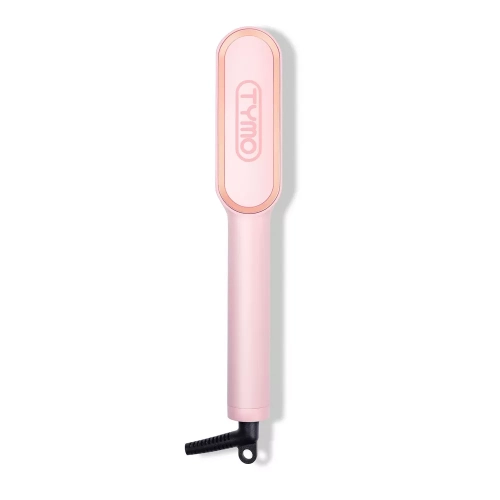 Your price for this item is $142.99
Discover more categories related to Hair Dye Brands
Top Collections:
Pokemon Centers, Budget 4K TVs, Kindle Devices, Canon G7X Cameras, Apple iPhones 16, iPhone 15 Apple, Laptops for Business Work, Flip Phones, Xiaomi Phones, Refurbished Apple Laptops
Some products may be subject to Environmental Handling Fees
(EHF) depending on your province.
Learn more about EHFs.