Hair Products for Coarse Hair
If you've got coarse hair, you know that finding the right hair products can make all the difference in achieving the smooth, manageable locks you desire. From shampoos and conditioners to styling creams and serums, we've curated a collection of hair products specifically formulated to cater to the unique needs of coarse hair. Whether you're looking to tame frizz, add moisture, or enhance shine, our selection of high-quality products has got you covered. Say goodbye to unruly strands and hello to beautifully nourished and styled hair with our range of hair products for coarse hair.
Sort



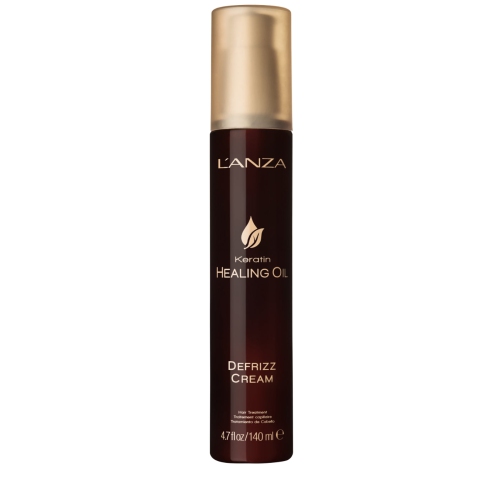

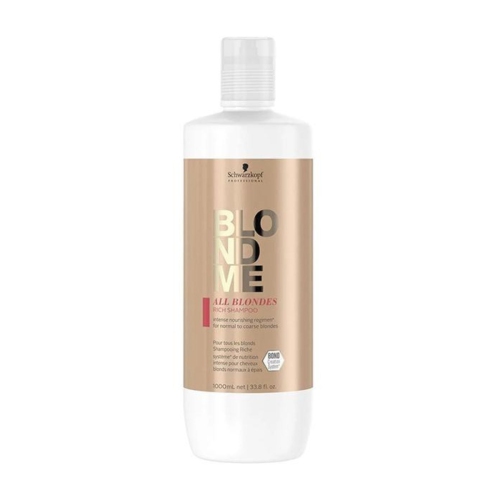
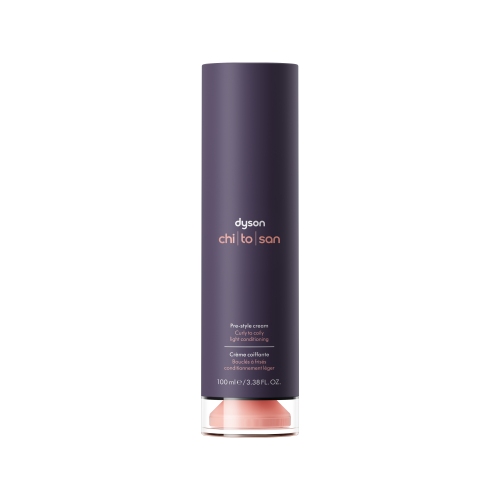

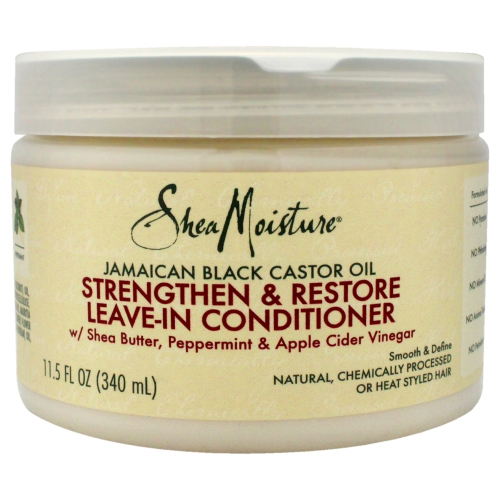













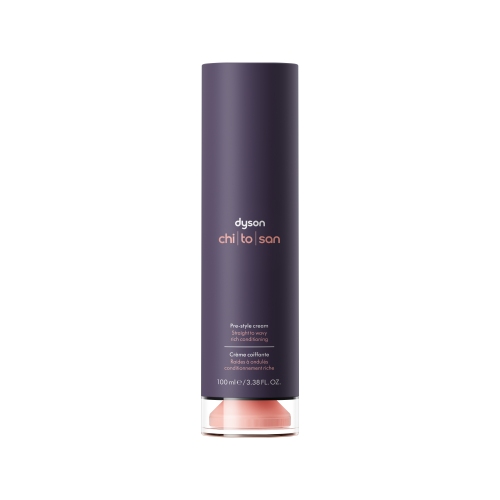


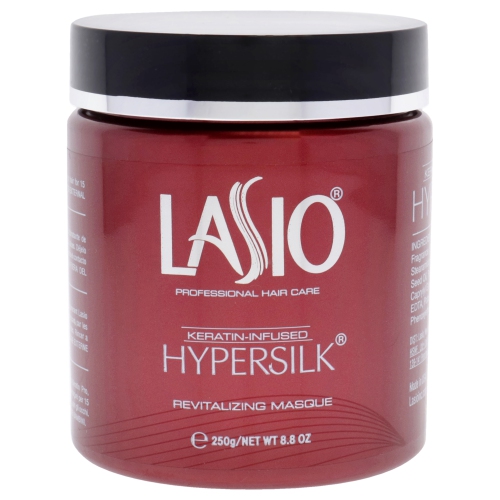
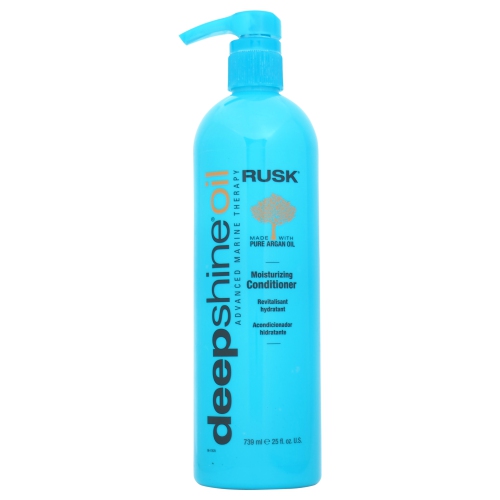

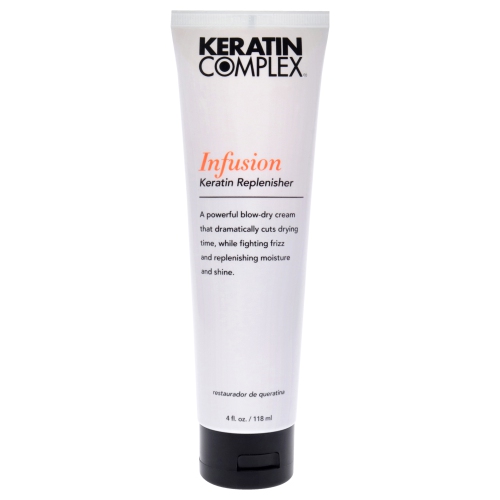



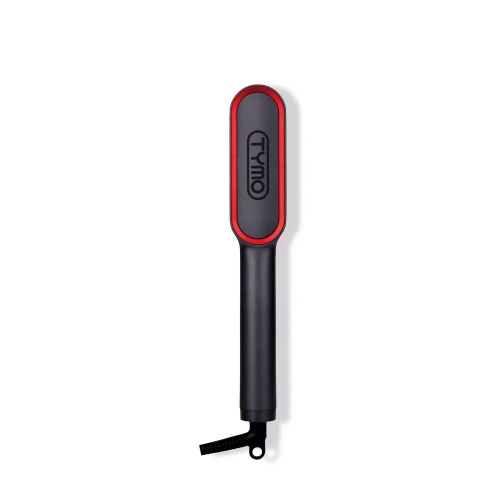
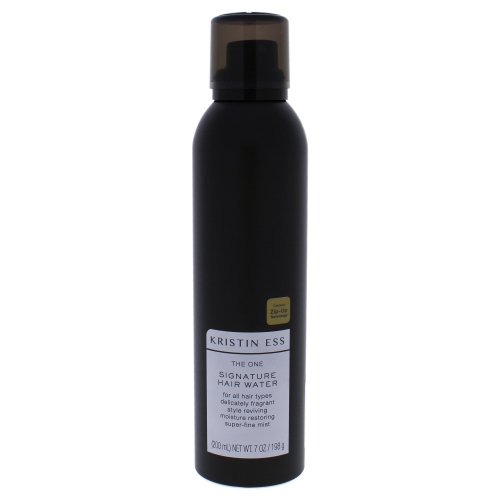

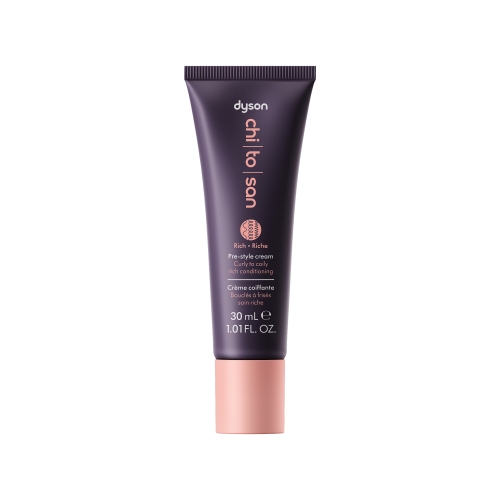
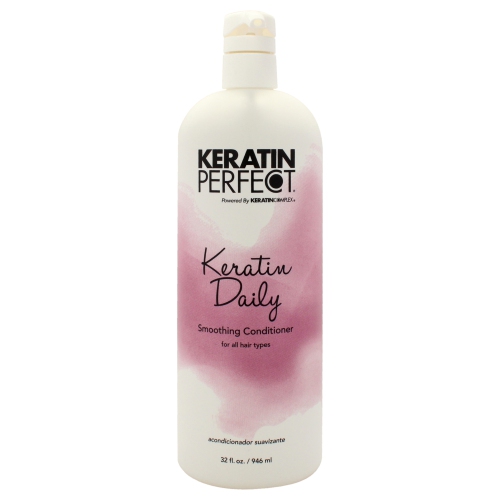







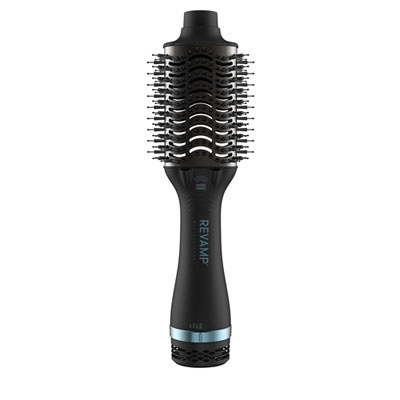


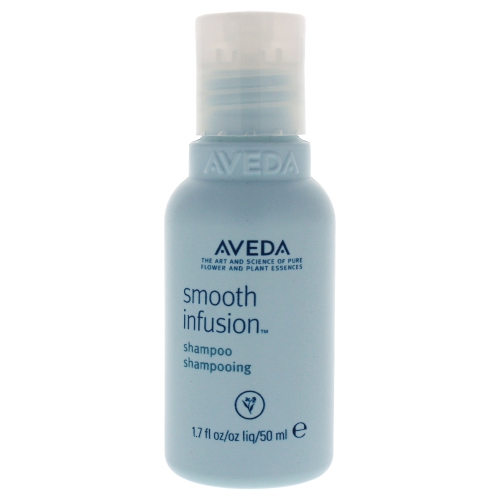

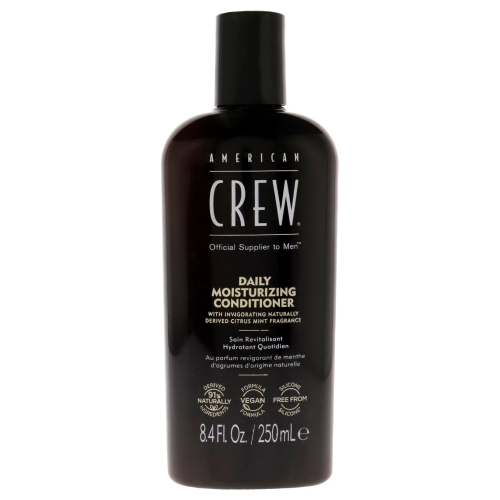
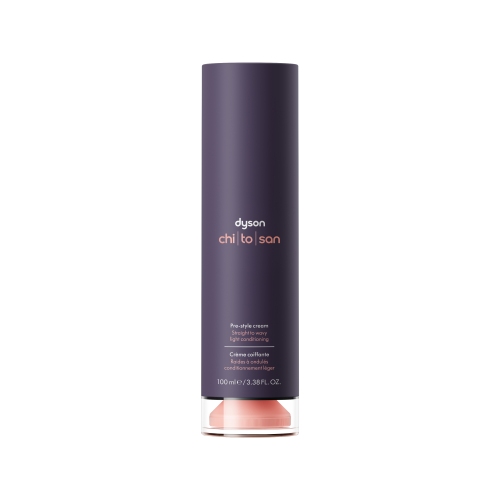











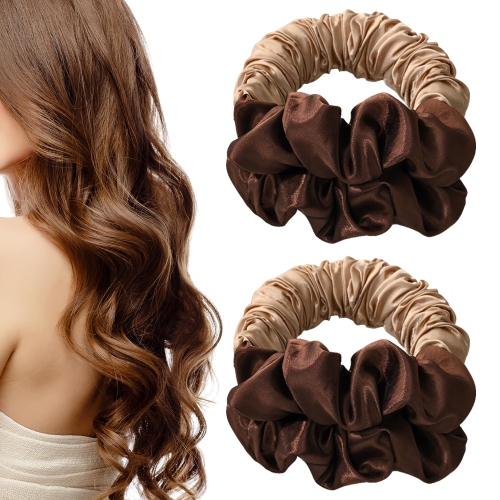

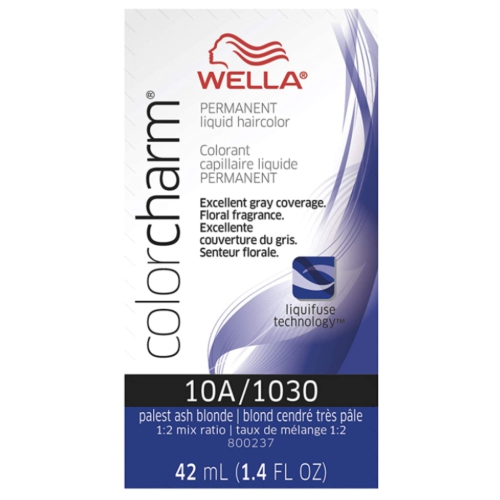


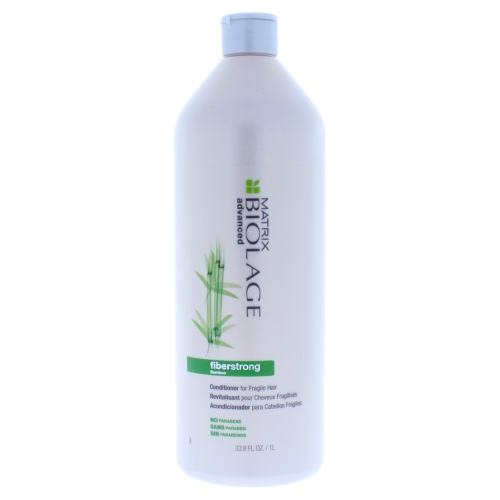

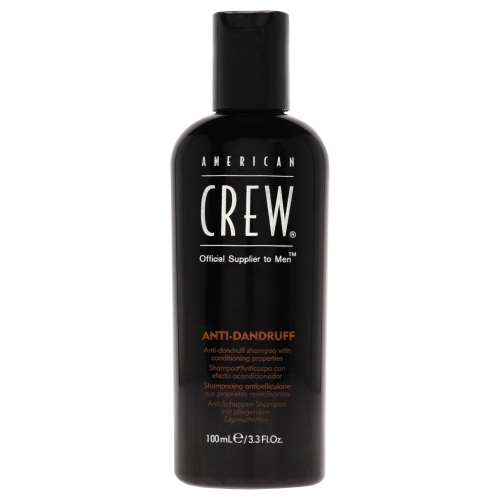











Why thicker strands don’t always need heavier formulas
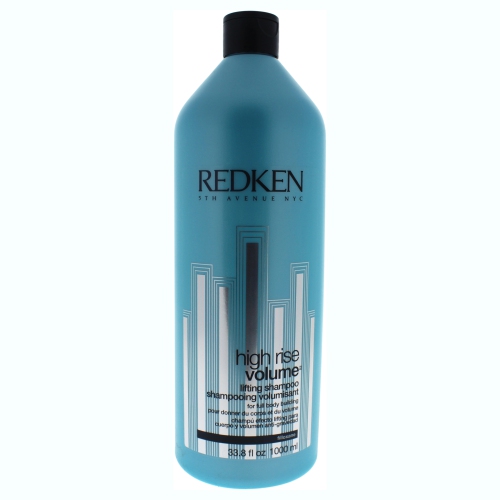
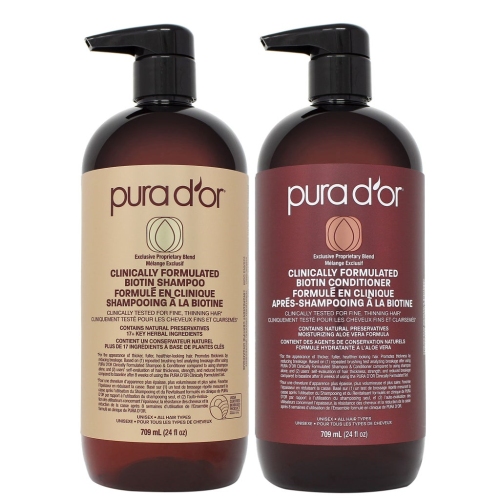
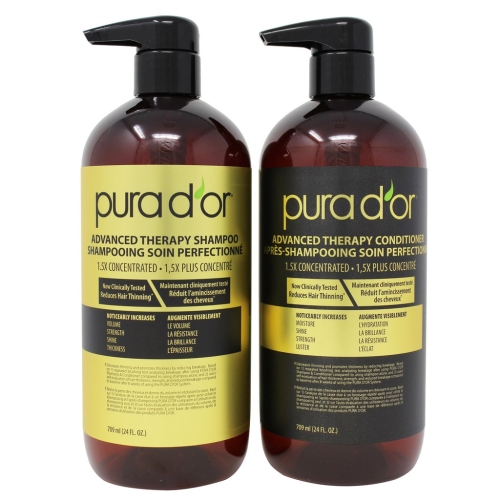
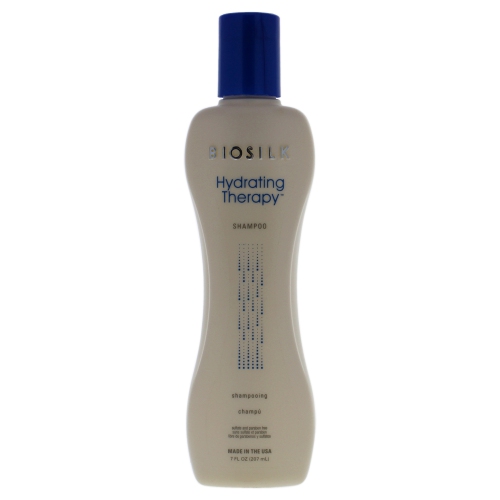
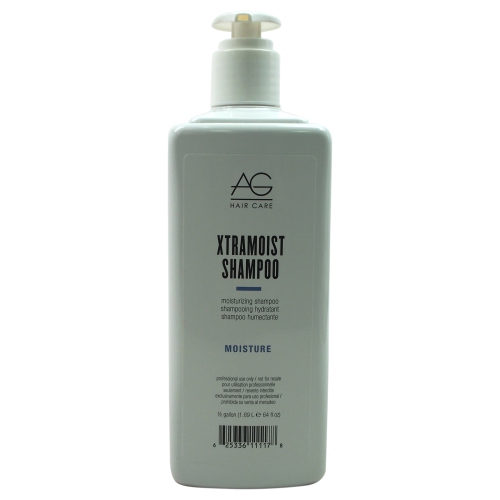
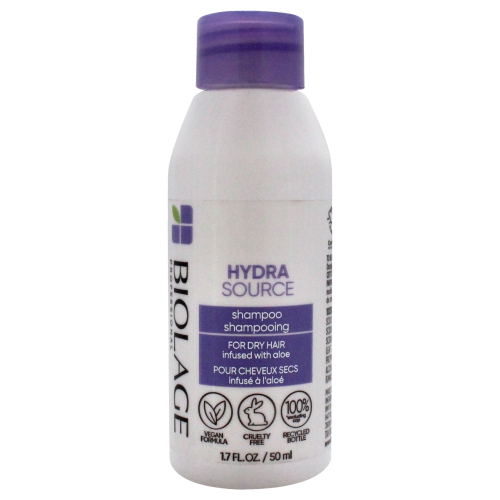
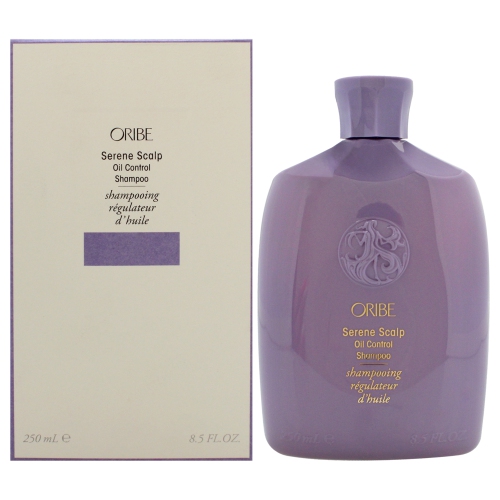
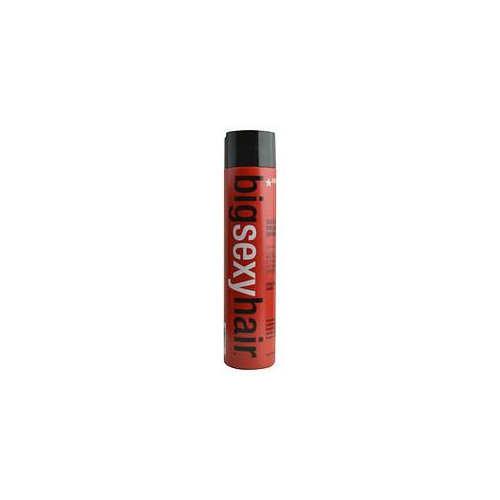
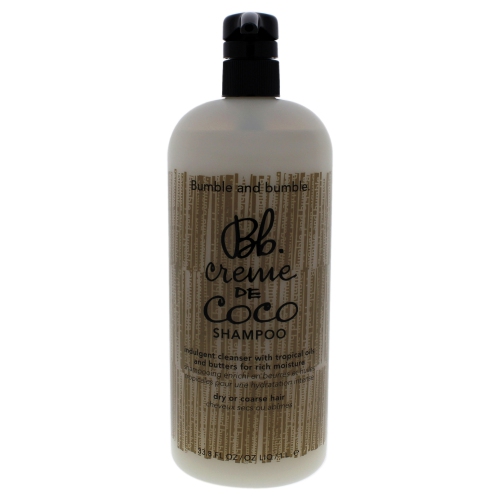
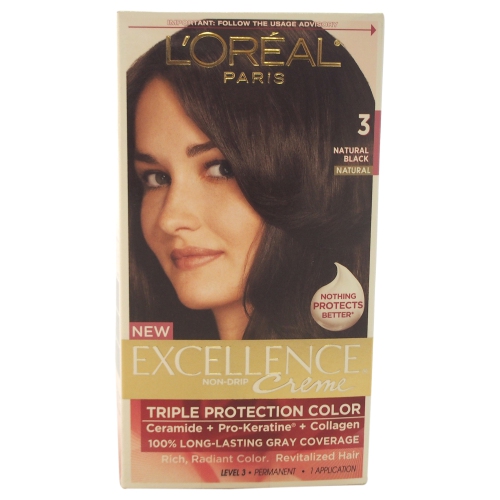
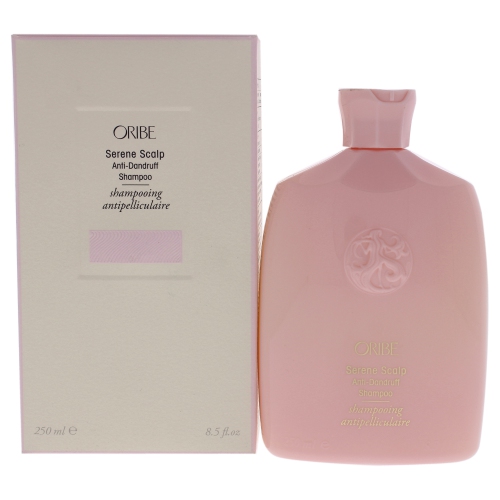
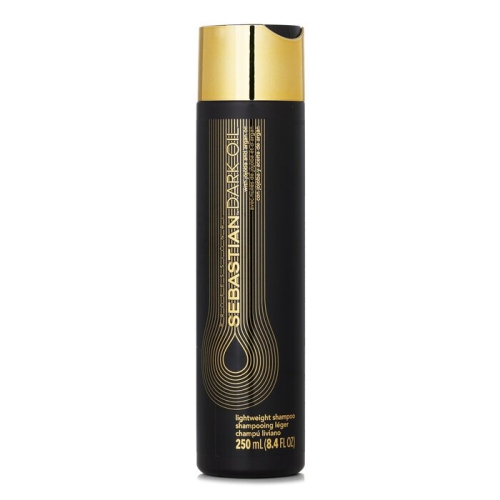
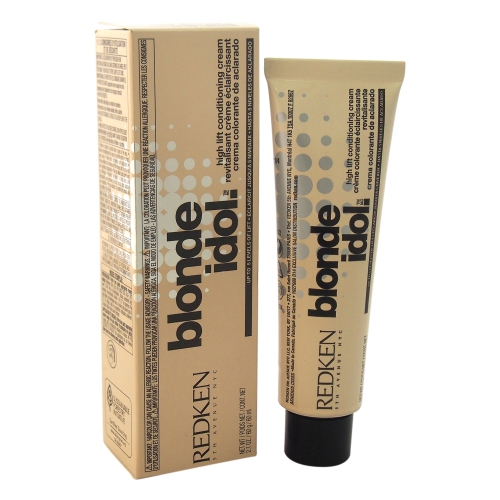
Hair products for coarse hair are designed to help thicker individual strands feel softer, move more easily, and respond better to styling. Coarseness describes the diameter of each strand, not how much hair grows on the scalp: coarse hair can be straight, wavy, curly, or coily, and it can have either low or high density. That distinction matters when choosing a formula. A person with coarse, straight hair may want smoothness without losing movement, while someone with coarse curls may prefer a richer finish that supports definition. Moisturizing shampoos, rinse-out conditioners, leave-in treatments, masks, and styling creams serve different purposes within that routine. Cleansing removes oil and residue, conditioning improves slip and softness, and styling products help shape the finished look. For hair that feels rough after washing or catches easily during detangling, hydrating shampoos for coarse hair offer a relevant starting point for a cleansing routine built around manageability. A hydrating shampoo should still suit the scalp, whether it tends to feel oily, dry, or sensitive; thicker strands do not automatically call for the heaviest cleanser. Conditioning ingredients such as fatty alcohols, including cetyl and stearyl alcohol, help give formulas their creamy texture and can leave hair feeling smoother. These differ from alcohols used primarily as solvents, so an ingredient name alone does not tell the whole story. Glycerin is a humectant commonly used to help attract moisture, while conditioning agents reduce friction between strands. The overall formula matters more than any single ingredient. Fragrance preferences, scalp comfort, wash frequency, and colour treatments also influence how well a product fits daily life. Hair that is regularly bleached or chemically straightened may need different care from untreated coarse hair, even when the strands look similar. The most useful match addresses the hair’s condition as well as its texture, leaving it manageable without an unwanted coated or limp feel.
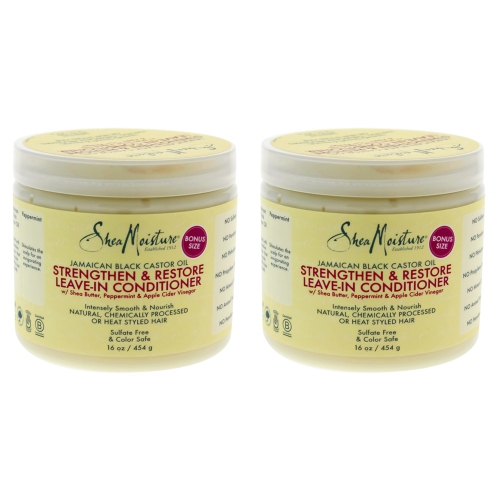
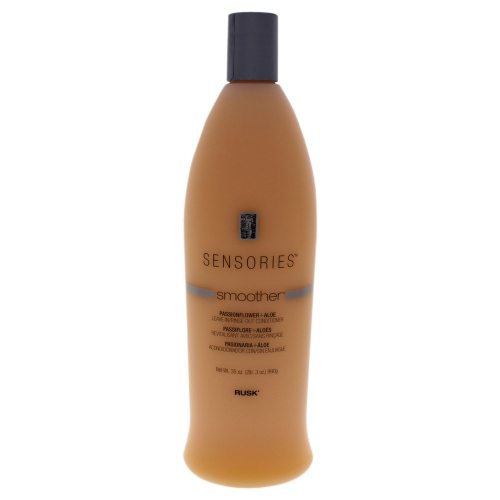
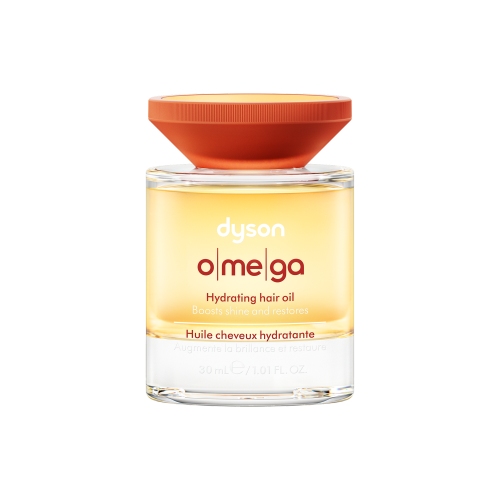
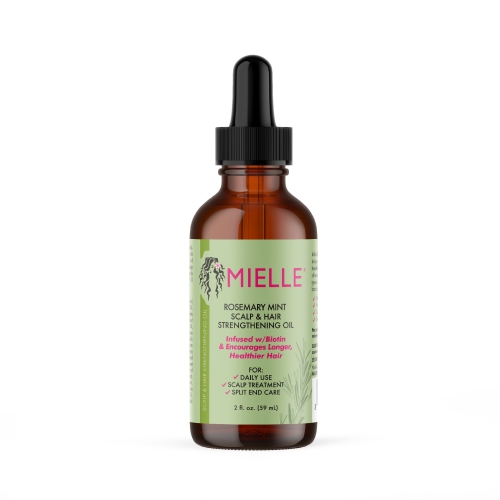
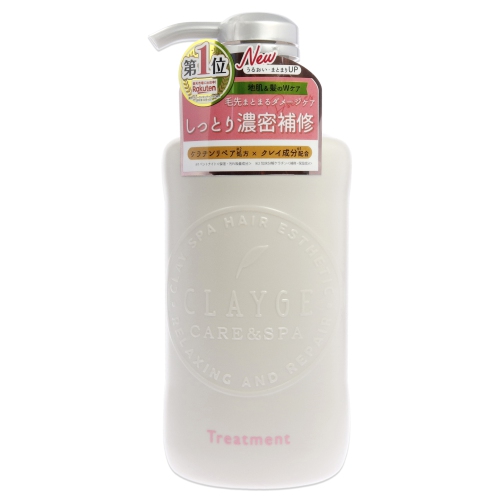
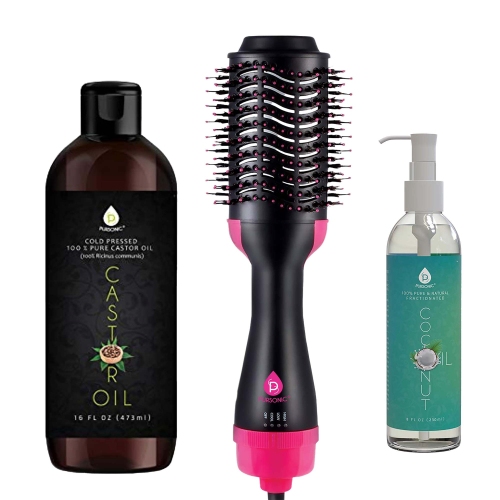
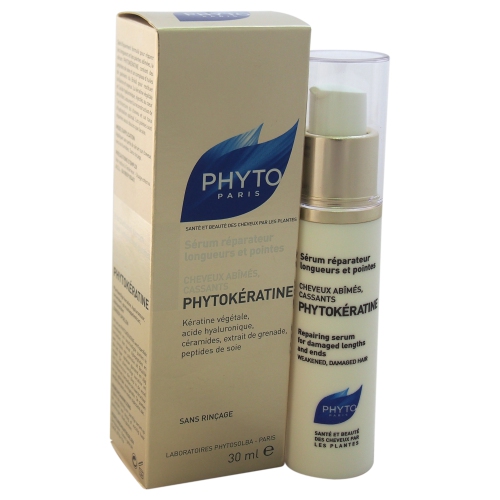
Conditioners and treatments for coarse hair range from lightweight lotions to dense creams, allowing different levels of softness and control. Rinse-out conditioner helps loosen tangles after cleansing, particularly through the mid-lengths and ends, where friction from brushing and styling can leave strands feeling rough. A richer mask can provide extra conditioning when the lengths feel stiff or difficult to comb, although more product and longer application times do not necessarily produce better results. Directions on the packaging establish the intended amount, contact time, and rinsing method. Leave-in conditioners remain on the hair to support detangling and manageability between washes. A spray may suit someone who wants a light finish, while a cream can be a better fit for strands that need more slip or a fuller, softer feel. Hair oils and serums provide another kind of finish: they can lubricate the surface, add shine, and help reduce friction, but they do not replace cleansing and conditioning. Oils such as argan or coconut oil appear in many formulas, and their feel varies with the blend and the amount applied. Silicone-containing serums can also smooth the hair surface and help control frizz; a silicone-free label is a formulation preference rather than a guarantee of better performance. On coarse hair with sparse density, a generous application near the roots may flatten the style even when the ends benefit from the same formula. Concentrating richer textures where softness is needed helps preserve movement elsewhere. For hair that tangles at the nape or feels dry at the tips, good slip makes gentle detangling easier and reduces the need to pull through knots. Protein-containing treatments may help temporarily improve the feel and strength of damaged hair, but they are not essential for every coarse texture. Likewise, a smoothing treatment can make split ends look tidier without permanently repairing them. Products work best when their purpose matches the concern, rather than when several rich layers are added simply because the hair is coarse.
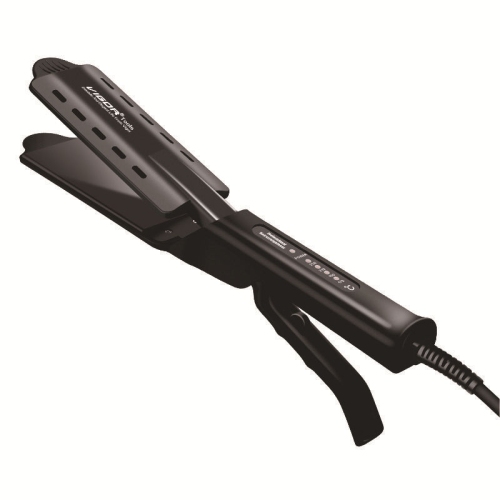
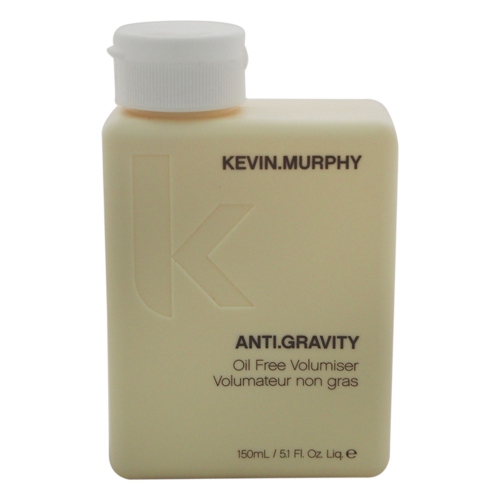
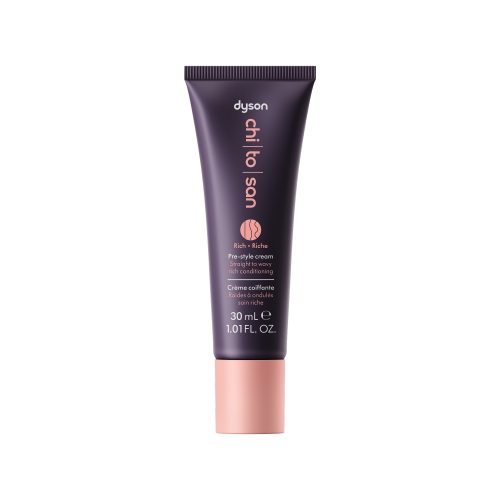
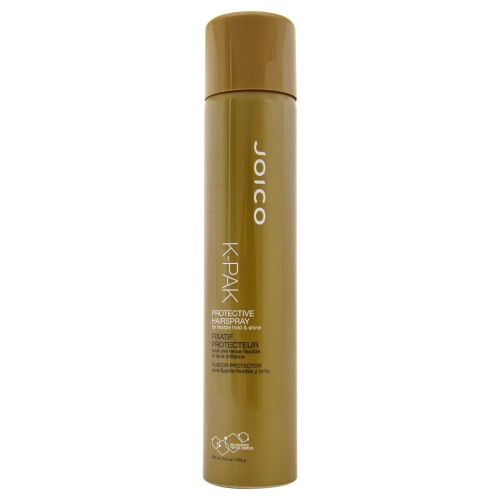
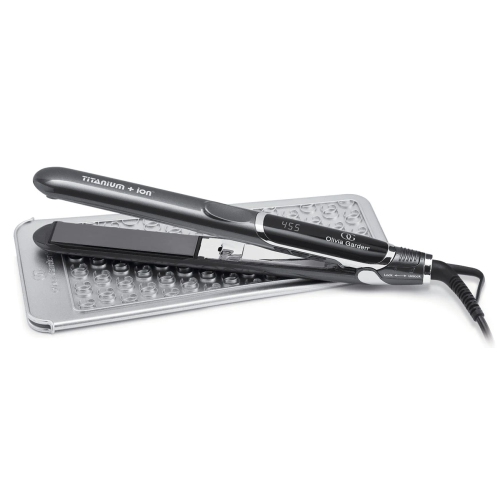
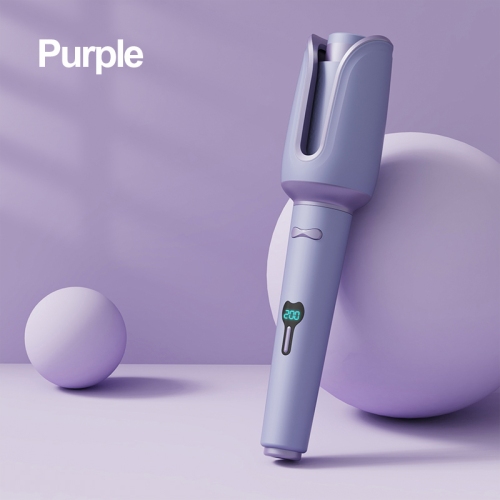
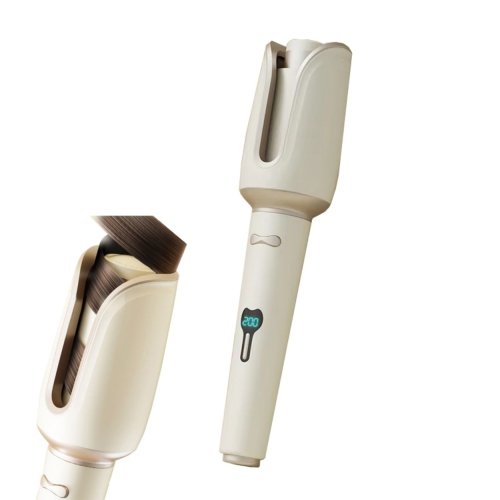
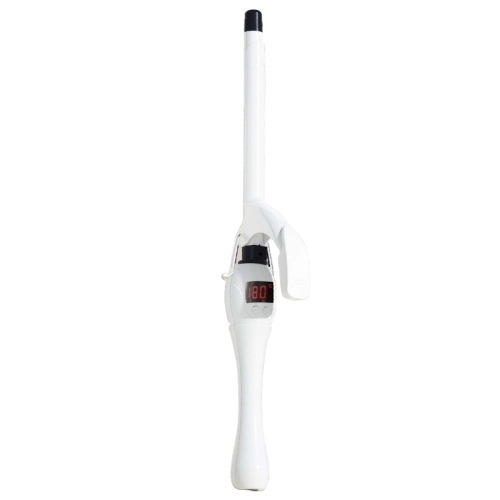
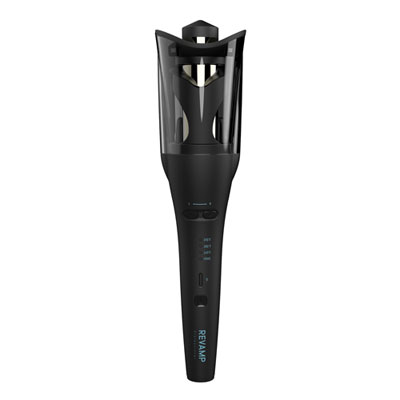
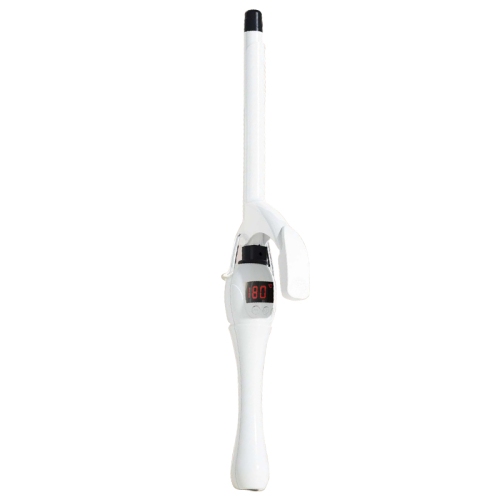
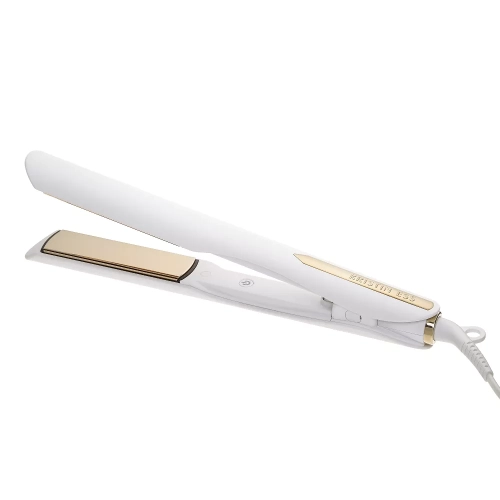
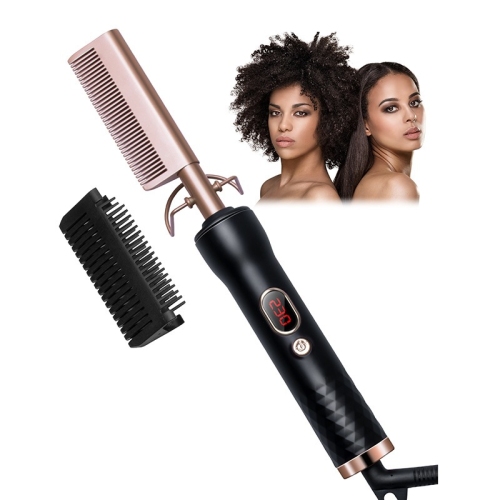
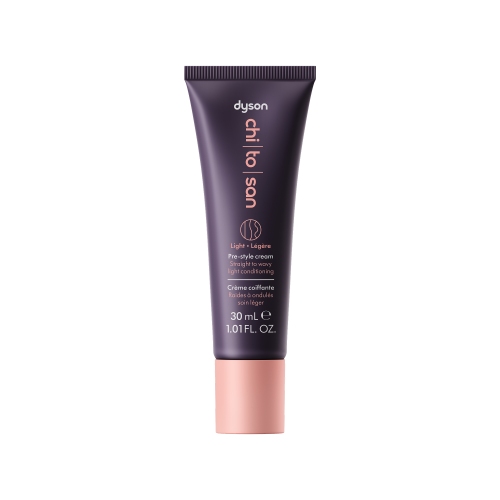
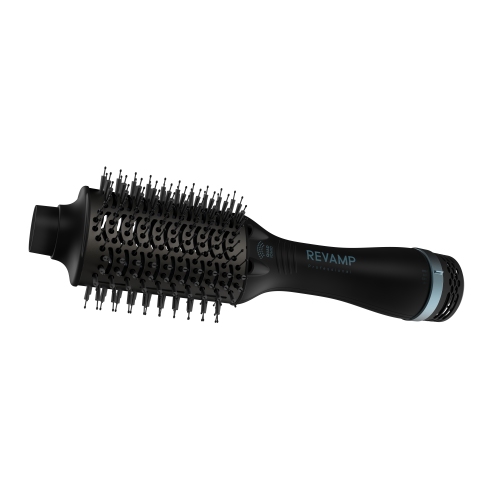
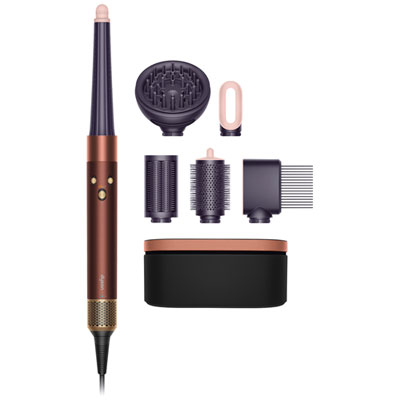
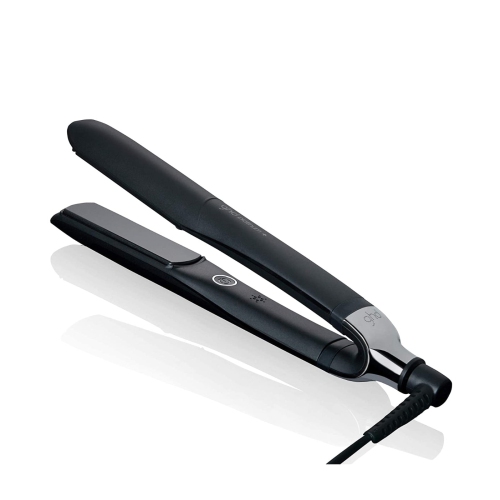
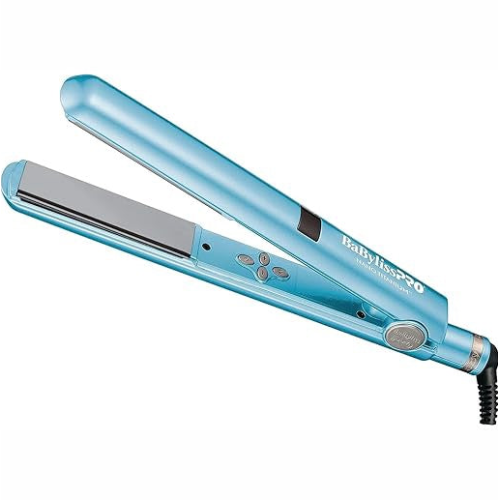
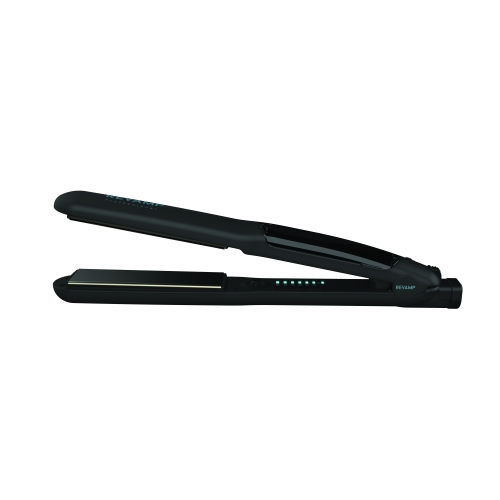
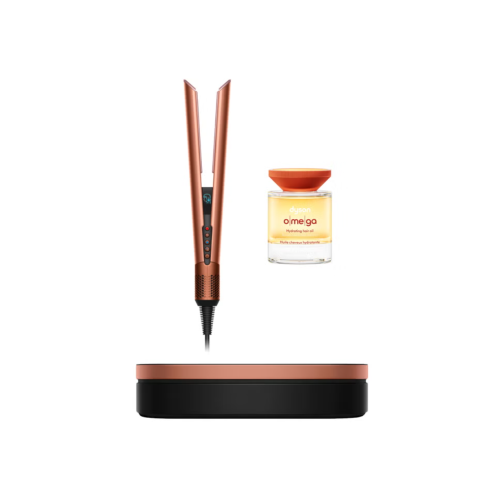
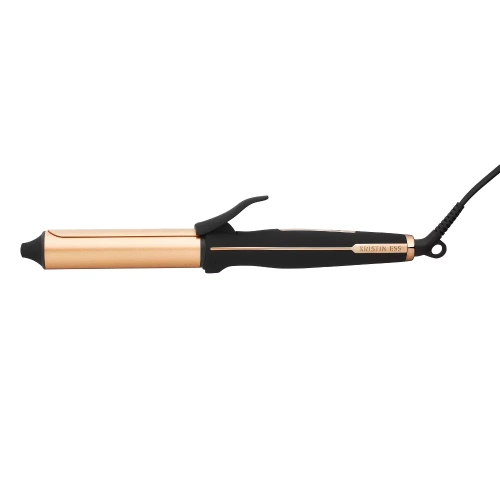
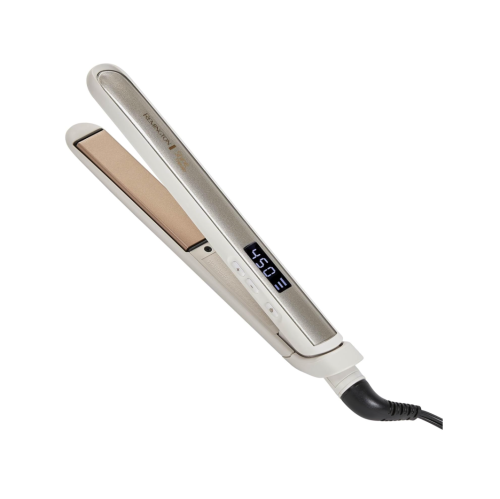
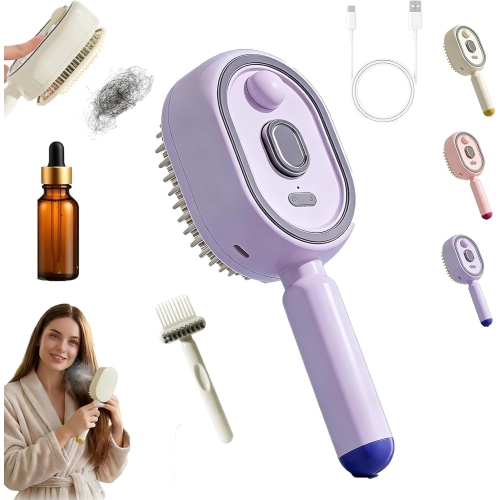
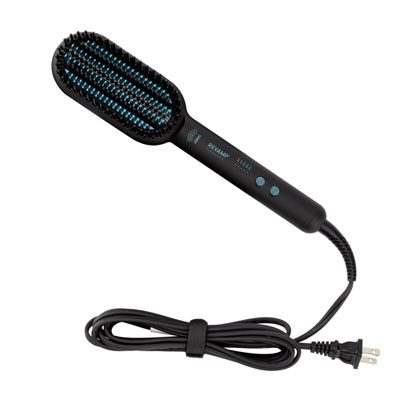
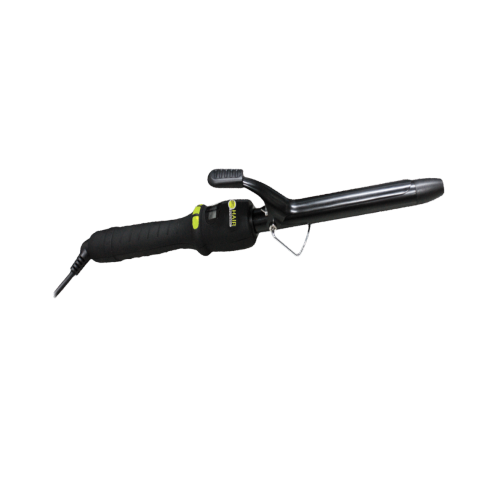
Styling products for coarse hair support a range of finishes, from a sleek blowout with swing through the ends to defined waves, curls, and coils. Styling creams generally offer softness and flexible control, while gels and mousses can provide more structure or hold, depending on the formula. A curl cream may make sections easier to shape without supplying enough hold for a long-lasting style on its own. A gel can help maintain definition, although the firmness of the finish varies, and some formulas leave a cast that softens with gentle handling once the hair is fully dry. For straight styles, smoothing lotions and finishing serums can help keep the surface polished without requiring a stiff finish. Heat protectants are relevant for anyone using a hair dryer, straightener, or curling tool, but an ordinary oil or leave-in conditioner should not be assumed to provide heat protection unless it is labelled for that use. Protective formulas can help reduce heat-related damage; they cannot make repeated high-heat styling harmless. Coarse strands do not automatically require the highest tool setting, particularly when they are colour-treated or already fragile. The tools used alongside these formulas also affect comfort and results. Wide-tooth combs with smooth teeth and detangling brushes without rough seams can help distribute conditioner and work through sections with less snagging. Comfortable handles and easy-to-clean surfaces are useful details for longer routines, while regular removal of trapped hair and residue helps keep tools working as intended. For bottled and jarred formulas, secure closures, clean handling, and storage according to the label help preserve product quality. Smaller containers may be convenient for travel, while pumps can make dispensing easier with wet hands. Hair care can also make a thoughtful gift when the recipient’s texture, styling habits, and fragrance preferences are known. Whether the goal is easier wash-day detangling, softer lengths, or a more controlled finish, a focused selection of products for coarse hair supports a routine that feels practical and personal.
Top selling and popular products
-
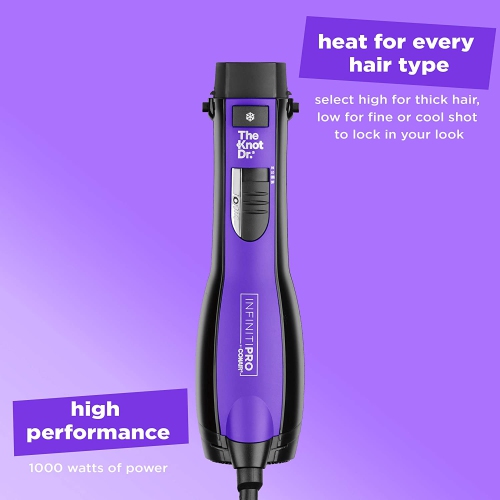 Your price for this item is $155.86
-
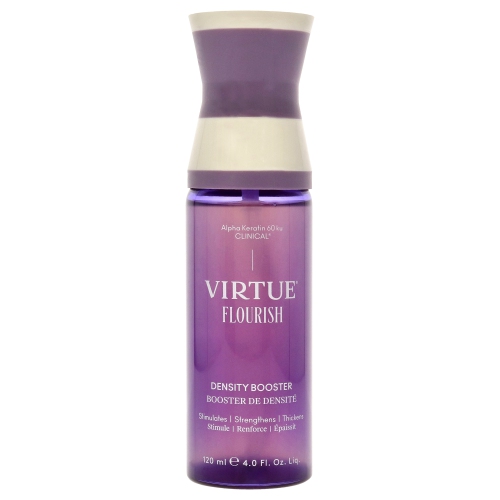 Your price for this item is $63.68
-
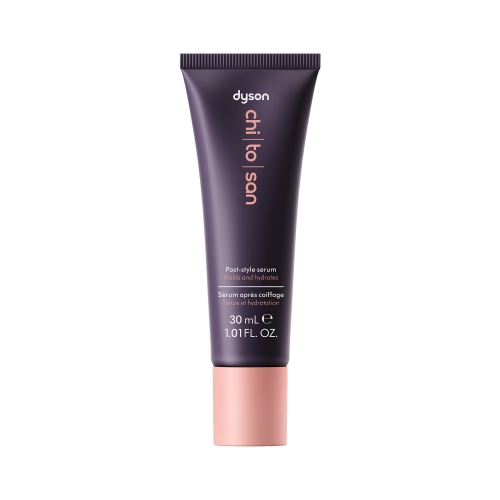 Your price for this item is $39.99
-
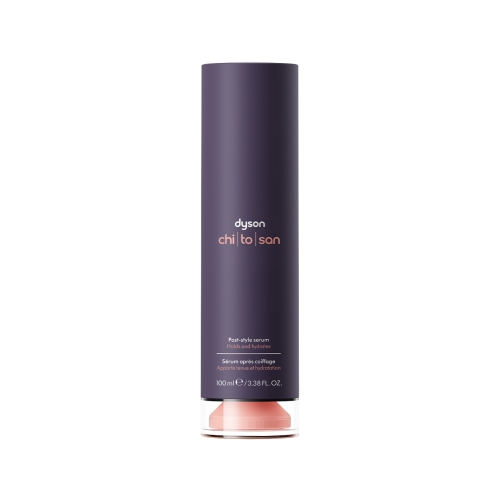 Your price for this item is $59.99
-
 Your price for this item is $229.99
-
 Your price for this item is $229.99
-
 Your price for this item is $229.99
-
 Your price for this item is $155.86
Discover more categories related to Hair Products for Coarse Hair
Top Collections:
Pokemon Centers, Best Cameras for Sports Photography, Kindle Devices, Samsung Galaxy Phones, Canon G7X Cameras, Pokémon 30th Celebration Cards, Refurbished Apple Laptops, iPhone 15 Apple, Laptops for Students, Budget Smartphones
Some products may be subject to Environmental Handling Fees
(EHF) depending on your province.
Learn more about EHFs.