Hair Styling Tools for Volume
Achieve salon-worthy lift and fullness at home with hair styling tools for volume. Whether you're looking to add body to fine hair or create bold, voluminous styles, you'll find a variety of options designed to help you reach your desired look. Explore an array of innovative tools that make it easy to enhance texture and boost volume, so you can enjoy confidence in every hairstyle.
Sort
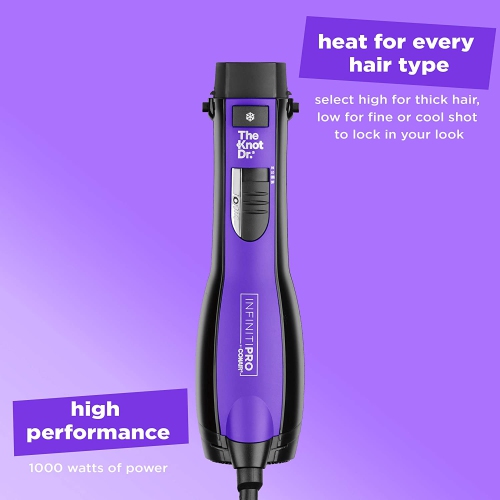

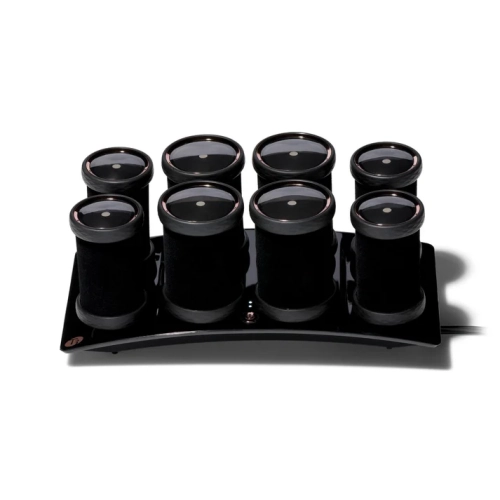
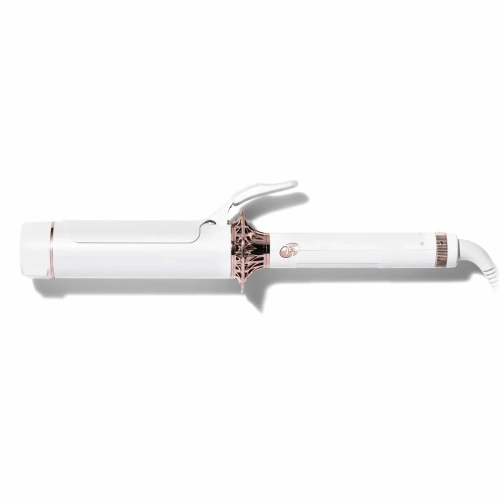
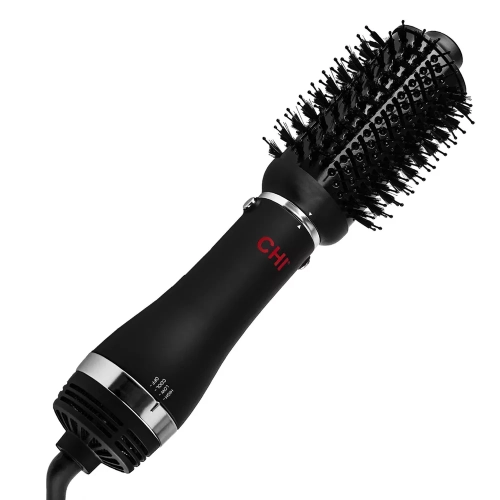
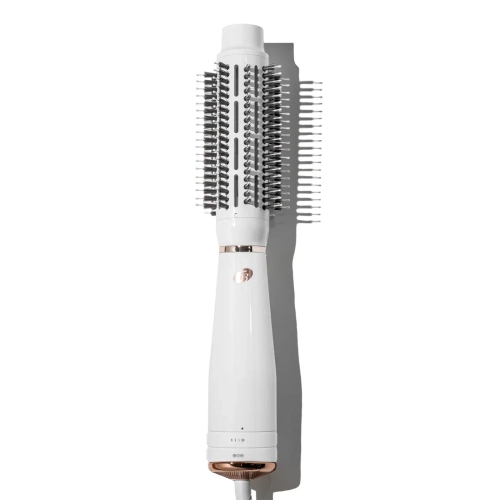
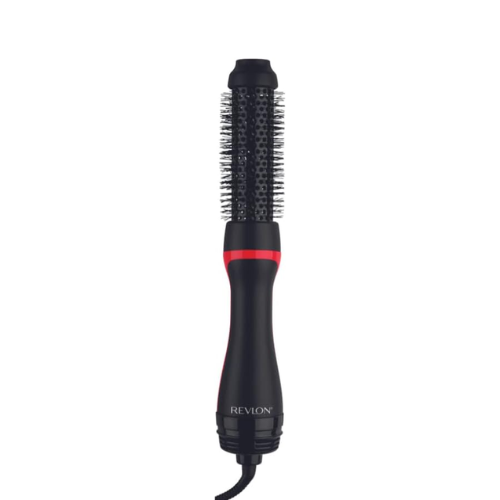
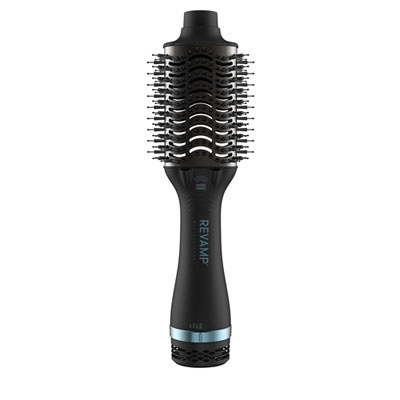
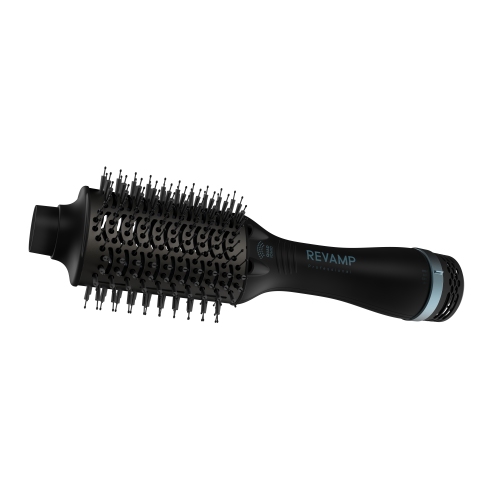
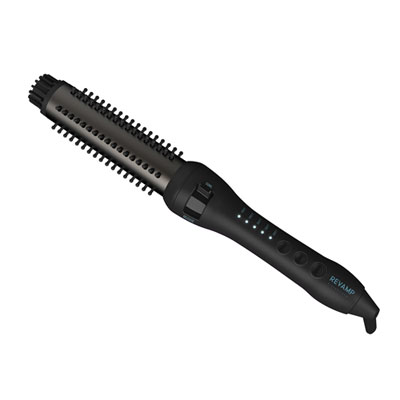
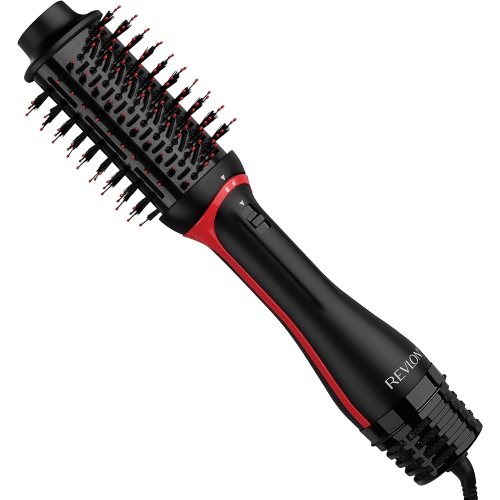
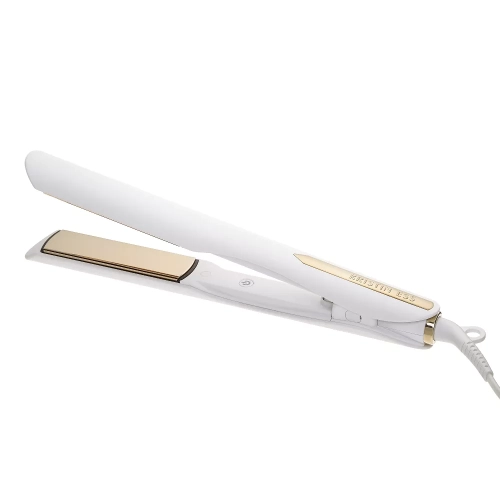
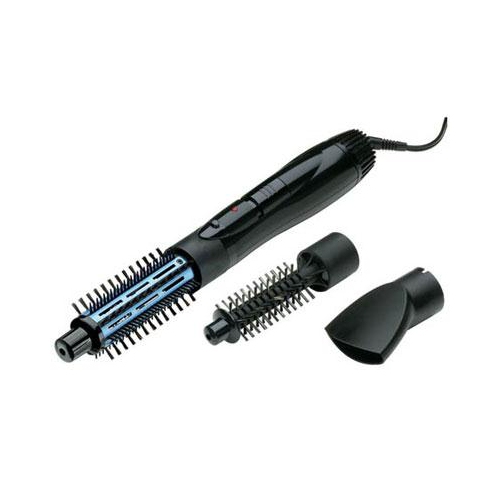

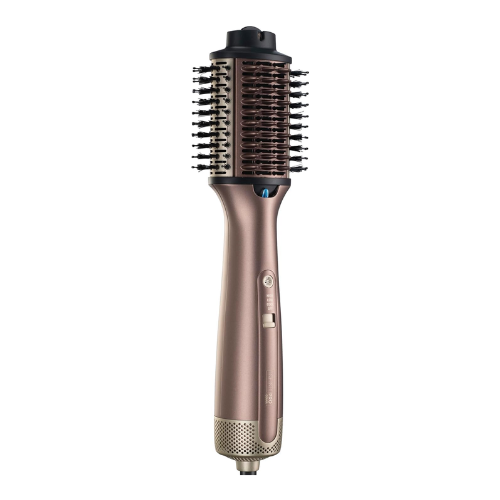
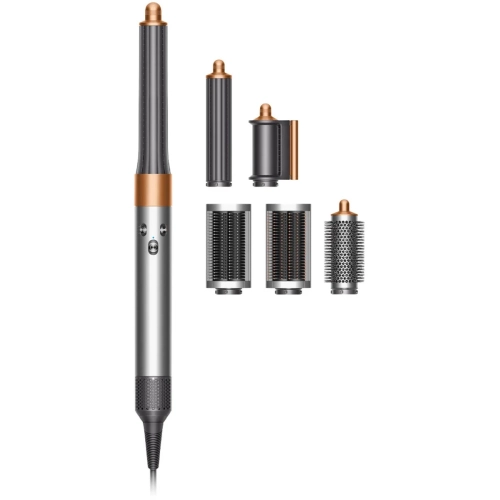
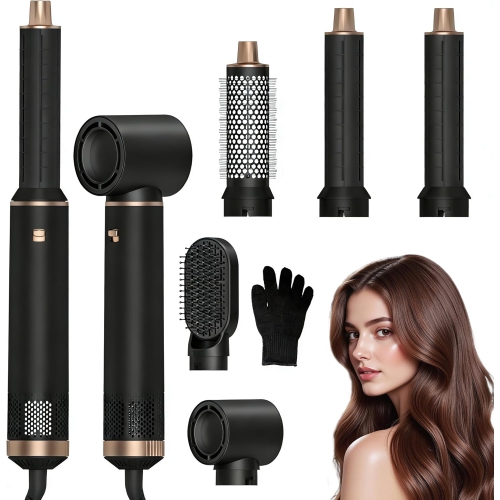
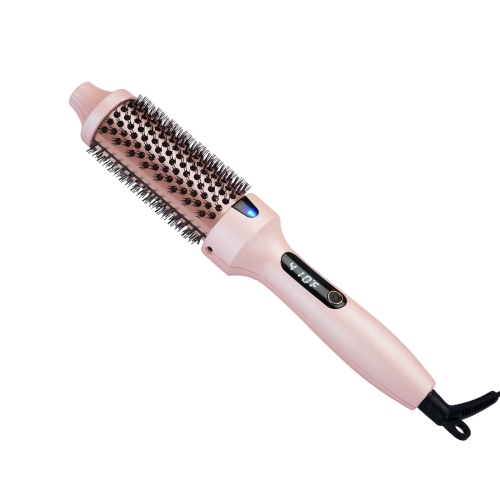


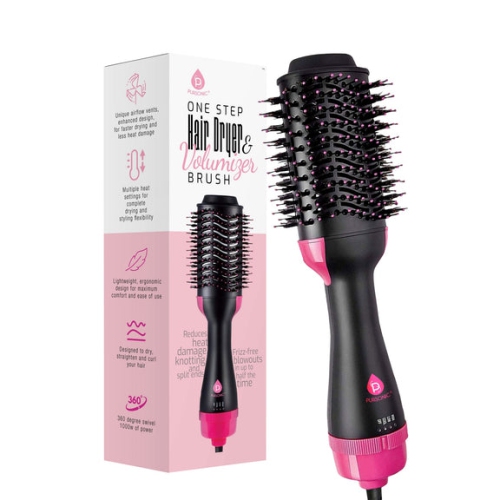
Fuller-looking hair starts with the right shape
Hair styling tools for volume help create lift at the roots, fullness through the lengths, and movement at the ends. The most suitable tool depends on whether the desired finish is a rounded blowout, loose waves, defined curls, or discreet height around the crown. Hot air brushes combine airflow with a shaped brush barrel, bringing drying and styling together while helping direct sections away from the scalp. Multi-stylers offer different ways to shape hair through interchangeable attachments, which may include round brushes, smoothing brushes, or curling barrels. A hair dryer paired with a separate round brush offers independent control over airflow, tension, and the direction of each section. Heated thermal brushes serve a different purpose: they shape dry hair with a heated barrel rather than drying it with airflow. They can be useful for refreshing flattened lengths or adding a curved finish to the ends between washes. Curling irons and wands create bends and waves that make straight lengths appear fuller, while rollers support rounded shapes as the hair sets. Heated rollers are generally intended for dry hair; unheated rollers may suit dry or slightly damp hair, depending on their design and the intended result. Allowing a heated section to cool in its rounded shape helps that shape hold. Root-lifting irons add a small textured pattern beneath the upper layers, creating support that can remain hidden under a smooth surface. These tools create the appearance of fuller hair by changing its shape and position, rather than increasing the number or thickness of individual strands. For a sleek bob, volume might mean a little height at the crown and softly tucked ends. For long layers, it may mean broad curves that keep the lengths from hanging flat. The right category supports that particular finish without requiring every section to look curled, crimped, or heavily styled.
Hair length, density, texture, and condition all influence how comfortably a volumizing tool fits into a routine. A smaller barrel can make it easier to reach shorter layers and create a more pronounced curve, while a larger round or oval barrel generally suits broader bends and fuller blowout shapes. Very large barrels may be awkward around a fringe or short sides, even when they work well through longer lengths. Brush design matters, too: bristle spacing, firmness, and flexibility affect grip, tension, and how easily hair releases. Dense bristles can provide control, but excessive tension may be uncomfortable on delicate strands or a sensitive scalp. Fine hair often benefits from lighter handling and adjustable heat, while dense hair may be easier to manage in smaller sections with airflow that reaches beyond the surface. Curly and coily textures can be styled for lift while retaining their natural pattern; a diffuser attachment can help distribute airflow more gently and reduce disturbance to curl groups. A stretched, rounded finish calls for a different attachment and level of tension than a naturally curly finish. Ceramic-coated surfaces are commonly used to support even heat distribution, while titanium surfaces can transfer heat efficiently; neither material alone guarantees gentler styling. Heat settings, contact time, technique, and the condition of the hair remain important. Adjustable temperature and airflow controls allow more flexibility than a single fixed setting, and a cool-shot function can help finish a blow-dried shape. Tools designed only for dry hair should not be treated as dryers, and any damp-hair use should follow the manufacturer's directions. A suitable heat protectant adds another layer of care without making excessive heat harmless. Complementary Hair Brushes for Volume can also support a fuller finish, whether used with a dryer or to shape and separate hair after styling. The most useful combination balances control with comfortable handling rather than relying on the highest heat or strongest tension.
Everyday usability can matter as much as the finished style, especially when a tool is held above shoulder height or used around the back of the head. Handle shape, overall weight, button placement, and a swivel cord all affect manoeuvrability. A secure grip and controls positioned away from the fingers can make it easier to maintain a consistent setting while shaping a section. Removable attachments should lock firmly into place, and cool-touch tips can offer a steadier hold when used as directed, although nearby barrels and plates may still be hot. An automatic shut-off provides a useful safeguard but does not replace switching off and unplugging a tool after use. Care requirements also influence long-term performance: hair caught around bristles, styling residue on heated surfaces, and lint in dryer filters can interfere with smooth handling or airflow. Cleaning should follow the manufacturer's instructions, with the tool unplugged and fully cool; electrical components should not be immersed in water unless expressly designed for it. Smooth coatings, sound attachment connections, and an undamaged cord are practical details worth checking over time. Storage that protects bristles and keeps cords loosely arranged helps prevent unnecessary strain, while a suitable heat-resistant surface keeps a hot tool away from vulnerable countertops. For someone refreshing a fringe before work, a compact heated brush may fit the task better than a collection of attachments. Someone who alternates between rounded blowouts and loose waves may appreciate the flexibility of a multi-styler, while a roller set can suit a routine that leaves time for hair to cool before finishing. As a gift, hair styling tools are most personal when matched to the recipient's hair length, preferred finish, and comfort with heated styling. Practical details such as easy-to-read settings, familiar controls, and manageable weight can make the difference between a tool that feels complicated and one that becomes part of a regular routine. Across these choices, volume can range from subtle root lift to generous, sweeping movement, with the strongest match being a tool that suits both the hair and the person styling it.
Top selling and popular products
-
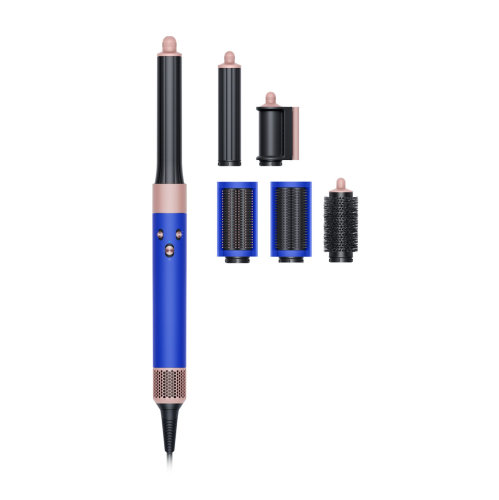 Your price for this item is $319.99
-
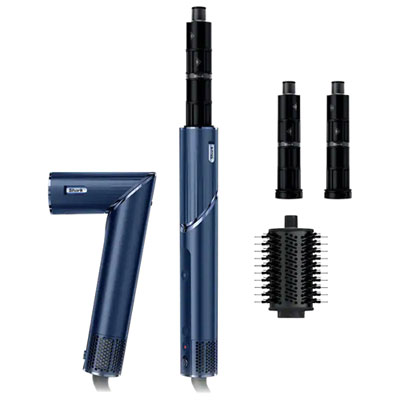 Your price for this item is $329.99
-
 Your price for this item is $108.89
-
 Your price for this item is $104.49
-
 Your price for this item is $599.99
-
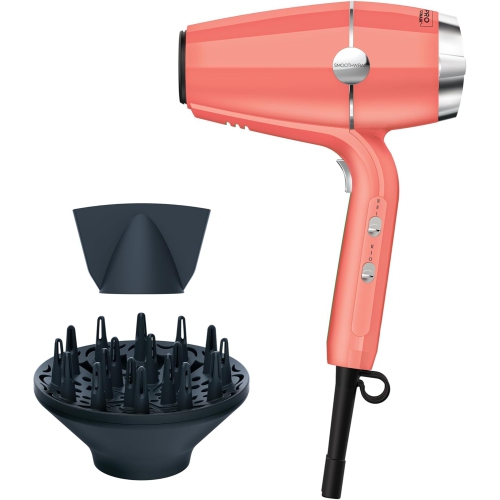 Your price for this item is $120
-
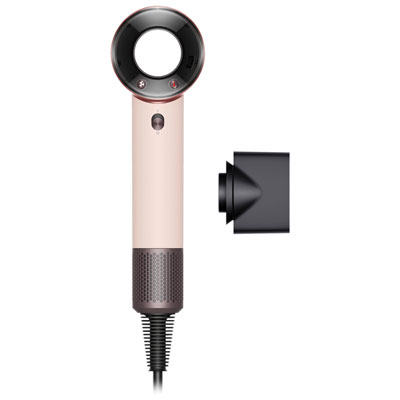 Your price for this item is $399.99
-
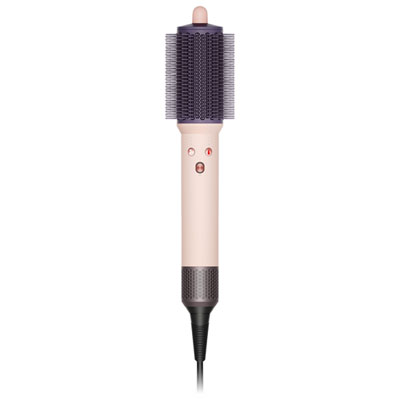 Your price for this item is $349.99
Discover more categories related to Hair Styling Tools for Volume
Top Collections:
Best Black Friday Deals This Year, Best Black Friday Deals On Electronics, Kindle Devices, Pokemon Centers, Best Black Friday Deals On Apple Products, Best Cameras for Sports Photography, Dyson Airwrap, Pokémon 30th Celebration Cards, Apple iPhone 17 Pro, Canon G7X Cameras
Some products may be subject to Environmental Handling Fees
(EHF) depending on your province.
Learn more about EHFs.