Hair Wavers for Long Hair
Get ready to transform your long locks into stunning waves with these hair wavers for long hair. Whether you're looking to achieve loose, beachy waves or defined curls, these innovative styling tools are designed to effortlessly create the perfect wave pattern that will turn heads wherever you go. With a variety of features and technologies to choose from, you'll find the ideal hairwaver that suits your unique style and hair type.
Sort
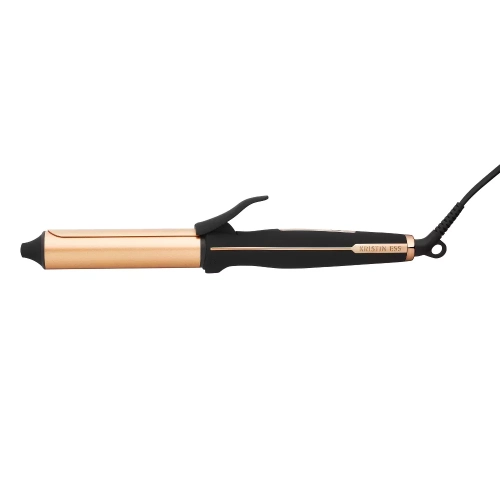
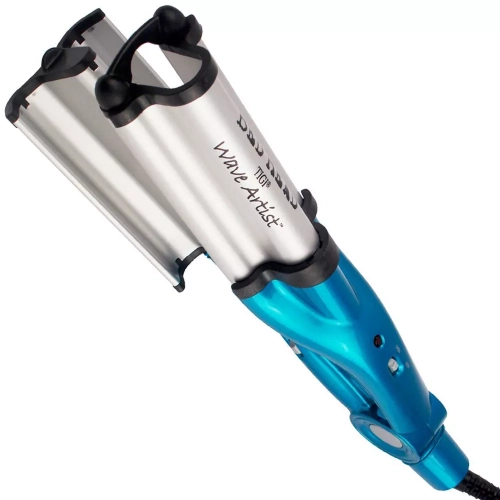
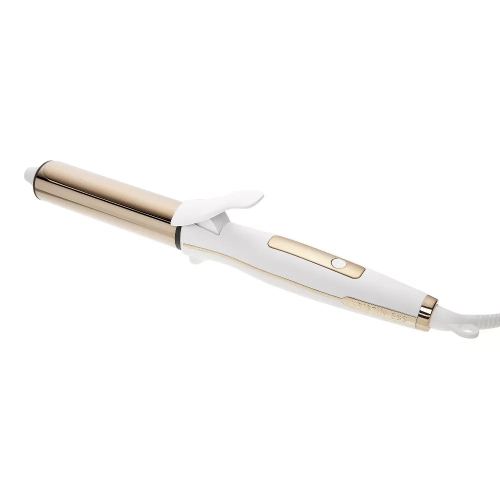
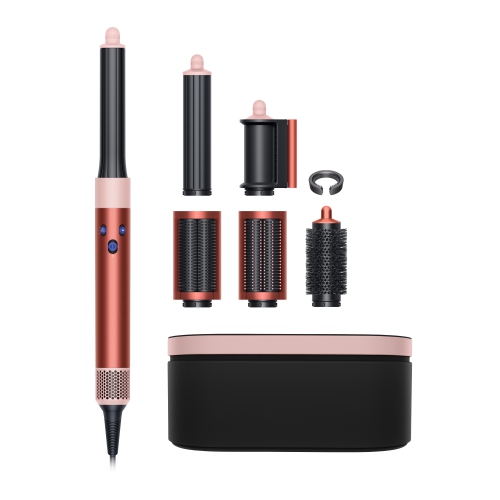
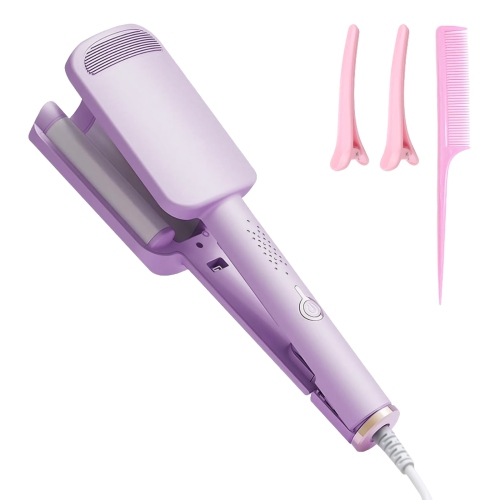
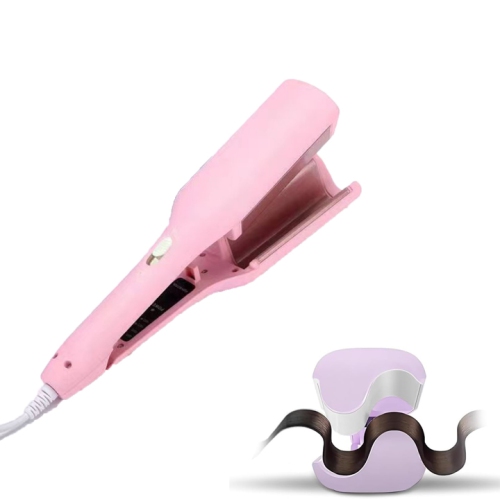
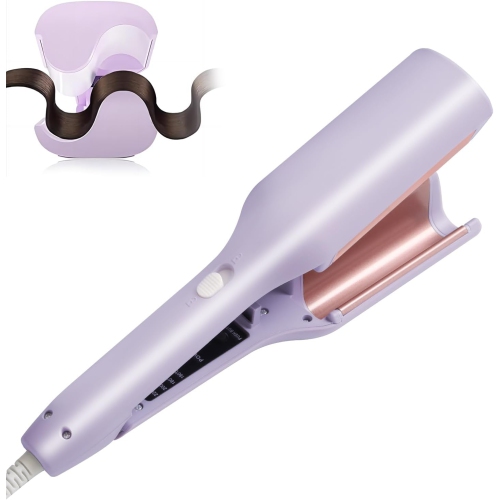
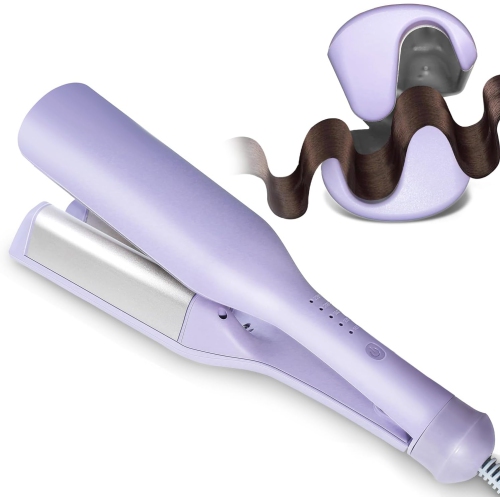
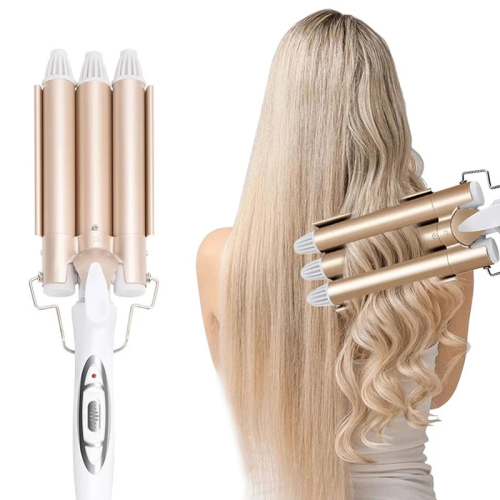
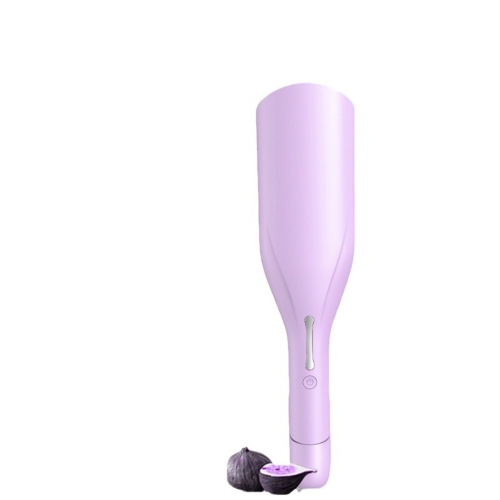
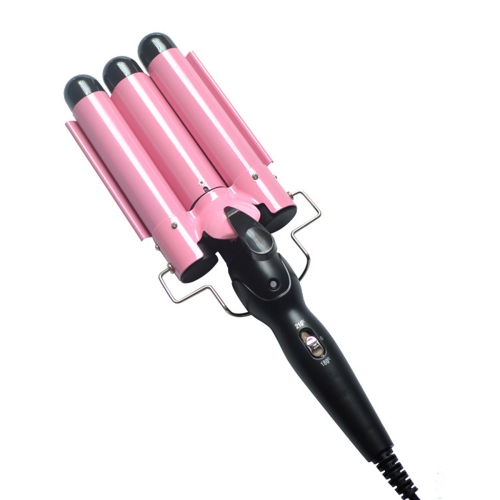
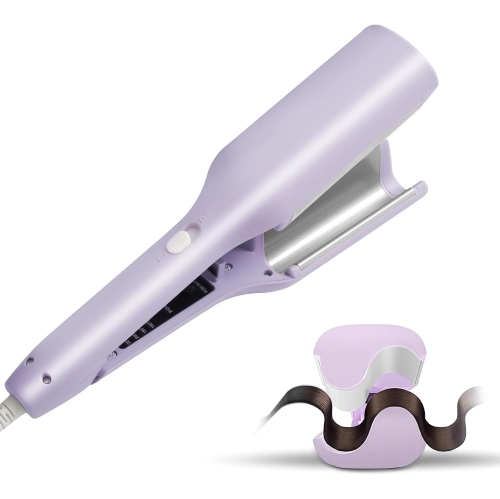
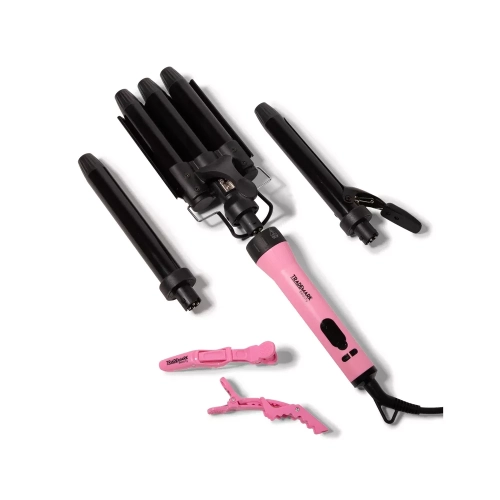
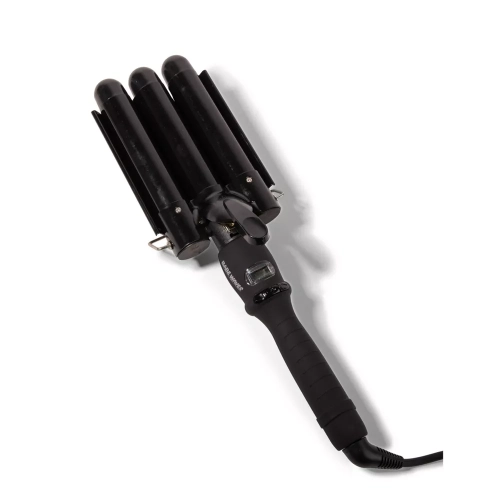
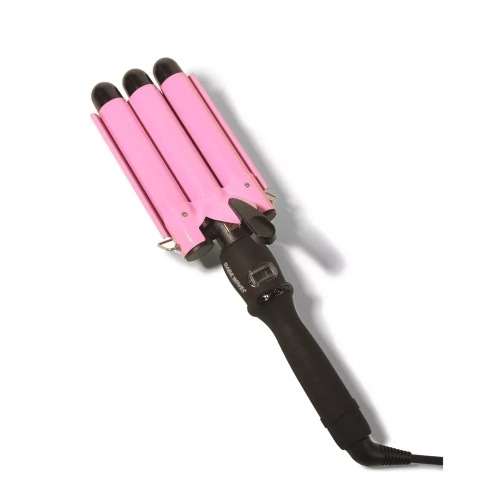
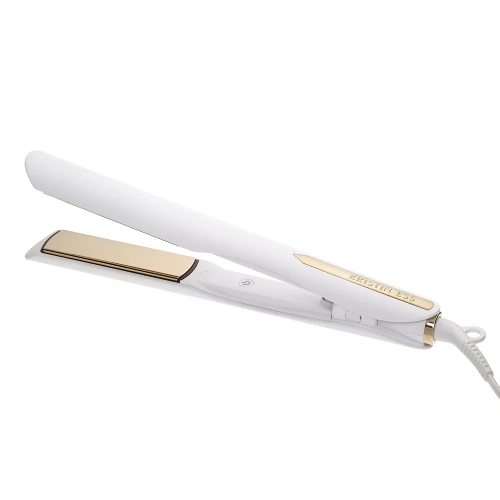
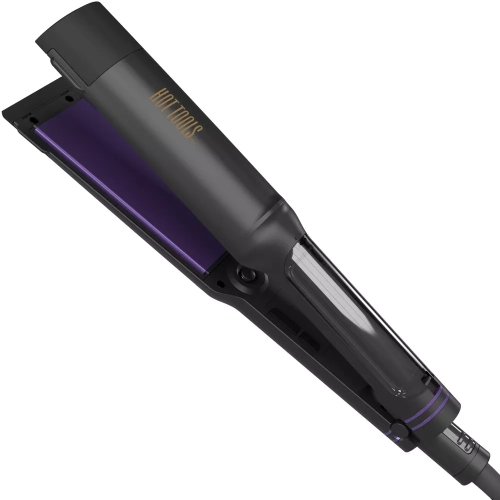
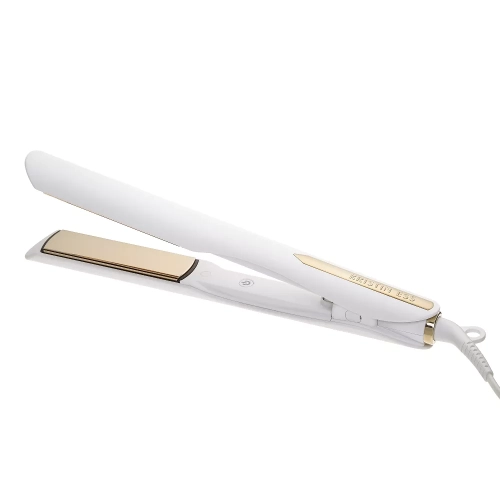
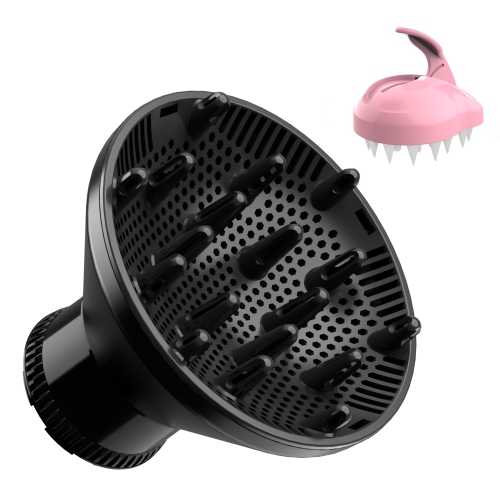
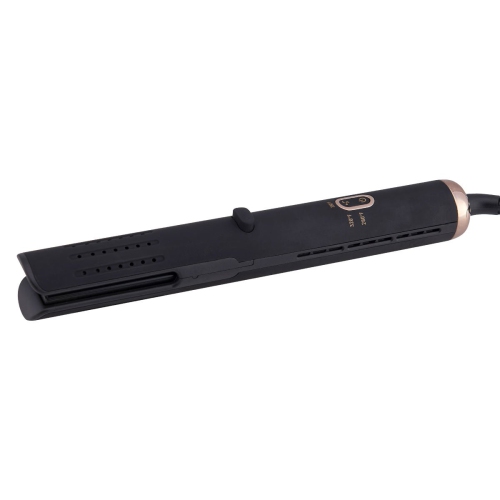
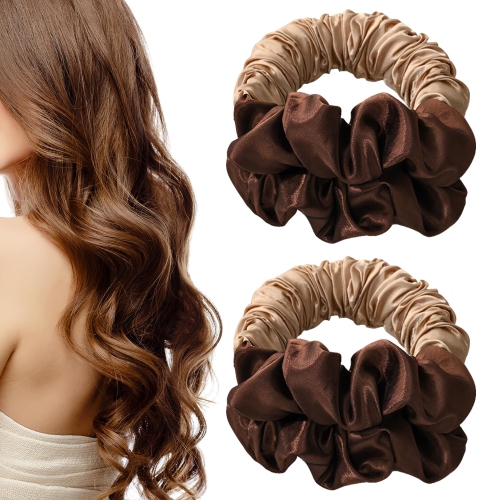
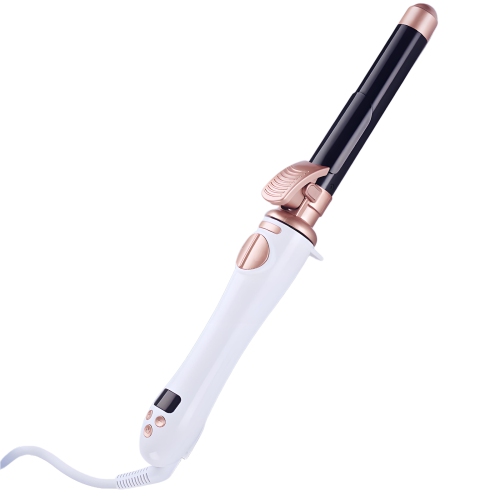

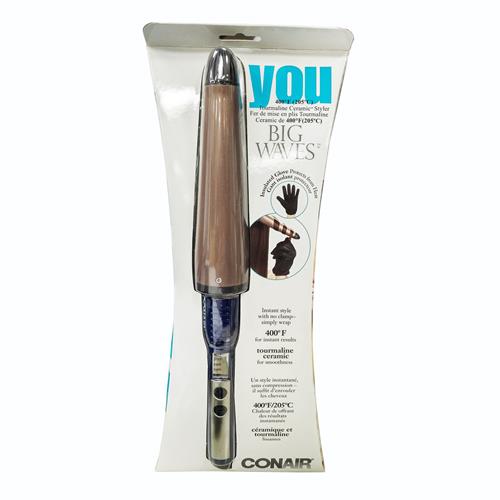
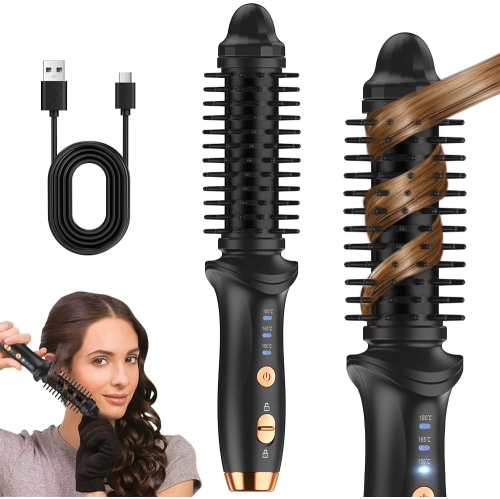
The barrel shapes behind soft bends and mermaid waves
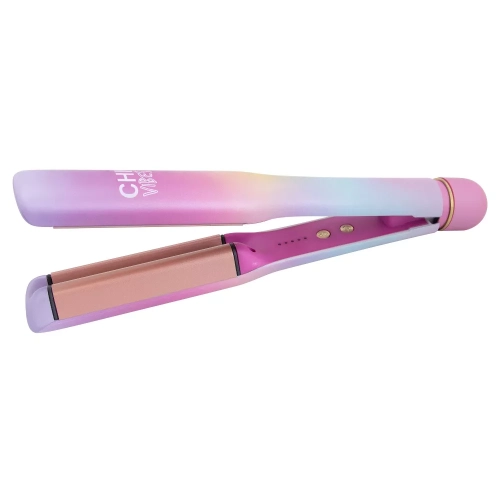
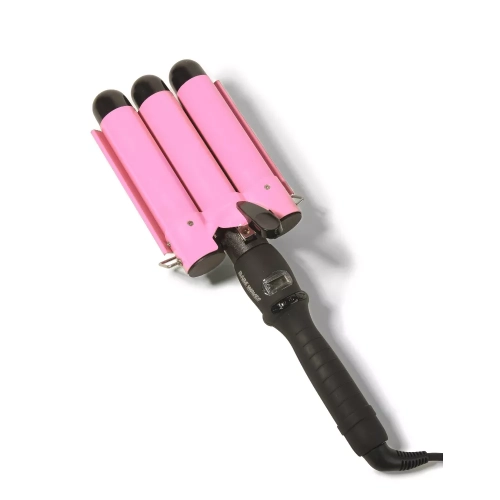
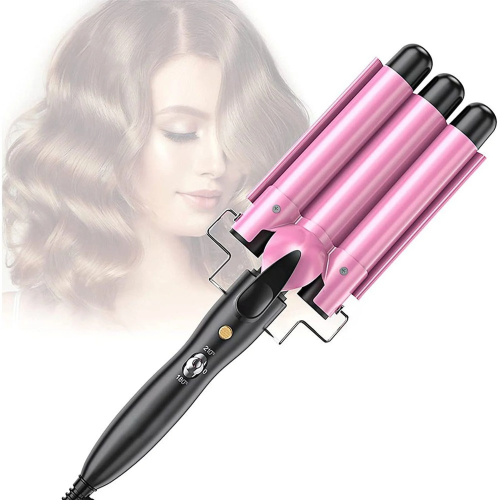
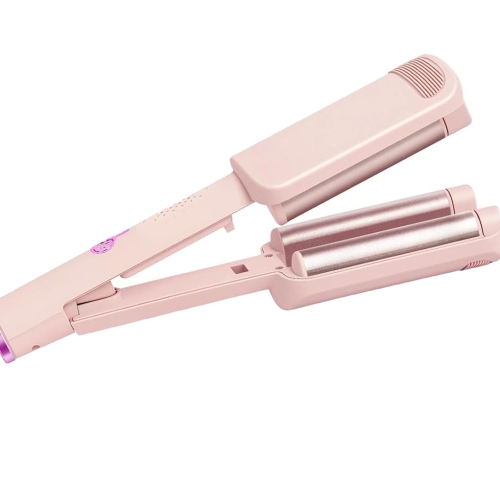
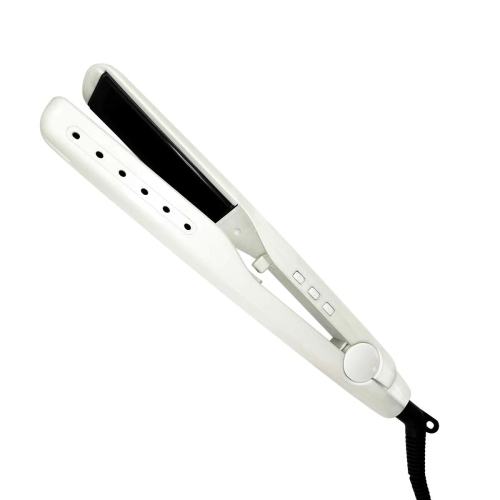
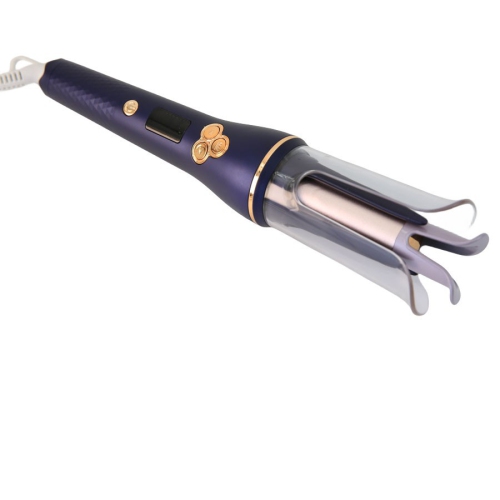
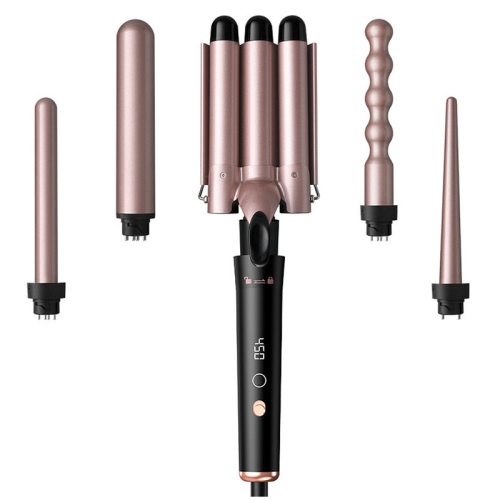
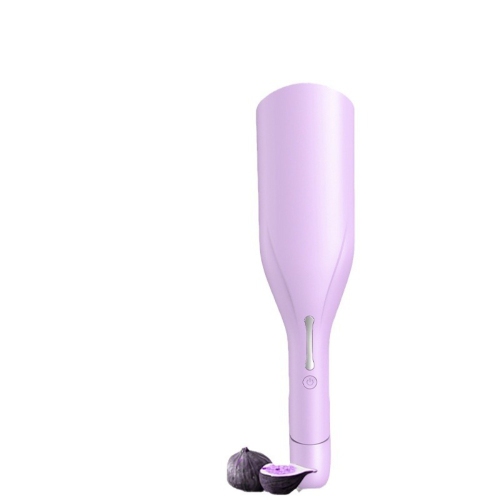
Hair wavers for long hair create repeating bends through the lengths, giving straight or loosely textured hair a fuller, rippled finish without wrapping every section around a curling wand. Their shaped barrels or plates press a wave pattern into the hair, making them well suited to flowing styles that extend past the shoulders. On longer lengths, that pattern has room to develop into soft, broad curves or more defined mermaid waves. The most useful features for this purpose are a barrel shape that matches the desired finish, adjustable heat settings, and a design that feels manageable through repeated passes down each section. Triple-barrel wavers typically produce a continuous series of rounded waves, while deep wavers use pronounced contours to create more sculpted bends. Barrel diameter influences the result: larger barrels generally create broader waves, while smaller barrels tend to produce a tighter pattern. Working width matters too, but it is different from barrel diameter; a wider styling surface can accommodate a wider section of hair, provided the section remains thin enough for even heat contact. For someone with waist-length hair, that distinction can make a noticeable difference to the styling experience. A generous barrel size may deliver the loose shape they want, while comfortable handles help make the tool easier to manoeuvre from mid-lengths to ends. Long layers, blunt cuts, and face-framing pieces can all take on a different character with waves, although shorter layers may hold a more pronounced bend than the longest sections. Broad waves can give a simple centre-parted style movement, while deeper waves add texture that remains visible in a low ponytail or half-up style. For shoppers drawn to a more defined, flowing pattern, hair wavers for deep mermaid waves focus on that sculpted finish. The right choice depends less on hair length alone than on the combination of length, strand thickness, density, and the shape of wave someone wants to wear.
Heating surfaces and temperature controls are important considerations because long hair often includes ends that have been exposed to years of brushing, colouring, and styling. Ceramic surfaces or ceramic-coated barrels are commonly used to support even heat distribution, while titanium surfaces are often valued for efficient heat transfer. Tourmaline is another material used in some coatings, frequently alongside ceramic. Material names alone do not establish how gentle a tool will be; temperature regulation, surface condition, and the way the hair is handled also matter. No heated styling surface makes hair immune to damage. Fine, lightened, or fragile hair generally calls for more cautious heat use than coarse, resilient strands, and adjustable settings offer more flexibility than a single fixed temperature. Thick hair can mean many individual strands rather than coarse strands, so density is not, by itself, a reason to use the highest setting. A clear temperature display makes settings easier to check, while well-positioned controls reduce the chance of changing them accidentally during styling. For long hair, consistent heat can also support a more uniform pattern from the first section to the last, although results depend on section size and hair condition. Most conventional heated wavers are intended for fully dry hair, with a suitable heat protectant used according to its directions. Damp strands and repeated heating of the same area can increase the risk of damage. Holding times should follow the tool’s instructions rather than a universal rule, since temperatures, barrel designs, and hair needs differ. A smooth styling surface and evenly closing plates or barrels help hair sit neatly without unnecessary pulling. This becomes especially relevant near delicate ends, where a rough edge or worn coating can catch. Wavers are primarily tools for adding shape and texture, not substitutes for straighteners; naturally curly hair may retain some of its original character beneath the wave pattern. Similarly, long, heavy hair may relax into softer bends over time, even when the initial finish looks strongly defined.
Comfort and practical details often determine whether a hair waver suits regular use or occasional styling. A tool that feels light for a single section may feel quite different after working through a full head of long, dense hair. Handle shape, balance, clamp resistance, and cord movement all affect how comfortably it can be held. A swivel cord allows easier repositioning, and sufficient cord length can make a dressing-table setup less awkward, provided the cable stays clear of water and walkways. Insulated touch points, a stable resting stand, and automatic shut-off are useful features, though they do not replace careful handling or unplugging after use. Heated barrels still need clearance from the scalp, ears, neck, and nearby surfaces. Long hair also benefits from a design that makes it easy to see where each wave begins and ends; aligned sections tend to produce a more continuous pattern, whereas repeated overlap can leave an overly pressed area. The finished look can suit everyday loose hair, a textured braid, or a polished style for dinners and celebrations during the cooler months. Someone who prefers soft movement may value broad barrels and flexible heat settings, while someone who enjoys pronounced texture may favour deeper contours. As a gift, a waver is most thoughtful when it matches the recipient’s styling habits, comfort with heated tools, and preferred finish rather than simply their hair length. For travel, voltage compatibility must be confirmed from the tool’s specifications; a plug adapter alone does not change electrical voltage. At home, durability depends partly on sensible care. Styling residue can collect on heating surfaces, so cleaning should follow the manufacturer’s directions, with the tool unplugged and fully cool. Gentle cleaning helps protect coatings, while loose cord storage avoids strain at the connection point. A heat-resistant storage pouch can be convenient where specified, but a hot tool should never be enclosed unless its storage instructions expressly allow it. These everyday details help make a long-hair waver a practical part of a styling routine, not just a tool chosen for its initial wave pattern.
Heating surfaces and temperature controls are important considerations because long hair often includes ends that have been exposed to years of brushing, colouring, and styling. Ceramic surfaces or ceramic-coated barrels are commonly used to support even heat distribution, while titanium surfaces are often valued for efficient heat transfer. Tourmaline is another material used in some coatings, frequently alongside ceramic. Material names alone do not establish how gentle a tool will be; temperature regulation, surface condition, and the way the hair is handled also matter. No heated styling surface makes hair immune to damage. Fine, lightened, or fragile hair generally calls for more cautious heat use than coarse, resilient strands, and adjustable settings offer more flexibility than a single fixed temperature. Thick hair can mean many individual strands rather than coarse strands, so density is not, by itself, a reason to use the highest setting. A clear temperature display makes settings easier to check, while well-positioned controls reduce the chance of changing them accidentally during styling. For long hair, consistent heat can also support a more uniform pattern from the first section to the last, although results depend on section size and hair condition. Most conventional heated wavers are intended for fully dry hair, with a suitable heat protectant used according to its directions. Damp strands and repeated heating of the same area can increase the risk of damage. Holding times should follow the tool’s instructions rather than a universal rule, since temperatures, barrel designs, and hair needs differ. A smooth styling surface and evenly closing plates or barrels help hair sit neatly without unnecessary pulling. This becomes especially relevant near delicate ends, where a rough edge or worn coating can catch. Wavers are primarily tools for adding shape and texture, not substitutes for straighteners; naturally curly hair may retain some of its original character beneath the wave pattern. Similarly, long, heavy hair may relax into softer bends over time, even when the initial finish looks strongly defined.
Comfort and practical details often determine whether a hair waver suits regular use or occasional styling. A tool that feels light for a single section may feel quite different after working through a full head of long, dense hair. Handle shape, balance, clamp resistance, and cord movement all affect how comfortably it can be held. A swivel cord allows easier repositioning, and sufficient cord length can make a dressing-table setup less awkward, provided the cable stays clear of water and walkways. Insulated touch points, a stable resting stand, and automatic shut-off are useful features, though they do not replace careful handling or unplugging after use. Heated barrels still need clearance from the scalp, ears, neck, and nearby surfaces. Long hair also benefits from a design that makes it easy to see where each wave begins and ends; aligned sections tend to produce a more continuous pattern, whereas repeated overlap can leave an overly pressed area. The finished look can suit everyday loose hair, a textured braid, or a polished style for dinners and celebrations during the cooler months. Someone who prefers soft movement may value broad barrels and flexible heat settings, while someone who enjoys pronounced texture may favour deeper contours. As a gift, a waver is most thoughtful when it matches the recipient’s styling habits, comfort with heated tools, and preferred finish rather than simply their hair length. For travel, voltage compatibility must be confirmed from the tool’s specifications; a plug adapter alone does not change electrical voltage. At home, durability depends partly on sensible care. Styling residue can collect on heating surfaces, so cleaning should follow the manufacturer’s directions, with the tool unplugged and fully cool. Gentle cleaning helps protect coatings, while loose cord storage avoids strain at the connection point. A heat-resistant storage pouch can be convenient where specified, but a hot tool should never be enclosed unless its storage instructions expressly allow it. These everyday details help make a long-hair waver a practical part of a styling routine, not just a tool chosen for its initial wave pattern.
Top selling and popular products
-
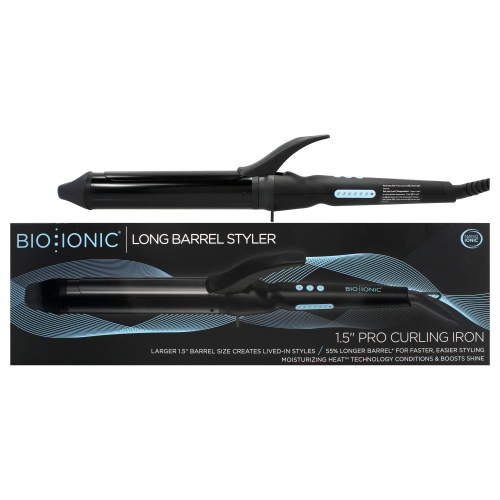 Your price for this item is $136.76
 -
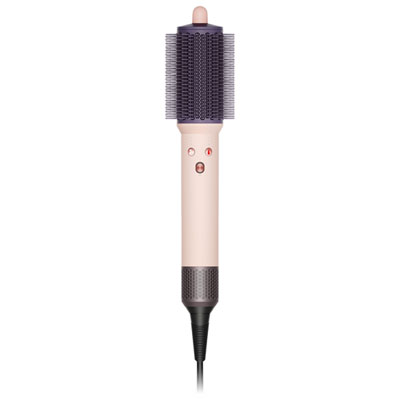 Your price for this item is $349.99
 -
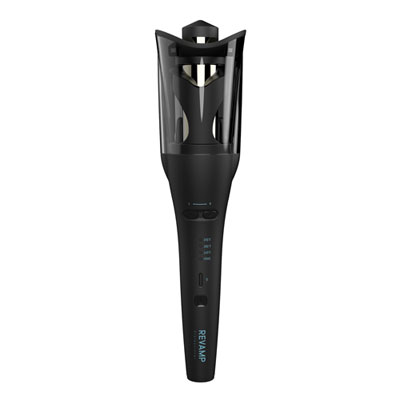 Your price for this item is $149.99
 -
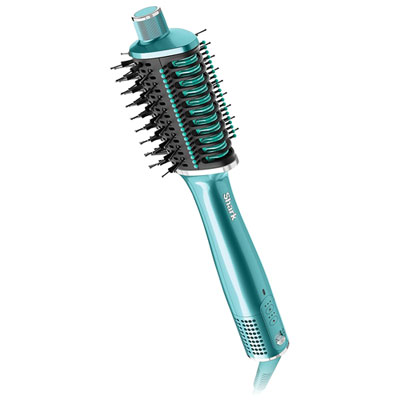 Your price for this item is $229.99
 -
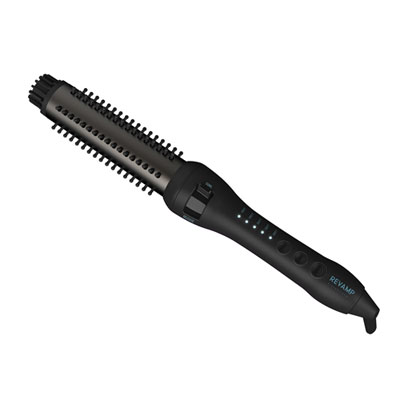 Your price for this item is $59.98
 -
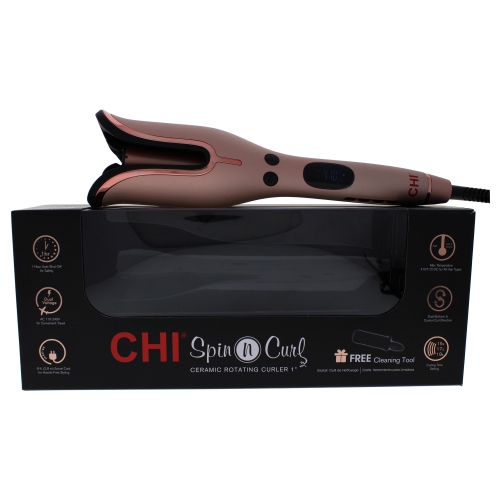 Your price for this item is $318.99
 -
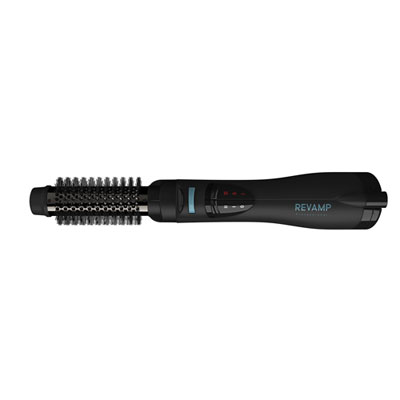 Your price for this item is $149.99
 -
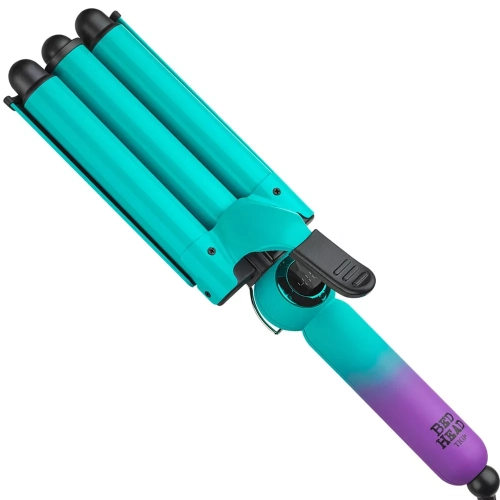 Your price for this item is $197.99
Discover more categories related to Hair Wavers for Long Hair
Top Collections:
Pokemon Centers, Kindle Devices, Best Budget Office Chairs, Apple iPhones 16, Best Laptops for Writers, iPhone 15 Apple, Canon G7X Cameras, Refurbished Apple Laptops, Alarm Clock, Motorola Razr Phones
Some products may be subject to Environmental Handling Fees
(EHF) depending on your province.
Learn more about EHFs.