Head Trimmers
Looking to keep your hair neatly trimmed and styled at home? Look no further than our selection of head trimmers, designed to help you achieve the perfect look with ease. Whether you're looking for a precise shave, a clean cut, or a quick touch-up, our range of head trimmers offers versatility and convenience for all your grooming needs. With various features and cutting options available, finding the right head trimmer to suit your style has never been simpler. Explore our collection today and take control of your grooming routine effortlessly.
Sort

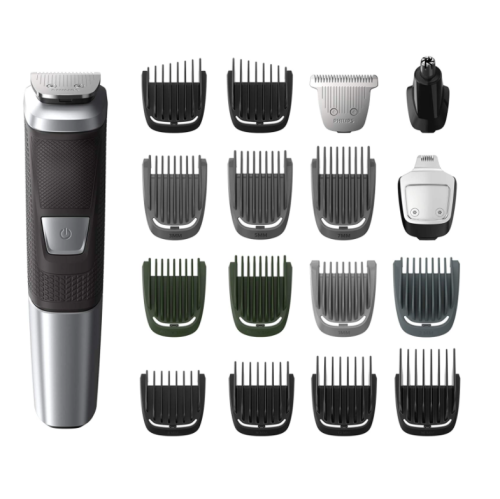
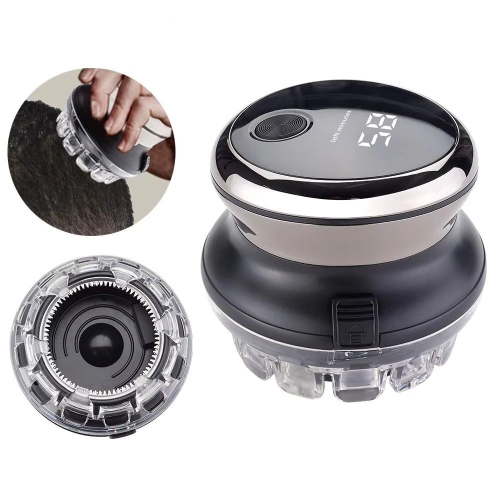
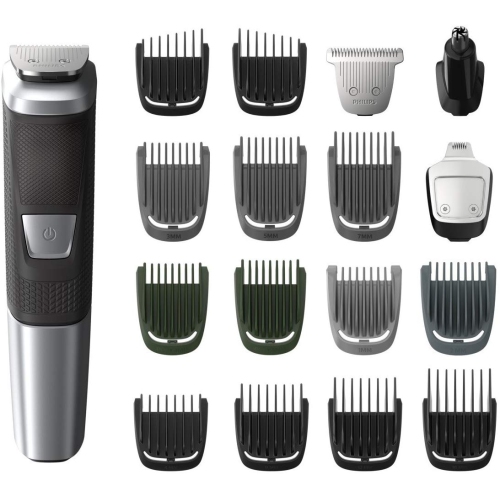
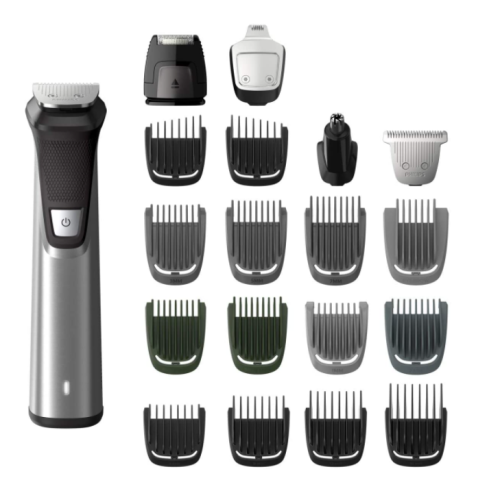







![GREENWORKS 40V 13-Inch Cordless String Trimmer, Tool Only (No Battery Or Charger Included) [75+ Compatible Tools]](https://multimedia.bbycastatic.ca/multimedia/products/500x500/179/17944/17944789.png)

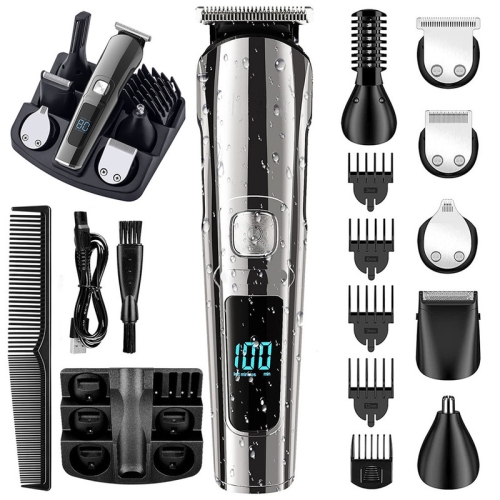
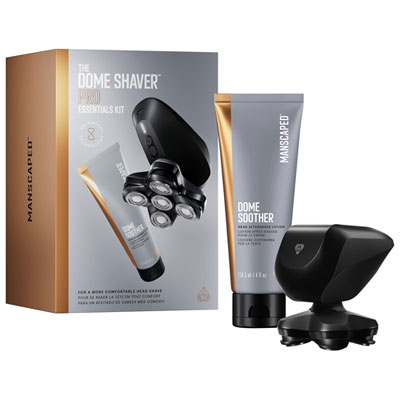
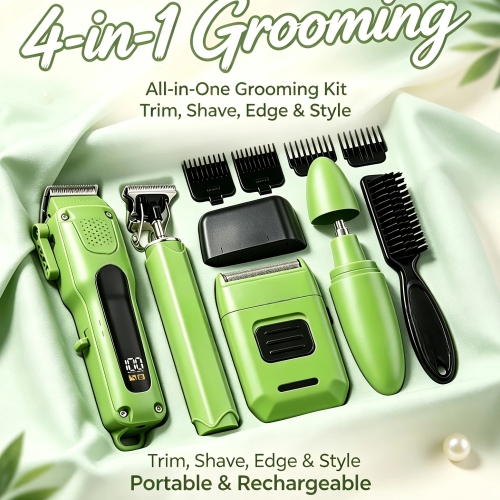
Understanding blades, power sources, reach, and safe operation
Head trimmers, commonly known as hedge trimmers, are outdoor power tools designed to keep hedges, shrubs, bushes, and other leafy growth looking neat and well-shaped. They are useful for routine yard care, whether you are tidying a small ornamental shrub beside the front walk or maintaining a long row of dense hedging along a property line. Unlike hand pruners, which are best suited to individual branches, a hedge trimmer uses a long toothed blade to cut across many stems in one pass. This makes it easier to create clean, even lines and maintain the overall form of a hedge. A handheld trimmer is often the most practical choice for low-to-medium-height shrubs and vertical hedge faces, with blade lengths commonly ranging from 18 to 26 inches. Longer blades can cover more area with each pass, while shorter blades may feel easier to control around corners, narrow garden beds, and smaller plants. When choosing among head trimmers, consider the type and thickness of the growth you maintain, the size of your yard, how often you plan to trim, and how much movement you need around the property. Soft new growth is generally easier to cut than old, woody stems, so a tool with suitable cutting capacity is important for established hedges. It is also helpful to look at the spacing between the teeth, as wider gaps can accommodate thicker branches while finer teeth are well suited to shaping lighter foliage. Blade length, overall weight, handle design, balance, and vibration control all affect comfort, particularly during longer trimming sessions. A well-balanced tool should feel manageable when held at shoulder height and should not pull heavily toward the blade. Rotating or adjustable handles can make it more comfortable to trim both the top and sides of a hedge, while a blade guard can help protect the cutting teeth during storage and transport.
Power source is another major consideration. Cordless battery-powered head trimmers are convenient for moving between the front and back of a property without managing an extension cord. They typically start with the push of a button, produce less operating noise than gas-powered equipment, and require fewer routine engine-related maintenance steps. Battery capacity and charging time are worth reviewing alongside the tool’s estimated run time, especially if you are caring for a large yard or several long hedges in one session. Some households prefer to use one interchangeable battery system across compatible outdoor tools, which can simplify charging and storage. Corded electric trimmers can be lightweight and straightforward for smaller yards, particularly where an outdoor power outlet is nearby. Their performance does not depend on refuelling, although the cord limits how far you can work and requires careful attention as you move around shrubs and garden features. Gas-powered trimmers are intended for demanding work and extended use, with the freedom to operate away from an electrical outlet. They can be a suitable choice for large properties or thick, mature hedges, but they also involve fuel, starting procedures, engine care, and more noticeable operating noise. Within the cutting mechanism, dual-action blades move in opposite directions to help reduce vibration and provide a smoother cutting feel, while single-action designs use a moving blade against a stationary guard. A pole or extended-reach trimmer is worth considering for tall hedges, low ground cover, or areas that would otherwise require repeated stretching. Adjustable shafts and articulating heads can help position the blade more precisely, but added reach can also affect balance and control. For especially tall growth, stable ground and an appropriate reach tool are preferable to leaning from a ladder while handling a powered blade.
Safe preparation and proper technique make a noticeable difference when using head trimmers. Before starting, inspect the hedge for stones, wire, fencing, thick hidden branches, and other objects that could damage the blade or become hazardous when struck. Keep children and pets away from the work area, wear eye protection and sturdy footwear, and use hearing protection when appropriate for the power source and operating environment. Gloves can improve grip and help protect your hands from branches, although they should never come close to the moving teeth. Keep both hands on the designated handles, maintain a stable stance, and avoid overreaching. When shaping a hedge, many people find it easier to work from the bottom upward along the sides, allowing cut foliage to fall away from the area being trimmed. A slight taper, with the base a little wider than the top, can help sunlight reach lower branches and encourage fuller growth. For the top of a hedge, work slowly and use a visual reference such as a taut line when a particularly straight finish is important. Avoid cutting during wet conditions unless the tool is specifically rated for them, and disconnect the power source before clearing a jam, cleaning the blade, or carrying the trimmer between areas. After use, brush away clippings, check for loose fasteners or damaged components, and apply blade care products as recommended in the instructions. A clean, protected blade is easier to store and ready for the next round of yard maintenance. Head trimmers can also make a thoughtful gift for a homeowner, a new property owner, or someone who enjoys keeping their garden carefully groomed. They are especially useful during periods of active growth, when shrubs can quickly lose their shape, and during the cooler months when a final tidy-up helps prepare the yard for the season ahead. If the intended meaning is personal grooming rather than outdoor hedge care, explore Haircutting Trimmers for tools designed to trim hair instead.
Power source is another major consideration. Cordless battery-powered head trimmers are convenient for moving between the front and back of a property without managing an extension cord. They typically start with the push of a button, produce less operating noise than gas-powered equipment, and require fewer routine engine-related maintenance steps. Battery capacity and charging time are worth reviewing alongside the tool’s estimated run time, especially if you are caring for a large yard or several long hedges in one session. Some households prefer to use one interchangeable battery system across compatible outdoor tools, which can simplify charging and storage. Corded electric trimmers can be lightweight and straightforward for smaller yards, particularly where an outdoor power outlet is nearby. Their performance does not depend on refuelling, although the cord limits how far you can work and requires careful attention as you move around shrubs and garden features. Gas-powered trimmers are intended for demanding work and extended use, with the freedom to operate away from an electrical outlet. They can be a suitable choice for large properties or thick, mature hedges, but they also involve fuel, starting procedures, engine care, and more noticeable operating noise. Within the cutting mechanism, dual-action blades move in opposite directions to help reduce vibration and provide a smoother cutting feel, while single-action designs use a moving blade against a stationary guard. A pole or extended-reach trimmer is worth considering for tall hedges, low ground cover, or areas that would otherwise require repeated stretching. Adjustable shafts and articulating heads can help position the blade more precisely, but added reach can also affect balance and control. For especially tall growth, stable ground and an appropriate reach tool are preferable to leaning from a ladder while handling a powered blade.
Safe preparation and proper technique make a noticeable difference when using head trimmers. Before starting, inspect the hedge for stones, wire, fencing, thick hidden branches, and other objects that could damage the blade or become hazardous when struck. Keep children and pets away from the work area, wear eye protection and sturdy footwear, and use hearing protection when appropriate for the power source and operating environment. Gloves can improve grip and help protect your hands from branches, although they should never come close to the moving teeth. Keep both hands on the designated handles, maintain a stable stance, and avoid overreaching. When shaping a hedge, many people find it easier to work from the bottom upward along the sides, allowing cut foliage to fall away from the area being trimmed. A slight taper, with the base a little wider than the top, can help sunlight reach lower branches and encourage fuller growth. For the top of a hedge, work slowly and use a visual reference such as a taut line when a particularly straight finish is important. Avoid cutting during wet conditions unless the tool is specifically rated for them, and disconnect the power source before clearing a jam, cleaning the blade, or carrying the trimmer between areas. After use, brush away clippings, check for loose fasteners or damaged components, and apply blade care products as recommended in the instructions. A clean, protected blade is easier to store and ready for the next round of yard maintenance. Head trimmers can also make a thoughtful gift for a homeowner, a new property owner, or someone who enjoys keeping their garden carefully groomed. They are especially useful during periods of active growth, when shrubs can quickly lose their shape, and during the cooler months when a final tidy-up helps prepare the yard for the season ahead. If the intended meaning is personal grooming rather than outdoor hedge care, explore Haircutting Trimmers for tools designed to trim hair instead.
Top selling and popular products
-
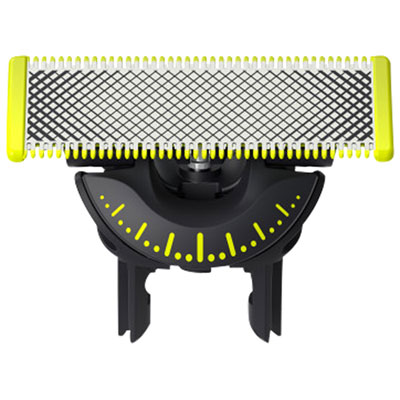 Your price for this item is $19.99
 -
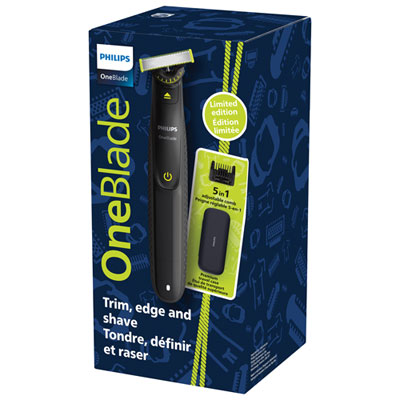 Your price for this item is $74.99
 -
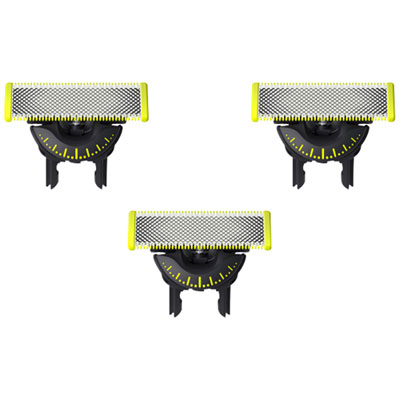 Your price for this item is $44.99
 -
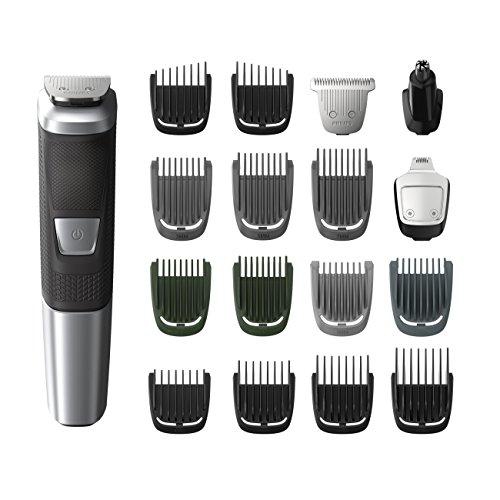 Your price for this item is $35
 -
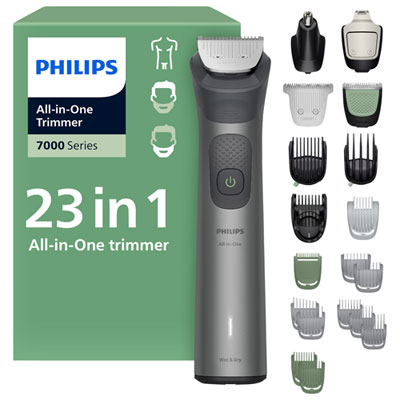 Your price for this item is $89.99
 -
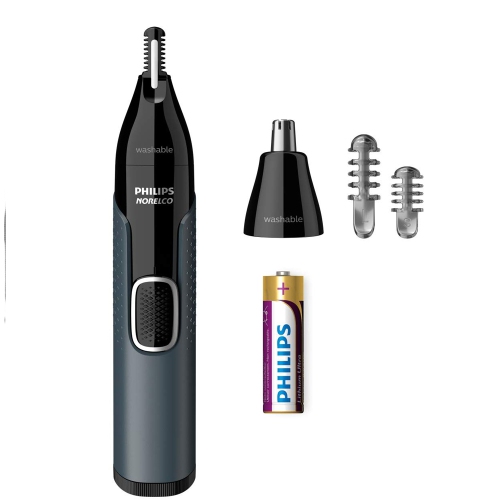 Your price for this item is $34.99
 -
 Your price for this item is $149.99
 -
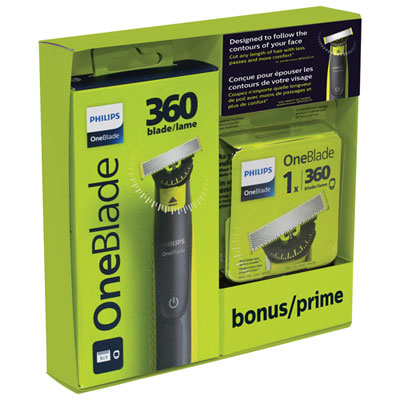 Your price for this item is $49.95
Discover more categories related to Head Trimmers
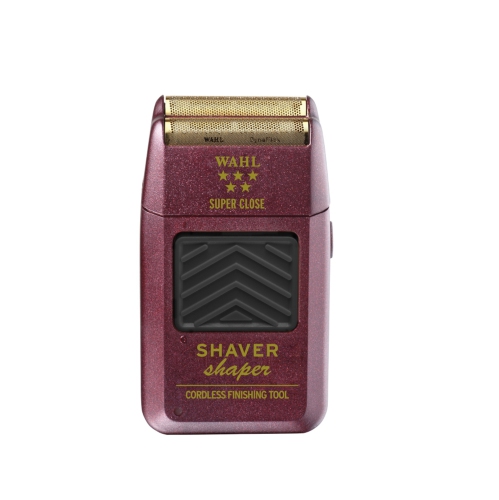
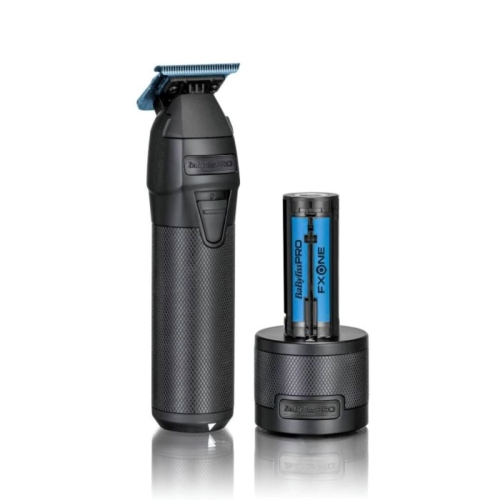
Top Collections:
Pokemon Centers, Best Cameras for Sports Photography, Kindle Devices, Samsung Galaxy Phones, Canon G7X Cameras, Pokémon 30th Celebration Cards, Refurbished Apple Laptops, iPhone 15 Apple, Laptops for Students, Budget Smartphones
Some products may be subject to Environmental Handling Fees
(EHF) depending on your province.
Learn more about EHFs.