Hot Air Brushes for Thick Hair
Hot Air Brushes for Thick Hair make it easy to achieve smooth, voluminous styles right at home. Designed to help manage dense hair types, these versatile tools combine drying and styling in one simple step. Whether you’re looking to create bouncy blowouts, add body, or tame unruly strands, you’ll find a range of options to suit your needs. Explore the selection of hot air brushes for thick hair and discover how effortless styling can be.
Sort

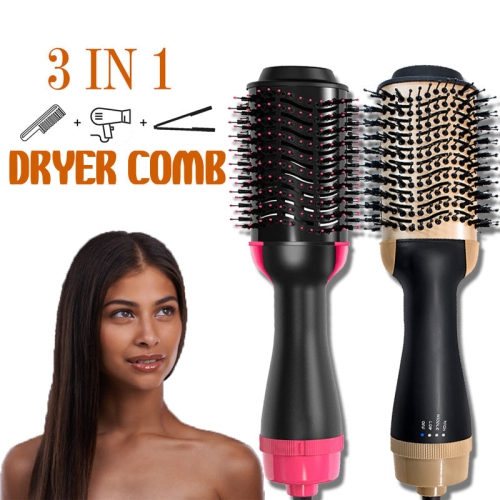

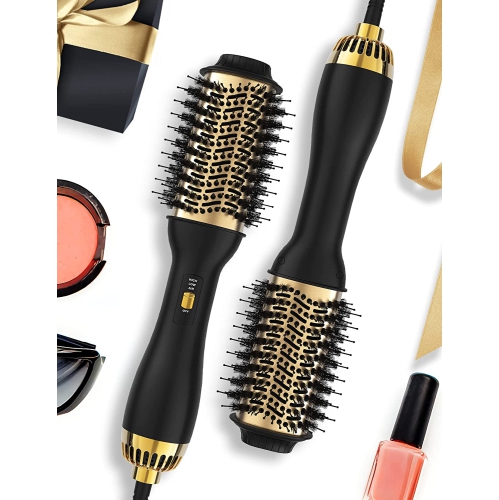
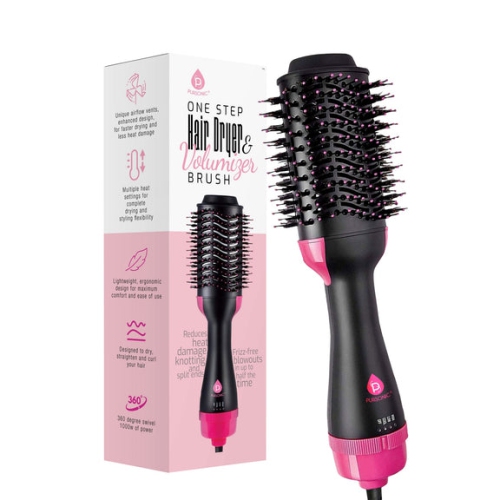

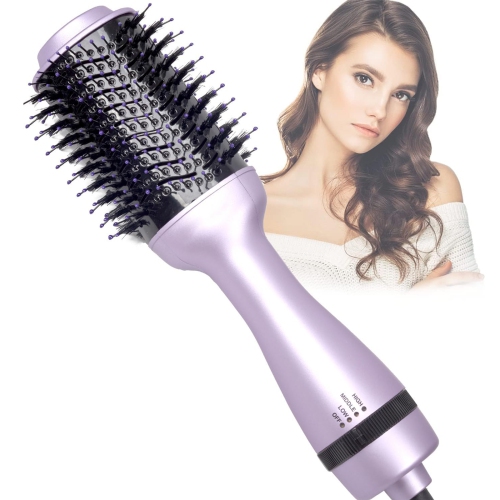


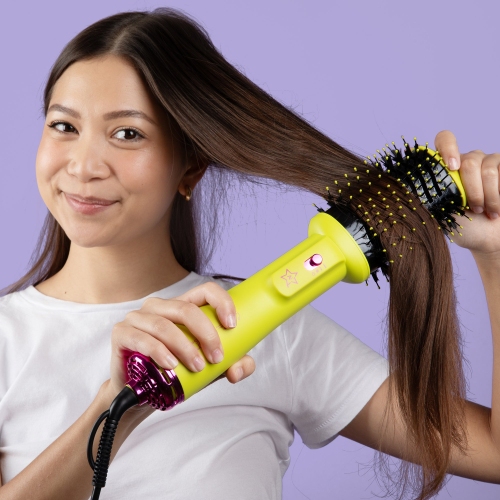
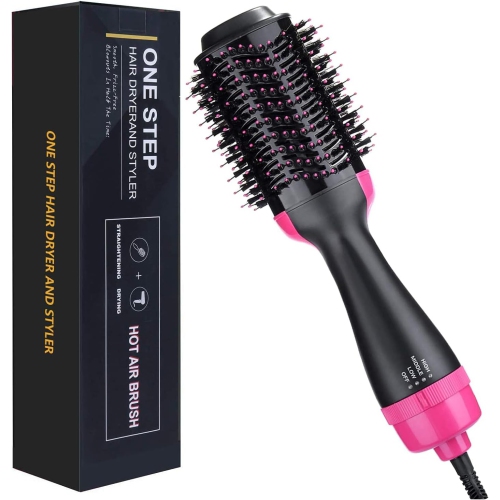

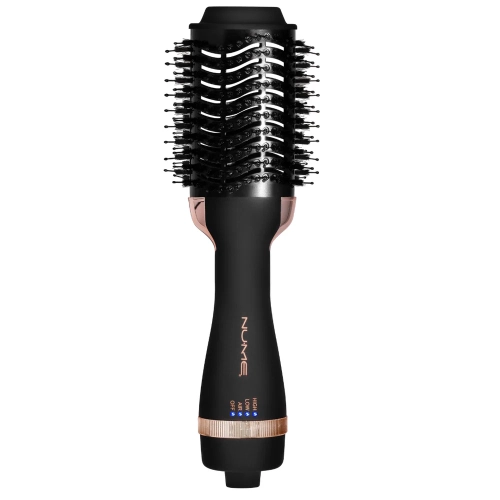
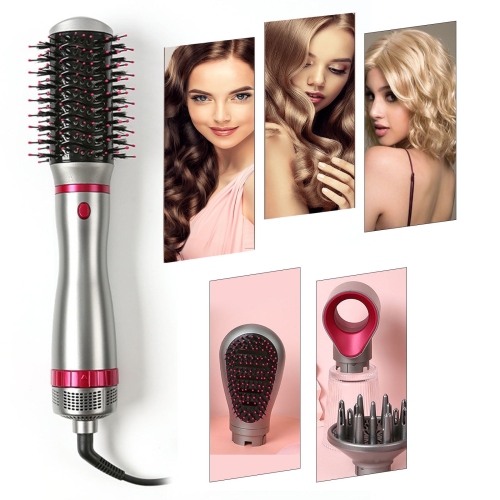


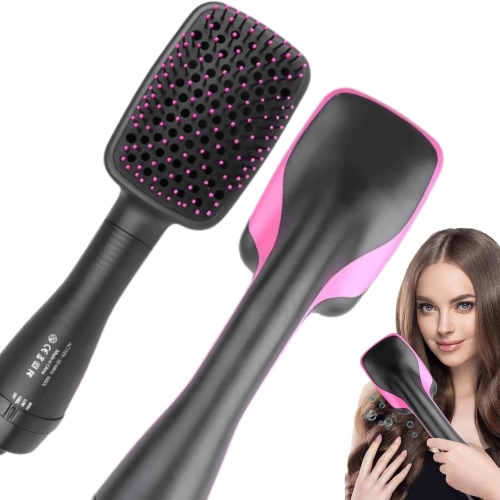
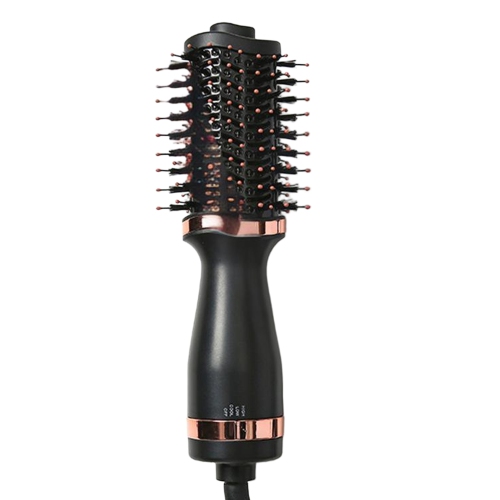

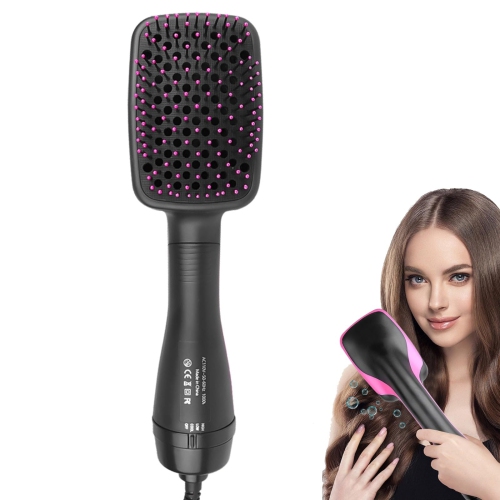


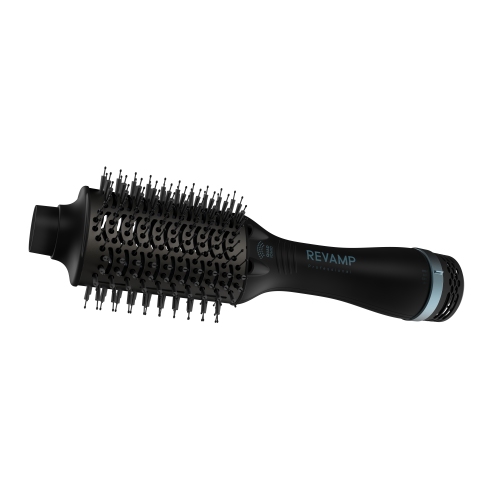
Why airflow and barrel shape matter for dense hair
Hot air brushes for thick hair combine airflow with a brush-shaped styling head to dry and shape hair in the same step. For dense hair that takes time to dry, a well-matched brush can make it easier to create a smooth finish, lift at the roots, and softly curved ends without juggling a separate dryer and round brush. The most useful features are adjustable heat and airflow, a barrel suited to the hair’s length, and bristles that grip sections without excessive pulling. Strong airflow helps move moisture out of a section, while multiple settings offer control over how much heat reaches the hair. Wattage describes electrical power consumption, but it does not tell the whole story about drying performance; vent placement, airflow design, and the amount of hair wrapped around the barrel also matter. Thick hair is not necessarily coarse hair. Thickness often describes density, or how many strands grow across the scalp, while coarseness describes the diameter of each strand. A person can have a full head of fine strands that needs gentle heat, or dense, coarse strands that need more styling tension to achieve a smooth result. For shoppers whose individual strands also feel substantial, hot air brushes for coarse hair offer a closely related category to explore. Straight, wavy, and curly hair can all be styled with a hot air brush, although the result depends on texture, length, preparation, and the tool’s design. On thick, shoulder-length hair, the goal might be a rounded shape with ends that tuck neatly under. On longer hair, it might be movement through the lengths rather than a pin-straight finish. These tools are generally better suited to blowout-style shaping than tight, defined curls. A hot air brush blows air through its head, unlike a heated thermal brush that shapes dry hair without airflow. Whether a particular hot air brush is intended for damp hair, dry-hair finishing, or both depends on its instructions.
Barrel shape and size influence how a hot air brush feels in dense hair and the finish it creates. A broad oval head offers a larger surface for smoothing the lengths, with curved edges that help bend the ends. It can suit medium-to-long hair, especially when the desired look is a full, rounded blowout. A smaller round barrel is often easier to position around shorter layers, fringes, and the hairline, where a large head can feel awkward. Larger barrels do not automatically mean faster results: an overloaded section can cover the vents and leave the inner strands damp, even when the outer layer feels dry. Bristle design is equally important. Firmer pins can help separate strands and reach into a dense section, while shorter tufted bristles can add the tension needed to smooth its surface. Rounded bristle tips may feel more comfortable near the scalp, but no brush should need force to move through properly detangled hair. Ceramic-coated barrels are commonly designed to distribute heat across the styling surface. Titanium surfaces can transfer heat efficiently, making adjustable settings especially useful for controlling exposure. Neither material alone determines whether a brush will suit a particular hair texture, and a coating cannot prevent damage from excessive heat or repeated passes. Ionic features are intended to help reduce static and improve the appearance of smoothness, though the effect varies with hair condition and styling technique. Handle shape, balance, and weight deserve attention because styling a full head of thick hair can involve holding the tool overhead for several minutes at a time. A comfortable grip, accessible controls, and a swivel cord can make working around the back of the head less cumbersome. A cool-air setting can help finish a section after it has dried and taken shape. Interchangeable heads can accommodate different lengths or styling goals, while a fixed head keeps the design straightforward. Secure attachment fittings and controls that stay clear of the gripping area are practical details that matter during repeated use.
The best fit for an everyday routine is a hot air brush that works with the hair’s condition as well as its density. Colour-treated, bleached, or fragile hair may need lower heat even when it looks exceptionally thick. Heat protectant labelled for the intended use can support a styling routine, but it does not make unlimited heat exposure harmless. For brushes approved for damp hair, removing excess water and detangling before styling helps reduce tugging and unnecessary time under heat. Some designs call for hair to be mostly dry before use, so the manufacturer’s directions should determine the starting point. Manageable sections are particularly important with dense hair: a narrow layer that fits comfortably across the bristles lets airflow reach more evenly than a bulky handful wound tightly around the head. Keeping the brush moving and avoiding prolonged contact with the scalp helps limit concentrated heat. These details can make the difference between ends that feel smooth and flexible and ends that become rough from repeated attempts to dry a hidden damp patch. Care between uses also affects performance and durability. Loose hair caught around the bristles should be removed once the brush is unplugged and cool, and air inlets should be kept clear according to the care instructions. Styling residue can build up on the head, so cleaning methods need to suit its coatings and electrical components; the tool should not be immersed in water. Intact bristles, unobstructed vents, a sound cord, and securely fitting attachments all contribute to reliable use. Letting the brush cool before storage and avoiding tightly winding the cord around the handle can help prevent avoidable wear. For someone who regularly styles thick hair before work, prefers a polished finish for special occasions, or finds a separate dryer and brush difficult to coordinate, this category offers a practical way to combine drying and shaping. A hot air brush can also be a thoughtful gift when the recipient’s hair length, texture, and preferred styling routine are known, particularly if comfort and straightforward controls matter as much as the finished look.
Top selling and popular products
-
 Your price for this item is $319.99
-
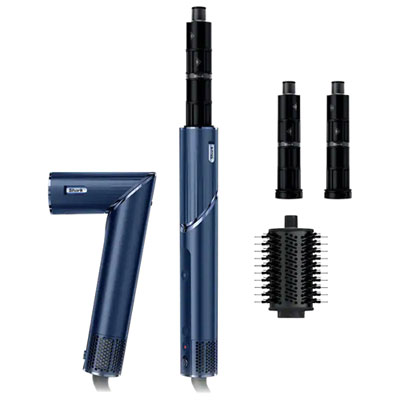 Your price for this item is $329.99
-
 Your price for this item is $118.69
-
 Your price for this item is $113.89
-
 Your price for this item is $599.99
-
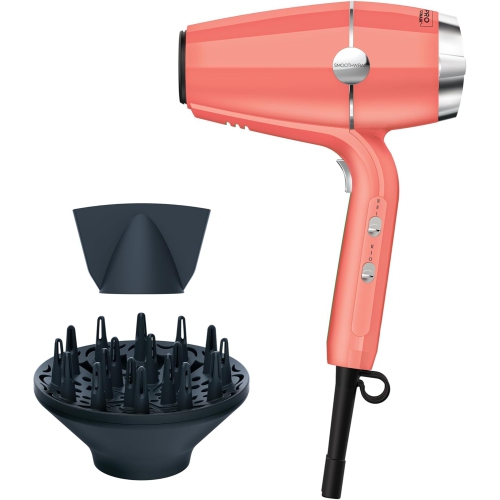 Your price for this item is $120
-
 Your price for this item is $499
-
 Your price for this item is $399.99
Discover more categories related to Hot Air Brushes for Thick Hair
Top Collections:
Pokemon Centers, Best Cameras for Sports Photography, Kindle Devices, Samsung Galaxy Phones, Canon G7X Cameras, Pokémon 30th Celebration Cards, Refurbished Apple Laptops, iPhone 15 Apple, Laptops for Students, Budget Smartphones
Some products may be subject to Environmental Handling Fees
(EHF) depending on your province.
Learn more about EHFs.