Men's Grooming Tools
Looking to elevate your grooming routine? Look no further than our collection of men's grooming tools. Whether you're aiming for a clean-shaven look, a perfectly trimmed beard, or a well-groomed hairstyle, we have everything you need to achieve your desired look. From high-quality razors and trimmers to versatile styling tools, our selection is designed to help you put your best face forward. With top-notch technology and innovative features, these grooming tools are sure to deliver professional results in the comfort of your own home. So why wait? Explore our range of Shave Kits and take your grooming game to the next level.
Sort

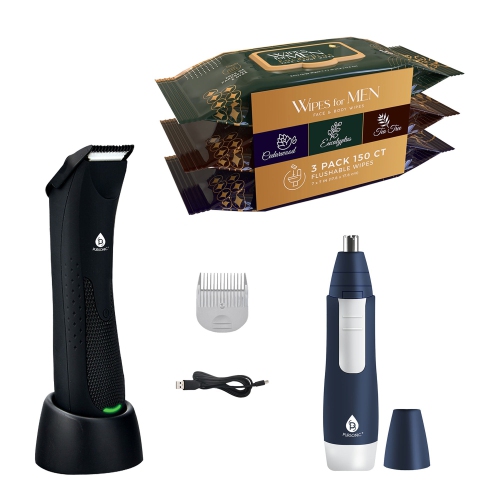
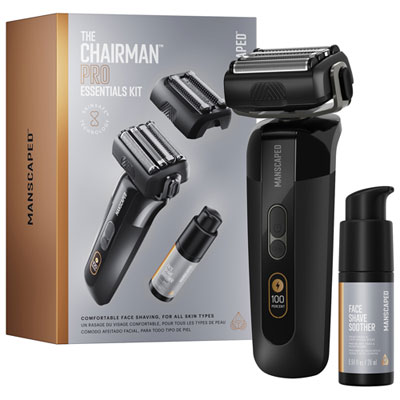

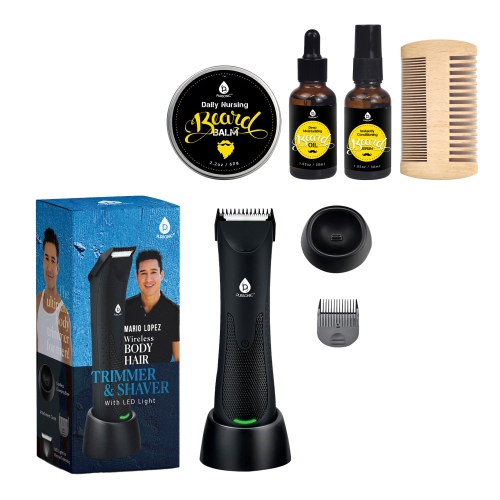
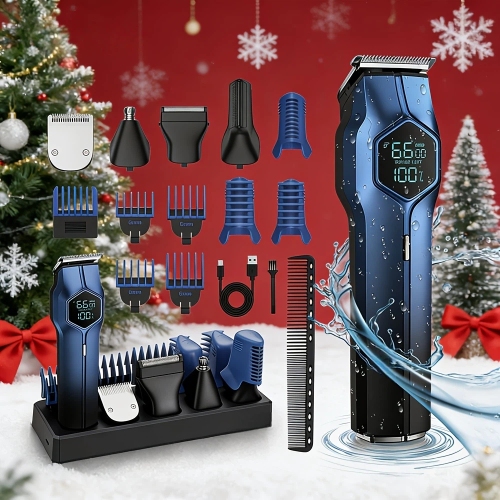
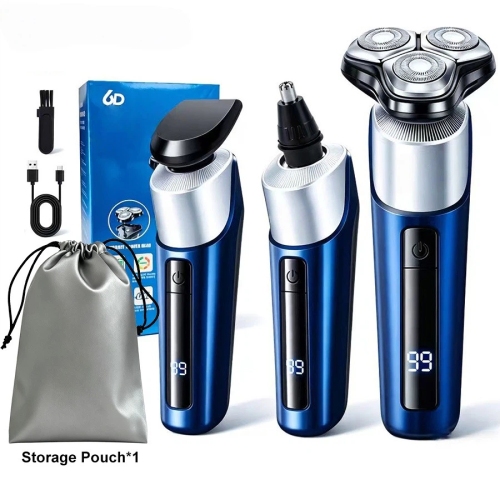
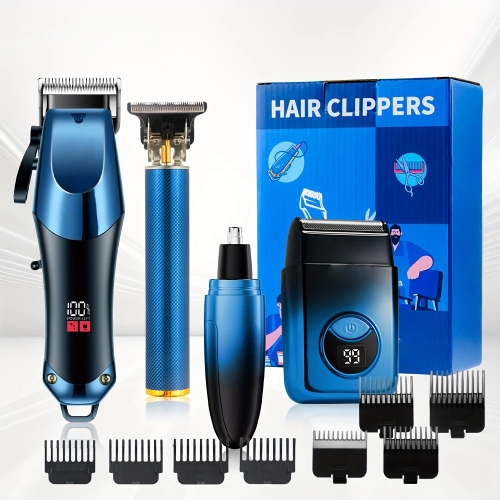
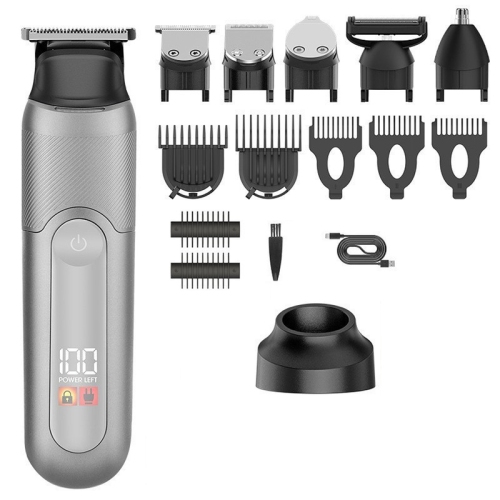
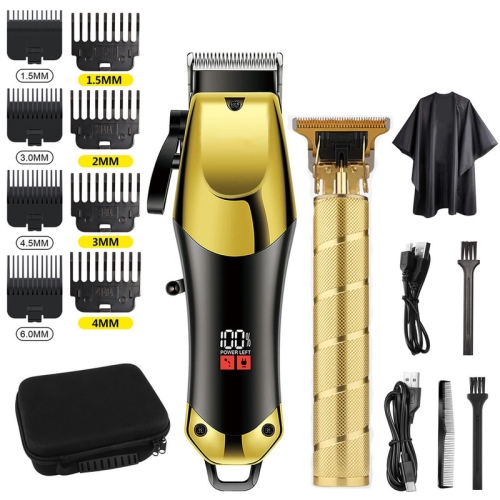
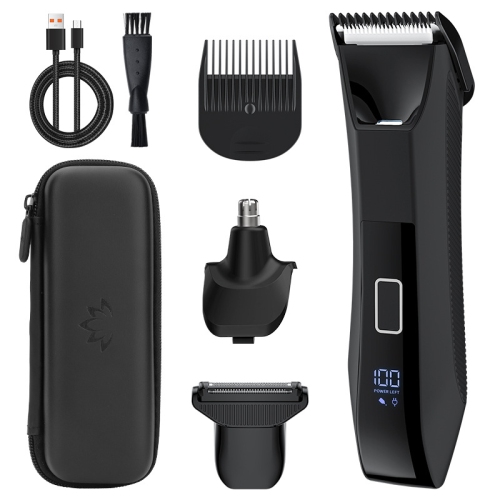
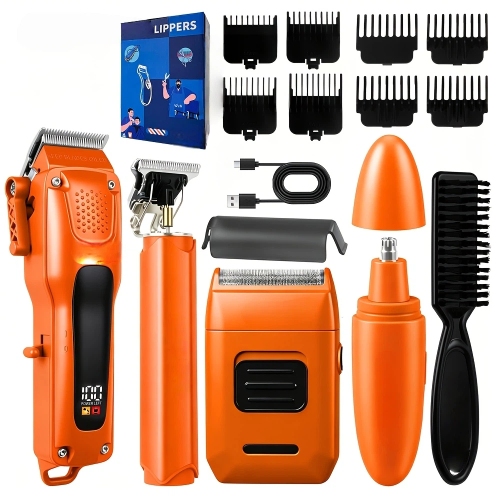
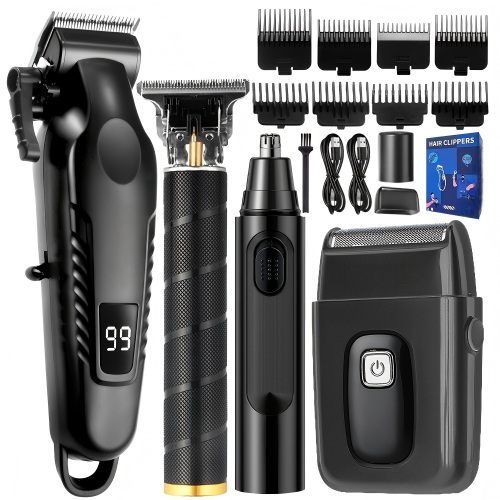
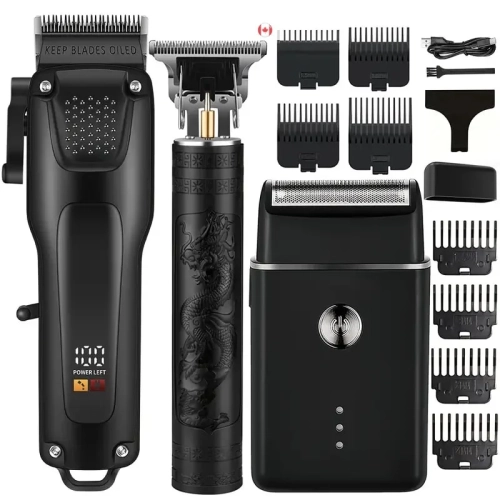
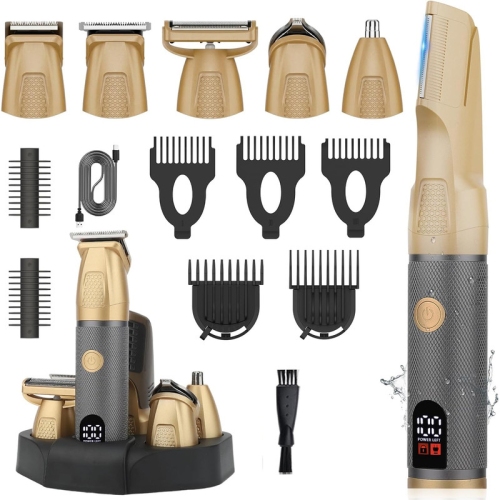
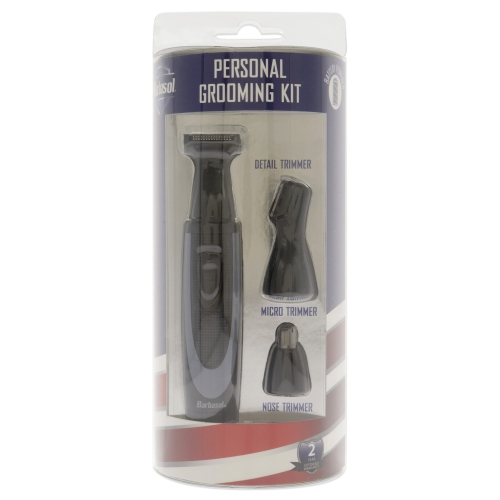
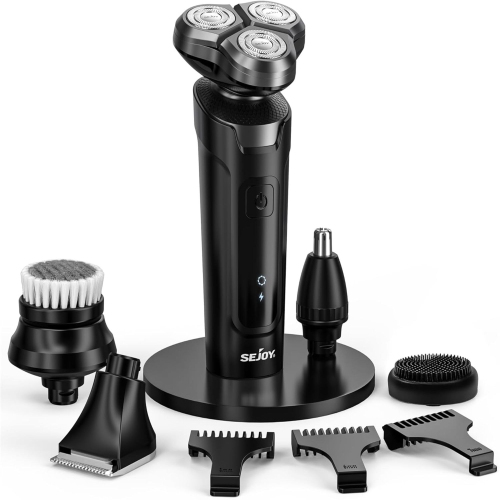
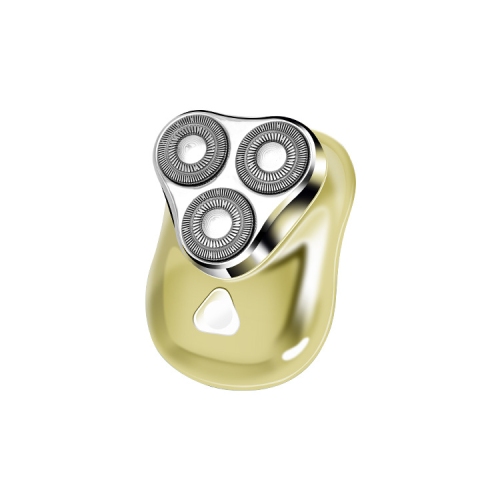
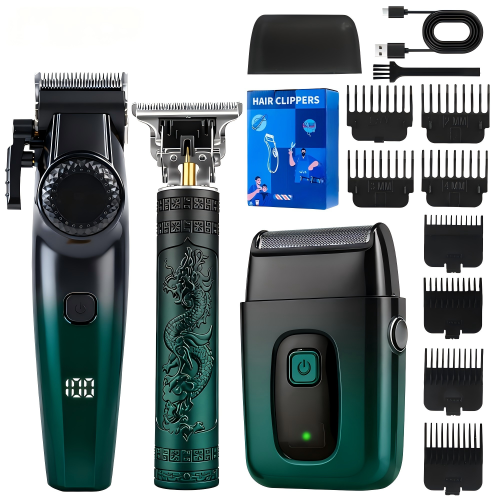
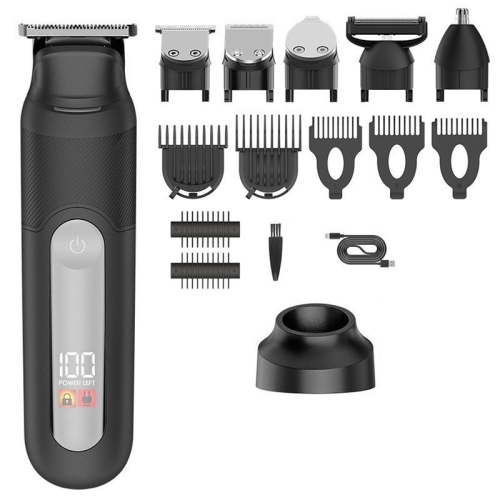
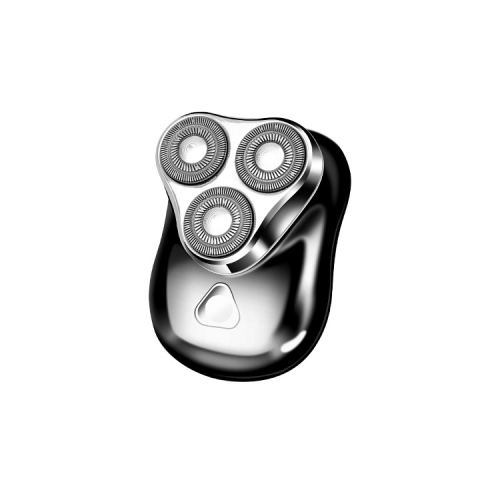
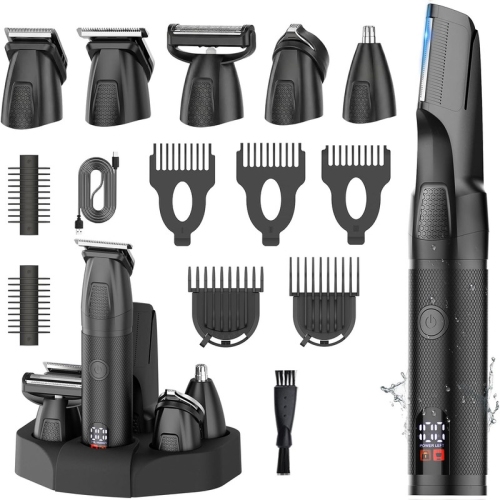
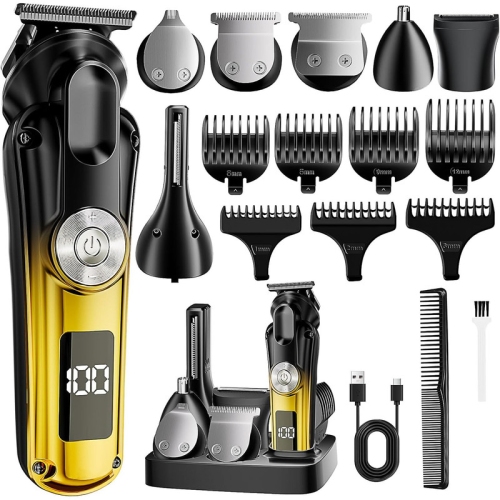
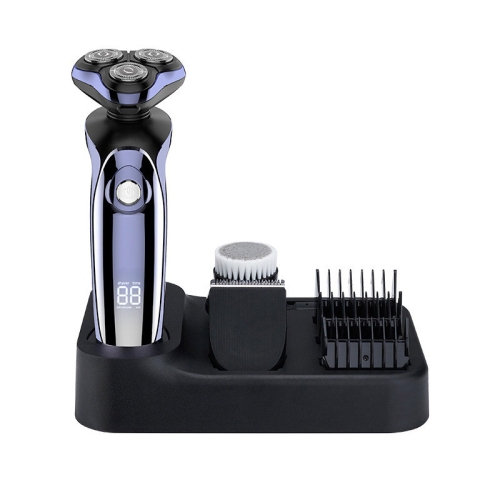
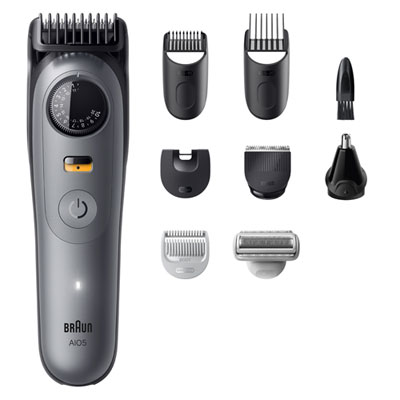
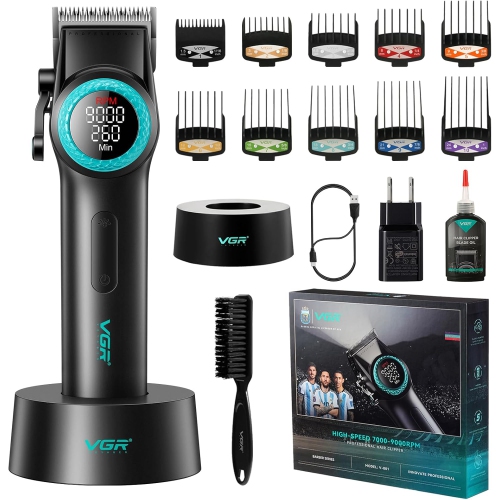
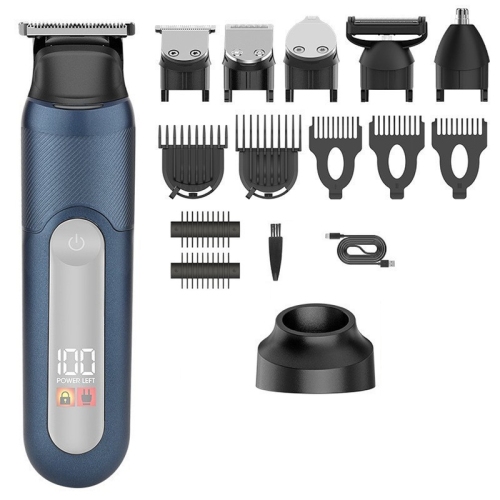
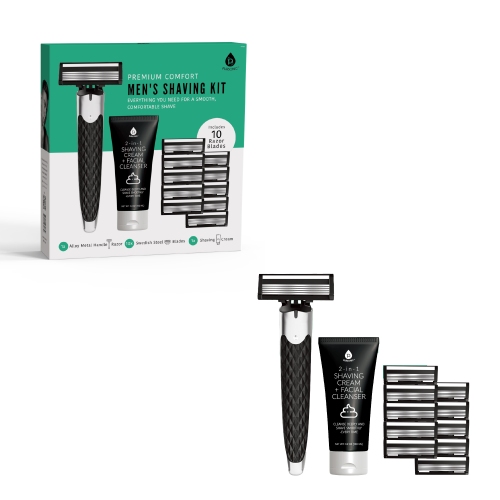
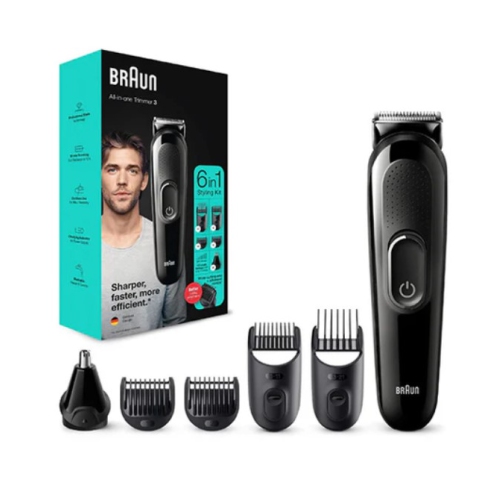
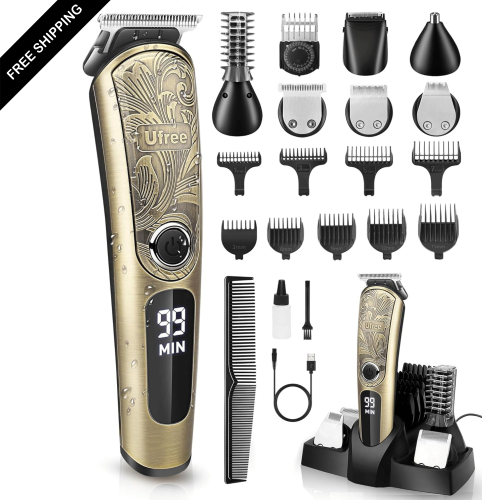
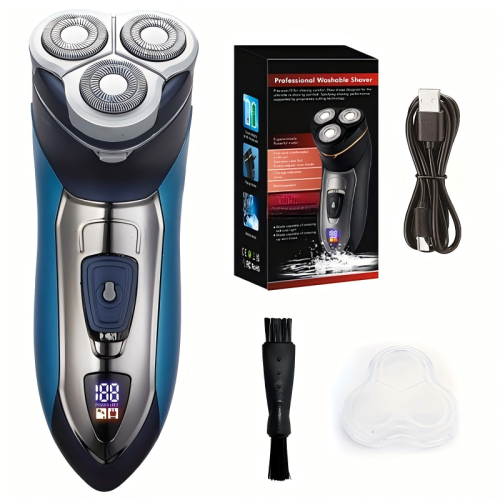
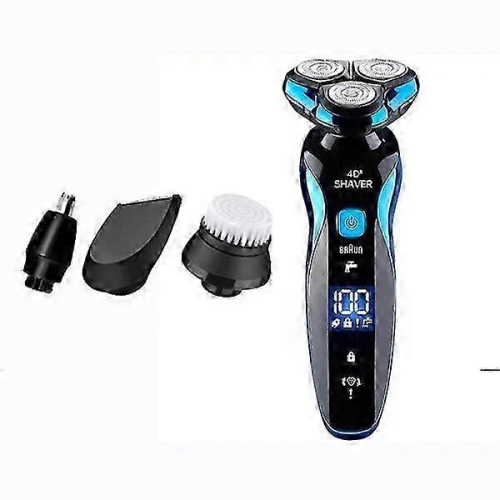
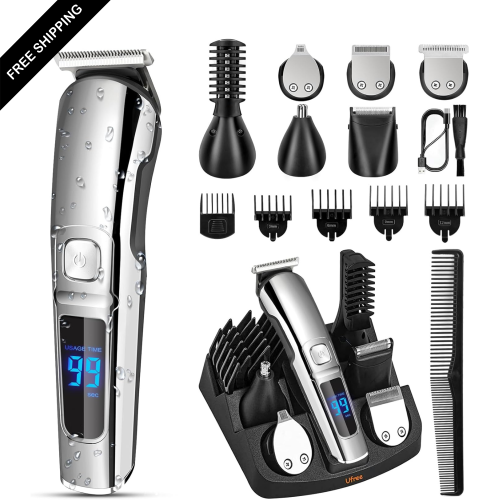
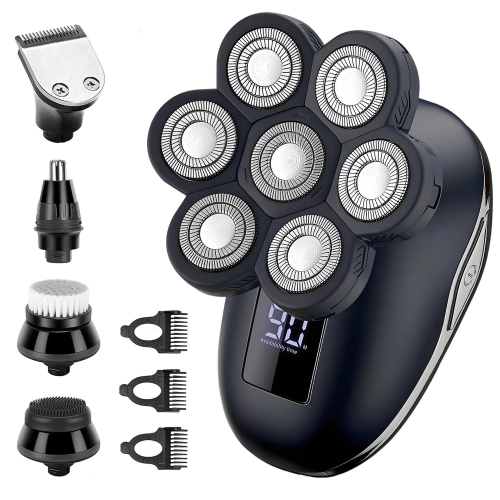

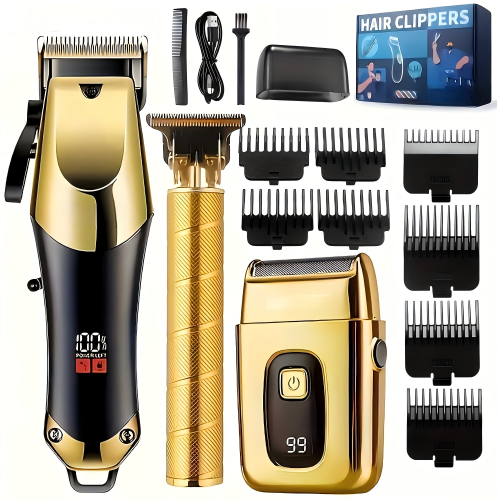
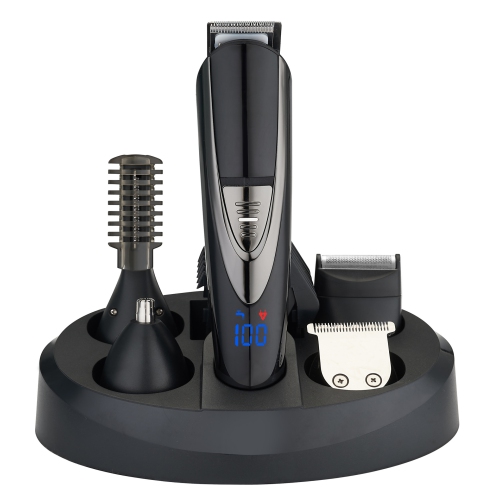
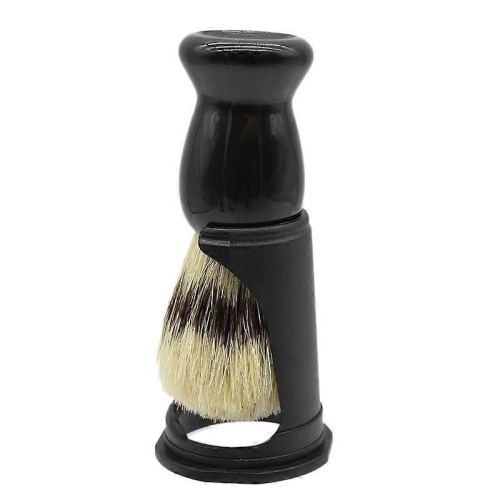
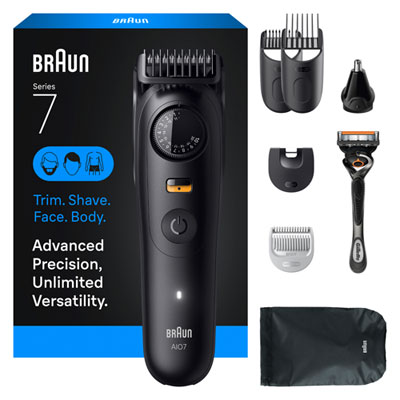
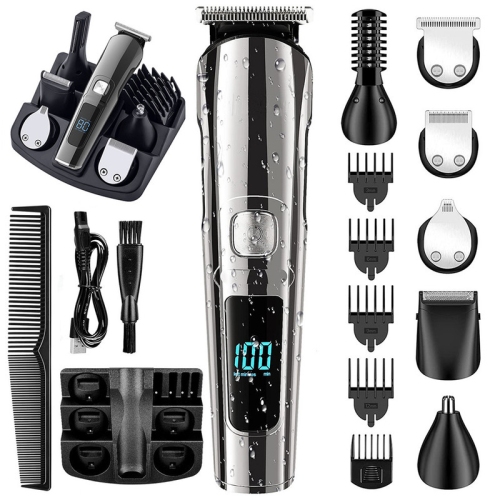
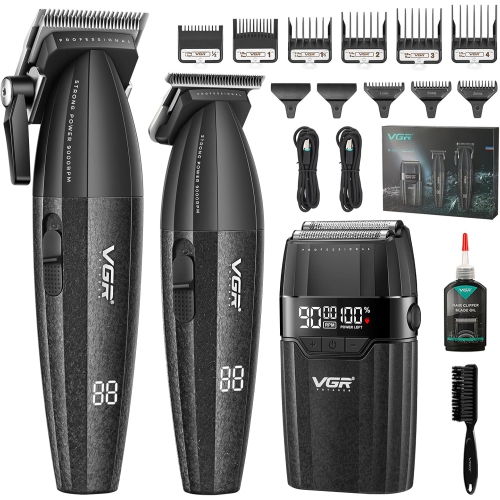
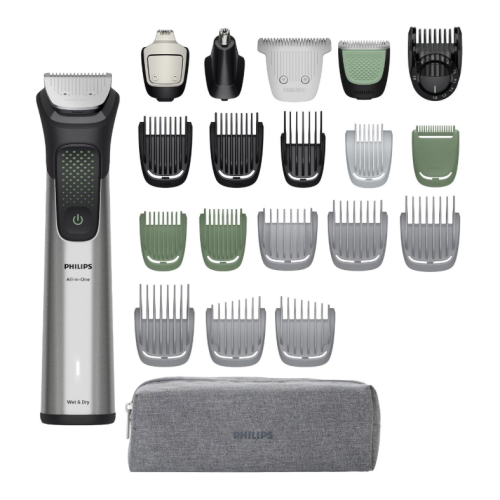
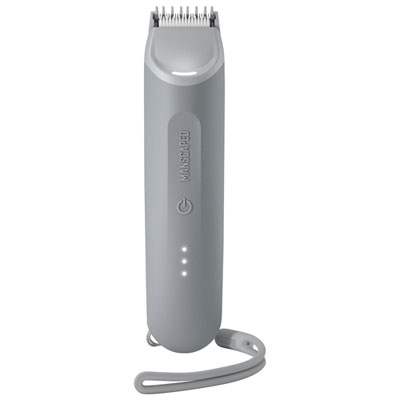
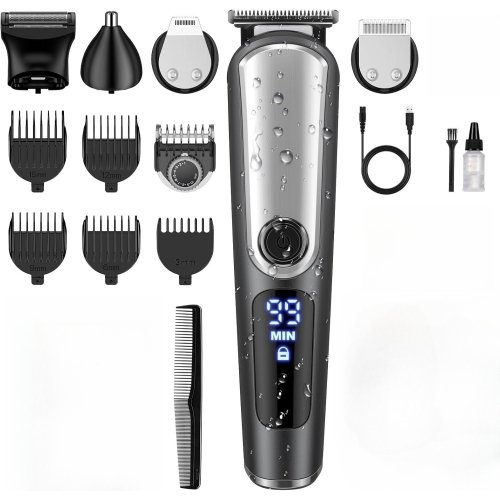
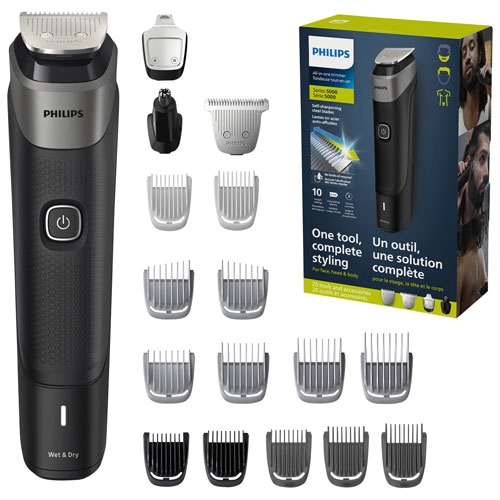
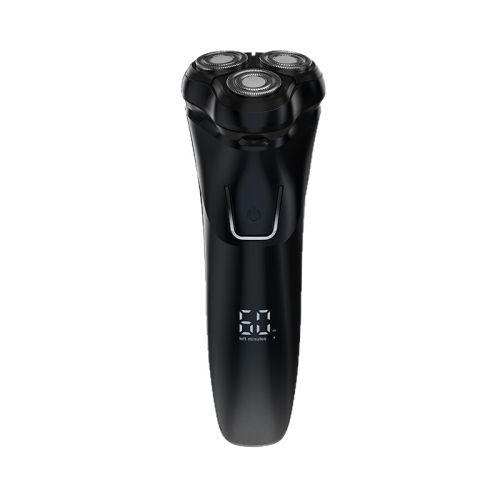
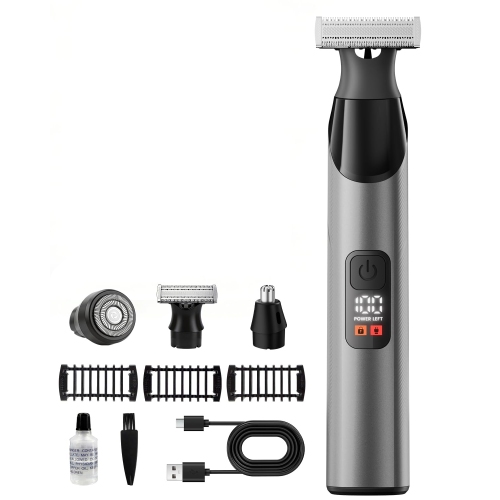
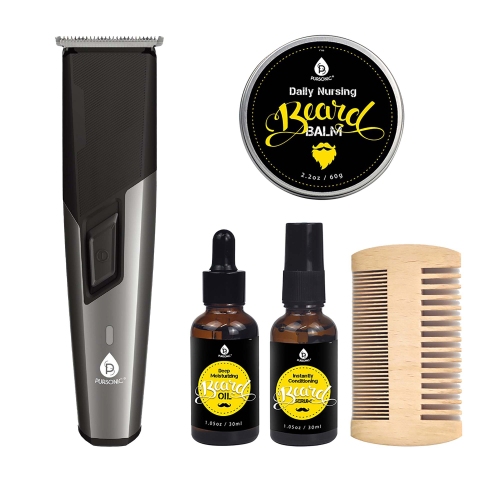
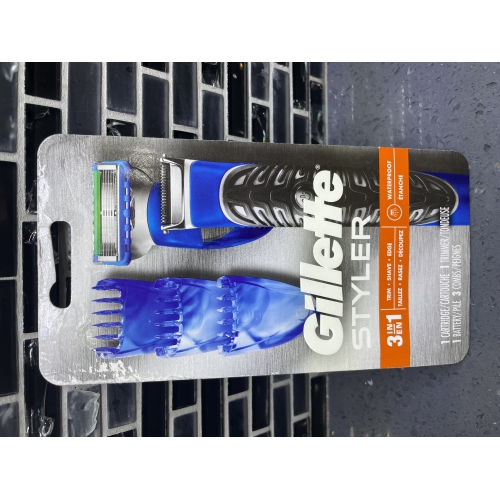
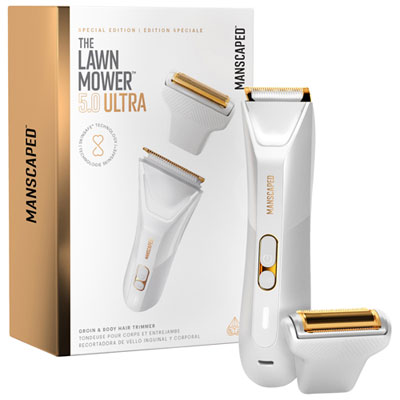

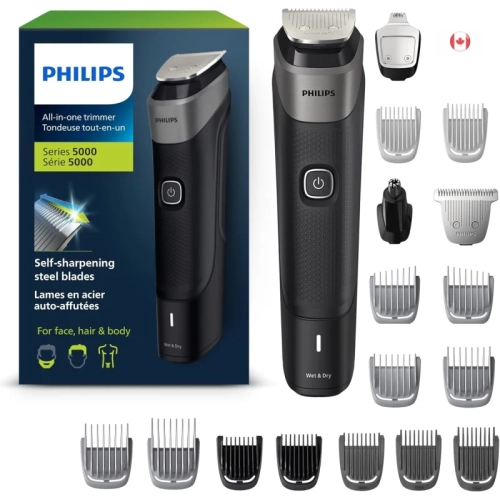
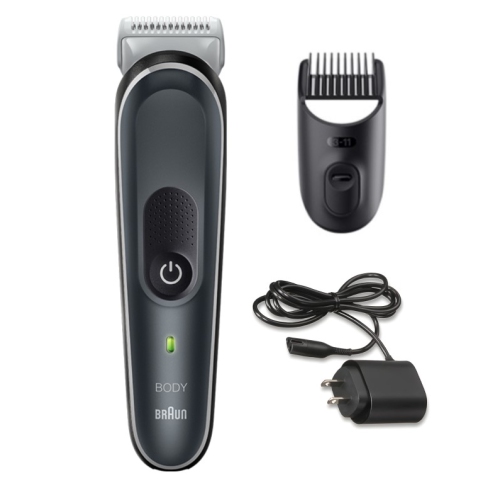
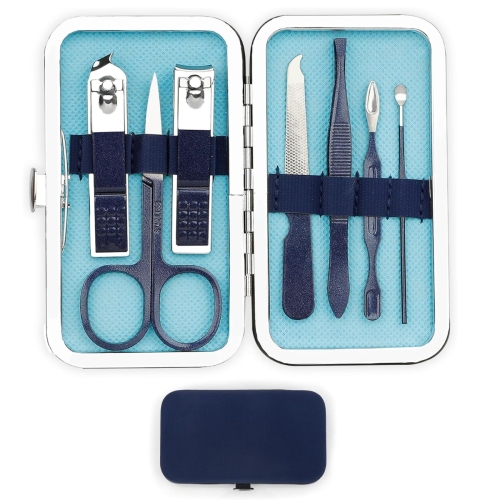
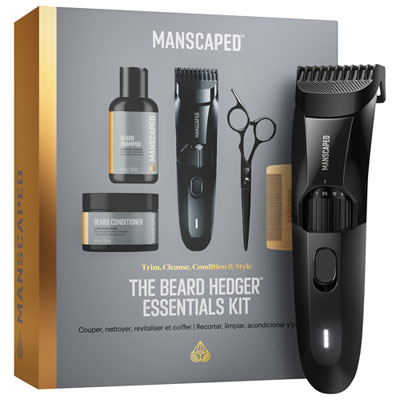
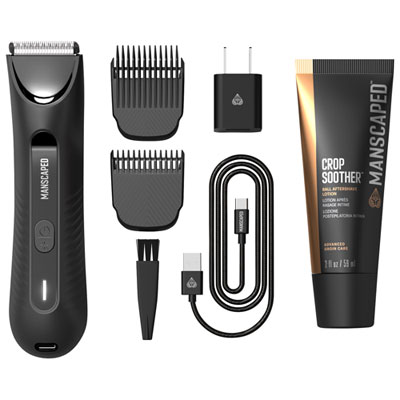
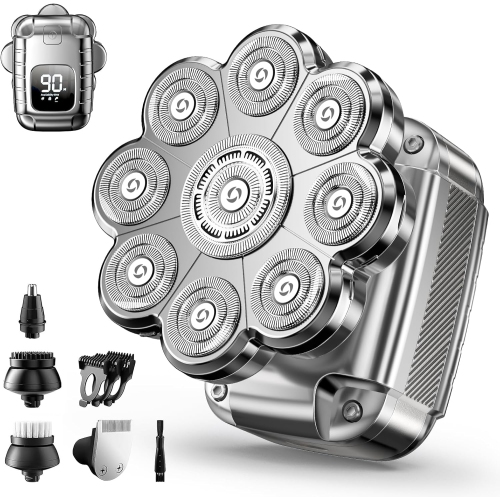
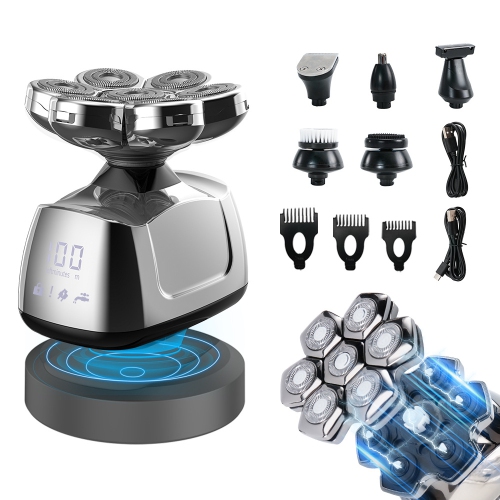
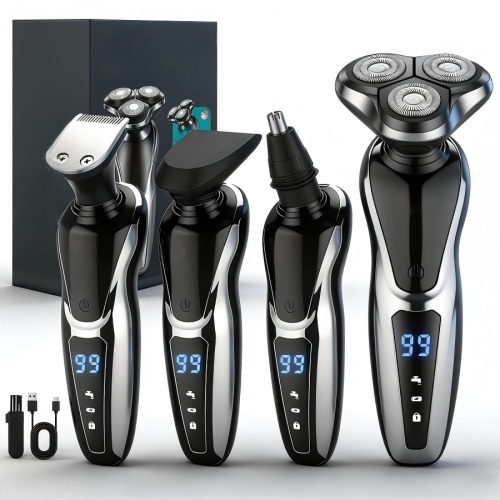
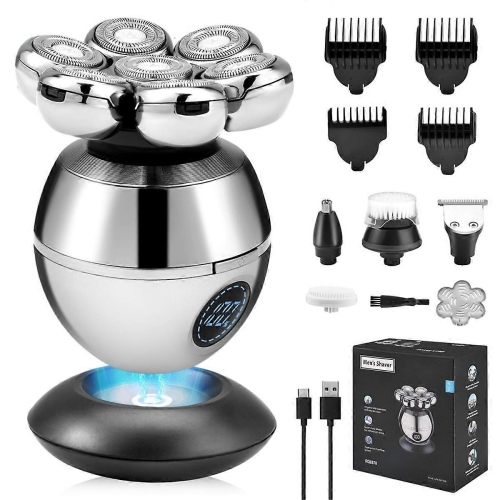

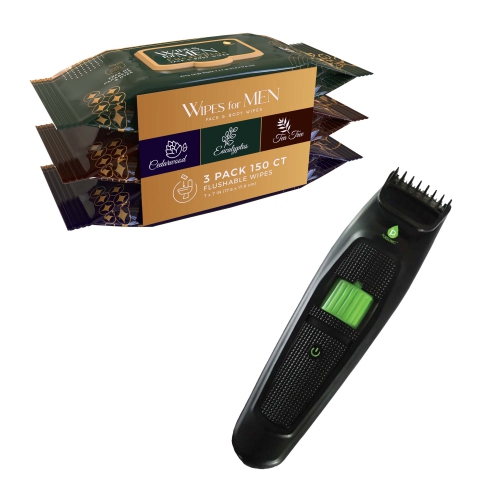
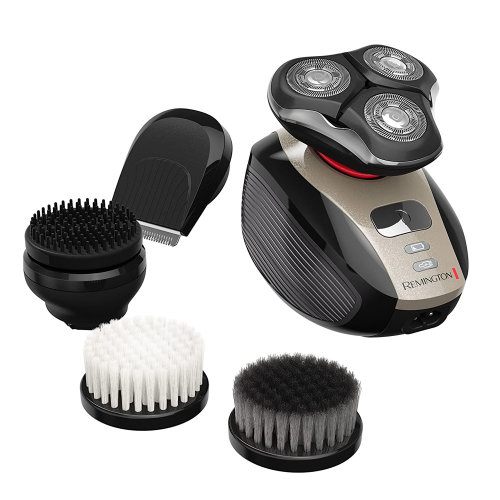
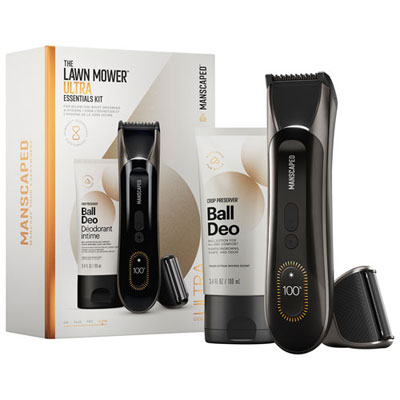
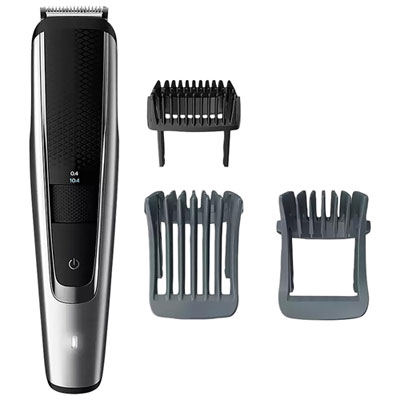


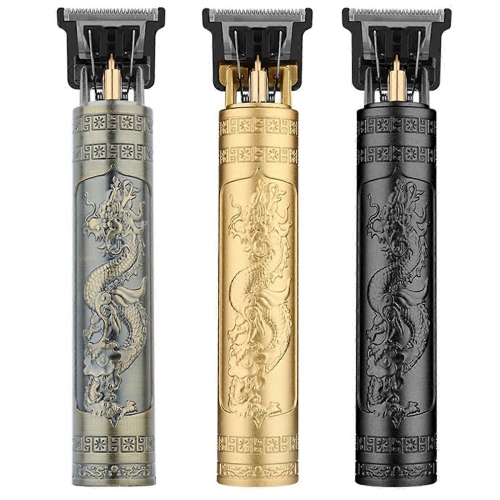
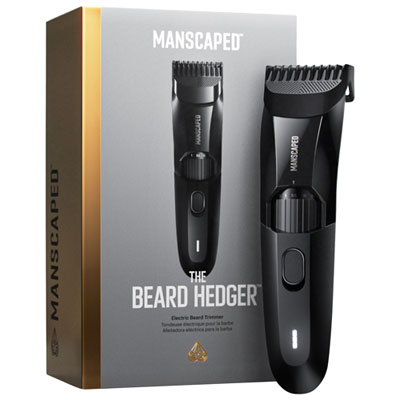
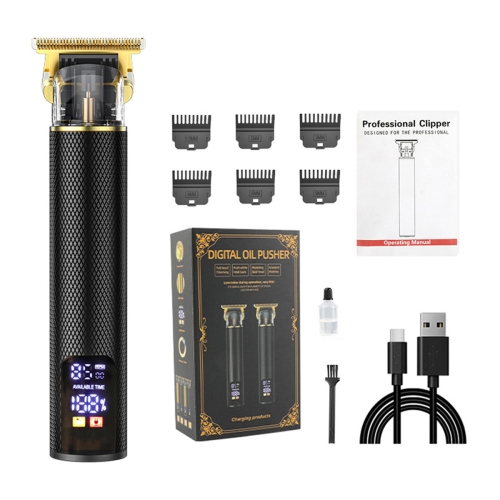
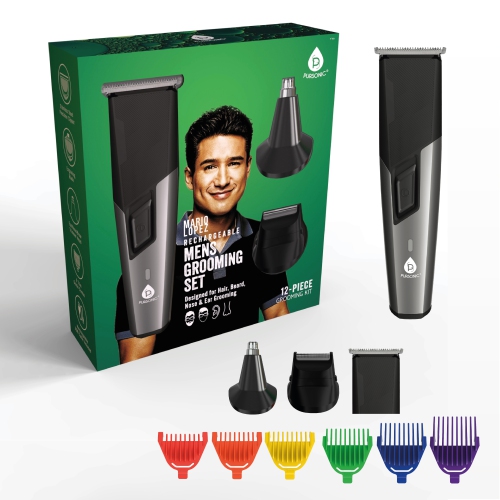
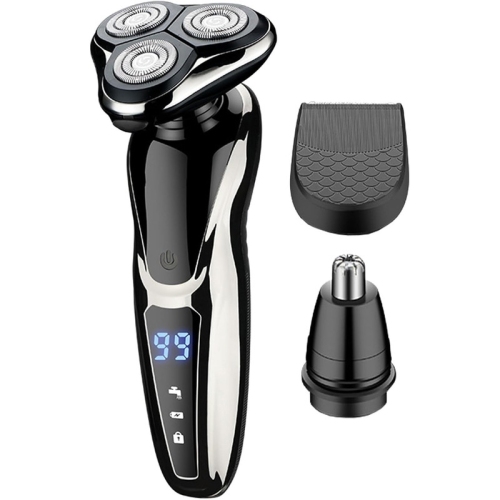
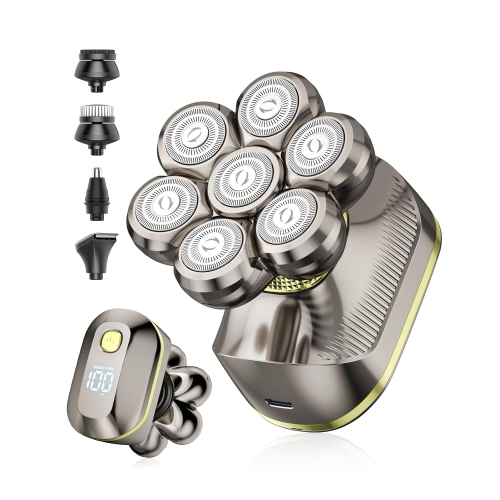
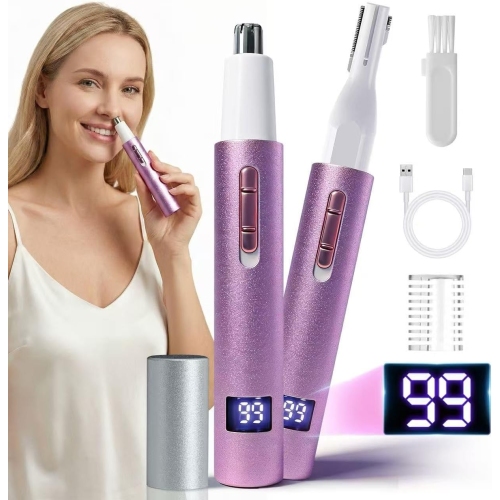
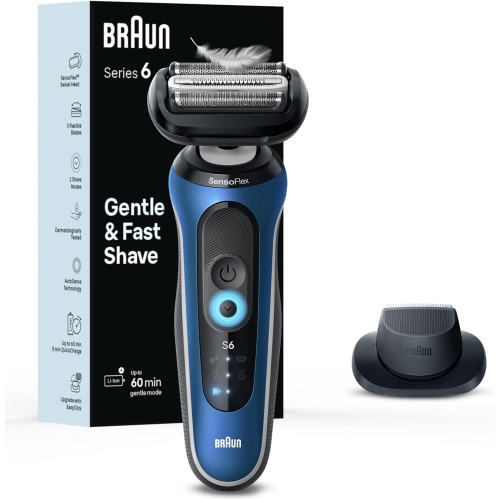
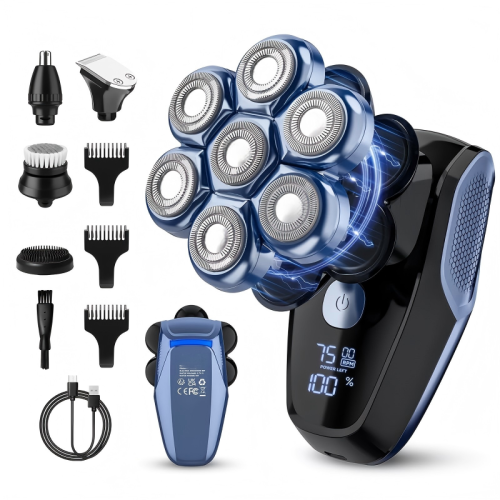
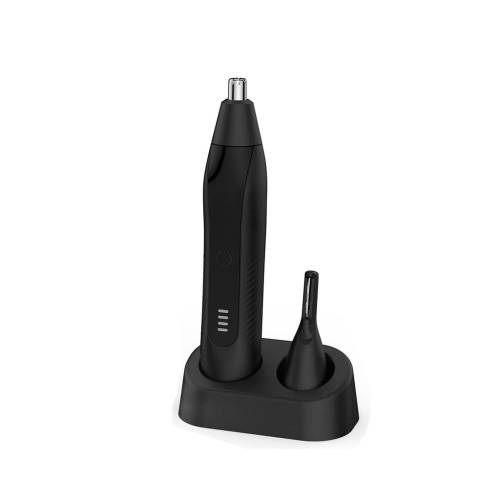
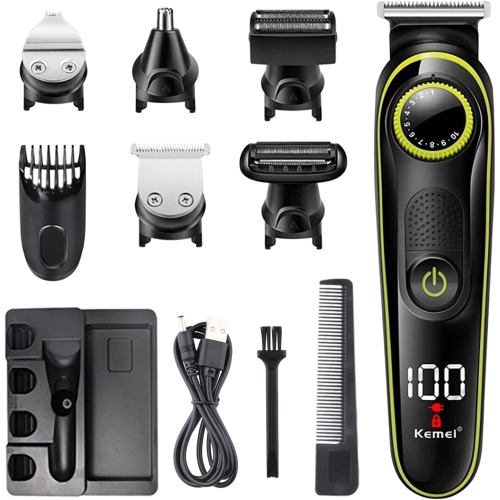


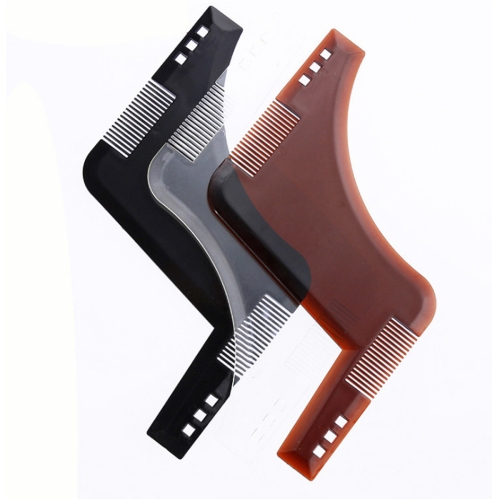
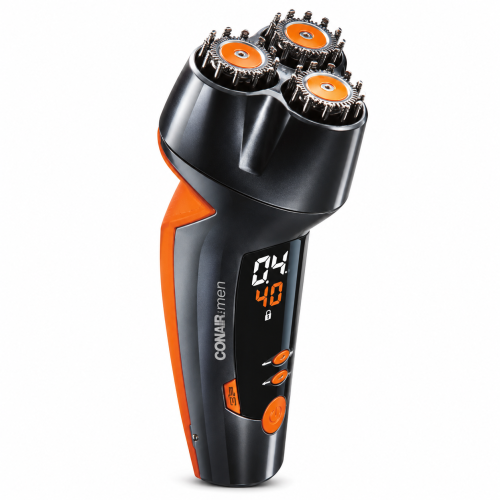
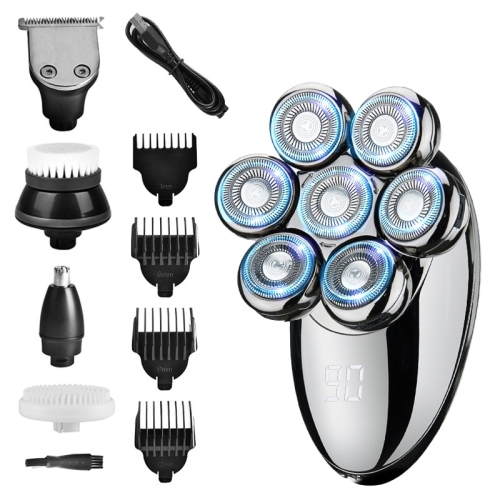
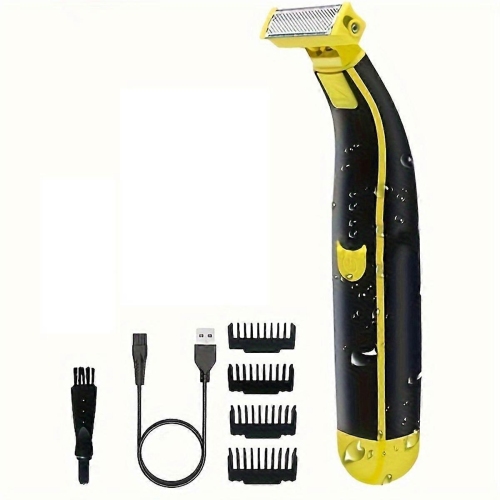
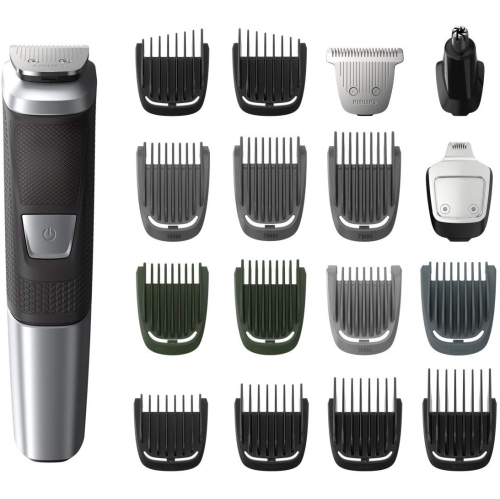


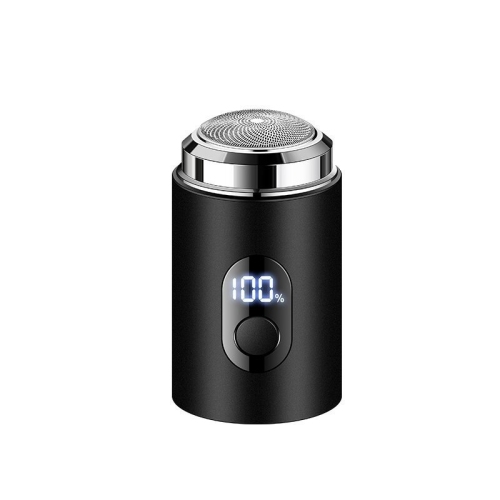
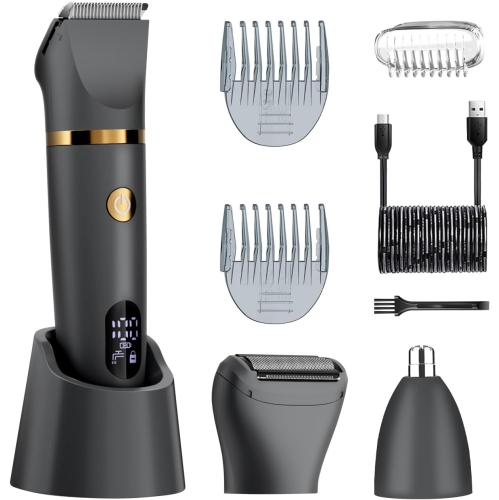
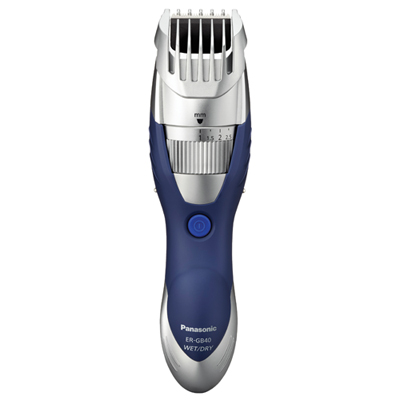
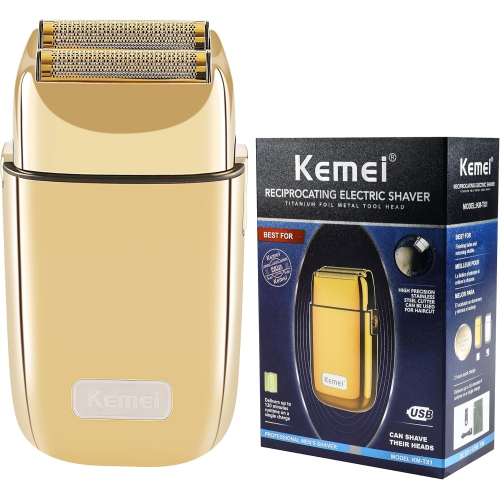


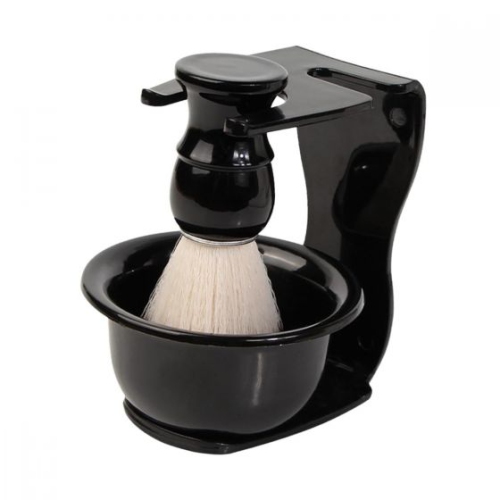
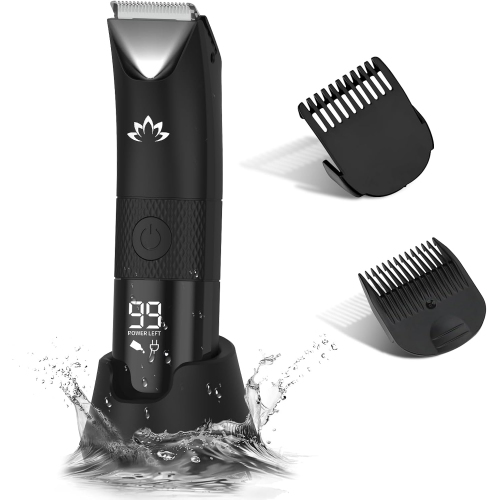
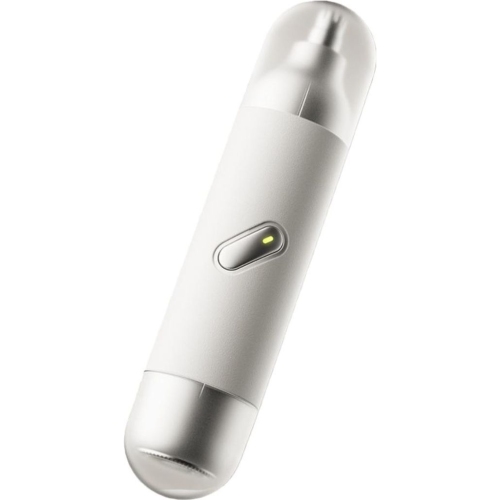
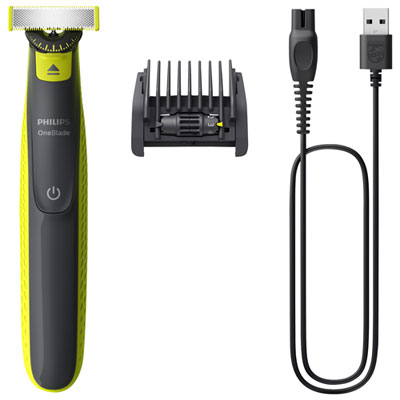

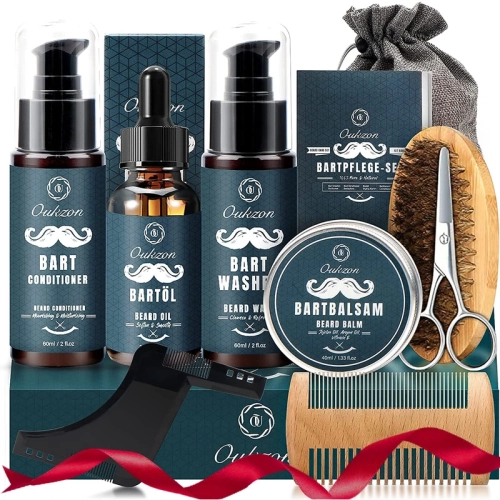
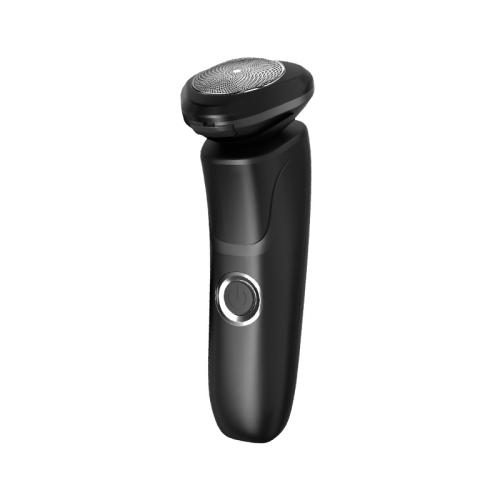
Why shavers and trimmers serve different grooming needs
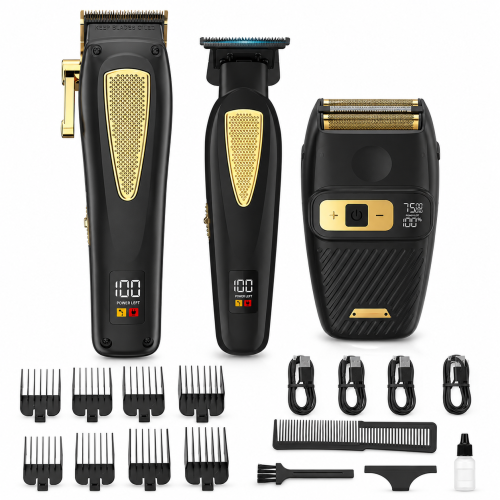
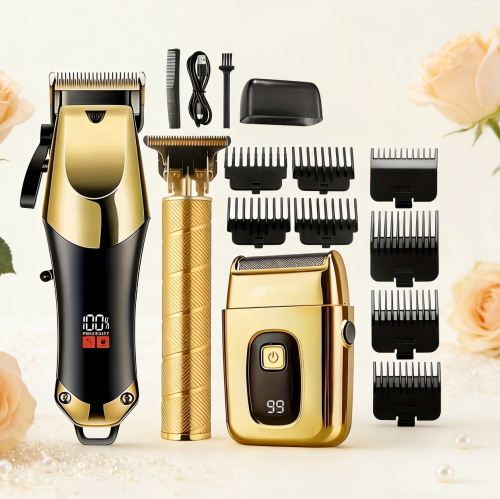
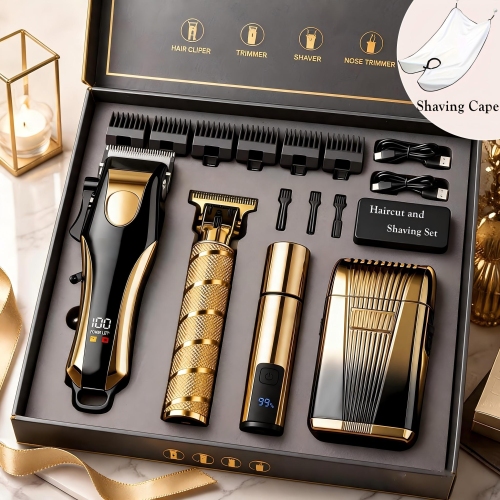
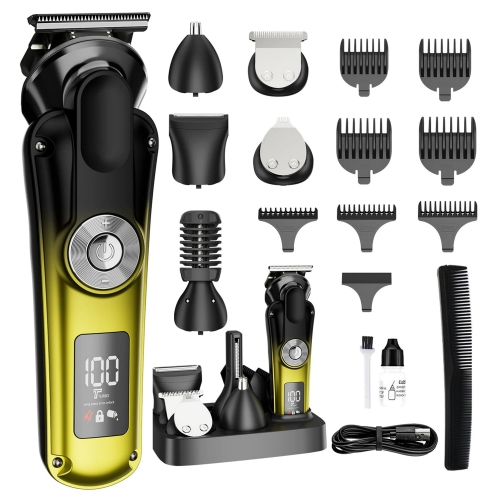
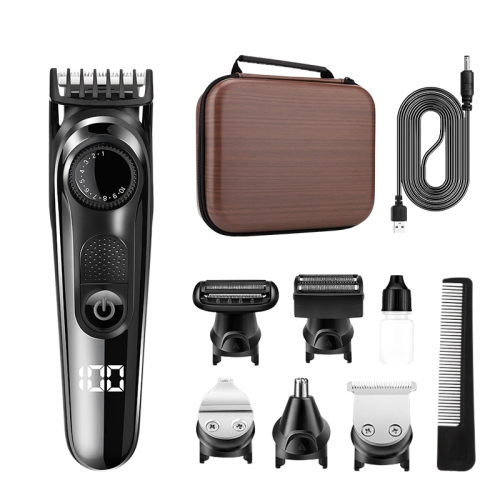
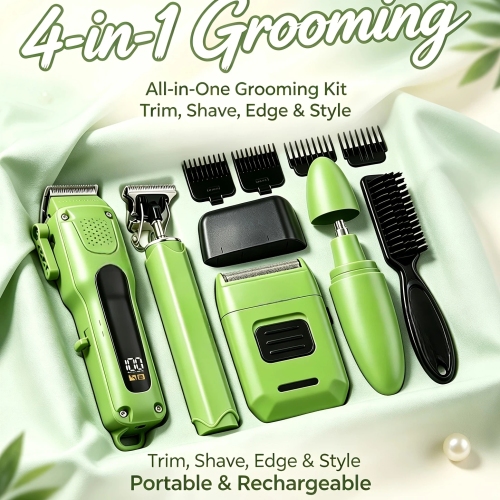
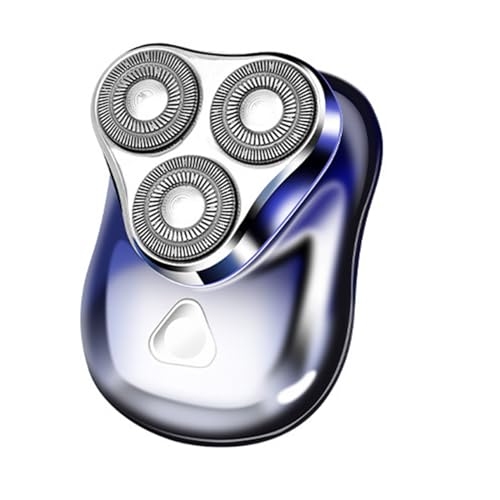
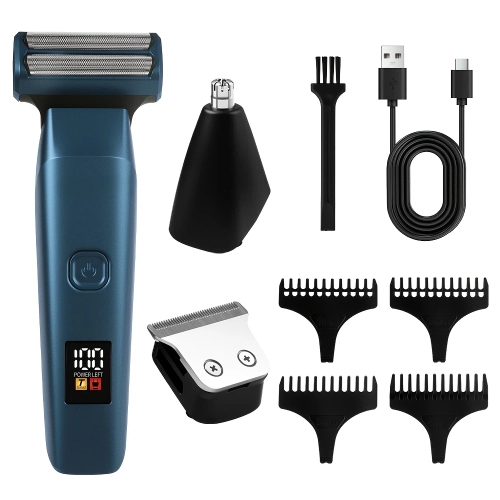
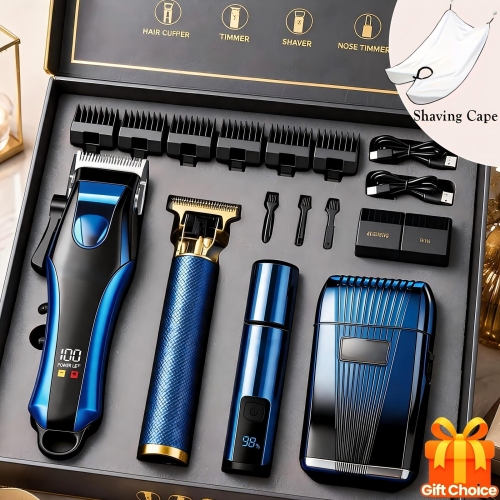
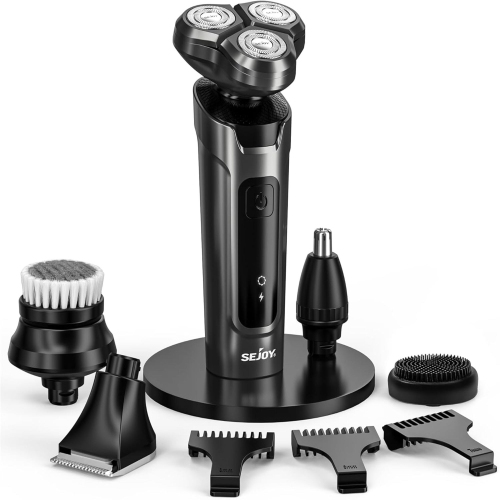
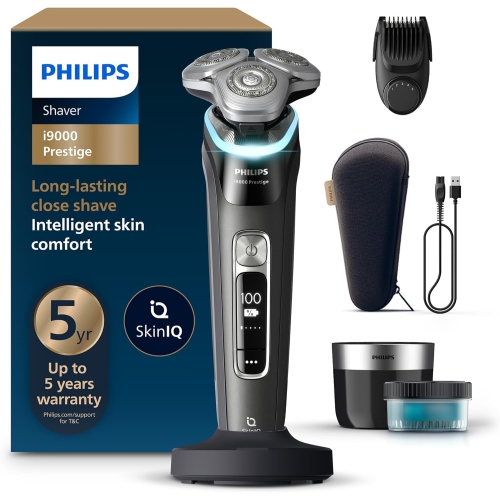
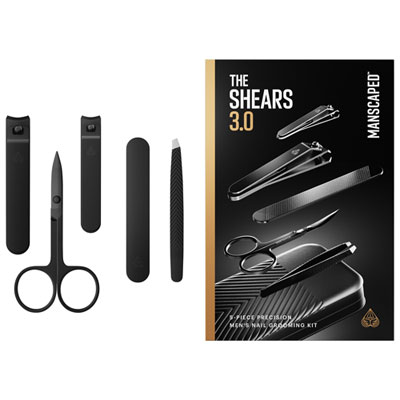
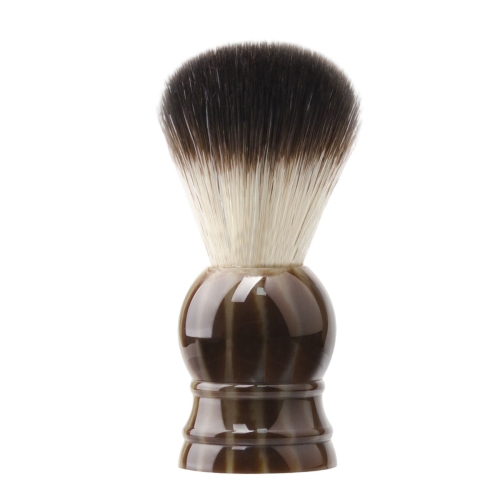
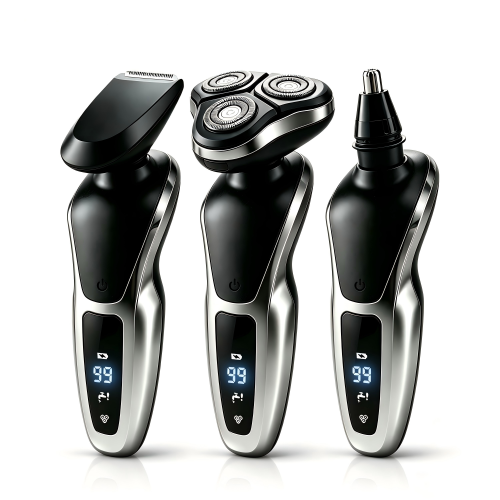
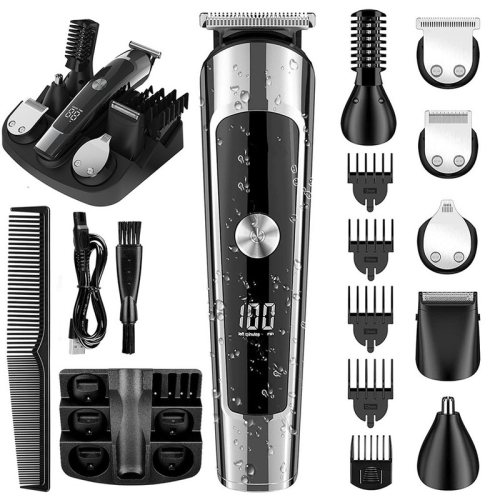
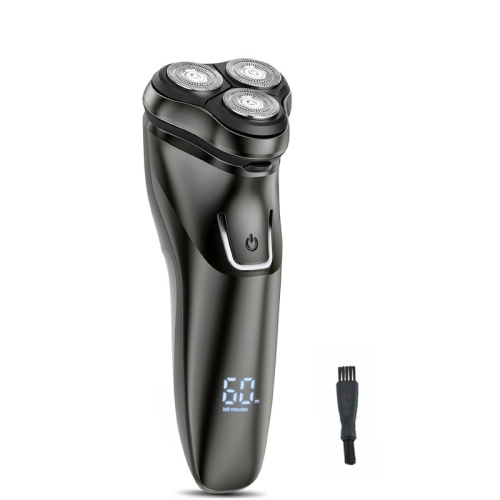
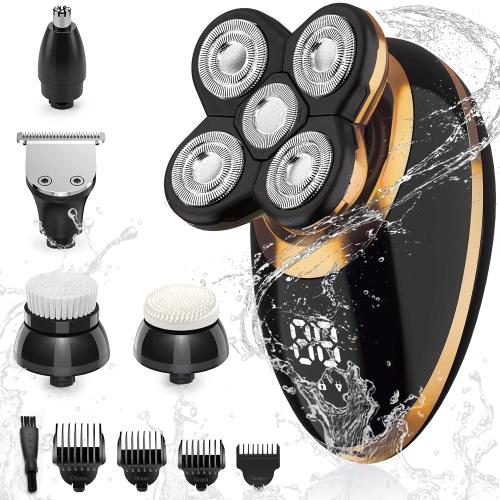
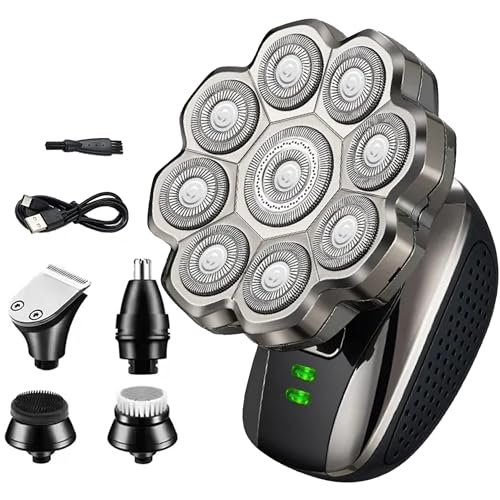
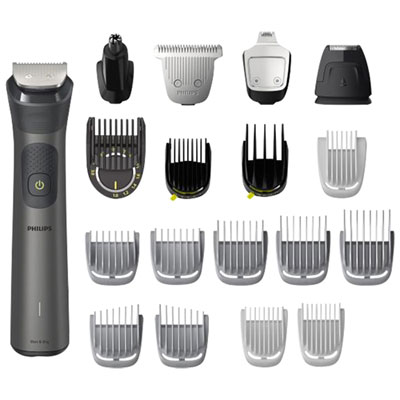
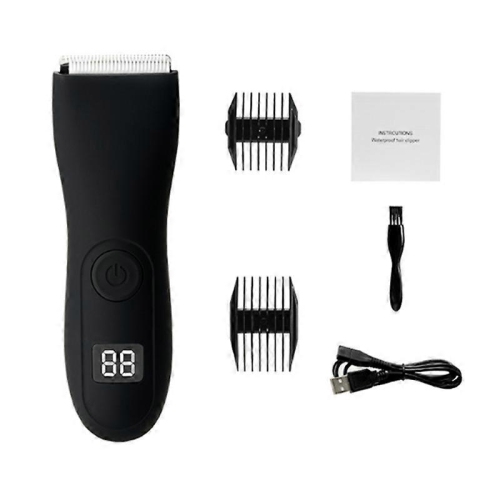
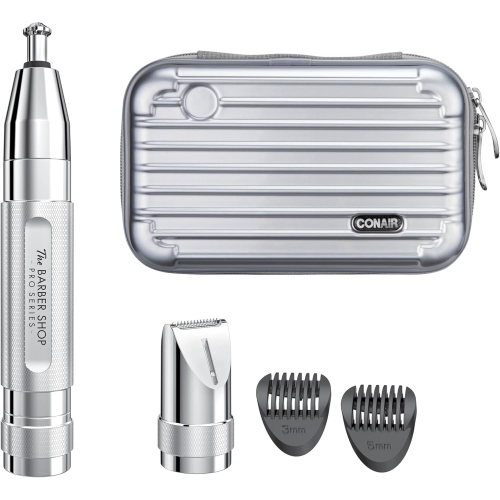
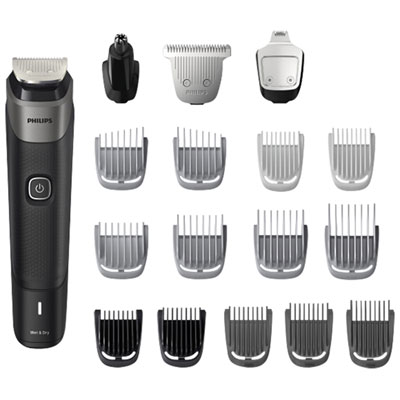
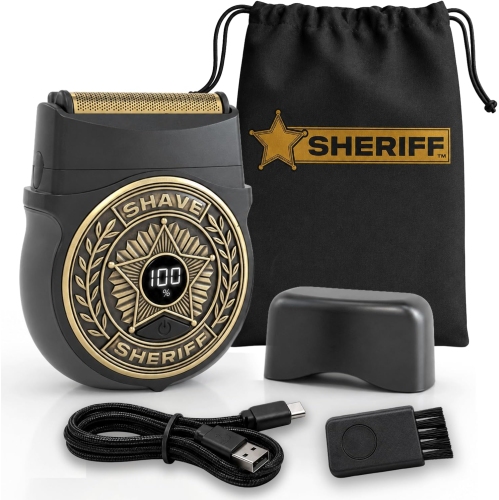
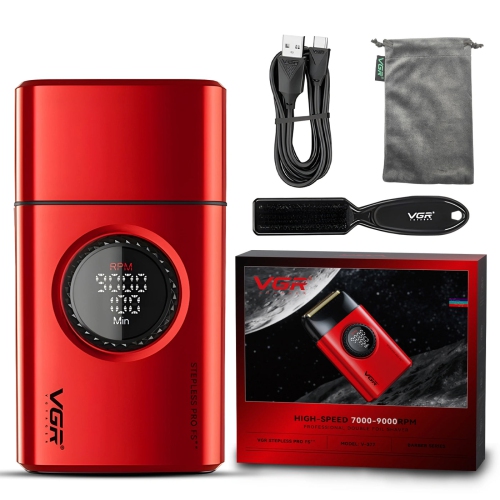
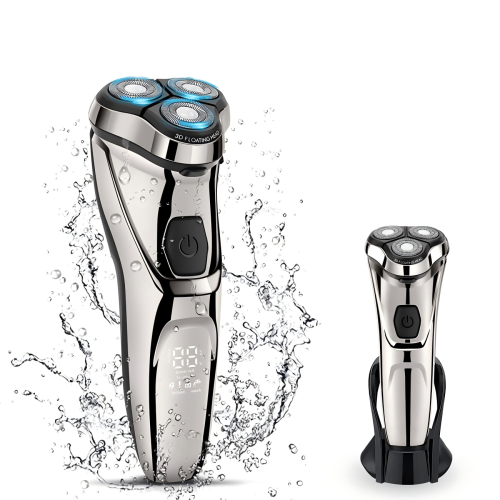
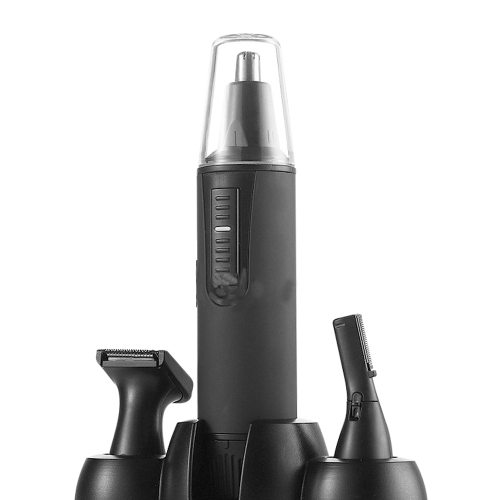
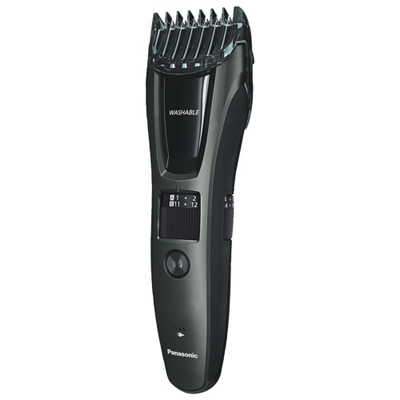
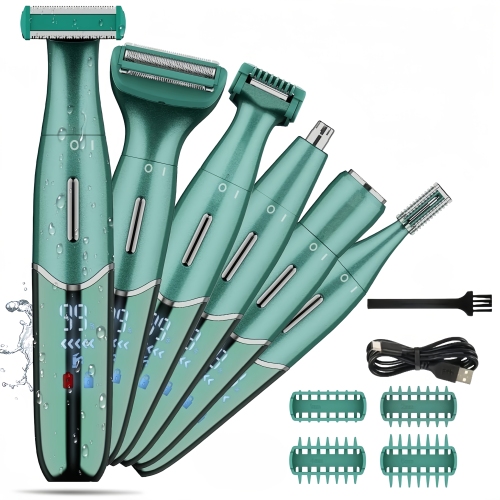
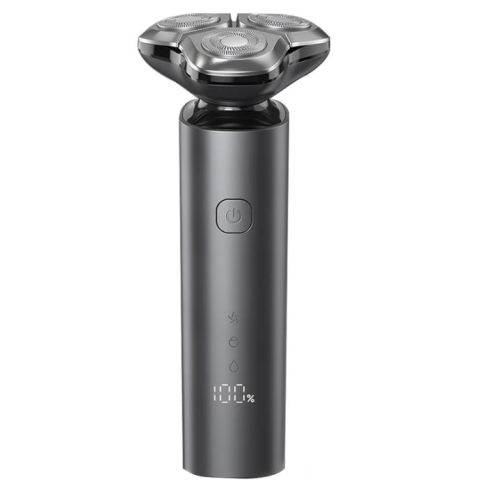
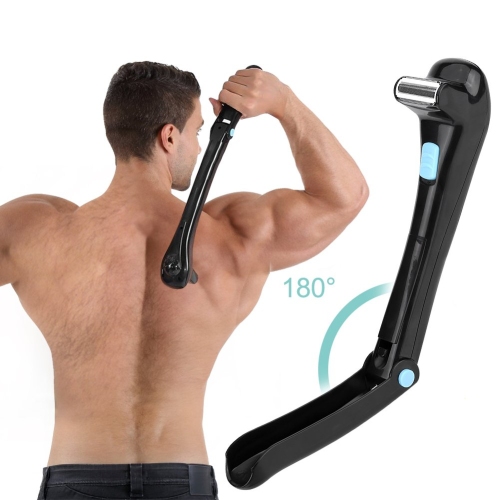
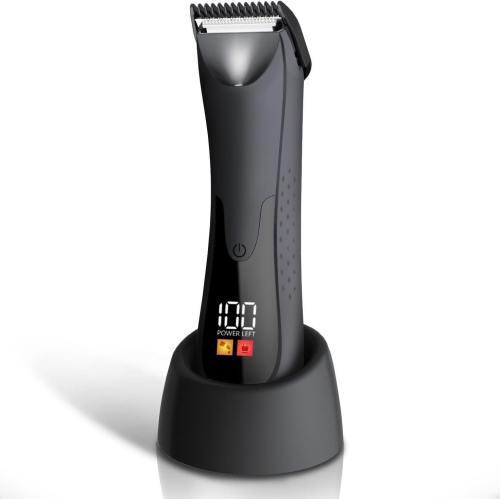
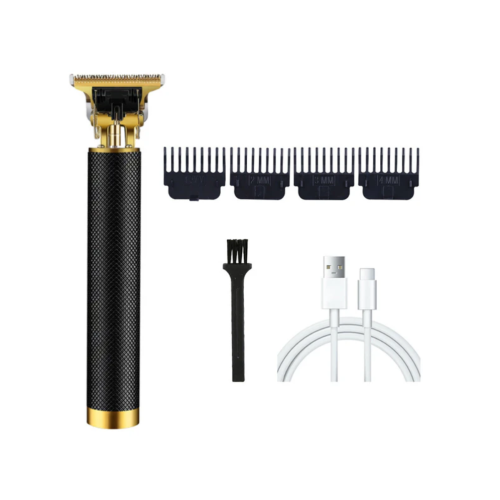
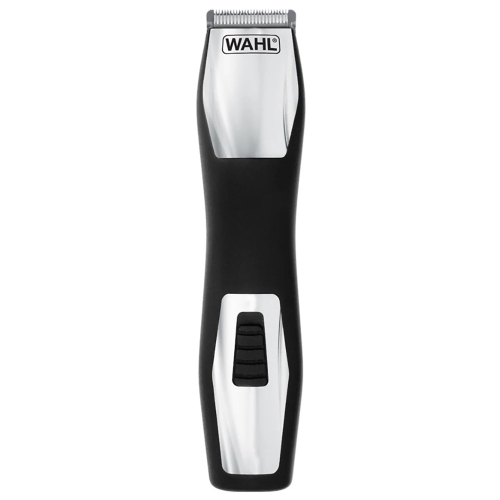
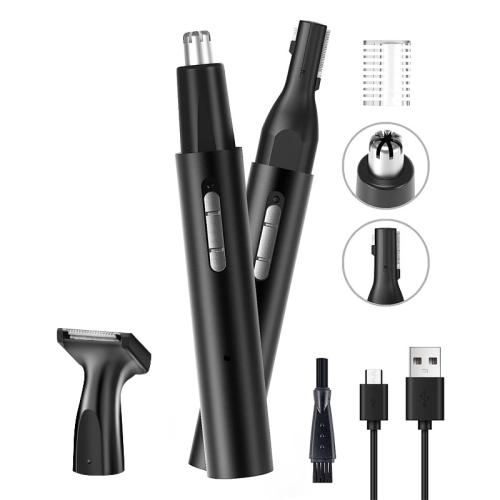
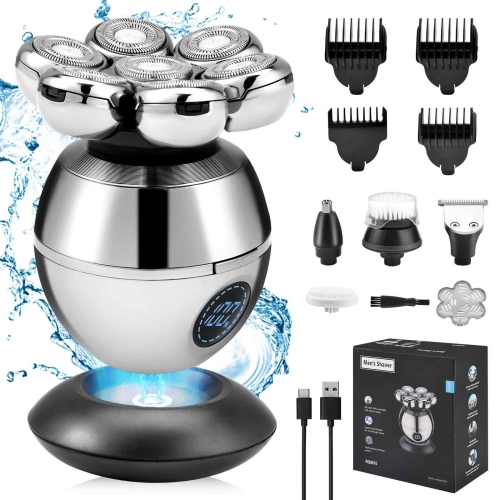
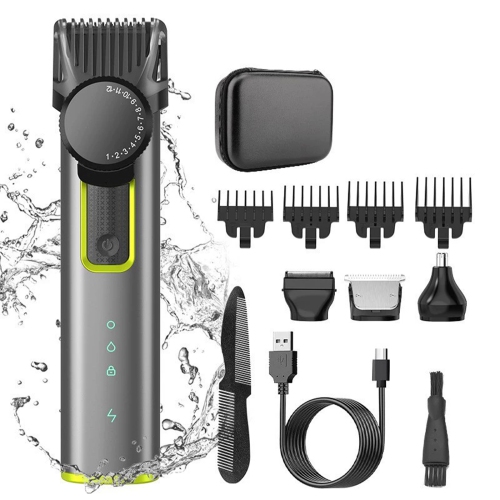
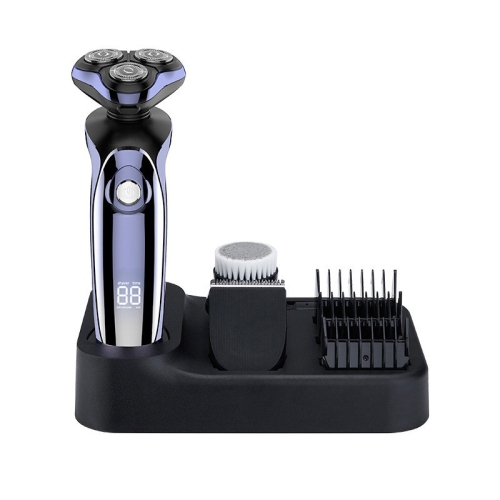
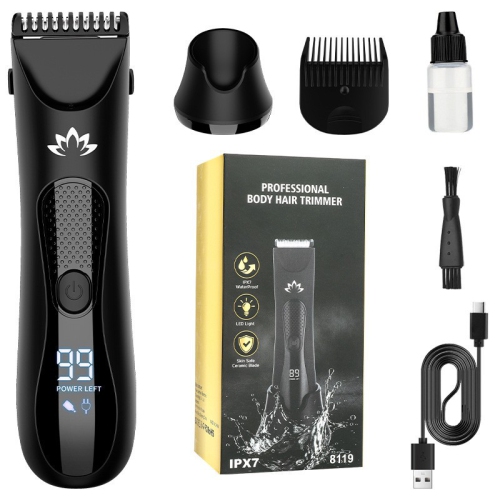
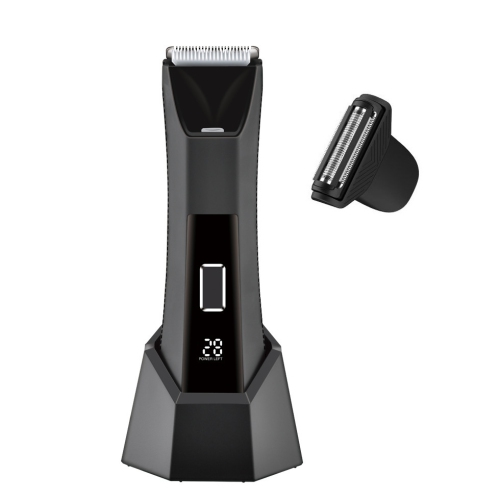
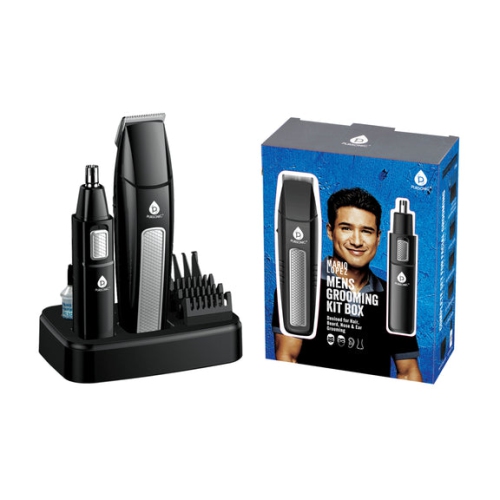
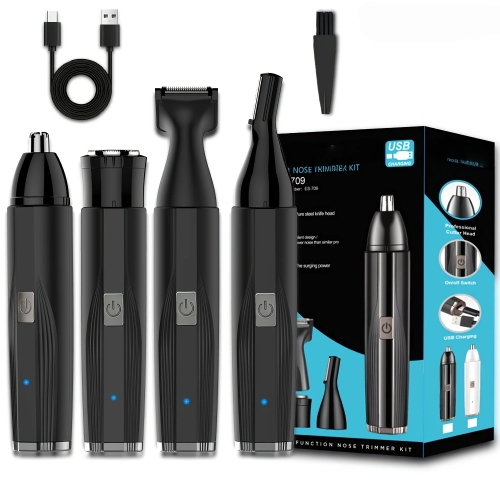
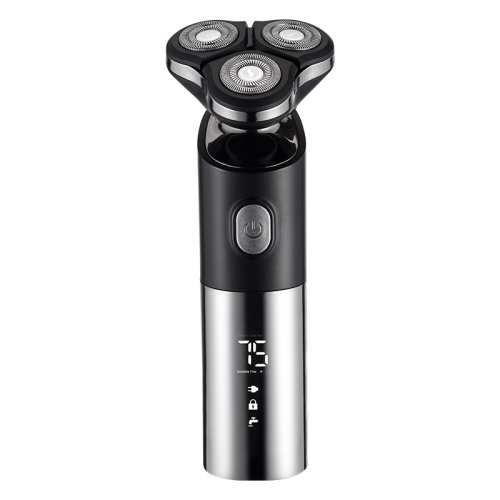
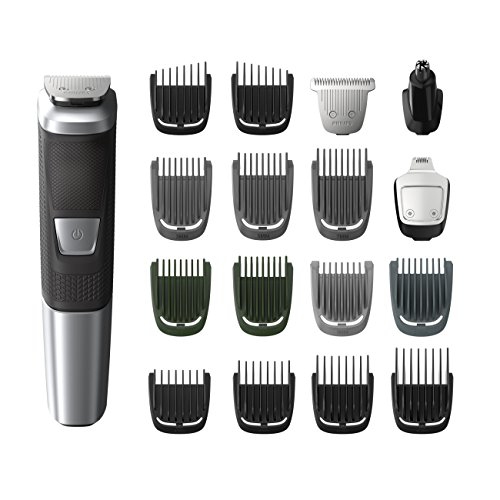
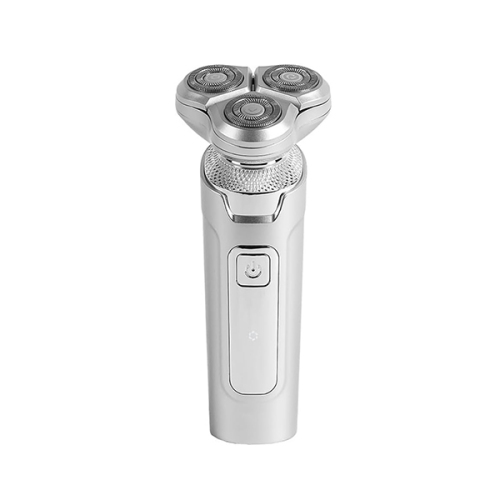
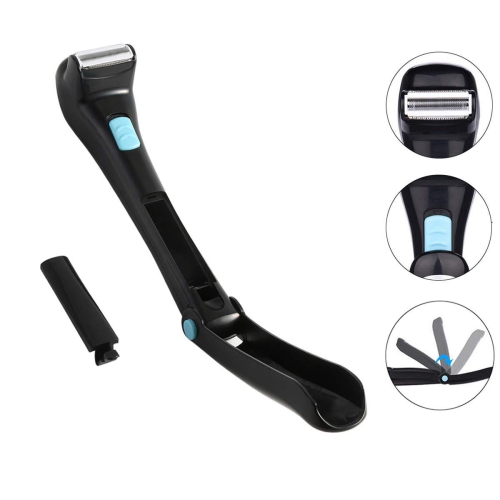
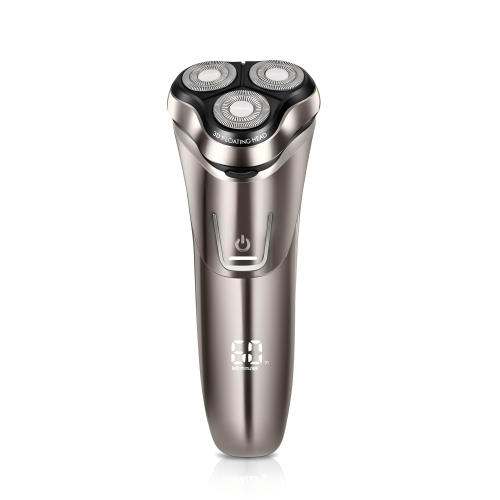
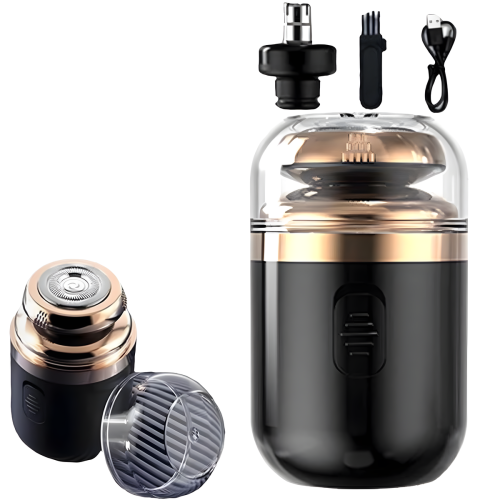
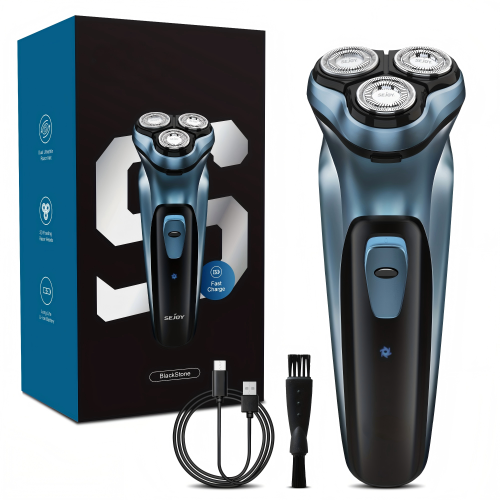
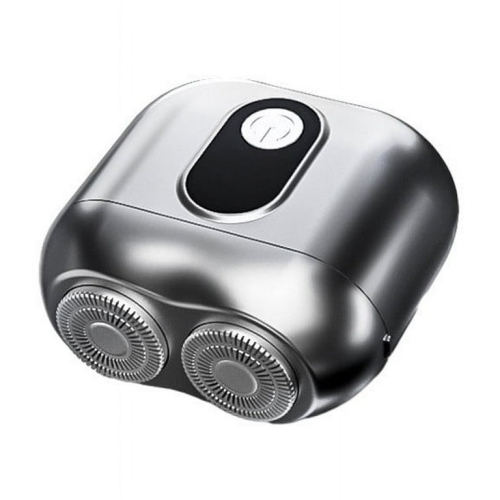
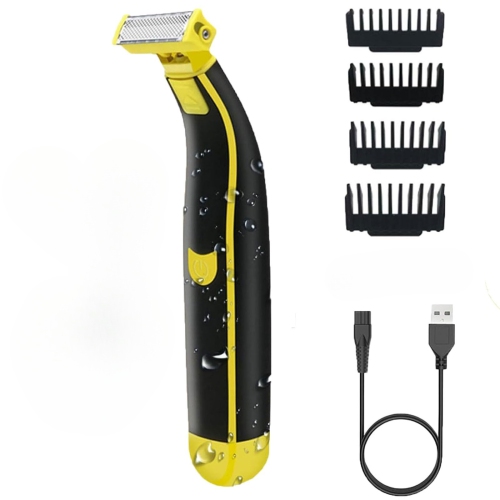
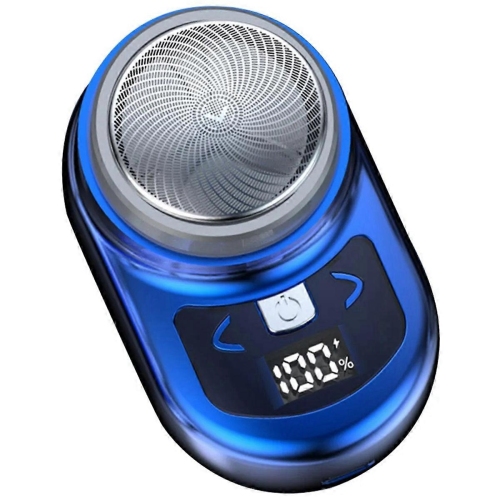
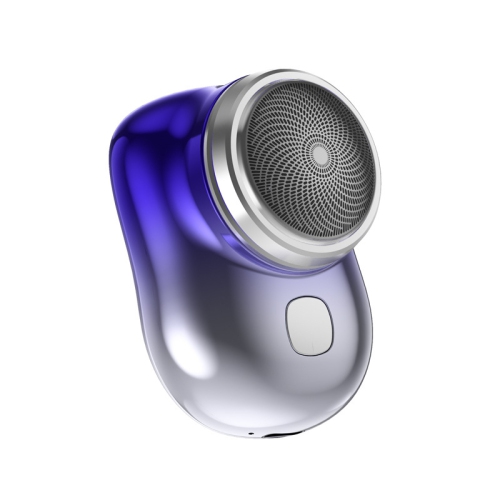
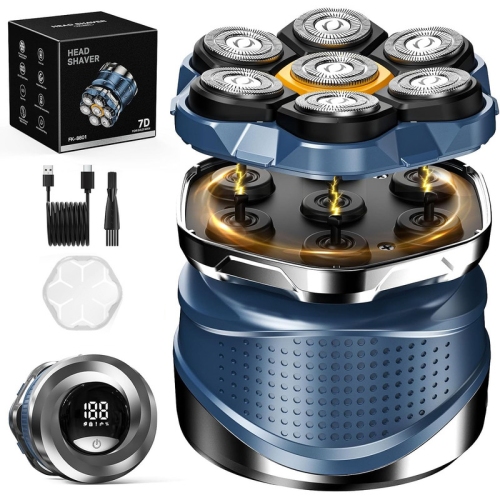
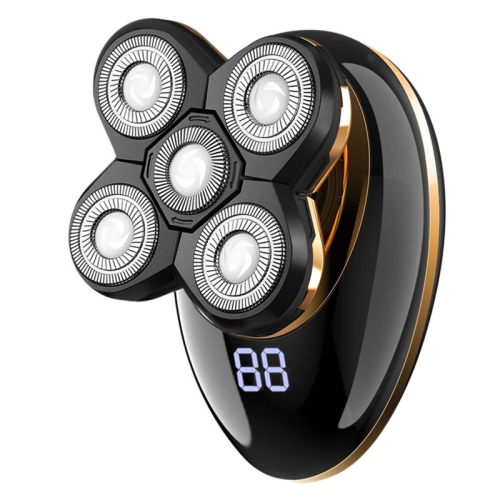
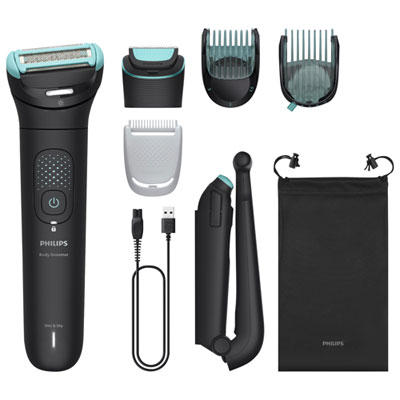
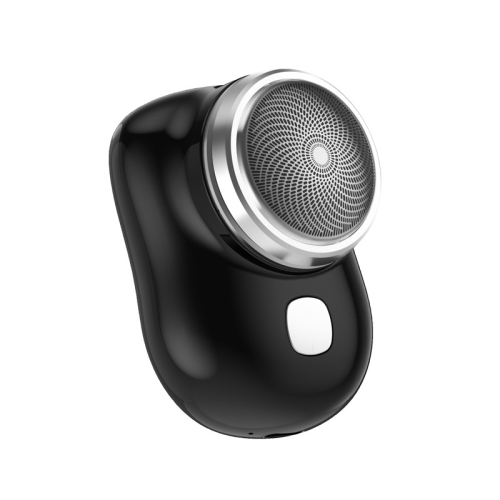
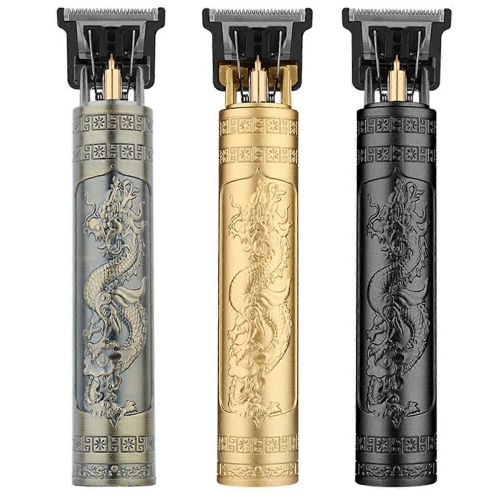
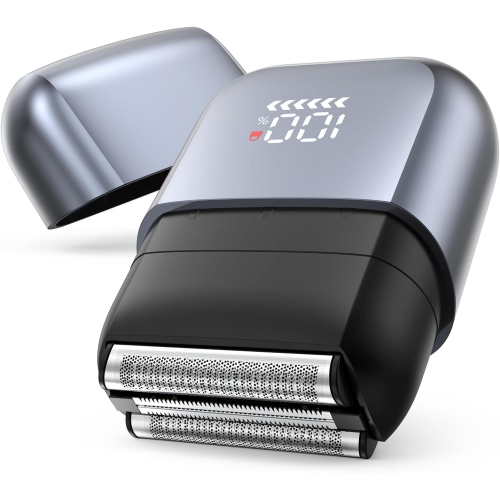
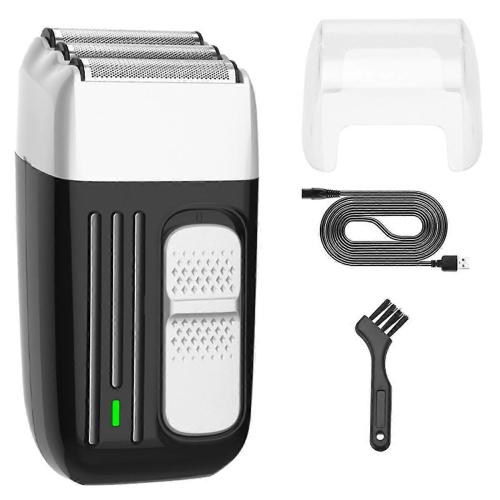
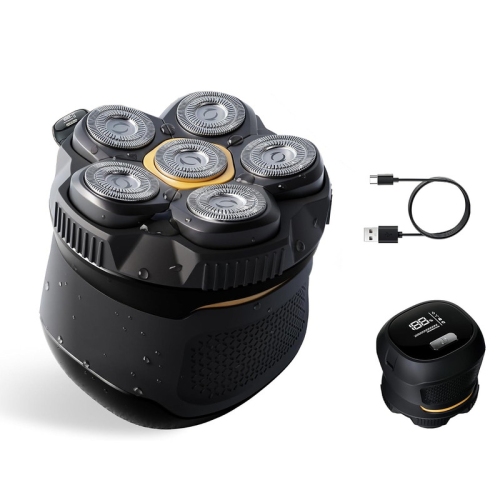
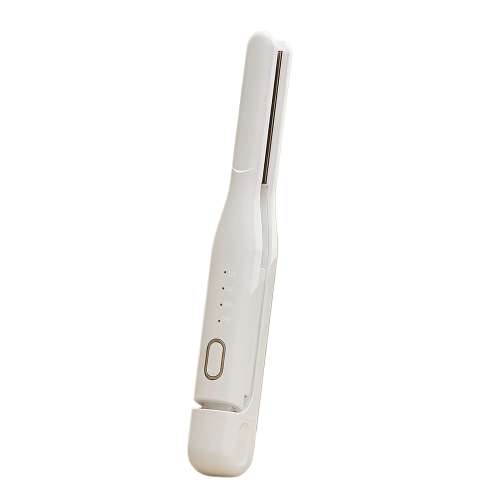
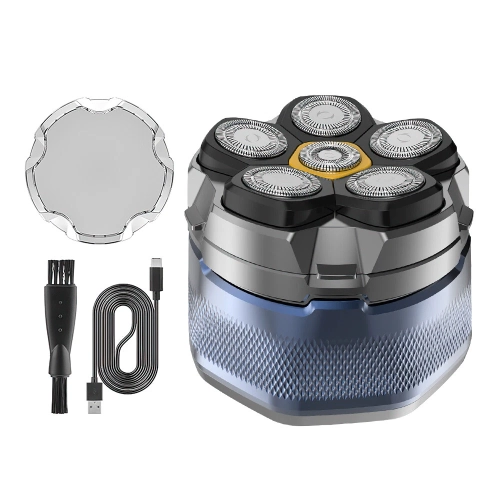
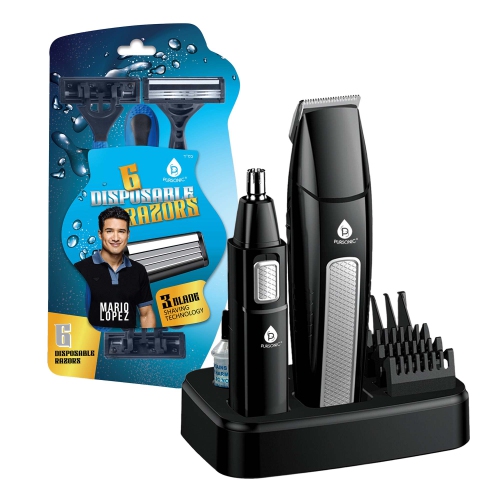
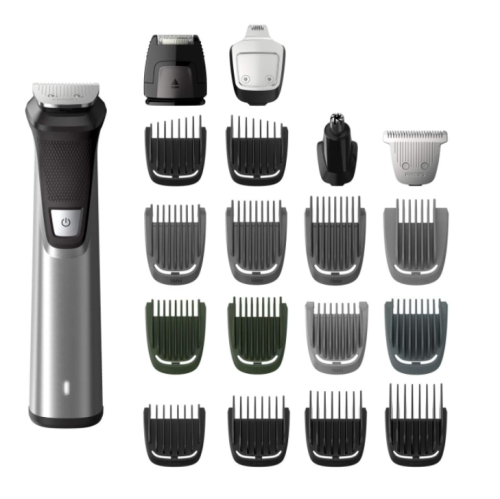
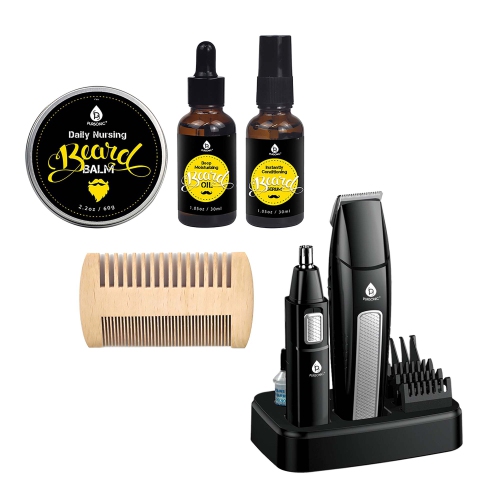
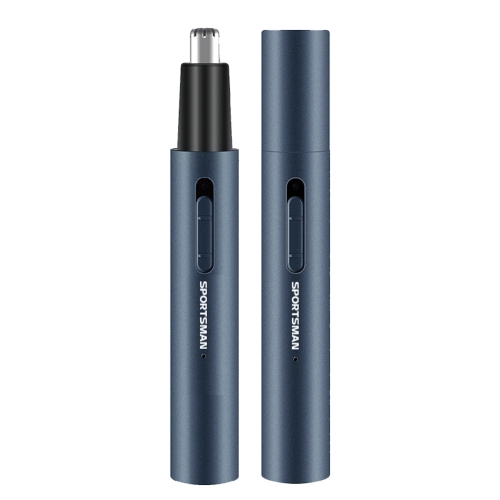
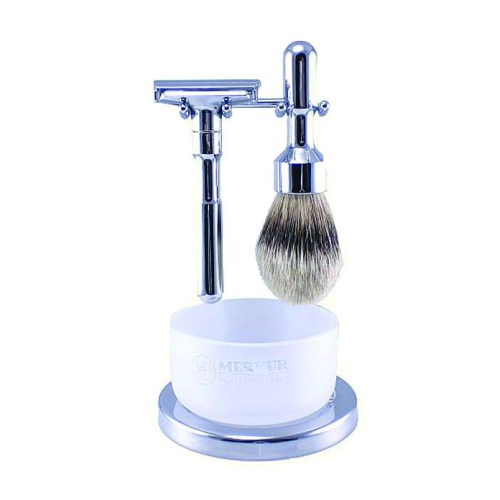
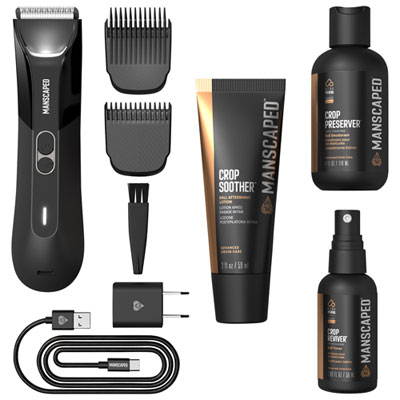
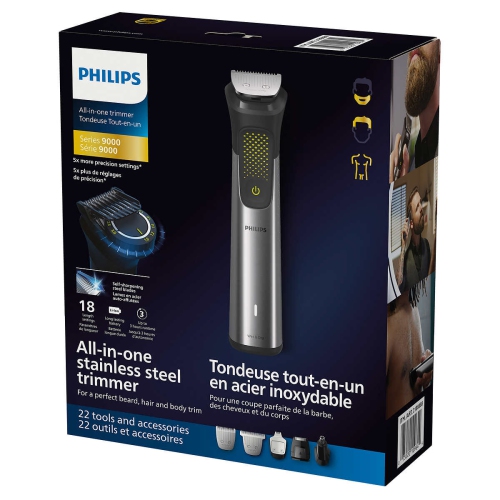
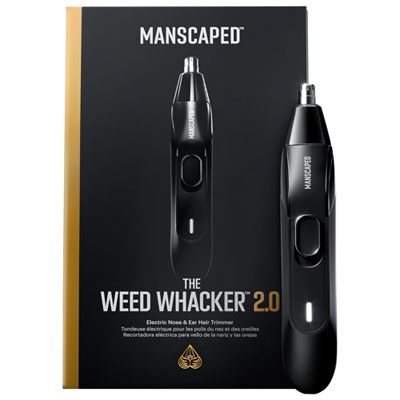
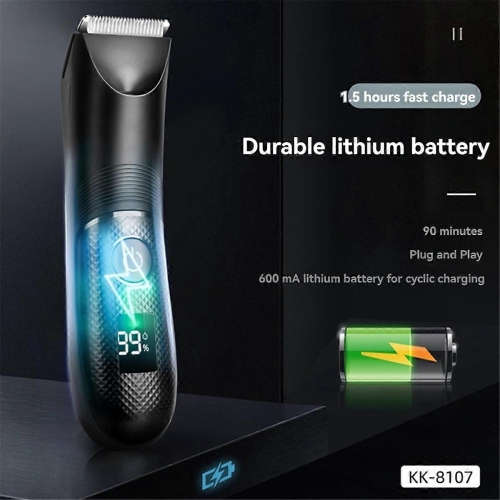
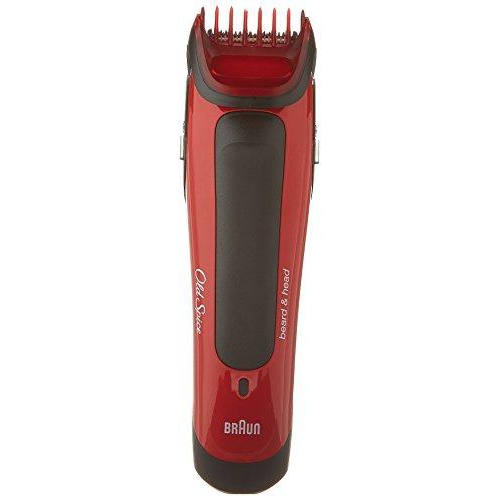
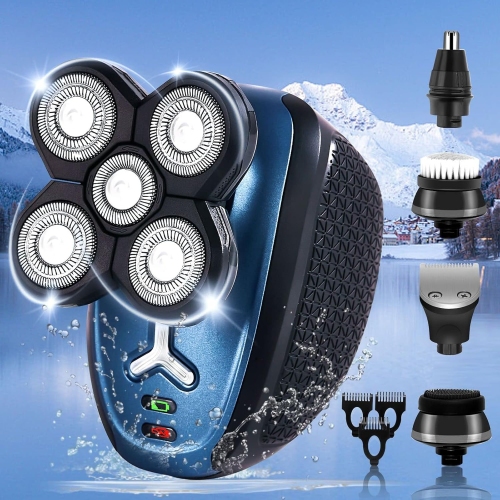
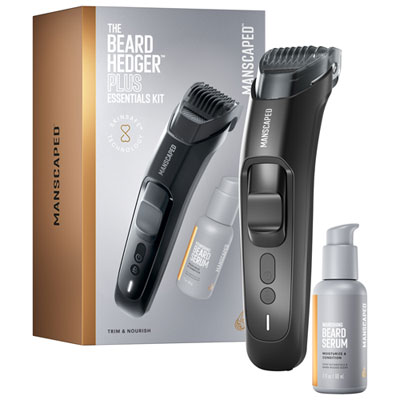
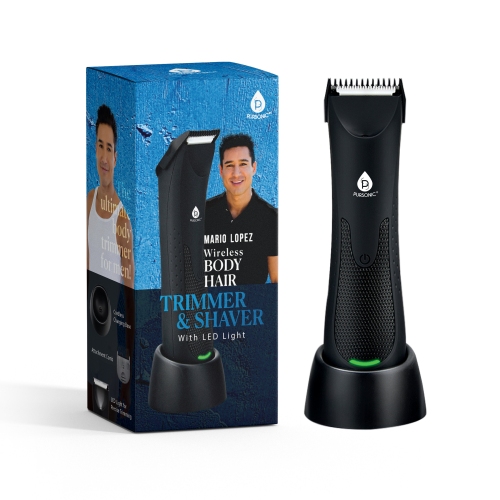
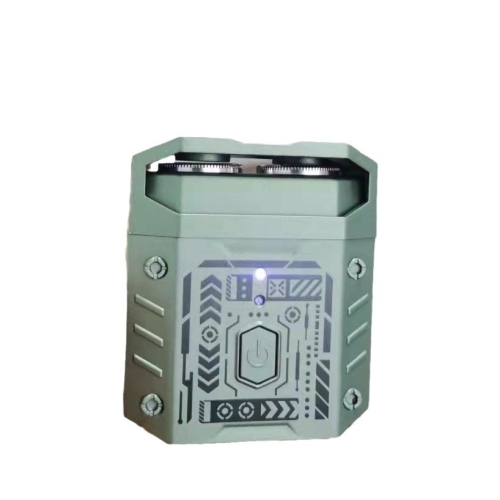
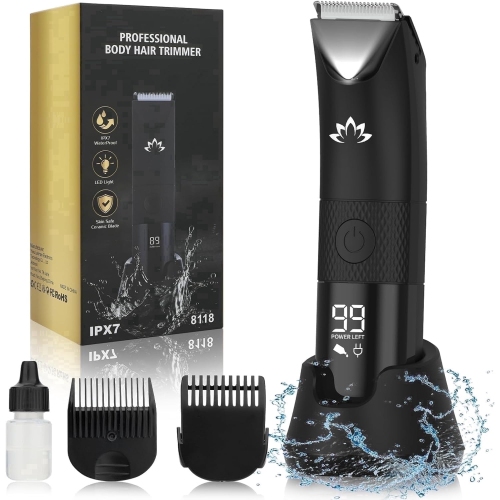
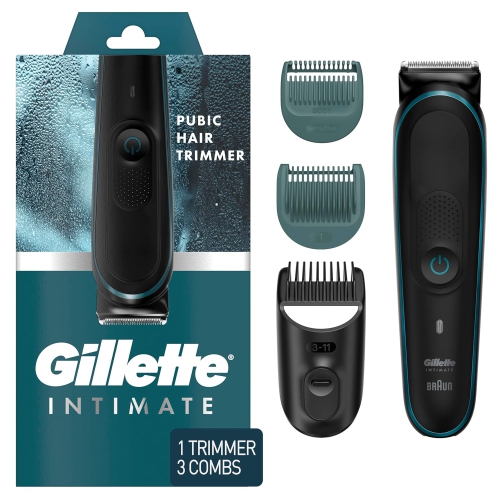
Men's grooming tools include electric shavers, beard trimmers, hair clippers, detail trimmers, and manual accessories for keeping facial hair, haircuts, and nails tidy. Each type serves a different purpose, from maintaining a close shave to preserving the shape of a full beard. Electric shavers are designed to cut hair near the skin, while beard trimmers use adjustable settings or guide combs to leave a chosen length. Hair clippers generally have wider cutting heads suited to covering larger areas of the scalp, and compact detail trimmers offer more control around sideburns, moustaches, and beard edges. That distinction matters when a routine involves both keeping stubble even and cleaning up the neckline: one attachment may handle length, while another defines the border. Foil shavers hold their cutting elements behind a thin, perforated screen and are typically used in straight passes. Rotary shavers use circular heads and are generally moved in small circles, with the appropriate technique depending on the device. Neither format suits every face or hair texture equally. Coarse facial hair, flat-lying growth, sensitive skin, and the contours around the chin can all influence which design feels comfortable. For someone maintaining a short beard, closely spaced length settings can make subtle adjustments easier; for a longer beard, the maximum cutting length and the firmness of the comb attachment become more important. Fine-detail attachments can help shape a moustache without removing too much length from neighbouring areas. Dedicated nose and ear trimmers are intended for tidying visible hair at the openings, with protective guards separating the cutting mechanism from direct contact. Manual tools, including combs, grooming scissors, nail clippers, and files, complement powered devices by handling small finishing tasks. Together, these categories support anything from a quick morning tidy-up to more deliberate upkeep between barber appointments, with the most useful assortment reflecting the hair, finish, and level of control a person actually wants.
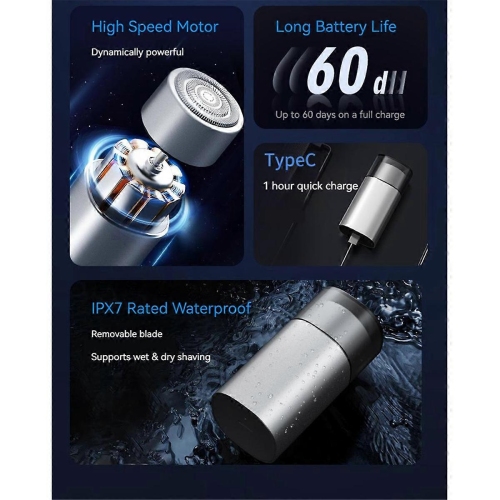
Comfort and control also depend on how a grooming tool feels in the hand. A balanced handle, an easy-to-reach power switch, and a secure grip can make it easier to follow the jawline or work around the back of the head. A smaller cutting head offers visibility near a beard edge, while a wider head covers more ground when trimming hair to a uniform length. Guide combs need to attach securely and pass through the hair without excessive flexing; clearly marked settings help make a familiar trim repeatable. Stainless steel is common in cutting blades because it offers useful corrosion resistance, although it still needs appropriate cleaning and drying. Some cutting assemblies use ceramic components or coated metal surfaces, and their care requirements depend on the design. Material names alone do not establish cutting quality: blade alignment, motor performance, and maintenance also affect the result. Power options shape everyday convenience, too. Cordless grooming tools allow more freedom of movement around a bathroom mirror, while corded designs avoid interruptions for charging when an outlet is within reach. Not every rechargeable tool can operate while plugged in, so corded operation and charging are separate features. Battery indicators, useful runtime, and charging time matter more than a long attachment list when a tool is used frequently. For travel, a protective cap, a lock that helps prevent accidental activation, and a compact charging arrangement can make packing simpler. Voltage compatibility varies, and the device label determines whether a suitable plug adapter alone is sufficient for international use. Wet and dry capabilities deserve the same attention to detail. A washable cutting head does not necessarily mean the entire handle can be rinsed, and compatibility with shaving foam does not automatically mean a device is suitable for shower use. The stated water-use rating and care directions establish where and how it can be used. For anyone who prefers a dry shave at the mirror or a foam-assisted routine, matching those capabilities to established habits helps avoid unnecessary compromises.
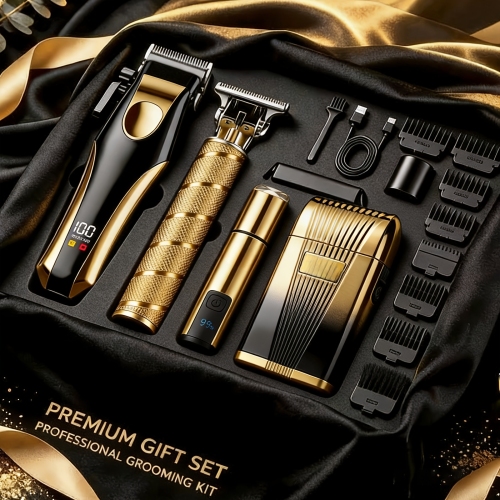
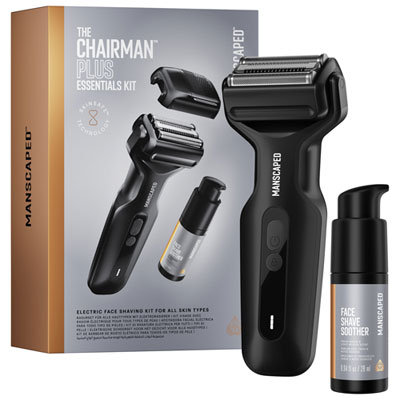
Care and storage have a direct effect on how grooming tools perform over time. Loose hair can collect beneath a cutting head or inside a guide comb, making regular cleaning part of normal ownership rather than an occasional extra. Depending on the design, that may involve a small cleaning brush, rinsing removable components, or a dedicated cleaning system. Water-safe parts still need to dry as directed before being enclosed in a case, and powered handles should only be cleaned in ways permitted by their instructions. Where blade oil is specified, using the appropriate lubricant helps the cutting surfaces move smoothly; self-sharpening blades do not necessarily eliminate this requirement. Foils, cutters, and comb attachments also experience wear. A damaged foil, bent blade, or cracked guide can affect comfort and consistency, making compatible replacement parts an important consideration for longer-term use. Compatibility is specific to the tool, rather than something guaranteed by a similar appearance. Storage helps protect those small but important components: a fitted case keeps attachments together, while a stand or organizer can prevent blades and cords from becoming tangled in a bathroom drawer. Shared households may also appreciate clearly separated personal tools and attachments, since direct-contact grooming equipment is best kept for individual use. Men's Grooming Kits can bring several complementary functions together in one setup, particularly when someone wants coordinated attachments and a single place to store them. The usefulness of a set depends on whether its tools match the recipient's routine, not simply how many pieces it contains. A person who wears consistent stubble may appreciate precise length control, while someone who maintains a full beard may use longer combs, scissors, and a narrow detailing head more often. For gifting, familiar preferences offer helpful clues: whether the recipient shaves clean, trims at home, travels often, or prefers straightforward manual tools. An easy-to-hold design, readable controls, and uncomplicated cleaning can be more meaningful than extra modes. Grooming tools earn their place through comfortable handling, dependable cutting, and care requirements that fit naturally into everyday life.
Top selling and popular products
-
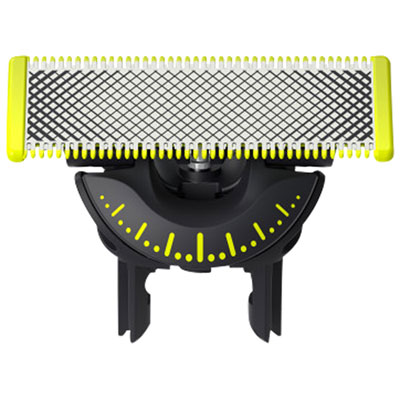 Your price for this item is $19.99
-
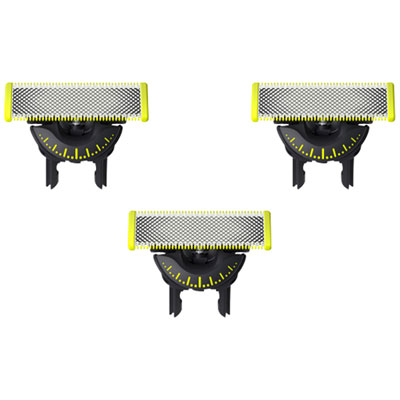 Your price for this item is $44.99
-
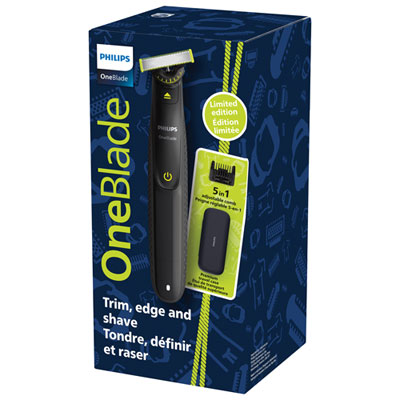 Your price for this item is $74.99
-
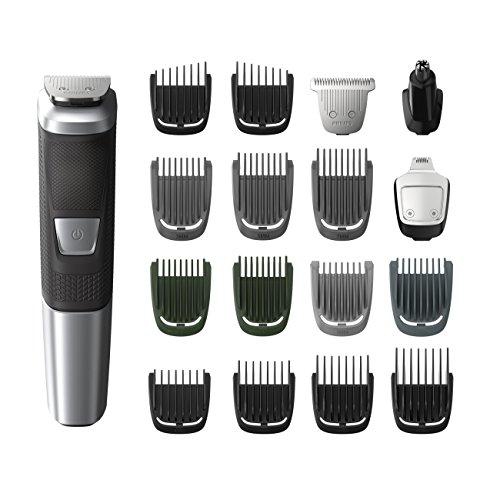 Your price for this item is $35
-
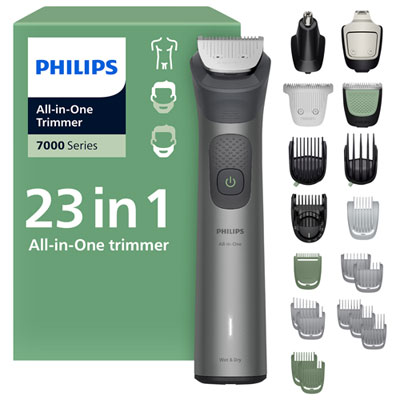 Your price for this item is $89.99
-
 Your price for this item is $21.99
-
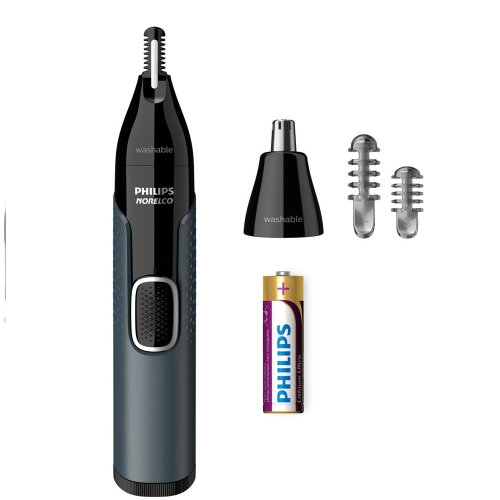 Your price for this item is $34.99
-
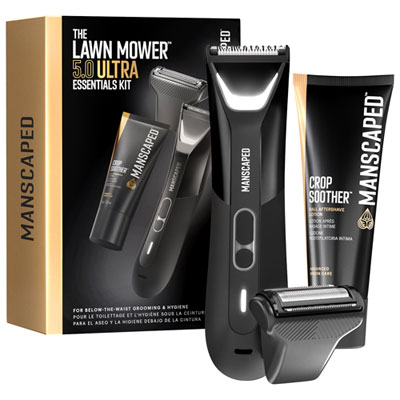 Your price for this item is $149.99
Discover more categories related to Men's Grooming Tools
Top Collections:
Best Black Friday Deals This Year, Best Black Friday Deals On Electronics, Kindle Devices, Pokemon Centers, Best Black Friday Deals On Apple Products, Best Cameras for Sports Photography, Dyson Airwrap, Pokémon 30th Celebration Cards, Apple iPhone 17 Pro, Canon G7X Cameras
Some products may be subject to Environmental Handling Fees
(EHF) depending on your province.
Learn more about EHFs.