Natural Hair Curling Products
Achieve gorgeous, bouncy curls and embrace your natural hair texture with our selection of natural hair curling products. From creams to gels to mousses, these carefully curated products are designed to enhance your curls while keeping them healthy and defined. Whether you have loose waves or tight coils, our range of curling products offers something for everyone looking to elevate their natural hair styling routine. Discover the perfect products to help you achieve the curls of your dreams and showcase your beautiful, unique hair effortlessly.
Sort
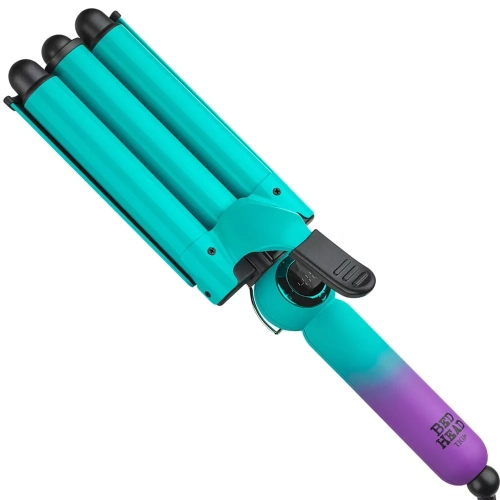
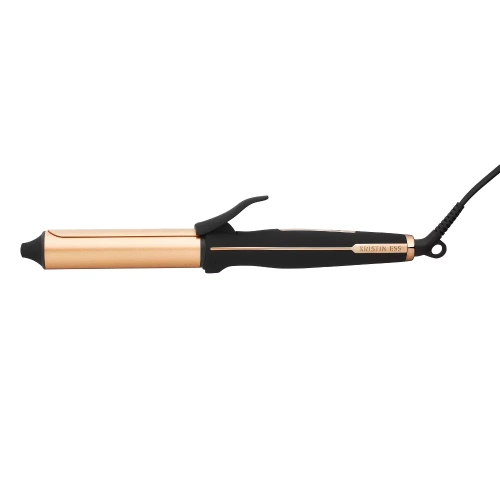
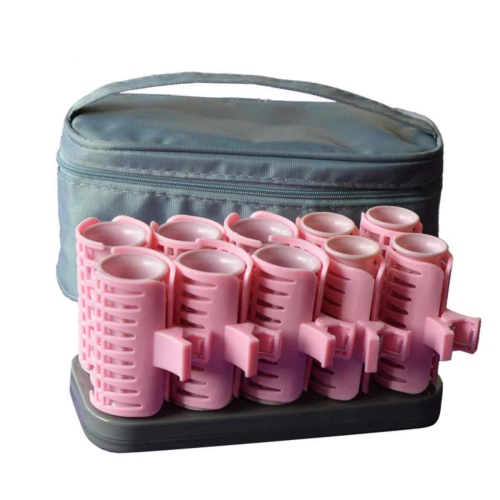
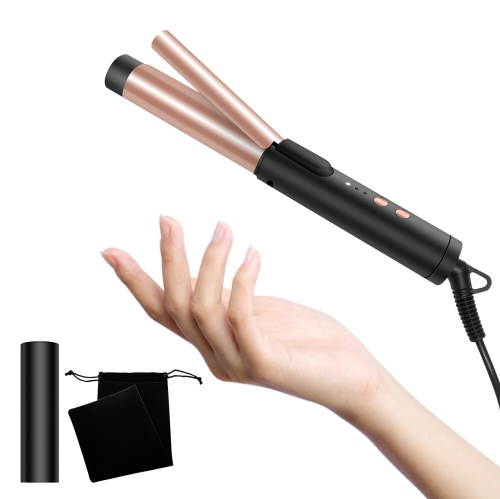
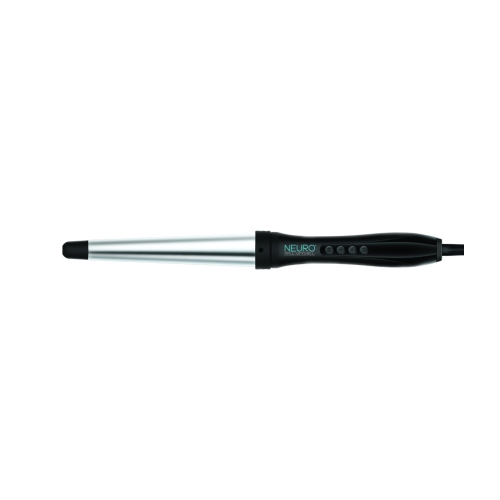
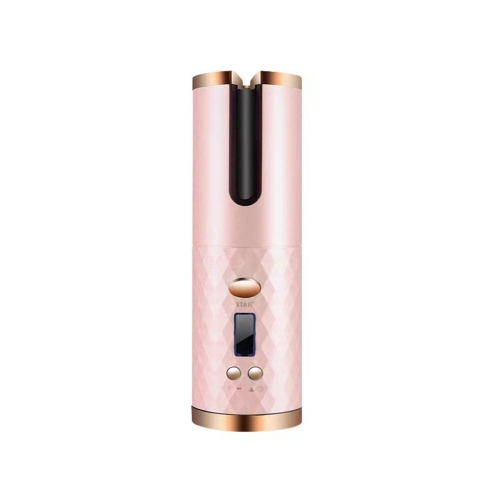
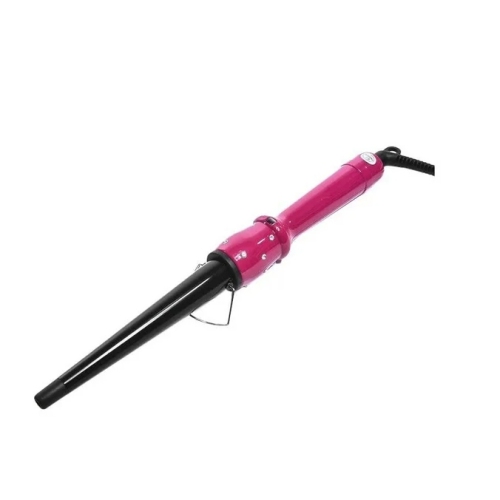
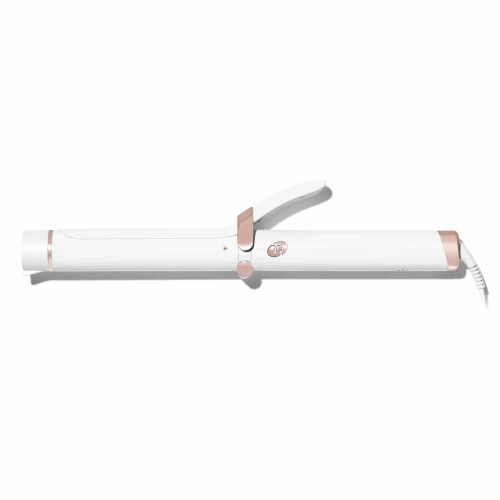
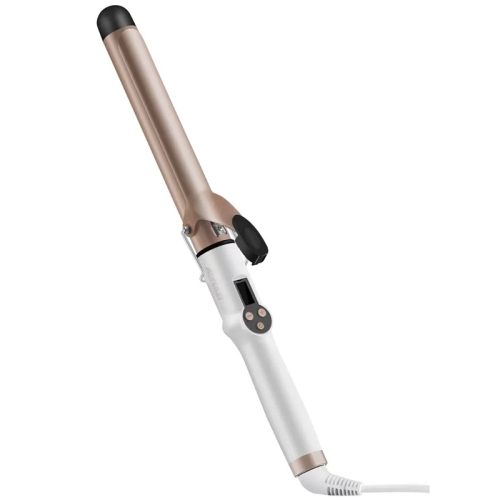
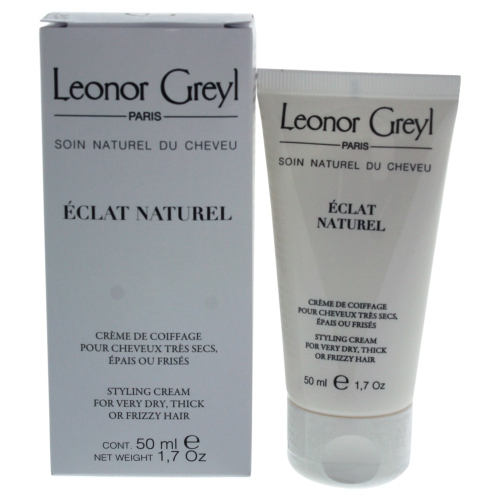
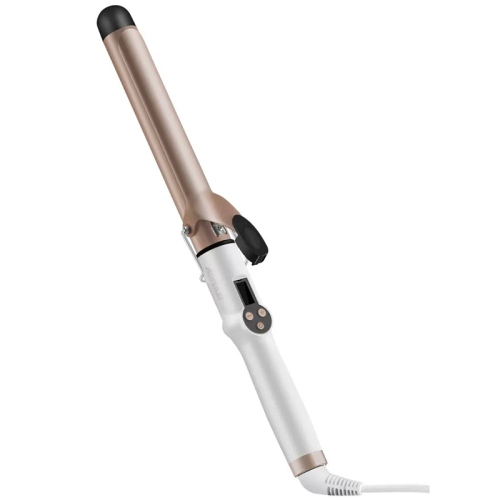
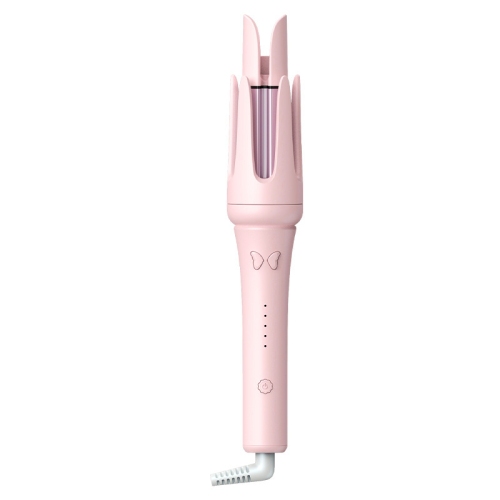
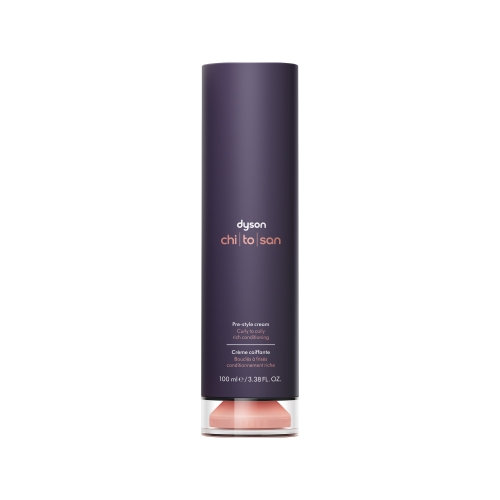
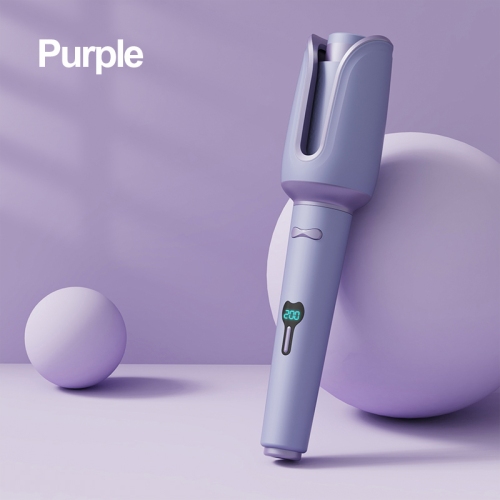
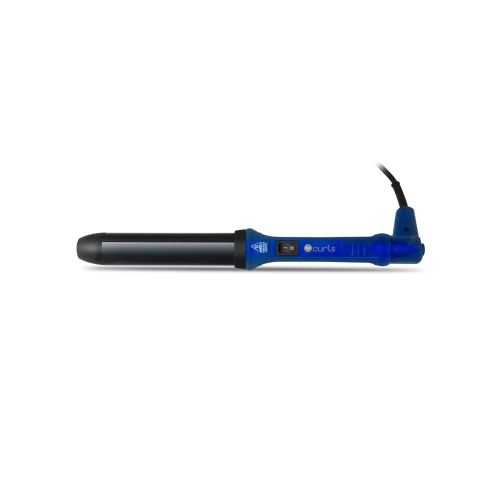
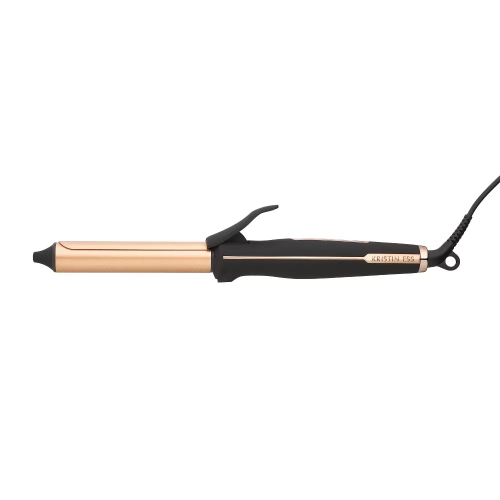
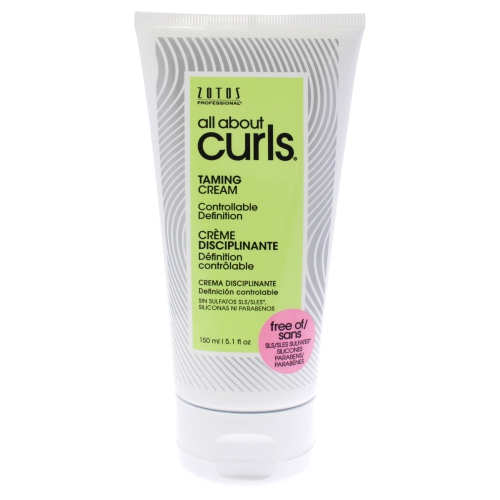
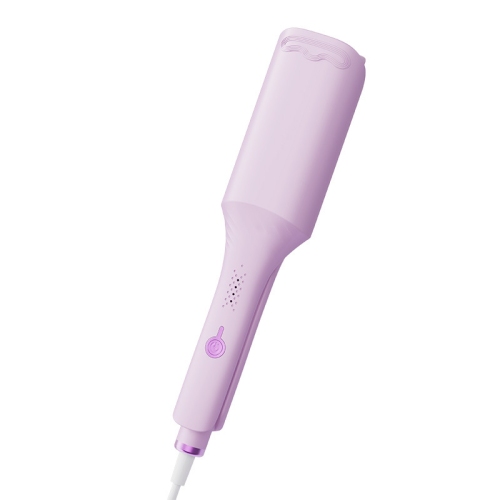
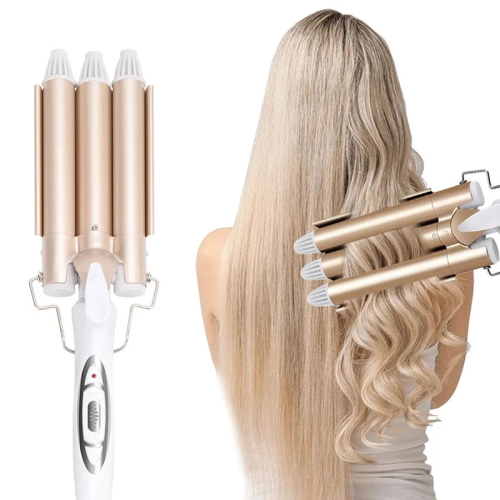
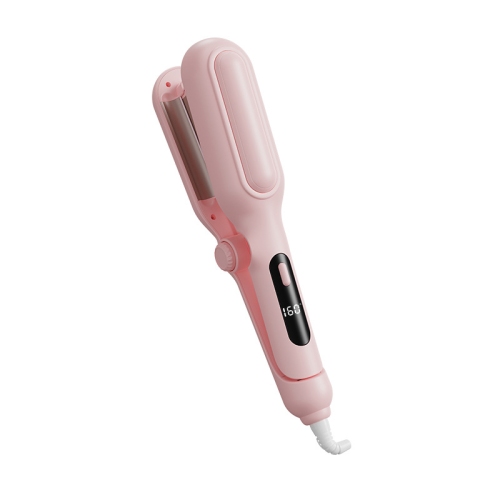
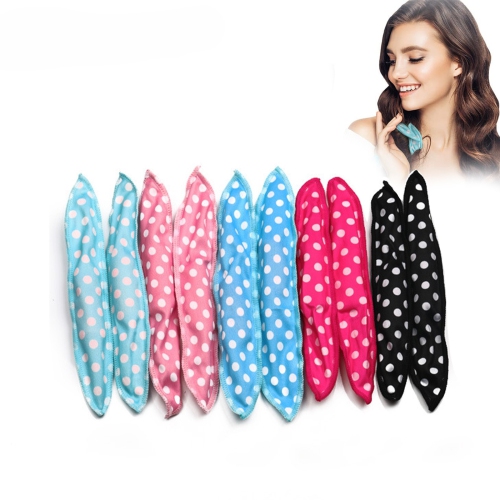
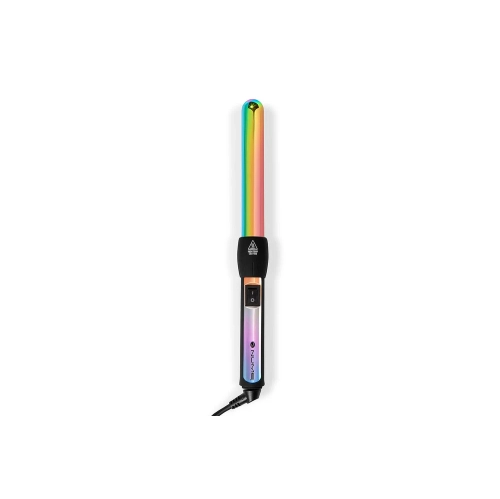
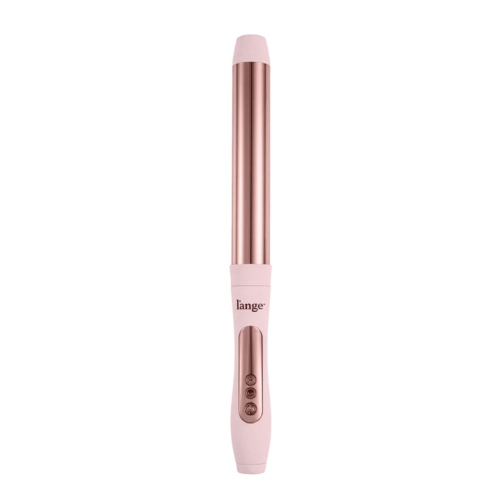
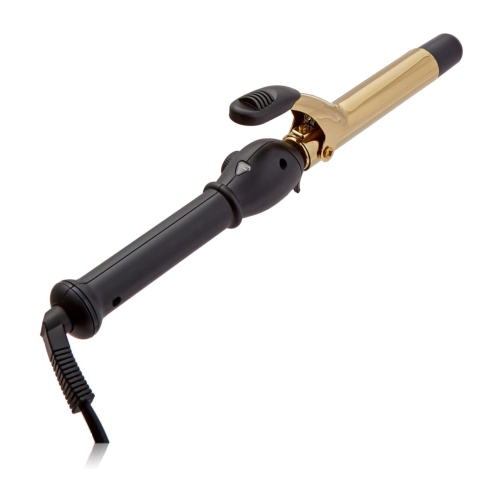
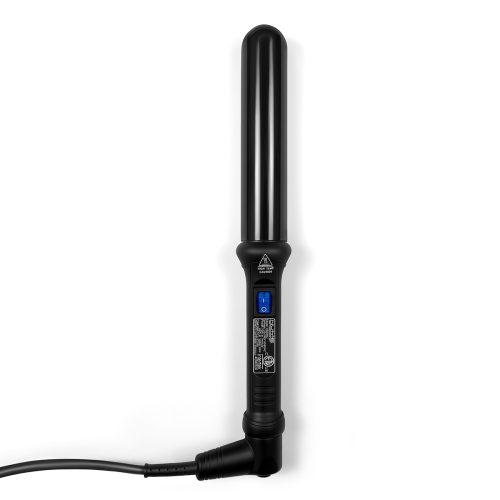
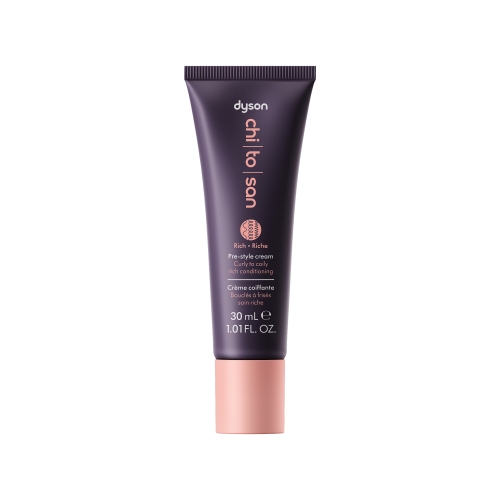
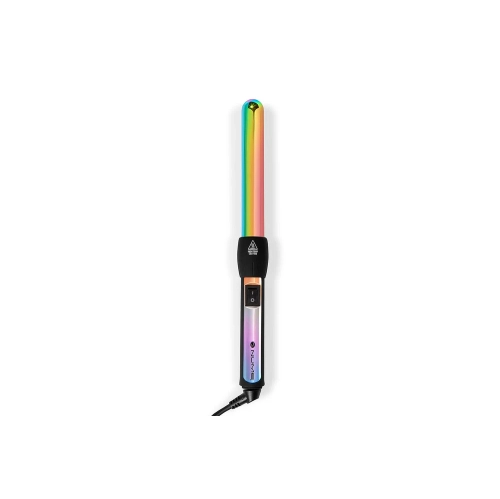
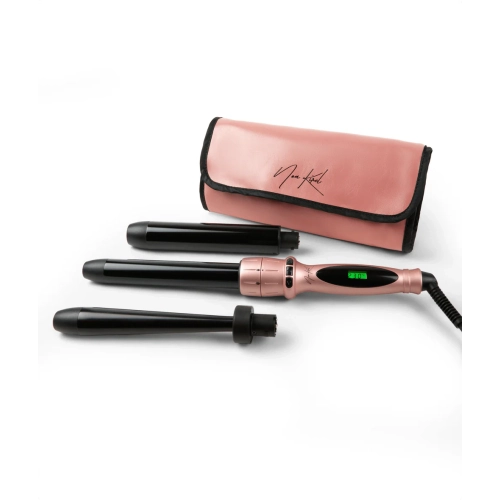
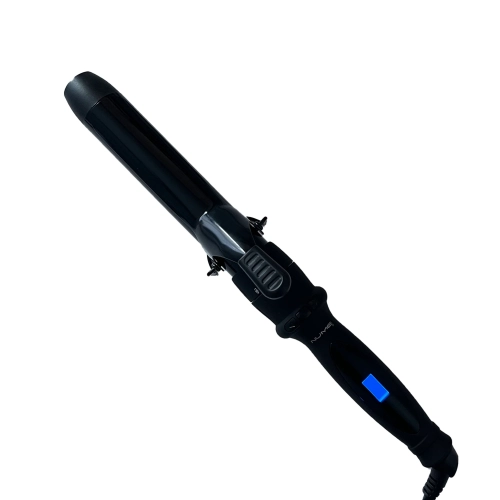
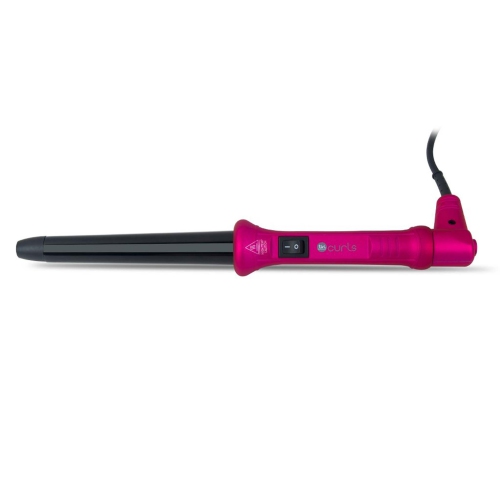
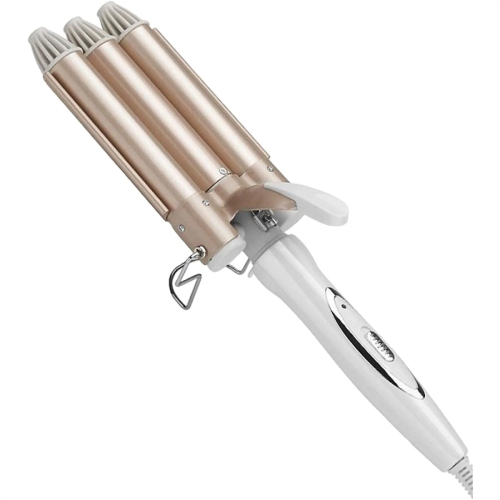
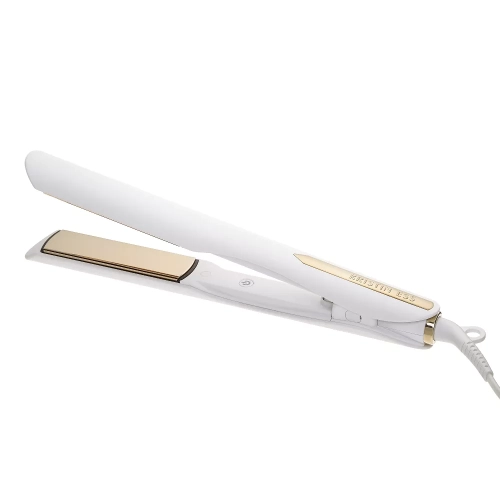
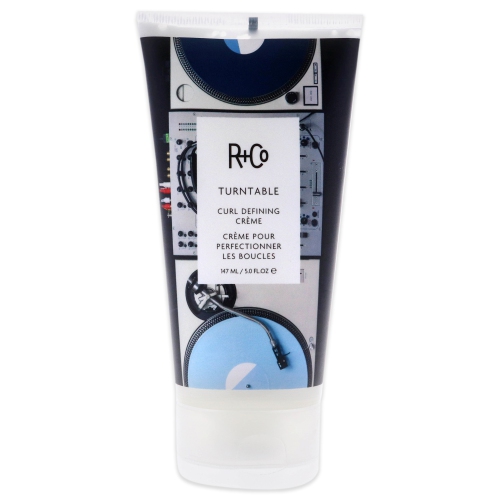
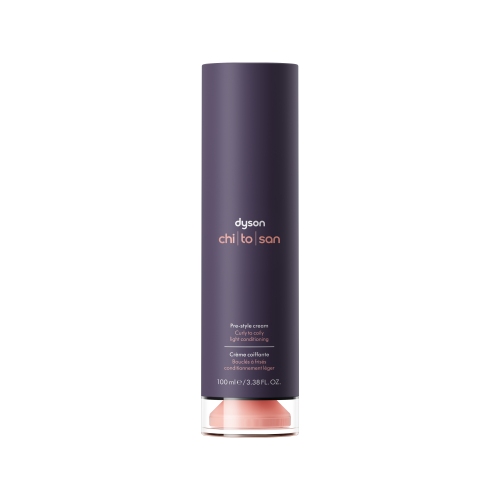
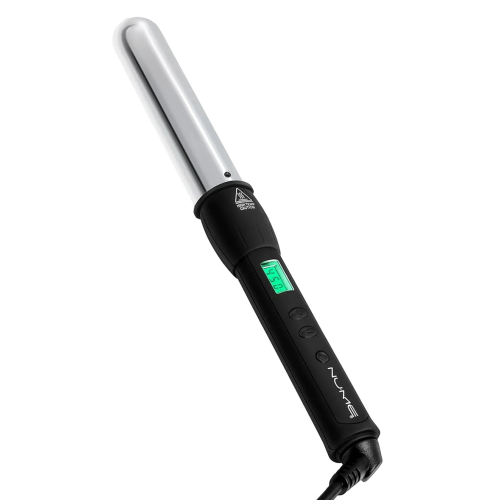
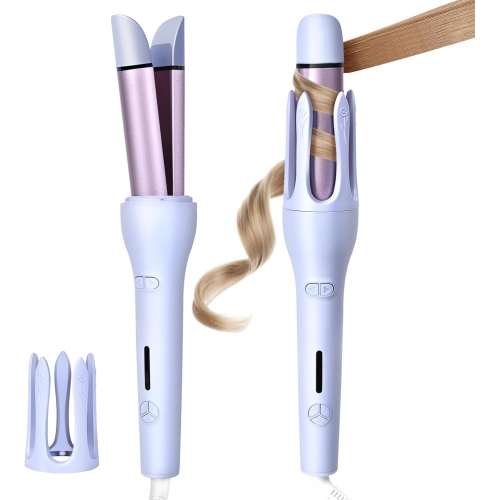
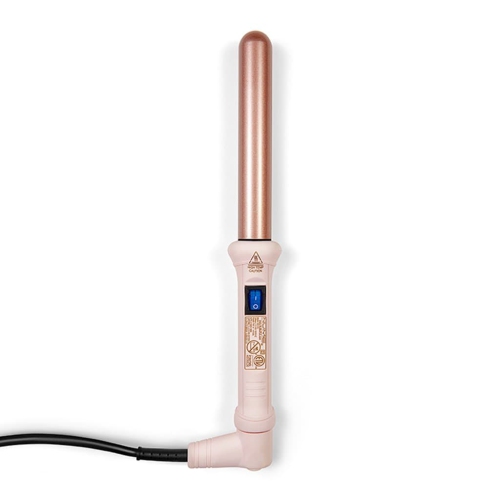
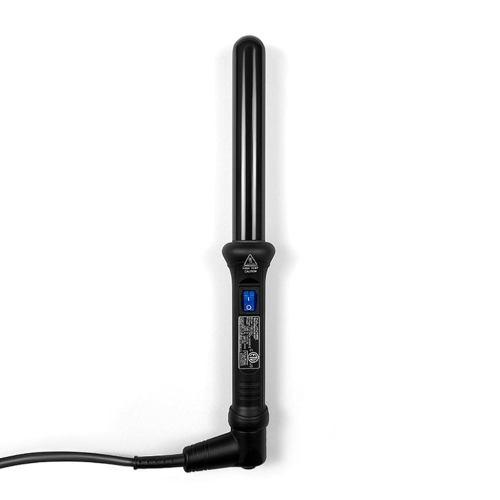
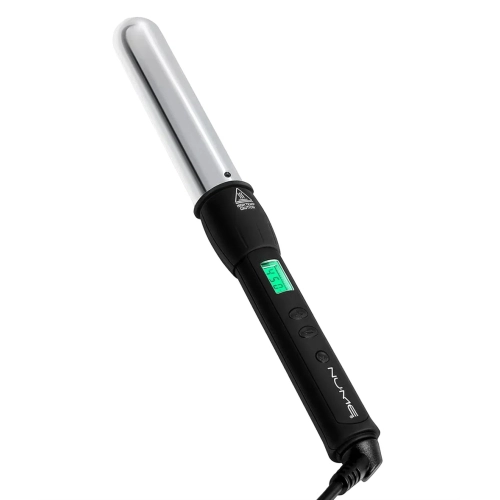
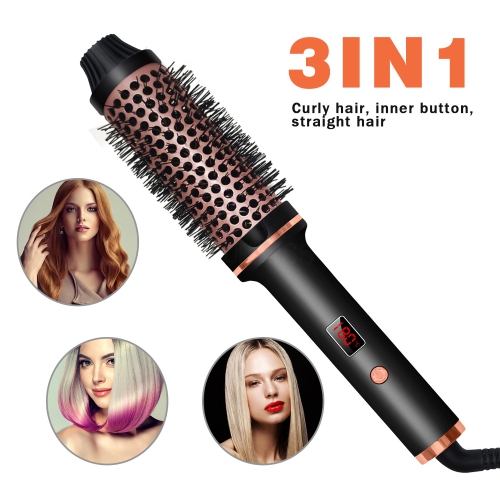
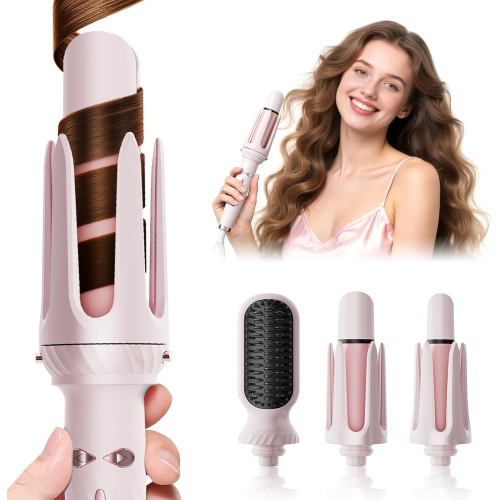
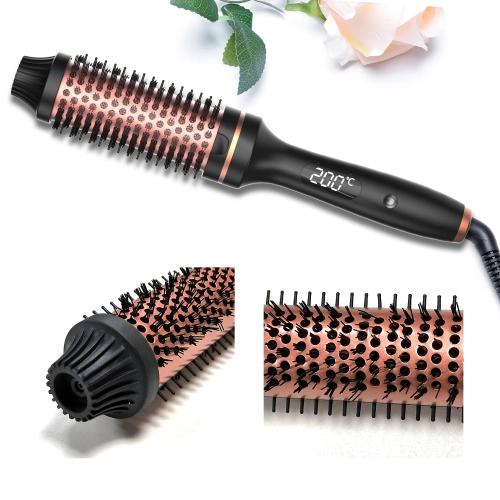
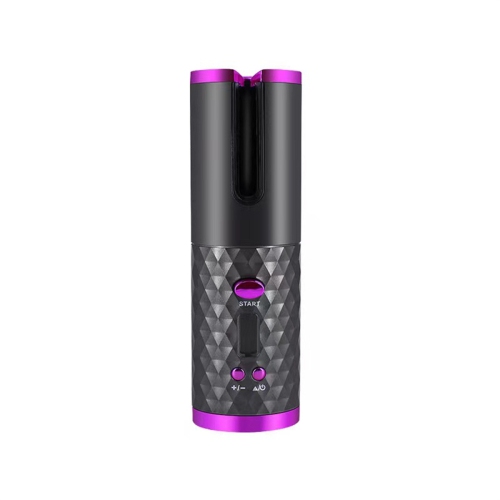
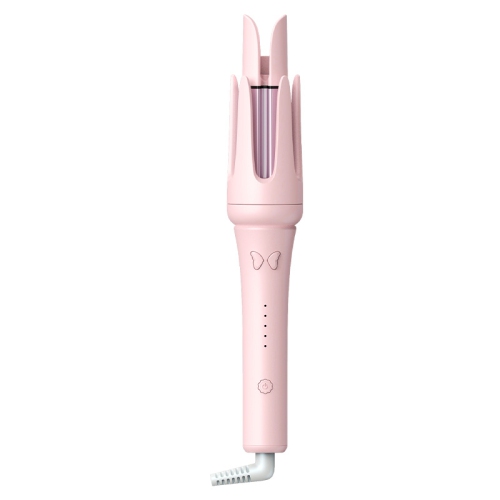
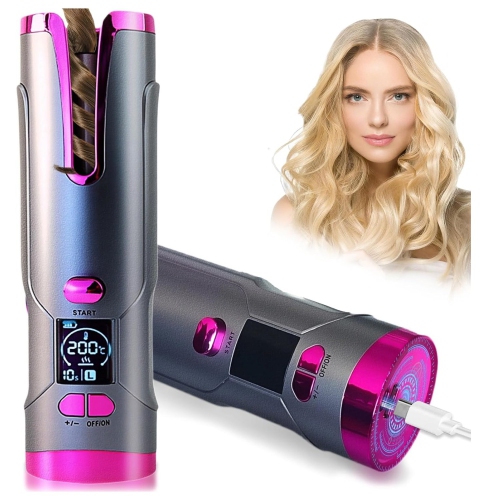






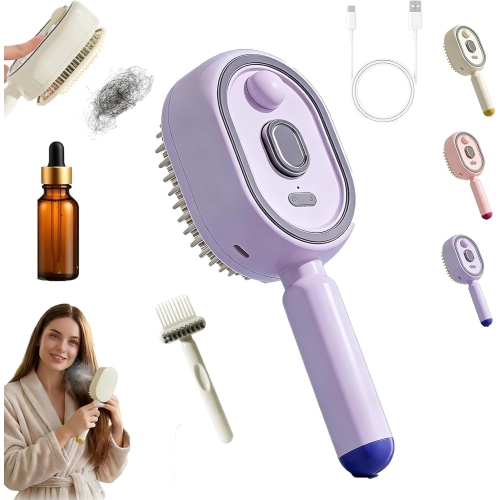
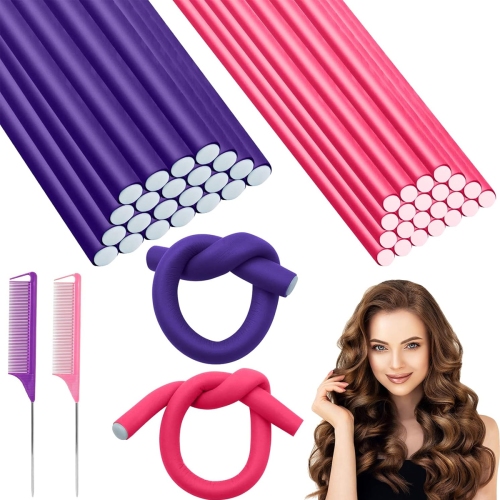
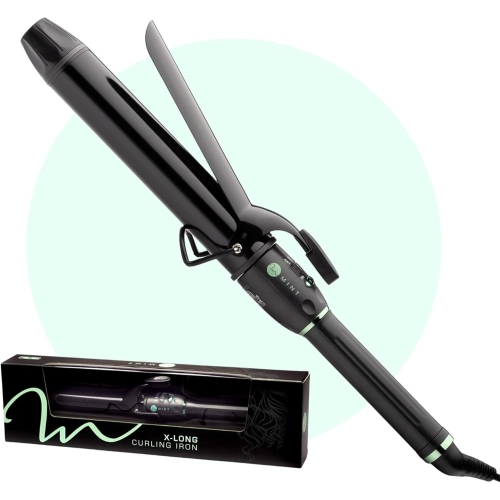
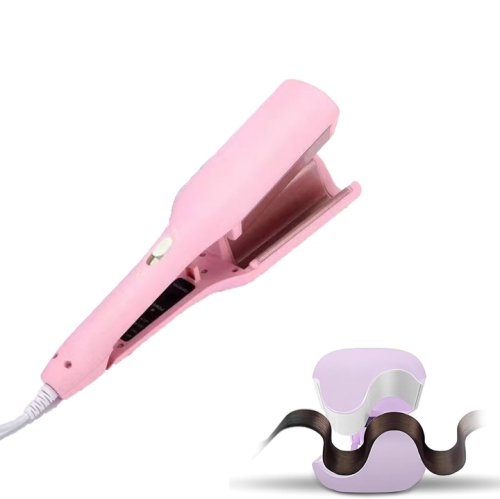



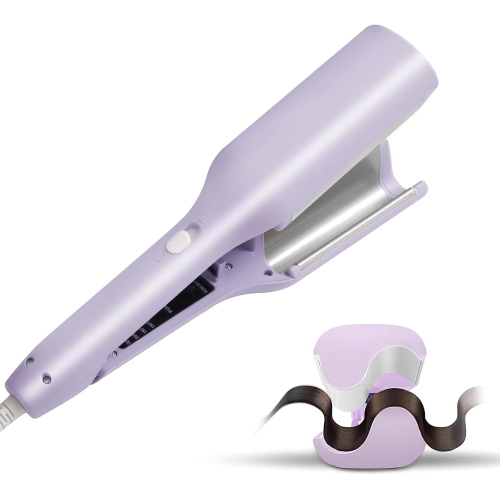
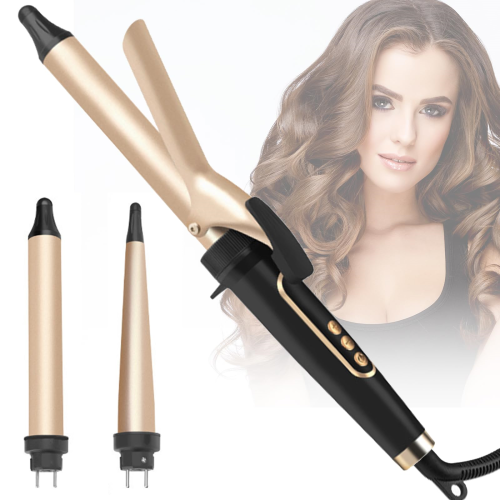
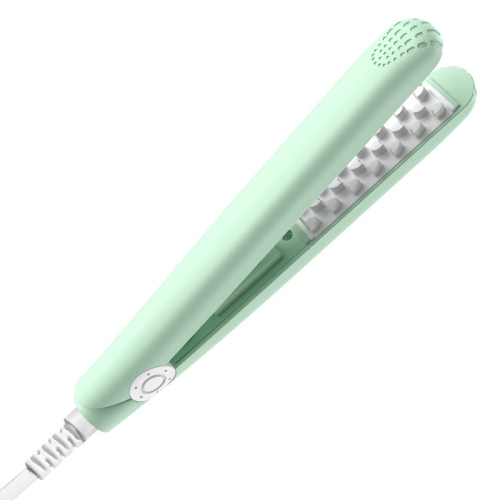
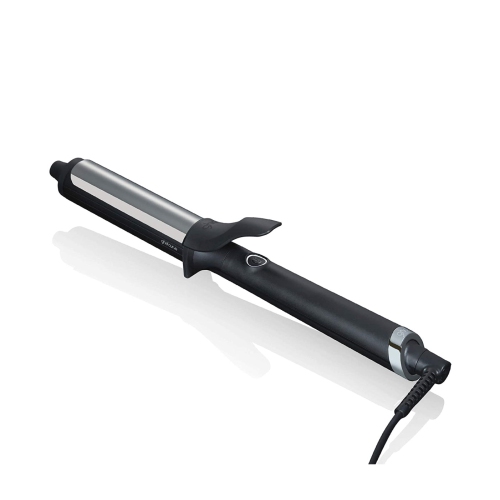
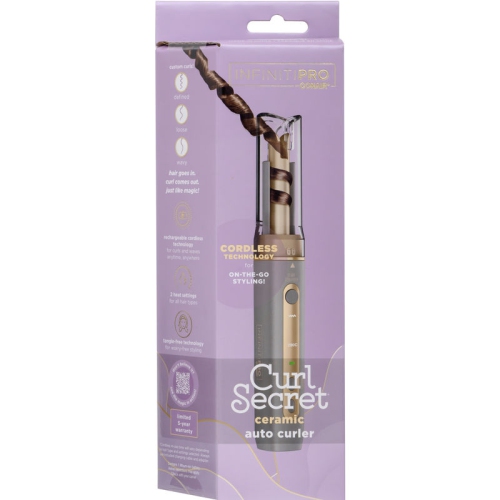
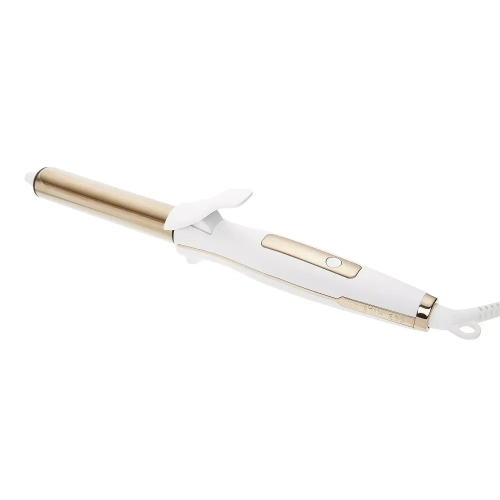
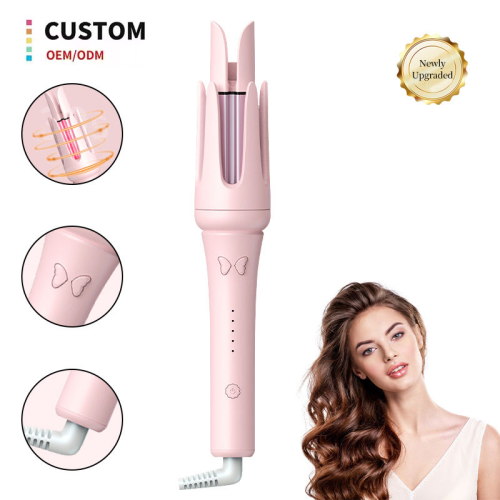

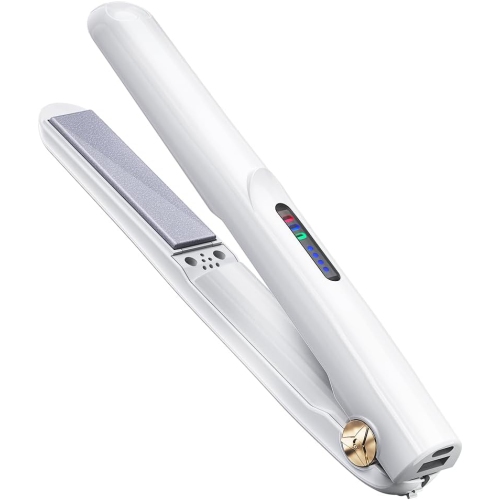
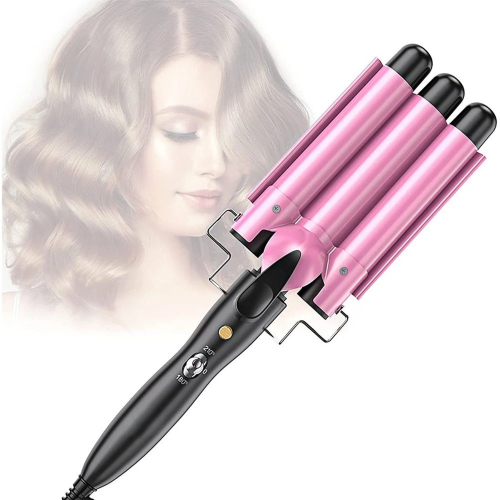
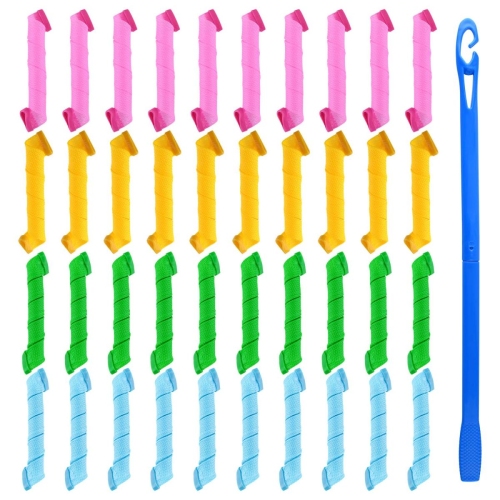
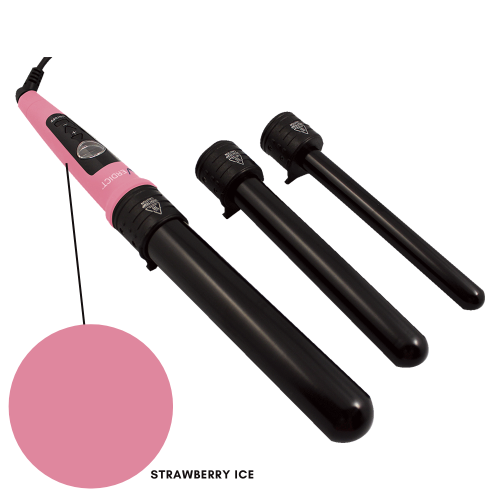
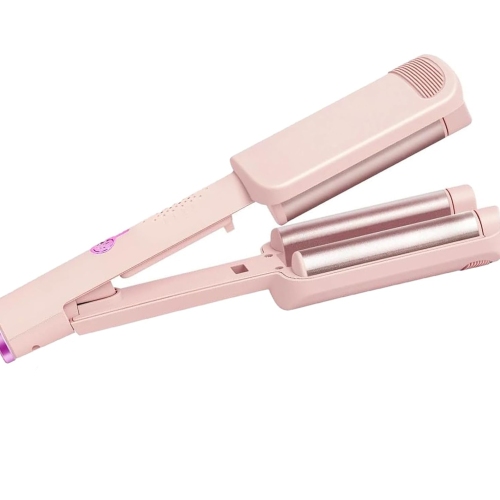
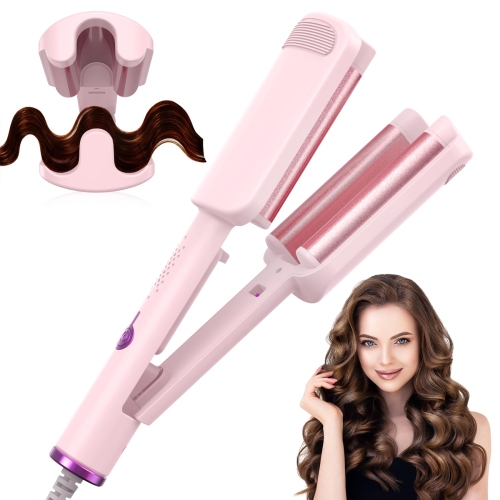
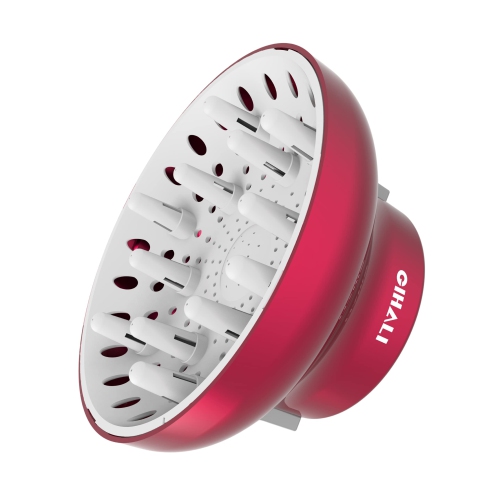

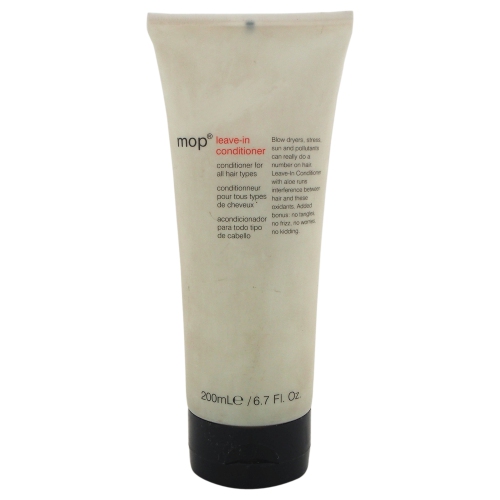
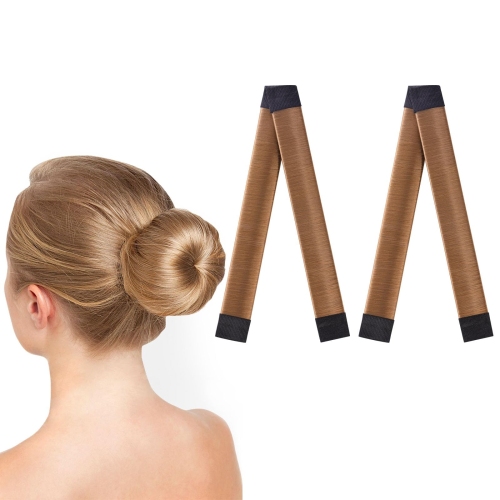
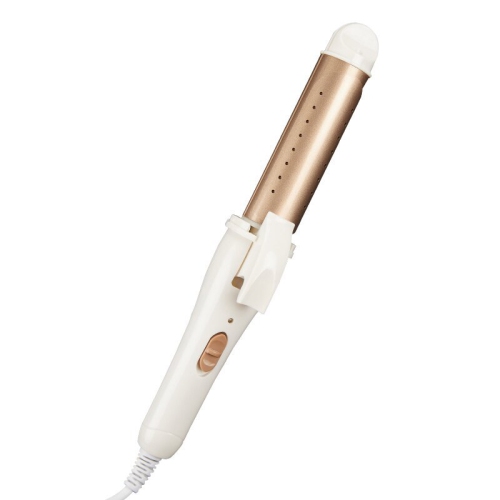
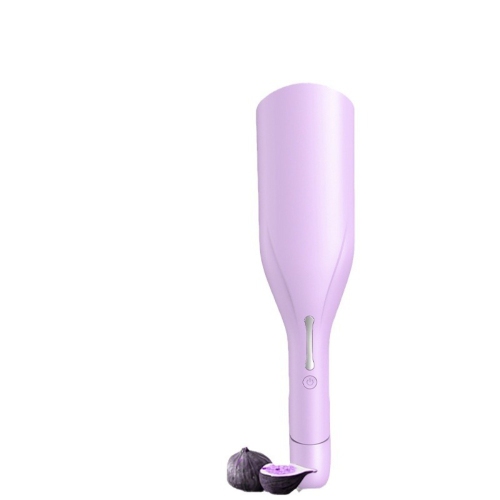
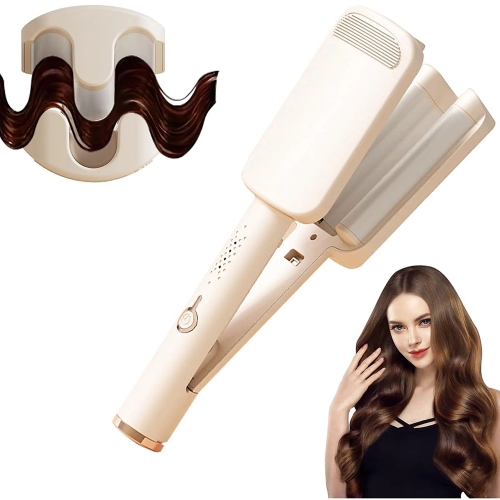
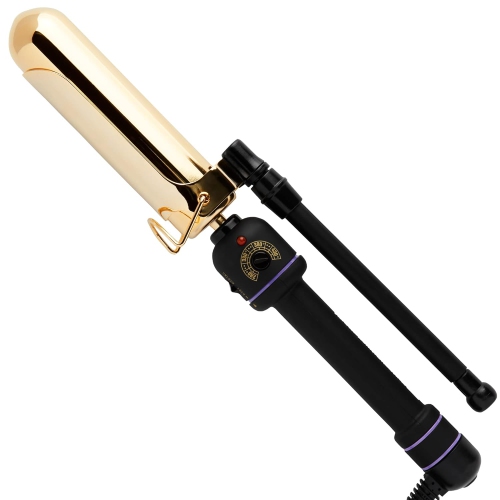

Curl definition depends on more than curl shape
Natural hair curling products help define existing waves, curls, and coils while providing moisture, hold, or volume, depending on the formula. Curl creams typically add softness and help strands gather into more defined curls, gels provide structure and longer-lasting hold, and mousses offer lightweight support with lift. Leave-in conditioners and refreshing sprays can complement these stylers by improving slip or helping reshape flattened sections between washes. The most suitable choice depends on more than curl shape: strand thickness, hair density, dryness, and the finish someone enjoys all matter. Fine waves can lose their bounce beneath a rich butter, while coarse strands may need a more substantial cream to feel soft and manageable. Tightly coiled hair often benefits from conditioning formulas that make detangling easier, though a lightweight gel may still be the preferred finishing product. Someone with dense hair and fine individual strands might need generous coverage without a heavy coating, making texture and distribution just as important as richness. A soft, touchable finish calls for a different balance of conditioning and hold than a sharply defined wash-and-go intended to keep its shape through several activities. Natural hair curling products enhance the texture already present; they do not permanently turn straight hair into curls or guarantee the same result across different heads of hair. Even within one hairstyle, looser sections near the face and tighter coils at the crown may respond differently. Shrinkage is also a normal feature of many curl patterns, so a finished style can look shorter as it dries without indicating damage. Products described as stretching or elongating may help curls settle into a more extended shape, but results depend on the hair and styling method. For broader cleansing, conditioning, and styling needs, Natural Hair Products offers a related category to explore. The word natural can refer to hair worn in its own texture, so ingredient preferences still deserve a separate look at the formula.
Ingredients and consistency help explain how a curling product may feel in use. Shea butter and plant oils can add lubrication and help soften the feel of dry strands, while richer blends may leave fine hair looking coated when applied too generously. Water-based creams and lotions often spread more easily through dense sections than thick butters, especially when the hair is damp. Humectants such as glycerin help attract and retain moisture, while conditioning ingredients improve slip so strands move past one another with less resistance during detangling. Styling polymers in gels and mousses create a film around the hair that supports definition and hold. Some gels dry with a firm cast that can soften when gently scrunched once the hair is fully dry; that initial firmness is not necessarily the final feel. Flexible-hold formulas tend to allow more movement, while stronger hold can be useful when keeping a defined shape matters more than an airy finish. A glossy result does not require an oily feel, and a thicker formula does not automatically provide stronger hold. Labels that distinguish conditioning benefits from styling strength make those differences easier to assess. Ingredient preferences may also include avoiding added fragrance or choosing a formula compatible with colour-treated hair. A fragrance-free option is relevant for someone who prefers to avoid added scent, while a strongly perfumed cream may compete with other personal-care products. Claims such as silicone-free or sulphate-free describe particular formulation choices rather than guaranteeing better curl definition. How products work together matters, too: a leave-in conditioner and gel can each perform well alone yet form flakes or residue when layered. Using modest amounts and checking compatibility on a small section can help avoid coating the entire hairstyle with an unsuitable combination. Product directions remain important because some formulas are intended for damp hair, others for dry touch-ups, and some should be rinsed out rather than left in.
Everyday use brings practical differences into focus. For a wash-and-go, even distribution and enough hold to keep curl groups together may matter most. Twist-outs and braid-outs often call for slip during styling and a finish that holds the set without leaving a sticky surface when the sections are released. A light mousse can suit someone who wants movement around the face, while a cream-and-gel pairing may appeal to someone seeking softer ends with more defined lengths. Refreshing sprays are useful for targeting a flattened section without saturating the whole head, although repeated layering can eventually make cleansing necessary. Product buildup can leave curls feeling coated or less responsive, so suitable shampoo and conditioner remain part of caring for the finished style. Detangling with adequate slip, using gentle handling, and avoiding repeated pulling can help limit mechanical breakage; a curling product cannot repair split ends or replace careful handling. Packaging also affects convenience. A pump can make portioning easier, a squeeze tube can be useful for controlled application, and a jar gives access to a thick formula but benefits from clean, dry hands or a clean applicator. Secure closures are helpful for a gym bag or travel kit, and following storage directions helps maintain the product as intended. Containers should be closed after use, with attention to any expiry date or period-after-opening symbol on the label. These details matter for occasional stylers as well as people who use curling products daily. As a gift, curl care is most thoughtful when the recipient's preferred texture, fragrance, and styling habits are already known. Someone who enjoys defined twist-outs may appreciate a different formula from someone who wears loose waves with minimal hold. A familiar product type is generally a more personal choice than assuming all curly hair needs the richest cream. The best fit is a formula that supports the wearer's own texture, feels comfortable in the hair, and suits a routine they can realistically maintain.
Top selling and popular products
-
 Your price for this item is $799.99
-
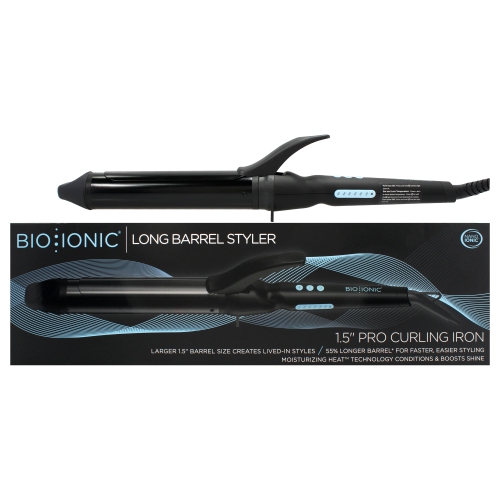 Your price for this item is $136.76
-
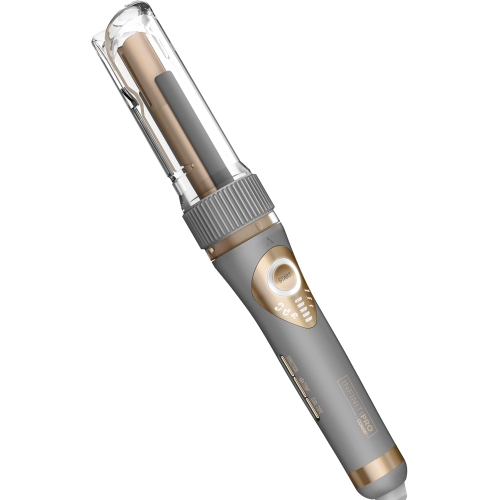 Your price for this item is $150
-
 Your price for this item is $99.99
-
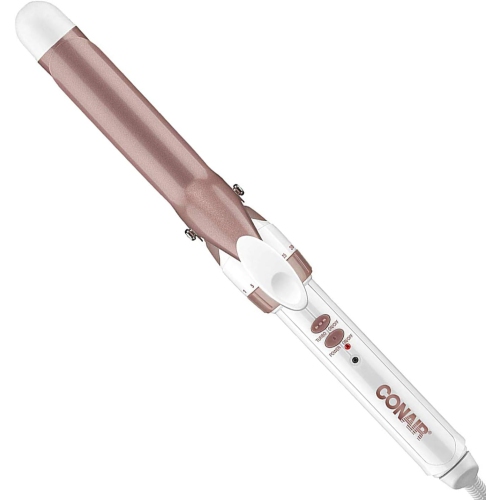 Your price for this item is $47.97
-
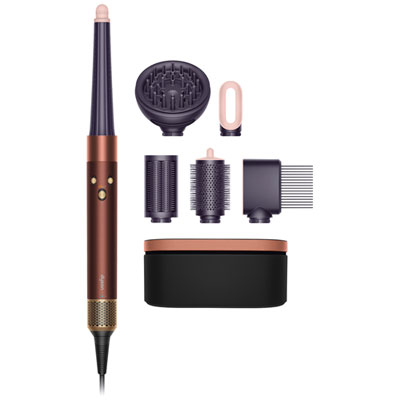 Your price for this item is $799.99
-
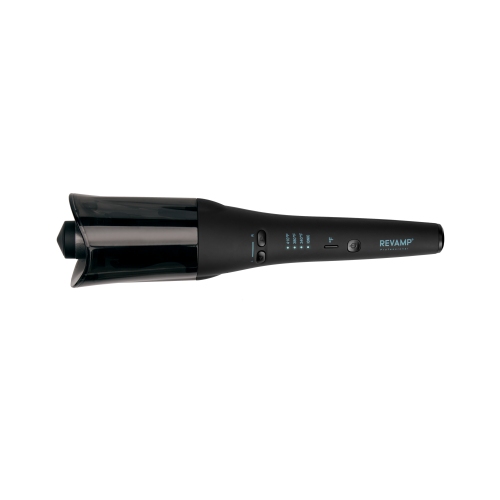 Your price for this item is $69.99
-
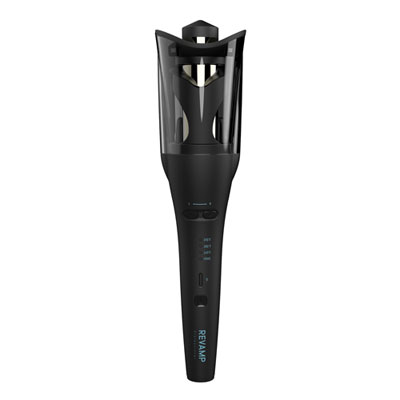 Your price for this item is $149.99
Discover more categories related to Natural Hair Curling Products
Top Collections:
Best Black Friday Deals This Year, Best Black Friday Deals On Electronics, Kindle Devices, Pokemon Centers, Best Black Friday Deals On Apple Products, Best Cameras for Sports Photography, Dyson Airwrap, Pokémon 30th Celebration Cards, Apple iPhone 17 Pro, Canon G7X Cameras
Some products may be subject to Environmental Handling Fees
(EHF) depending on your province.
Learn more about EHFs.