Philips 7000
Discover the Philips 7000 collection, designed to enhance your daily routine with advanced technology and reliable performance. Explore a range of options that combine innovation and user-friendly design, making it easy to find the perfect fit for your needs. With the Philips 7000, experience convenience and quality that help simplify everyday tasks and elevate your home or personal care experience.
Sort
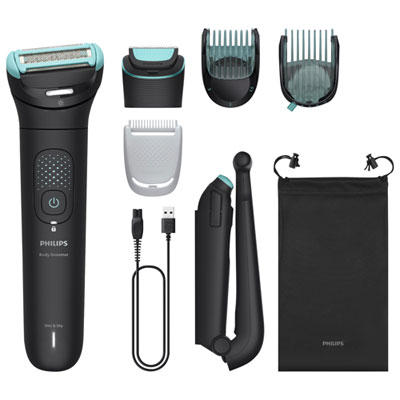
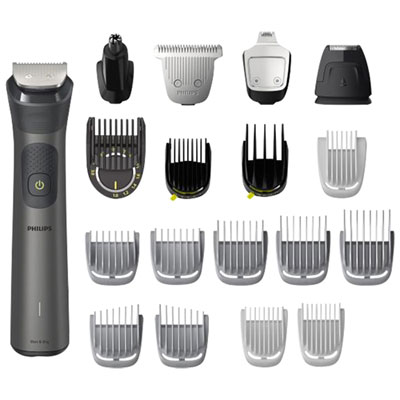
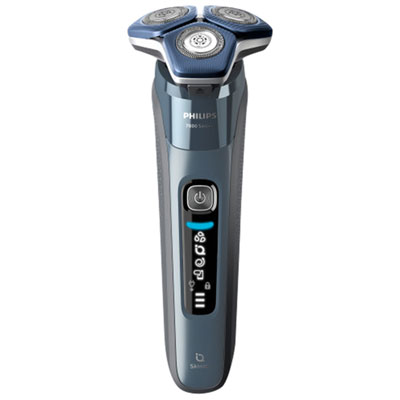
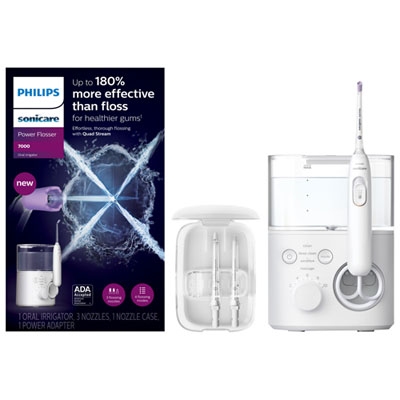

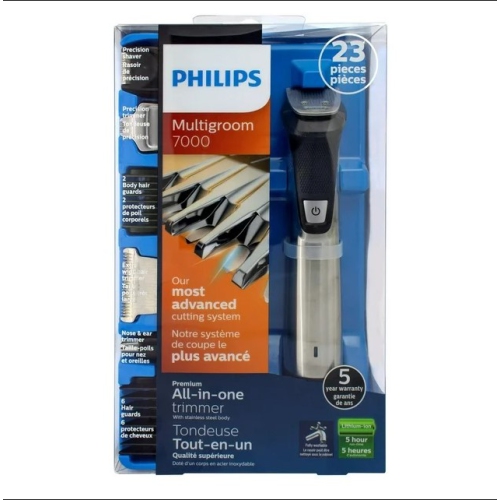
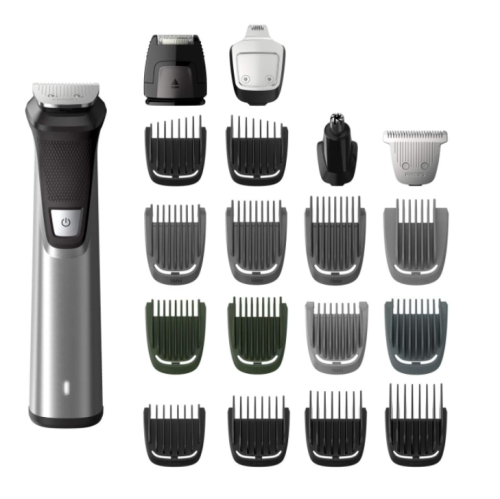




Why shaving and trimming need different tools
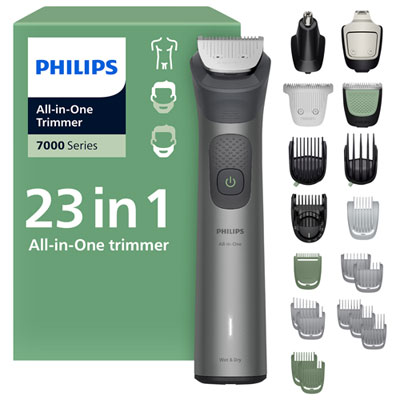
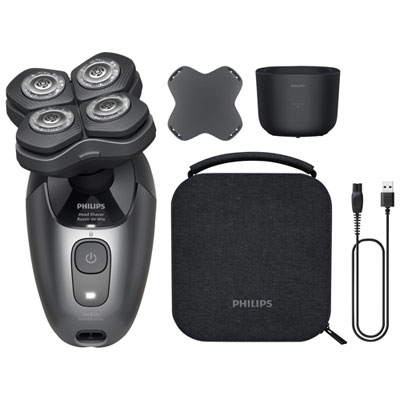
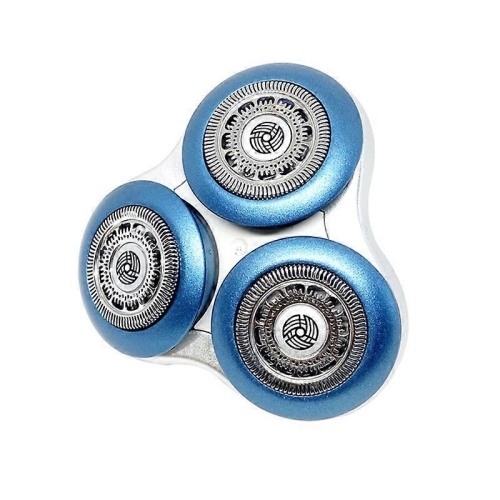
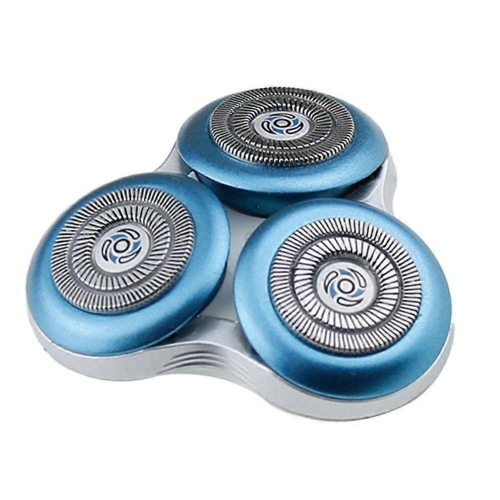
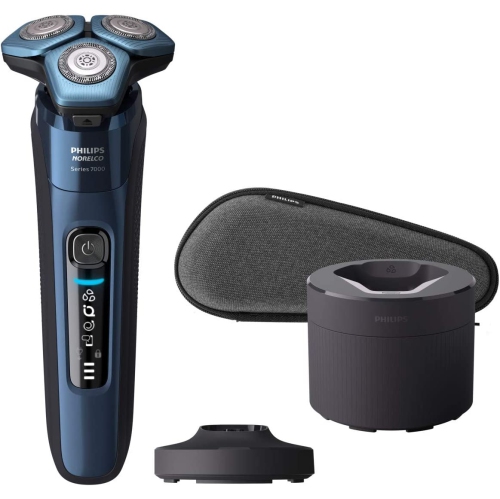
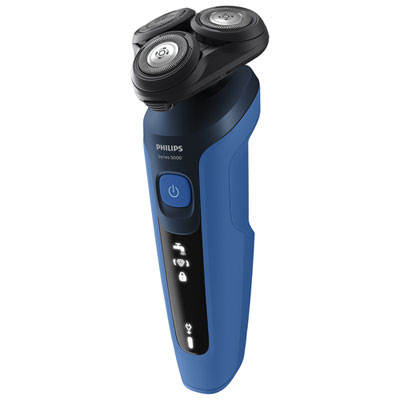
7000-series personal grooming tools include electric shavers, all-in-one trimmers, and hair clippers for different facial-hair and haircut routines. These categories have distinct purposes, even when their handles and attachments look similar. An electric shaver is intended to remove short facial hair close to the skin, making it suitable for maintaining a clean-shaven appearance along the cheeks, chin, and neck. A beard trimmer leaves a controlled amount of hair behind, whether the goal is light stubble, a fuller beard, or a tidy moustache. Hair clippers are designed for cutting scalp hair, with wider cutting surfaces and comb attachments suited to covering larger areas. Someone who shaves every morning has different needs from someone who shapes a beard twice a week or maintains a short haircut at home. Rotary shaving heads can follow the curves around the jaw and chin, while a narrower trimming head can make it easier to define sideburns or work beneath the nose. Comfort depends on the interaction between the cutting system, hair growth, skin sensitivity, and technique rather than the series designation alone. Coarse whiskers, hair that grows in several directions, and the contours beneath the jaw can all affect the experience. A comfortable grip and a head that reaches awkward angles without excessive wrist movement can be as useful as an extra attachment. For shavers that explicitly support wet use, compatible shaving gel or foam may fit an established routine; dry shaving offers a different approach with less preparation. Wet-use suitability is specific to the device, however, and a washable cutting head does not necessarily mean the entire handle can be used in the shower. The clearest distinction is the intended result: a close shave, an evenly maintained beard, or a controlled haircut. Matching the tool to that result helps set realistic expectations for both the finish and the time spent grooming.
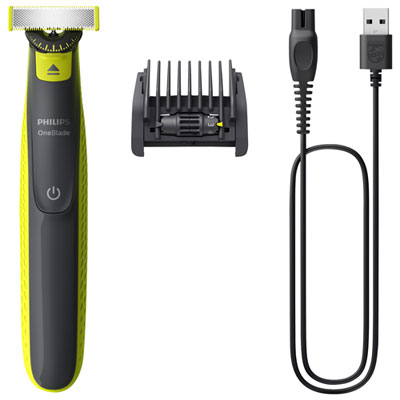
Length control is especially important for beard trimmers and hair clippers. Comb attachments and adjustable settings determine how much hair remains, while the spacing between settings influences how gradually one length can blend into another. A short, uniform beard calls for a different setup from a longer style with fuller cheeks and a shorter neckline. For home haircuts, clearly marked comb lengths help distinguish the attachment used across the top from the shorter one used around the sides. The stated cutting length is a useful reference, although the finished appearance also depends on hair texture, density, and the direction of each pass. Curly hair can appear shorter once it settles, and dense hair may need slower passes rather than repeated pressure against the scalp. An unguarded trimming blade is useful for defining edges, but it should not be expected to leave the same finish as a dedicated shaver. Materials and construction also influence everyday handling. Metal cutting components provide the working edge, while moulded plastic combs guide hair towards the blade and help maintain distance from the skin. A solid-feeling handle, securely fitted attachments, and controls that are easy to operate with one hand all contribute to a more manageable routine. Handle shape matters when reaching the back of the head or turning a trimmer to follow a beard line in the mirror. Durability depends partly on care: accumulated hair can interfere with cutting, damaged comb teeth can affect consistency, and worn cutting components may pull rather than cut cleanly. Cleaning requirements vary, so removable heads, blades, and attachments need treatment appropriate to their design. Some can be rinsed, while others require brushing; lubrication should follow the manufacturer’s directions rather than an assumed schedule. Thorough drying before storage, protection for exposed blades, and an organized place for combs help keep a grooming set ready for its next use without loose parts collecting around the sink.
Practical details often make the biggest difference once a grooming tool becomes part of a regular routine. Cordless operation allows freedom of movement in front of a mirror, but battery runtime, charging time, and charging connections vary between devices. A quick tidy-up before leaving home places different demands on a battery from a complete haircut involving several attachments and repeated passes. A charge indicator can make preparation more predictable, while a travel lock, where included, helps prevent accidental activation inside a bag. Some devices cannot operate while connected to power, particularly where their wet-use design requires cordless use, so corded operation should never be assumed. For travel, the charger’s stated input voltage, any required plug adapter, and the space needed for accessories all deserve attention. A protective case can keep a shaving head from rubbing against other belongings and prevent small combs from getting separated. At home, storage is simpler when the frequently used attachments are easy to identify and less-used pieces have a dedicated compartment. Shared household use also calls for attention to hygiene, with cutting heads and combs cleaned according to the manufacturer’s directions and personal attachments kept separate where appropriate. As gifts, facial-hair trimmers and hair clippers are most useful when they suit an existing habit: maintaining a carefully shaped beard, keeping sideburns neat, or refreshing a familiar short haircut between appointments. Someone who prefers a smooth face may appreciate a shaver more than an extensive set of trimming combs, while a person who enjoys changing beard lengths may value adjustable trimming options. Comfort, dexterity, and the recipient’s willingness to clean and maintain the tool matter more than the number of pieces in the box. The related Philips 5000 range provides another point of comparison for grooming needs and handling preferences. Across personal grooming tools, the most useful fit is one that supports the intended finish, feels comfortable in the hand, and has care requirements that work with everyday life.
Top selling and popular products
-
 Your price for this item is $49.99
-
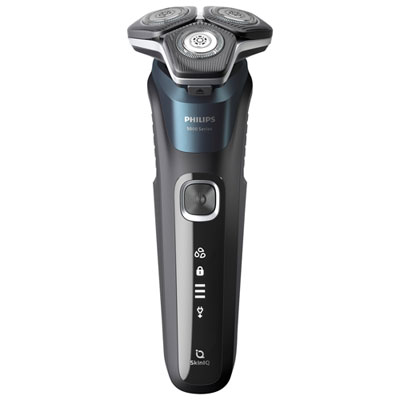 Your price for this item is $149.99
-
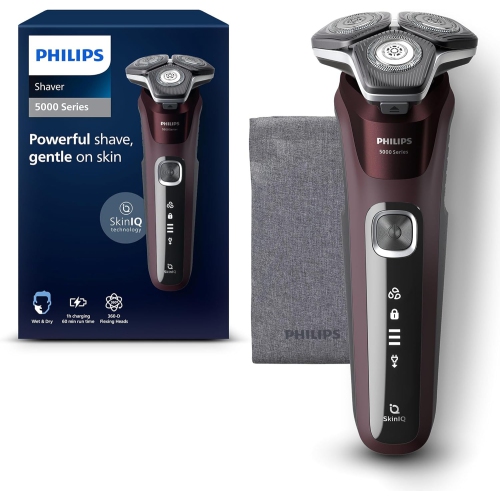 Your price for this item is $99.97
-
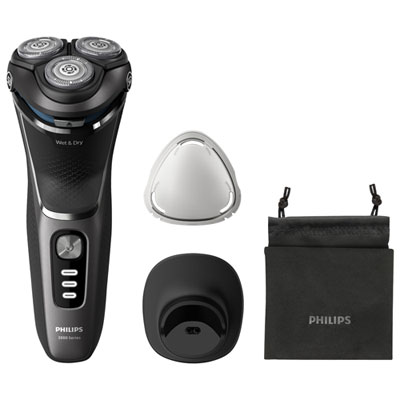 Your price for this item is $69.99
-
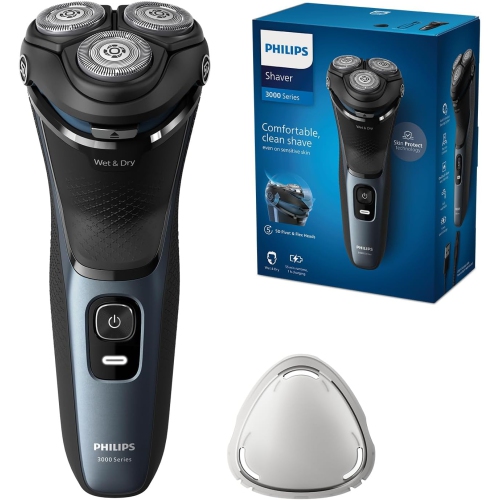 Your price for this item is $99.97
-
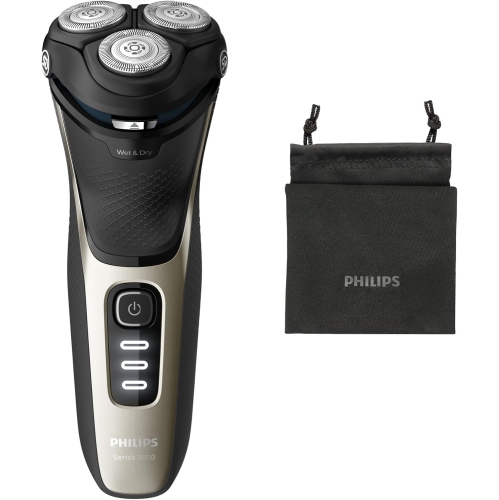 Your price for this item is $47.95
-
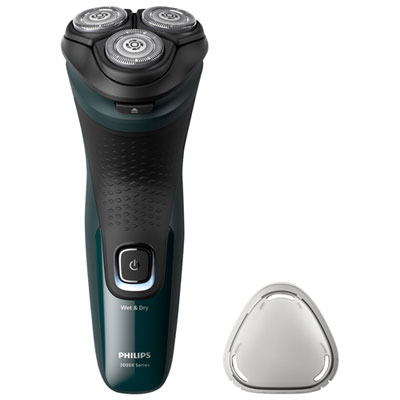 Your price for this item is $39.99
-
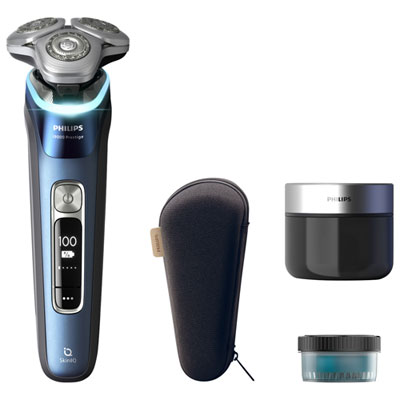 Your price for this item is $299.99
Discover more categories related to Philips 7000
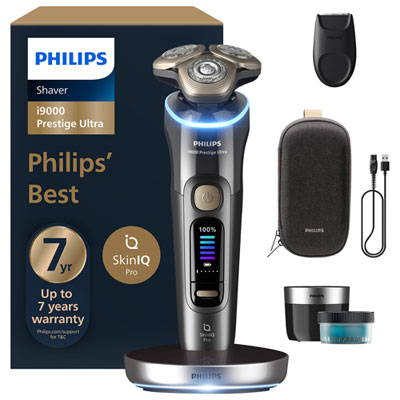

Top Collections:
Best Black Friday Deals This Year, Best Black Friday Deals On Electronics, Kindle Devices, Pokemon Centers, Best Black Friday Deals On Apple Products, Best Cameras for Sports Photography, Dyson Airwrap, Pokémon 30th Celebration Cards, Apple iPhone 17 Pro, Canon G7X Cameras
Some products may be subject to Environmental Handling Fees
(EHF) depending on your province.
Learn more about EHFs.