Philips Rasoir Serie 5000
Discover a refreshing approach to daily grooming with the Philips Rasoir Serie 5000. Designed for those who value comfort and efficiency, these shavers offer a streamlined solution for your routine. Whether you're updating your grooming collection or searching for a thoughtful gift, the Philips Rasoir Serie 5000 delivers reliability and ease of use. Explore options that help you achieve a smooth, clean look every day.
Sort
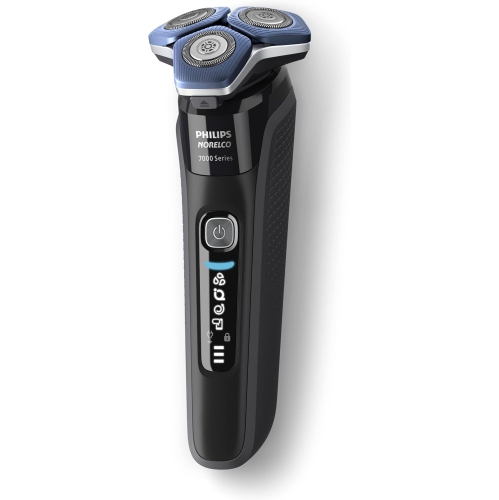
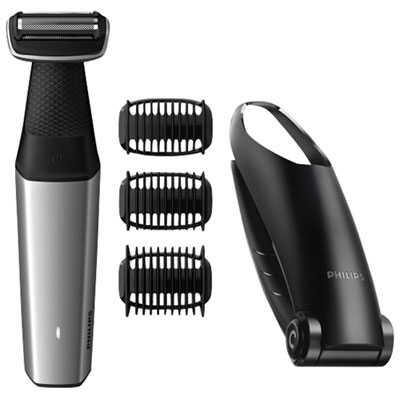
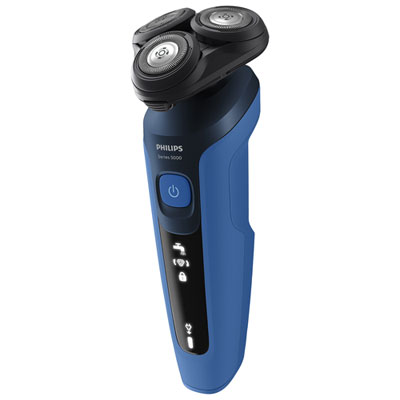
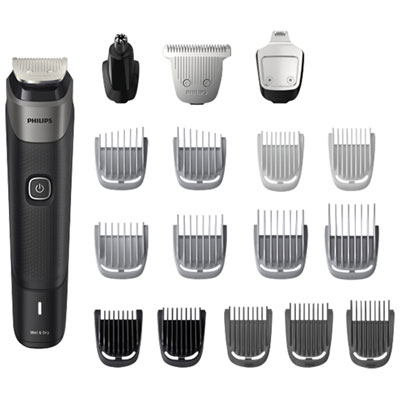
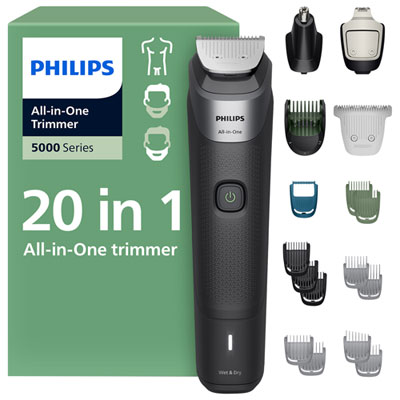
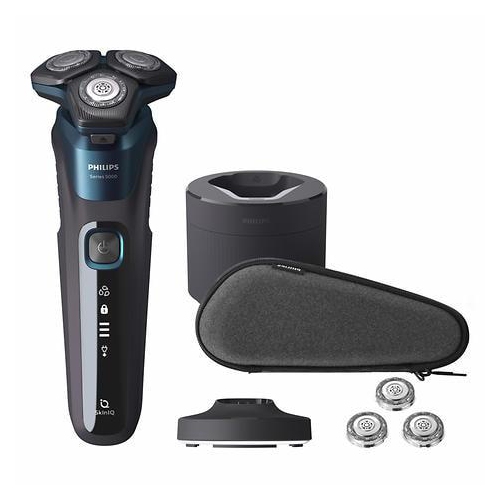
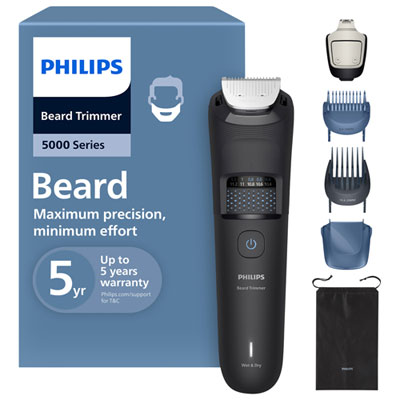
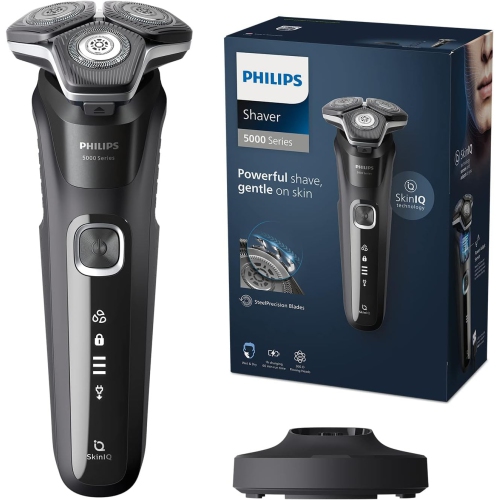
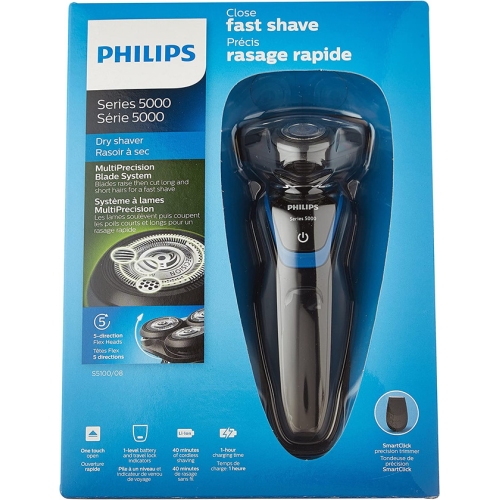
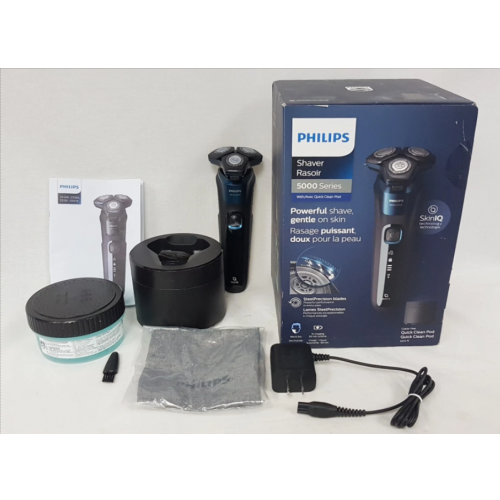
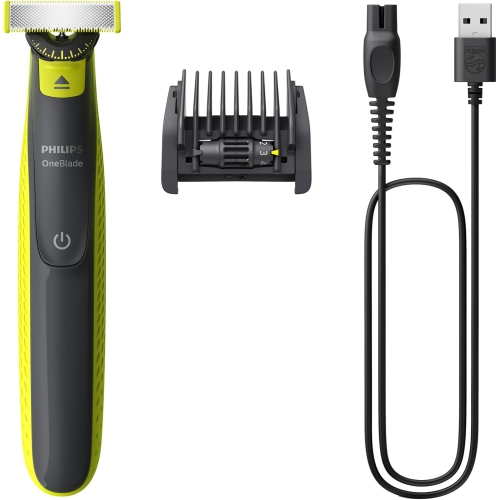
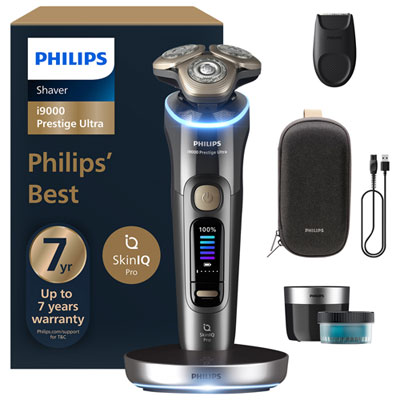


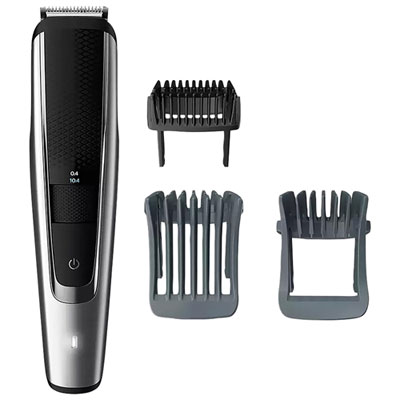
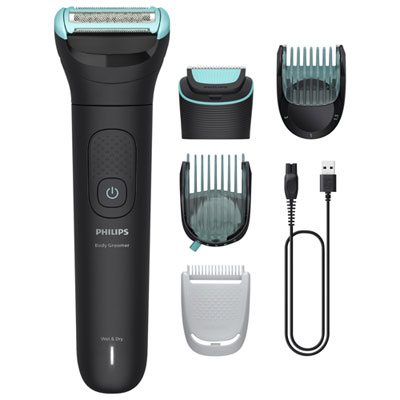
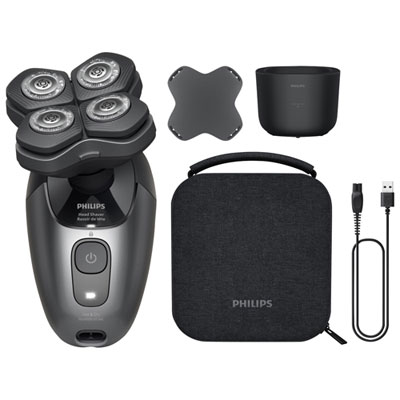
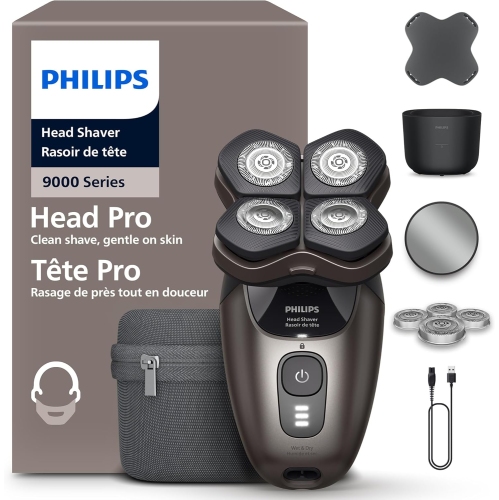
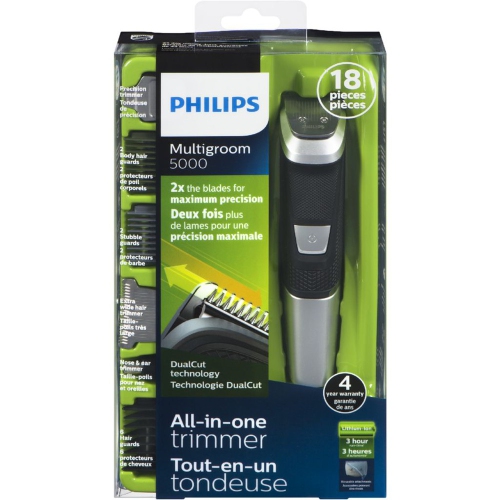
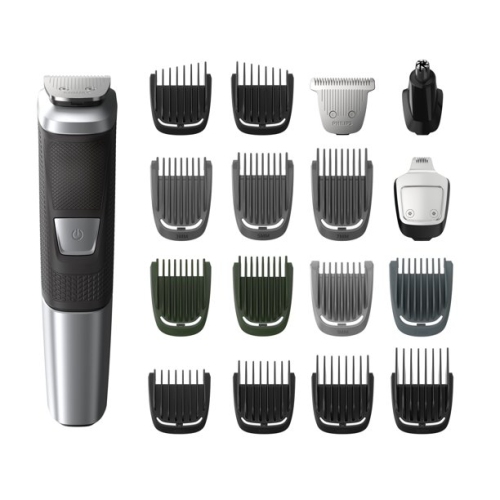
How rotary shaving heads follow your facial contours
Rotary electric shavers are designed for facial grooming, using circular cutting heads to trim hair as the shaving surface moves across the cheeks, chin, and neck. The blades sit behind thin metal guards that help limit direct contact with the skin, while flexible head assemblies follow the changing angles of the face. This format can suit facial hair that grows in several directions, particularly around the jawline or beneath the chin, where a straight pass may not catch every hair. Small, gentle circular movements generally work better than pressing firmly, allowing the heads to maintain contact without flattening the skin. For someone who prefers a clean-shaven appearance, an electric shaver offers a practical alternative to a manual razor, with less preparation needed for a dry shave. Wet-and-dry designs add flexibility by allowing use with compatible shaving foam or gel, provided the manufacturer specifies that capability. A washable shaving head does not necessarily mean the entire device is suitable for shower use, so the distinction matters when choosing a shaver for a bathroom routine. The broader range of Philips Electric Shavers provides context for comparing rotary shaving formats and the features that distinguish one design from another. Across this category, useful differences include how freely the heads pivot, whether the handle supports wet shaving, and how the shaver handles variations in beard density. Some designs adjust cutting power in response to denser patches of hair, while others maintain a consistent operating speed. Neither approach removes the importance of a light touch, clean cutting heads, and a shaving routine suited to the user’s skin. A close electric shave may also feel different from a blade shave, especially during the initial adjustment period. Comfort, ease of handling, and a finish that looks neat under everyday lighting are often more meaningful than technical specifications alone. These are primarily facial grooming tools; use on the scalp or body should depend on the manufacturer’s stated intended use rather than the appearance of the shaving heads.
The details of an electric shaver become most noticeable during ordinary routines: a quick tidy-up before leaving home, a more leisurely shave with gel, or a touch-up before an evening out. Handle shape, balance, and grip texture influence how easily the cutting surface reaches beneath the nose and along the lower jaw. A contoured housing can feel secure in the palm, while textured sections may improve control when hands are damp. Many shavers combine lightweight moulded housings with metal cutting components, keeping the device manageable without asking the user to support a heavy tool at an awkward angle. The quality of the head attachment and the ease of opening the shaving unit also affect everyday convenience. Flexible heads are useful for following contours, but they still need room to move; excessive pressure can increase friction rather than improve closeness. For sensitive skin, a comfortable approach may involve shorter sessions, fewer repeated passes over the same patch, and a suitable shaving preparation when wet use is permitted. During the cooler months, when skin can feel dry or tight, gentle grooming and an appropriate moisturizer can make the routine more comfortable. Beard length matters as well. Rotary shavers are generally intended to maintain a shaved finish rather than remove a long beard in one session, so longer growth may need trimming first. An integrated or attachable trimmer, where included, can help neaten sideburns and define edges that broad circular heads cannot shape precisely. Battery operation adds freedom of movement, especially in bathrooms where the outlet is poorly placed. Useful battery details include the stated cordless runtime, the full charging time, and whether a short charge can provide enough power for a shave. Runtime varies with the design, battery condition, and use, so a quoted figure is best understood as a specification rather than a promise for every routine. A clear charge indicator can be especially helpful for someone who keeps the shaver in a drawer between uses instead of on a charging stand.
Care and durability are closely connected in rotary shaving because the cutting assembly works best when hair residue and shaving preparation do not build up around moving parts. For a model approved for rinsing, opening the shaving unit and washing it as directed can make cleanup straightforward after a shave. Other designs may require a brush or a different cleaning method, and powered cleaning accessories may need a specified cleaning solution. The manufacturer’s care instructions determine which method is appropriate; hot water, strong household cleaners, or improvised lubricants can damage components that were not designed for them. Allowing cleaned parts to dry before closing them away helps keep the shaving unit ready for its next use. Thin guards and precision blades also need careful handling, since a dented guard or damaged cutting edge can affect both comfort and performance. Self-sharpening blade designs, where offered, still require routine cleaning and eventual replacement of the relevant cutting components. Replacement intervals depend on the manufacturer’s guidance and the condition of the heads, with pulling, uneven results, or a noticeable change in shaving comfort offering reasons to inspect the assembly. Compatibility matters when replacing heads or attaching accessories: similar-looking fittings are not necessarily interchangeable. A protective cap or fitted case can shield the shaving surface from loose objects in a wash bag, while a travel lock can help prevent accidental activation during transport. For regular travellers, the charger’s input rating and plug requirements deserve attention before packing, even when the shaver itself is compact. These practical details also make electric shavers thoughtful gifts for someone who already prefers a clean-shaven look, whether they are establishing an independent grooming routine or replacing a well-used device. Personal preferences remain important: a recipient who shaves with gel may appreciate a wet-and-dry design, while someone who values a simple morning routine may care more about an easy-to-clean head and an intuitive battery display. A facial shaver is a personal care tool rather than a shared household appliance, and its strongest fit is with the habits of the individual using it. Comfortable handling, suitable cutting performance, straightforward maintenance, and compatible replacement parts together support reliable everyday grooming.
The details of an electric shaver become most noticeable during ordinary routines: a quick tidy-up before leaving home, a more leisurely shave with gel, or a touch-up before an evening out. Handle shape, balance, and grip texture influence how easily the cutting surface reaches beneath the nose and along the lower jaw. A contoured housing can feel secure in the palm, while textured sections may improve control when hands are damp. Many shavers combine lightweight moulded housings with metal cutting components, keeping the device manageable without asking the user to support a heavy tool at an awkward angle. The quality of the head attachment and the ease of opening the shaving unit also affect everyday convenience. Flexible heads are useful for following contours, but they still need room to move; excessive pressure can increase friction rather than improve closeness. For sensitive skin, a comfortable approach may involve shorter sessions, fewer repeated passes over the same patch, and a suitable shaving preparation when wet use is permitted. During the cooler months, when skin can feel dry or tight, gentle grooming and an appropriate moisturizer can make the routine more comfortable. Beard length matters as well. Rotary shavers are generally intended to maintain a shaved finish rather than remove a long beard in one session, so longer growth may need trimming first. An integrated or attachable trimmer, where included, can help neaten sideburns and define edges that broad circular heads cannot shape precisely. Battery operation adds freedom of movement, especially in bathrooms where the outlet is poorly placed. Useful battery details include the stated cordless runtime, the full charging time, and whether a short charge can provide enough power for a shave. Runtime varies with the design, battery condition, and use, so a quoted figure is best understood as a specification rather than a promise for every routine. A clear charge indicator can be especially helpful for someone who keeps the shaver in a drawer between uses instead of on a charging stand.
Care and durability are closely connected in rotary shaving because the cutting assembly works best when hair residue and shaving preparation do not build up around moving parts. For a model approved for rinsing, opening the shaving unit and washing it as directed can make cleanup straightforward after a shave. Other designs may require a brush or a different cleaning method, and powered cleaning accessories may need a specified cleaning solution. The manufacturer’s care instructions determine which method is appropriate; hot water, strong household cleaners, or improvised lubricants can damage components that were not designed for them. Allowing cleaned parts to dry before closing them away helps keep the shaving unit ready for its next use. Thin guards and precision blades also need careful handling, since a dented guard or damaged cutting edge can affect both comfort and performance. Self-sharpening blade designs, where offered, still require routine cleaning and eventual replacement of the relevant cutting components. Replacement intervals depend on the manufacturer’s guidance and the condition of the heads, with pulling, uneven results, or a noticeable change in shaving comfort offering reasons to inspect the assembly. Compatibility matters when replacing heads or attaching accessories: similar-looking fittings are not necessarily interchangeable. A protective cap or fitted case can shield the shaving surface from loose objects in a wash bag, while a travel lock can help prevent accidental activation during transport. For regular travellers, the charger’s input rating and plug requirements deserve attention before packing, even when the shaver itself is compact. These practical details also make electric shavers thoughtful gifts for someone who already prefers a clean-shaven look, whether they are establishing an independent grooming routine or replacing a well-used device. Personal preferences remain important: a recipient who shaves with gel may appreciate a wet-and-dry design, while someone who values a simple morning routine may care more about an easy-to-clean head and an intuitive battery display. A facial shaver is a personal care tool rather than a shared household appliance, and its strongest fit is with the habits of the individual using it. Comfortable handling, suitable cutting performance, straightforward maintenance, and compatible replacement parts together support reliable everyday grooming.
Top selling and popular products
-
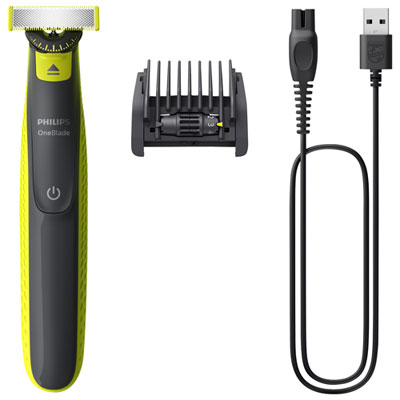 Your price for this item is $49.99
 -
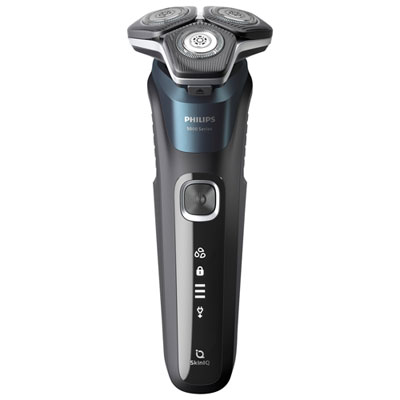 Your price for this item is $99.99
 -
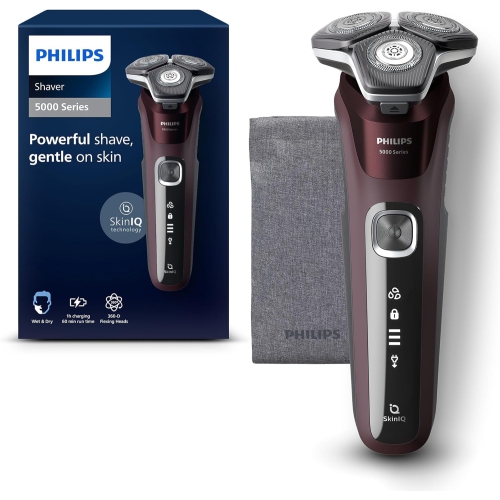 Your price for this item is $79.99
 -
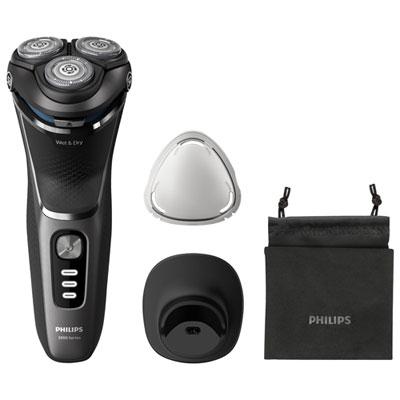 Your price for this item is $89.99
 -
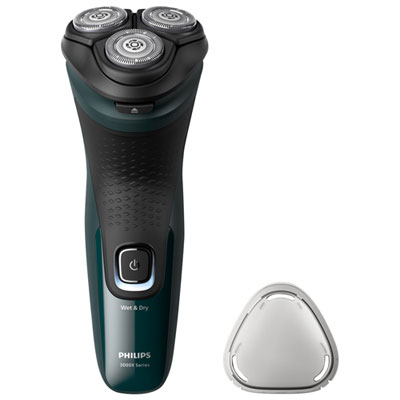 Your price for this item is $49.99
 -
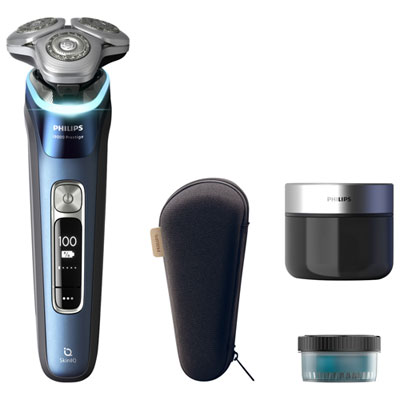 Your price for this item is $299.99
 -
 Your price for this item is $199.99
 -
 Your price for this item is $109.99
Discover more categories related to Philips Rasoir Serie 5000
Top Collections:
Pokemon Centers, Kindle Devices, Best Budget Office Chairs, Apple iPhones 16, Best Laptops for Writers, iPhone 15 Apple, Canon G7X Cameras, Refurbished Apple Laptops, Alarm Clock, Motorola Razr Phones
Some products may be subject to Environmental Handling Fees
(EHF) depending on your province.
Learn more about EHFs.