Revlon Volumizer Hair Dryers
Achieve salon-quality results at home with the Revlon volumizer hair dryer. Designed to help you style and dry your hair efficiently, this versatile tool is a favorite for those looking to add volume and shine to their daily routine. Whether you're preparing for a busy day or getting ready for a special occasion, the Revlon volumizer hair dryer offers an easy way to create beautiful looks with minimal effort. Explore a range of options to find the perfect fit for your styling needs.
Sort
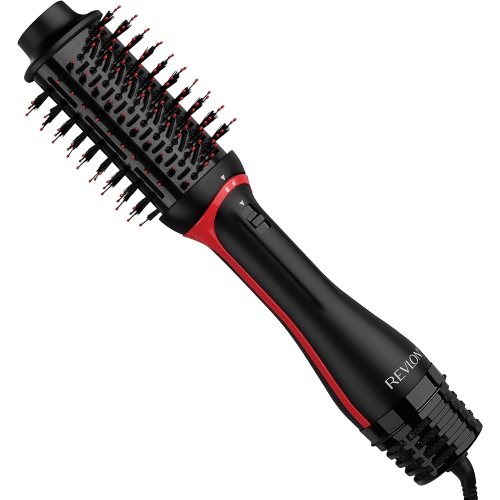
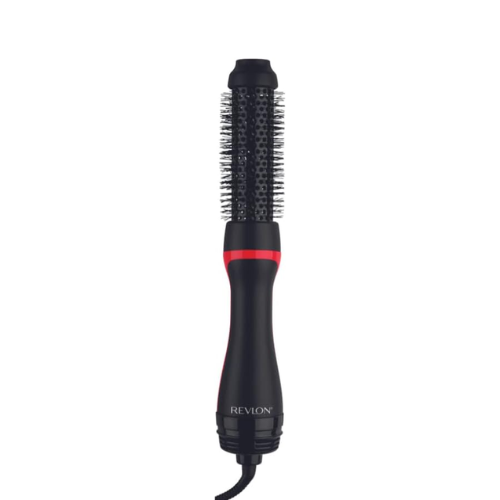


How dryer brushes add lift while smoothing hair
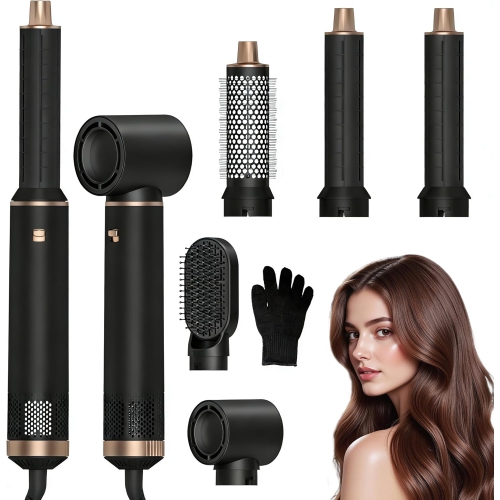
Volumizer hair dryers combine airflow with a styling brush to help dry, smooth, and shape hair using a single handheld tool. Their appeal lies in the way the brush holds a section of hair while warm air passes through it, making it possible to create lift near the roots, a smoother finish through the lengths, and a gentle bend at the ends. Unlike a conventional hair dryer used with a separate round brush, a dryer brush brings those functions together in one handle. This can make styling more manageable for someone who finds coordinating two tools awkward, although the size and weight of the appliance still matter. Within the broader category of Volumizing Hair Dryers, brush-style designs are particularly relevant to people who favour a fuller blowout rather than a flat, pin-straight finish. Oval barrels generally offer a wider surface for smoothing and rounded edges for adding shape, while rounder barrels can support more pronounced bends, depending on their diameter and the hair’s length. Barrel size affects how comfortably a tool reaches shorter layers and how much hair it can handle at once. A larger brush may suit longer lengths, but it can feel cumbersome around a fringe or a chin-length cut. A smaller barrel can offer greater control in those areas without necessarily producing the same broad, sweeping shape through long hair. These tools are intended for styling hair, not creating new density: the impression of fullness comes from root lift, separation, and the direction in which the hair is shaped. Results also depend on the haircut, natural texture, and styling products used. For someone with straight hair that tends to lie close to the scalp, the goal may be a little movement at the crown. For someone with waves or curls, the same type of tool may be used to create a smoother, stretched style while retaining some body.
Materials and construction influence how a volumizer hair dryer feels against the hair and how easily it moves through a section. Depending on the design, a brush head may combine nylon pins, rounded pin tips, and denser bristle clusters. Longer pins help separate the hair, while shorter bristles can provide the grip needed to smooth the surface. That grip should feel controlled rather than forceful; a brush that catches repeatedly can make styling uncomfortable, particularly on fragile ends or tightly tangled sections. Bristle composition varies, so anyone avoiding animal-derived materials should check the stated materials rather than assume all brush heads use synthetic fibres. Ceramic coatings are commonly used on heated styling surfaces to help distribute heat, while some designs incorporate titanium or tourmaline components. Material names alone do not establish how suitable a tool will be for a particular head of hair, and no coating makes heat exposure harmless. Adjustable heat and airflow settings provide more useful flexibility than a single fixed setting, especially in a household where hair textures and styling needs differ. Fine, lightened, or chemically treated hair may call for gentler heat and less repeated contact, while dense hair may be more manageable when divided into smaller sections. Higher heat is not automatically the better choice, and repeated passes over the same ends can work against a smooth-looking finish. Some designs include a cool setting that can help finish a shaped section, though the exact controls vary. Ionic features are often intended to reduce static and improve the appearance of smoothness, but they do not repair split ends or guarantee a frizz-free result. Handle shape, control placement, and balance are equally practical considerations. A comfortable grip matters when reaching the back of the head, and clearly positioned controls can reduce accidental setting changes. Someone styling a thick shoulder-length cut may notice the weight more than someone adding a quick bend to a few face-framing layers. A swivelling cord can also make it easier to change angles without constantly repositioning the handle.
Everyday suitability depends as much on the routine as on the desired finish. Many hot-air brushes are intended for towel-dried or partially dried hair rather than soaking-wet lengths, so the manufacturer’s directions are important. Starting with more manageable moisture levels can reduce the amount of time spent working each section, while gentle detangling beforehand helps the bristles travel without unnecessary pulling. Heat protectant should be suitable for the hair type and used according to its directions; heavy application of styling creams or oils can leave residue on the brush and make fine hair feel weighed down. Dryer brushes can suit people who regularly wear layered cuts, rounded ends, or a soft blowout, but they are not interchangeable with curling irons, straighteners, or diffuser attachments. Someone who wants to preserve a defined natural curl pattern may prefer a different drying method, while a person styling extensions or a wig needs to confirm that both the hair and its attachment method tolerate the tool’s heat and brushing action. Care also has a direct role in durability. Shed hair and product residue can collect around the bristles, and blocked air openings can interfere with airflow. Cleaning should follow the appliance instructions, with the tool unplugged and fully cooled; an electrical brush body should never be immersed in water. Removable heads, where included, may make access easier, but detachability does not automatically mean a part is washable. Storage is another consideration: letting the head cool before putting it away, avoiding pressure that bends the bristles, and keeping the cord loosely arranged can help protect the components. For travel, handle length and head size affect packing space, while electrical compatibility must be checked separately because a plug adapter does not convert voltage. As a gift, a volumizer hair dryer is most thoughtful for someone whose styling preferences are already familiar, particularly a person who enjoys a polished blowout or wants fewer tools to coordinate. Hair length, preferred finish, grip comfort, and tolerance for heat styling are more meaningful considerations than the promise of volume alone.
Top selling and popular products
-
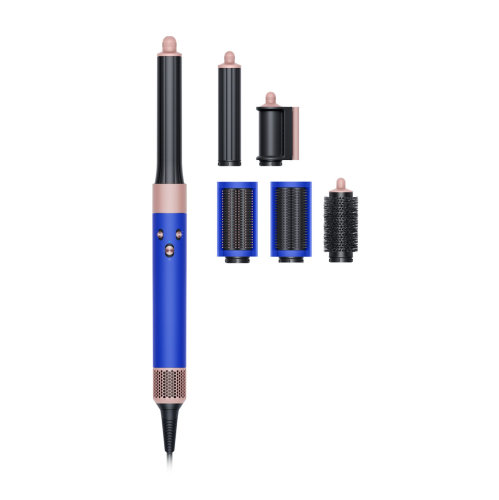 Your price for this item is $319.99
-
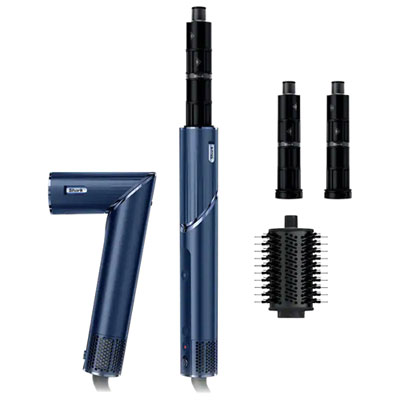 Your price for this item is $329.99
-
 Your price for this item is $108.89
-
 Your price for this item is $104.49
-
 Your price for this item is $599.99
-
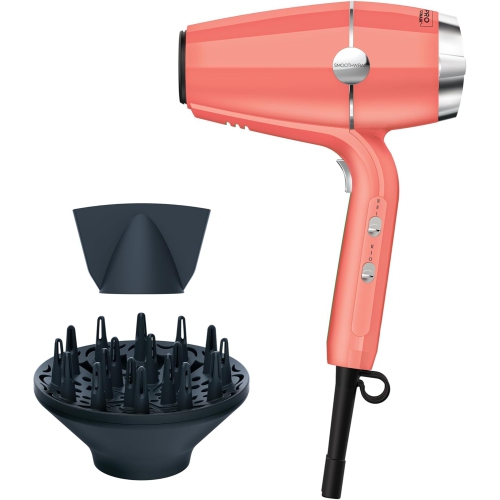 Your price for this item is $120
-
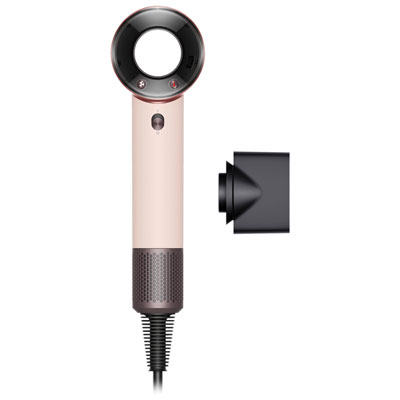 Your price for this item is $399.99
-
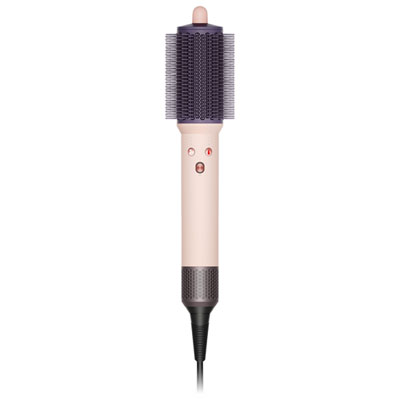 Your price for this item is $349.99
Discover more categories related to Revlon Volumizer Hair Dryers
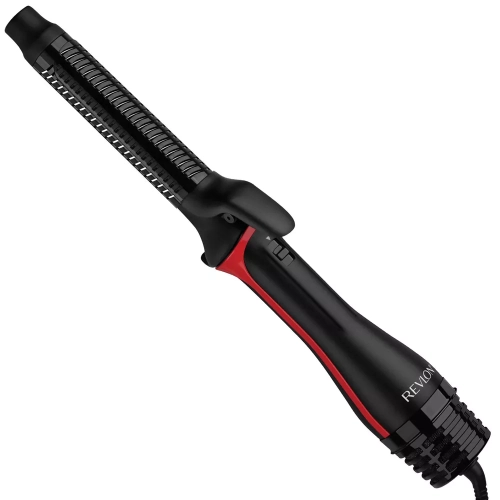
Top Collections:
Best Black Friday Deals This Year, Best Black Friday Deals On Electronics, Kindle Devices, Pokemon Centers, Best Black Friday Deals On Apple Products, Best Cameras for Sports Photography, Dyson Airwrap, Pokémon 30th Celebration Cards, Apple iPhone 17 Pro, Canon G7X Cameras
Some products may be subject to Environmental Handling Fees
(EHF) depending on your province.
Learn more about EHFs.