Treatments for Brittle Hair
Brittle hair can be a frustrating problem to deal with, but fear not! We have a wide range of treatments that can help restore strength and vitality to your locks. Whether you're dealing with dryness, breakage, or lackluster strands, these hair treatments offer solutions for every hair type and concern. From nourishing masks to reparative serums, this selection is designed to target the root causes of brittle hair and provide the TLC your tresses deserve.
Sort
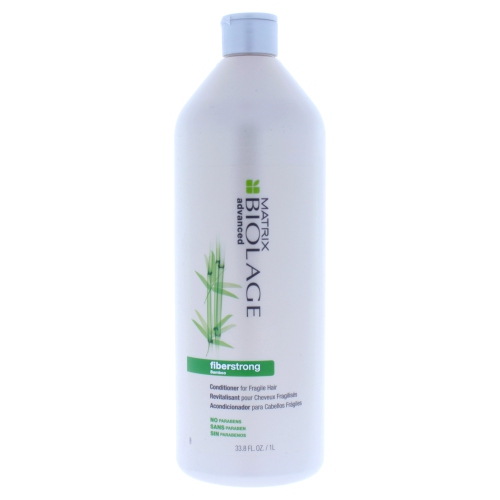
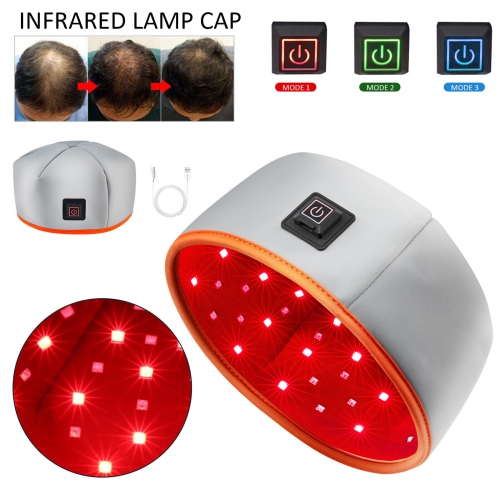
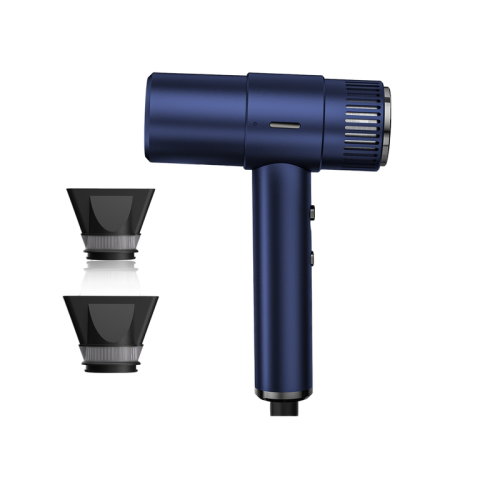
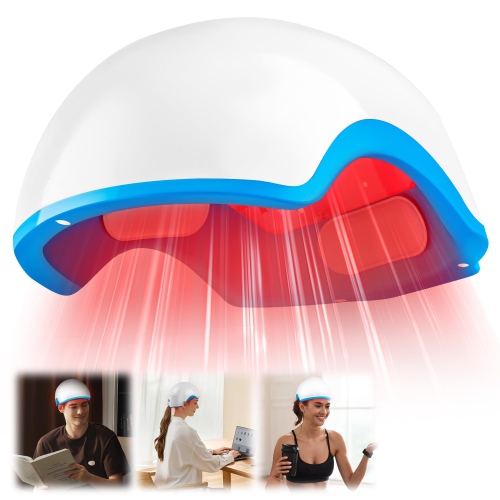
Why dry and damaged strands need different care
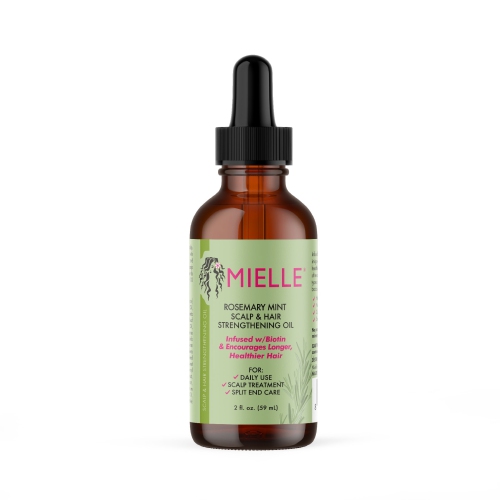
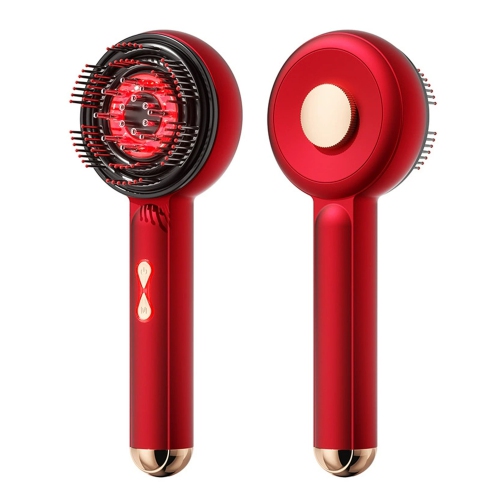
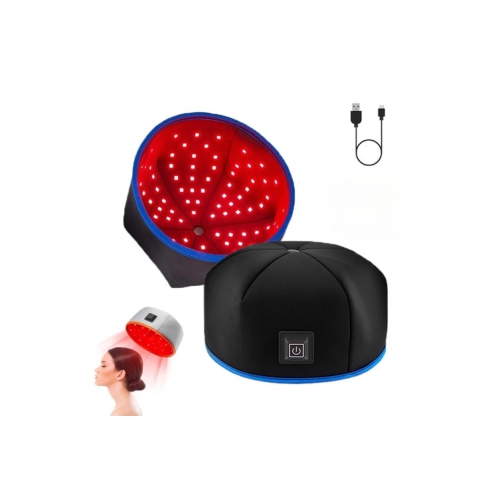
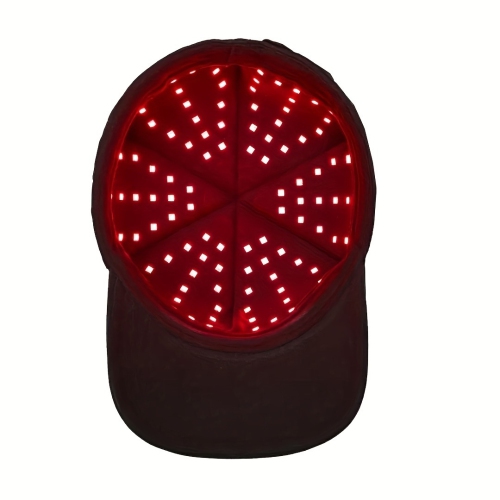
Treatments for brittle hair are designed to improve the feel, manageability, and resistance to breakage of strands that have become dry, rough, or fragile. Brittle hair may feel stiff rather than supple, tangle easily at the ends, or leave short broken pieces on a brush. Repeated colouring, bleaching, hot-tool styling, and friction can all contribute, although naturally dry textures can also need extra conditioning without any chemical processing. The most useful treatment depends on whether the main concern is dryness, damage, or a combination of both. Deep-conditioning masks help soften rough lengths and make detangling easier, while leave-in conditioners provide ongoing slip between washes. Protein-containing formulas can temporarily reinforce damaged areas, and some bond-building treatments are formulated to act on particular bonds within the hair fibre. These categories serve different purposes: a rich mask is not necessarily a bond treatment, and a strengthening formula may still need to be paired with conditioner for softness. Ingredients such as glycerin attract moisture, while fatty alcohols, conditioning agents, and oils help improve lubrication and reduce the friction that can lead to snapping. Silicones can also smooth the surface and ease combing; their suitability depends on the formula and how it feels on the hair, rather than a blanket rule about avoiding them. For someone whose ends catch on a jumper or knot beneath a scarf, a treatment that improves slip may make everyday handling noticeably easier. For lightened hair that feels fragile after washing, a targeted strengthening treatment may be a more relevant addition. Across the broader range of Hair Care Treatments, the distinction between moisture, surface smoothing, and targeted repair helps clarify what each type of formula can reasonably offer. No cosmetic treatment can permanently fuse split ends or return heavily damaged hair to its original condition, but suitable products can make lengths feel softer, reduce grooming-related breakage, and help protect the hair that remains.
Texture, strand thickness, density, and processing history all influence how a treatment fits into a routine. Fine hair can be brittle yet easily weighed down, making lightweight lotions, sprays, or rinse-out formulas appealing when softness is needed without a heavy coating. Thick or coarse strands may suit richer creams and masks with enough slip to spread through dense sections. Curly and coily hair often benefits from conditioning that helps separate tangles while preserving the curl pattern, particularly at older ends where friction and wear have accumulated. Straight hair can show a heavy finish more readily, so formulas intended for the mid-lengths and ends may be a better match than products applied generously near the roots. Porosity matters too: porous, processed lengths can take up water readily but still feel rough as they dry, while less porous hair may develop a coated feel with repeated layers of rich treatment. Product texture alone does not establish performance, however. A thick mask is not automatically more effective than a fluid conditioner, and a formula described as strengthening is not necessarily suited to every wash. Hydrolyzed proteins may improve the feel of damaged hair, but a routine that leaves strands stiff or difficult to comb needs adjusting rather than simply adding more. Colour-treated hair calls for formulas labelled as suitable for that use, while recently chemically straightened or permed hair may have additional care requirements set by the treatment provider. Fragrance preferences and skin sensitivity also matter, especially with leave-ins that may touch the neck, shoulders, or hairline. Packaging can affect daily convenience: a pump makes it easier to dispense small amounts, a spray can distribute a light layer, and a tube or tub may suit a thicker rinse-out mask. Treatment time is another practical difference. A quick conditioner may fit a busy morning, whereas a longer-contact mask suits someone comfortable leaving it on for the stated interval. Longer is not always better, and overnight use is appropriate only when the formula is intended for it. A good fit is a product that suits both the hair and the time available to care for it consistently.
Lasting improvements in manageability depend on how treatment products work alongside washing, drying, and styling habits. Rinse-out masks are generally intended to condition freshly washed lengths, while leave-ins remain on the hair to support detangling and styling; pre-shampoo and bond-building formulas can have a different application order. Following the label matters because some products need damp hair, others require towel-dried hair, and some work best without another conditioner applied first. More product does not necessarily mean more protection. Excess layers can leave hair limp, sticky, or difficult to rinse, particularly when oils, creams, and styling products are used together. A clarifying shampoo may help remove accumulated residue when needed, but frequent strong cleansing can leave brittle lengths feeling drier, so it is not an automatic weekly requirement. Heat protection is a separate consideration: an oil or smoothing serum should not be assumed to protect against a dryer or iron unless it is labelled for that purpose. Even with a heat protectant, lower temperatures and fewer passes help limit further wear. Soft microfibre towels, smooth pillowcase fabrics, and brushes or wide-tooth combs suited to the hair texture can complement treatments by reducing pulling and rough handling. Wet hair is vulnerable to stretching and breakage, making gentle detangling with adequate slip especially useful for curls and coils. These details matter during the cooler months, when indoor heating, hats, and scarves can leave lengths feeling dry or tangled around the nape. Treatment benefits also vary in duration: softness from conditioning may diminish with washing, and ongoing protection cannot undo repeated damage. Regular trims remain the practical way to remove split ends. For gifting, hair treatments are most thoughtful when the recipient’s texture, colour-care needs, and fragrance preferences are known, rather than chosen on the assumption that every rich formula suits dry hair. Persistent or sudden breakage accompanied by scalp discomfort, patchy thinning, or increased shedding deserves assessment by a healthcare professional, since cosmetic treatments address the hair fibre rather than every possible cause of hair changes.
Texture, strand thickness, density, and processing history all influence how a treatment fits into a routine. Fine hair can be brittle yet easily weighed down, making lightweight lotions, sprays, or rinse-out formulas appealing when softness is needed without a heavy coating. Thick or coarse strands may suit richer creams and masks with enough slip to spread through dense sections. Curly and coily hair often benefits from conditioning that helps separate tangles while preserving the curl pattern, particularly at older ends where friction and wear have accumulated. Straight hair can show a heavy finish more readily, so formulas intended for the mid-lengths and ends may be a better match than products applied generously near the roots. Porosity matters too: porous, processed lengths can take up water readily but still feel rough as they dry, while less porous hair may develop a coated feel with repeated layers of rich treatment. Product texture alone does not establish performance, however. A thick mask is not automatically more effective than a fluid conditioner, and a formula described as strengthening is not necessarily suited to every wash. Hydrolyzed proteins may improve the feel of damaged hair, but a routine that leaves strands stiff or difficult to comb needs adjusting rather than simply adding more. Colour-treated hair calls for formulas labelled as suitable for that use, while recently chemically straightened or permed hair may have additional care requirements set by the treatment provider. Fragrance preferences and skin sensitivity also matter, especially with leave-ins that may touch the neck, shoulders, or hairline. Packaging can affect daily convenience: a pump makes it easier to dispense small amounts, a spray can distribute a light layer, and a tube or tub may suit a thicker rinse-out mask. Treatment time is another practical difference. A quick conditioner may fit a busy morning, whereas a longer-contact mask suits someone comfortable leaving it on for the stated interval. Longer is not always better, and overnight use is appropriate only when the formula is intended for it. A good fit is a product that suits both the hair and the time available to care for it consistently.
Lasting improvements in manageability depend on how treatment products work alongside washing, drying, and styling habits. Rinse-out masks are generally intended to condition freshly washed lengths, while leave-ins remain on the hair to support detangling and styling; pre-shampoo and bond-building formulas can have a different application order. Following the label matters because some products need damp hair, others require towel-dried hair, and some work best without another conditioner applied first. More product does not necessarily mean more protection. Excess layers can leave hair limp, sticky, or difficult to rinse, particularly when oils, creams, and styling products are used together. A clarifying shampoo may help remove accumulated residue when needed, but frequent strong cleansing can leave brittle lengths feeling drier, so it is not an automatic weekly requirement. Heat protection is a separate consideration: an oil or smoothing serum should not be assumed to protect against a dryer or iron unless it is labelled for that purpose. Even with a heat protectant, lower temperatures and fewer passes help limit further wear. Soft microfibre towels, smooth pillowcase fabrics, and brushes or wide-tooth combs suited to the hair texture can complement treatments by reducing pulling and rough handling. Wet hair is vulnerable to stretching and breakage, making gentle detangling with adequate slip especially useful for curls and coils. These details matter during the cooler months, when indoor heating, hats, and scarves can leave lengths feeling dry or tangled around the nape. Treatment benefits also vary in duration: softness from conditioning may diminish with washing, and ongoing protection cannot undo repeated damage. Regular trims remain the practical way to remove split ends. For gifting, hair treatments are most thoughtful when the recipient’s texture, colour-care needs, and fragrance preferences are known, rather than chosen on the assumption that every rich formula suits dry hair. Persistent or sudden breakage accompanied by scalp discomfort, patchy thinning, or increased shedding deserves assessment by a healthcare professional, since cosmetic treatments address the hair fibre rather than every possible cause of hair changes.
Top selling and popular products
-
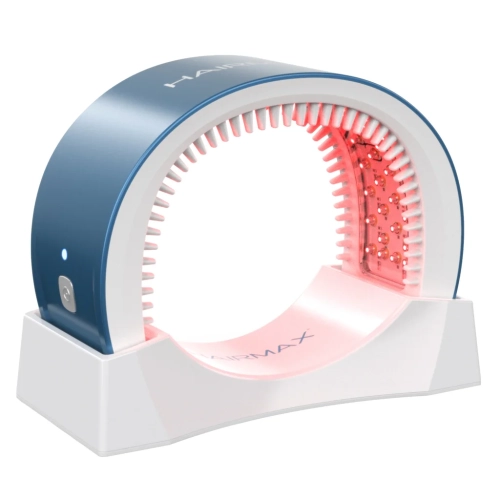 Your price for this item is $1499.99
 -
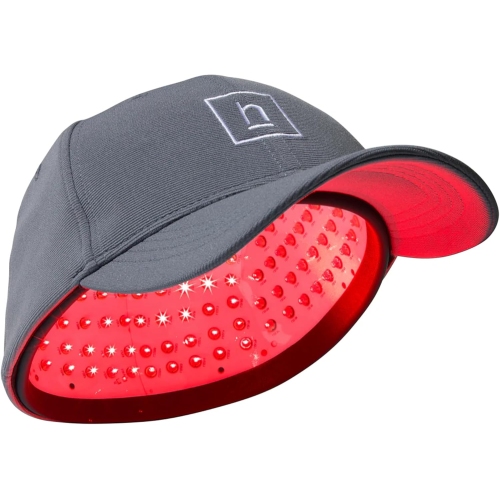 Your price for this item is $1199
 -
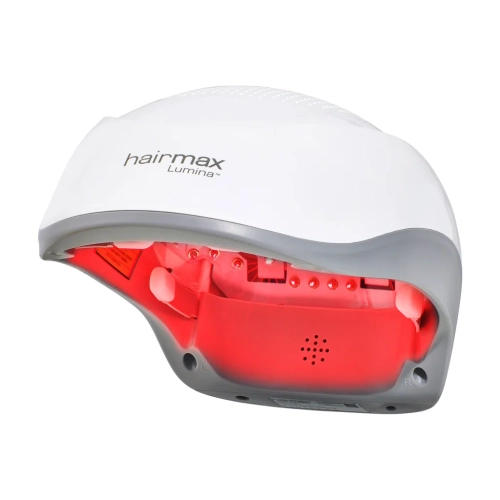 Your price for this item is $2749.97
 -
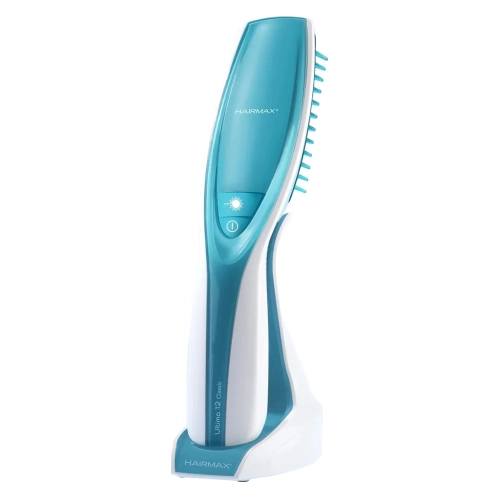 Your price for this item is $399.93
 -
 Your price for this item is $59.99
 -
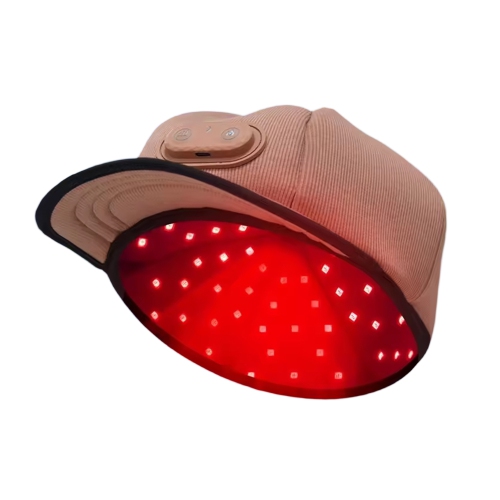 Your price for this item is $158.99
 -
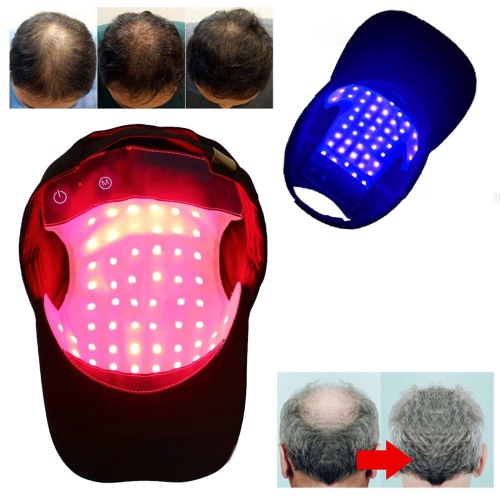 Your price for this item is $58.99
 -
 Your price for this item is $199.99
Discover more categories related to Treatments for Brittle Hair
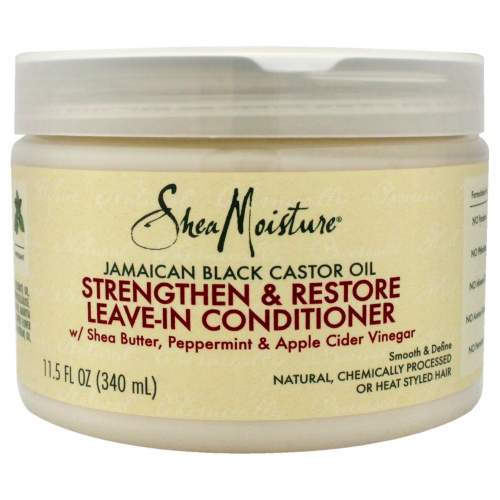
Top Collections:
Pokemon Centers, Budget 4K TVs, Kindle Devices, Canon G7X Cameras, Apple iPhones 16, iPhone 15 Apple, Laptops for Business Work, Flip Phones, Xiaomi Phones, Refurbished Apple Laptops
Some products may be subject to Environmental Handling Fees
(EHF) depending on your province.
Learn more about EHFs.