Wavy Hair Irons
Wavy Hair Irons are the perfect styling tools for creating effortless, beach-inspired waves and adding volume to your hair. Whether you're looking to achieve loose, natural waves or more defined, textured styles, these irons make it easy to transform your look at home. Explore a wide selection of Wavy Hair Irons designed to suit various hair types and styling preferences, helping you achieve salon-quality results with ease. Find the ideal tool to enhance your daily routine and enjoy beautiful, wavy hair every day.
Sort
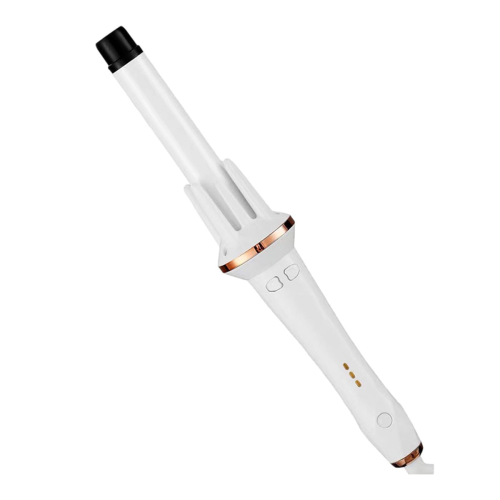
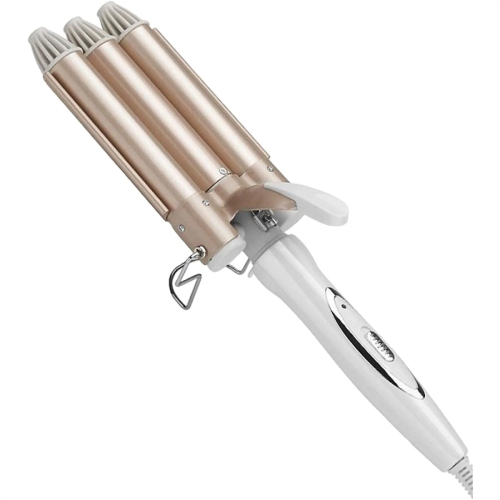
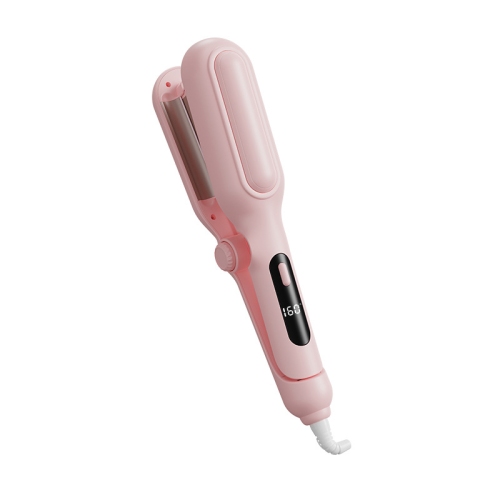
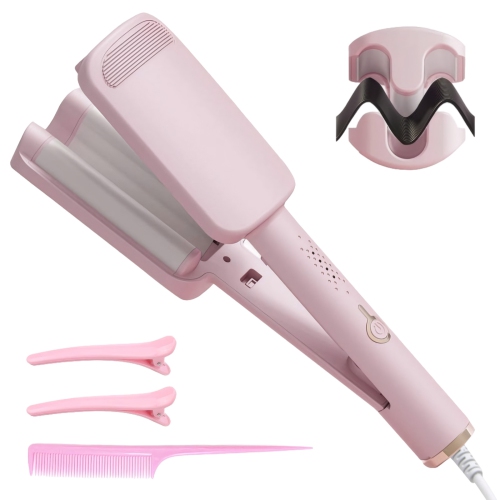
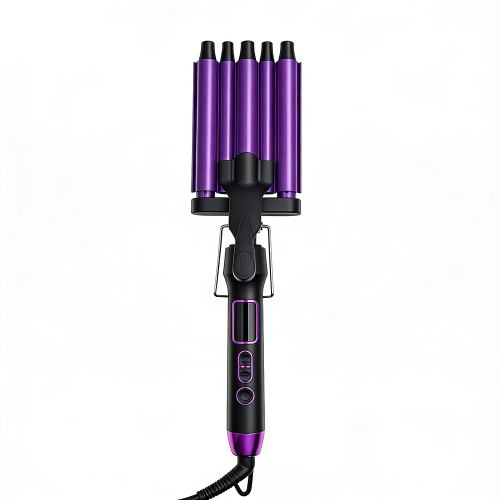
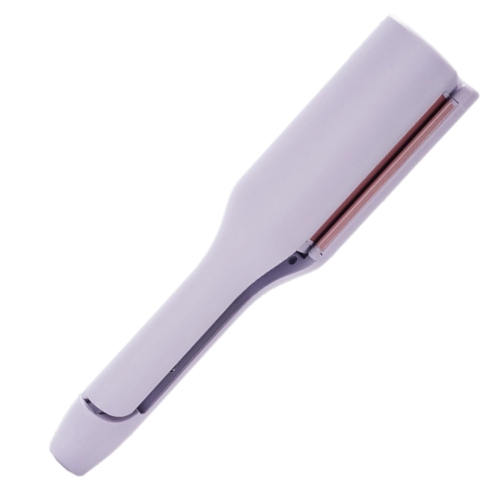
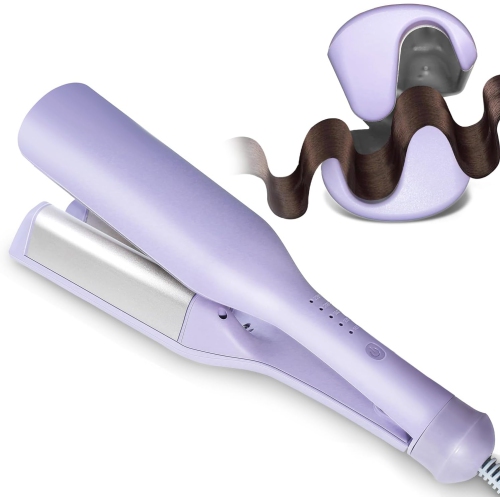
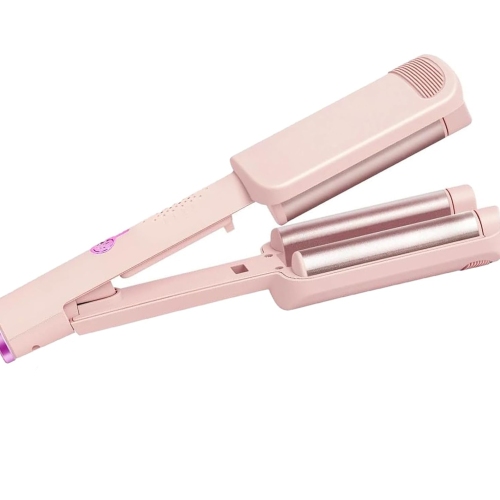
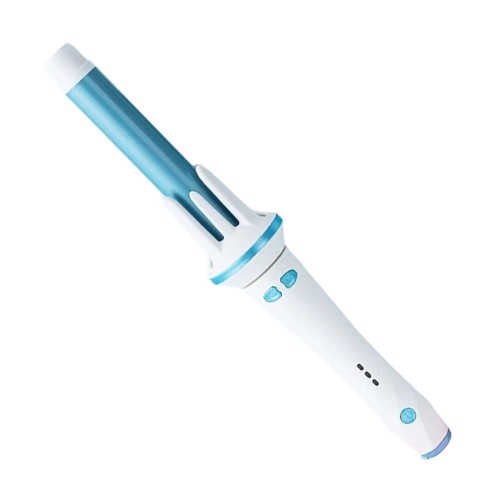
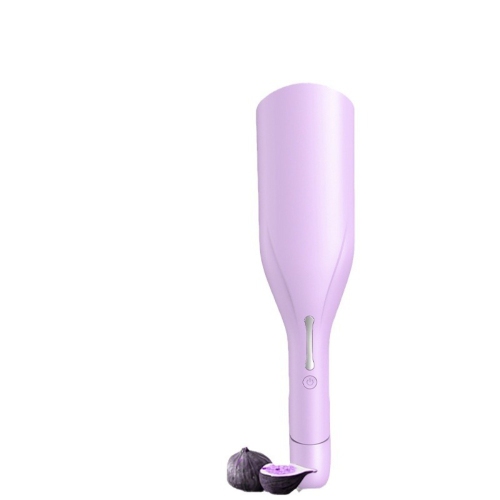
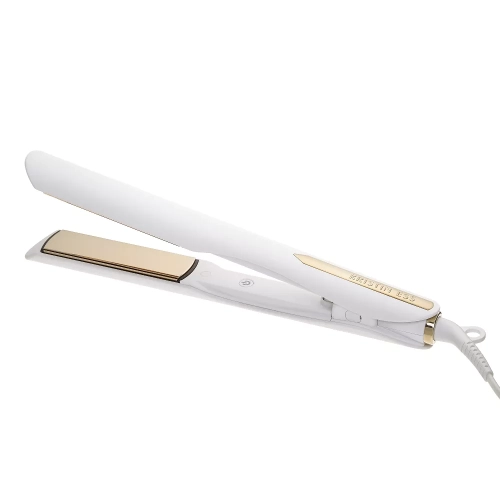
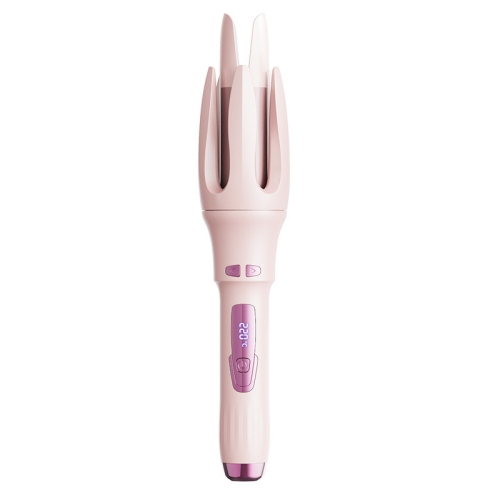
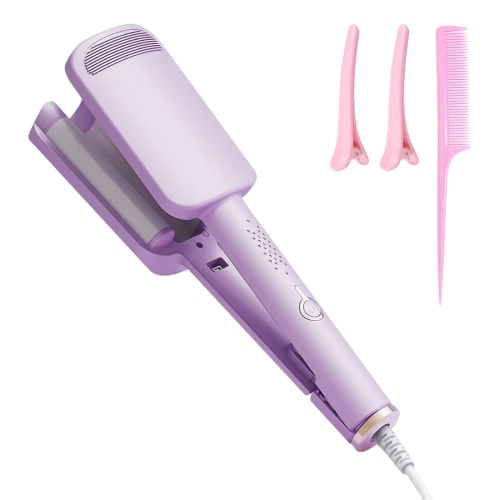
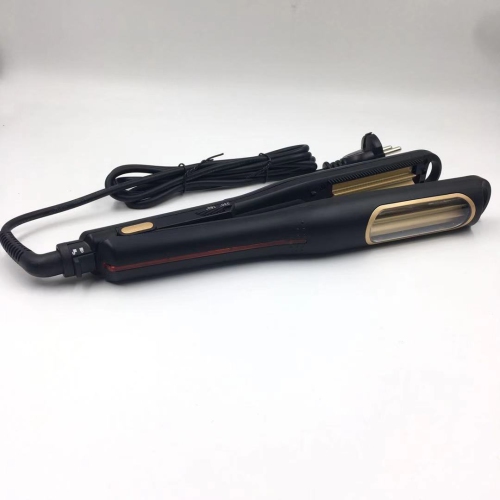
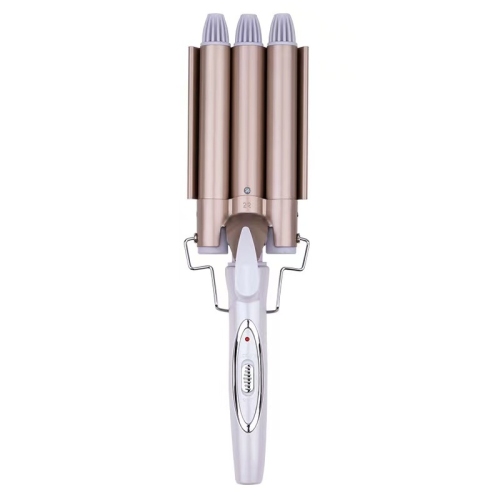
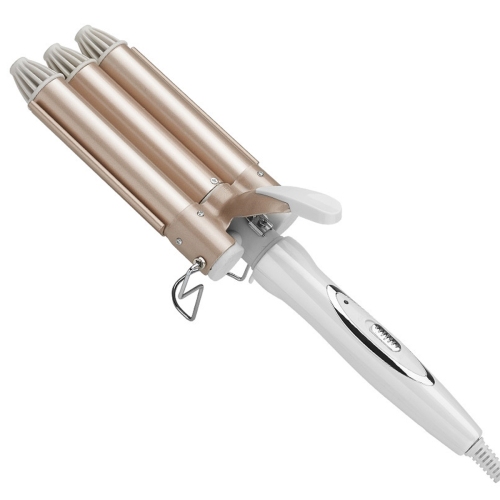
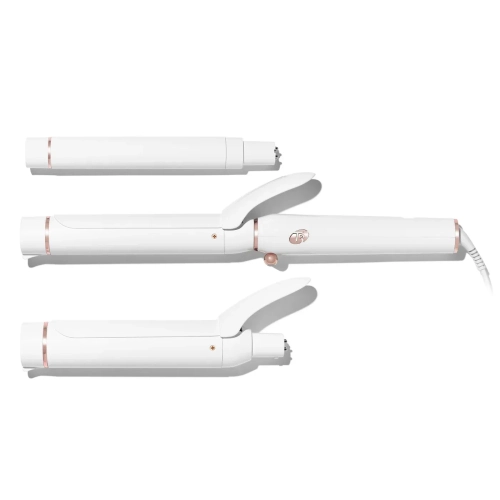
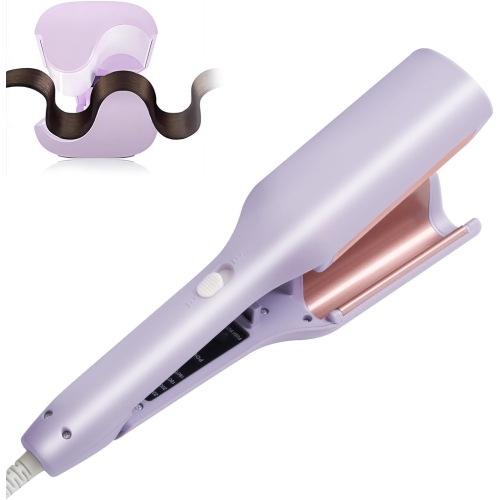
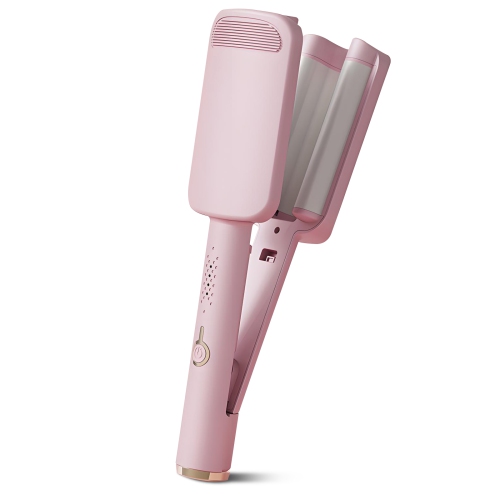
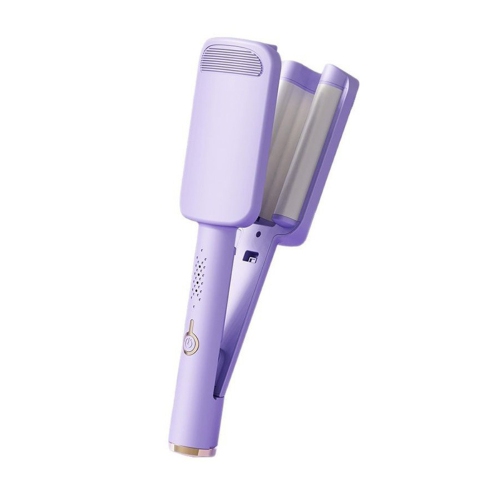
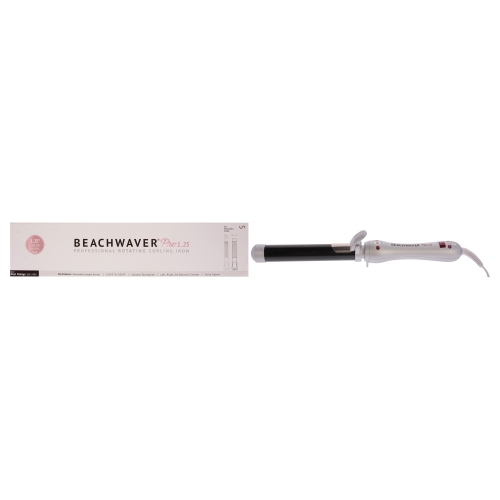
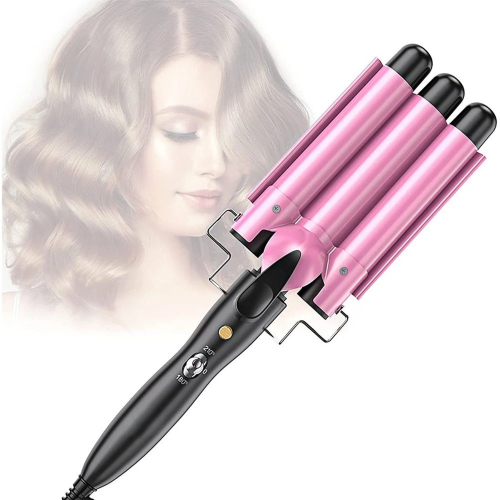
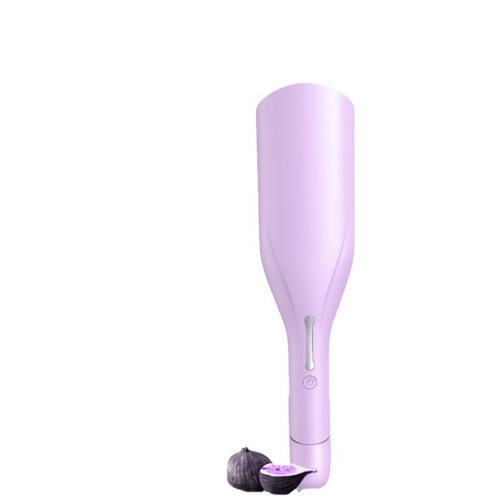
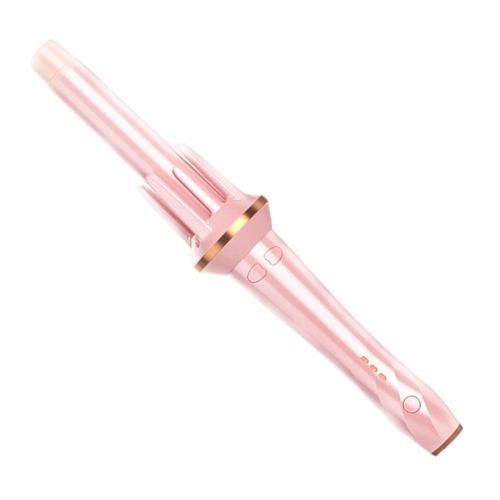
How barrel shape takes waves from soft to defined
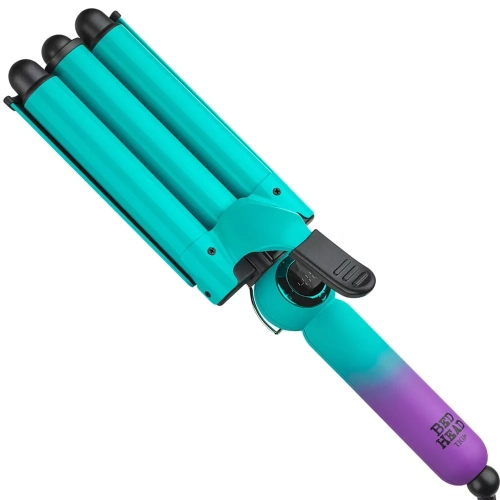
Wavy hair irons press sections of hair between heated, contoured surfaces to create a repeating wave. Unlike a curling iron, which wraps hair around a barrel to form a curl, a waver creates several bends with each press. A three-barrel waver is a common choice for loose beach waves or deeper, more defined S-shaped waves, depending on the size and spacing of the barrels. Deep wavers use a pronounced ridge and groove to shape a fuller bend, while adjustable wavers let the ridge sit higher or lower to change the depth of the wave without swapping attachments. A crimper typically has finer, more closely spaced ridges that leave a zigzag texture rather than a rounded wave. The width of the styling surface matters as much as the shape. A wide waver covers more length with each press and leaves room for a broad pattern to show up on shoulder-length or longer hair. A compact waver can be easier to position on a bob, where a wide clamp might leave room for only one bend between the roots and ends. A shallower wave can add texture without making the finished style look much shorter, while a deep wave takes up more length and gives the hair a fuller outline. Placement changes the look, too: waves that start around cheek level leave the top smooth and bring more movement to the ends, while waves that begin higher add texture through more of the length. That distinction is especially noticeable when the hair is pulled back. A low ponytail can look sleek above the tie with a visible wave below it, while shorter layers around the face may need just one soft bend. A dedicated waver suits a repeated pattern, while Flat Irons for Wavy Hair is a related option for shoppers who also want to smooth their hair or make individual bends by turning the iron.
Barrel material, heat settings and the feel of the clamp all affect how a wavy hair iron fits into a styling routine. Ceramic and ceramic-coated surfaces are common for their smooth finish and even heat distribution. Titanium surfaces tend to heat quickly and hold heat well, which some people prefer when styling dense or coarse hair in sections. The material alone does not determine how gentle an iron will be: a low enough heat setting, a smooth surface and a clamp that releases cleanly all matter. Multiple heat settings offer more control than a single fixed setting, especially when fine hair around the face needs less heat than thicker sections at the back. Fine, bleached or fragile hair generally calls for a lower setting, and even on coarse hair, it makes sense to start with the lowest setting that shapes a wave rather than defaulting to the highest one. A readable display makes it easier to return to a heat setting that worked well, while a switch or control positioned away from the grip is less likely to be bumped while the iron is in use. Tool weight can be easy to overlook until it is time to wave the hair at the back of the head. A lighter handle may feel more manageable during a full styling session, while a broad clamp can save time on long hair by covering more of each section per press. A swivel cord can reduce tugging as the tool changes angle from one side of the head to the other. A cool-touch tip, where provided, offers a place to steady the iron without touching the heated barrels. A built-in stand helps keep hot surfaces off a countertop, and automatic shutoff provides a backup if the iron is accidentally left on. It is still best to switch off and unplug the tool after use and let it cool on a heat-resistant surface.
Wavy hair irons can add a visible pattern to straight hair or give naturally wavy hair a more uniform finish in spots where it tends to fall flat. For a soft, brushed-out look, the waves can cool before they are gently separated. Leaving them mostly undisturbed keeps the ridges more defined for a half-up style or a textured ponytail. A conventional waver is meant for dry hair, and a heat protectant intended for hot-tool styling can be used according to its directions. Small, evenly sized sections are easier to clamp without leaving straight strands tucked underneath. Setting the next press into the last bend keeps the pattern continuous down the length, rather than leaving a flat gap between presses. For someone who likes to style only the pieces around the face, a compact iron may be a better fit than a wider tool built to cover a lot of hair at once. For someone who wears defined waves often, a comfortable grip and an easy-to-read heat control may matter more than an assortment of attachments. The same details make a waver a more personal gift for someone who already enjoys styling their hair: a shallow profile suits a preference for subtle texture, and an adjustable design offers room to experiment with both soft and deep waves. Basic care helps protect the iron’s finish over time. Once it is unplugged and completely cool, the styling surfaces can be wiped as directed by the manufacturer to remove residue from heat protectant or other styling products. Avoid abrasive cleaners that could roughen a coating, and coil the cord loosely rather than winding it tightly around the handle. A dry drawer or heat-resistant storage pouch, used once the iron has cooled, keeps the barrels from rubbing against brushes, clips and other tools. Keeping those surfaces smooth helps hair release cleanly from the clamp and makes the iron more comfortable to use over time.
Top selling and popular products
-
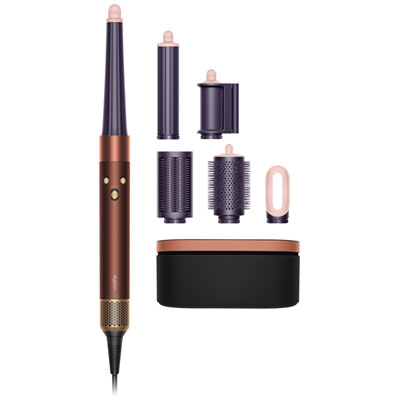 Your price for this item is $799.99
-
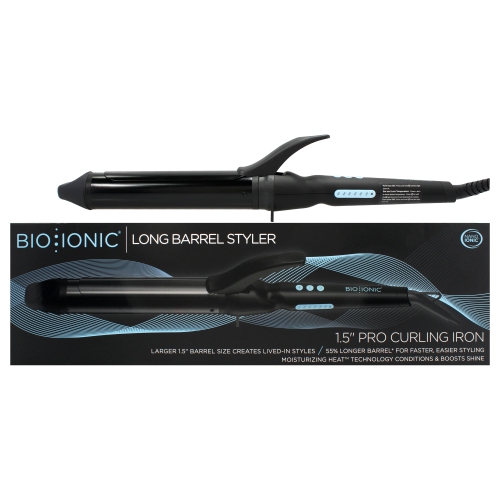 Your price for this item is $136.76
-
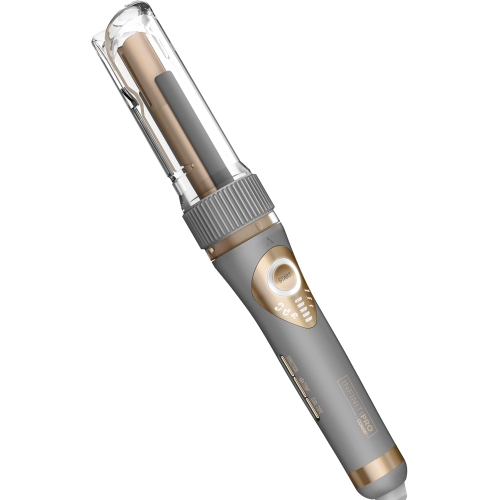 Your price for this item is $150
-
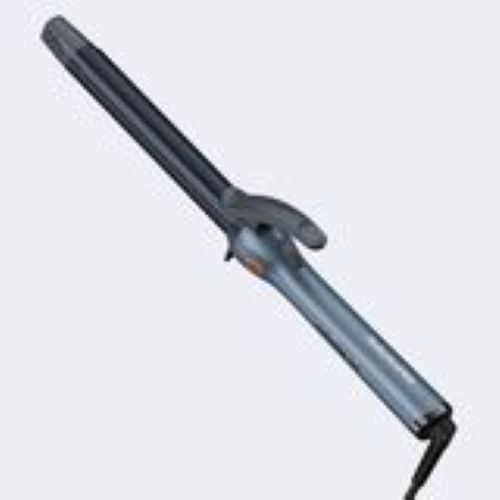 Your price for this item is $99.99
-
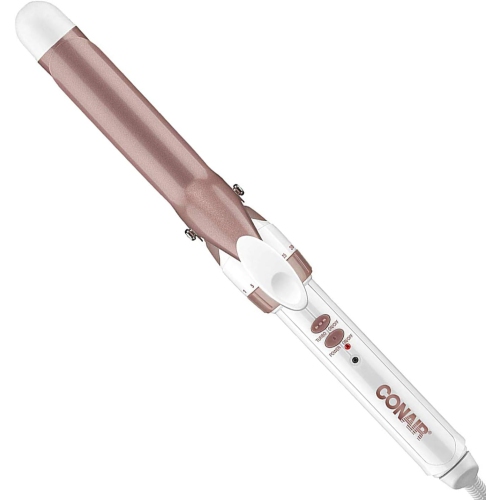 Your price for this item is $47.97
-
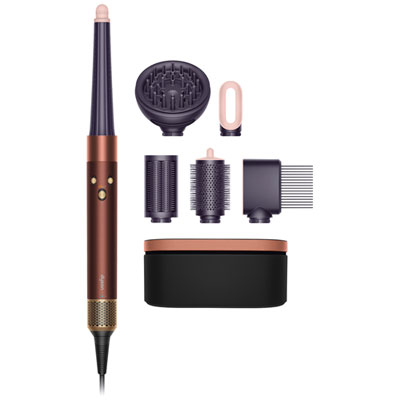 Your price for this item is $799.99
-
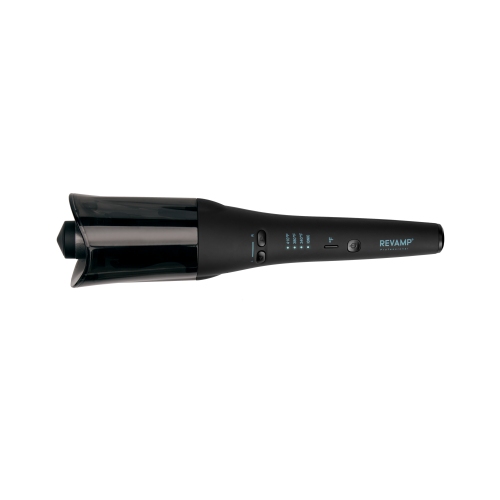 Your price for this item is $69.99
-
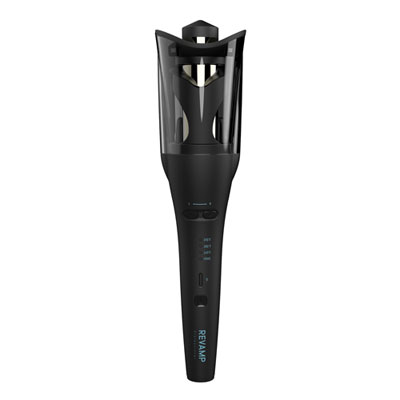 Your price for this item is $149.99
Discover more categories related to Wavy Hair Irons
Top Collections:
Best Black Friday Deals This Year, Best Black Friday Deals On Electronics, Kindle Devices, Pokemon Centers, Best Black Friday Deals On Apple Products, Best Cameras for Sports Photography, Dyson Airwrap, Pokémon 30th Celebration Cards, Apple iPhone 17 Pro, Canon G7X Cameras
Some products may be subject to Environmental Handling Fees
(EHF) depending on your province.
Learn more about EHFs.