Personal CD Players

Personal CD players offer a portable way to enjoy your CD collection through headphones. Compare options by size, power source, playback controls, and disc compatibility to find a player that suits how and where you listen.

Read More

Sort

Your favourite albums without a phone or subscription

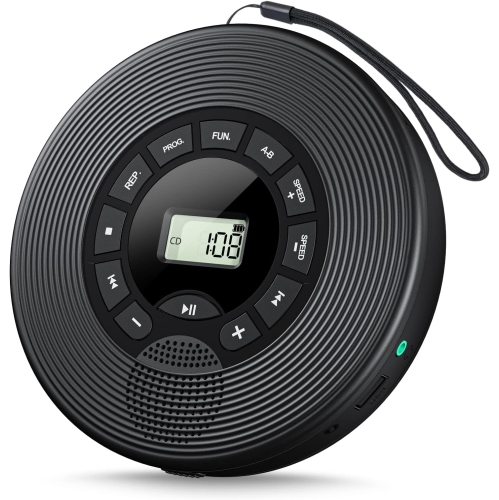
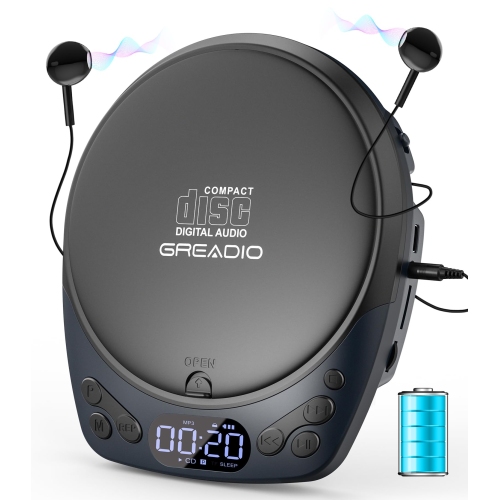
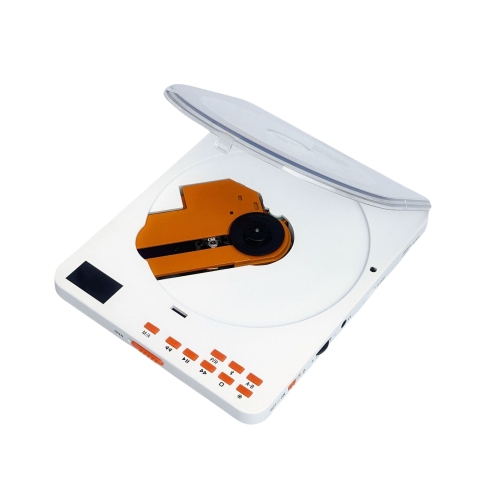
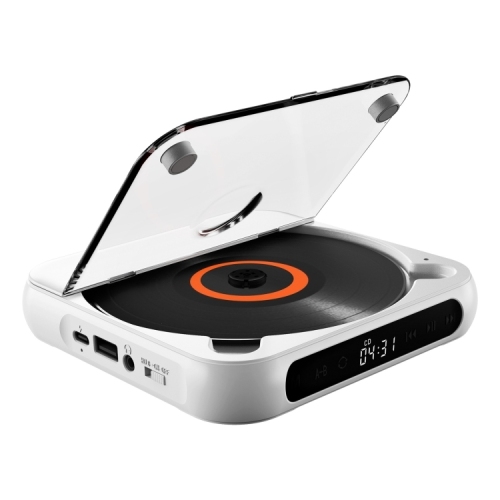
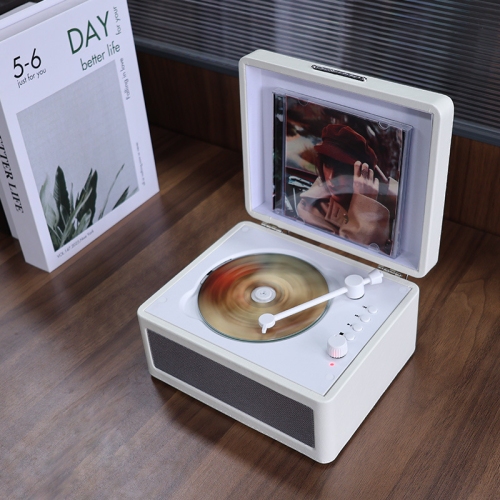
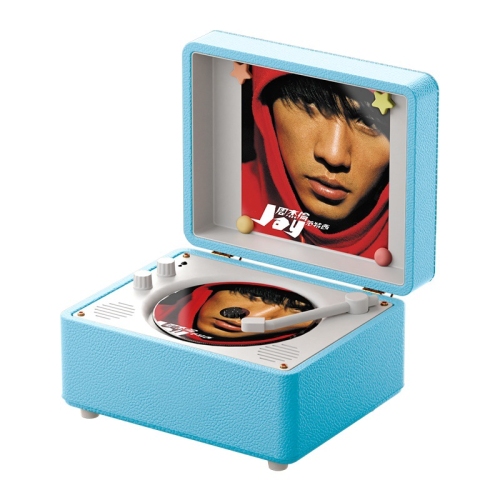
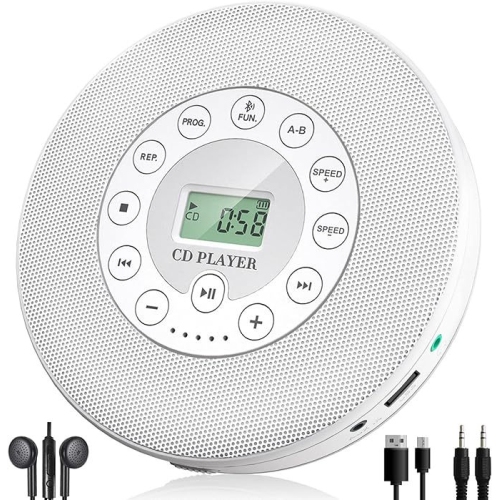
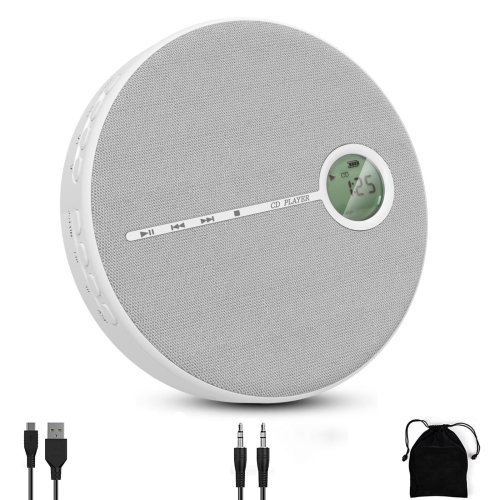
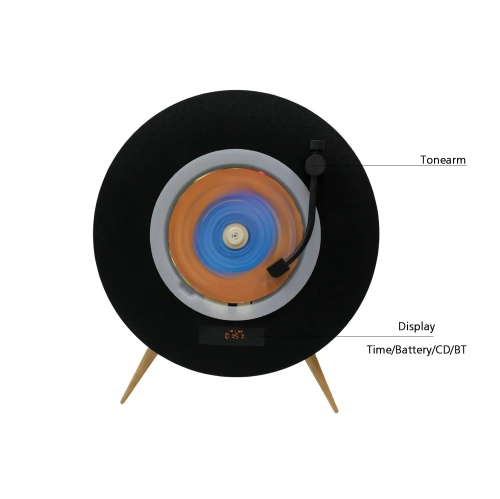
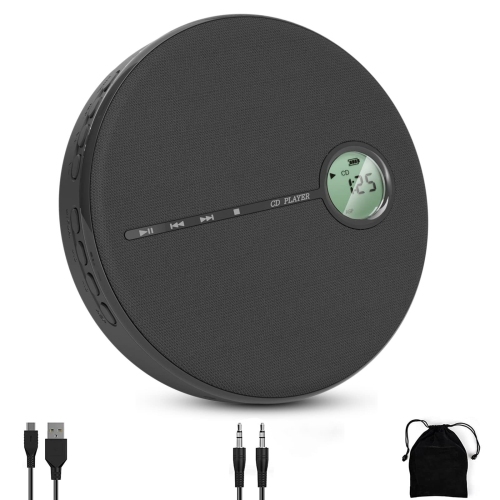
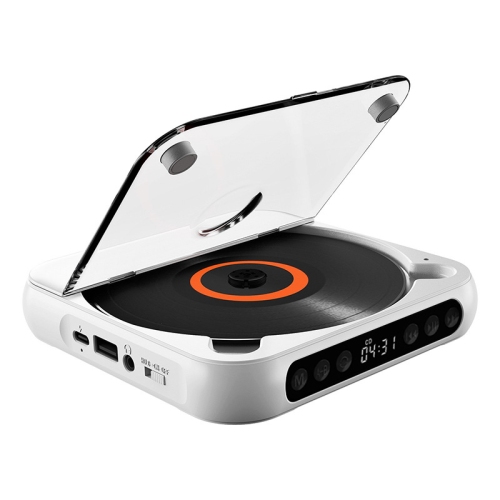
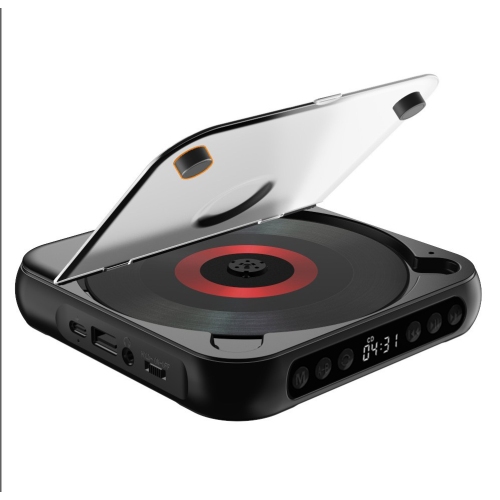
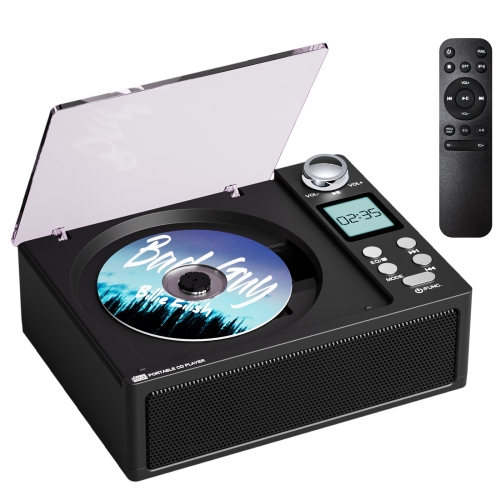
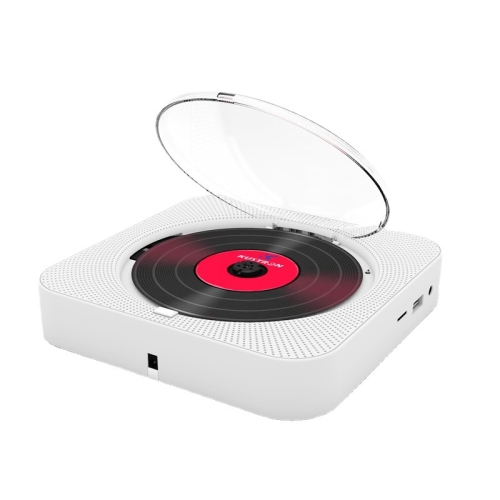
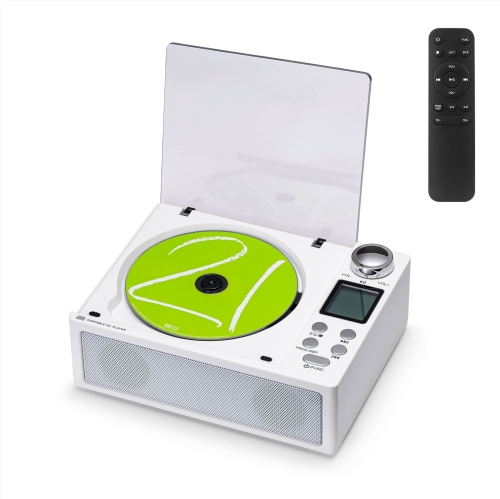
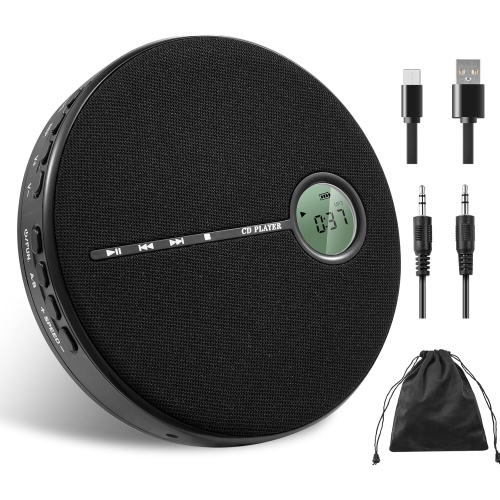
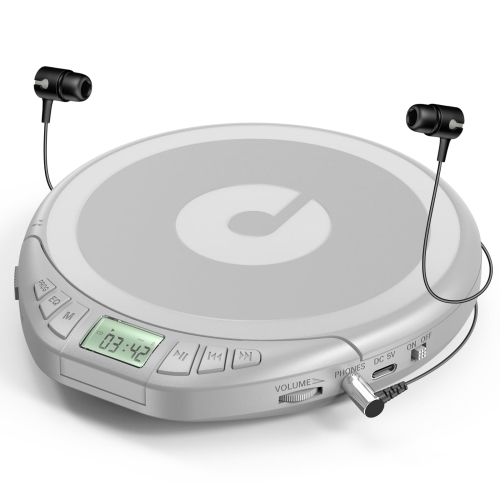
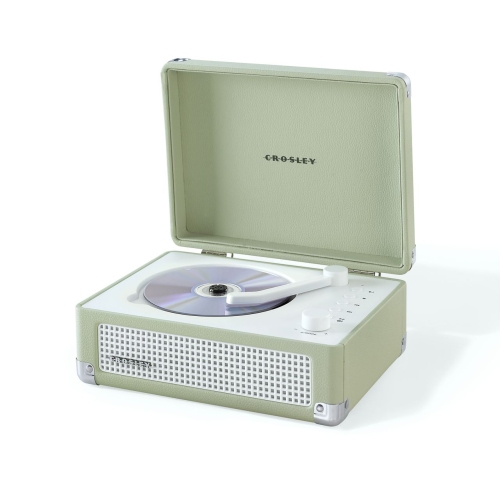
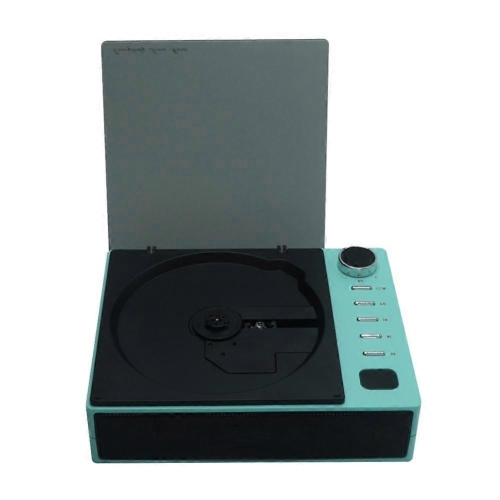
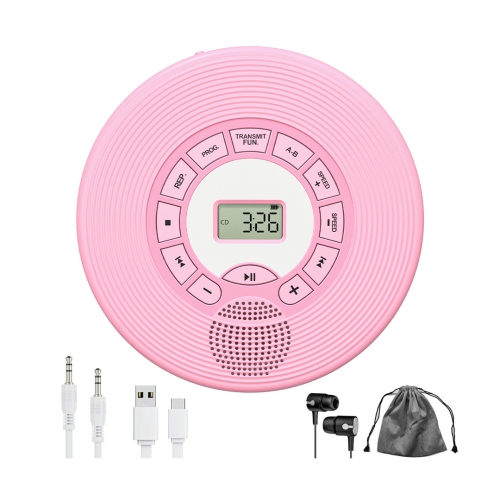
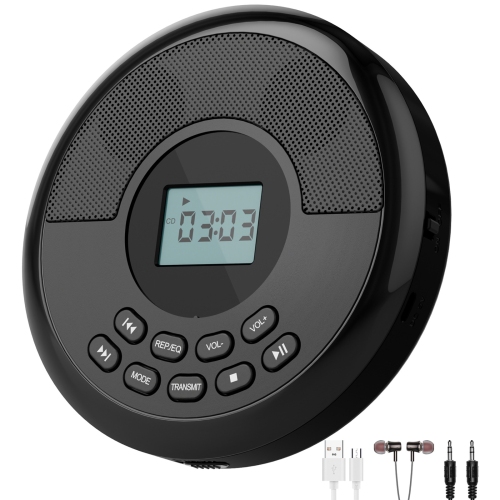
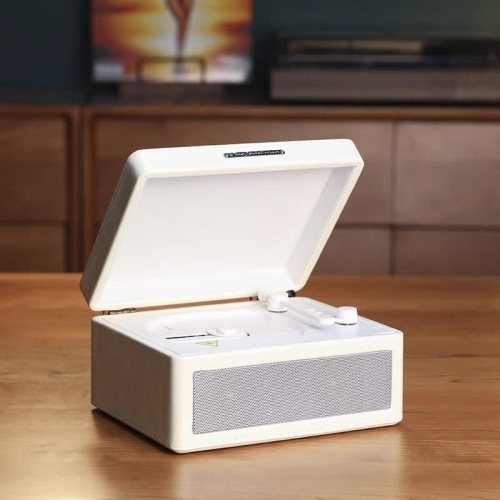
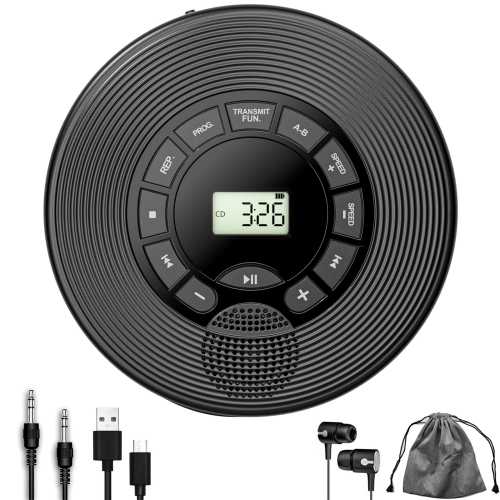
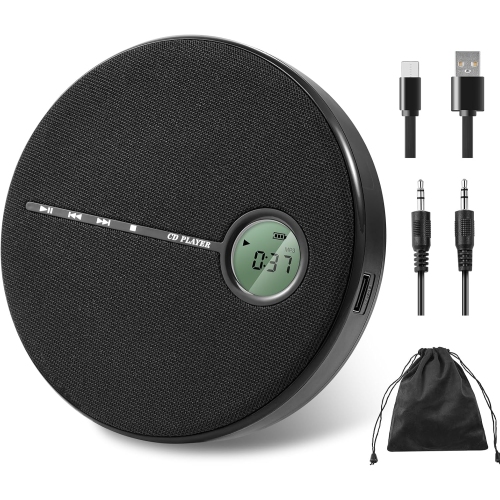
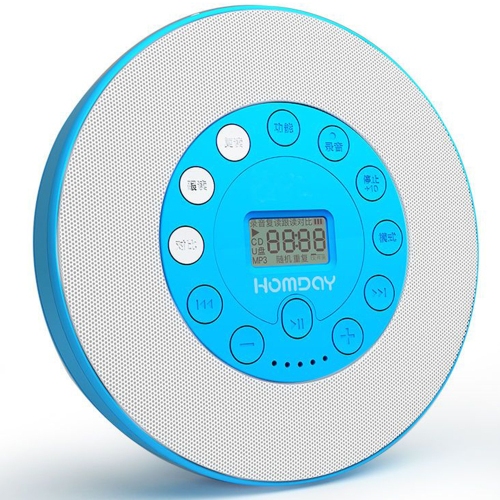
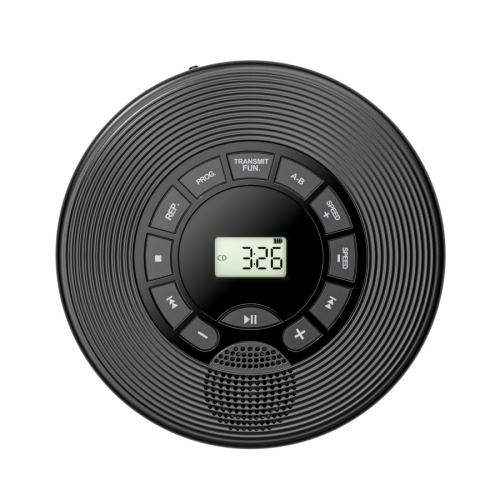
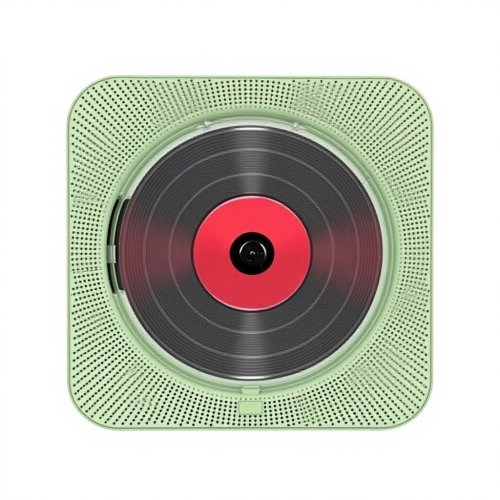
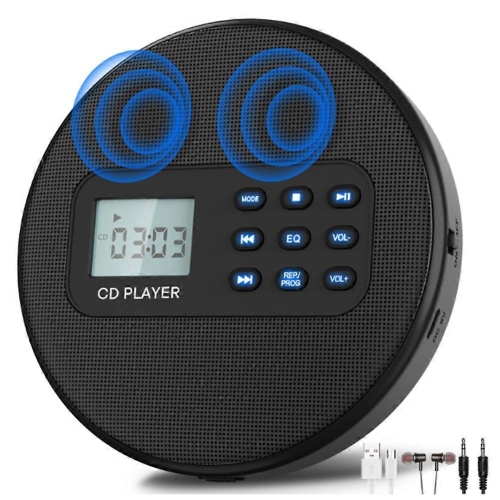
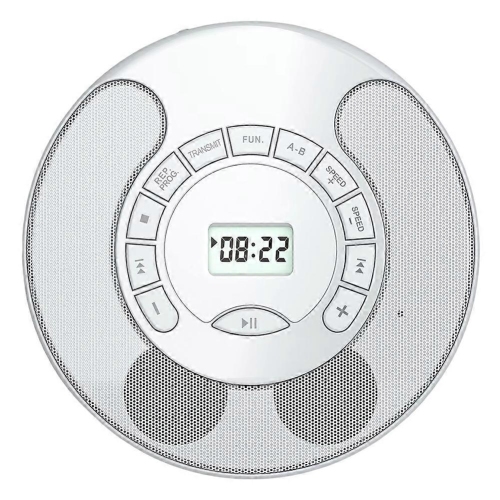
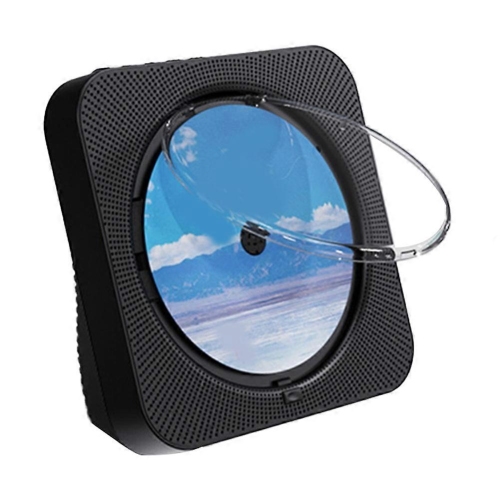
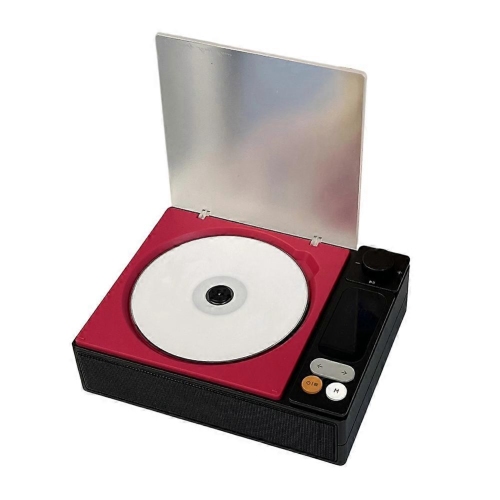
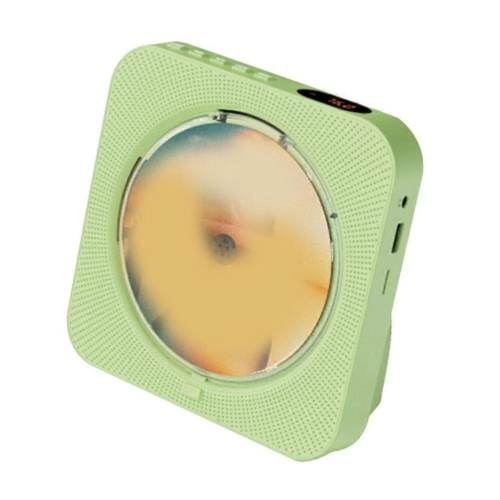
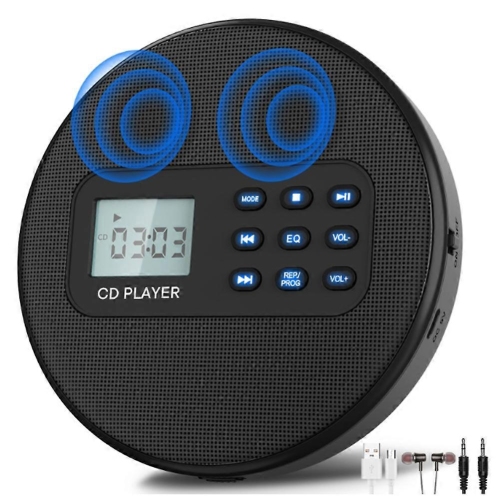
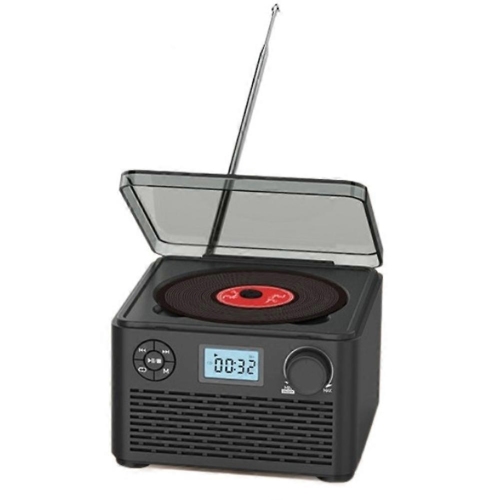
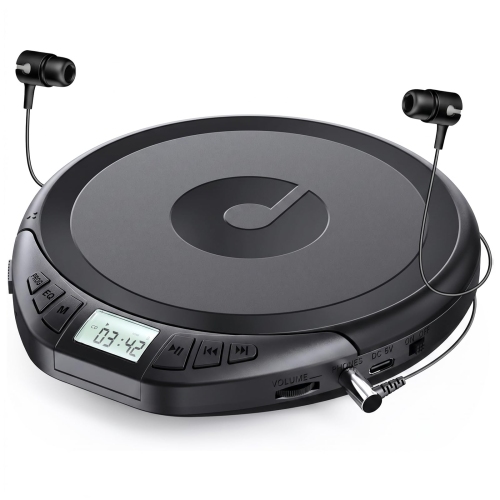
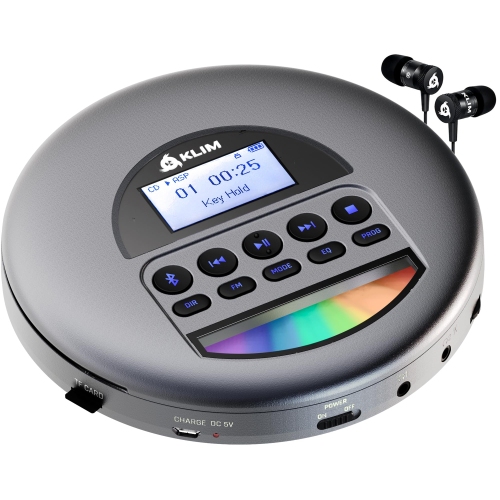
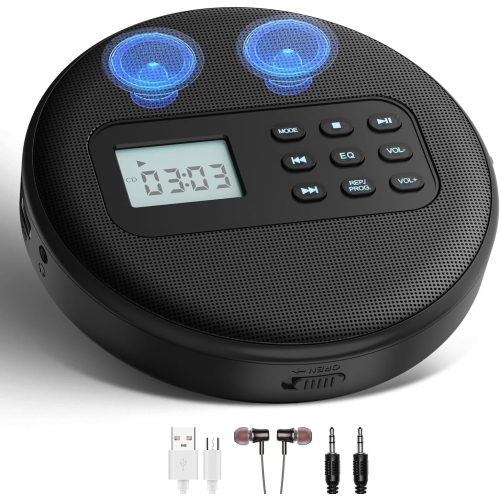
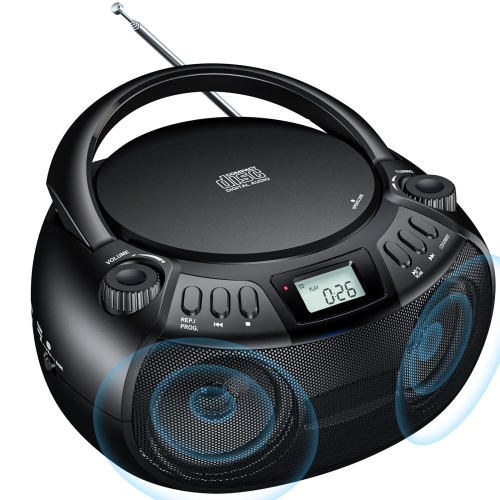
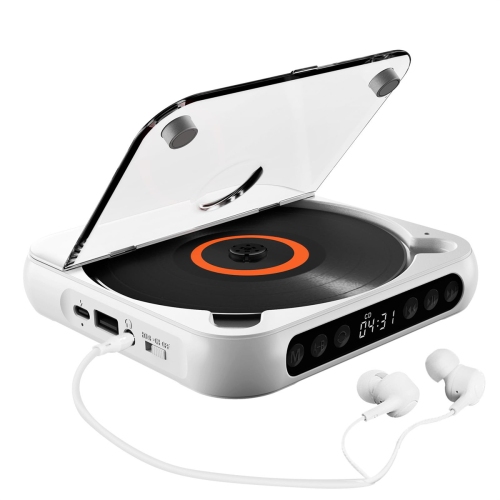
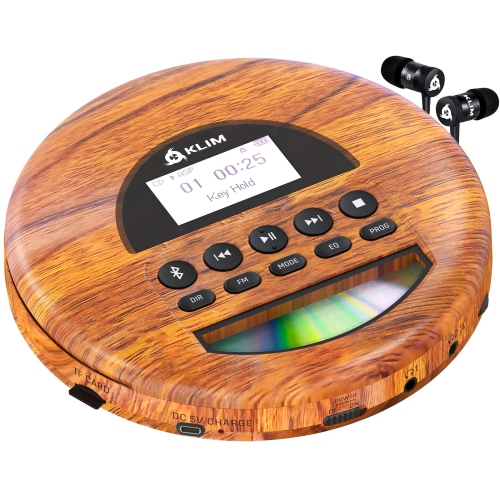
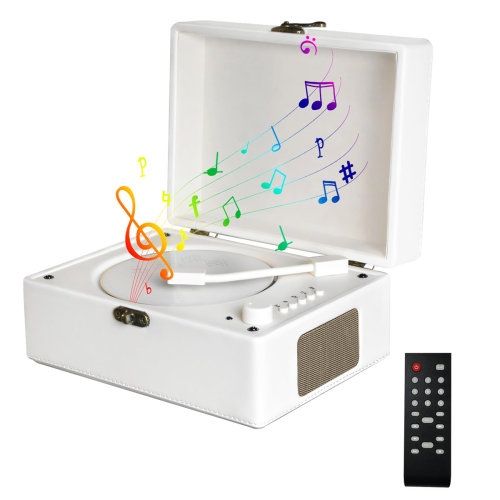
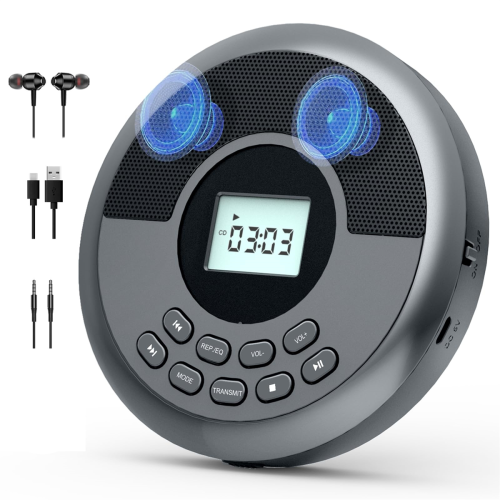
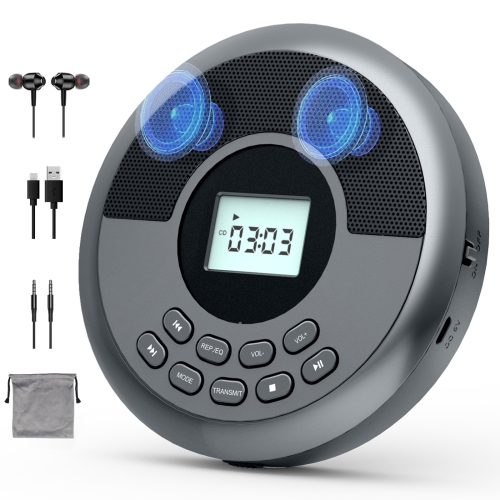
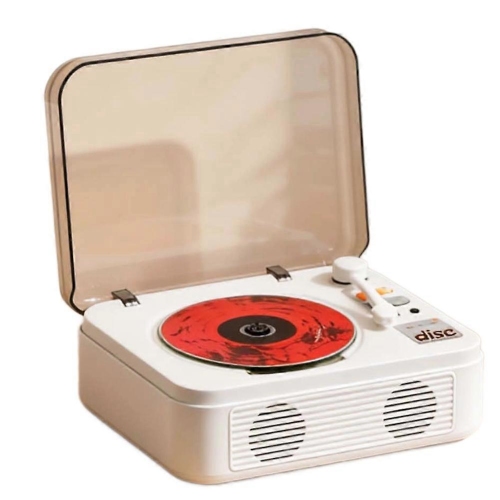
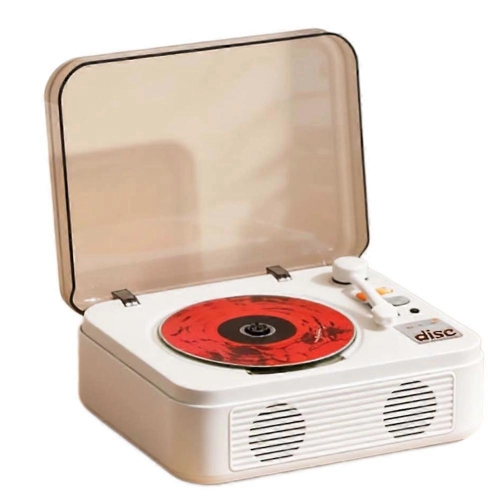
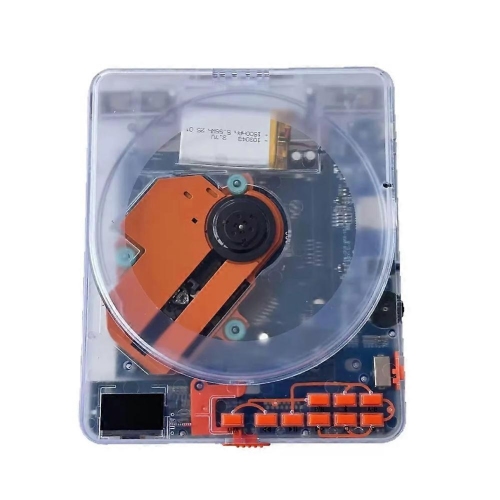
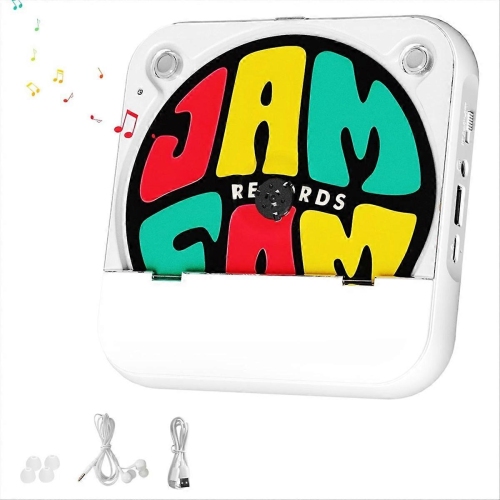
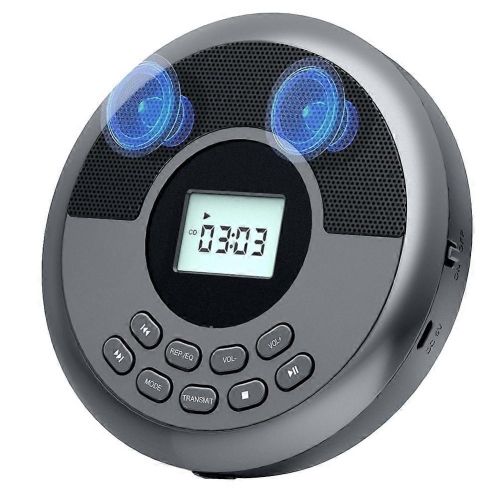
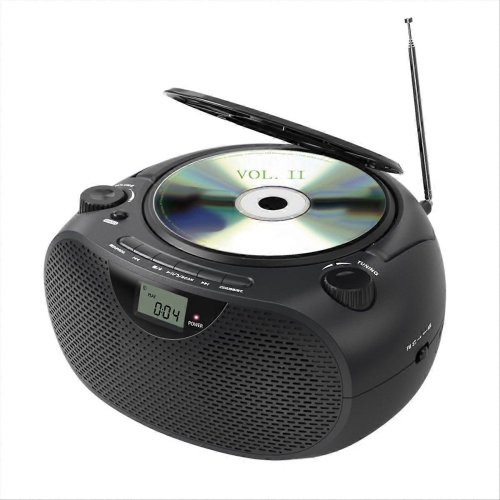
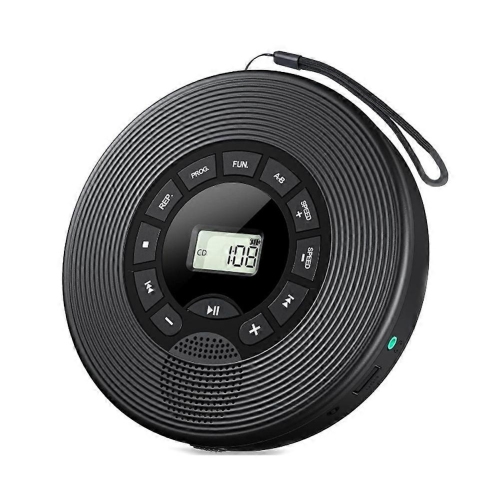
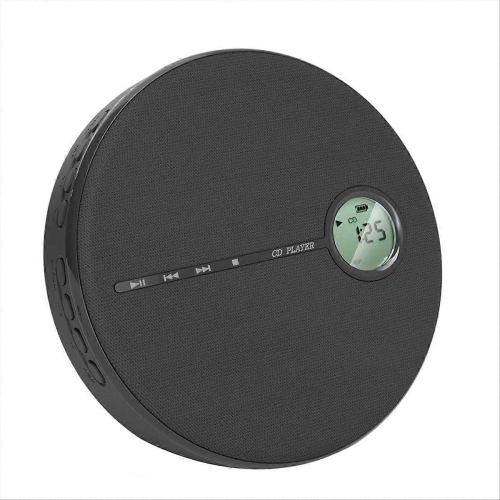
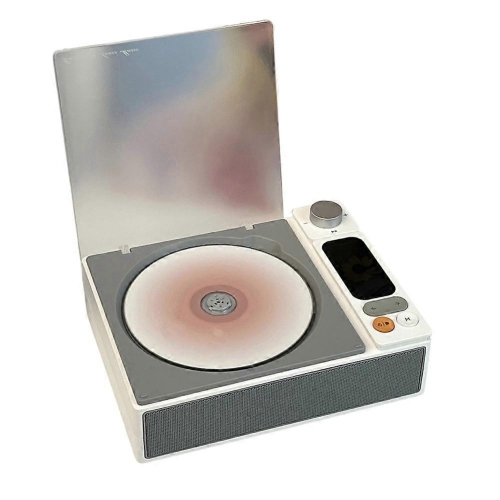
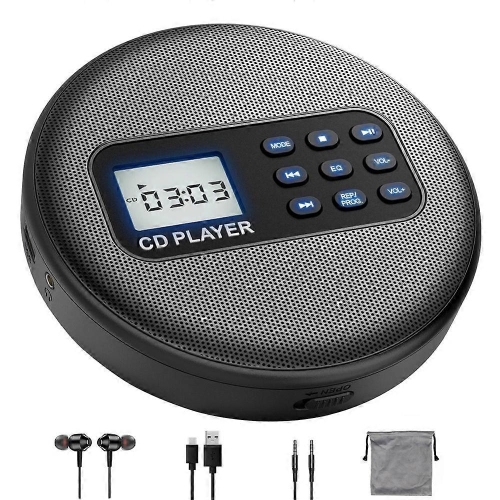
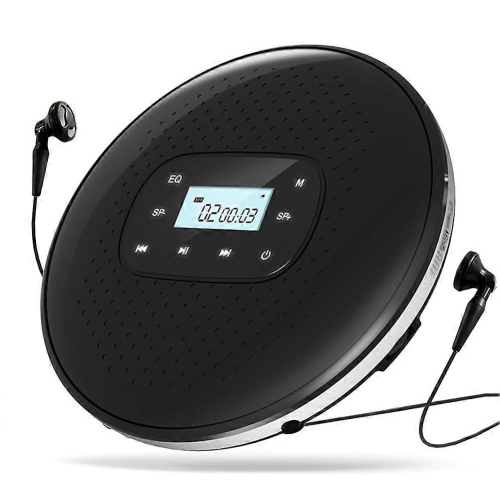
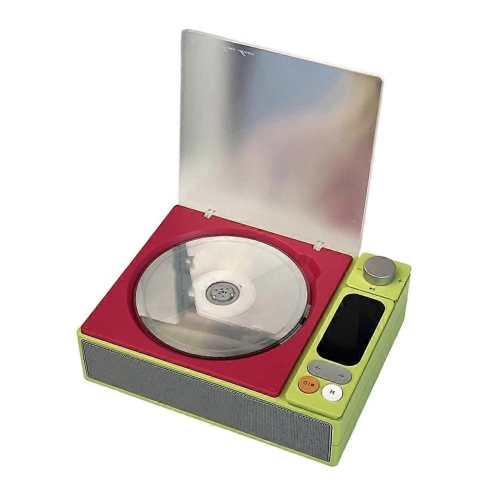
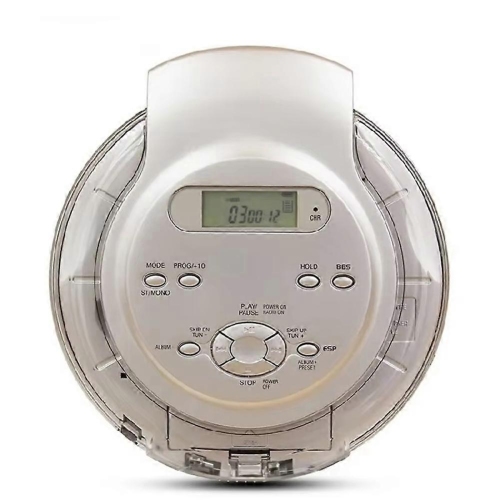
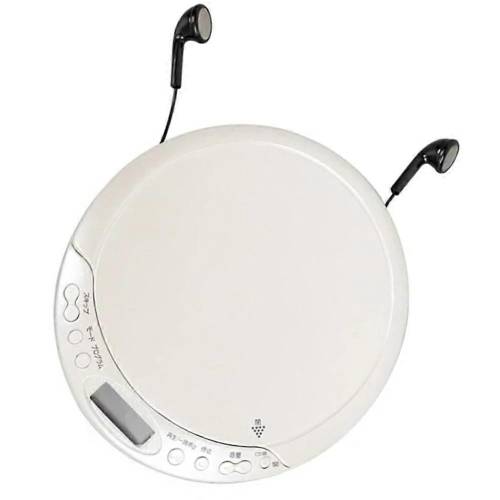
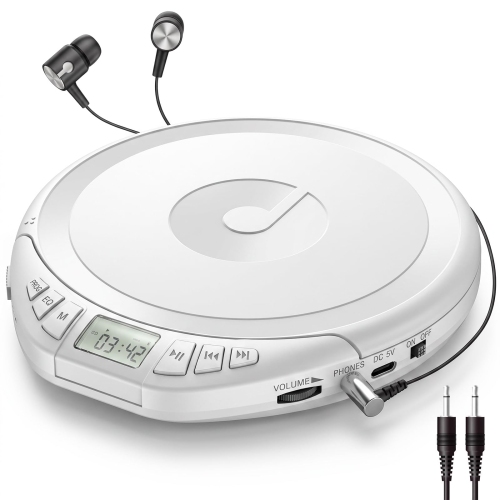
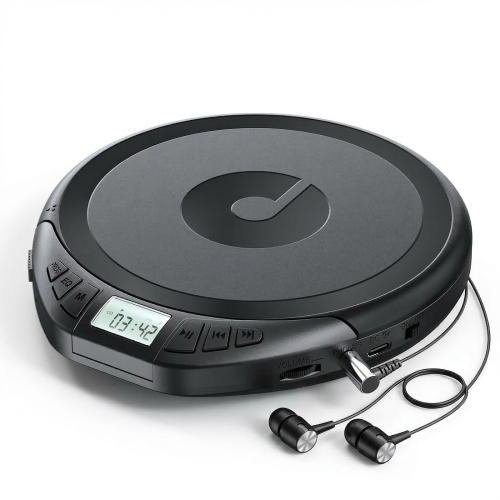
Personal CD players are compact audio devices designed to play compact discs through headphones, making a physical music collection easy to enjoy without relying on a phone, an internet connection, or a streaming subscription. Their appeal is straightforward: open the lid, place a disc on the spindle, close the player, and settle into an album from its opening track to its final notes. For listeners who enjoy liner notes, familiar cover art, and albums heard in their intended order, a portable CD player keeps that experience close at hand. These players suit listening at a desk, relaxing in a favourite chair, travelling as a passenger, or spending quiet time with an audiobook. Standard audio CD playback is the core function, while support for home-recorded CD-R and CD-RW discs varies by model. MP3 CDs require explicit compatibility; a player that accepts ordinary audio CDs does not necessarily read discs containing MP3 files. Track search, repeat playback, shuffle, and programmable track sequences offer different ways to enjoy a collection, although the controls and supported functions differ between players. For spoken-word recordings, a resume function can be especially useful when it retains a listening position after playback stops. Anti-skip protection is another important distinction for portable use. It temporarily stores audio in memory so brief movement does not immediately interrupt the sound, but it cannot guarantee uninterrupted playback during sustained jolting or compensate for a badly damaged disc. A player resting on a stable surface generally gives the disc mechanism an easier job than one moving loosely inside a bag. Portability also depends on the shape of the housing, the placement of the buttons, and how securely the lid closes. A slim design may slip comfortably into a small carrying pouch, while larger, clearly marked controls can be easier to operate by touch. A readable display makes track numbers, playback status, and battery indicators easier to check without repeatedly handling the player.
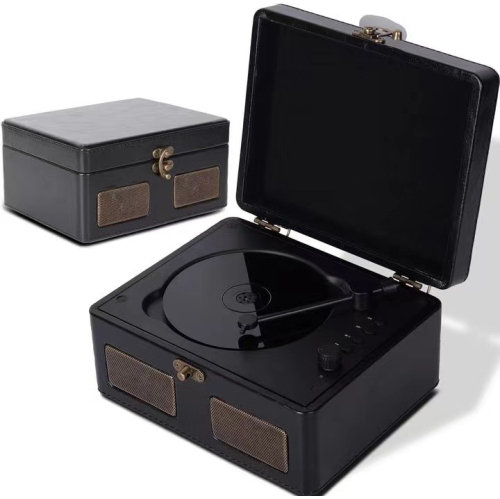
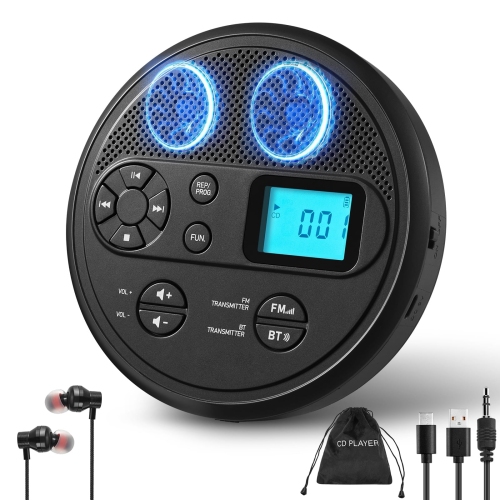
The headphone connection helps determine how a personal CD player fits into everyday listening. A 3.5 mm headphone jack provides a direct wired connection to compatible earbuds or headphones, with no wireless pairing step or separate headphone battery to manage. Headphones with USB-C or other digital connectors are not automatically compatible with an analogue headphone socket. Bluetooth-equipped players can offer wireless listening, but the feature needs to support transmitting audio to headphones or a speaker; Bluetooth reception alone serves a different purpose. Wireless compatibility, pairing behaviour, and volume control can vary, so the presence of Bluetooth does not mean every accessory will work in the same way. Wired listening can be particularly convenient at a desk, where a short cable stays within reach, while wireless headphones reduce the chance of catching a cord when moving between nearby seats. Earbuds keep the setup compact, whereas over-ear headphones may feel more comfortable for an entire album or a long audiobook session. Fit matters as much as connection type: earpieces that sit securely and headbands that avoid pressure points make extended listening more comfortable. Moderate listening levels help protect hearing, and awareness of surrounding sounds remains important in shared or public spaces. Some players also provide an output suitable for connection to powered speakers or another audio system, but the correct cable and input must match the devices involved. Power arrangements are equally varied. Personal CD players may use replaceable batteries, a built-in rechargeable battery, or an external power adapter, depending on their design. Replaceable batteries offer a straightforward way to continue listening away from an outlet, while an internal rechargeable battery avoids carrying separate cells. USB-C charging is a feature on some models, not a universal standard, and a charging port does not necessarily support music playback from a USB drive. Battery life depends on factors such as playback volume, wireless use, disc condition, and the player’s settings. Compatible charging equipment and the specified battery type matter more than simply matching the shape of a connector.
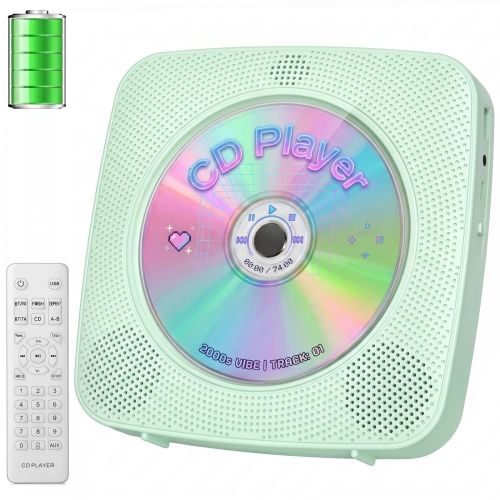
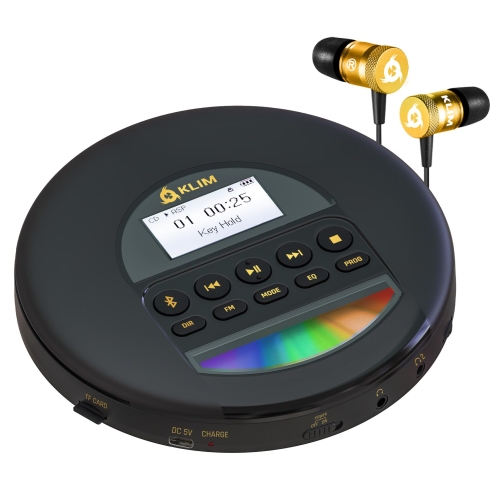
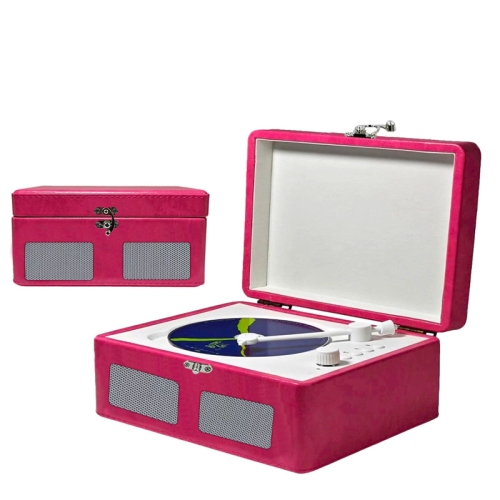
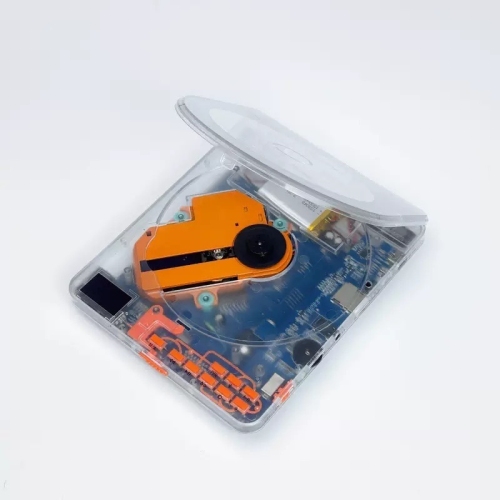
Materials and construction influence how a portable CD player feels in the hand and holds up to repeated use. Plastic housings can keep weight down, while metal panels may provide a more substantial feel; neither material alone establishes how well a player will withstand a fall. The hinge, lid latch, buttons, and headphone socket are frequent contact points, so secure construction in these areas matters for regular handling. A carrying case or padded pouch helps keep the casing from rubbing against keys and other hard objects, and a separate pocket for the headphone cable reduces tangles around the player. Unless water resistance is explicitly specified, keeping liquids away from the housing and connectors is important. Disc care also affects the listening experience. Holding CDs by their edges or centre opening helps keep fingerprints off the playing surface, and returning them to protective cases limits scratches between sessions. When cleaning is needed, a soft, lint-free cloth moved gently from the centre towards the outer edge is preferable to rubbing in circles. The player’s exterior can be wiped according to its care instructions, while the internal mechanism and optical lens should not be handled casually. A disc that skips in the same place repeatedly may need inspection rather than a change to the player’s settings. For gifting, a personal CD player can be a thoughtful match for someone with a shelf of treasured albums, a collection of spoken-word recordings, or a preference for simple, dedicated audio equipment. Familiar controls, a comfortable headphone setup, and a power arrangement that suits the recipient’s routine help make the gift practical. Listeners whose collections extend to tapes may also find Cd Cassette Players relevant alongside disc-only listening options. Whether used for rediscovering an album remembered track by track or enjoying a recording for the first time, a personal CD player offers a focused way to spend time with physical media.
Read More

FAQ

Some products may be subject to Environmental Handling Fees (EHF) depending on your province. Learn more about EHFs.