Apple iPhone Wallet Cases
Apple's iPhone is one of the most popular smartphones on the market, and with good reason. It has a sleek design, a large selection of apps, and a user interface that's easy to navigate. But if you're like many people, you don't want to hide your phone in a bulky case. A wallet case is a perfect solution: it offers protection while keeping your phone's sleek design visible. Here are some of the best wallet cases for Apple's iPhone available today.
Sort


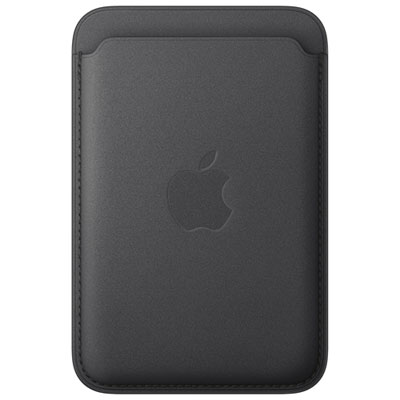

Phone protection and card storage without the extra wallet
Wallet cases bring phone protection and everyday card storage together, creating a compact way to carry the essentials without reaching for a separate wallet at every stop. A payment card, a piece of identification, and a transit pass can sit close to the device used for directions, messages, and appointments. The main styles offer different ways to organize that small collection. Folio wallet cases wrap around the phone like a book, with card slots inside the front cover and, in some designs, a longer pocket for folded notes or receipts. Rear-slot cases keep cards behind the phone in an open sleeve or a compartment with a sliding cover, leaving the screen accessible. Detachable wallet designs let the cardholder separate from the protective shell, which can be useful when placing the phone on a stand or preparing it for wireless charging. A magnetic cardholder is different from a complete wallet case: it adds storage but does not necessarily protect the phone’s edges, screen, or camera. For shoppers comparing these formats, Best iPhone Wallet Cases offers a related selection to explore. Card capacity varies by design, and the stated capacity matters more than how many cards can be squeezed into a pocket. Two or three cards may suit a slim setup, while larger folios can provide extra slots at the expense of thickness. Embossed cards, rigid access badges, and folded cash can take up more room than flat payment cards. A comfortable everyday arrangement leaves enough space to remove a card without tugging hard or stretching the opening. For a commuter tapping through a station, a parent carrying a changing bag, or someone heading out for a short walk, easy access can matter as much as storage volume. Keeping the contents limited also helps a folio close properly and makes a rear compartment less bulky in a trouser pocket.
Fit is the foundation of a useful wallet case. Cases are shaped around a particular phone model, not simply a screen size, so similar-looking devices may still have different camera layouts, button positions, or dimensions. A correctly fitted shell keeps the charging port, speakers, microphones, and controls accessible without pressing against the phone’s edges or obstructing its lenses. Raised edges around the screen and camera can help reduce contact with a flat surface, although the amount of clearance depends on the design and any screen protector fitted to the device. Flexible sides can make installation easier and provide grip, while a firmer back helps the case retain its shape around the card compartment. Drop-protection claims should be considered alongside the stated testing conditions; a wallet flap alone does not establish how well a case will handle an impact. The way a cover closes also affects daily use. A snap, strap, or magnetic tab can keep a folio together in a bag, but an overfilled wallet may prevent that closure from sitting securely. Some covers fold into a stand for video calls or watching a programme at a desk, with stability depending on the support angle and the surface underneath. Magnetic attachment and wireless charging need separate consideration. A wallet that attaches magnetically is not automatically compatible with every phone or case, and a magnetic ring by itself does not establish wireless-charging compatibility. The phone, protective case, wallet attachment, and charger each have their own requirements. Removable cardholders generally need to come off before wireless charging unless the accessory instructions explicitly permit otherwise; payment cards and identification should not sit between the phone and charger. Likewise, tracking features are not standard across wallet cases or magnetic cardholders. Any location function depends on the particular accessory and its supported setup, rather than on the presence of a magnet. These distinctions help separate a straightforward card-carrying case from an accessory with additional electronic features.
Materials influence how a wallet case feels in the hand, how easily it slips into a pocket, and how its appearance changes with use. Leather can soften and develop a patina, with colour variation and small marks becoming part of its finish. Synthetic leather offers a similar covered look, though its resistance to peeling and wear depends on its construction and care. Fabric-covered designs add texture, while flexible polymers and rigid plastics can provide a wipeable surface around buttons and corners. Stitching, reinforced slot openings, and neatly finished edges deserve attention because card removal puts repeated strain on those areas. A lining helps separate the phone from the shell, but grit trapped inside can still leave marks, making occasional removal and gentle cleaning worthwhile. Care should follow the material’s instructions: a soft, slightly damp cloth may suit some surfaces, whereas leather may require a suitable specialist cleaner. Excess moisture, harsh solvents, and abrasive scrubbing can damage finishes, adhesives, or linings. Letting the case dry fully before replacing the phone helps keep moisture out of enclosed spaces. Everyday handling matters, too. Pulling cards straight out rather than levering them sideways helps preserve the slot shape, and keeping coins or keys out of card pockets avoids unnecessary pressure against the phone. Some wallet cases include RFID-blocking material intended to limit contactless reading of supported cards, but that feature is not universal and may require removing a transit or access card before tapping it. Carrying the phone and cards together also concentrates essentials in one place, so a modest card selection and a separate backup payment method can be practical for travel. As a gift, a wallet case suits someone who prefers a lighter everyday carry, provided the exact phone model and preferred case style are known. A slim rear-slot design may appeal to someone who frequently uses the phone one-handed, while a folio may better suit someone who values a covered screen and clearly separated card slots. The most useful design balances that person’s habits with a secure fit, manageable weight, and card access that remains comfortable throughout the day.
Top selling and popular products
-
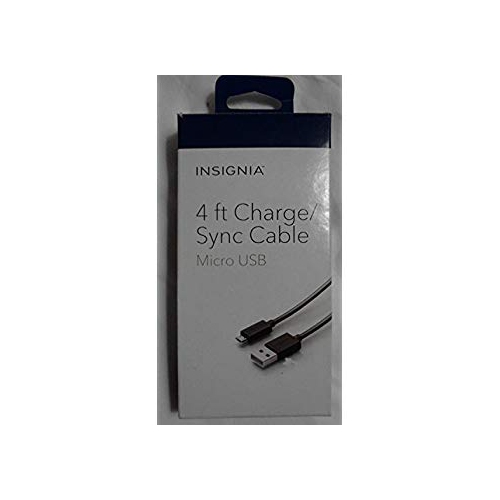 Your price for this item is $0.99
-
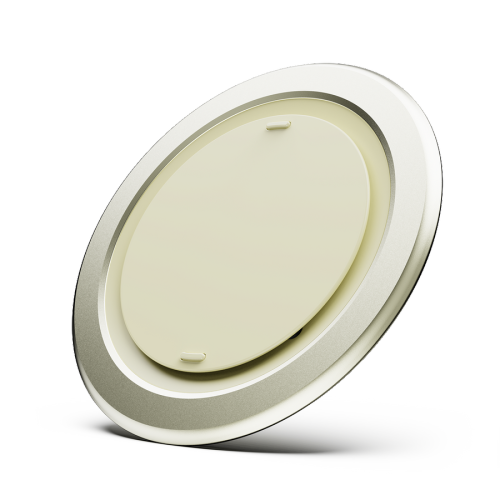 Your price for this item is $34.99
-
 Your price for this item is $59.49
-
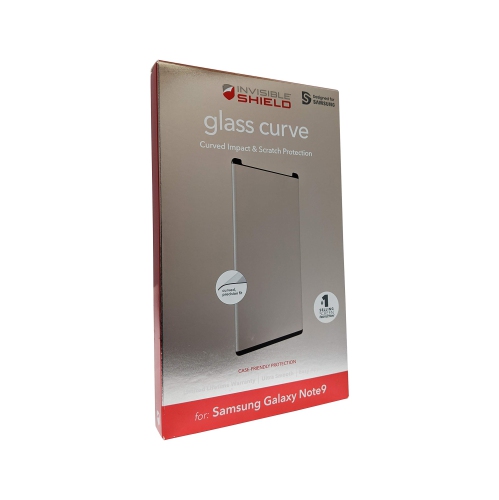 Your price for this item is $40.49
-
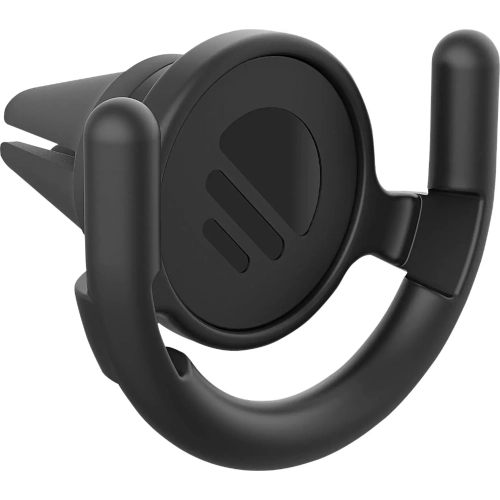 Your price for this item is $49.99
-
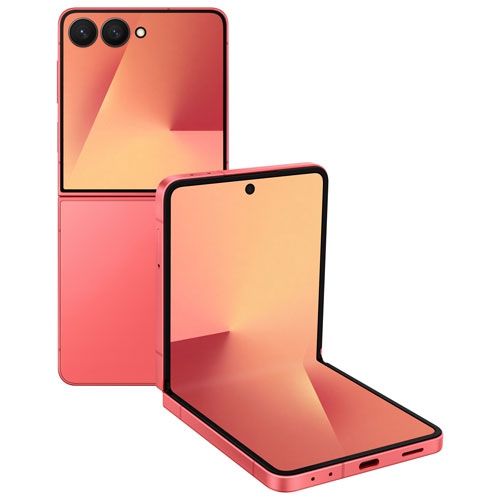 Your price for this item is $1099
-
 Your price for this item is $79.99
-
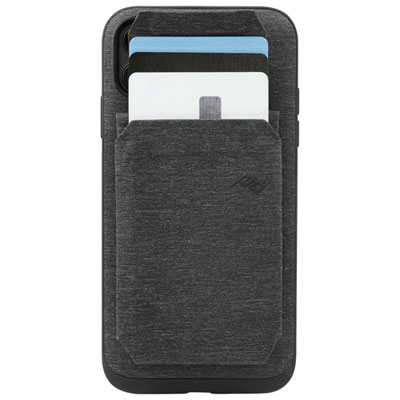 Your price for this item is $69.99
Discover more categories related to Apple iPhone Wallet Cases
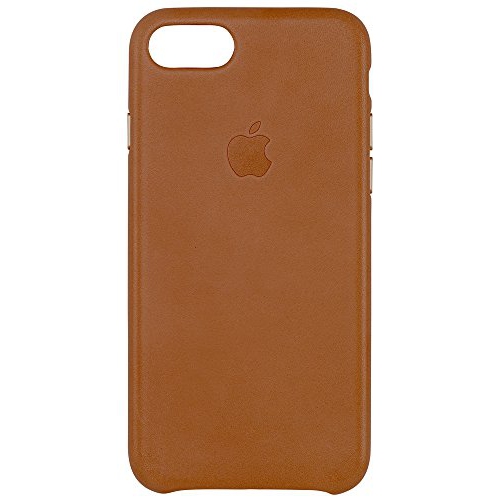


Top Collections:
Pokemon Centers, Kindle Devices, Best Cameras for Sports Photography, Samsung Galaxy Phones, Laptops for Business Work, Canon G7X Cameras, Pokémon 30th Celebration Cards, Refurbished Apple Laptops, iPhone 15 Apple, Cordless Dyson Vacuums
Some products may be subject to Environmental Handling Fees
(EHF) depending on your province.
Learn more about EHFs.