Water Resistant Phone Cases
Water-resistant phone cases are designed to protect your smartphone from the occasional splash or water damage. If you're looking for a case that will protect your phone from most of the elements, look no further. Here are some of the best water-resistant phone cases.
Sort

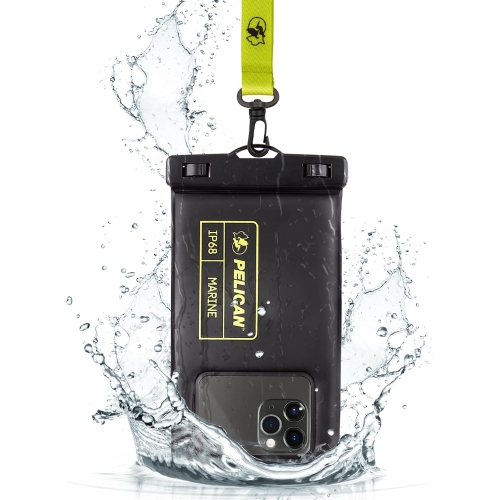
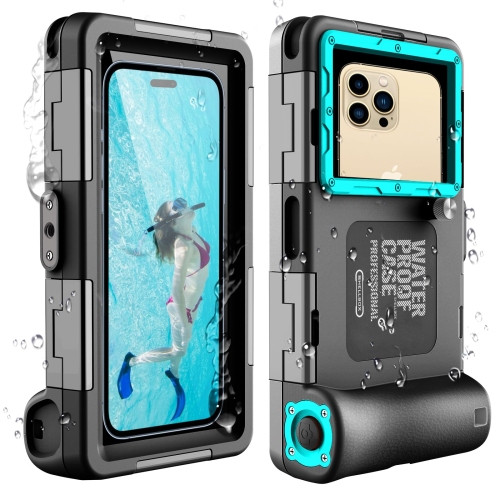
![LAMICALL Waterproof Phone Pouch Case - 2 Pack [8.3In Lager Size] Ipx8 Water Proof [Easy Lock & Heavy Duty] Cell Phone Dry Bag for Iphone 14 15 16 17](https://multimedia.bbycastatic.ca/multimedia/products/500x500/197/19749/19749224.jpeg)
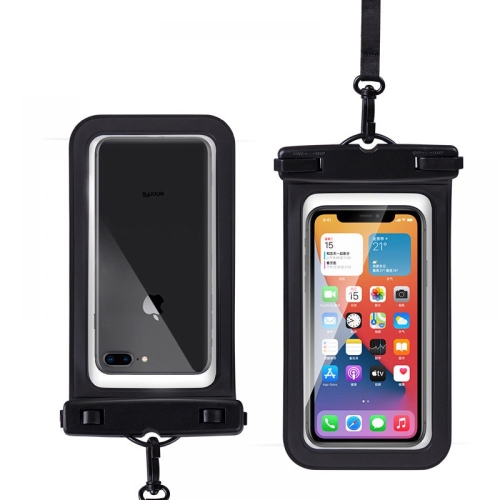
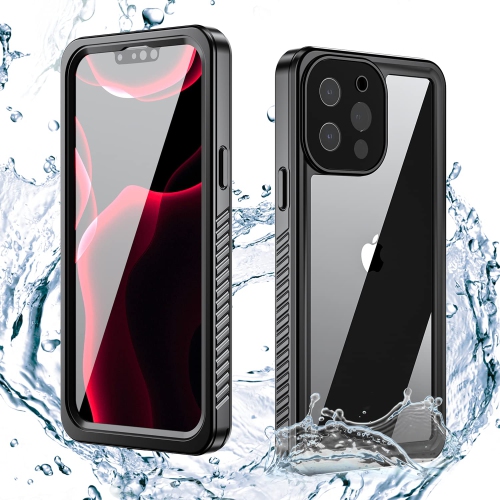
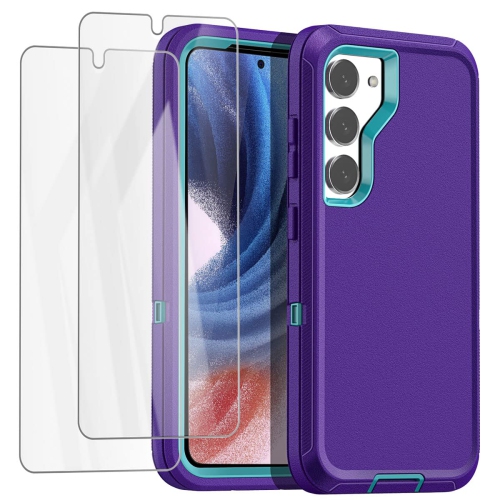
Why splash protection does not guarantee submersion protection
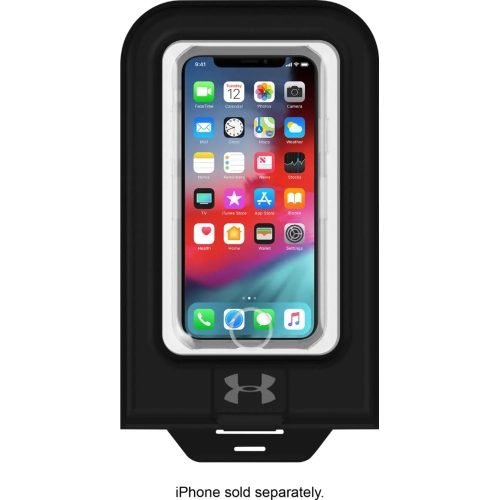
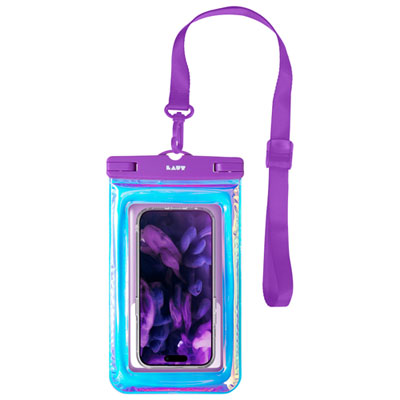
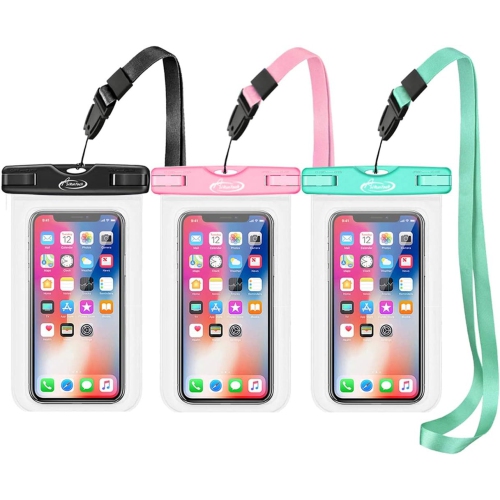
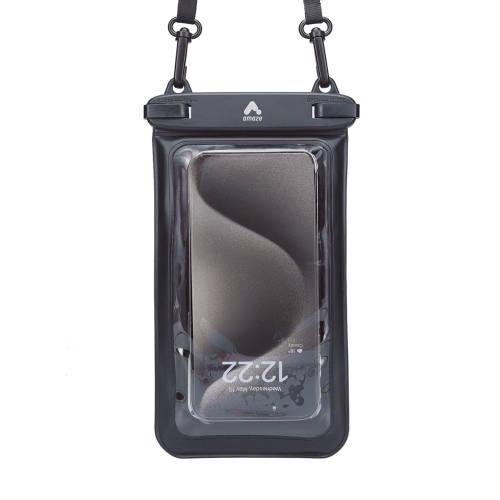
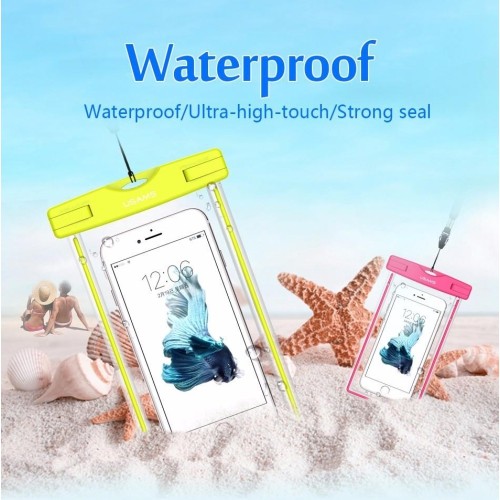
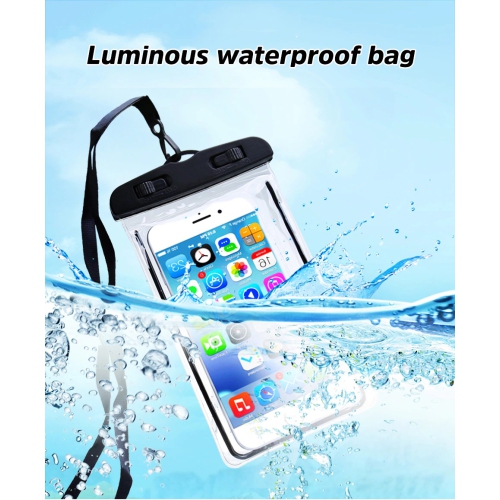
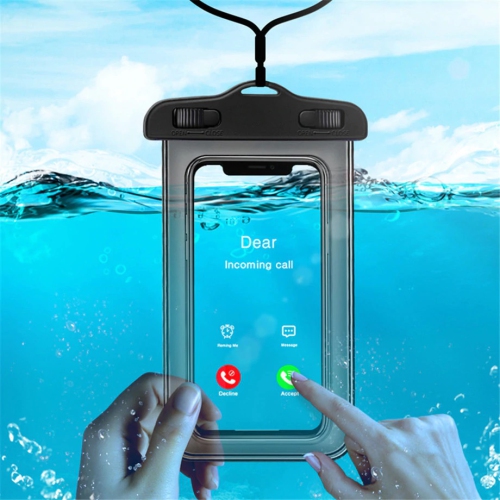
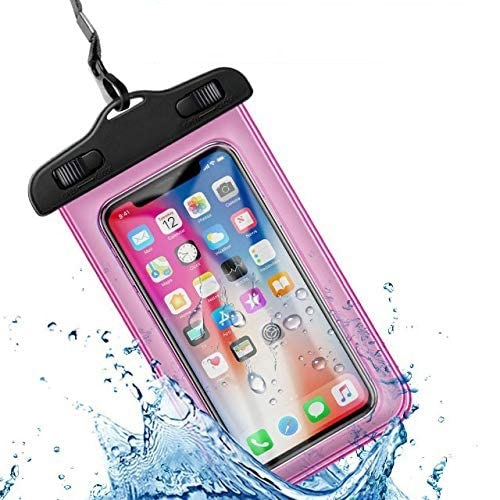
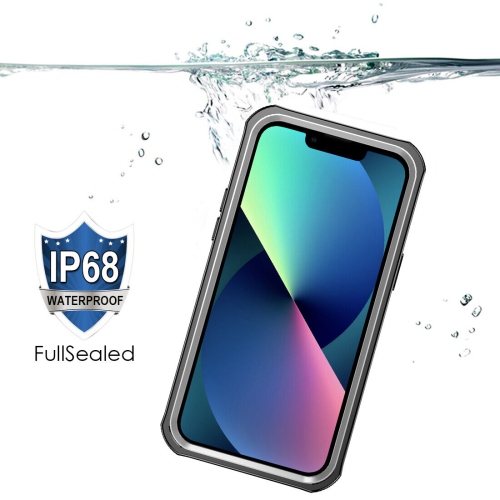
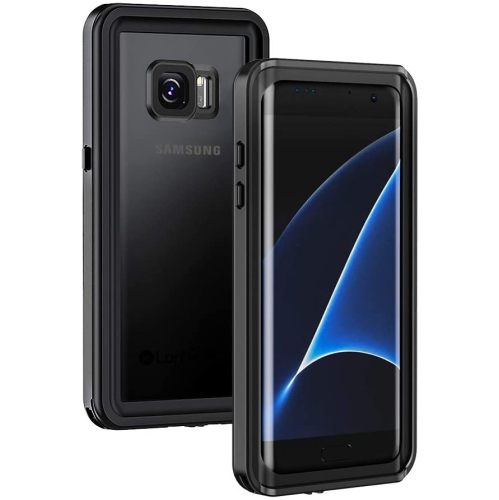
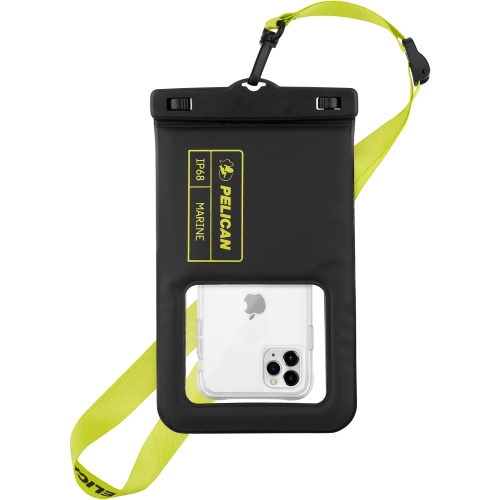
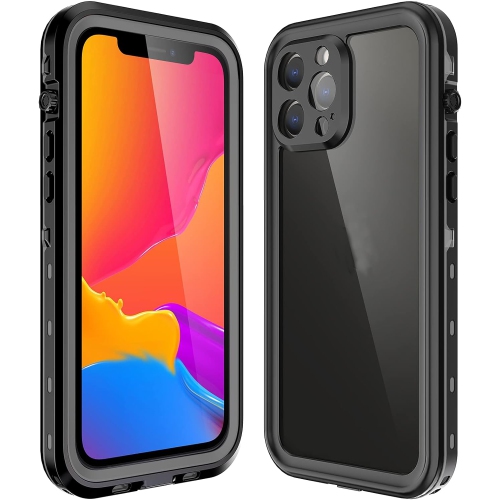
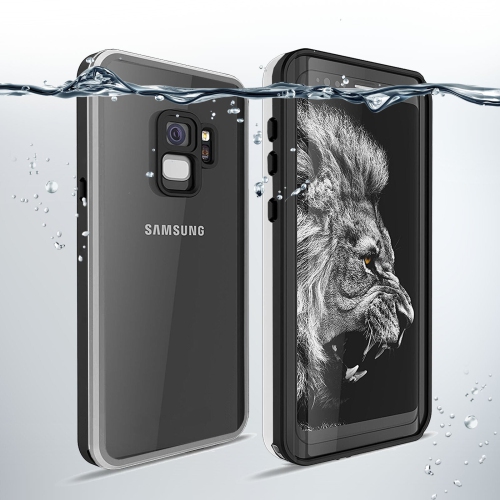
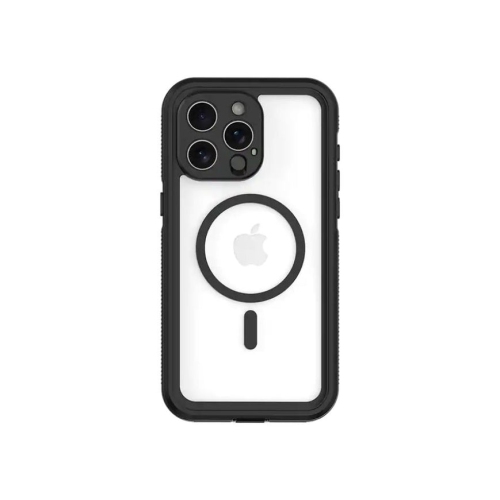
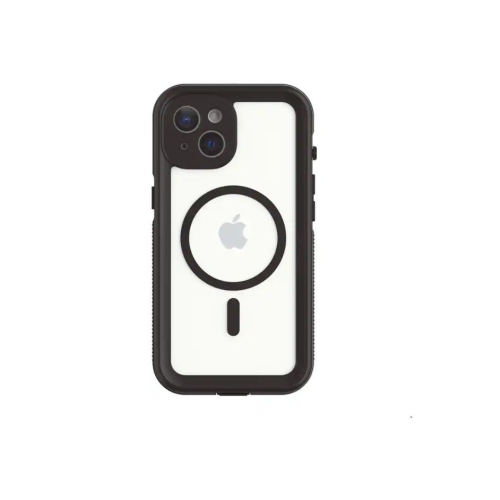
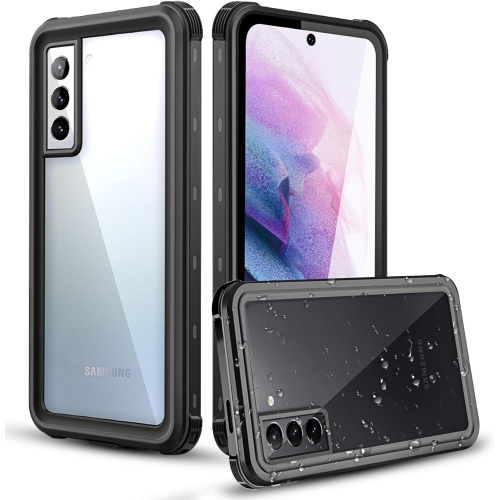
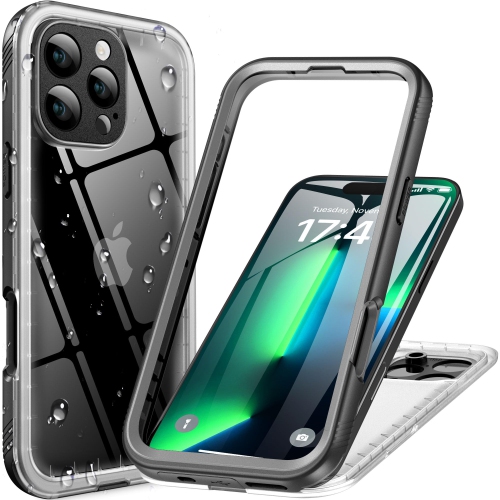
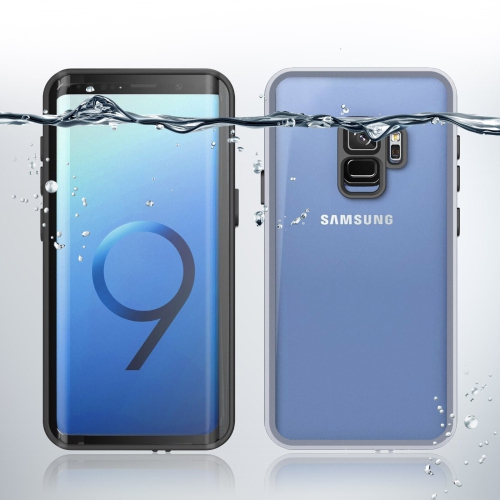
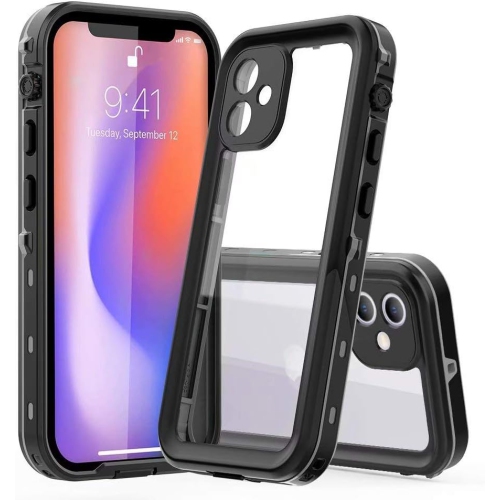
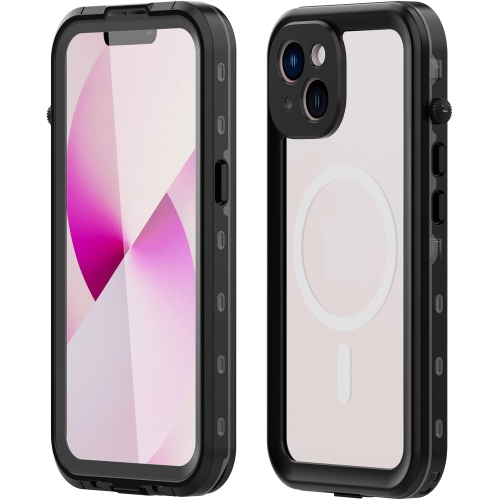
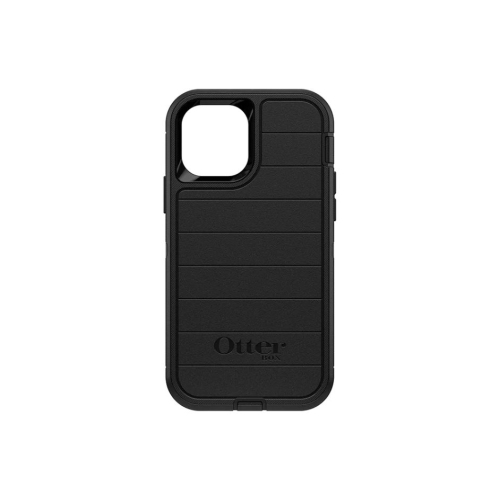
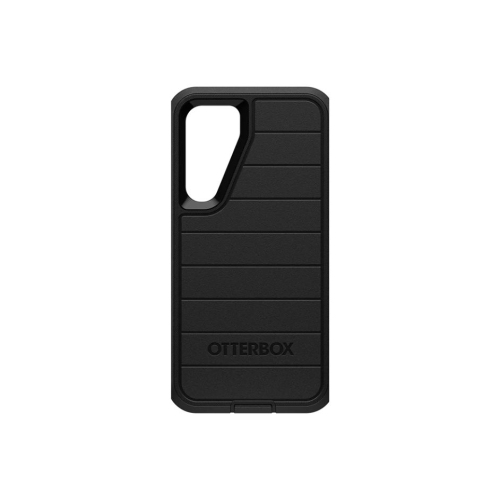
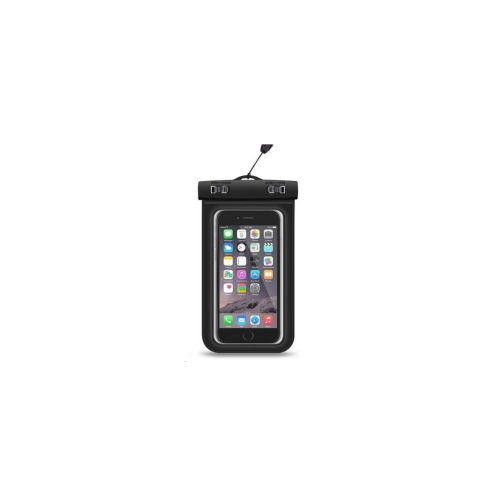
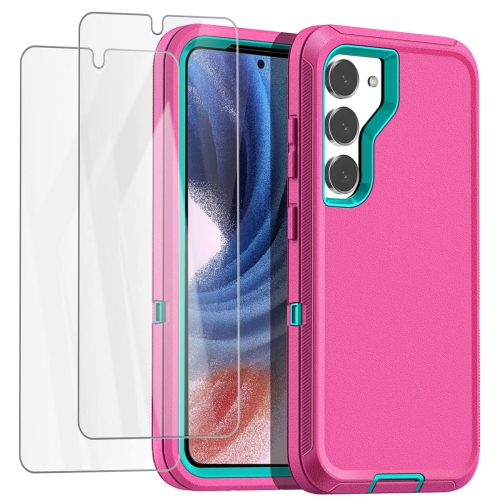
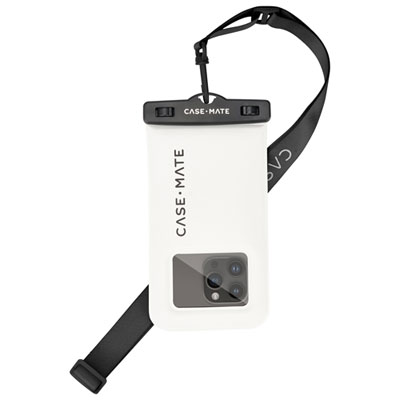
Water-resistant phone cases add a barrier between a smartphone and water, helping protect it from incidental splashes when used within the case manufacturer’s stated limits. The category includes fitted cases that follow a phone’s contours and sealed pouches that enclose the entire device behind a transparent window. These designs suit different routines, from keeping a phone beside a pool to carrying it on a paddleboard or using it near a sink. Water resistance does not automatically mean a case can withstand submersion, and the terms water-resistant and waterproof are not interchangeable guarantees. Protection depends on the enclosure’s construction, its seals, and the conditions under which it was tested. An ingress protection rating, often called an IP rating, offers useful context when it is provided. In an IP code, the first character describes protection against solid particles, while the second describes protection against water; an X means a rating is not specified for that part of the code. IPX7 generally indicates testing for temporary immersion at up to one metre for 30 minutes, while IPX8 indicates immersion under conditions specified by the manufacturer. IP68 also includes a dust-tight rating, but its water depth and duration limits still need to be checked. None of these ratings should be treated as permission for unrestricted swimming, diving, or exposure to forceful water jets. Pool chemicals, soap, and salt water can also present conditions beyond a case’s stated testing. For shoppers comparing enclosures intended for immersion, Waterproof Phone Covers provides a related category to explore alongside each enclosure’s specifications. The most suitable protection matches the activity: a splash-resistant design may suit a kitchen counter, whereas a phone carried in a kayak needs protection appropriate to the possibility of a drop into the water. A phone’s own water-resistance rating does not extend the case’s stated capabilities or make seal checks unnecessary.
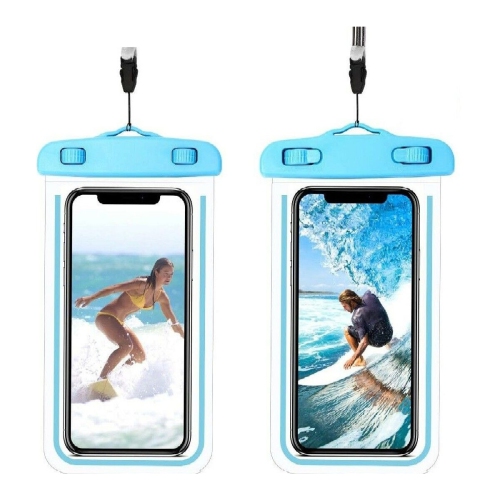
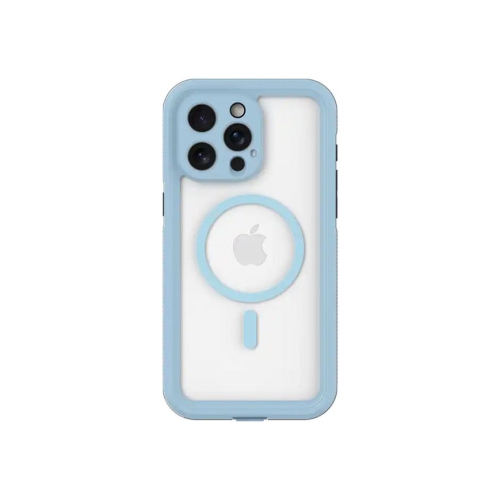
Materials and fit shape how a water-resistant phone case feels in daily use as much as how it protects. Rigid polycarbonate shells can provide structure, while flexible thermoplastic polyurethane, commonly called TPU, can add grip and cushioning around edges. Some enclosures combine a firm frame with silicone gaskets or other sealing components, creating a closure that must sit evenly to work as intended. Soft pouches may use flexible plastic films and locking closures, leaving room for different phone sizes without requiring a model-specific shell. That flexibility makes internal dimensions important: screen size alone does not establish whether a phone will fit, particularly when it already has a case, a raised camera module, or an attached grip. A fitted design needs to match the exact phone model so its buttons, camera openings, speakers, and charging connections line up correctly. Extra layers, including some screen protectors, can interfere with fit or touch response in tightly enclosed designs. Clear front and rear panels allow access to the screen and cameras, but their clarity, thickness, and position can affect typing, facial recognition, and photos. Touchscreens may respond poorly when either the window or the user’s fingers are wet, and underwater touch operation should not be assumed. Physical button access can therefore matter for taking pictures or adjusting volume, provided the manufacturer permits those functions during the intended activity. Covered microphones and speakers can also change call quality or playback volume. Wireless charging, magnetic attachments, and cable access are separate compatibility details rather than standard features of every water-resistant enclosure. For someone checking a map between paddle strokes or keeping a phone accessible during a poolside visit, a secure grip and readable screen may matter more than a slim profile. Colour, texture, and strap placement add practical differences, too: a bright pouch can be easier to spot among towels, while a textured frame may feel steadier in a damp hand. Clear windows should remain smooth enough that creases or cloudy patches do not obscure the display.
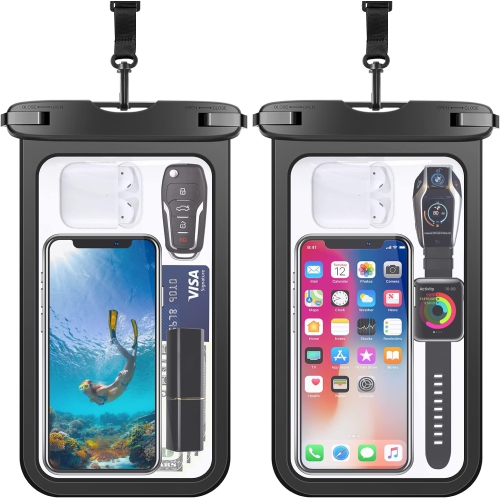
Durability depends on both the case’s construction and the attention given to its closures over time. A sturdy-looking enclosure is not necessarily drop-rated, just as a protective bumper is not necessarily sealed against water. Separate claims for impact protection, water resistance, and flotation help distinguish what a design is intended to do. Floating pouches can offer added reassurance around water, but buoyancy depends on the supported weight and the contents inside; a phone plus cards, keys, or other extras may exceed the stated limit. A wrist strap or lanyard can make carrying easier where appropriate, although its attachment points need inspection and loose straps should be kept away from moving equipment. Before water exposure, a clean sealing surface matters more than a closure that merely looks shut. A strand of hair, a grain of sand, or a twisted gasket can prevent a proper seal. Following the manufacturer’s empty-case leak-test procedure before inserting the phone can help reveal a closure problem without putting the device at risk. After use, cleaning should follow the material-specific instructions, especially after contact with pool water or salt water. Where rinsing is permitted, the case should remain securely closed until its exterior is clean and dry enough to open without carrying droplets inside. Charging ports and the phone itself must be dry before a cable is connected. Gentle cleaning with a soft cloth helps preserve transparent panels, while harsh cleaners and abrasive scrubbing can damage surfaces or seals. Cracks, stretched closures, peeling seams, and stiff or distorted gaskets are signs that protection may be compromised. For travellers, paddlers, caregivers managing splash-filled bath routines, or anyone who regularly handles a phone near water, these details make the difference between a case that fits a routine and one that adds frustration. As a gift, a water-resistant phone case is most useful when the recipient’s phone dimensions and intended activities are known. A comfortable fit, straightforward closure, and clearly stated protection limits give it practical value well beyond its appearance.
Materials and fit shape how a water-resistant phone case feels in daily use as much as how it protects. Rigid polycarbonate shells can provide structure, while flexible thermoplastic polyurethane, commonly called TPU, can add grip and cushioning around edges. Some enclosures combine a firm frame with silicone gaskets or other sealing components, creating a closure that must sit evenly to work as intended. Soft pouches may use flexible plastic films and locking closures, leaving room for different phone sizes without requiring a model-specific shell. That flexibility makes internal dimensions important: screen size alone does not establish whether a phone will fit, particularly when it already has a case, a raised camera module, or an attached grip. A fitted design needs to match the exact phone model so its buttons, camera openings, speakers, and charging connections line up correctly. Extra layers, including some screen protectors, can interfere with fit or touch response in tightly enclosed designs. Clear front and rear panels allow access to the screen and cameras, but their clarity, thickness, and position can affect typing, facial recognition, and photos. Touchscreens may respond poorly when either the window or the user’s fingers are wet, and underwater touch operation should not be assumed. Physical button access can therefore matter for taking pictures or adjusting volume, provided the manufacturer permits those functions during the intended activity. Covered microphones and speakers can also change call quality or playback volume. Wireless charging, magnetic attachments, and cable access are separate compatibility details rather than standard features of every water-resistant enclosure. For someone checking a map between paddle strokes or keeping a phone accessible during a poolside visit, a secure grip and readable screen may matter more than a slim profile. Colour, texture, and strap placement add practical differences, too: a bright pouch can be easier to spot among towels, while a textured frame may feel steadier in a damp hand. Clear windows should remain smooth enough that creases or cloudy patches do not obscure the display.
Durability depends on both the case’s construction and the attention given to its closures over time. A sturdy-looking enclosure is not necessarily drop-rated, just as a protective bumper is not necessarily sealed against water. Separate claims for impact protection, water resistance, and flotation help distinguish what a design is intended to do. Floating pouches can offer added reassurance around water, but buoyancy depends on the supported weight and the contents inside; a phone plus cards, keys, or other extras may exceed the stated limit. A wrist strap or lanyard can make carrying easier where appropriate, although its attachment points need inspection and loose straps should be kept away from moving equipment. Before water exposure, a clean sealing surface matters more than a closure that merely looks shut. A strand of hair, a grain of sand, or a twisted gasket can prevent a proper seal. Following the manufacturer’s empty-case leak-test procedure before inserting the phone can help reveal a closure problem without putting the device at risk. After use, cleaning should follow the material-specific instructions, especially after contact with pool water or salt water. Where rinsing is permitted, the case should remain securely closed until its exterior is clean and dry enough to open without carrying droplets inside. Charging ports and the phone itself must be dry before a cable is connected. Gentle cleaning with a soft cloth helps preserve transparent panels, while harsh cleaners and abrasive scrubbing can damage surfaces or seals. Cracks, stretched closures, peeling seams, and stiff or distorted gaskets are signs that protection may be compromised. For travellers, paddlers, caregivers managing splash-filled bath routines, or anyone who regularly handles a phone near water, these details make the difference between a case that fits a routine and one that adds frustration. As a gift, a water-resistant phone case is most useful when the recipient’s phone dimensions and intended activities are known. A comfortable fit, straightforward closure, and clearly stated protection limits give it practical value well beyond its appearance.
Top selling and popular products
-
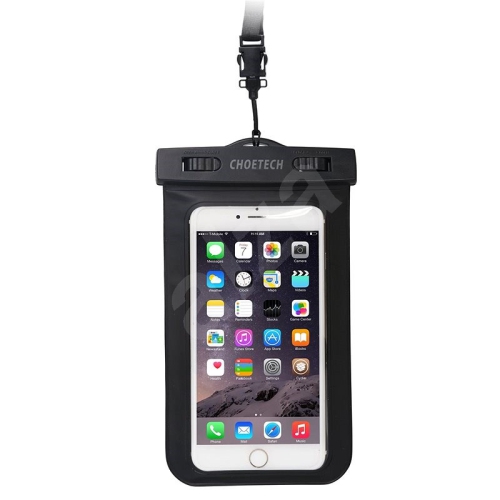 Your price for this item is $59.83
 -
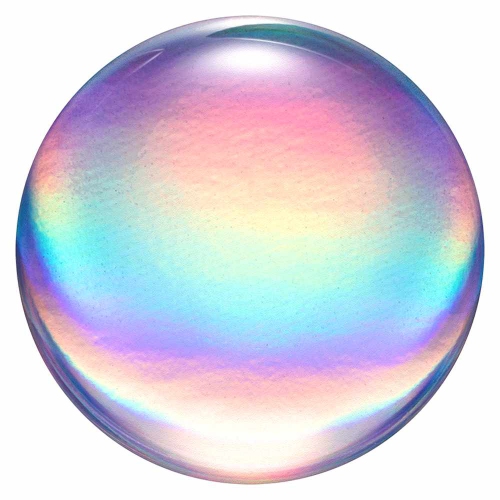 Your price for this item is $39.99
 -
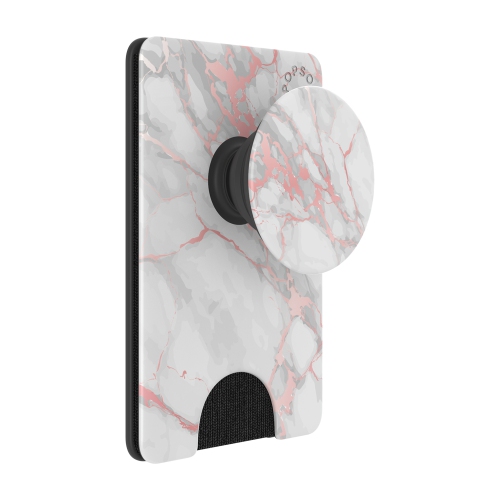 Your price for this item is $49.99
 -
 Your price for this item is $43
 -
 Your price for this item is $19.95
 -
 Your price for this item is $34.95
 -
 Your price for this item is $94.49
 -
 Your price for this item is $34.95
Discover more categories related to Water Resistant Phone Cases
Top Collections:
Pokemon Centers, Kindle Devices, Best Budget Office Chairs, Apple iPhones 16, Best Laptops for Writers, iPhone 15 Apple, Canon G7X Cameras, Refurbished Apple Laptops, Alarm Clock, Motorola Razr Phones
Some products may be subject to Environmental Handling Fees
(EHF) depending on your province.
Learn more about EHFs.