Waterproof Cases
Protect your valuable electronics from water damage with our selection of waterproof cases. Whether you're heading to the beach, going on a hiking adventure, or simply want peace of mind during unexpected downpours, these cases are designed to keep your devices safe and dry. With a variety of sizes and styles available, you can find the perfect waterproof case to fit your phone, tablet, camera, or other electronic gadgets. Don't let water ruin your day - explore our range of waterproof cases today and keep your devices protected wherever you go.
Sort
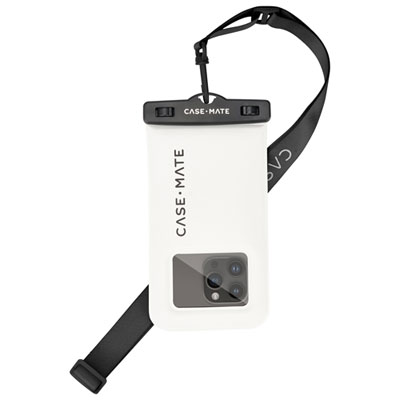
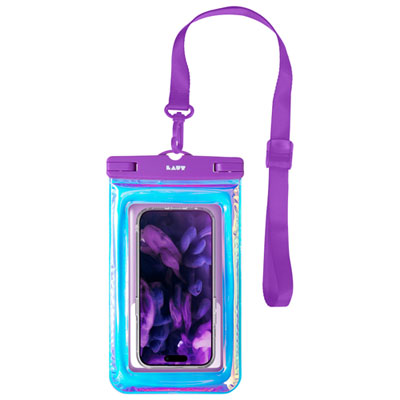
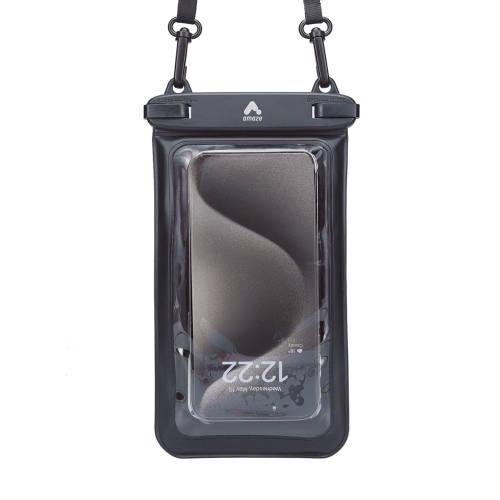
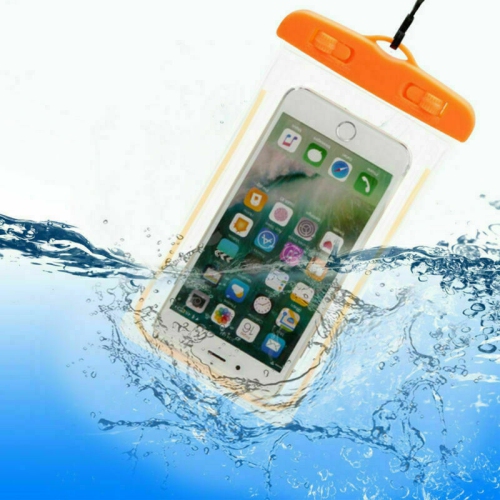
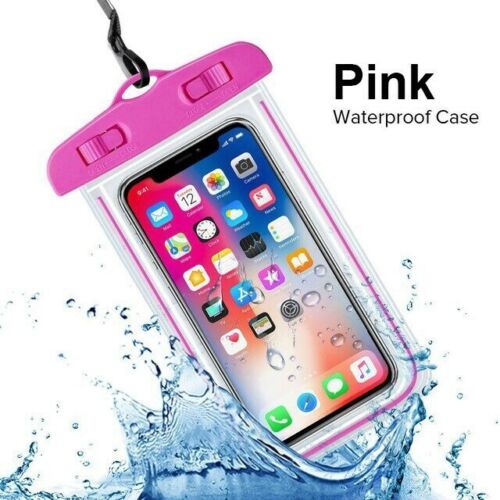
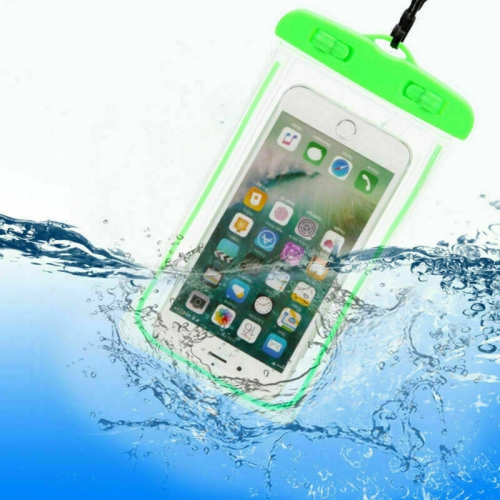
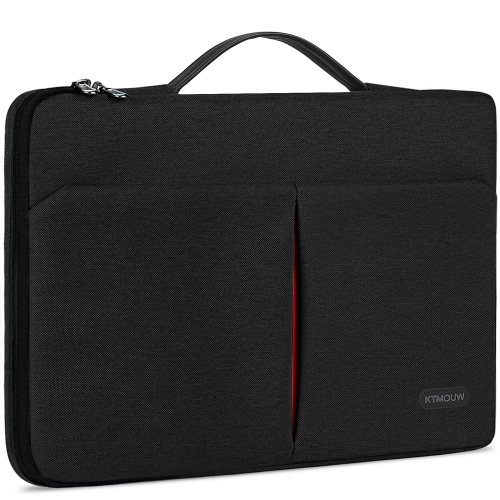
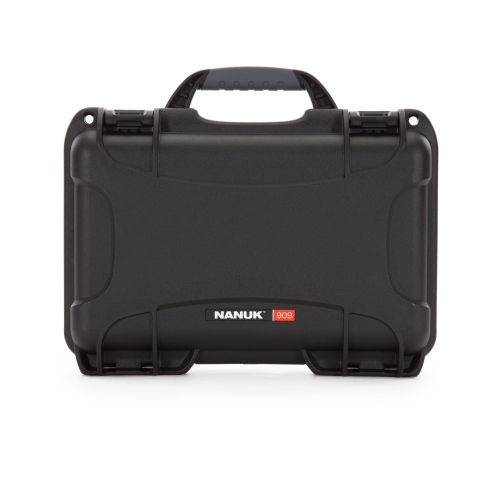
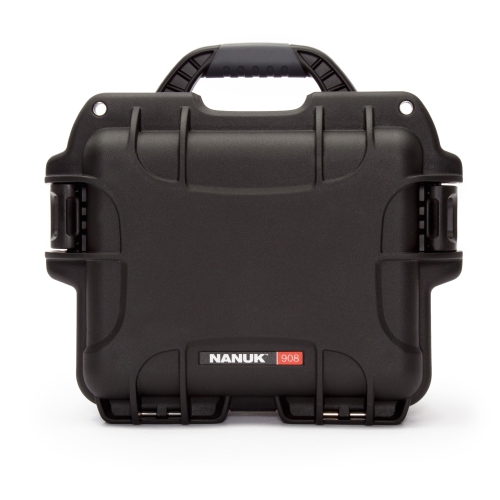
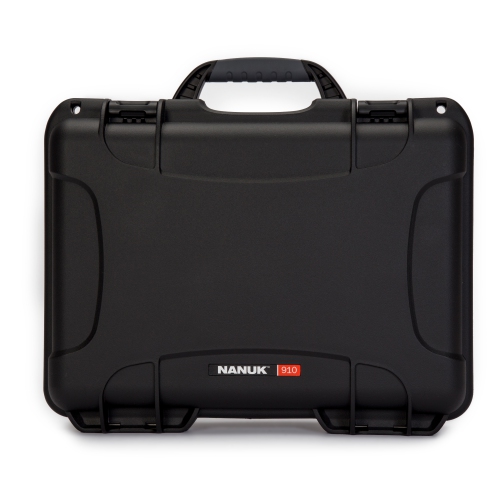
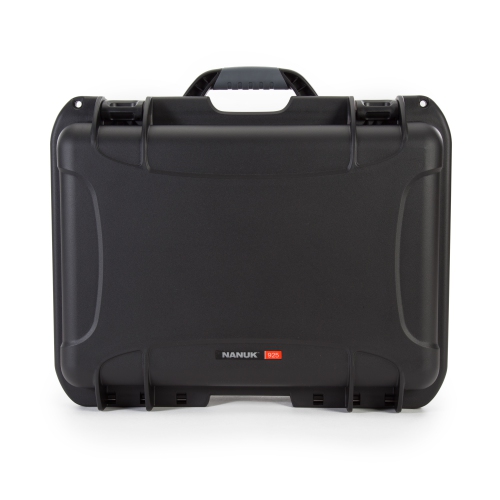
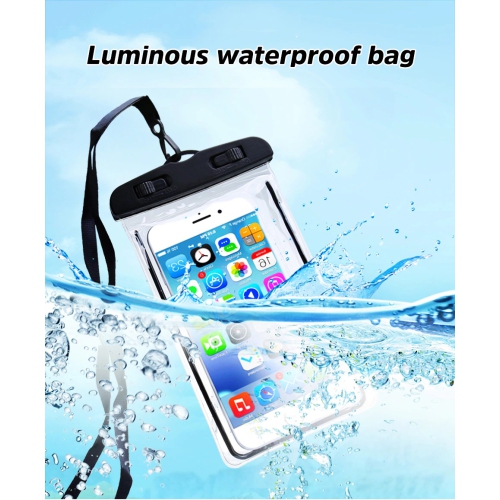
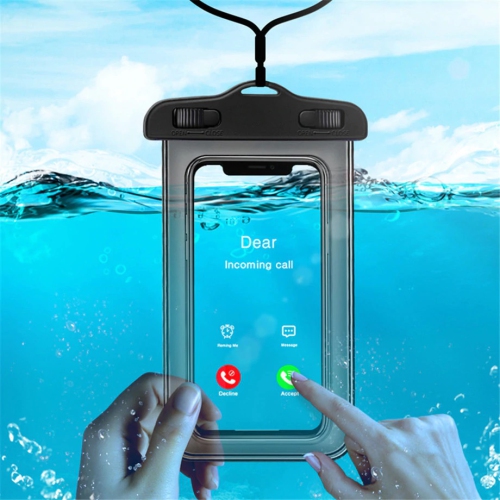
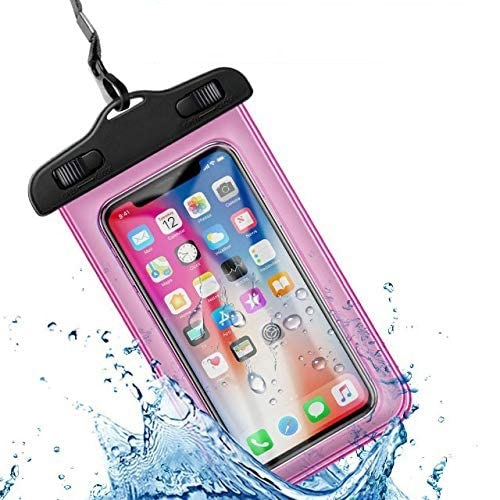
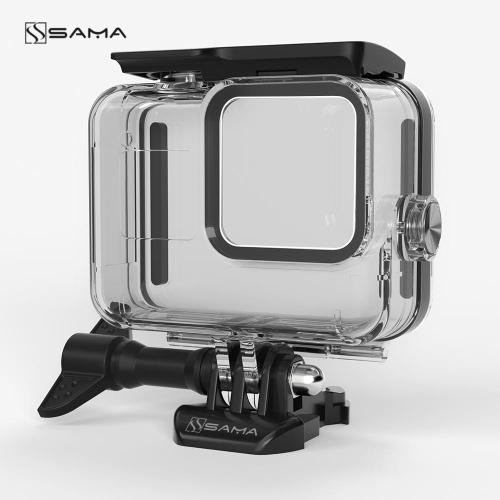
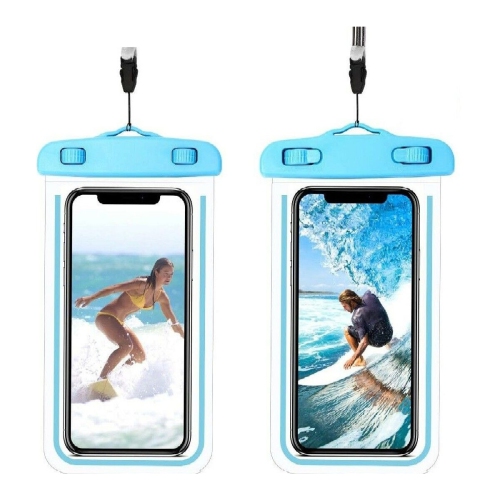
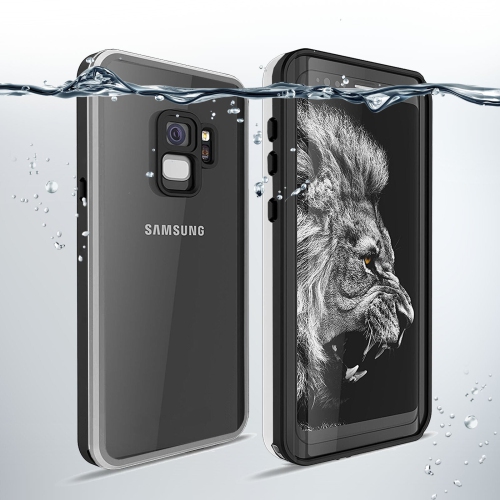
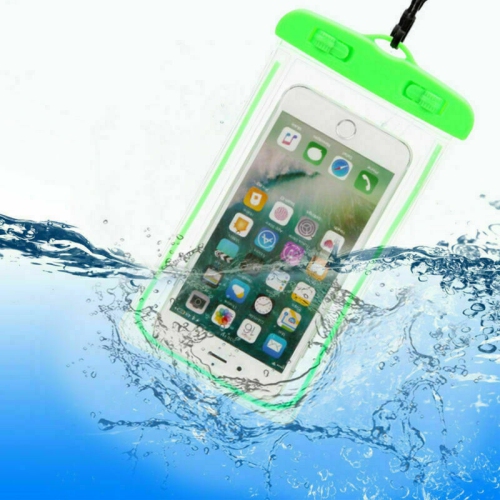

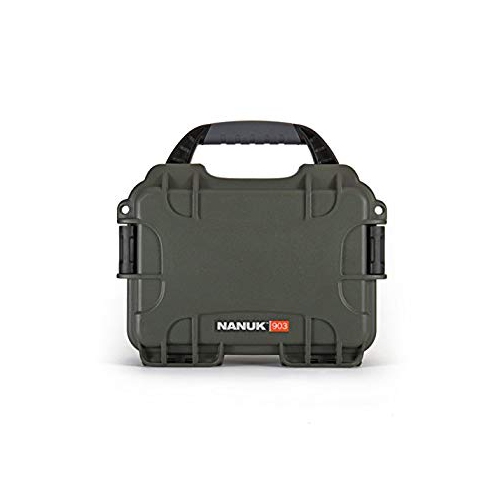
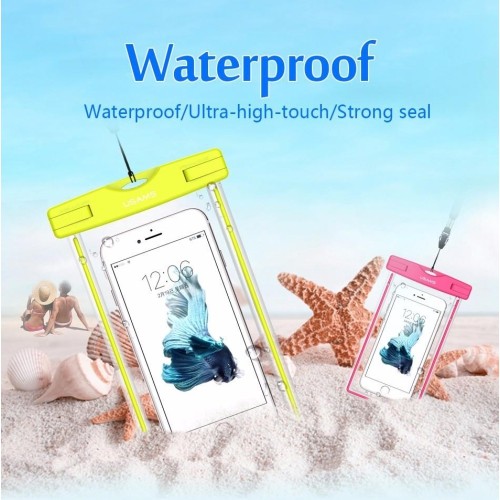
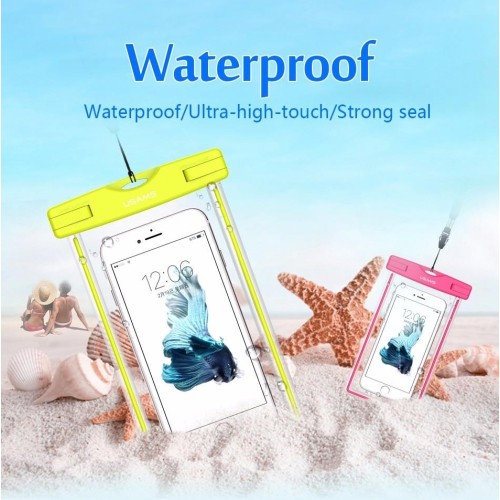
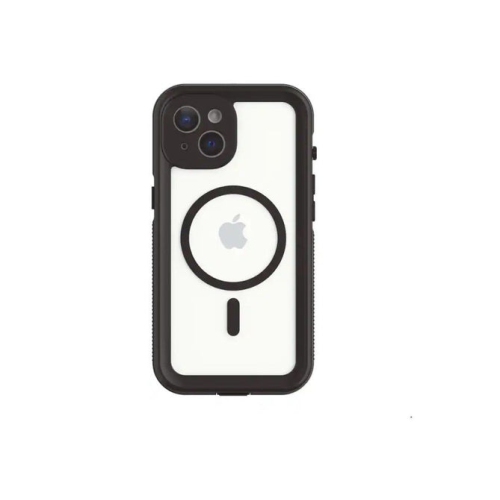
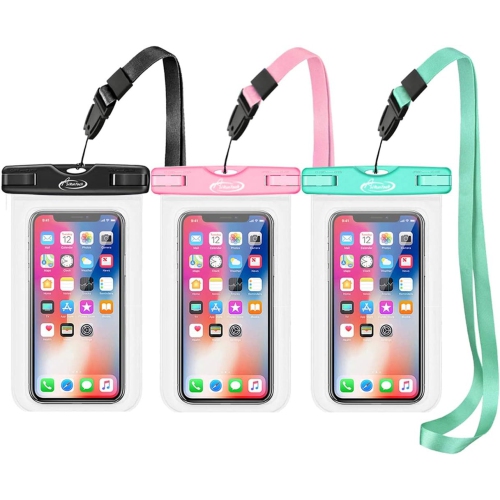
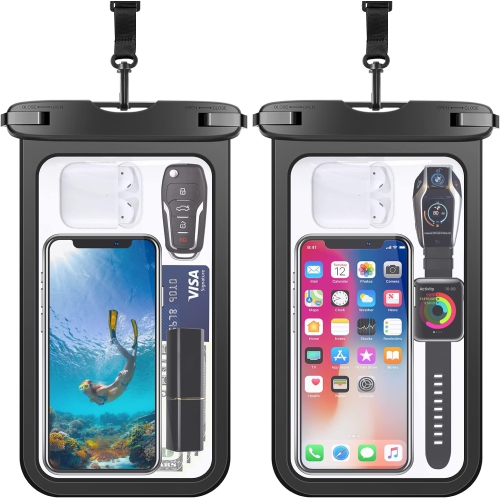
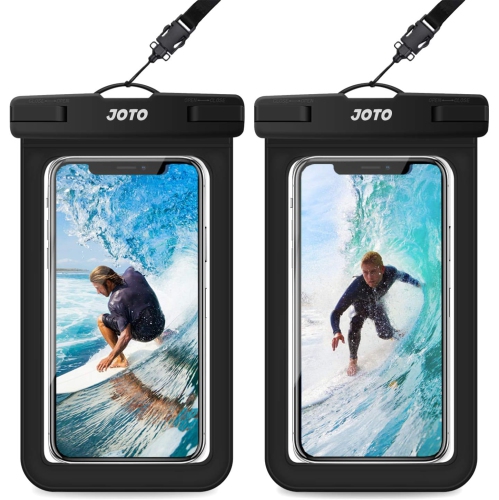
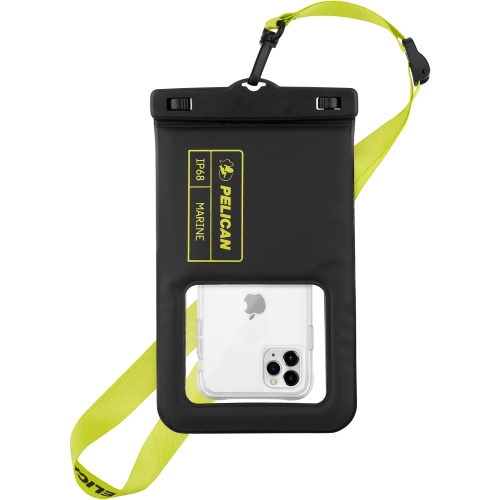

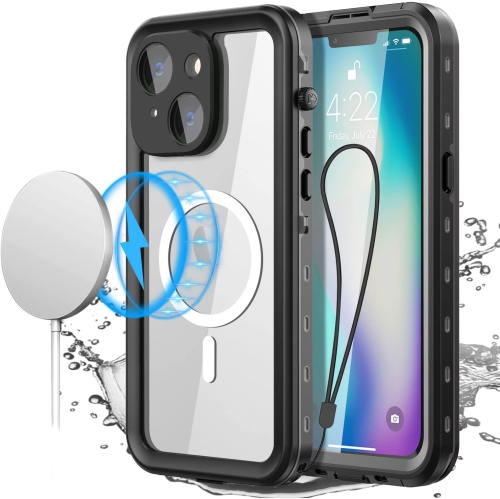
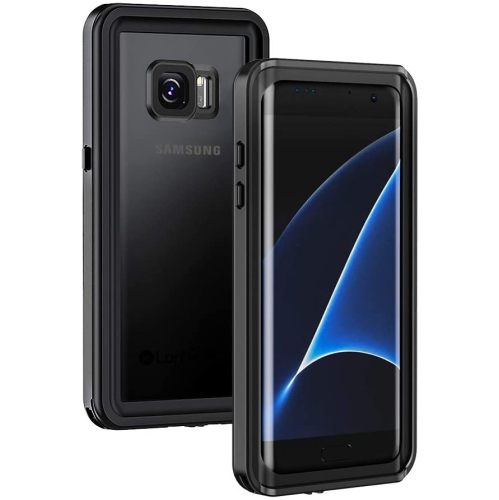
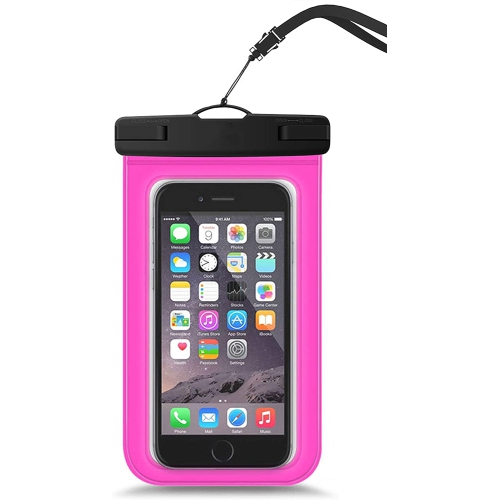
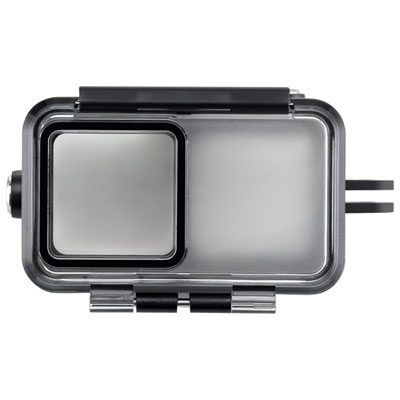
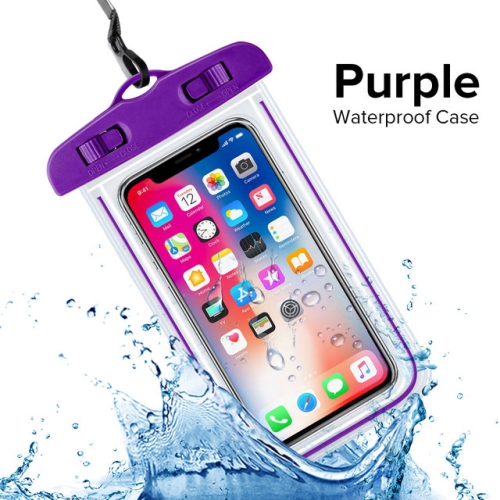
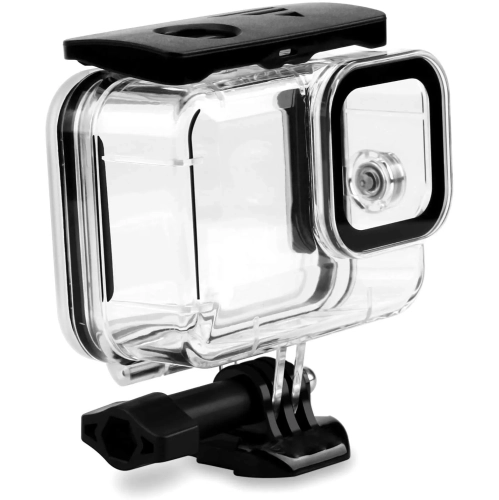
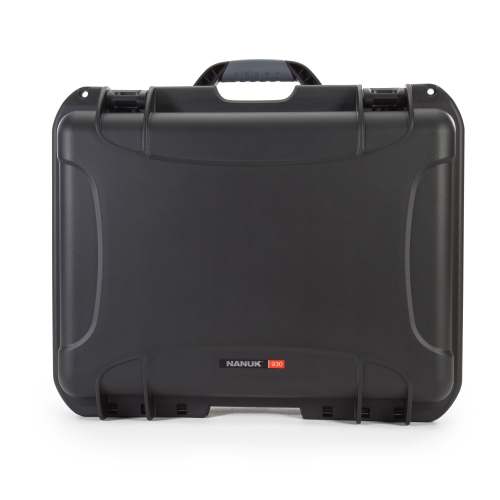
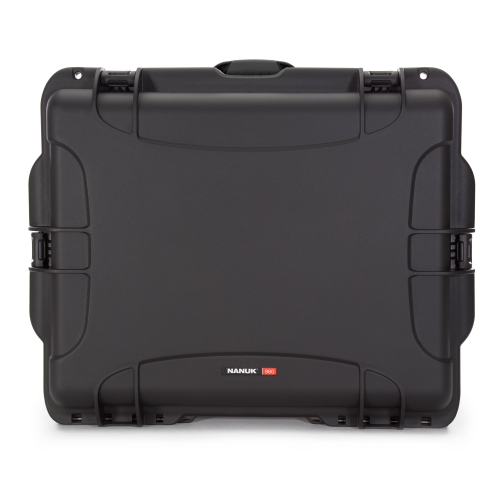
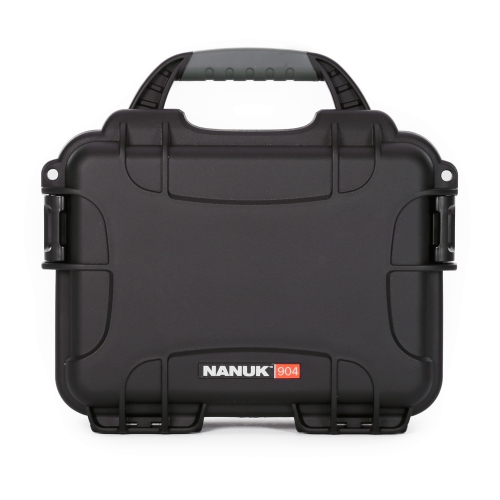
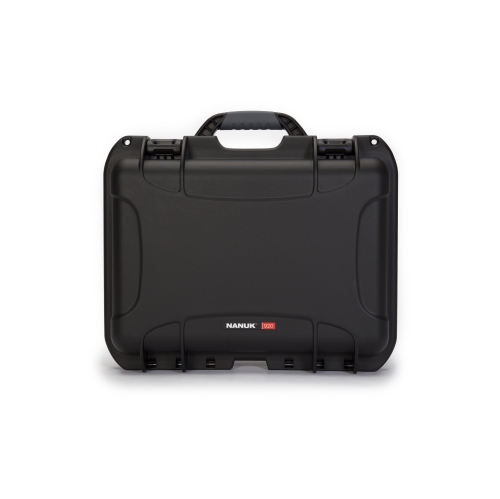
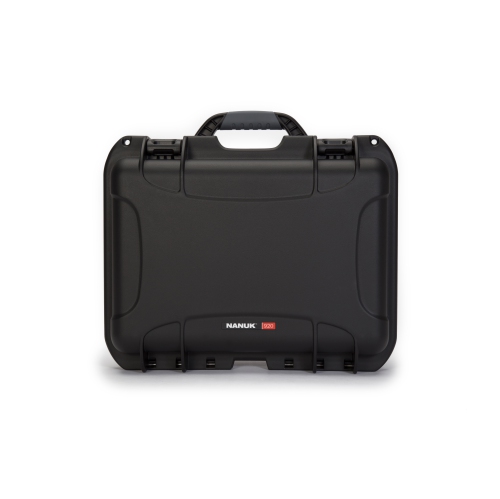
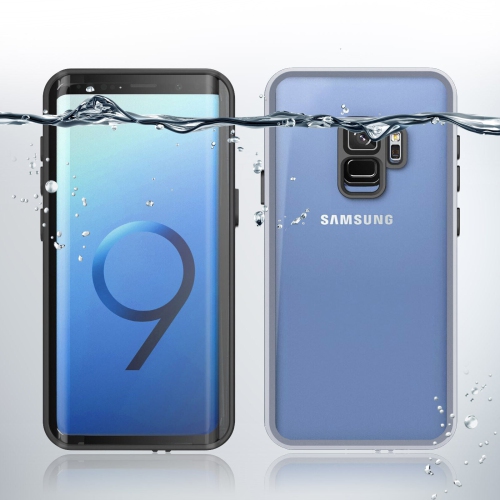
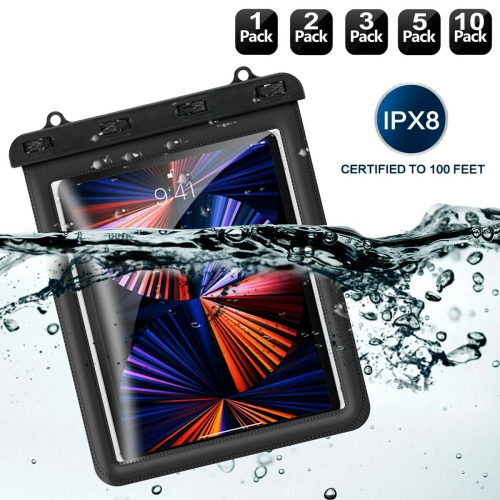
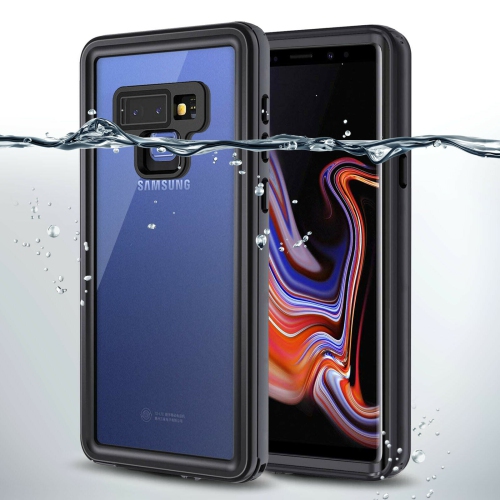
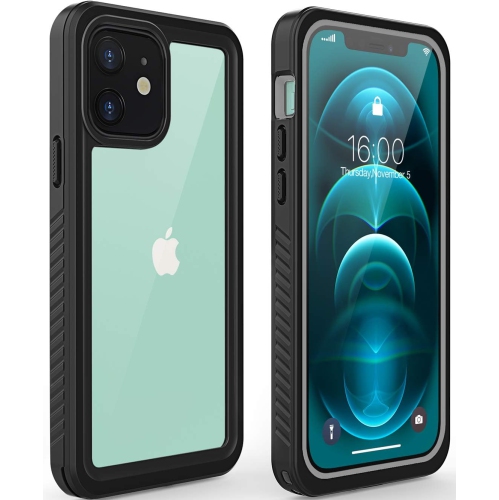
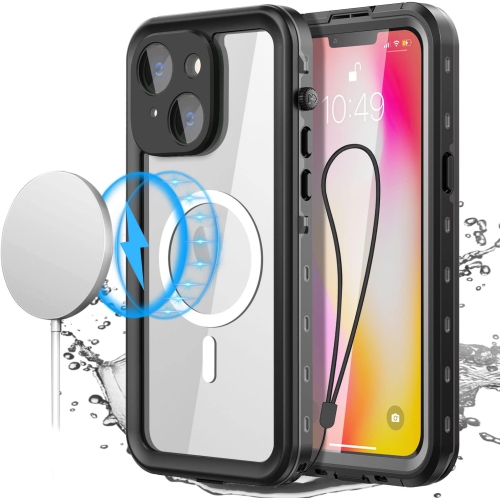
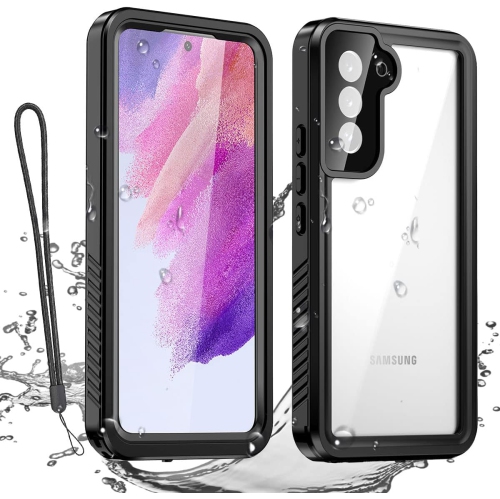
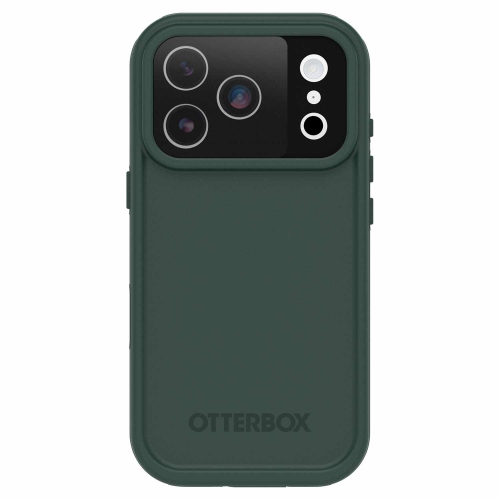
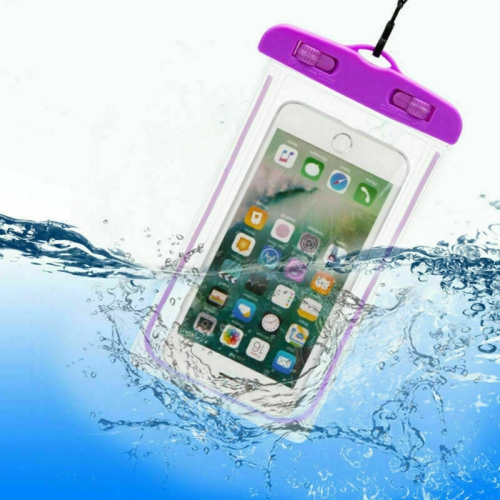
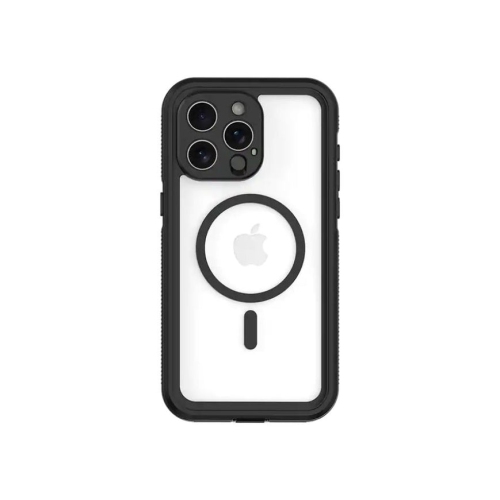
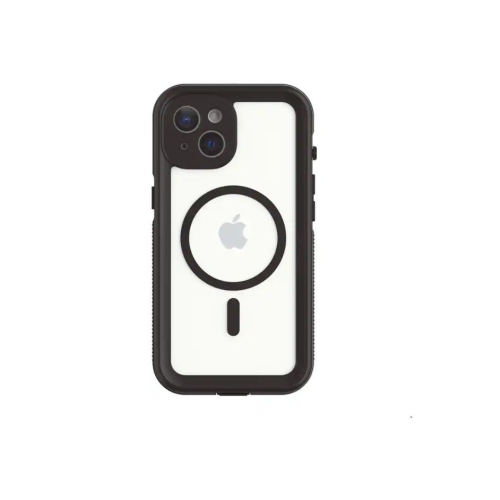
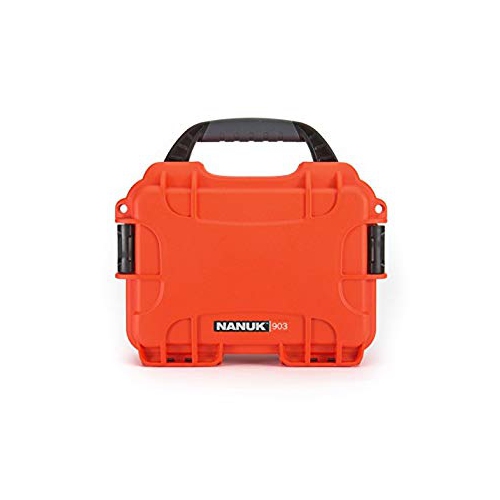

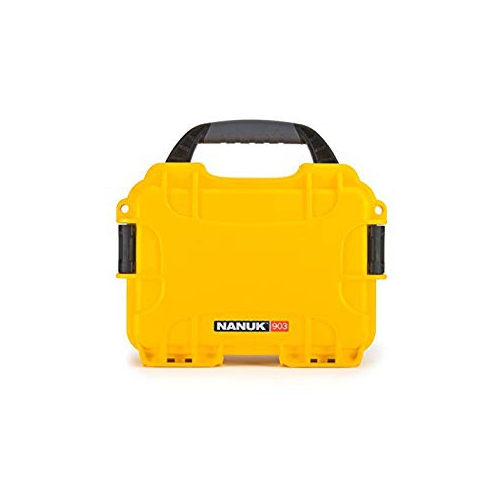
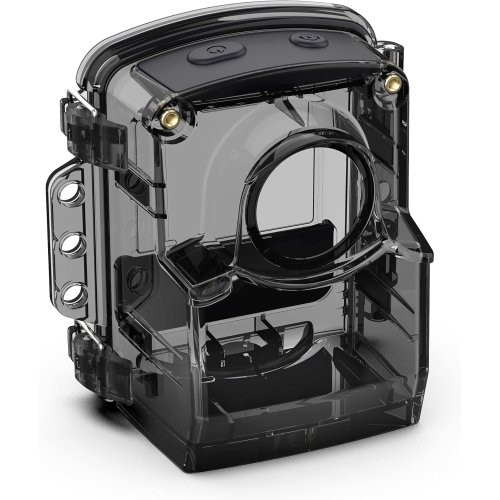
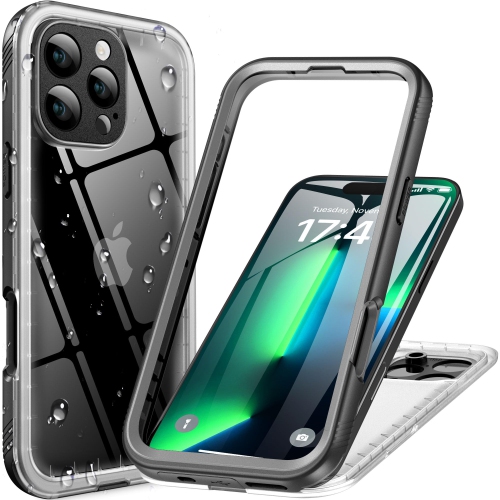
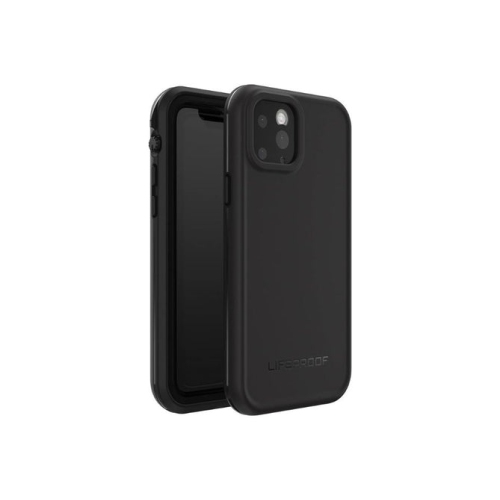
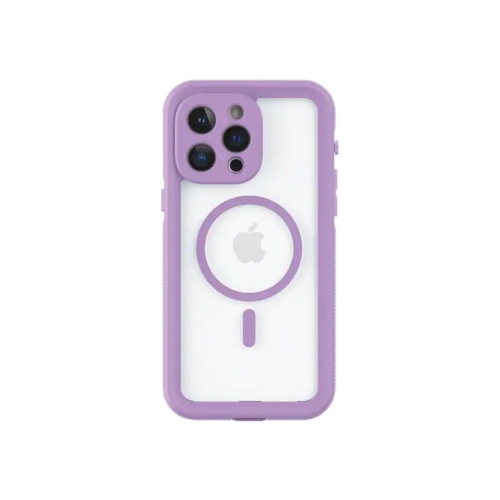
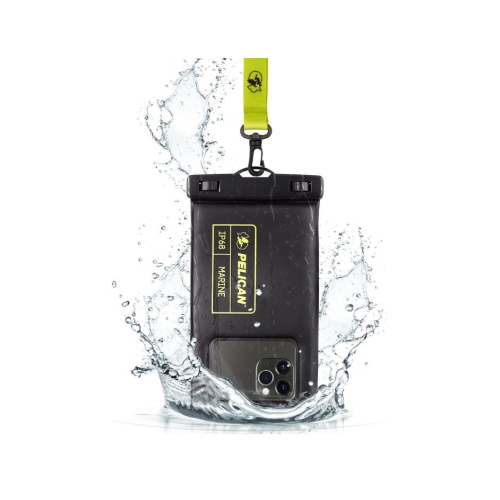
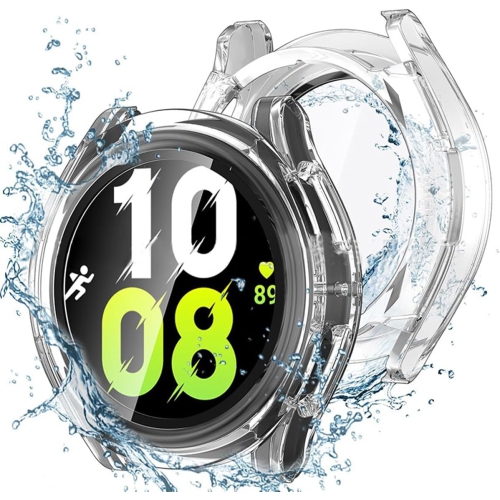
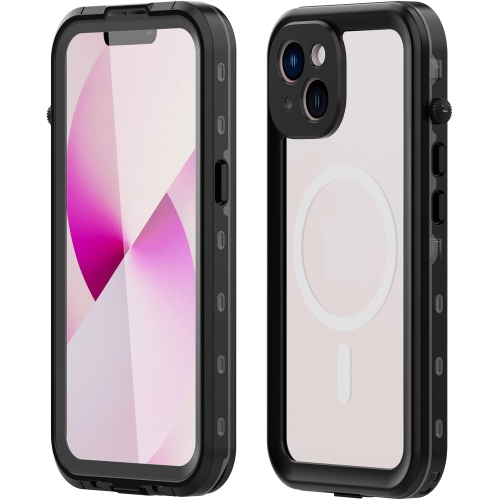
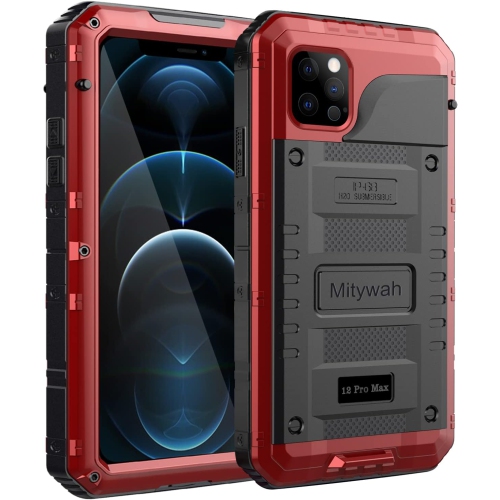
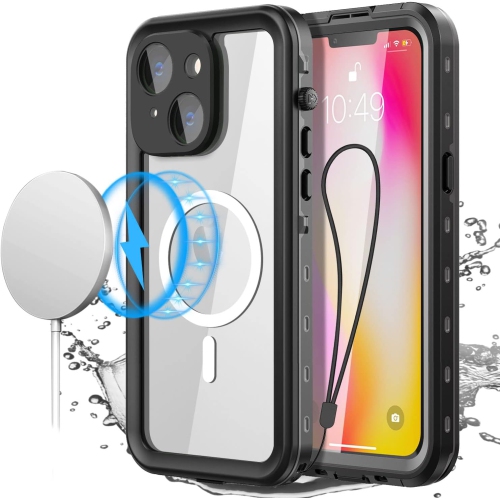
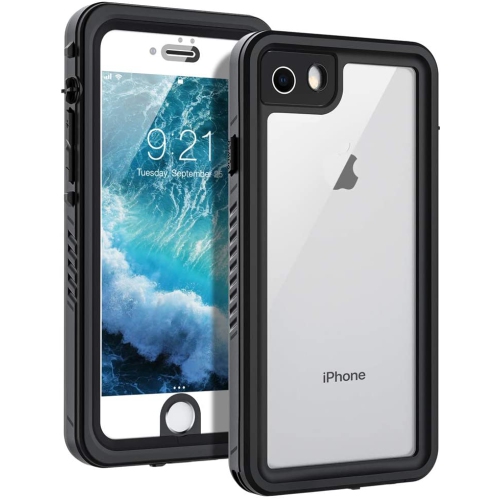
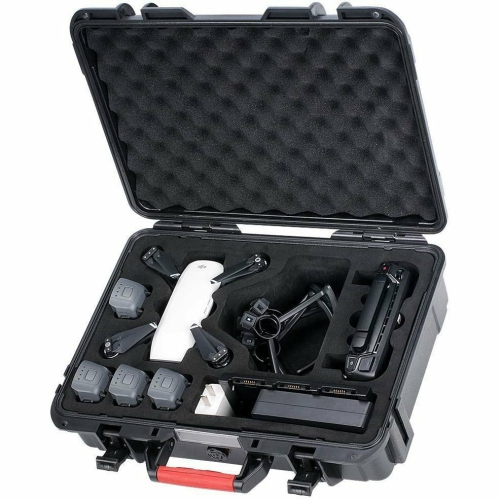
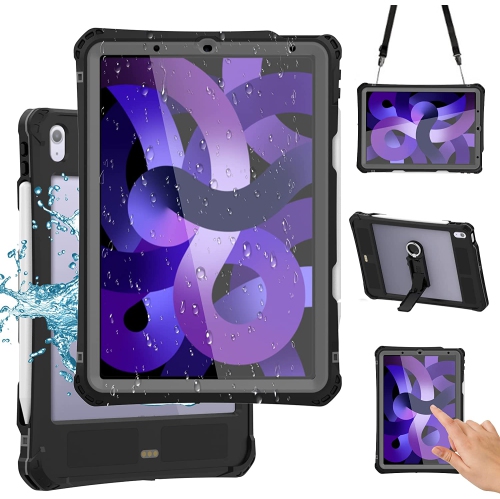
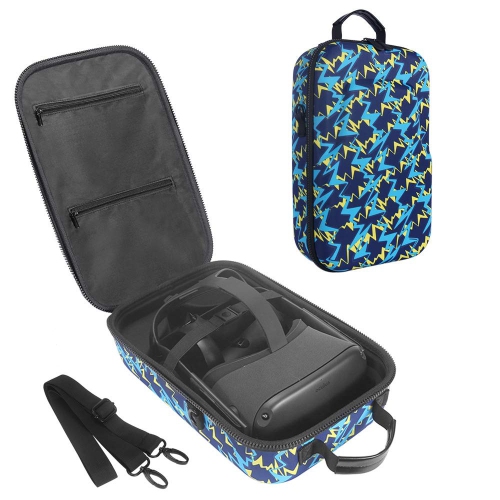
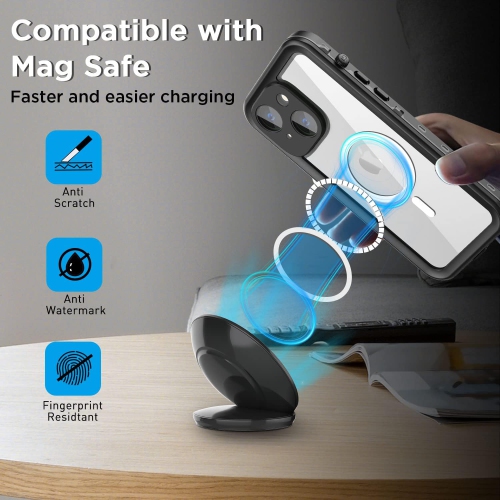
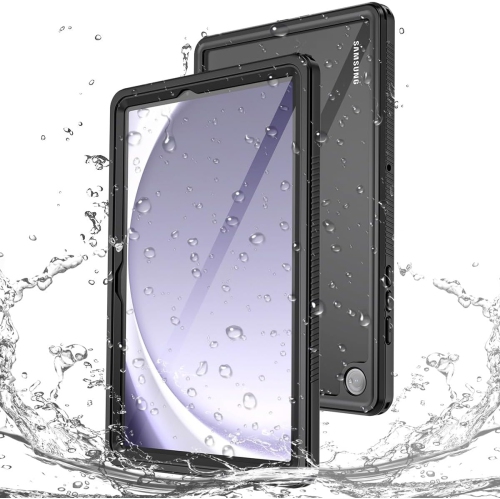
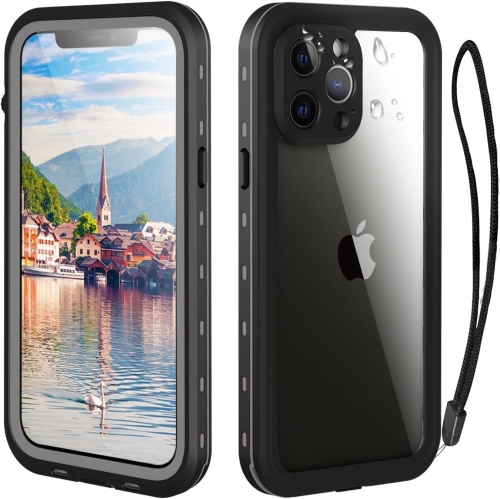
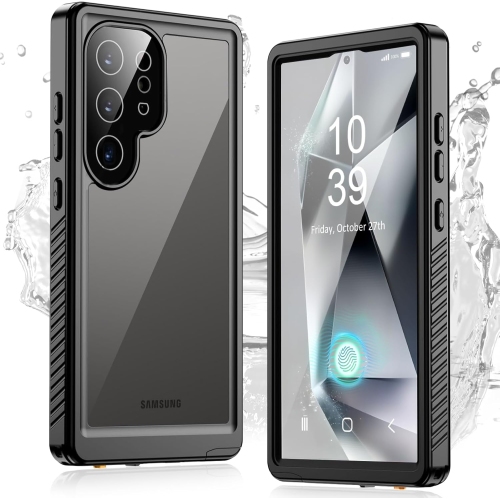
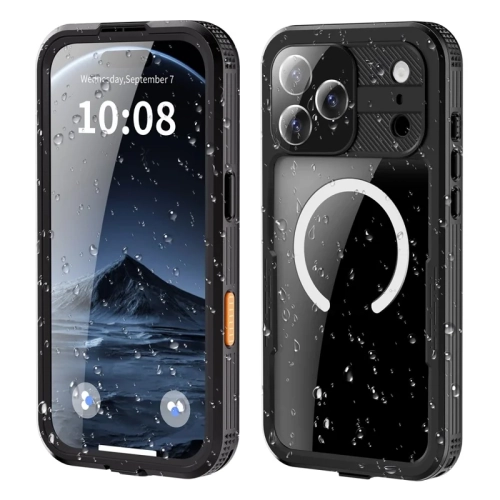
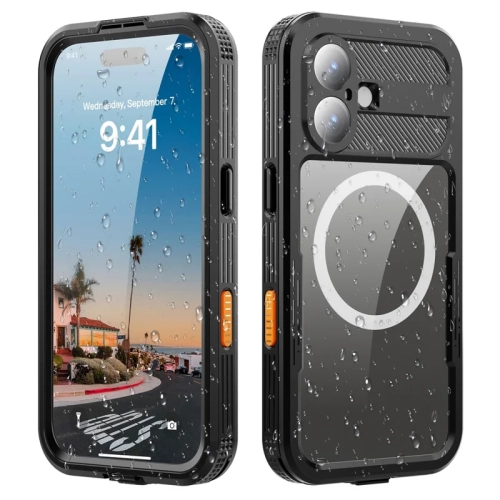
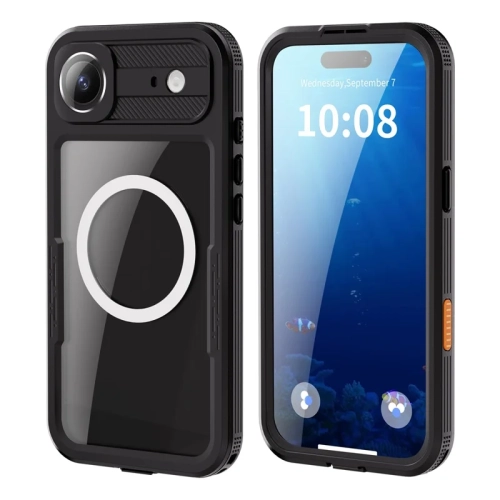

Protection for phones, cameras and essentials around water
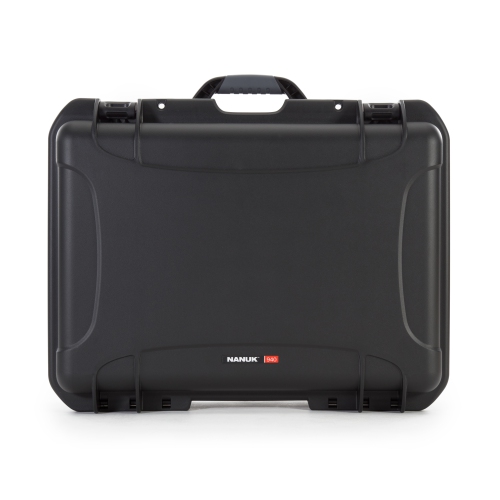
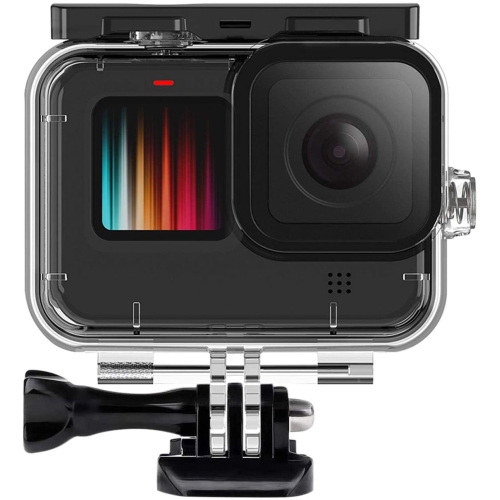
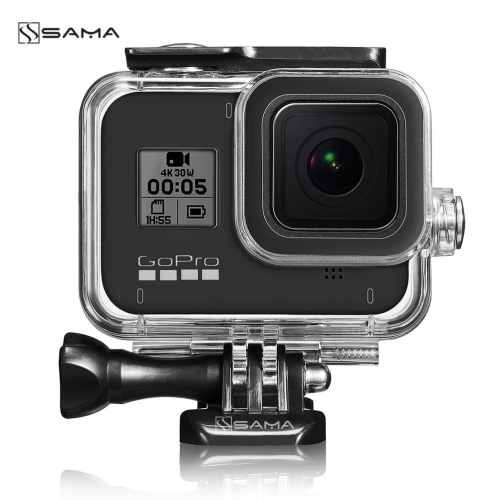
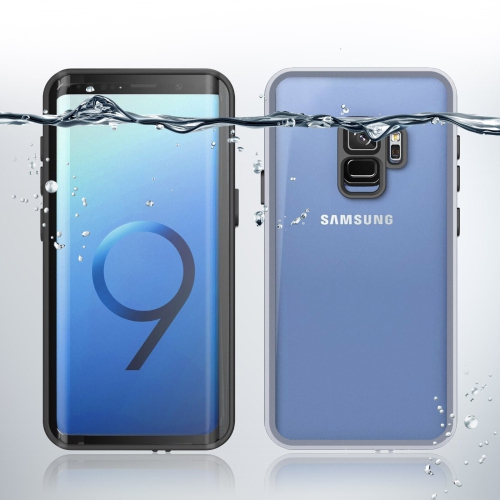
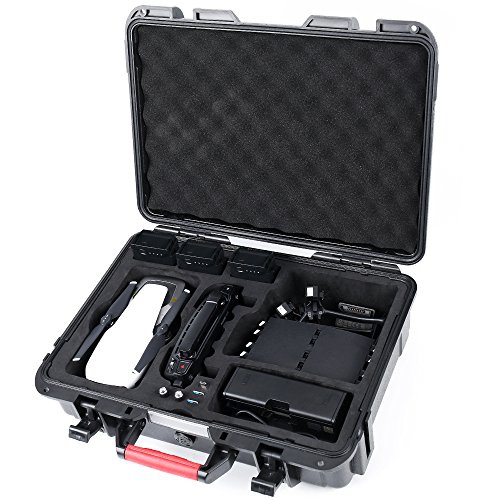
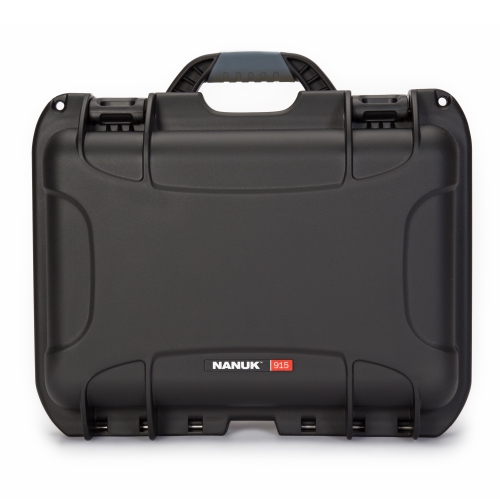
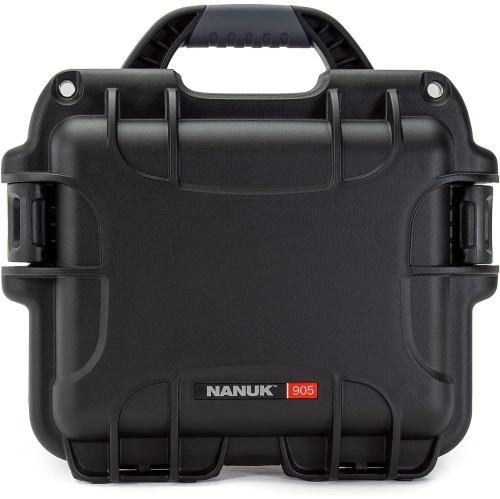
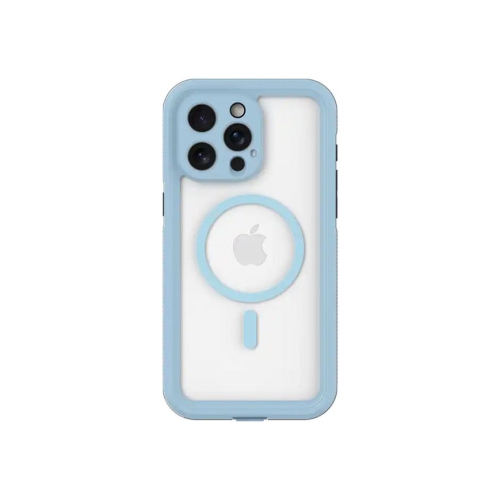
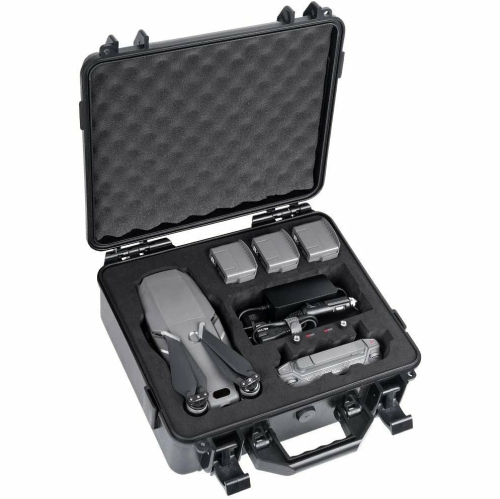
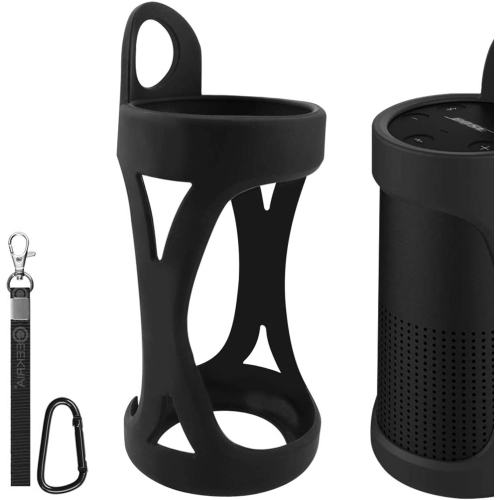
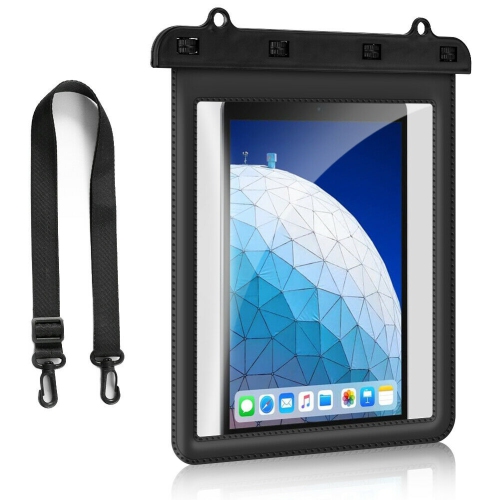
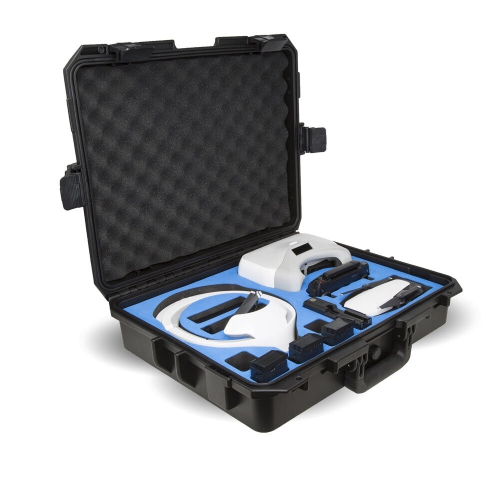
Waterproof cases are designed to help keep phones, cameras, keys, documents and other small essentials safe from water, dust and everyday knocks. They can be useful at the beach, beside the pool, on a boat, during a rainy commute or while travelling through places where spills and splashes are difficult to avoid. Some cases are slim pouches made for quick access to a phone, while others are rigid hard cases intended for equipment that needs more room and added impact protection. Choosing the right style starts with the item you want to carry and the conditions it may face. A phone pouch can be convenient for swimming, paddleboarding or walking near the water, especially when you still want to use the touchscreen or take photos. A hard case may be a better fit for cameras, chargers, memory cards, tools or other gear that could be crushed in a suitcase or exposed to dust on a trail. For shoppers looking specifically for phone protection, browse Waterproof Iphone Cases to find options made for compatible devices.
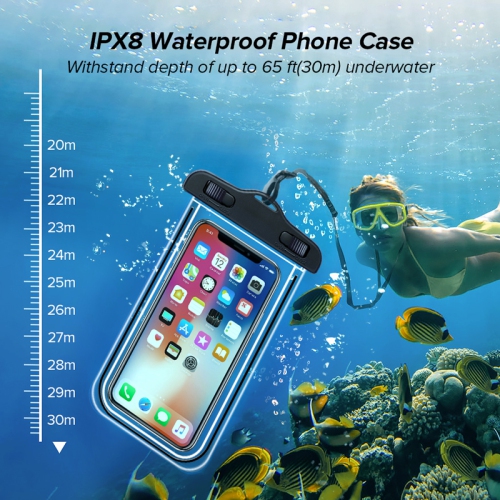
Pay close attention to the case’s water-resistance rating and the way that rating applies to real-world use. An IP rating generally describes protection from solids and water, with the first digit referring to dust or particle protection and the second relating to water. A case marked IPX8, for example, may be designed for temporary or continued immersion under conditions specified by the manufacturer, but the exact depth and duration can vary. A splash-resistant case is not necessarily intended for swimming, and a case that keeps out rain may not be suitable for submersion. Read the listed specifications carefully, check whether the closure needs to be fully sealed, and make sure the case is compatible with the size and shape of the item inside. For phone pouches, consider whether the touchscreen remains responsive through the material, whether the camera lens is unobstructed, and whether the closure is easy to secure with wet hands. A lanyard, wrist strap or floating design can add confidence around docks and shorelines, although these features should not replace a secure grip. With hard cases, look for a snug interior, dependable latches, a pressure-release valve where applicable, and enough room for cables or padding without forcing the lid closed. Before relying on any case near water, inspect seals for grit, hair or damage and test it with a dry tissue or paper towel. This simple check can reveal a closure problem before it affects a phone or camera.
Waterproof cases can be useful well beyond summer outings. During the cooler months, they can help shield electronics from wet snow, slush and sudden changes in weather while commuting, travelling or spending time outdoors. A sealed case can also keep small necessities organized inside a backpack, carry-on or vehicle, making it easier to find items when conditions are messy. Travellers may use one for passports, charging accessories, medication, maps or personal documents, while photographers and outdoor enthusiasts may use a hard case to separate delicate equipment from clothing and other packed items. They also make practical gifts for people who spend time boating, camping, fishing, cycling, travelling or attending sporting events, particularly when the recipient already has a favourite phone or camera and needs a compatible way to carry it. For a child or teenager, a simple phone pouch may be useful for family trips and pool days, provided an adult reviews the fit, closure and intended use. For frequent flyers or anyone who carries valuable electronics, a structured case with cushioning and organized compartments may offer more useful protection than a thin pouch. Consider the item’s dimensions, the level of water exposure, the chance of drops or crushing, and how often the case will be opened. A compact design is convenient for daily carrying, while a larger hard-shell option may be better for storing several pieces of gear in one place. The best choice is one that matches the device, activity and handling conditions, with clear specifications that support safe, practical use.
Pay close attention to the case’s water-resistance rating and the way that rating applies to real-world use. An IP rating generally describes protection from solids and water, with the first digit referring to dust or particle protection and the second relating to water. A case marked IPX8, for example, may be designed for temporary or continued immersion under conditions specified by the manufacturer, but the exact depth and duration can vary. A splash-resistant case is not necessarily intended for swimming, and a case that keeps out rain may not be suitable for submersion. Read the listed specifications carefully, check whether the closure needs to be fully sealed, and make sure the case is compatible with the size and shape of the item inside. For phone pouches, consider whether the touchscreen remains responsive through the material, whether the camera lens is unobstructed, and whether the closure is easy to secure with wet hands. A lanyard, wrist strap or floating design can add confidence around docks and shorelines, although these features should not replace a secure grip. With hard cases, look for a snug interior, dependable latches, a pressure-release valve where applicable, and enough room for cables or padding without forcing the lid closed. Before relying on any case near water, inspect seals for grit, hair or damage and test it with a dry tissue or paper towel. This simple check can reveal a closure problem before it affects a phone or camera.
Waterproof cases can be useful well beyond summer outings. During the cooler months, they can help shield electronics from wet snow, slush and sudden changes in weather while commuting, travelling or spending time outdoors. A sealed case can also keep small necessities organized inside a backpack, carry-on or vehicle, making it easier to find items when conditions are messy. Travellers may use one for passports, charging accessories, medication, maps or personal documents, while photographers and outdoor enthusiasts may use a hard case to separate delicate equipment from clothing and other packed items. They also make practical gifts for people who spend time boating, camping, fishing, cycling, travelling or attending sporting events, particularly when the recipient already has a favourite phone or camera and needs a compatible way to carry it. For a child or teenager, a simple phone pouch may be useful for family trips and pool days, provided an adult reviews the fit, closure and intended use. For frequent flyers or anyone who carries valuable electronics, a structured case with cushioning and organized compartments may offer more useful protection than a thin pouch. Consider the item’s dimensions, the level of water exposure, the chance of drops or crushing, and how often the case will be opened. A compact design is convenient for daily carrying, while a larger hard-shell option may be better for storing several pieces of gear in one place. The best choice is one that matches the device, activity and handling conditions, with clear specifications that support safe, practical use.
Top selling and popular products
-
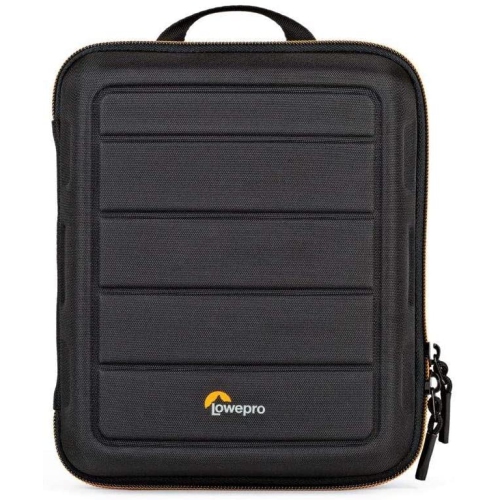 Your price for this item is $117.99
 -
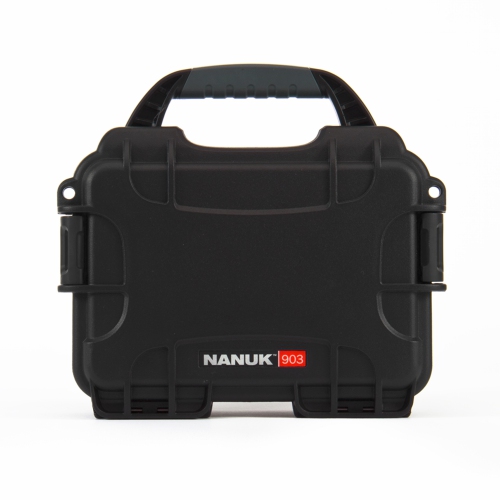 Your price for this item is $49.95
 -
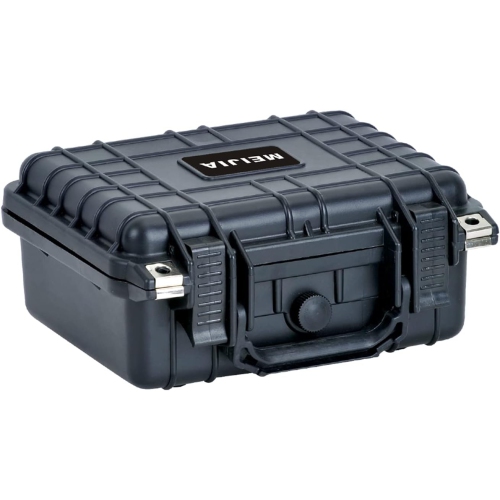 Your price for this item is $39.62
 -
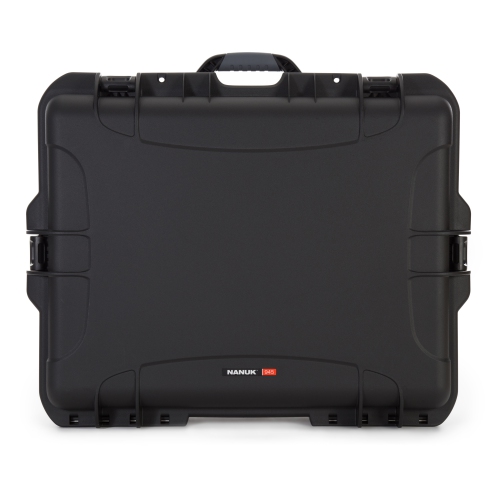 Your price for this item is $309.95
 -
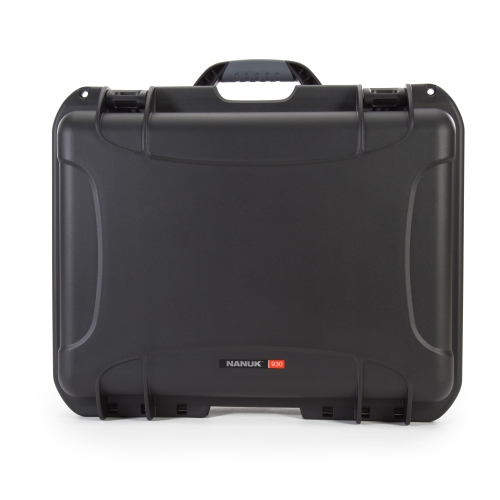 Your price for this item is $289.95
 -
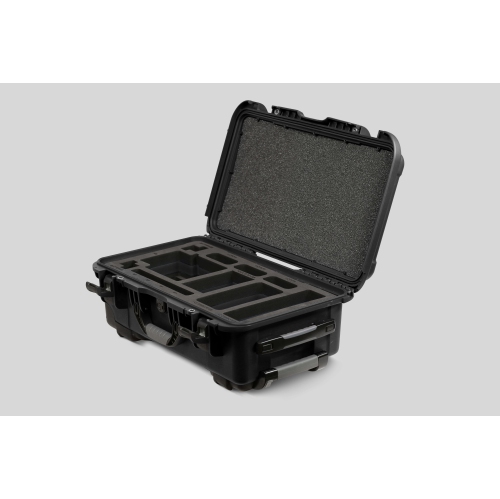 Your price for this item is $529.99
 -
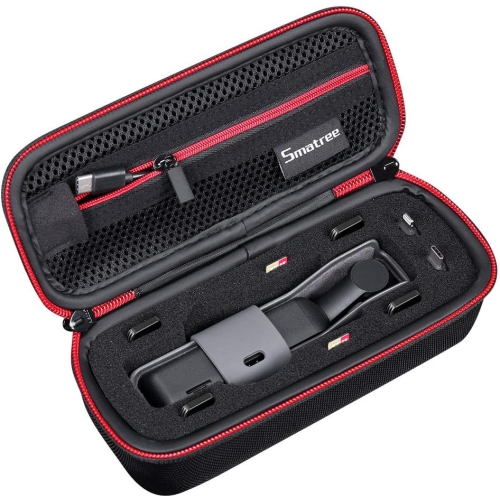 Your price for this item is $45.5
 -
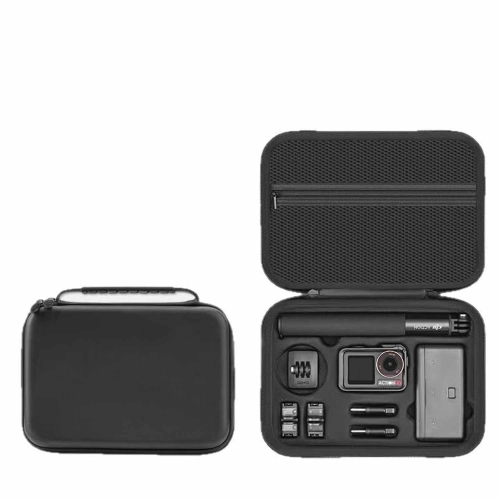 Your price for this item is $35.99
Discover more categories related to Waterproof Cases
Top Collections:
Pokemon Centers, Budget 4K TVs, Best Budget Office Chairs, Kindle Devices, Canon G7X Cameras, Apple iPhones 16, iPhone 15 Apple, Laptops for Business Work, Xiaomi Phones, Flip Phones
Some products may be subject to Environmental Handling Fees
(EHF) depending on your province.
Learn more about EHFs.