Apple Portable Chargers for Iphone
Stay powered up on the go with an Apple portable charger for iPhones. Whether you're traveling, heading to work, or simply out and about, having a reliable source of power for your iPhone is essential. With a portable charger, you can ensure that you never run out of battery again, allowing you to stay connected and productive throughout the day. From compact options that easily fit in your pocket to high-capacity chargers that can keep your iPhone charged multiple times, we have a wide selection of portable chargers for iPhones to suit your needs. Don't let a dead battery slow you down – explore our range of portable chargers for iPhones and keep your device powered up wherever you are.
Sort




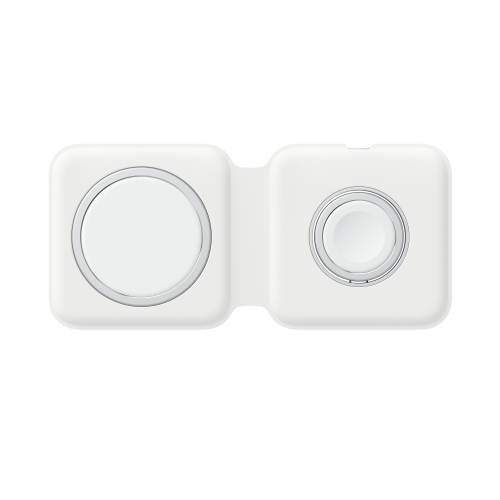
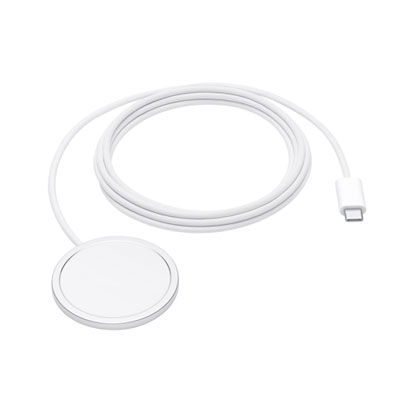


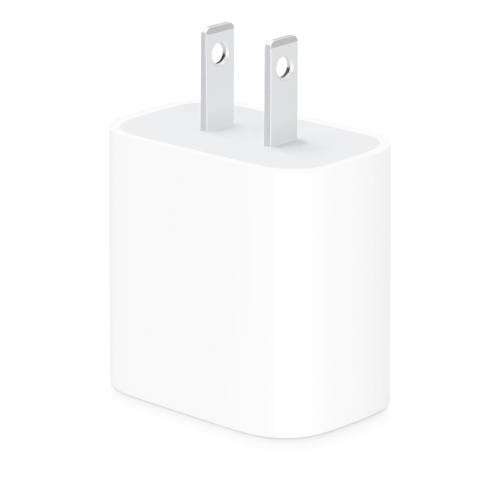

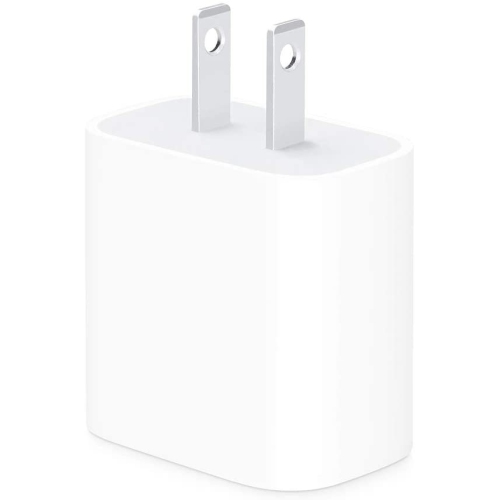
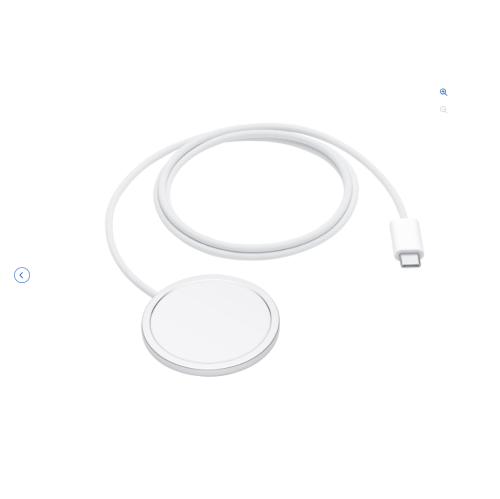
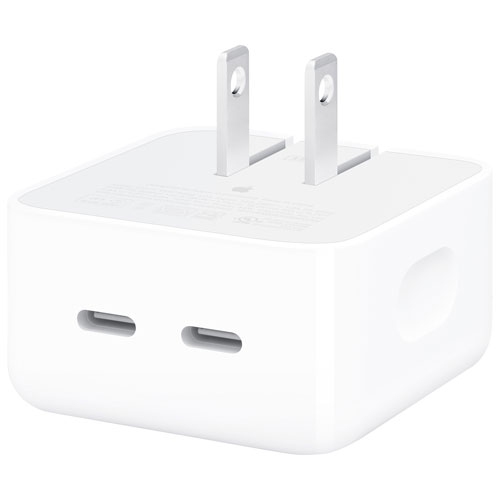
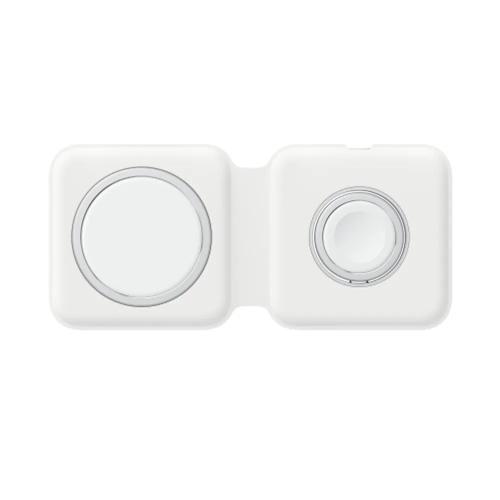
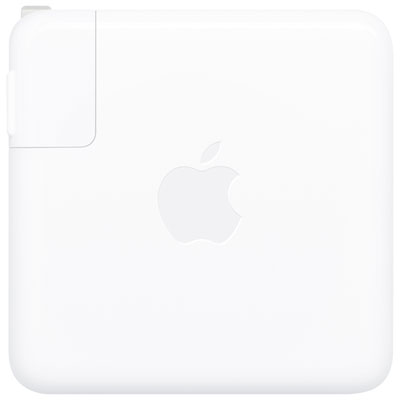


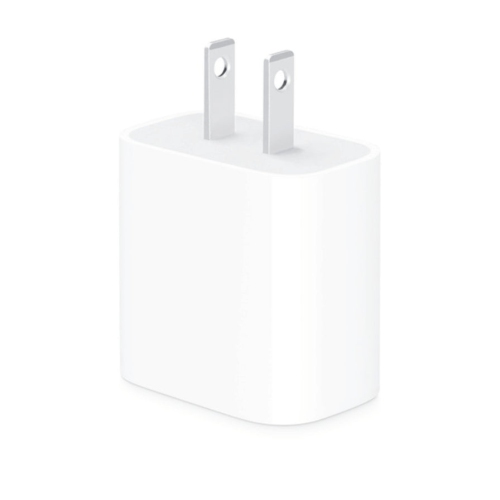
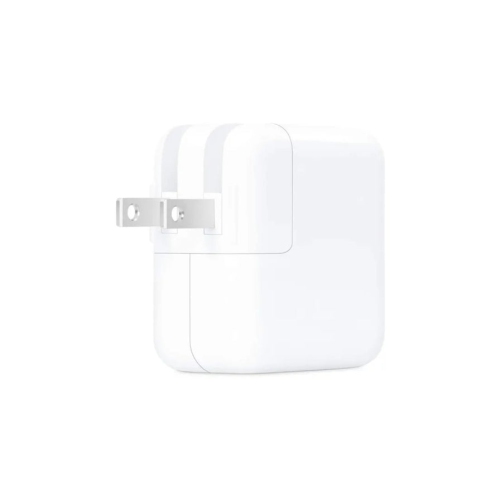

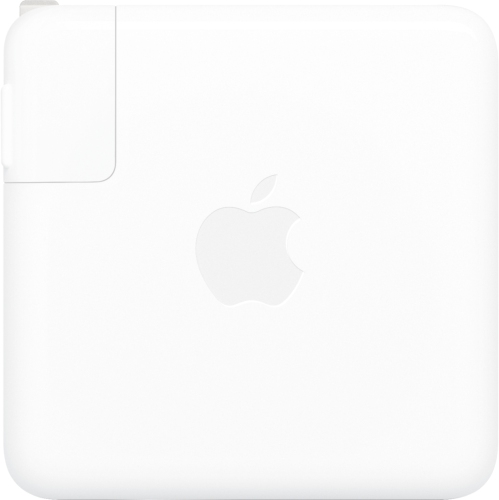
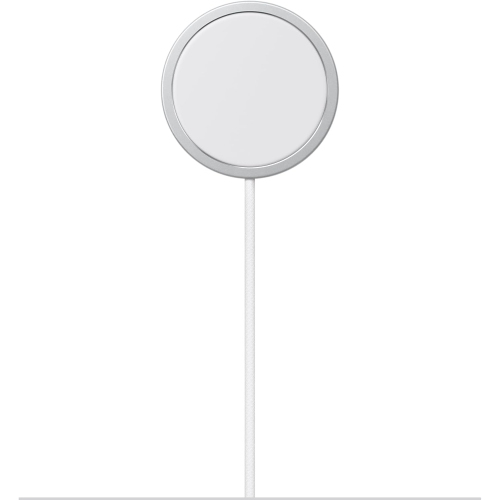
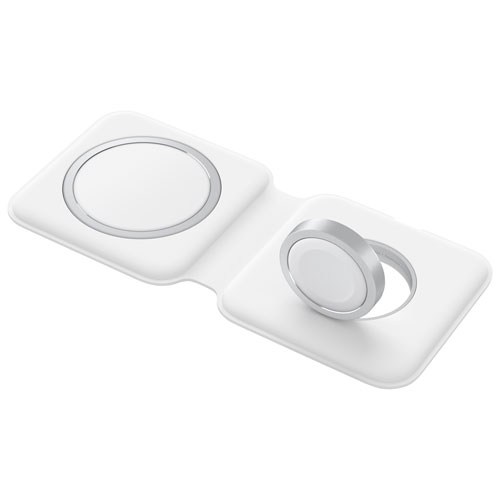
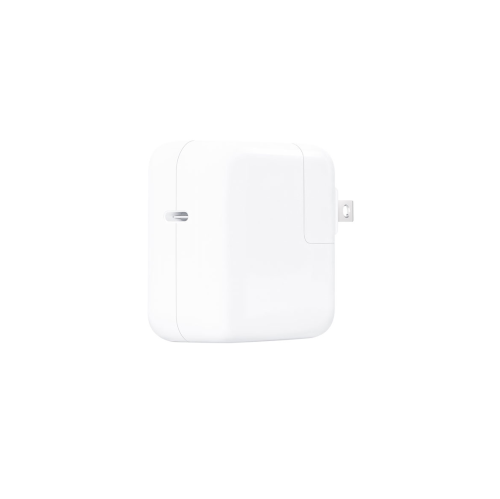
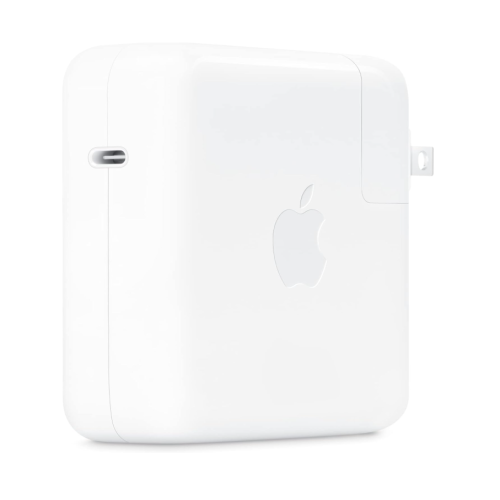
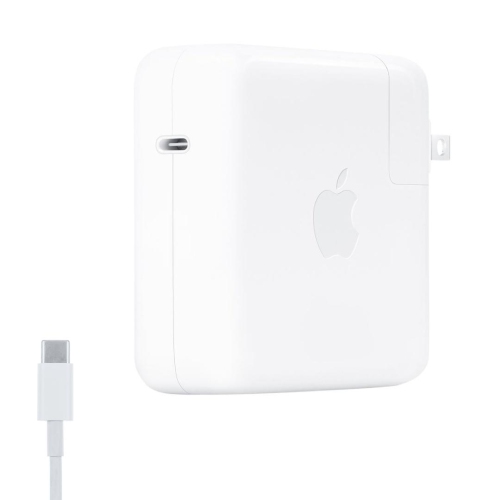
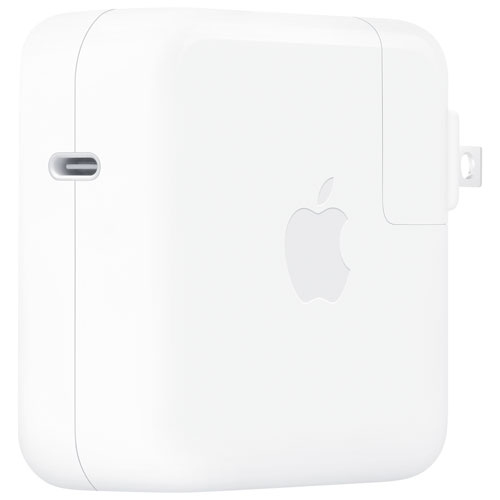
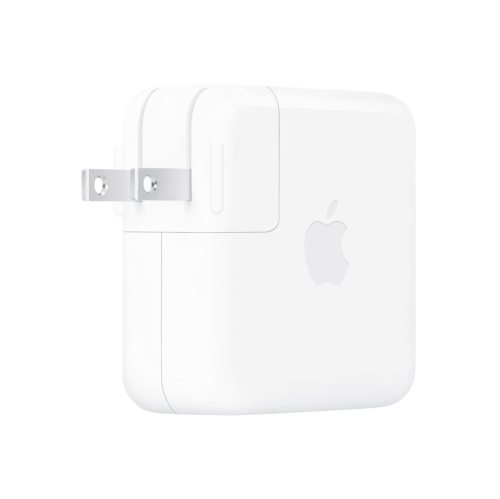
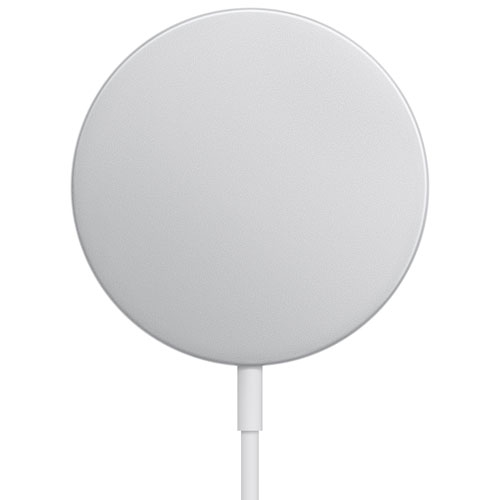
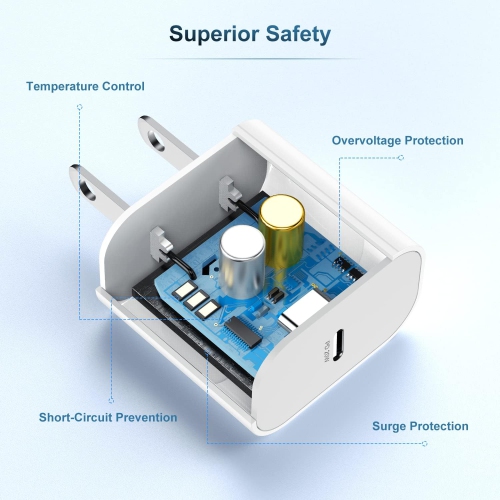
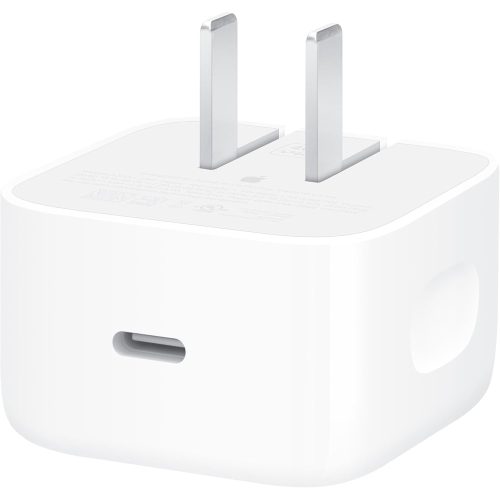
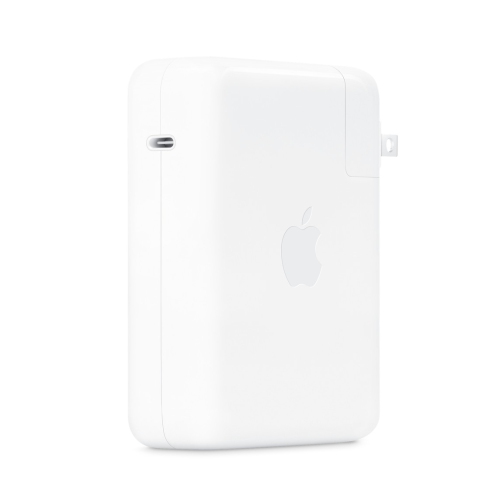
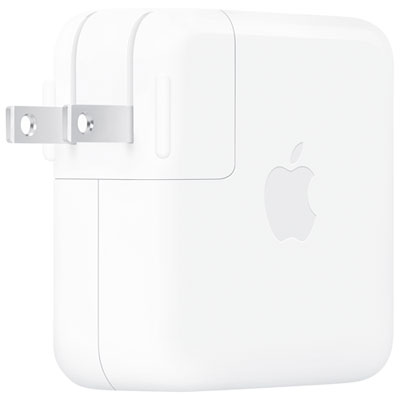
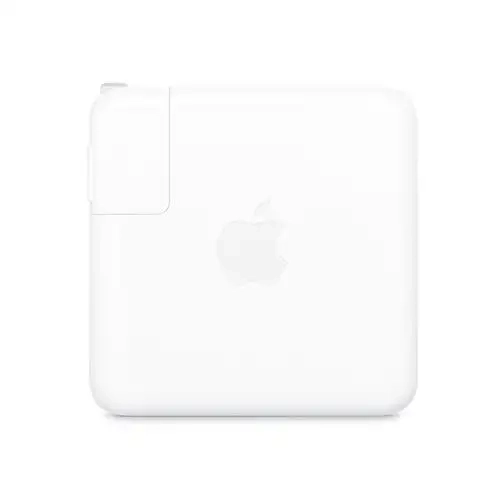

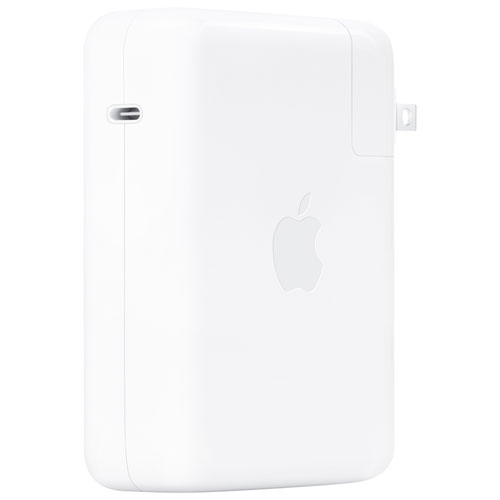
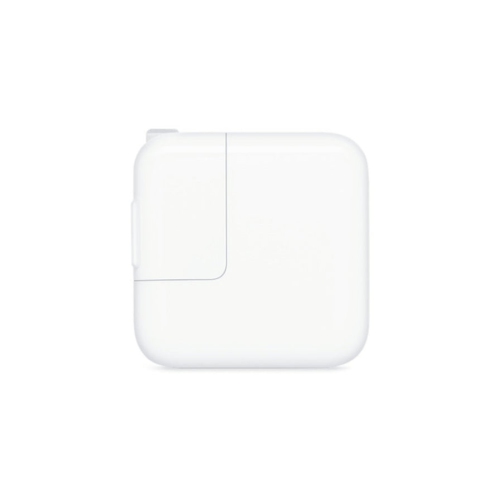
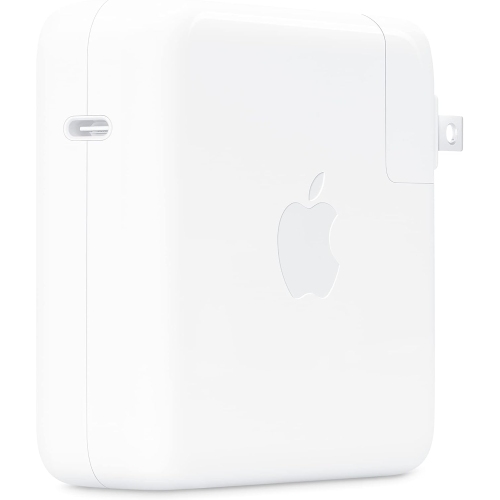
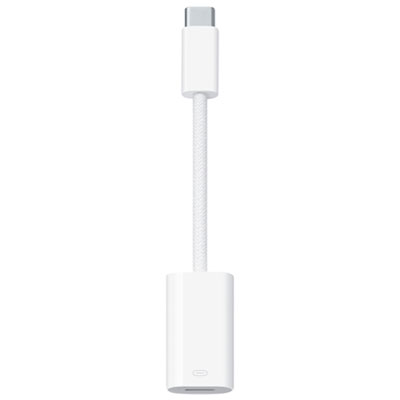
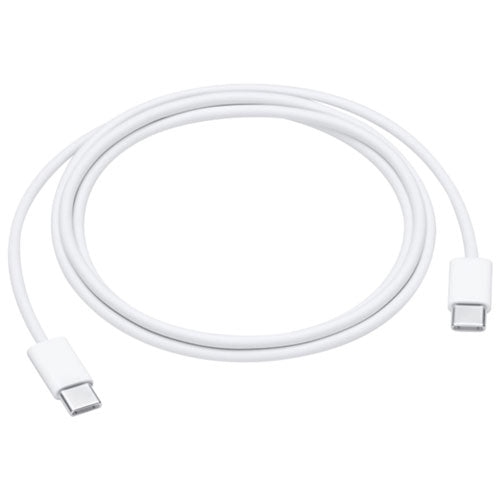
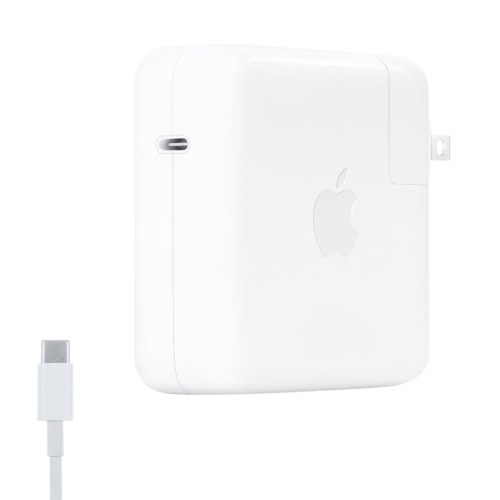
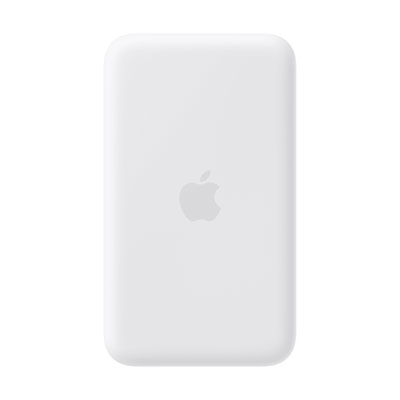
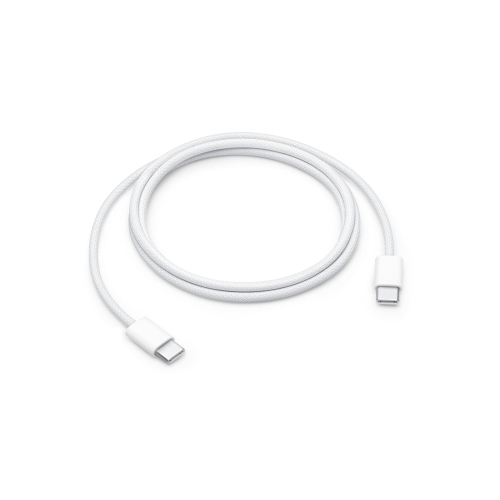
Portable power is about more than battery capacity
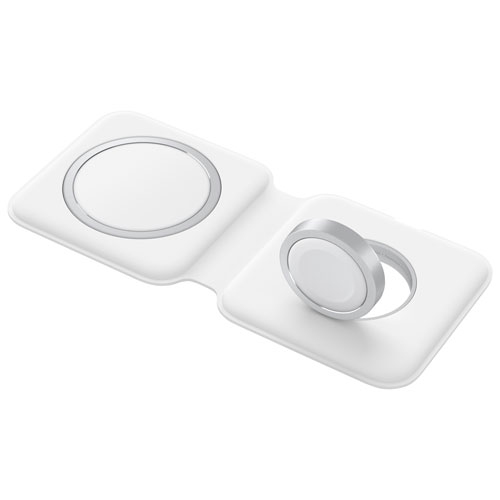
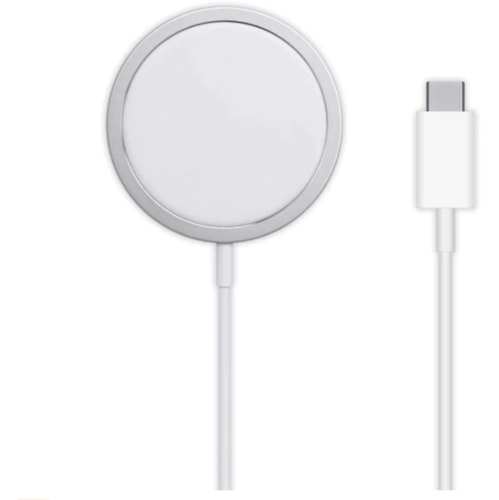
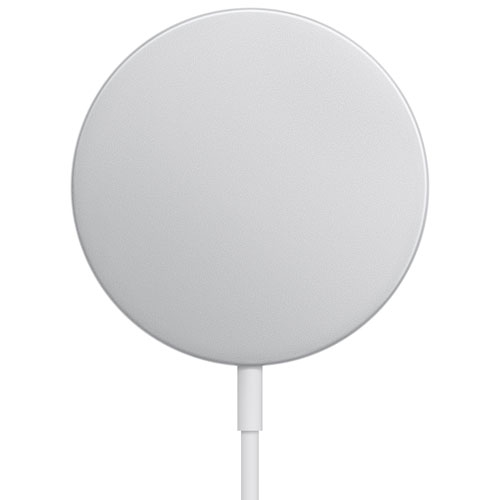
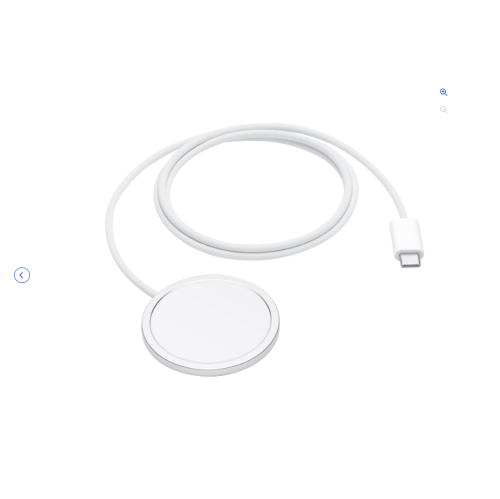
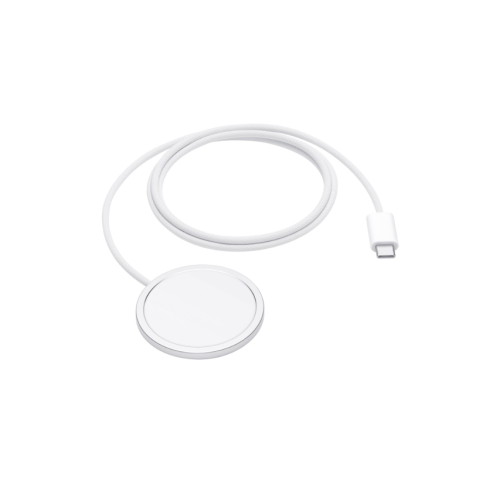
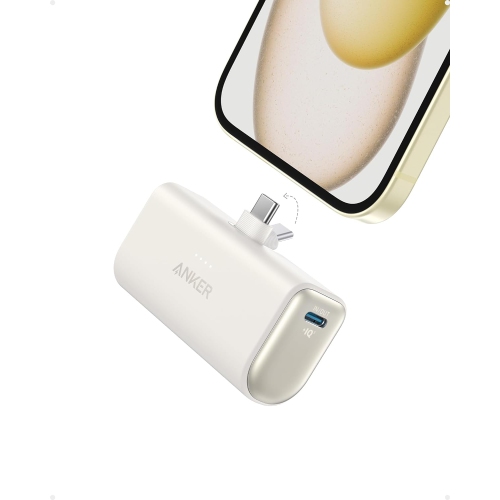
A portable phone charger is a rechargeable battery that supplies power to a compatible smartphone without needing a wall outlet during use. It provides a reserve for everyday situations: navigating unfamiliar streets, keeping a digital ticket accessible on the way to a concert, or staying reachable through a long day away from home. Portable charging options generally include wired power banks, magnetic wireless batteries, and designs that support both methods. Wired charging connects the battery to the phone with a cable, while wireless charging transfers power through compatible charging surfaces. Magnetic designs help hold those surfaces in alignment, making it easier to carry the phone and battery together rather than managing a loose cable. Compatibility depends on the phone’s charging capabilities, connector, and case, not simply whether a battery attaches to its back. Phones with USB-C ports require a different cable connection from phones with Lightning ports, and a magnetic ring alone does not add wireless charging capability to a phone. Battery capacity, typically expressed in milliamp-hours, or mAh, gives a useful starting point for understanding size and stored power. A 5,000 mAh battery generally suits a compact, top-up-focused setup, while a 10,000 mAh battery provides a larger reserve and usually adds more weight. Higher capacities can be useful for extended outings or sharing power between compatible devices, but they take up more space in a bag. These ratings do not translate directly into a guaranteed number of full phone charges. The phone’s battery size, power conversion losses, charging method, and activity during charging all affect the result. A phone running navigation and streaming audio will use some of the incoming power as it charges. For a broader view of these charging formats, Portable Phone Chargers for iPhone brings together the category around a familiar everyday need: keeping a phone powered beyond its own battery reserve.
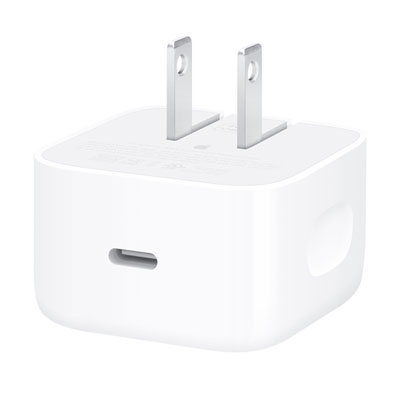
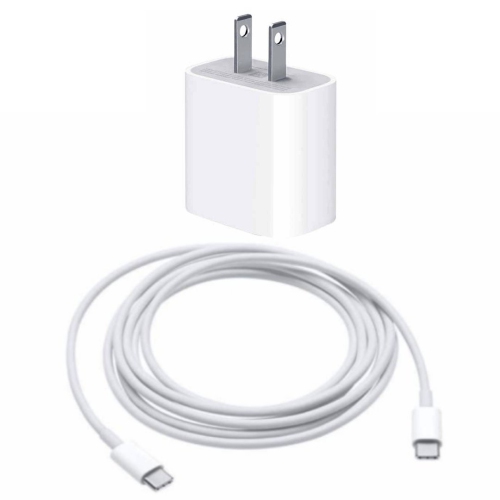
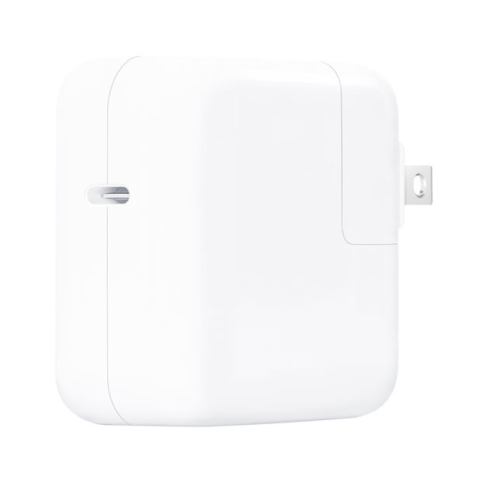
Charging performance depends on how the phone, battery, and cable work together. A power bank’s capacity describes its stored charge, while its wattage describes the rate at which it can deliver power under supported conditions. A larger battery is therefore not automatically a faster charger. USB-C Power Delivery can enable faster wired charging when the phone and power bank support compatible power profiles and the cable is suitable for the connection. An output rating such as 20W or 30W indicates the charger’s capability, rather than a promise that every connected phone will charge at that rate throughout the session. Phones regulate the power they accept, and charging usually slows as the battery approaches full. Magnetic wireless charging offers a different kind of convenience, especially when the phone needs to remain easy to hold or lift from a desk. Qi2 certification identifies support for a wireless charging standard with magnetic alignment, but the supported charging speed still depends on the charger and phone specifications. Wireless charging generally involves greater energy losses than a direct cable connection, so identical capacity ratings can produce different usable results across charging methods. Physical fit matters just as much as the electrical connection. A battery should sit securely without pressing against the camera area or extending awkwardly beyond the phone’s edges. Thick cases, metal plates, card holders, and grip attachments can interfere with magnetic attachment or wireless charging. A compatible magnetic case can help maintain alignment, although its thickness and construction still matter. For someone who uses a phone one-handed on a commute, a slim battery with rounded edges may feel more manageable than a heavier, higher-capacity design. At a desk or café table, an integrated stand can keep the screen visible for a video call while charging. Port placement also affects comfort: a cable that exits from the bottom may sit neatly beside a notebook but feel less convenient in a tight pocket. These details shape how naturally a charger fits into an ordinary day.
Materials and construction influence how a portable charger feels, carries, and withstands repeated handling. Common housings include moulded plastic and metal, with smooth, textured, or soft-touch finishes. Plastic can help keep weight down, while metal can provide a firmer feel; neither material alone establishes durability or charging quality. Rounded corners, well-fitted seams, stable ports, and a secure magnetic connection are useful details in a device that may be moved between a jacket pocket, backpack, and bedside table. A textured finish can improve grip, while a smooth surface may slide more easily into a compact pouch. Built-in cables reduce the number of separate pieces to carry, though their length, connector type, and storage arrangement affect everyday usefulness. Detachable cables offer more flexibility and are easier to replace if worn. Battery indicators range from simple lights to numerical displays, helping show whether the charger has enough power for the next outing. The charger itself also needs replenishing, and its input rating determines how quickly that can happen with a suitable wall charger and cable. Models with multiple ports may divide their available output between connected devices, so simultaneous charging does not necessarily preserve each port’s maximum speed. Routine care is straightforward: keep the housing dry, remove dust gently, avoid forcing connectors, and protect the battery from crushing or punctures in a crowded bag. A swollen, cracked, or otherwise damaged battery should not remain in use. For air travel, portable batteries generally belong in carry-on baggage, and airline rules may specify capacity limits or additional restrictions. As a gift, a portable charger can be practical for a student moving between classes, a commuter relying on mobile tickets, or a relative who regularly spends the day away from an outlet. Matching the recipient’s phone connection, case, and preferred carrying size makes the gift more useful than choosing by capacity alone. A compact top-up battery and a larger wired power bank serve the same basic purpose, but suit different habits, pockets, and lengths of time between opportunities to recharge.
Top selling and popular products
-
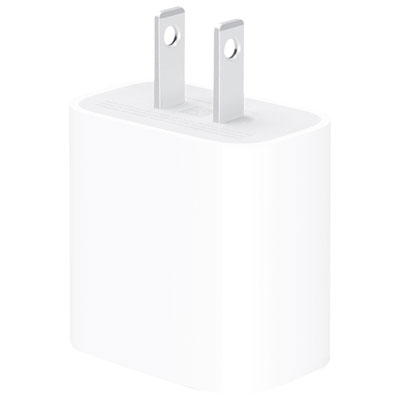 Your price for this item is $24.99
-
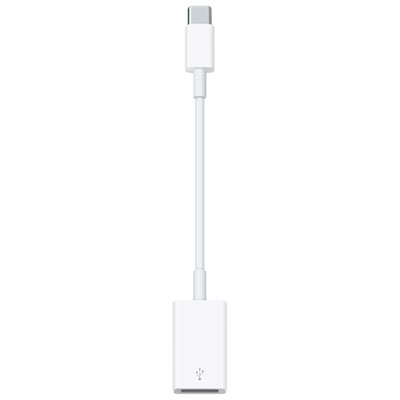 Your price for this item is $25
-
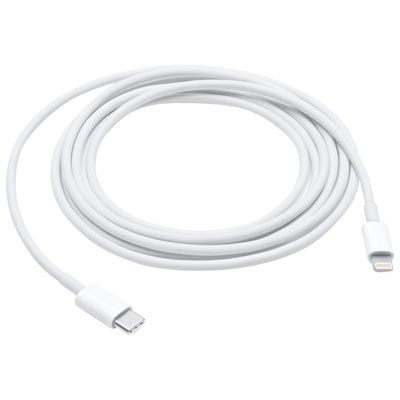 Your price for this item is $38.99
-
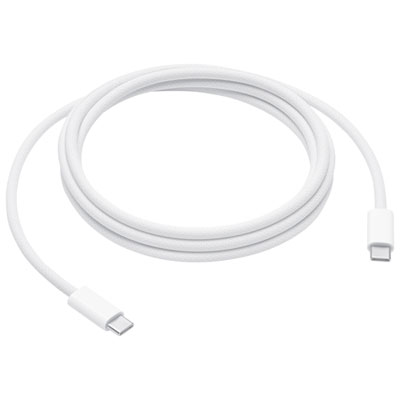 Your price for this item is $39.99
-
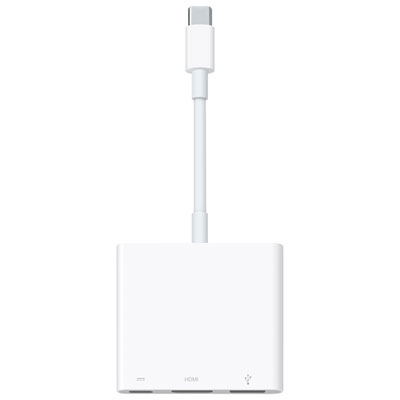 Your price for this item is $85
-
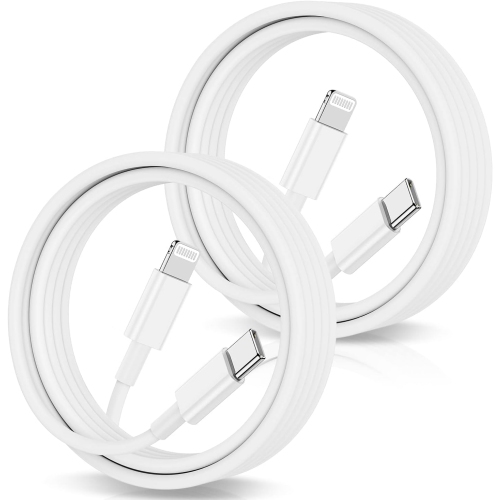 Your price for this item is $24.99
-
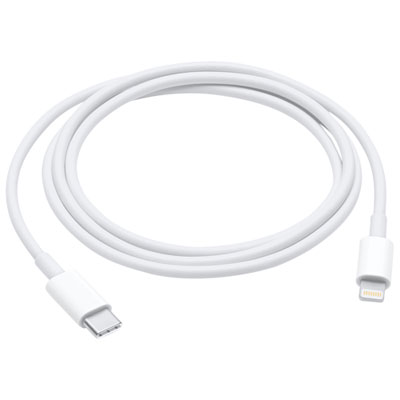 Your price for this item is $24.99
-
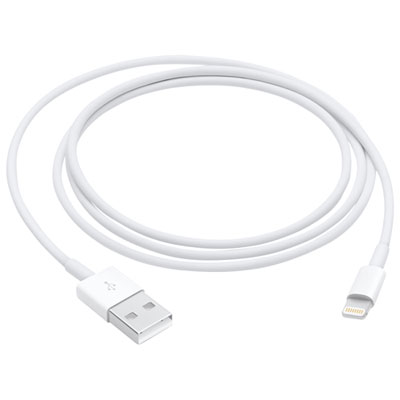 Your price for this item is $24.99
Discover more categories related to Apple Portable Chargers for Iphone
Top Collections:
Best Black Friday Deals This Year, Best Black Friday Deals On Electronics, Kindle Devices, Pokemon Centers, Best Black Friday Deals On Apple Products, Best Cameras for Sports Photography, Dyson Airwrap, Pokémon 30th Celebration Cards, Apple iPhone 17 Pro, Canon G7X Cameras
Some products may be subject to Environmental Handling Fees
(EHF) depending on your province.
Learn more about EHFs.