Pioneer Multimedia Car Stereos

Find Pioneer multimedia car stereos for your next in-dash audio upgrade. Compare car receivers by dashboard fit, media playback options, and smartphone compatibility to narrow your choices, and check installation requirements for your vehicle before you buy.

Sort

A dashboard upgrade goes beyond a bigger screen

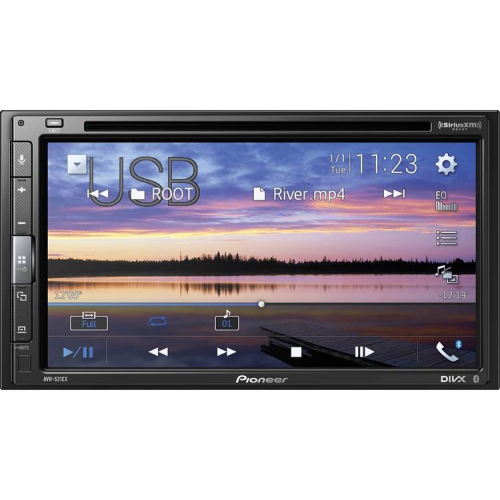
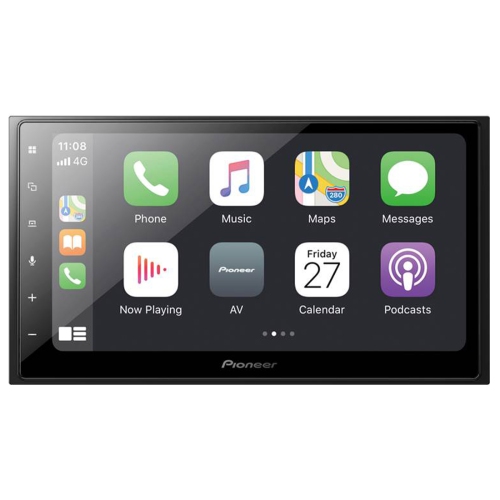
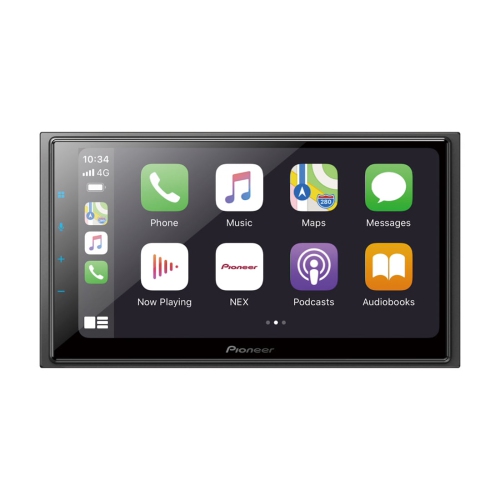
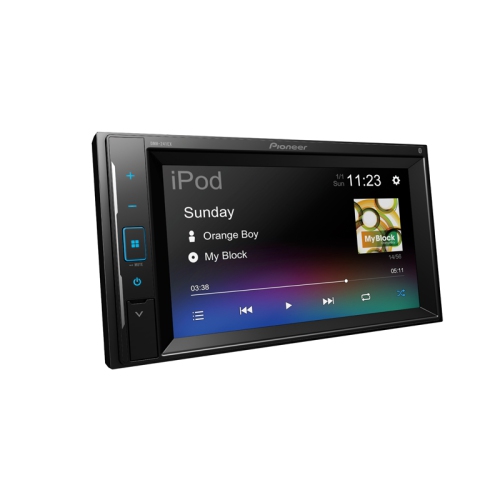
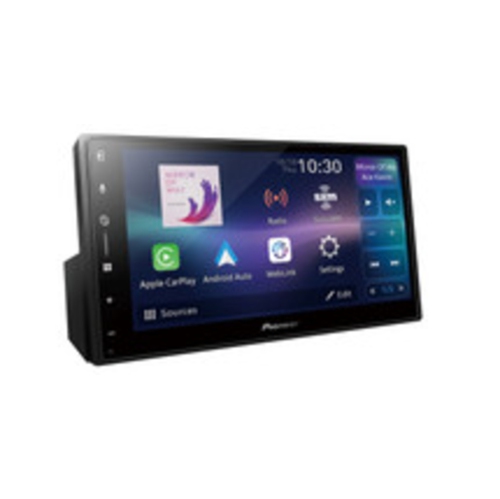
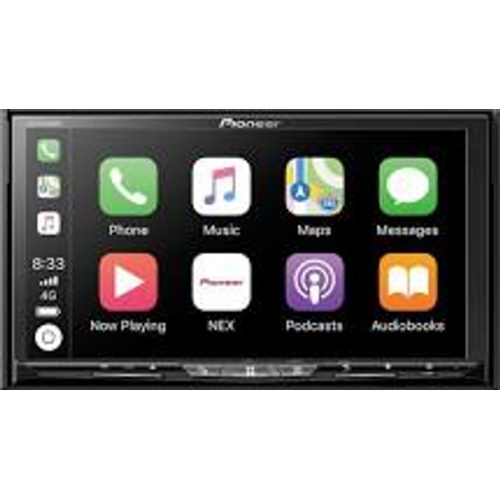
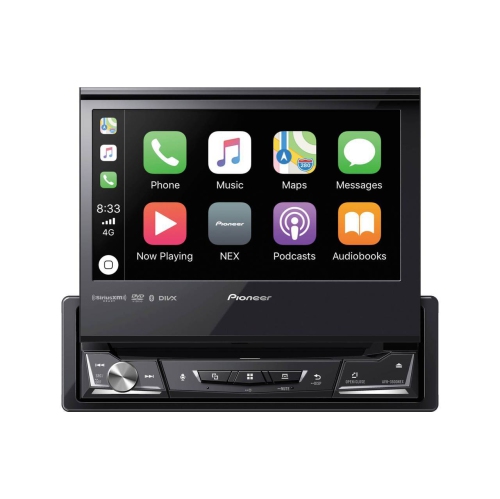
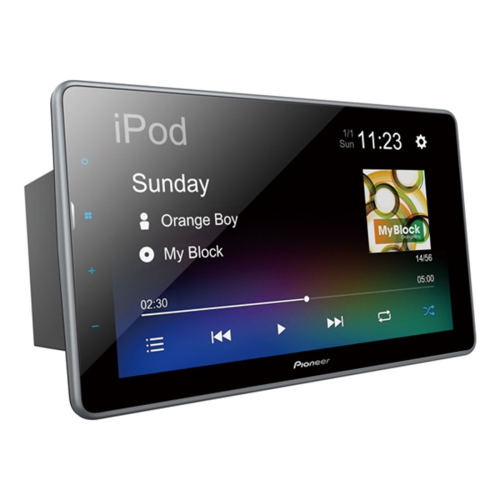
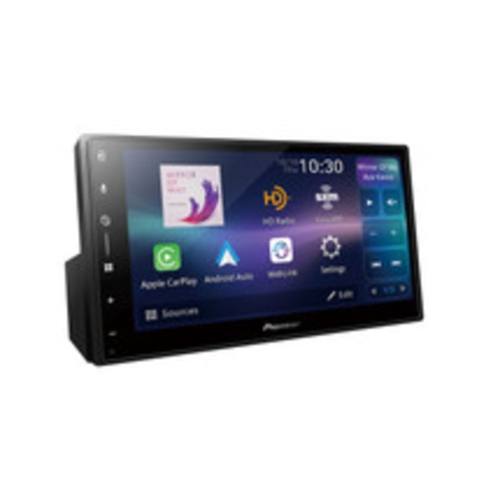
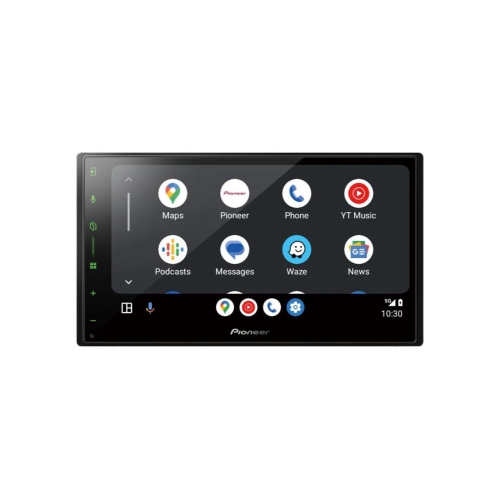
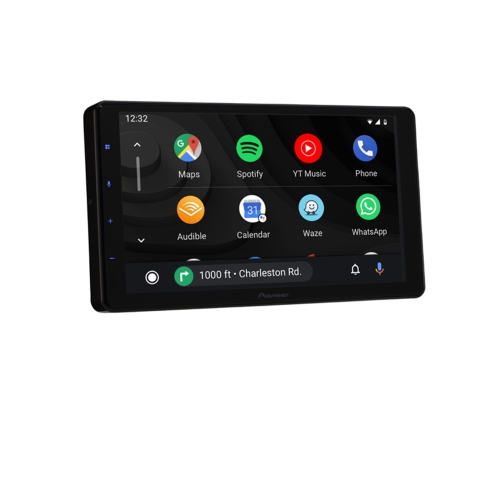
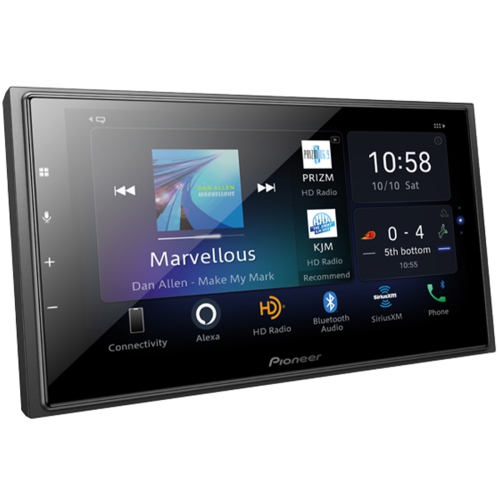
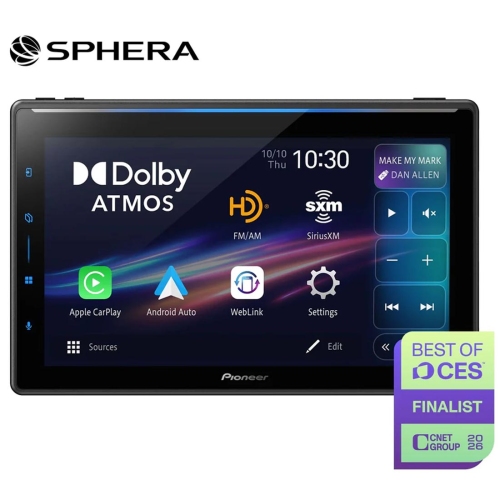
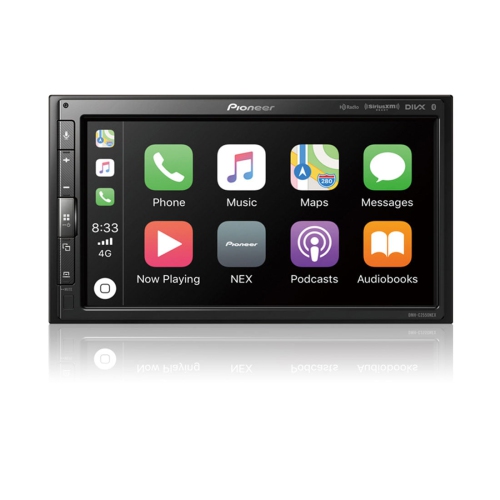
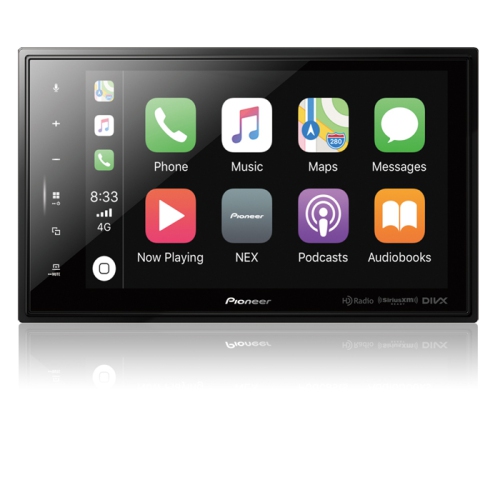
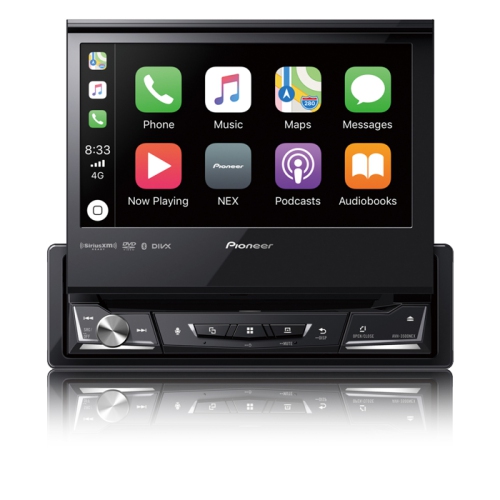
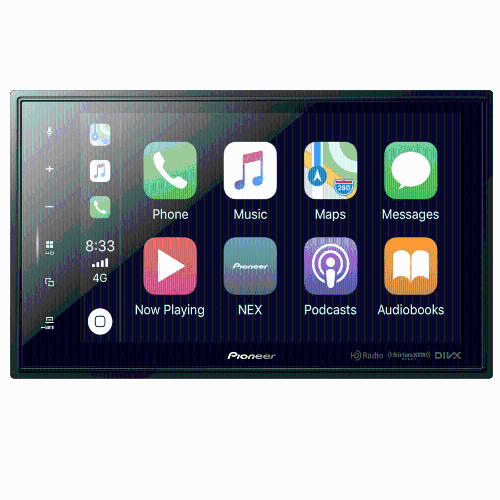
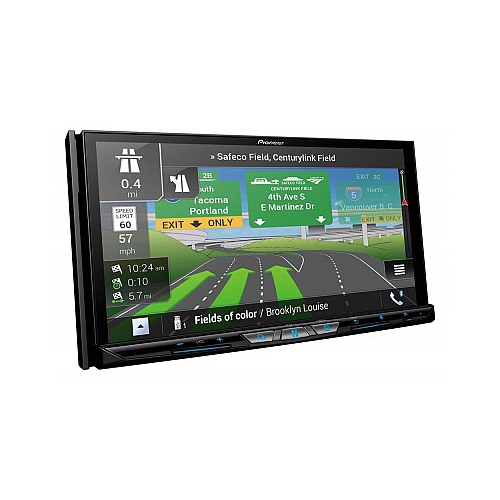
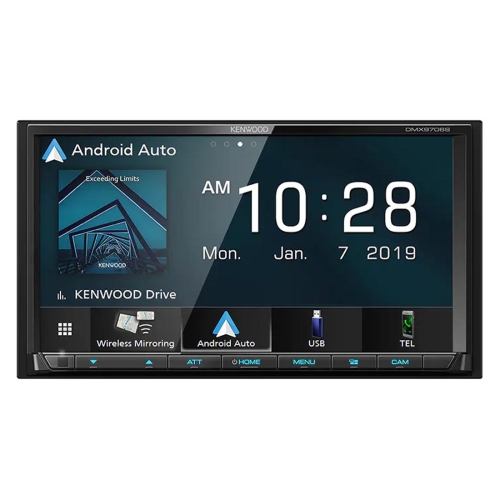
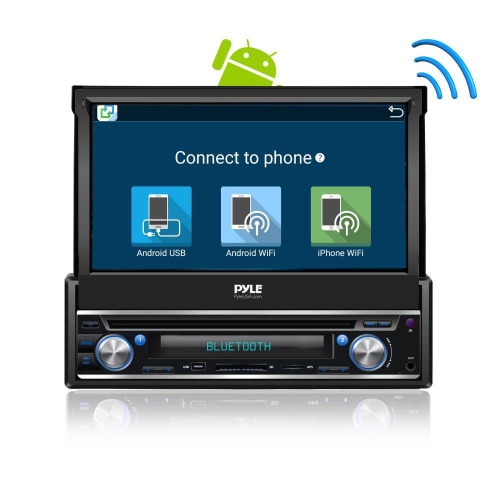
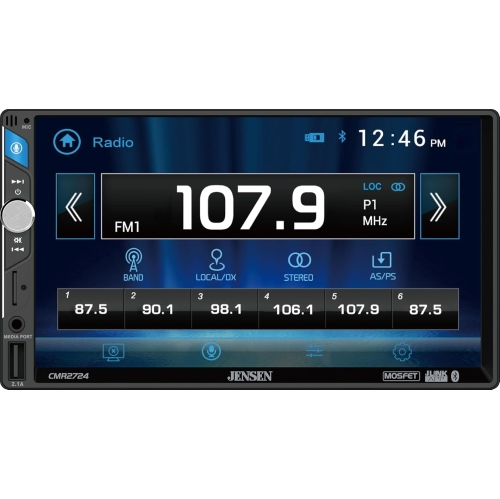
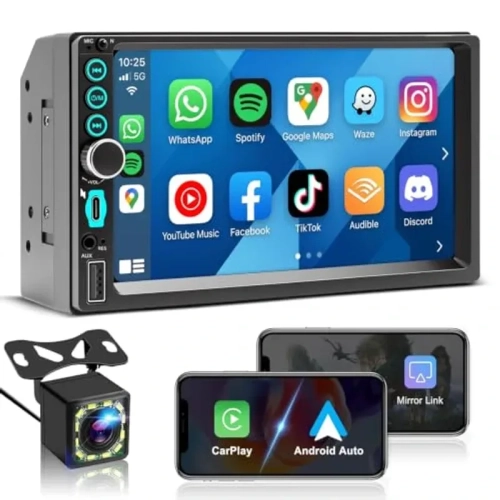
Multimedia car stereos bring audio playback, media controls and a visual interface together in the dashboard, with some receivers also supporting smartphone integration, navigation prompts and camera views. They can make an older vehicle feel easier to use without replacing the vehicle itself, especially when the original stereo lacks convenient phone connections or has a small, difficult-to-read display. For daily commuters, a clear interface can put favourite stations, playlists and spoken directions within easier reach. On longer drives, flexible media connections give passengers more ways to enjoy music, podcasts and audiobooks. The details vary between receivers: some focus on digital sources, while others also include a disc drive. A touchscreen alone does not confirm disc playback, built-in navigation or wireless phone integration, so those functions are worth distinguishing rather than treating them as standard features. Within the Pioneer AVH range, supported media sources and connection types help separate receivers that may look similar at a glance. Bluetooth can provide wireless audio streaming and hands-free calling, while compatible smartphone interfaces may bring selected apps into a layout designed for the dashboard. Wired connections can suit drivers who already plug in a phone for every trip; wireless integration, where supported, offers a different kind of convenience but may have separate phone and connection requirements. USB ports also vary in their purpose, charging capability and supported file formats. A receiver that plays music from a flash drive may not support every audio format, and a charging connection does not necessarily provide full app integration. Familiar controls matter just as much as the feature list. A responsive volume knob, readable source labels and an uncluttered home screen can be particularly useful when moving between radio, phone audio and navigation prompts. Voice control and steering-wheel buttons may reduce the need to touch the display, but their operation depends on the receiver, connected phone and vehicle integration.
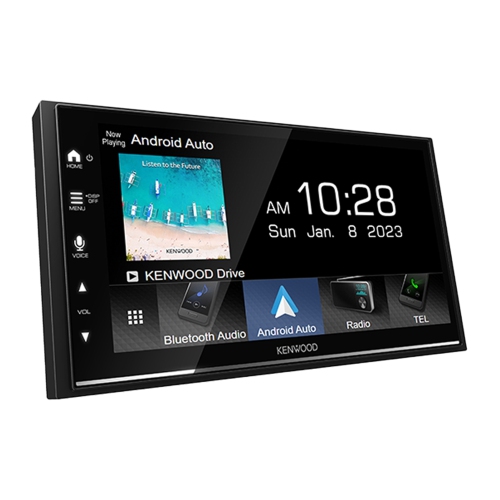
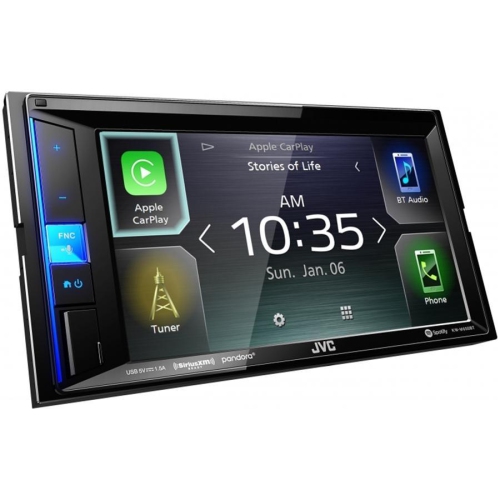
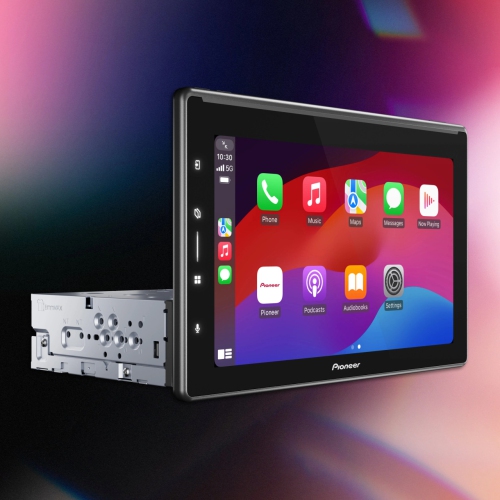
Dashboard fit is a central consideration because screen size and installation size are not the same measurement. A receiver with a large display may use a smaller chassis, while a more conventional touchscreen unit may occupy a double-DIN opening. The available depth behind the dash, the shape of the surrounding trim and the position of vents, switches and gear selectors all affect how naturally a stereo fits into a vehicle. Floating displays can offer a larger viewing area, but their placement needs to leave essential controls, sightlines and airbag deployment areas unobstructed. A vehicle-specific dash kit can help the new receiver sit neatly within the original opening, while a suitable wiring harness connects it to the vehicle without relying on improvised connections. Antenna adapters and additional interfaces may also be needed. Factory amplifiers, steering-wheel controls, warning chimes, parking sensors and original camera systems do not automatically work with every replacement receiver; some require compatible adapters, and some original functions may not be retained. These details are especially important in vehicles where the stereo shares its screen or controls with other systems. Professional installation can help address mounting, wiring and integration requirements, particularly when the dashboard is tightly packed or the factory audio system is complex. Camera support deserves the same attention as phone compatibility. A camera input does not mean a camera is included, and the receiver and camera must use compatible connections and video formats. Clear camera images can assist with manoeuvring, but they do not replace direct observation. Display quality also affects everyday usability: contrast, viewing angles, adjustable brightness and the position of on-screen buttons can matter more than a large screen on its own. Video entertainment is intended for appropriate parked use, subject to applicable rules and safety interlocks, while driving-related functions should remain straightforward and minimally distracting.

Sound quality depends on how the receiver works with the rest of the audio system, not simply on the largest power figure in a specification list. Continuous power ratings, speaker compatibility and the condition of existing wiring provide more useful context than peak output alone. For a vehicle retaining its original speakers, tone controls and a well-configured equalizer can help balance voices, bass and higher frequencies. More extensive sound adjustment may include crossovers, listening-position settings or time alignment, depending on the receiver. These features can help compensate for the uneven distances between speakers and seats, although they cannot repair a damaged speaker or eliminate every source of cabin noise. Drivers planning a separate amplifier or subwoofer may also value suitable preamp outputs and independent level controls. The most useful setup is often the one that makes spoken directions easy to understand and music enjoyable at a comfortable volume, rather than one built around maximum loudness. Construction and care contribute to that experience over time. Receivers commonly combine a metal chassis with moulded trim, a display surface and physical controls; secure mounting helps prevent movement and unwanted rattles, while properly routed cables keep connectors from being strained behind the dash. A soft microfibre cloth is generally suitable for routine dust removal, with cleaning products and methods matched to the manufacturer's directions. Spraying liquid directly onto the display or allowing moisture into buttons and ports can damage electronics. Screens with fewer fingerprints are also easier to read, making simple care worthwhile beyond appearance alone. For households sharing a vehicle, convenient phone switching, accessible presets and a predictable menu layout can be more valuable than seldom-used extras. Multimedia receivers can also make thoughtful gifts for drivers who spend plenty of time behind the wheel, provided the vehicle fit, preferred phone connection and installation needs are established beforehand. Whether the goal is clearer calls, easier access to favourite audio or a more useful dashboard display, compatibility and everyday usability give these stereos their lasting value.

FAQ

Some products may be subject to Environmental Handling Fees (EHF) depending on your province. Learn more about EHFs.