Soft Dolls
Soft dolls are a delightful addition to any child's playtime, offering endless opportunities for imaginative adventures and comforting companionship. Crafted with gentle materials, these cuddly companions are perfect for snuggling and nurturing, making them ideal for children of all ages. Whether you're searching for a heartfelt gift or a new friend to join your little one's collection, soft dolls bring a touch of magic and warmth to every moment. Explore the charming variety of designs, from classic characters to whimsical creations, and discover the joy that these beloved toys can bring into your home.
Sort

How fabric and filling shape a doll’s feel
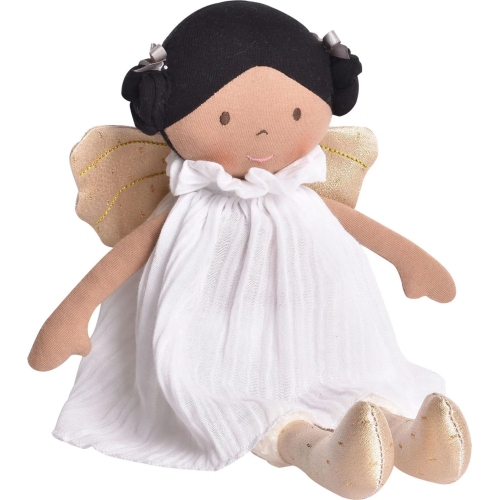
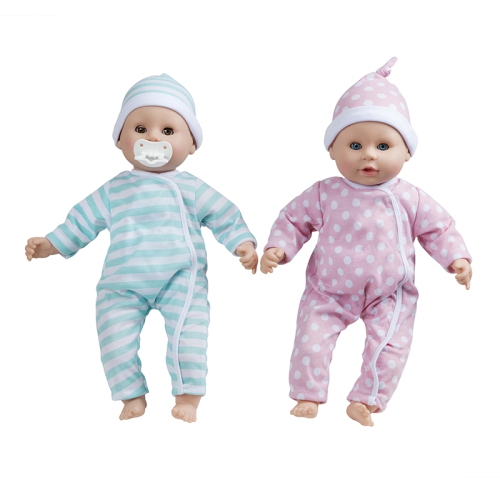
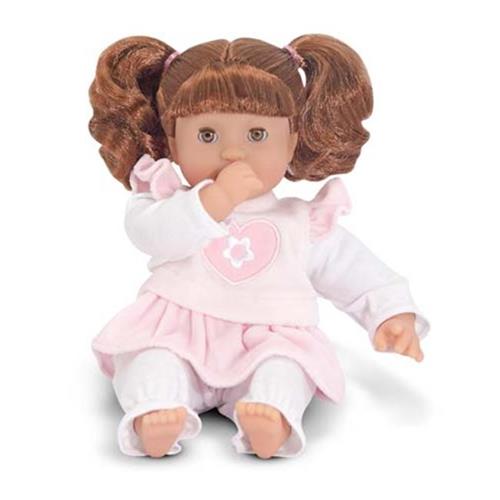
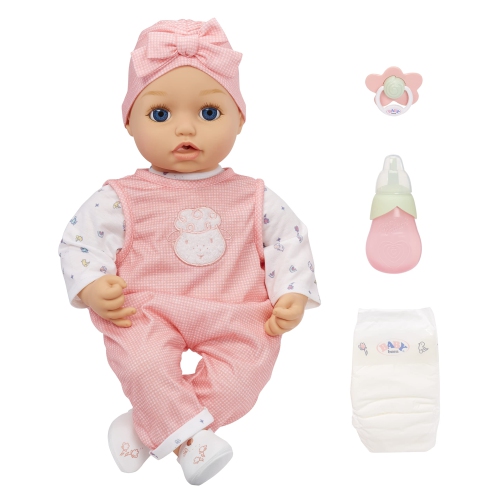
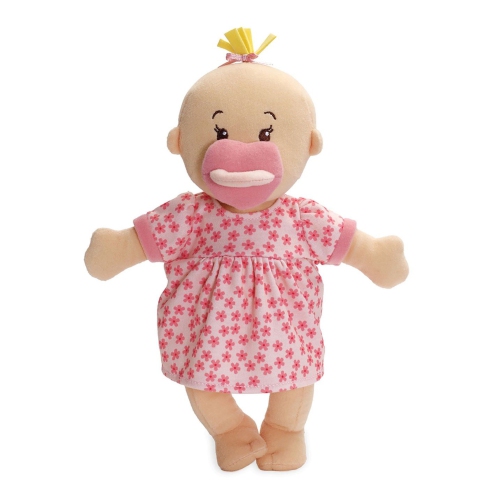
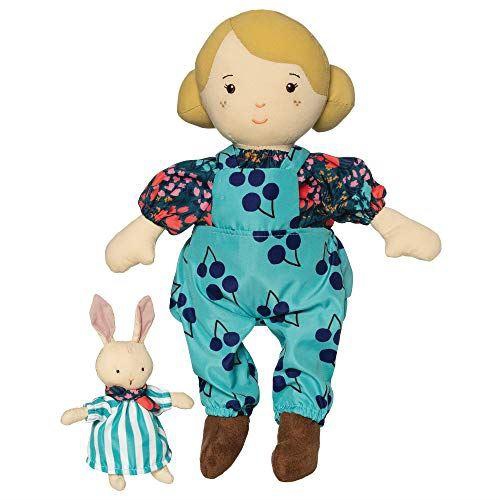
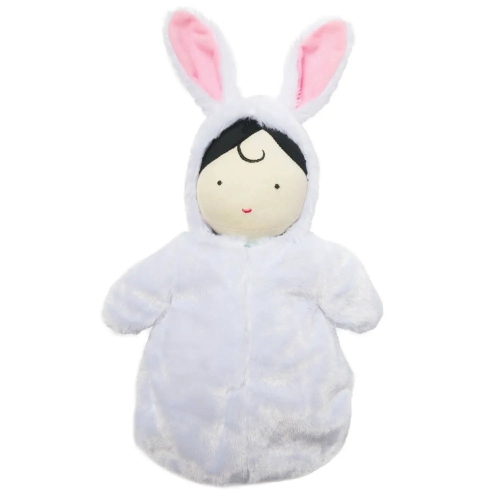
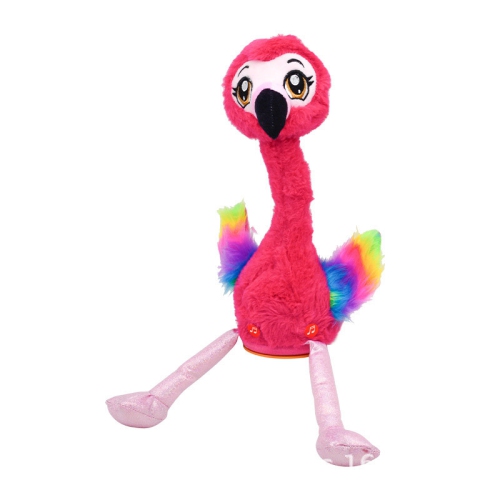
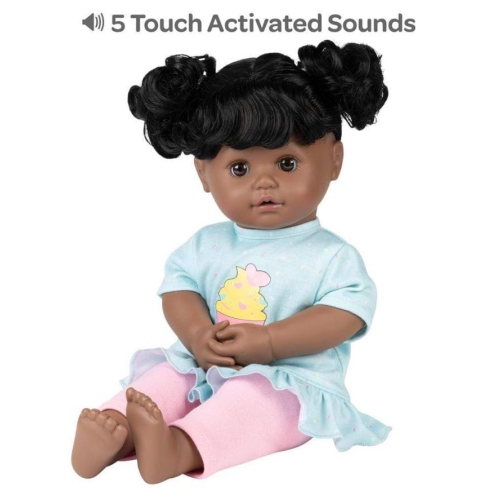
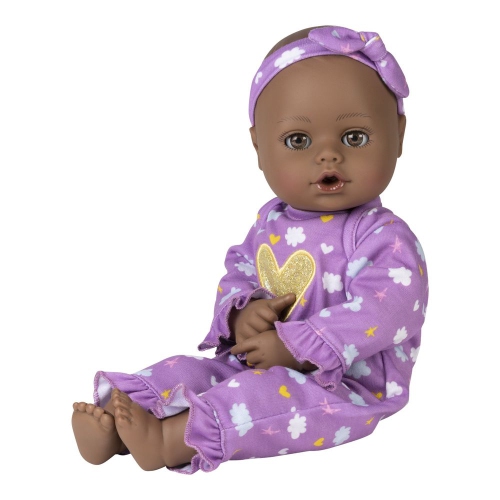
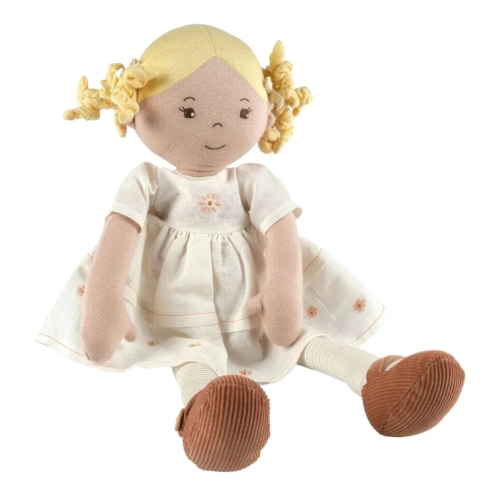
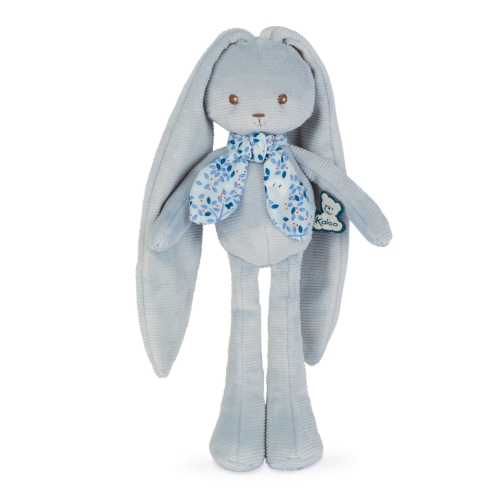
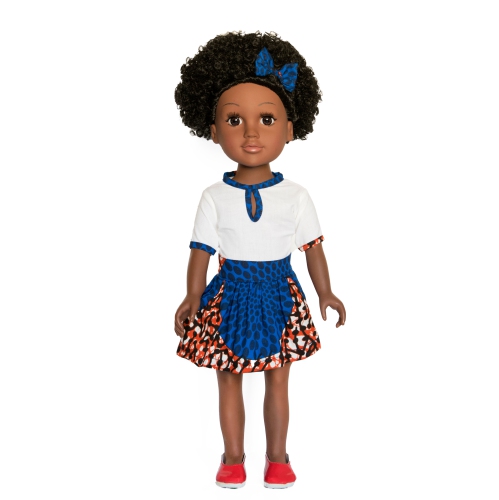
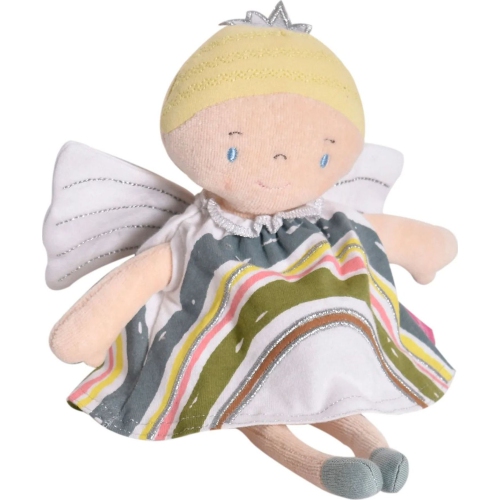
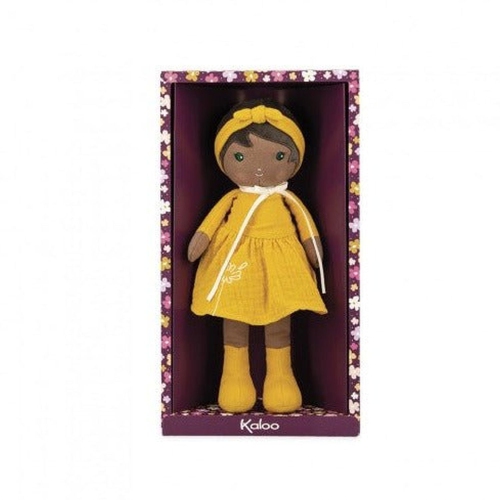
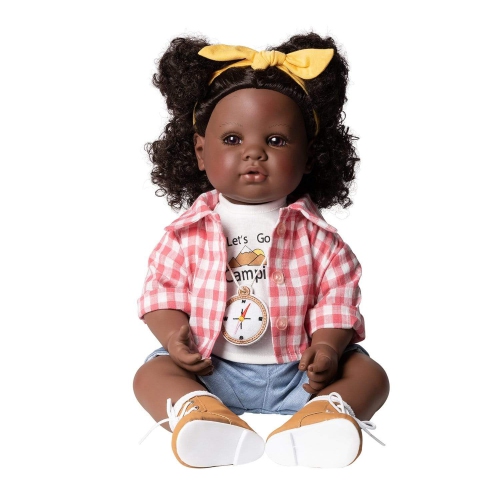
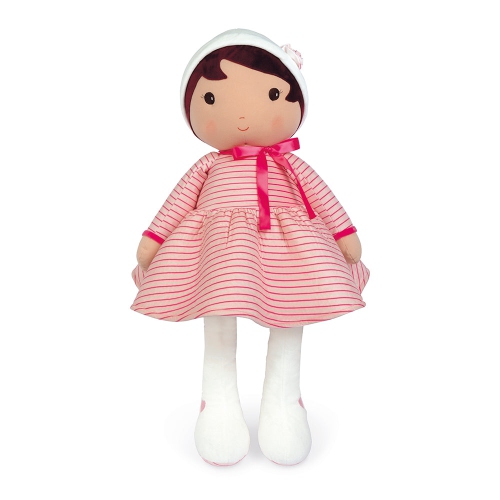
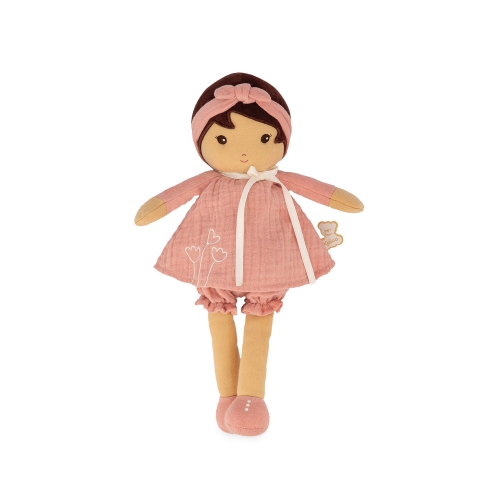
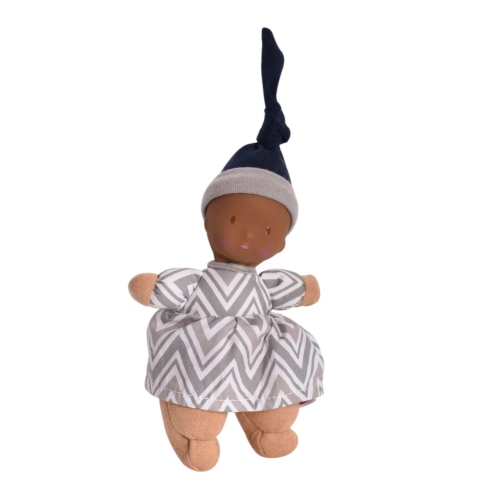
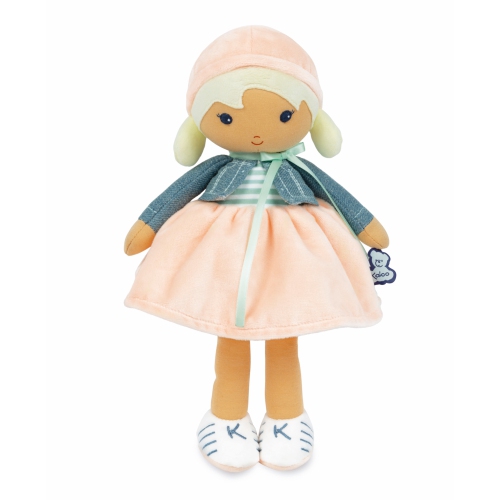
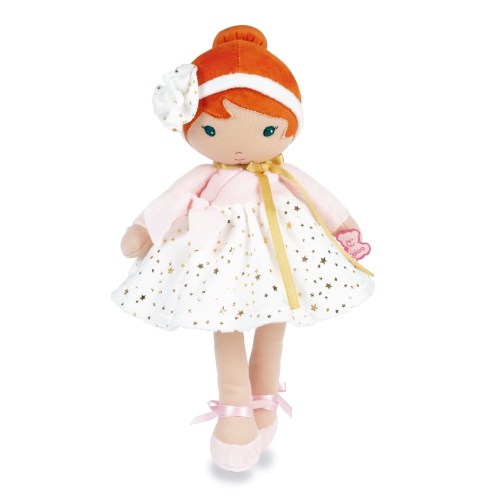
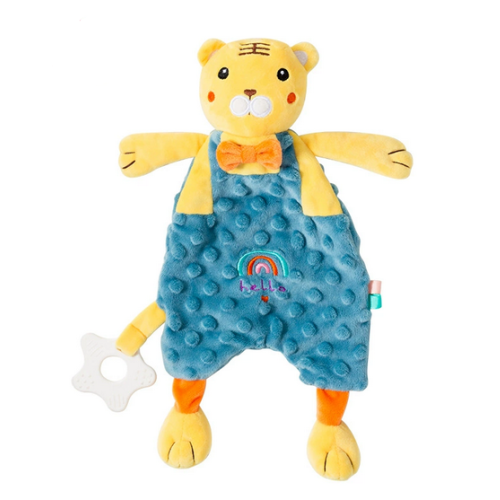
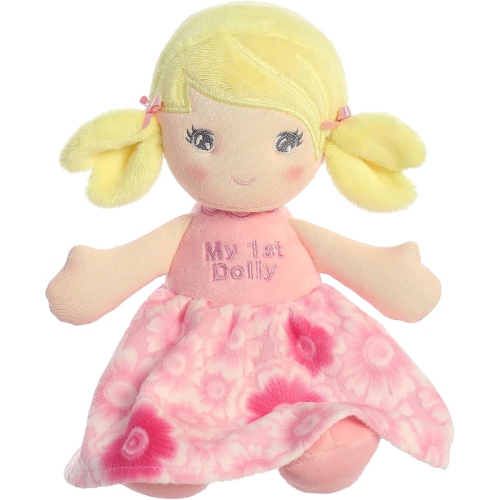
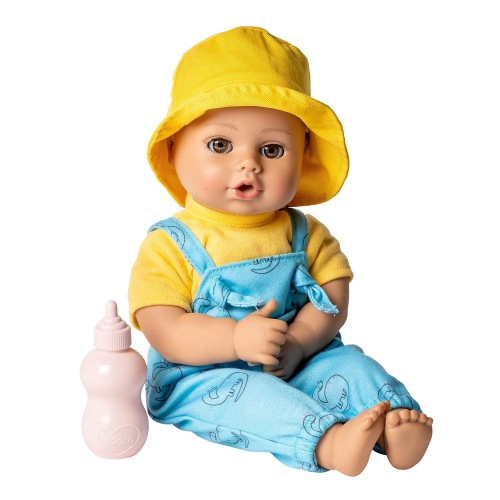
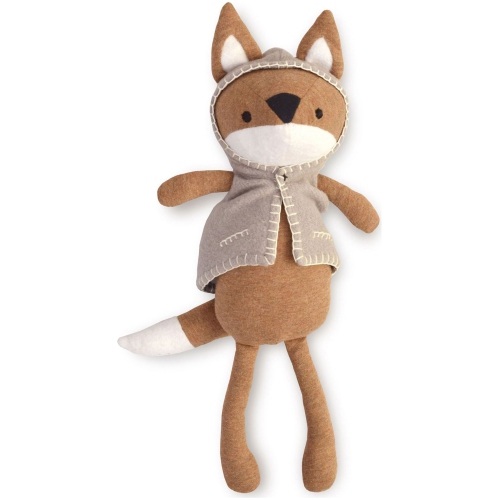
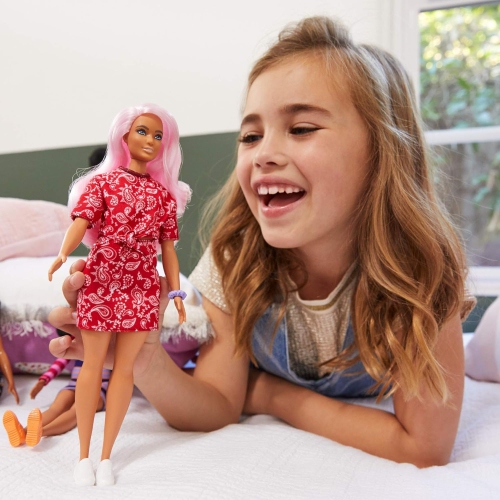
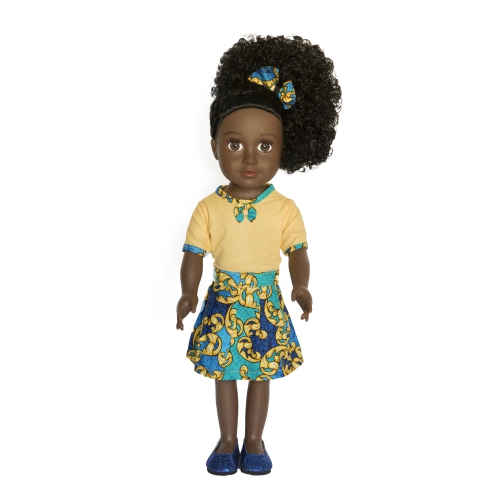
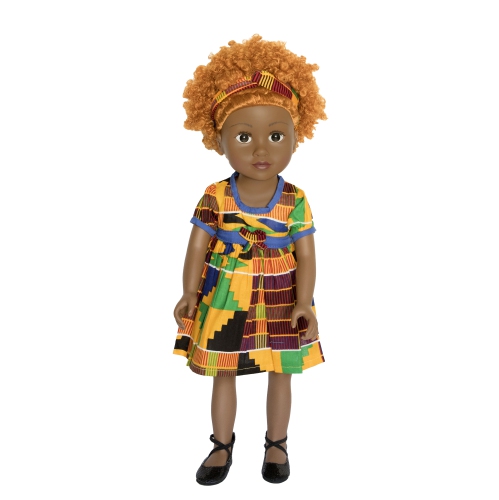
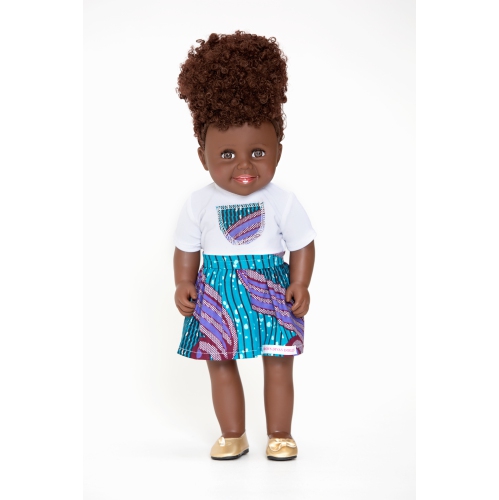
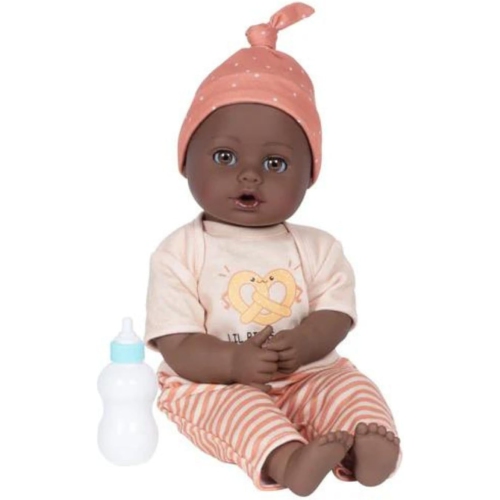
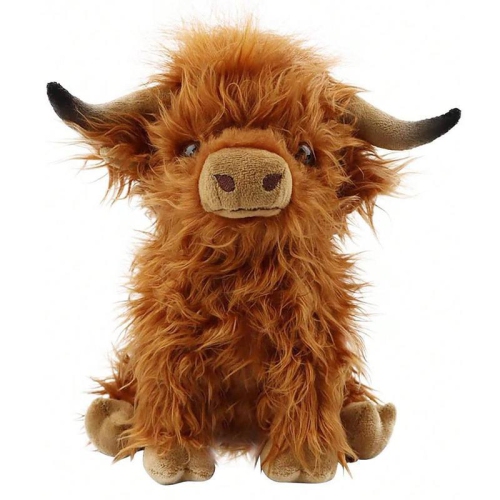
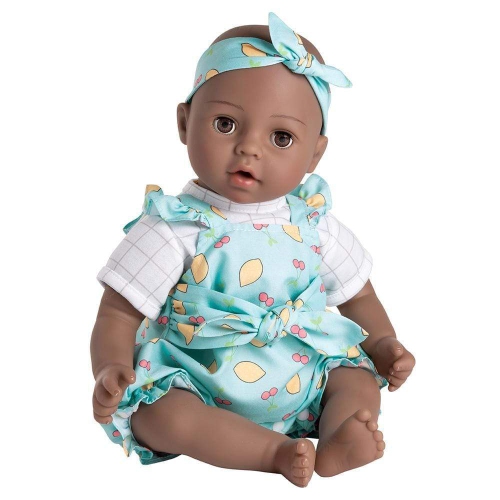
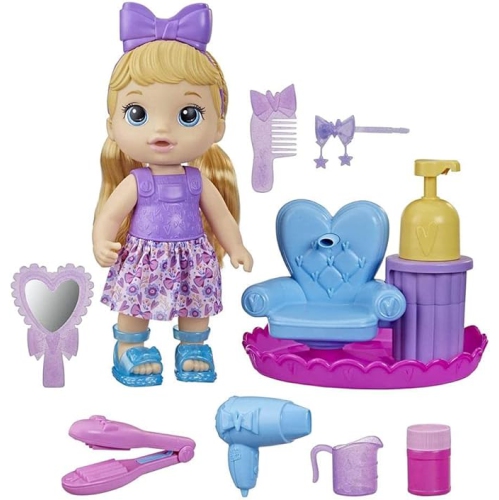
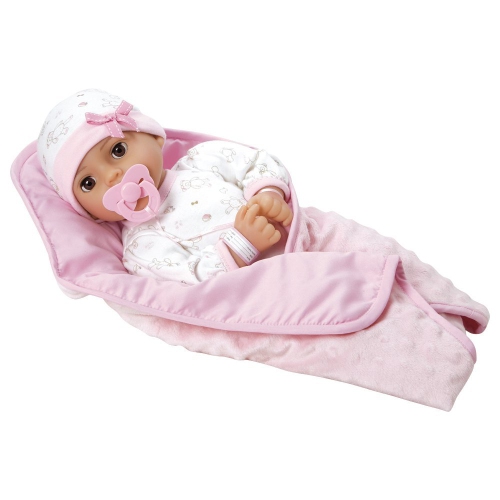
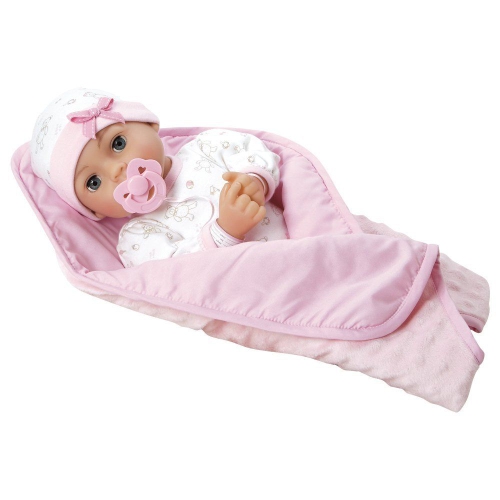
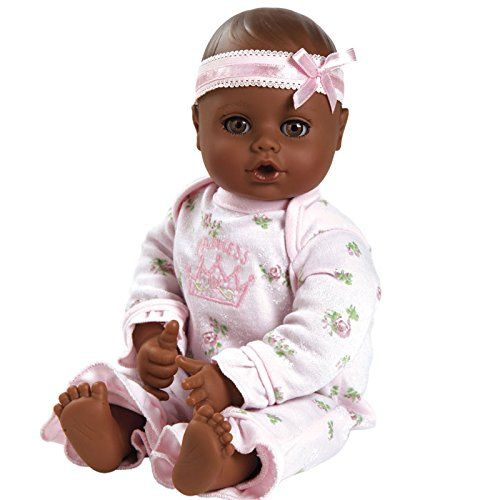
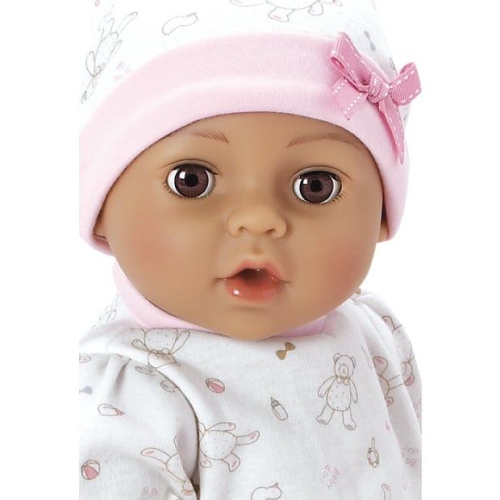
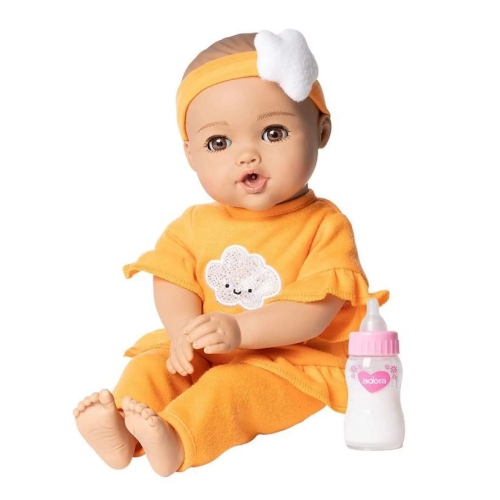
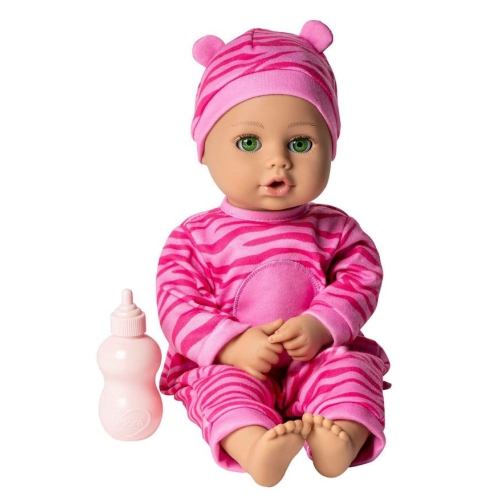
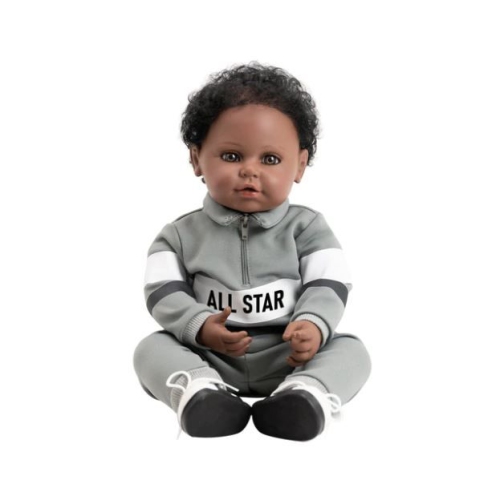
Soft dolls are fabric-bodied toys with a cushioned feel, designed for cuddling, carrying, and imaginative play. They include traditional rag dolls, plush dolls with velvety surfaces, and baby-style dolls with soft torsos and varying amounts of moulded detail. An entirely cloth doll feels different from a soft-bodied doll with a firm head, hands, or feet, so the construction matters as much as the appearance. Cotton fabrics can offer a smooth, familiar texture, while polyester plush, fleece, and velour provide different degrees of softness and surface pile. Filling gives a doll its shape: a lightly stuffed body may bend easily into a seated position, while firmer stuffing can help the head and limbs hold their form during play. For a child who likes to tuck a companion under one arm, low weight and flexible limbs may matter more than elaborate clothing. A smaller doll, roughly 8 to 10 inches tall, can be easier for little hands to hold, while a doll around 12 to 16 inches tall may suit a toddler who enjoys dressing, carrying, and pretend caregiving. These measurements are useful comparisons rather than age rules; the doll’s proportions, weight, and labelled age range are more important than height alone. Soft dolls can be companions during supervised quiet time, passengers in a pretend bus made from sofa cushions, or patients at a make-believe checkup. Familiar routines give children plenty of material for play, from putting on a coat to helping someone settle after a busy day. Dolls with varied skin tones, hairstyles, facial expressions, and clothing can let children choose a familiar-looking companion or bring different characters into their stories. Simple features leave room for children to invent a doll’s mood and personality, while more detailed outfits may appeal to those who enjoy assigning roles and acting out everyday scenes.
Age suitability is an essential consideration, especially when a soft doll is intended for a baby or a child who still mouths toys. A soft surface alone does not make a doll suitable from birth. The manufacturer’s age label, warnings, attached details, and care directions should all be considered together. Embroidered facial features avoid the separate hard pieces found in some eye and button designs, but stitching still needs to remain intact, and no single feature guarantees suitability for an infant. Long ribbons, loose yarn hair, removable shoes, and tiny accessories call for particular attention around younger children. For babies, dolls belong in supervised play rather than in a crib, bassinet, or other infant sleep space, which should remain free of soft toys. As children grow, the way they handle a doll often changes. A toddler may grip an arm and carry it from room to room, making secure limb attachments and a manageable body size practical priorities. A preschooler may spend more time fastening clothing, arranging a pretend meal, or wrapping a doll in a blanket during play. Removable outfits can add variety, although narrow sleeves, small fasteners, and snug openings may require adult help. Wider clothing openings and simple closures can make independent dressing less frustrating when they are appropriate for the child’s age. For children sensitive to textures, seams, fabric pile, yarn hair, and scratchy clothing trim can influence how comfortable a doll feels to hold. A quiet cloth design may also suit a child who prefers toys without sounds or lights. Compact companions can fit more easily into a day bag for visits or outings; Small Stuffed Dolls offer a related format to consider when portability matters. Whatever the size, a doll should suit both the child’s interests and the setting where it will be used, whether that means floor play at home, supervised childcare activities, or storytelling alongside siblings.
Care and durability make a noticeable difference with a toy that gets carried through daily routines. A favourite soft doll may spend the morning beside a picture book, travel to a grandparent’s home, and return with a smudge on its cheek, so cleaning instructions are worth checking before it becomes a regular companion. Some fabric dolls are machine washable, while others require handwashing or surface cleaning because of their filling, facial details, attached clothing, or internal components. Washable does not necessarily mean suitable for a tumble dryer, and removable clothing may have separate care requirements. Following the label helps preserve the shape, texture, and colour of the fabric. When machine washing is permitted, any specified cycle, water temperature, and drying method should take priority over a general laundry routine. Allowing the doll to dry completely before play or storage is especially important around thicker bodies and densely stuffed limbs. Between washes, checking seams at the neck, shoulders, and hips can reveal wear in places that receive repeated pulling and bending. Loose threads, opening seams, exposed filling, or damaged attachments are reasons to take the toy out of play until it can be safely repaired or replaced. Shorter-pile fabrics may be easier to inspect for crumbs and lint, while longer plush can need more attention to keep its surface tidy. For gifting, a soft doll can suit a birthday, a family visit, or a new sibling’s arrival, provided its age rating matches the recipient and any children likely to share it. A baby-style doll may give an older sibling a way to imitate gentle caregiving, while a rag doll in everyday clothing can fit into stories about school, friendships, and home life. Easy-care construction is a thoughtful consideration for caregivers, and a portable size can help when a child wants to bring the same companion along on outings. The most useful choice is often straightforward: a comfortable texture, sound construction, manageable proportions, and enough flexibility to follow the child’s own ideas through many kinds of play.
Age suitability is an essential consideration, especially when a soft doll is intended for a baby or a child who still mouths toys. A soft surface alone does not make a doll suitable from birth. The manufacturer’s age label, warnings, attached details, and care directions should all be considered together. Embroidered facial features avoid the separate hard pieces found in some eye and button designs, but stitching still needs to remain intact, and no single feature guarantees suitability for an infant. Long ribbons, loose yarn hair, removable shoes, and tiny accessories call for particular attention around younger children. For babies, dolls belong in supervised play rather than in a crib, bassinet, or other infant sleep space, which should remain free of soft toys. As children grow, the way they handle a doll often changes. A toddler may grip an arm and carry it from room to room, making secure limb attachments and a manageable body size practical priorities. A preschooler may spend more time fastening clothing, arranging a pretend meal, or wrapping a doll in a blanket during play. Removable outfits can add variety, although narrow sleeves, small fasteners, and snug openings may require adult help. Wider clothing openings and simple closures can make independent dressing less frustrating when they are appropriate for the child’s age. For children sensitive to textures, seams, fabric pile, yarn hair, and scratchy clothing trim can influence how comfortable a doll feels to hold. A quiet cloth design may also suit a child who prefers toys without sounds or lights. Compact companions can fit more easily into a day bag for visits or outings; Small Stuffed Dolls offer a related format to consider when portability matters. Whatever the size, a doll should suit both the child’s interests and the setting where it will be used, whether that means floor play at home, supervised childcare activities, or storytelling alongside siblings.
Care and durability make a noticeable difference with a toy that gets carried through daily routines. A favourite soft doll may spend the morning beside a picture book, travel to a grandparent’s home, and return with a smudge on its cheek, so cleaning instructions are worth checking before it becomes a regular companion. Some fabric dolls are machine washable, while others require handwashing or surface cleaning because of their filling, facial details, attached clothing, or internal components. Washable does not necessarily mean suitable for a tumble dryer, and removable clothing may have separate care requirements. Following the label helps preserve the shape, texture, and colour of the fabric. When machine washing is permitted, any specified cycle, water temperature, and drying method should take priority over a general laundry routine. Allowing the doll to dry completely before play or storage is especially important around thicker bodies and densely stuffed limbs. Between washes, checking seams at the neck, shoulders, and hips can reveal wear in places that receive repeated pulling and bending. Loose threads, opening seams, exposed filling, or damaged attachments are reasons to take the toy out of play until it can be safely repaired or replaced. Shorter-pile fabrics may be easier to inspect for crumbs and lint, while longer plush can need more attention to keep its surface tidy. For gifting, a soft doll can suit a birthday, a family visit, or a new sibling’s arrival, provided its age rating matches the recipient and any children likely to share it. A baby-style doll may give an older sibling a way to imitate gentle caregiving, while a rag doll in everyday clothing can fit into stories about school, friendships, and home life. Easy-care construction is a thoughtful consideration for caregivers, and a portable size can help when a child wants to bring the same companion along on outings. The most useful choice is often straightforward: a comfortable texture, sound construction, manageable proportions, and enough flexibility to follow the child’s own ideas through many kinds of play.
Top selling and popular products
-
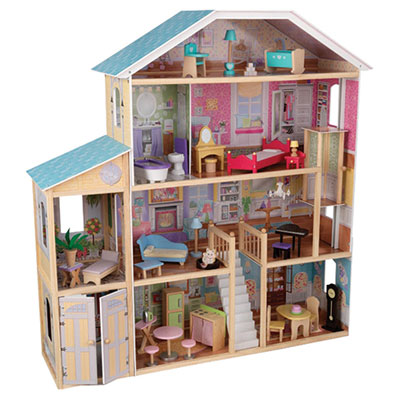 Your price for this item is $289.99
 -
 Your price for this item is $84.33
 -
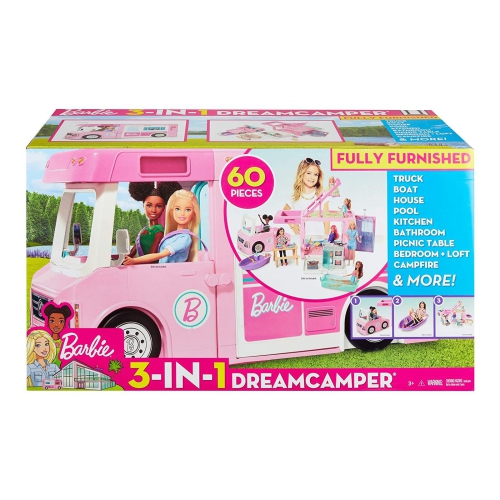 Your price for this item is $229
 -
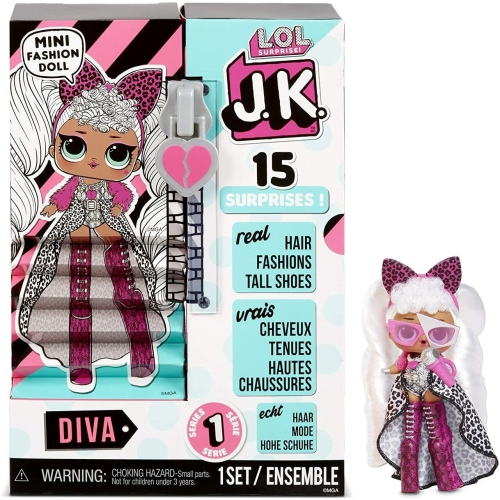 Your price for this item is $42.99
 -
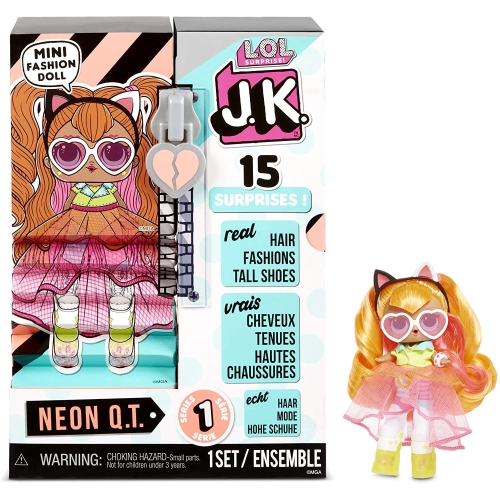 Your price for this item is $42.97
 -
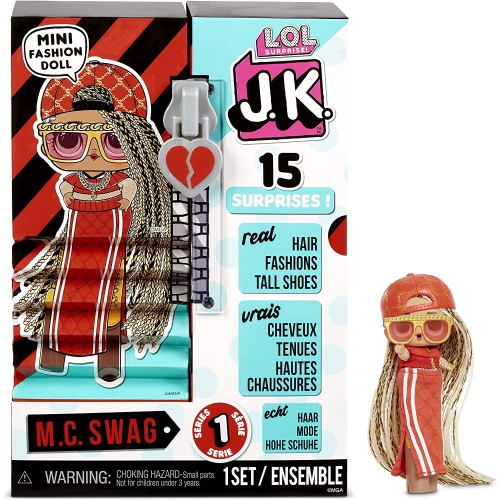 Your price for this item is $42.02
 -
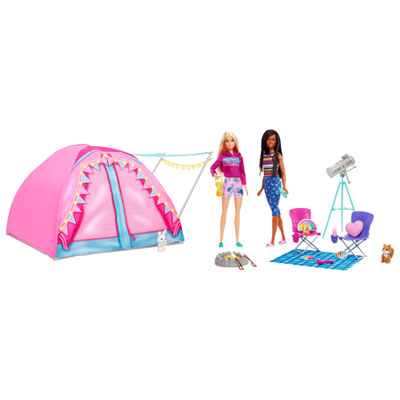 Your price for this item is $74.98
 -
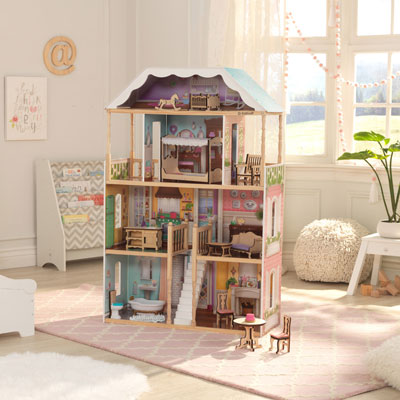 Your price for this item is $179.99
Discover more categories related to Soft Dolls
Top Collections:
Pokemon Centers, Budget 4K TVs, Best Budget Office Chairs, Kindle Devices, Canon G7X Cameras, Apple iPhones 16, iPhone 15 Apple, Laptops for Business Work, Xiaomi Phones, Flip Phones
Some products may be subject to Environmental Handling Fees
(EHF) depending on your province.
Learn more about EHFs.