Small Dolls
Discover the enchanting world of small dolls, where imagination knows no bounds and creativity flourishes. Perfectly sized for little hands, these charming companions inspire endless hours of play and storytelling. From whimsical characters to classic designs, small dolls offer a delightful array of options to spark joy in children and collectors alike. Whether you're looking to expand a cherished collection or seeking the perfect gift for a young dreamer, explore our selection to find the ideal doll that will become a treasured friend for years to come.
Sort
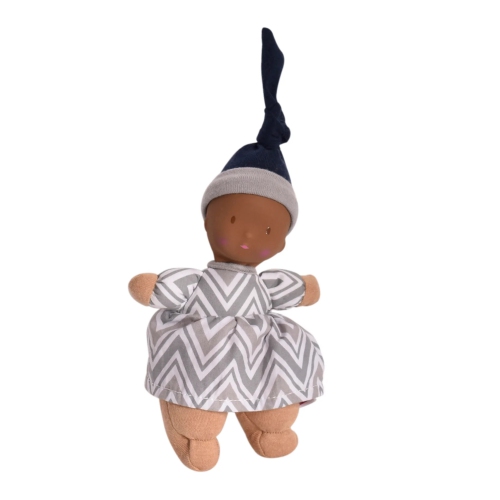
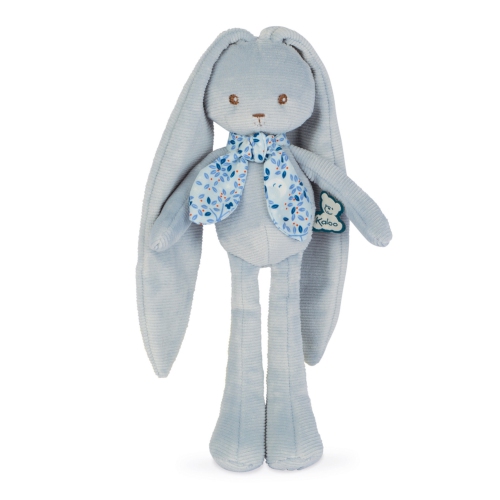
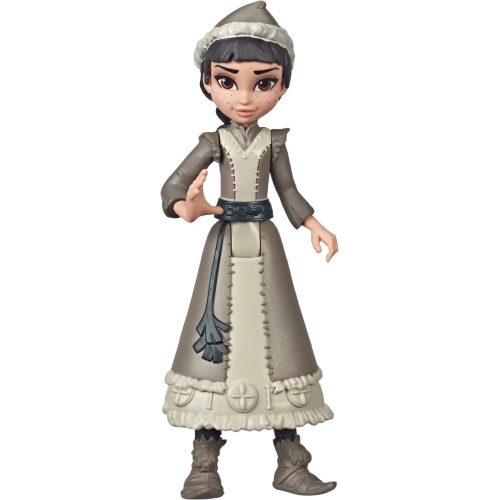
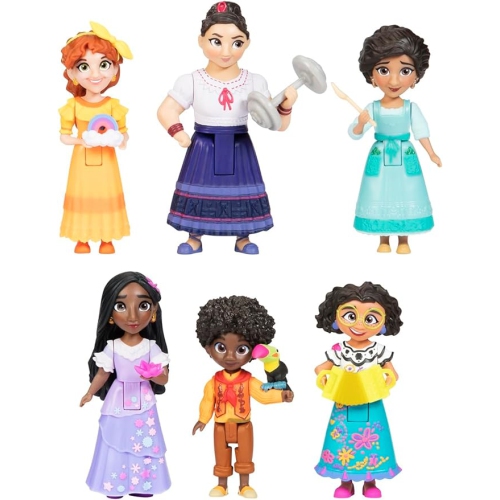
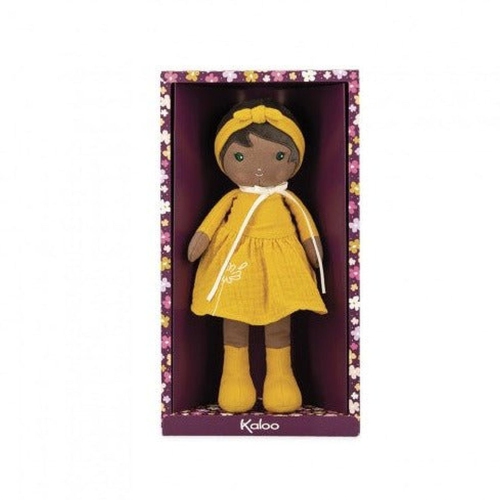
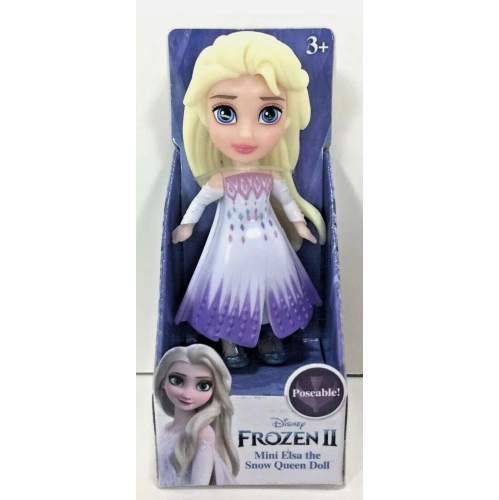
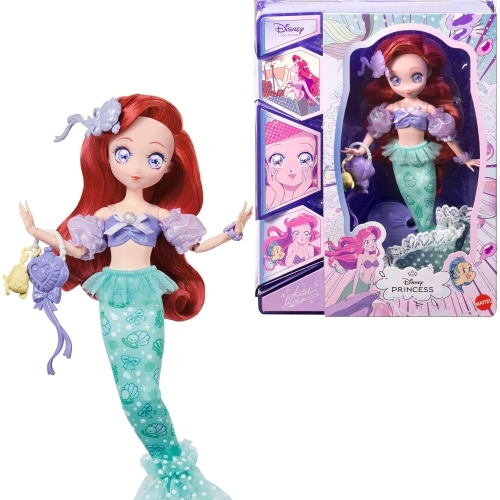

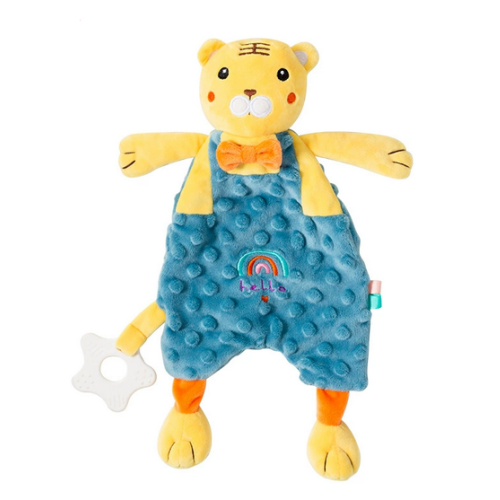
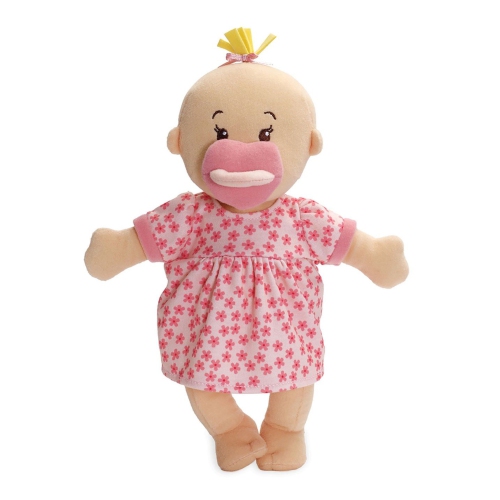
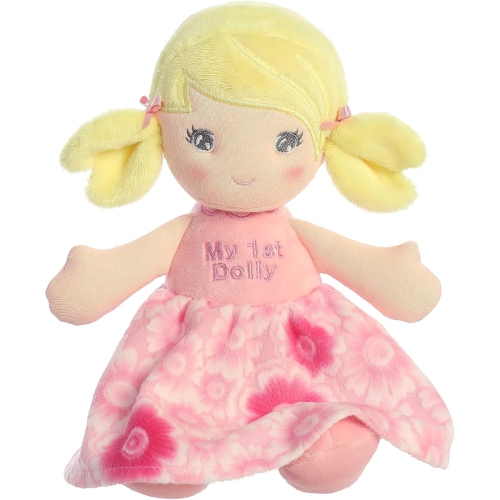
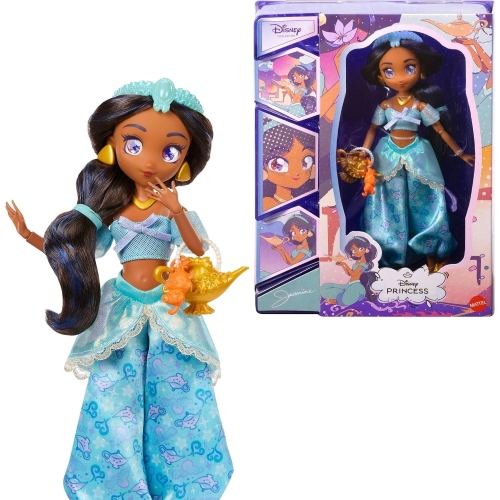
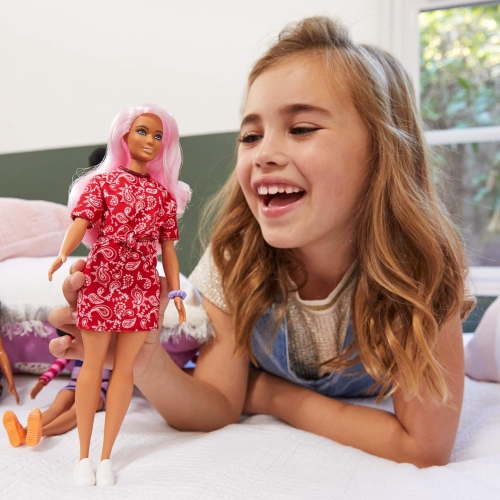
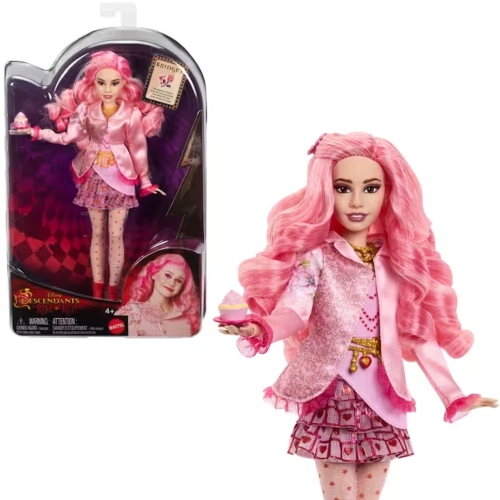
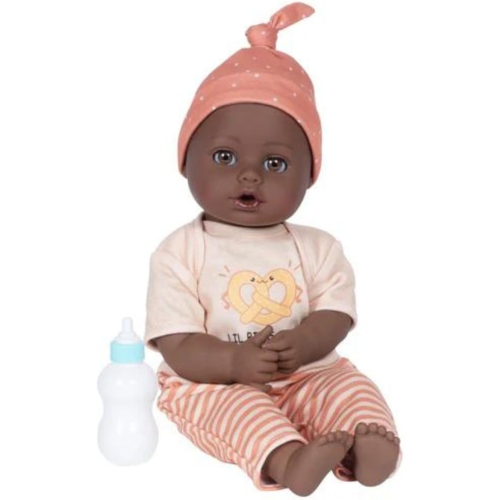
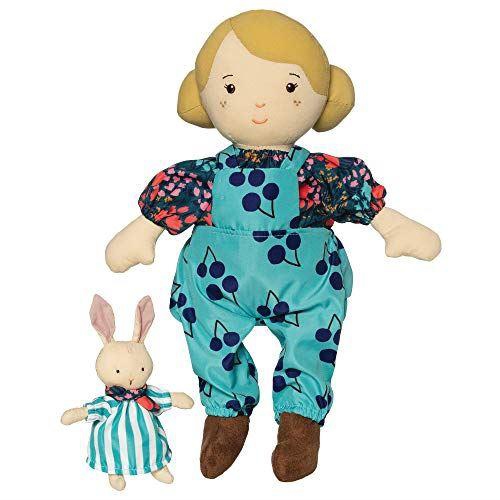
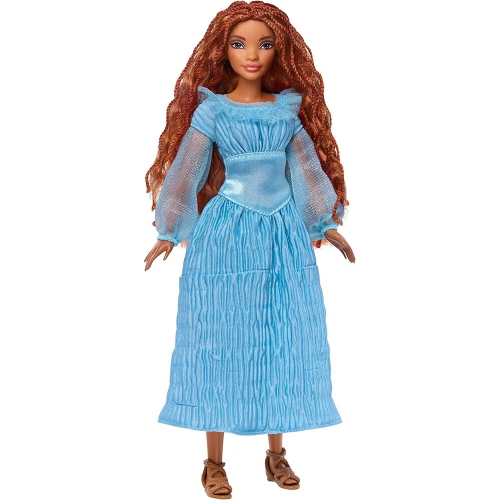

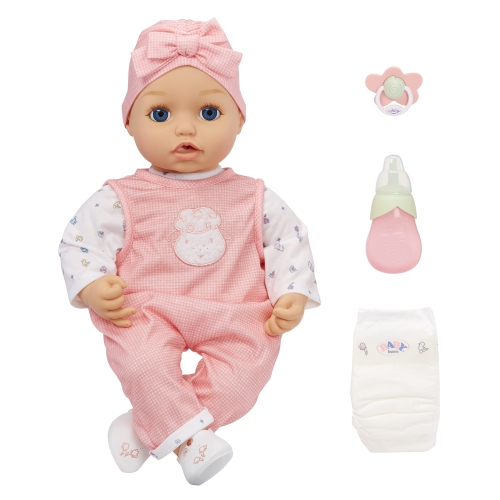
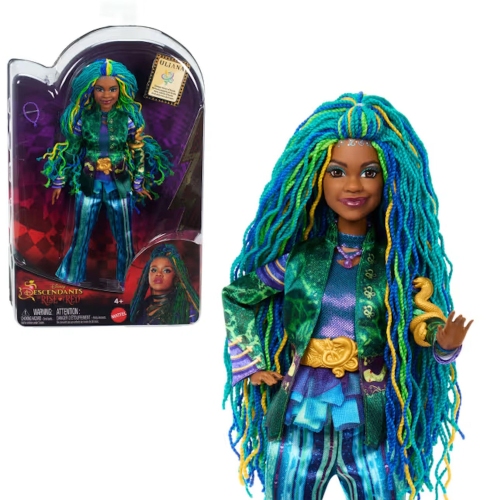
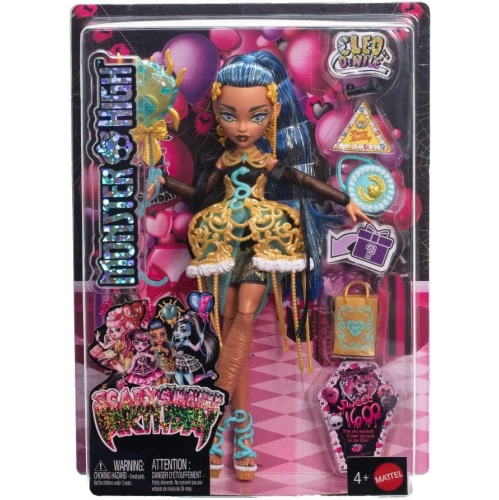
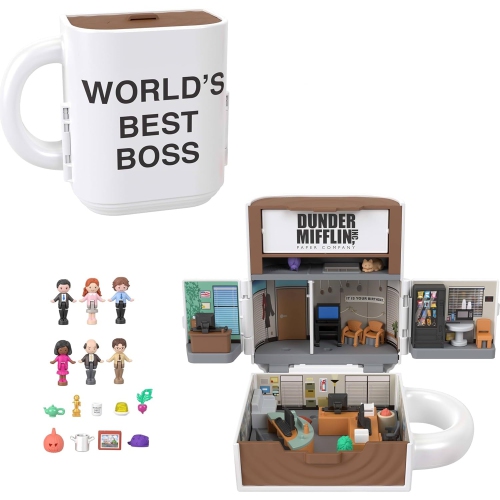
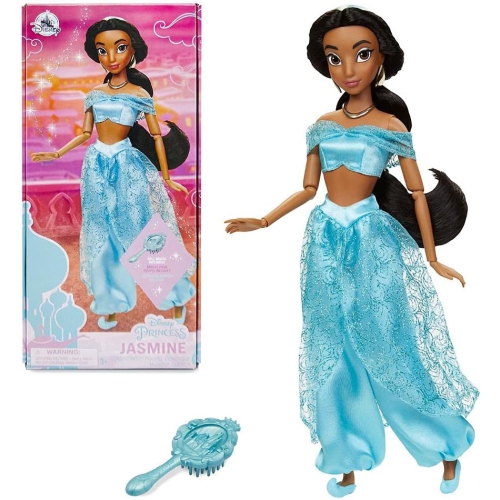
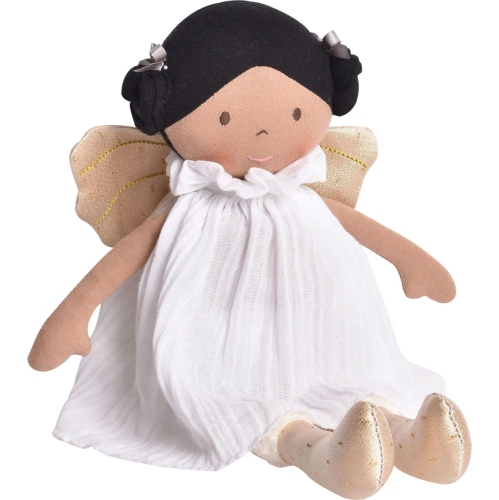
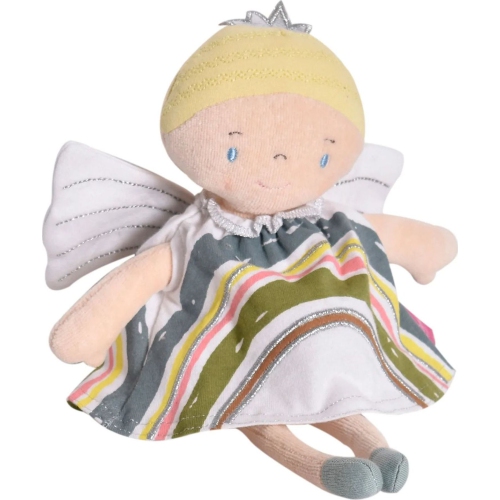
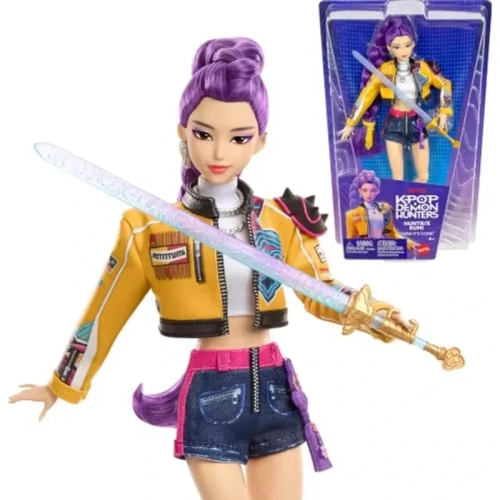


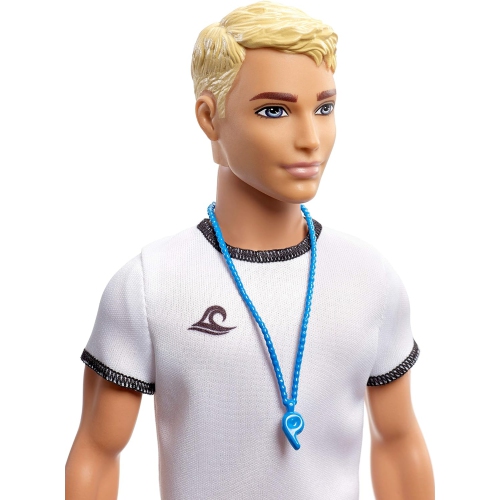


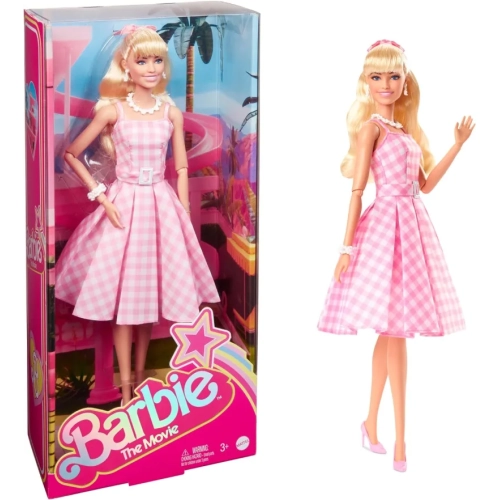

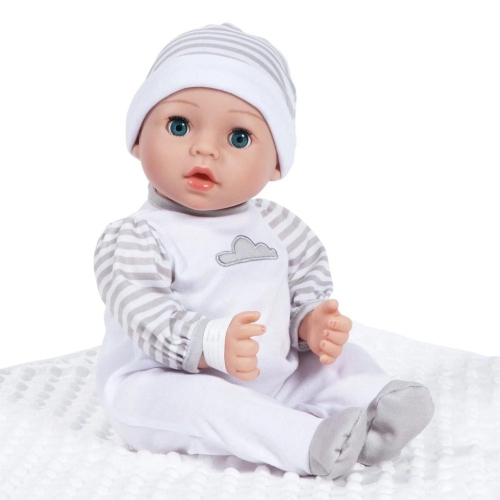

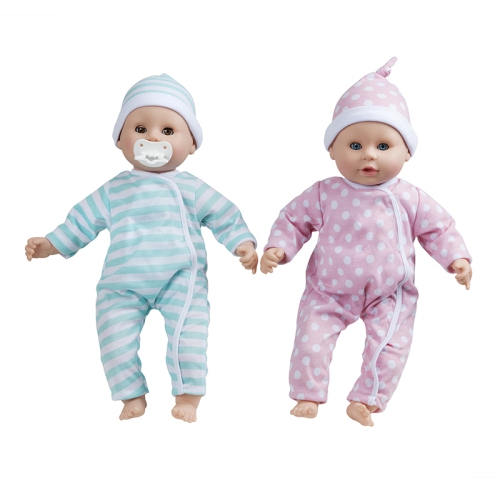
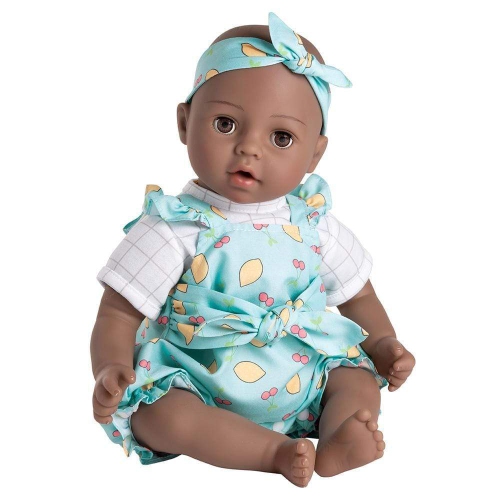
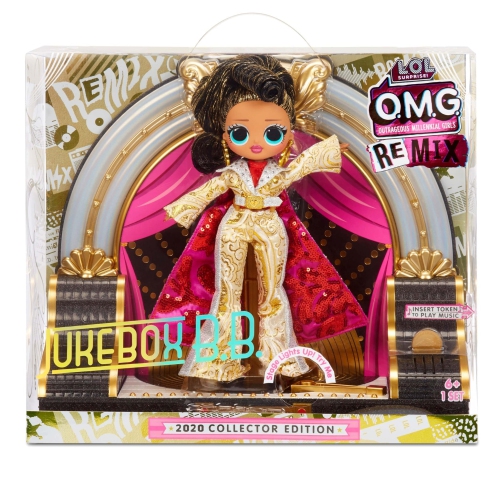
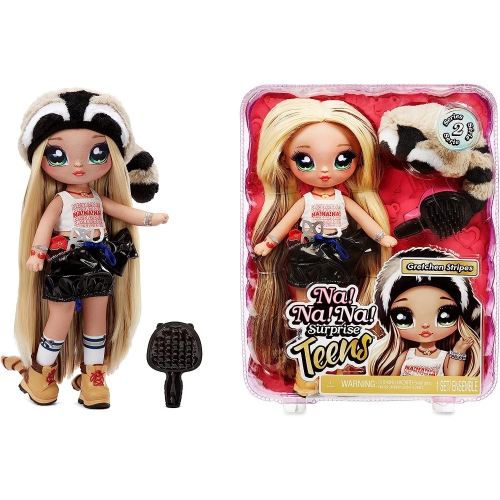
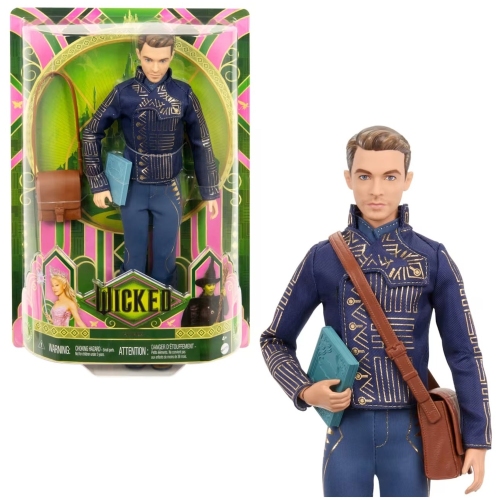
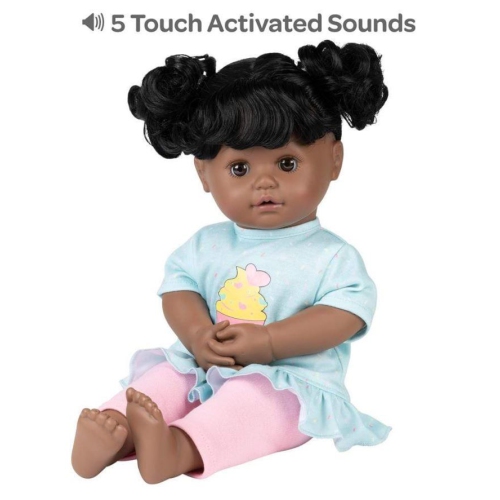
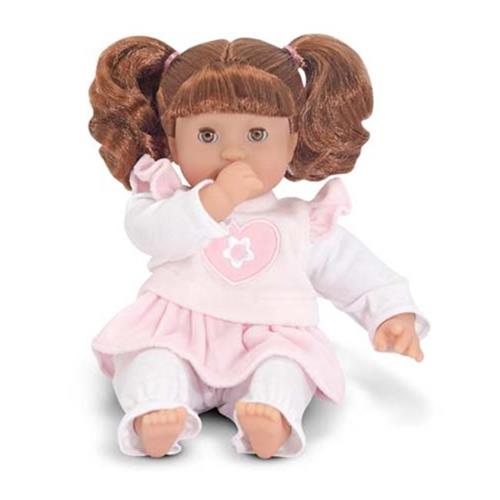
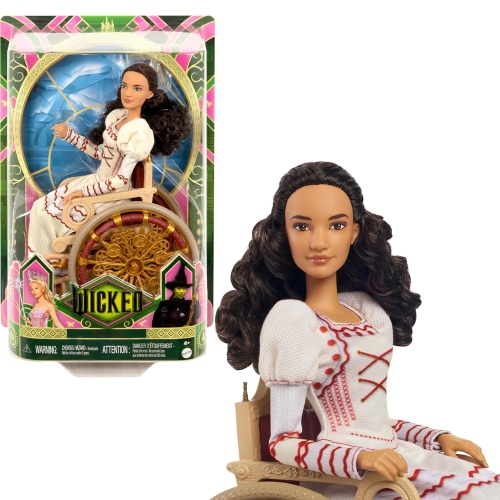
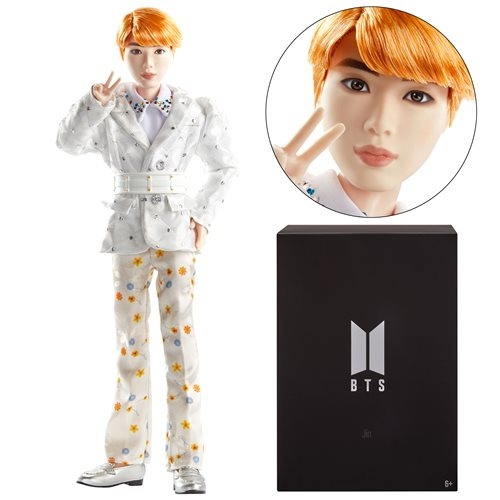


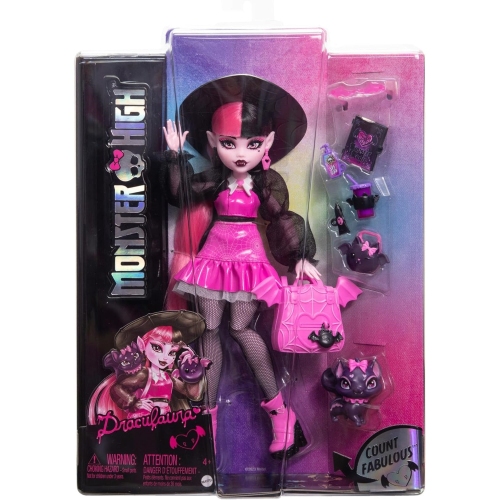


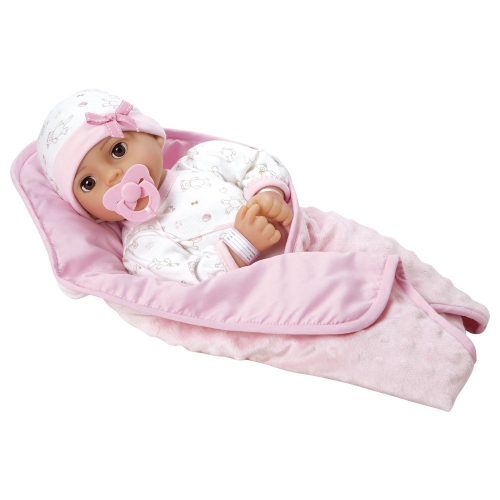


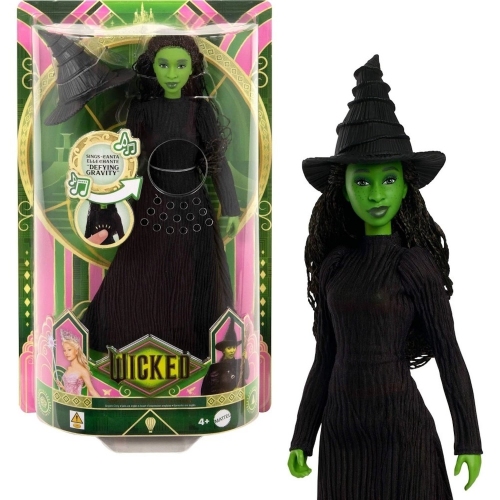
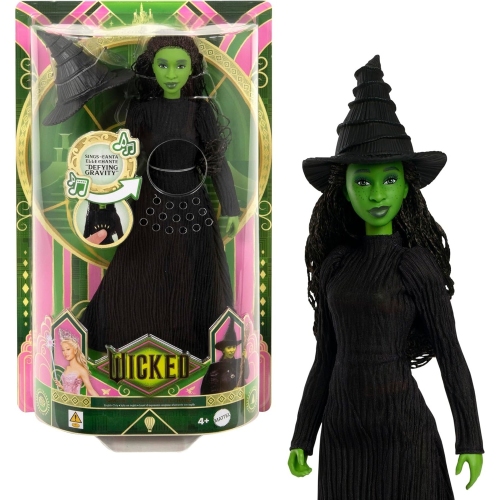

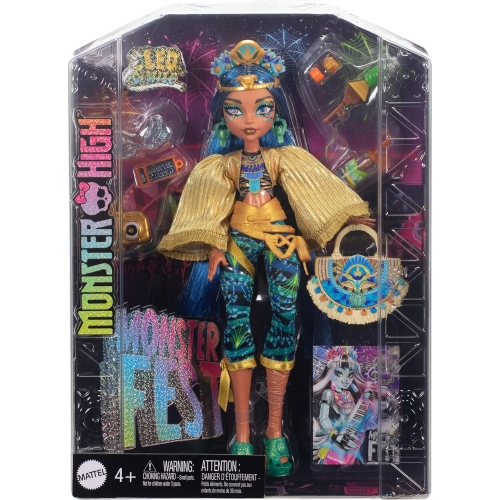


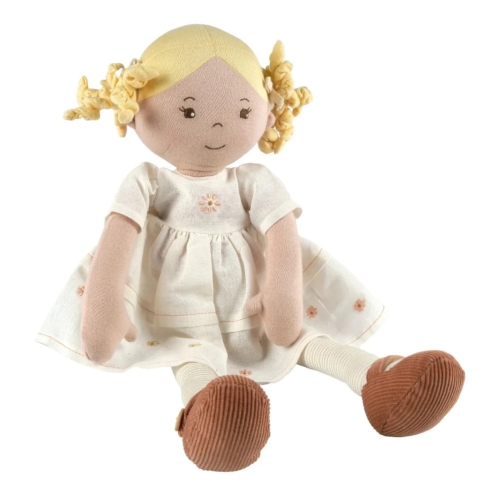


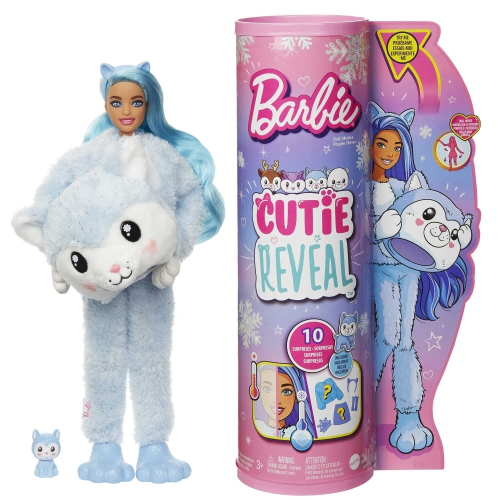


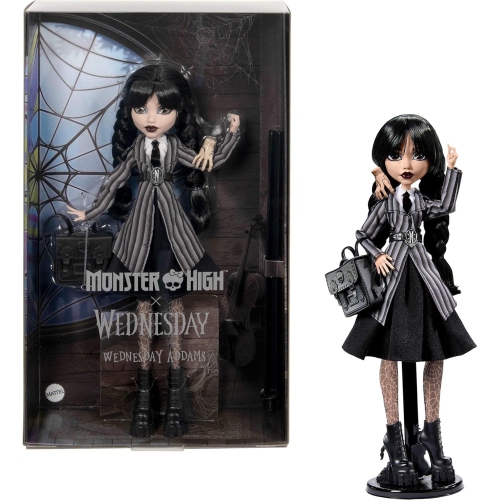
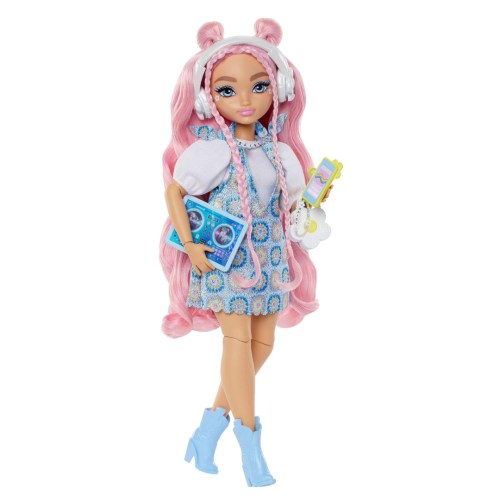
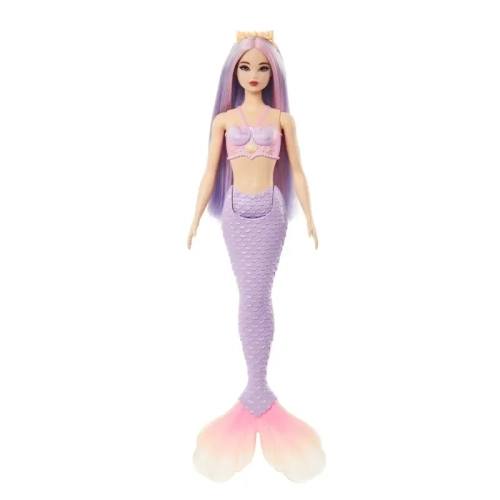
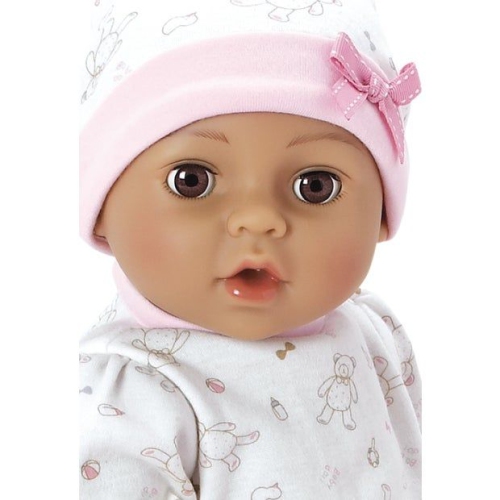
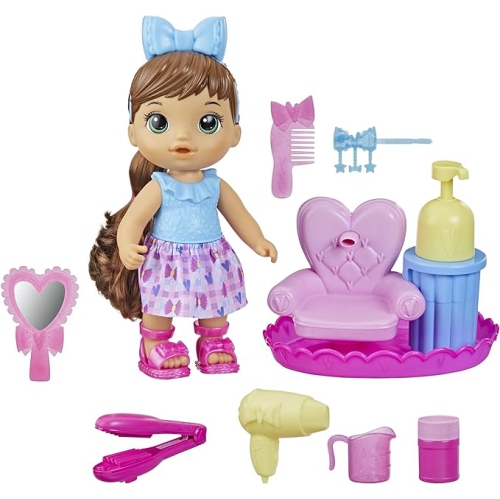
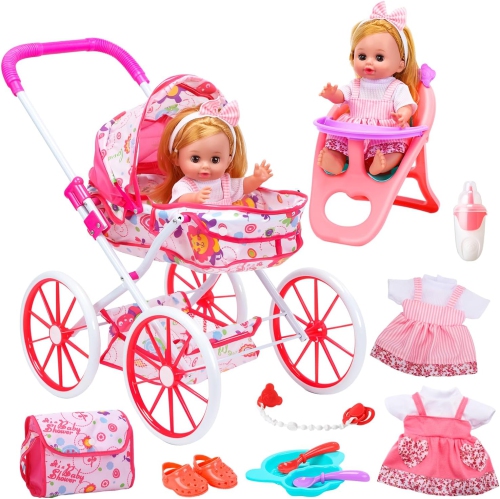

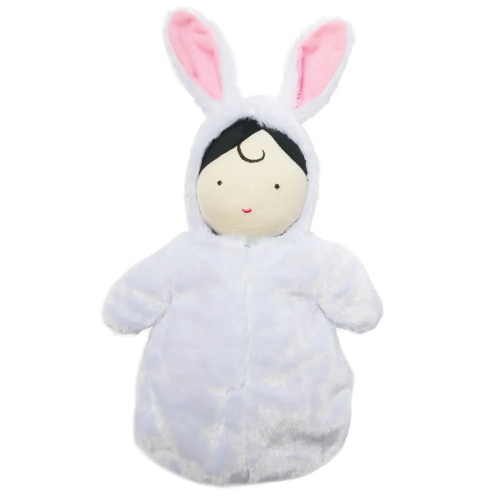
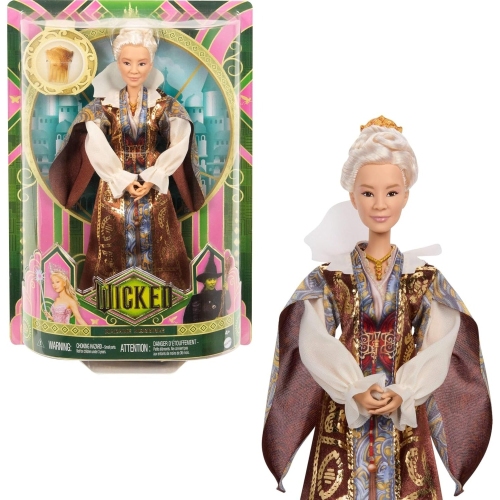
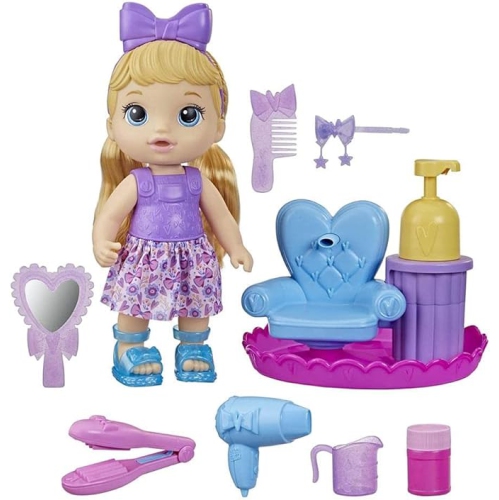

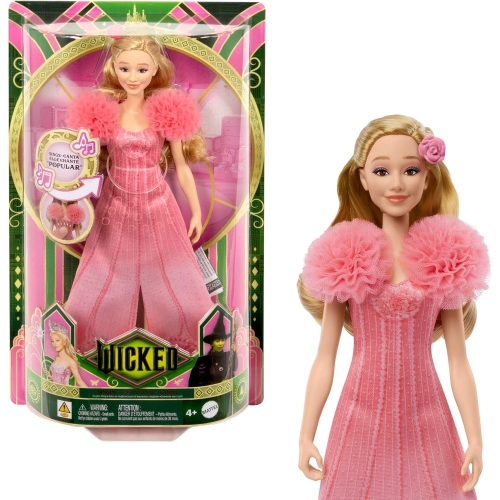
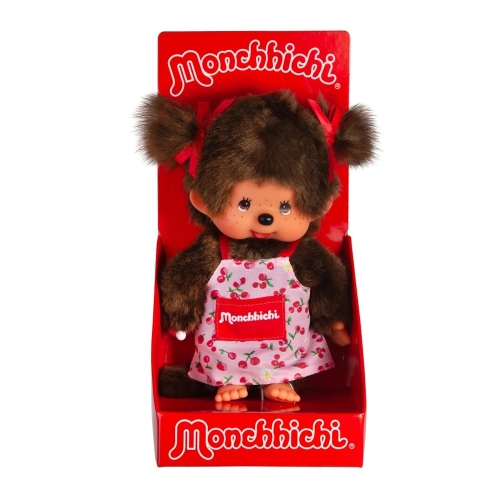
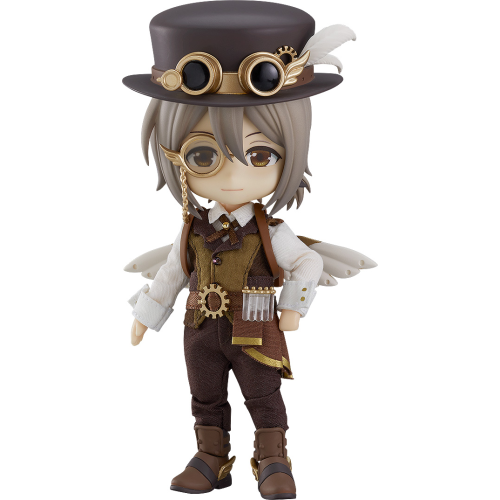
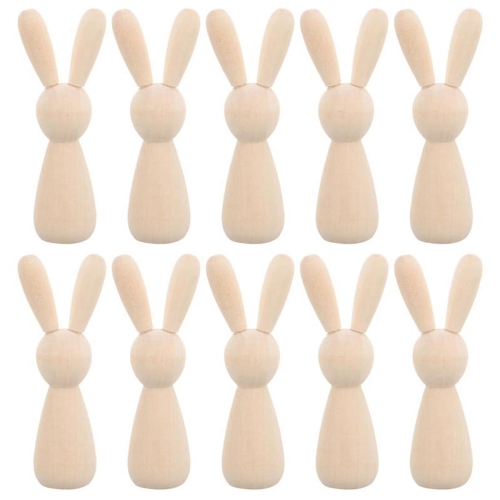
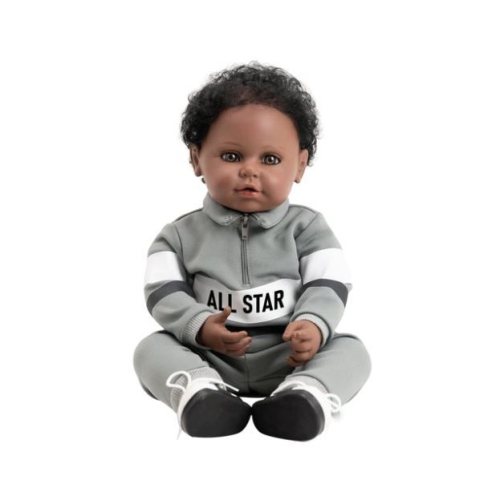
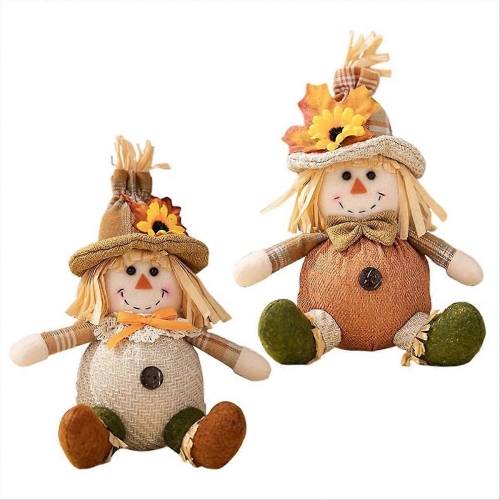

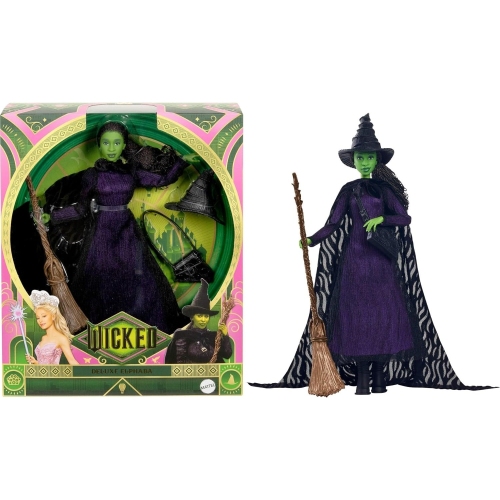
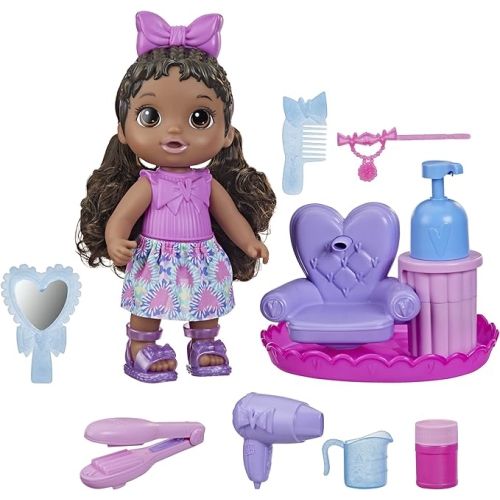
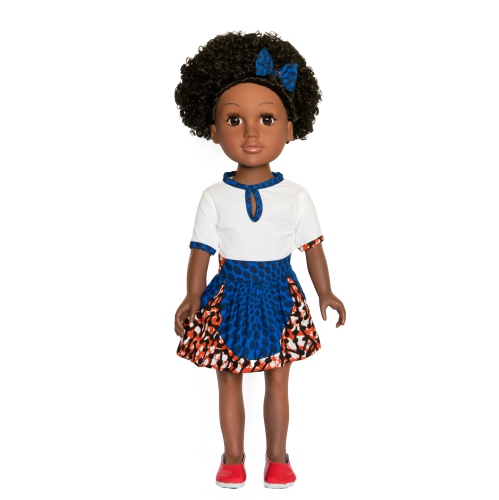
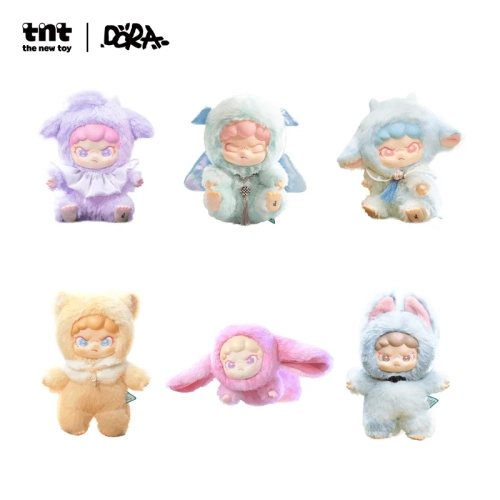


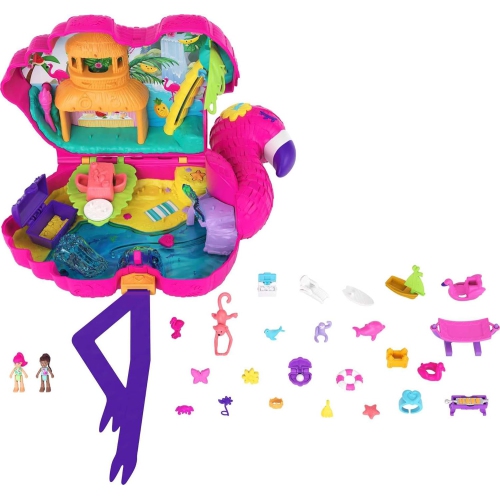
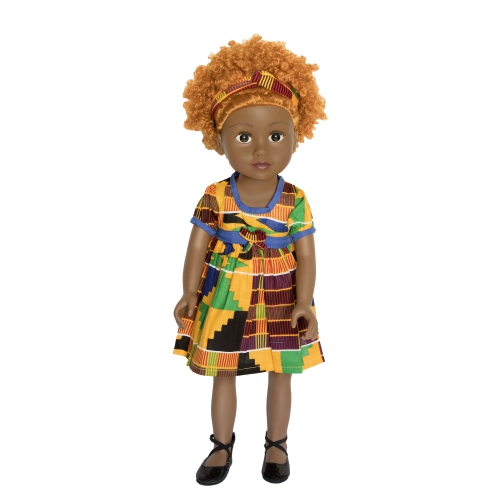
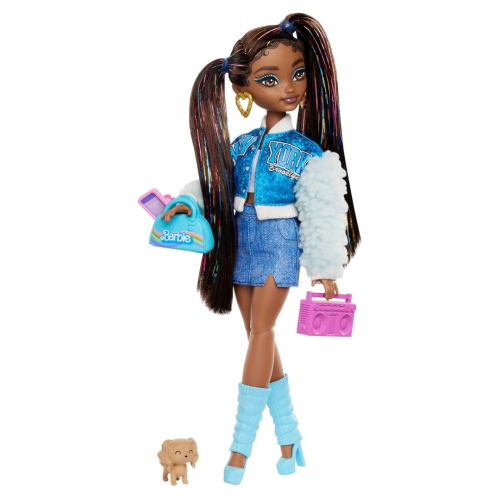

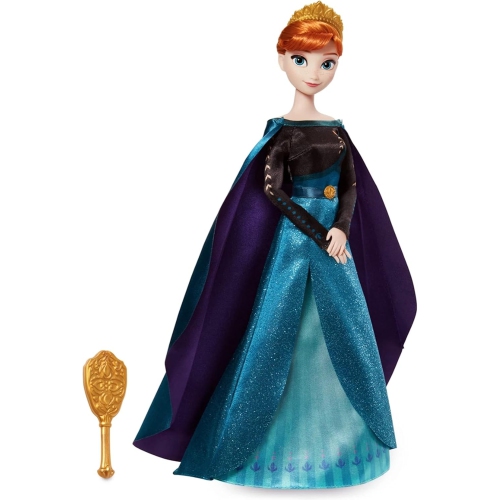
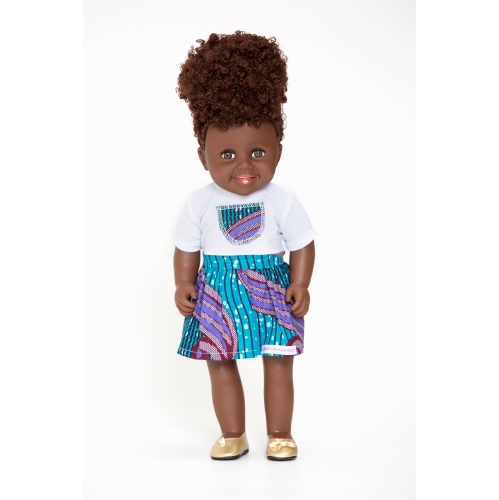

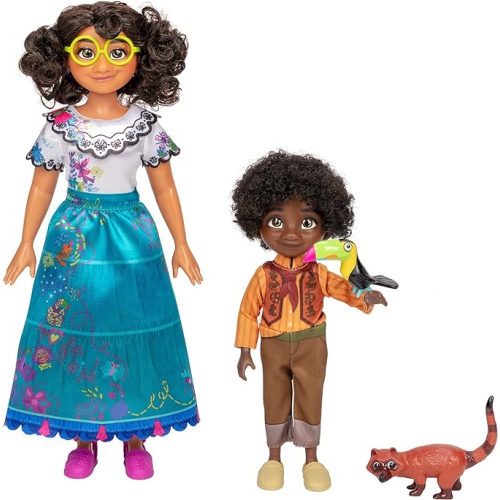

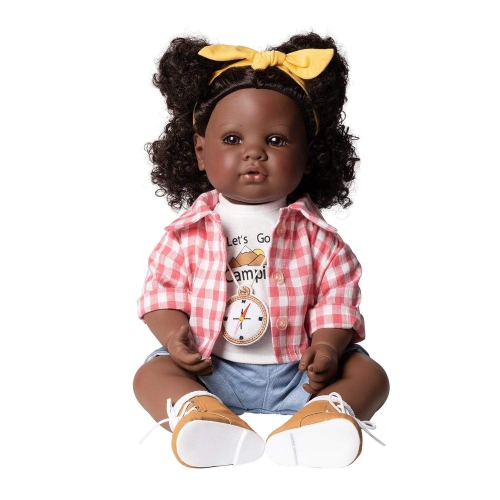

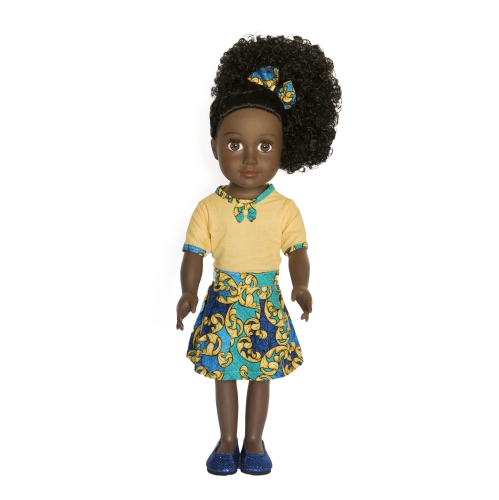

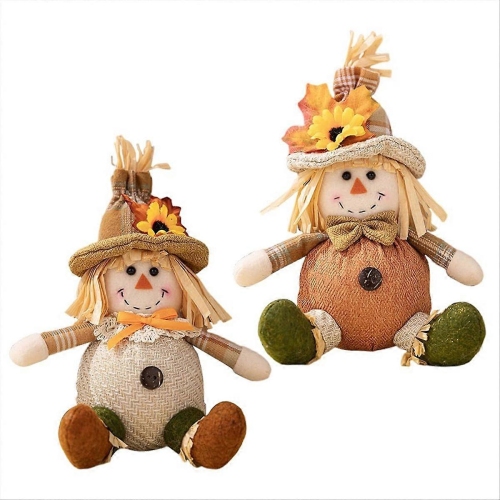
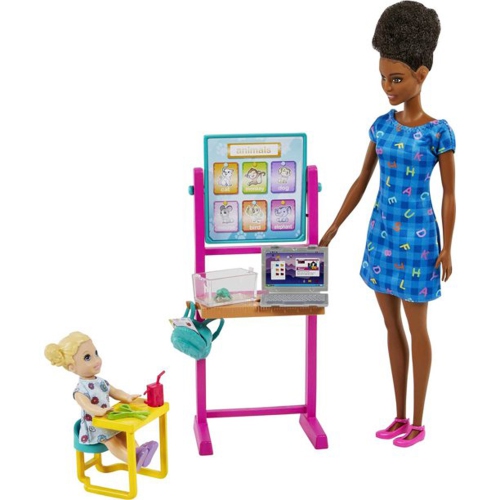


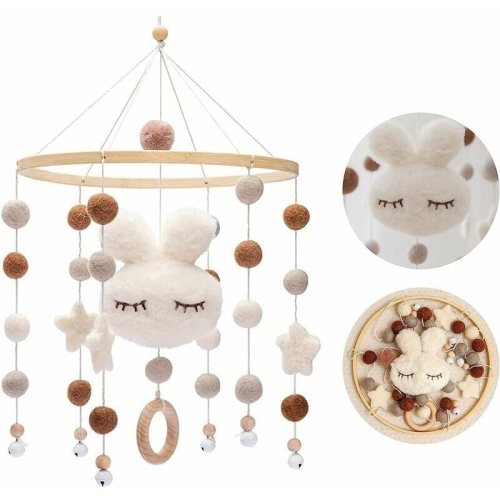

A whole cast of characters for tabletop adventures
Small dolls are compact toy figures, often measuring about 1.5 to 8 inches tall, designed for imaginative play, collecting, or display. Their smaller proportions make it possible to build an entire cast of characters without needing a large play area. The category includes miniature baby dolls, small fashion dolls, soft-bodied companions, and character-inspired figures, with designs ranging from simple moulded shapes to articulated bodies with removable clothing. Each style brings something different to play: a baby doll can become the centre of a pretend nursery, while a group of poseable dolls can take turns visiting a make-believe classroom or running a tiny café. A tabletop, an open dollhouse, or a scene made from folded paper can give these characters a place to belong. Small size also makes it easier to move a story from one setting to another, whether that means arranging a bedroom scene on a shelf or packing a few characters for a family visit. Measurements matter beyond overall height, though. A doll’s width, seated position, and ability to bend at the hips can affect whether it fits through a dollhouse doorway or sits comfortably in miniature furniture. Small dolls are not necessarily suitable for small children: detachable shoes, tiny bottles, loose clothing fasteners, and other accessories may present choking hazards. The manufacturer’s age recommendation and safety information are more useful than size alone when judging suitability. For younger children, a simple shape with securely attached features may be easier to handle than a delicate figure with several separate pieces. Older children may enjoy the extra possibilities offered by bendable limbs, interchangeable outfits, and detailed accessories. During shared play, a handful of small dolls can give several children their own characters, making room for conversations, invented personalities, and stories that develop as they play. A familiar character might become a brave explorer in one story and the neighbour who brings a pretend birthday cake in the next.
Materials and construction influence how small dolls feel in the hand, how they move, and how well they stand up to repeated play. Moulded plastic bodies can hold crisp facial details and shaped hairstyles, while vinyl heads or limbs may have a softer feel, depending on the design. Textile bodies offer a different texture and may feel comfortable to hold, although their care requirements vary with the filling, stitching, and attached features. Some dolls combine several materials, such as a fabric torso with moulded hands and feet, so cleaning instructions should account for the whole doll rather than just its most visible surface. Rooted hair provides opportunities for gentle brushing and styling when permitted by the manufacturer; sculpted hair avoids tangles and leaves fewer loose fibres to manage. Articulation is another practical distinction. Moving shoulders and hips may be enough for everyday storytelling, while additional elbow and knee joints can help a doll sit at a miniature table or hold a more expressive pose. More joints do not automatically mean greater durability, and small limbs should not be forced beyond their intended range. Clothing fit deserves attention as well: two dolls of equal height can have different torso shapes, foot sizes, or head proportions, so outfits and shoes are not universally interchangeable. Tiny closures may also require more finger control than pull-on garments. For everyday care, follow the maker’s instructions, use gentle cleaning methods appropriate to the material, and allow washable components to dry fully before storage. A doll that looks suitable for bath play may still have internal spaces, fabric filling, or components that should not be submerged. Painted faces and printed details can also be affected by scrubbing or strong cleaning products. After play, keeping outfits and accessories in separate small compartments helps prevent missing shoes and makes it easier to spot damaged pieces. Regular checks for loose seams, cracked parts, or weakened attachments are especially useful when dolls are handled often or shared between children.
Small dolls suit a range of interests, from caring for a pretend baby to designing outfits, arranging miniature rooms, or building a collection around a favourite visual style. Their appeal often comes from the details: a friendly expression, a neatly shaped hairstyle, a tiny cardigan, or hands positioned to hold an accessory can suggest a character before a story even begins. Shoppers drawn to gentle expressions and playful styling may also enjoy browsing Cute Dolls for related designs. Different skin tones, hair textures, clothing styles, and character roles can make a group of dolls feel more personal, giving children opportunities to include familiar people and imagine lives beyond their own. For gifting, the recipient’s age, interests, and preferred way of playing matter more than the number of pieces in a set. A child who enjoys dressing characters may appreciate manageable clothing changes, while someone who invents elaborate stories may get more use from a few distinct figures that work together. A collector may place greater value on sculpted details, a consistent scale, or a stable display position. Dolls intended for display should still be assessed separately from toys intended for active play, particularly when delicate components or age restrictions are involved. Portability is another advantage, but it works best when the accessories are manageable: a secure pouch or compartmented case can keep a travelling cast together without loose pieces disappearing into a bag. At home, a shallow tray can define a small play space and make tidying up simpler, while a shelf can hold an ongoing scene between play sessions. For shared spaces, grouping dolls by size or keeping each character’s outfit nearby makes them easier to find and use. Whether enjoyed individually or as part of a miniature world, small dolls offer a compact format for personal stories, familiar routines, and carefully arranged scenes, with room for the play to change as interests grow.
Top selling and popular products
-
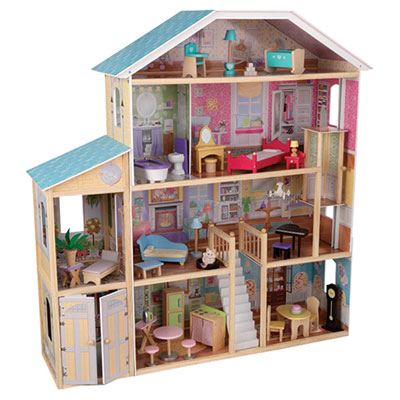 Your price for this item is $289.99
-
 Your price for this item is $84.33
-
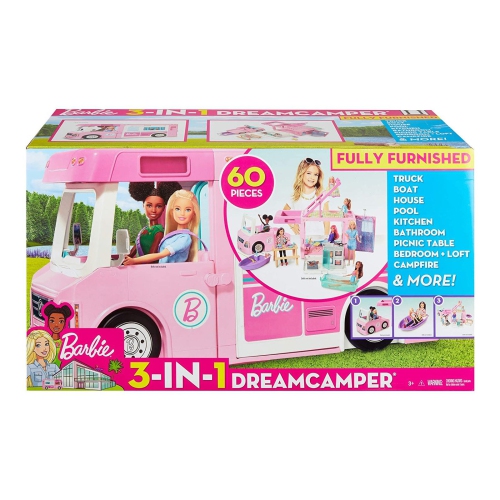 Your price for this item is $251.59
-
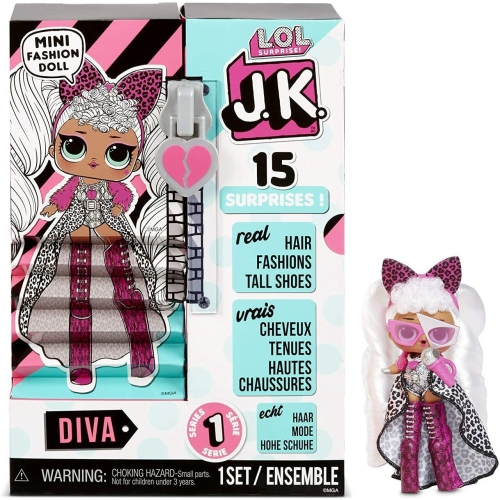 Your price for this item is $42.99
-
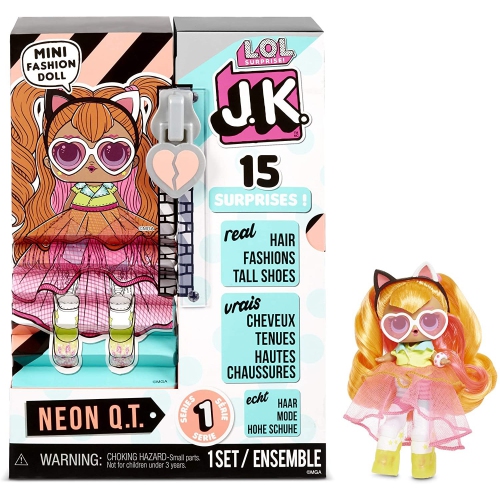 Your price for this item is $42.97
-
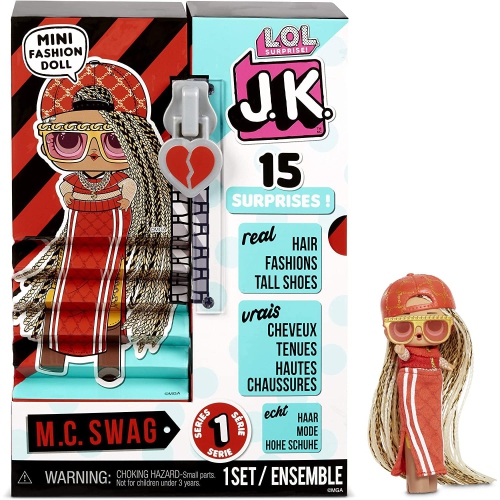 Your price for this item is $42.02
-
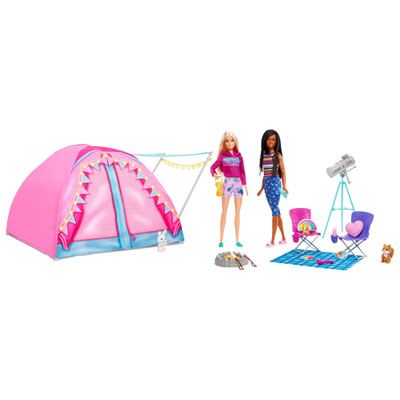 Your price for this item is $74.98
-
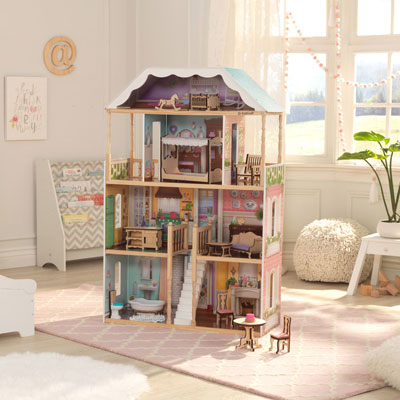 Your price for this item is $179.99
Discover more categories related to Small Dolls
Top Collections:
Pokemon Centers, Kindle Devices, Best Cameras for Sports Photography, Pokémon 30th Celebration Cards, Apple iPhones 16, Canon G7X Cameras, iPhone 15 Apple, Flip Phones, Samsung Galaxy Phones, Alarm Clock
Some products may be subject to Environmental Handling Fees
(EHF) depending on your province.
Learn more about EHFs.