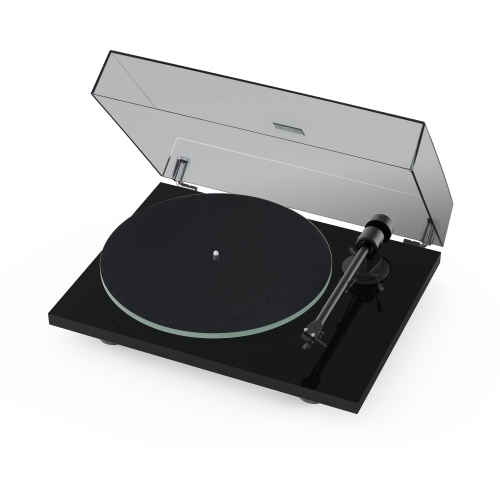
Pro-Ject Debut Carbon Evo

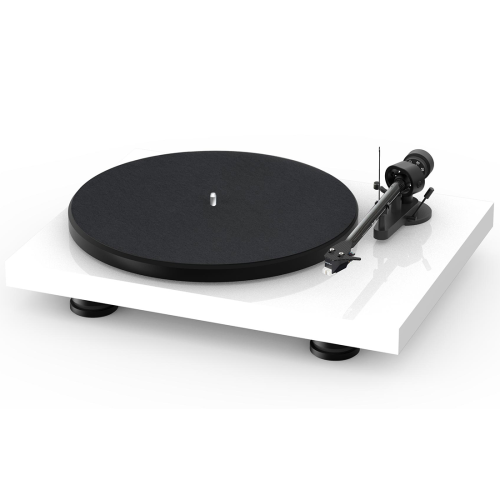
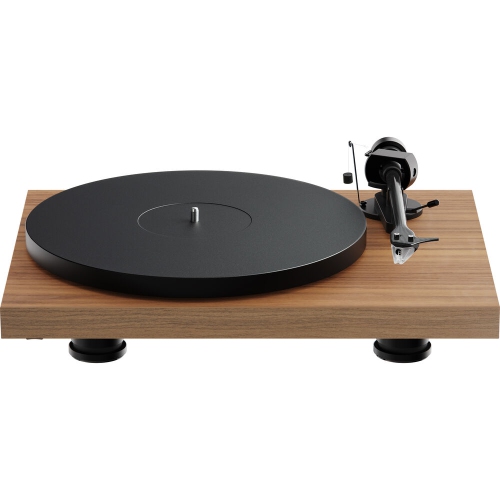
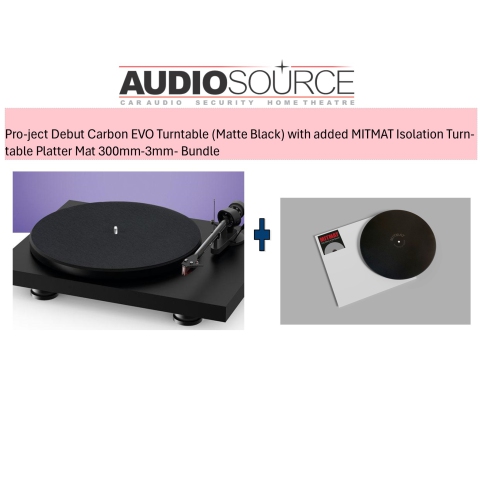
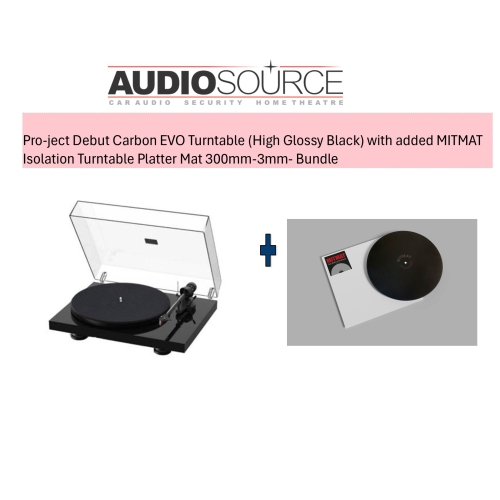
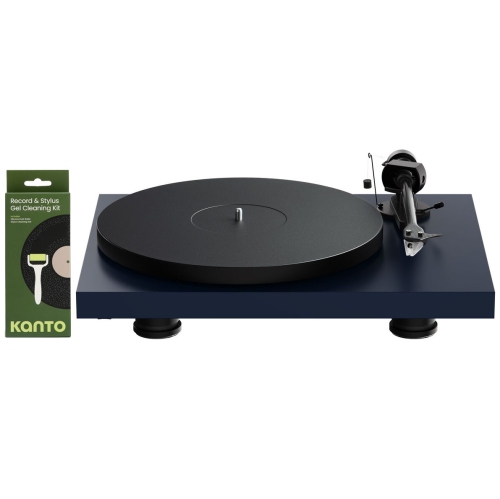
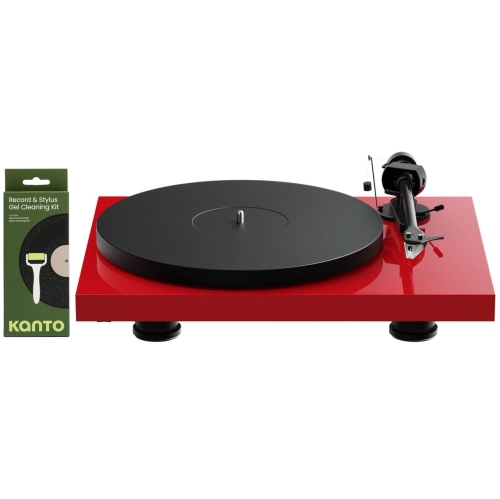
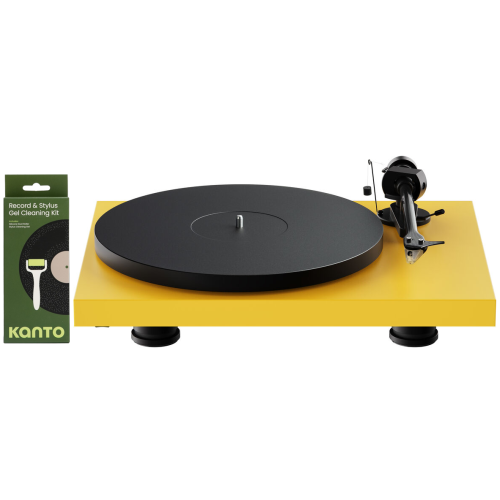
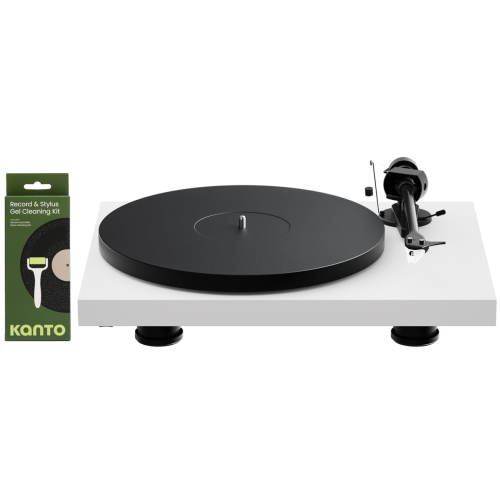
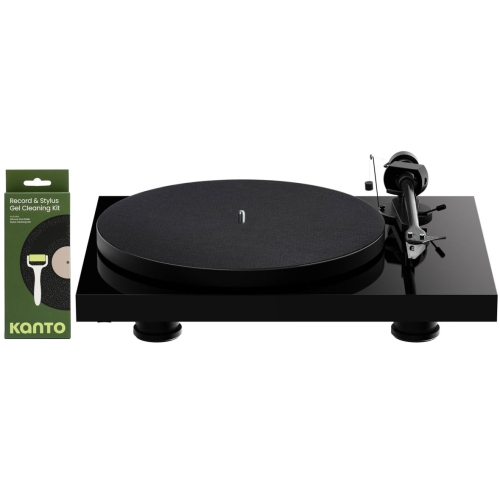
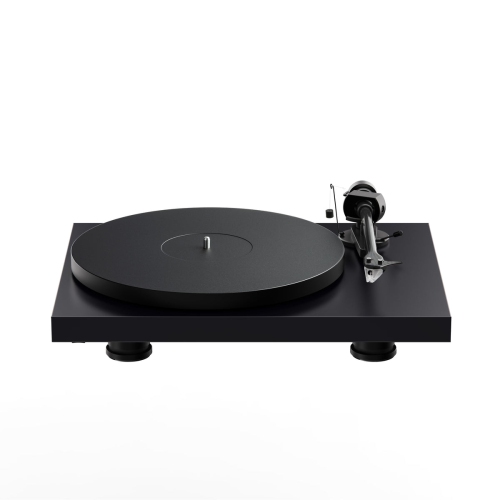
Find a Pro-Ject Debut Carbon EVO turntable for your vinyl listening setup. Browse available listings and compare prices, finishes and included components to choose the option that suits your space and existing audio equipment.
Read More

Sort

The mechanics behind a more deliberate vinyl experience

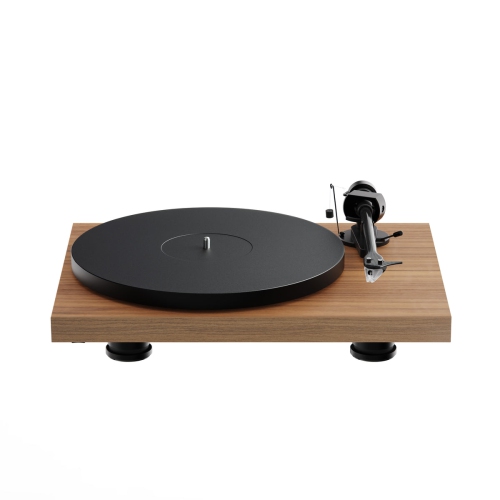
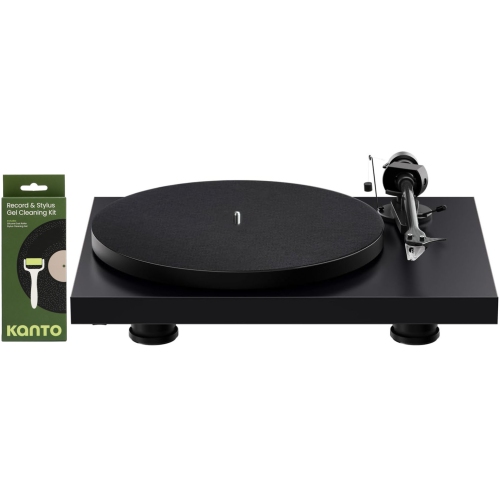
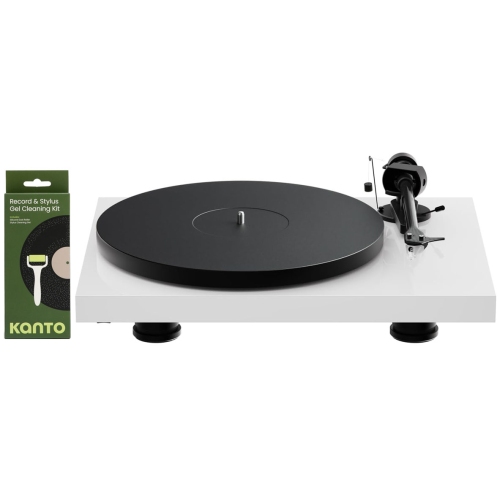
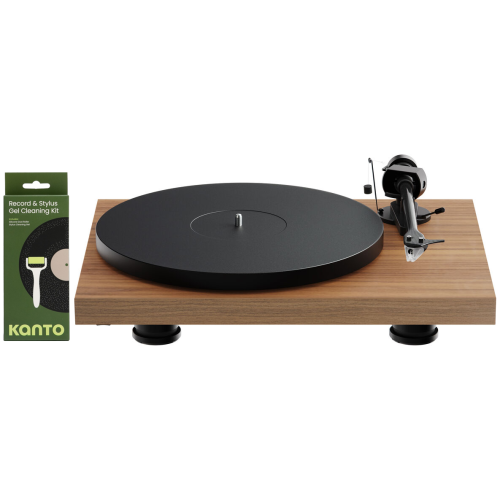
Manual belt-drive turntables with carbon-fibre tonearms appeal to listeners who enjoy the physical experience of playing vinyl and want a record player built around careful mechanical design. Taking an album from its sleeve, lowering the stylus into the lead-in groove, and listening through a full side makes music feel less like background sound and more like a deliberate part of the day. In this type of turntable, a belt transfers rotation from the motor to the platter, helping limit the transmission of motor vibration to the record. Speed stability depends on the complete design, including the motor, belt, bearing, platter, and supporting surface. A substantial metal platter adds rotating mass, while damping materials such as thermoplastic elastomer can help control unwanted resonance. Carbon fibre combines low weight with stiffness, making it a useful tonearm material when the goal is to hold the cartridge securely while allowing it to follow the groove. The arm’s bearings, cartridge alignment, and tracking force also contribute to playback performance; the material alone does not determine the sound. A rigid plinth, often made from dense fibreboard, provides the foundation for these moving parts, and adjustable, damped feet can help with levelling and vibration control. Electronic switching between 33⅓ and 45 RPM makes it convenient to move between most full-length albums and singles, although the supported speeds and switching method depend on the turntable’s design. Finishes ranging from understated matte colours to wood veneers let a record player sit comfortably beside modern furniture or a traditional audio cabinet. The strongest appeal is usually to someone who values dedicated listening, already owns records, or wants a more involved relationship with an album collection. For that listener, the balance of mechanical quality, straightforward controls, and a clear upgrade path can matter more than a long list of digital features.

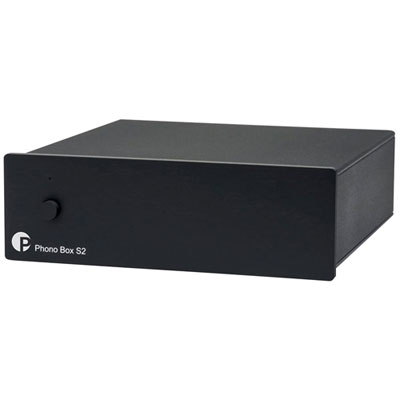
A vinyl system is only as practical as the connections between its components, and phono amplification is an important part of that match. A cartridge produces a much smaller signal than a typical line-level audio source, and that signal needs both amplification and the appropriate equalization before it reaches a conventional amplifier input. A turntable without a built-in phono preamp therefore needs a separate phono stage or a compatible phono input elsewhere in the system. An auxiliary input on its own is not a substitute for a phono input. Moving-magnet and moving-coil cartridges can have different amplification and loading requirements, so the cartridge type needs to match the phono stage’s supported settings. For related audio components, the Pro Ject Box S2 page offers another place to explore options, with each component’s function and connections determining its role in the setup. A traditional arrangement pairs the turntable and phono stage with an integrated amplifier and passive speakers. Powered speakers offer another approach because they contain their own amplification, but they still require a suitable phono stage unless one is already built into the speakers or turntable. Headphone listening also requires the appropriate amplification rather than a direct connection to the cartridge output. Grounding connections can help address hum in systems designed to use them, while secure signal cables and sensible cable routing help keep the setup tidy. For a listener adding vinyl to an existing living-room system, checking the rear-panel inputs can clarify which components are needed. For someone starting with a compact shelf setup, the combined footprint of the turntable, speakers, and any separate audio boxes deserves consideration. Wireless playback, USB recording, and automatic operation are separate features rather than standard characteristics of a performance-focused belt-drive design. A simple analogue signal path suits listeners who prefer direct playback through speakers or headphones and do not need the record player to double as a recording interface or wireless source.

Placement, handling, and routine care have a noticeable effect on how well a manual turntable works in everyday use. A level, stable surface gives the platter and tonearm a dependable foundation, while keeping speakers off the same shelf can reduce the vibration reaching the stylus. The space above the deck matters too: a dust cover needs clearance to open, and the listener needs enough room to remove a record without brushing the tonearm. A fully manual design means placing the stylus at the beginning of the record, usually with the cueing lever, and lifting it at the end. That hands-on operation can be satisfying for someone who enjoys the ritual, but it may be less convenient for a listener who expects automatic start, return, or shut-off. Proper cartridge alignment, the recommended tracking force, and the appropriate anti-skating setting help the stylus follow the groove as intended. Too little tracking force is not necessarily gentler on records, because poor contact can lead to mistracking. Routine care includes removing loose dust with a suitable record brush, using appropriate cleaning methods for more persistent residue, and cleaning the stylus according to its manufacturer’s recommendations. Handling records by their edges and label areas helps keep fingerprints away from the grooves, while upright storage in protective sleeves keeps a collection organized and easier to browse. Belts and styli are wear components, so replacement compatibility is an important part of long-term ownership. A replaceable cartridge can also provide room to refine the system later, provided its weight and other requirements suit the tonearm. Durable construction still benefits from careful handling, particularly around the exposed stylus and tonearm bearings. As a gift, this type of record player is especially well suited to an album collector, a music enthusiast building a dedicated listening corner, or someone returning to vinyl after years away. Knowing whether the recipient already has suitable speakers and amplification helps turn a thoughtful gift into a setup they can actually enjoy. The most satisfying arrangement brings together reliable playback, comfortable everyday operation, and enough space to handle and store records with care.
Read More

FAQ

Some products may be subject to Environmental Handling Fees (EHF) depending on your province. Learn more about EHFs.