Professional Nail Art Stickers
Professional Nail Art Stickers offer a creative way to elevate your manicure with ease and precision. Perfect for both salon experts and at-home enthusiasts, these stickers provide a wide variety of designs to suit any style or occasion. Explore options that help you achieve eye-catching nail art without the need for advanced techniques. With Professional Nail Art Stickers, it’s simple to add a polished touch to your nails and showcase your unique flair.
Sort
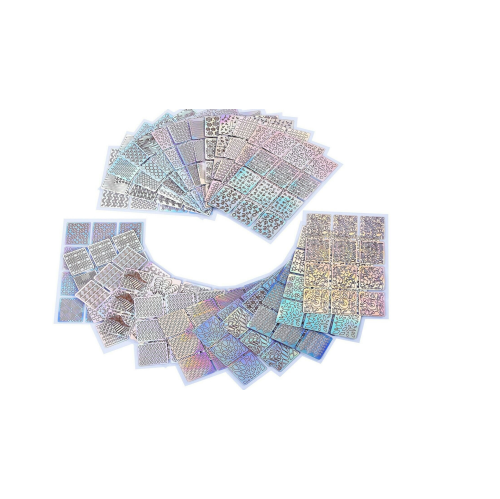
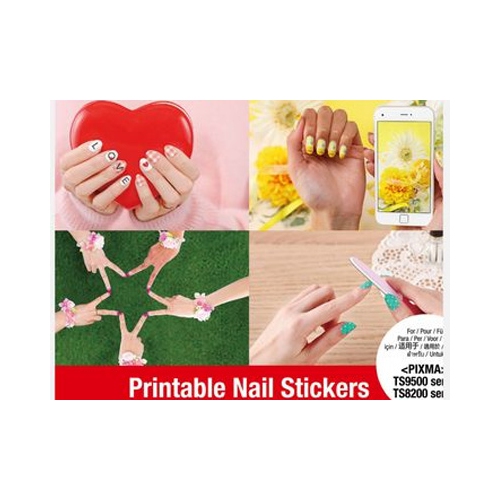
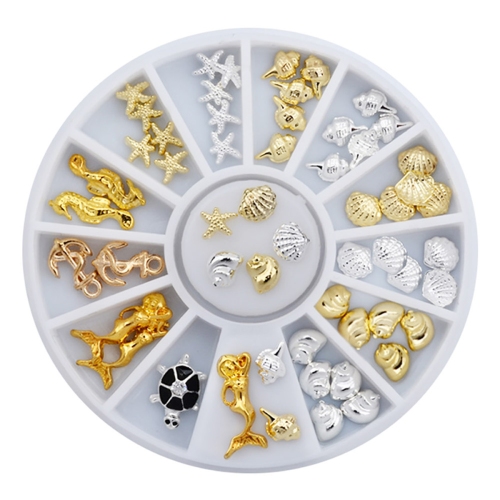
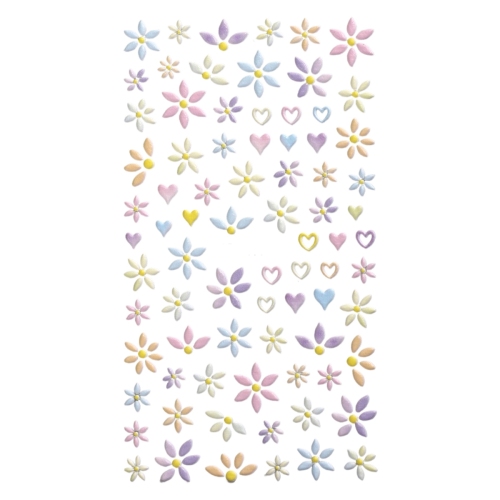
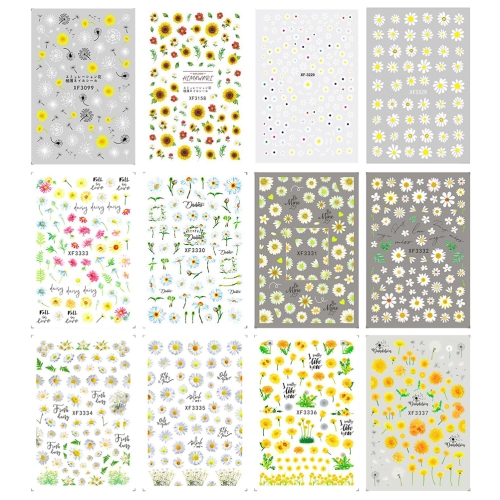
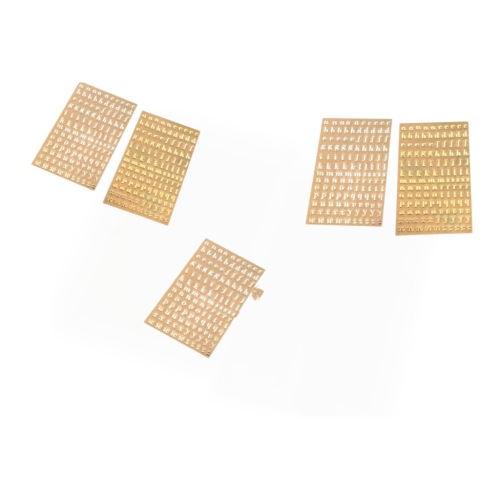
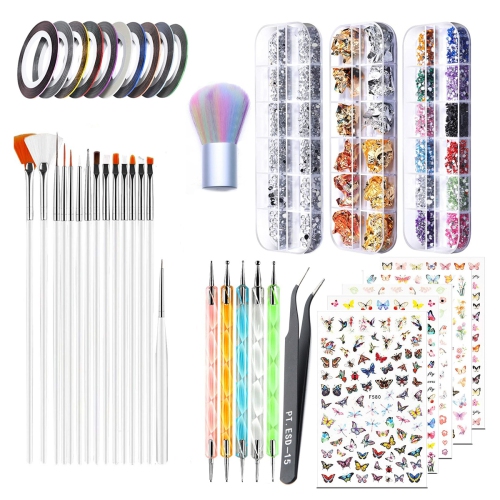
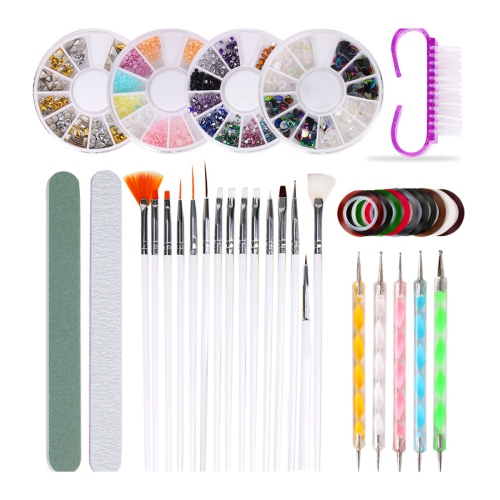
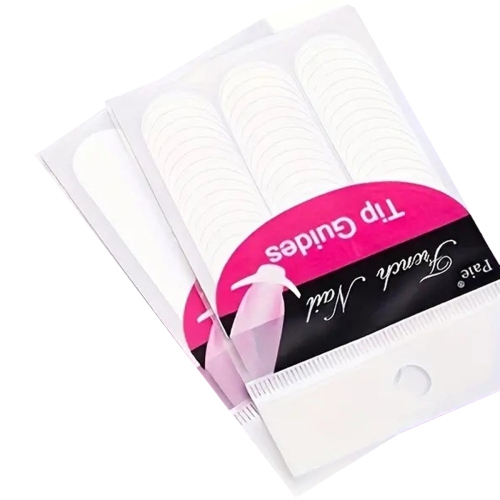
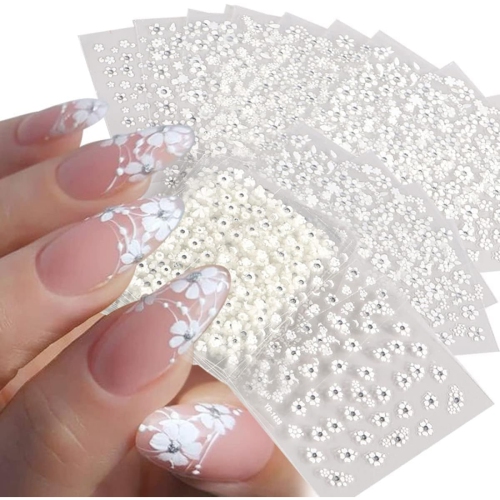
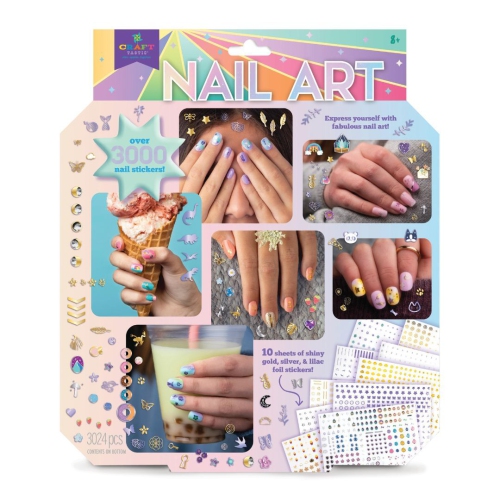
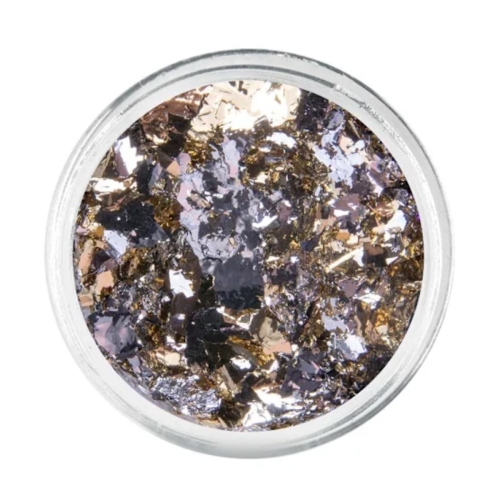
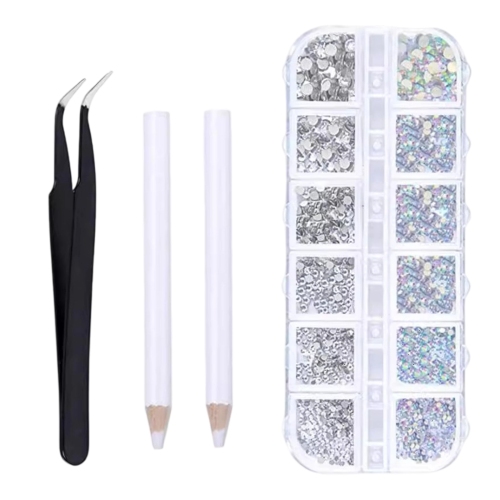
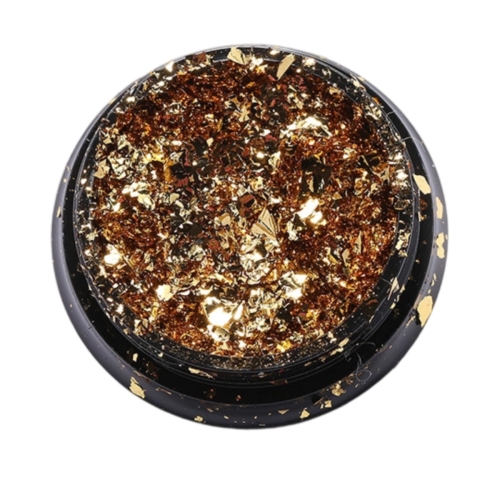
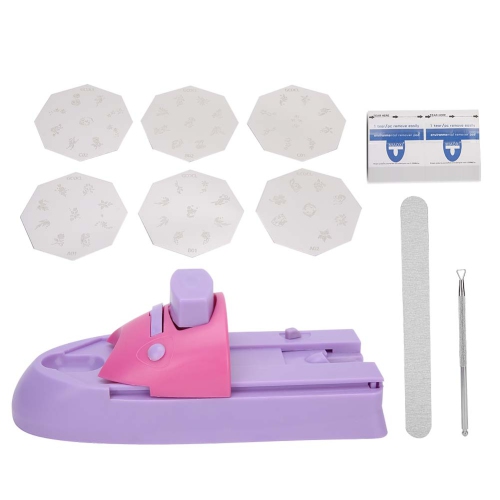
Intricate manicure details without painting every line by hand
Professional nail art stickers add intricate patterns, crisp outlines, and small-scale artwork to a manicure without requiring every detail to be painted by hand. They suit salon nail technicians building a coordinated set, experienced nail enthusiasts working at home, and anyone who enjoys a polished accent on an otherwise simple manicure. Designs can range from fine botanical outlines and geometric shapes to metallic accents, abstract brushstroke effects, and raised details. A single motif on a ring finger creates a different impression from a matching pattern across all ten nails, making scale and spacing as important as the artwork itself. Thin black linework over a sheer pink base can look restrained and precise, while silver stars against deep navy create a more dramatic finish for an evening out. The term “professional” generally describes the intended use or style of the product rather than a universal quality standard, so useful distinctions include the thinness of the backing film, the clarity of the printed design, and compatibility with the nail system being used. Self-adhesive stickers typically lift from a backing sheet and attach through a pressure-sensitive adhesive. Water-transfer decals are a separate format that uses water to release the design from its paper backing, while full-nail wraps cover a larger portion of the nail surface. These formats may create similar visual effects, but they differ in handling, fit, and finishing requirements. For shoppers comparing broader styles for everyday wear and special occasions, Nail Stickers for Adults offers a related category to explore. Professional nail art stickers are especially useful when consistency matters: repeated floral shapes for a wedding party, matching accents on both hands, or clean graphic details that would be difficult to reproduce with a brush. During the cooler months, muted colours, jewel tones, and reflective accents can complement knitwear and dressier outfits without tying a manicure to a single celebration.
Materials and proportions influence how naturally nail stickers sit on the finished nail. Many flat designs use a thin, flexible film with printed artwork and an adhesive backing, although the exact composition varies by manufacturer. Metallic-looking finishes may use foil effects, while raised designs can include thicker polymer details or other dimensional elements. Transparent areas around a motif allow the base colour to show through, but a visible border can become more noticeable if the film is thick, wrinkled, or insufficiently sealed. An opaque white flower may remain distinct over a dark polish, whereas a translucent design can change appearance with the shade beneath it. Product descriptions that identify the finish, dimensions, and intended application surface help clarify these differences. Fit is particularly important on short, narrow, or strongly curved nails. A large motif that looks balanced on a long almond shape may crowd a short rounded nail, and a wide strip can crease where the nail curves towards the sidewalls. Smaller individual accents offer more placement flexibility, while full-coverage styles need closer attention to width and length. For a neat result, the artwork should sit within the nail surface rather than overlap the surrounding skin or hang beyond the free edge. Where trimming is permitted, a design with open space around its edges can be easier to adapt than a dense pattern with a defined border. Compatibility also deserves attention: some stickers are intended for regular nail polish, others for gel systems, and some can be used over properly finished acrylic or other enhancements. The sticker itself may not need a lamp, but a gel base or top coat still requires curing according to that coating’s directions. There is no single preparation method for every format. Regular polish generally needs to be thoroughly dry, while gel products may specify a particular surface condition. Adhesives, coatings, and removal products can also matter to people with sensitivities, making clear ingredient information and suitability guidance valuable considerations alongside the design.
Durability depends on more than how firmly a sticker initially attaches. Film thickness, placement, the condition of the underlying manicure, and the finishing coat all affect how well the artwork wears. A thin, flat motif positioned away from the nail edge generally presents fewer opportunities to catch than a raised detail close to the tip. Hands used for frequent washing, cleaning, typing, or practical work place different demands on a manicure, so a low-profile design may be more comfortable for daily wear than a heavily textured finish. Someone who regularly pulls on knitted gloves, for example, may prefer smooth accents that are less likely to snag on fibres. For a special occasion, dimensional details may be worth the additional care they require. Sealing requirements vary: many designs benefit from a compatible clear top coat, but the appropriate formula and number of layers depend on the sticker and nail system. A finish that remains smooth around the design’s edges helps reduce catching, while trapped air, folds, or lifted corners can shorten wear. Precise placement with fine tweezers or a suitable nail art tool can help keep fingerprints off the adhesive and preserve delicate shapes. Care after application is equally practical. Gloves during household cleaning can limit exposure to water and cleaning agents, and using fingertips rather than nails to pry at packaging reduces stress on the manicure. Removal should follow the directions for both the sticker and the underlying coating; peeling away a firmly bonded design can also pull at the nail surface. Unused sheets are best kept flat in their original protective packaging, away from moisture, dust, and excessive heat, so small details remain clean and easy to lift. As a gift, nail art stickers suit a friend who enjoys changing manicure styles, a beauty student developing a design portfolio, or a practised nail artist who appreciates coordinated motifs. Matching the format to the recipient’s existing polish or gel routine makes the choice more useful, while a mix of subtle accents and expressive patterns leaves room for both everyday sets and occasion dressing.
Materials and proportions influence how naturally nail stickers sit on the finished nail. Many flat designs use a thin, flexible film with printed artwork and an adhesive backing, although the exact composition varies by manufacturer. Metallic-looking finishes may use foil effects, while raised designs can include thicker polymer details or other dimensional elements. Transparent areas around a motif allow the base colour to show through, but a visible border can become more noticeable if the film is thick, wrinkled, or insufficiently sealed. An opaque white flower may remain distinct over a dark polish, whereas a translucent design can change appearance with the shade beneath it. Product descriptions that identify the finish, dimensions, and intended application surface help clarify these differences. Fit is particularly important on short, narrow, or strongly curved nails. A large motif that looks balanced on a long almond shape may crowd a short rounded nail, and a wide strip can crease where the nail curves towards the sidewalls. Smaller individual accents offer more placement flexibility, while full-coverage styles need closer attention to width and length. For a neat result, the artwork should sit within the nail surface rather than overlap the surrounding skin or hang beyond the free edge. Where trimming is permitted, a design with open space around its edges can be easier to adapt than a dense pattern with a defined border. Compatibility also deserves attention: some stickers are intended for regular nail polish, others for gel systems, and some can be used over properly finished acrylic or other enhancements. The sticker itself may not need a lamp, but a gel base or top coat still requires curing according to that coating’s directions. There is no single preparation method for every format. Regular polish generally needs to be thoroughly dry, while gel products may specify a particular surface condition. Adhesives, coatings, and removal products can also matter to people with sensitivities, making clear ingredient information and suitability guidance valuable considerations alongside the design.
Durability depends on more than how firmly a sticker initially attaches. Film thickness, placement, the condition of the underlying manicure, and the finishing coat all affect how well the artwork wears. A thin, flat motif positioned away from the nail edge generally presents fewer opportunities to catch than a raised detail close to the tip. Hands used for frequent washing, cleaning, typing, or practical work place different demands on a manicure, so a low-profile design may be more comfortable for daily wear than a heavily textured finish. Someone who regularly pulls on knitted gloves, for example, may prefer smooth accents that are less likely to snag on fibres. For a special occasion, dimensional details may be worth the additional care they require. Sealing requirements vary: many designs benefit from a compatible clear top coat, but the appropriate formula and number of layers depend on the sticker and nail system. A finish that remains smooth around the design’s edges helps reduce catching, while trapped air, folds, or lifted corners can shorten wear. Precise placement with fine tweezers or a suitable nail art tool can help keep fingerprints off the adhesive and preserve delicate shapes. Care after application is equally practical. Gloves during household cleaning can limit exposure to water and cleaning agents, and using fingertips rather than nails to pry at packaging reduces stress on the manicure. Removal should follow the directions for both the sticker and the underlying coating; peeling away a firmly bonded design can also pull at the nail surface. Unused sheets are best kept flat in their original protective packaging, away from moisture, dust, and excessive heat, so small details remain clean and easy to lift. As a gift, nail art stickers suit a friend who enjoys changing manicure styles, a beauty student developing a design portfolio, or a practised nail artist who appreciates coordinated motifs. Matching the format to the recipient’s existing polish or gel routine makes the choice more useful, while a mix of subtle accents and expressive patterns leaves room for both everyday sets and occasion dressing.
Top selling and popular products
-
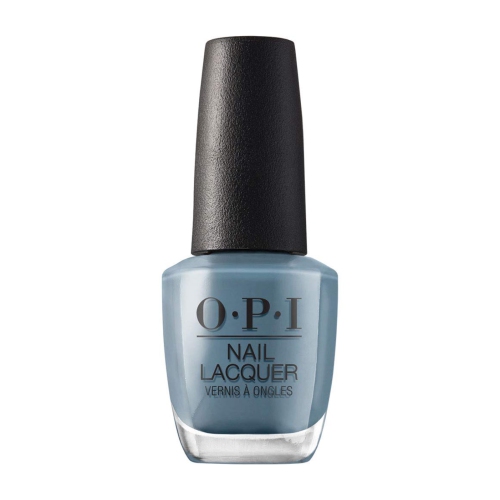 Your price for this item is $13.3
 -
 Your price for this item is $349.99
 -
 Your price for this item is $67
 -
 Your price for this item is $120
 -
 Your price for this item is $42
 -
 Your price for this item is $499.99
 -
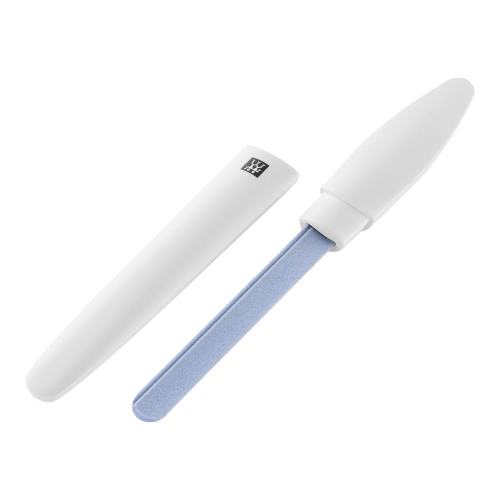 Your price for this item is $35
 -
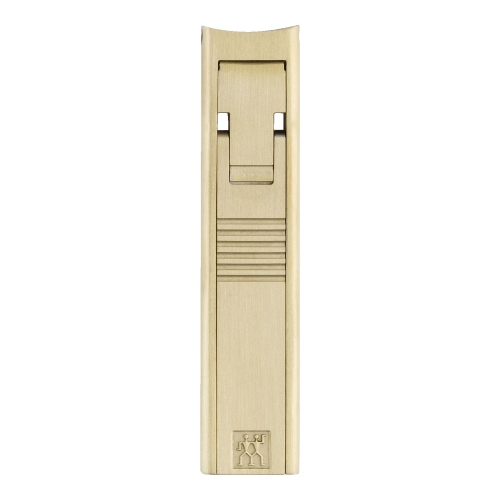 Your price for this item is $80
Discover more categories related to Professional Nail Art Stickers
Top Collections:
Pokemon Centers, Budget 4K TVs, Kindle Devices, Canon G7X Cameras, Apple iPhones 16, iPhone 15 Apple, Laptops for Business Work, Flip Phones, Xiaomi Phones, Refurbished Apple Laptops
Some products may be subject to Environmental Handling Fees
(EHF) depending on your province.
Learn more about EHFs.