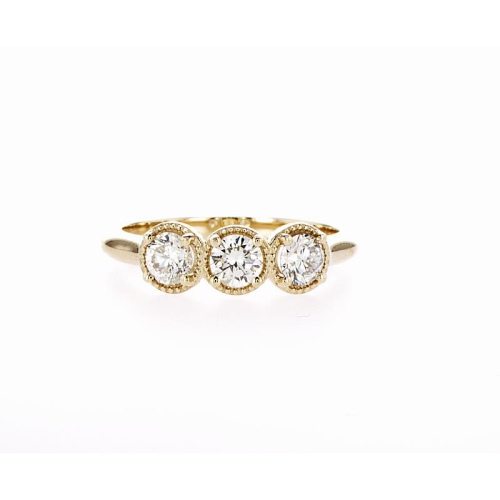
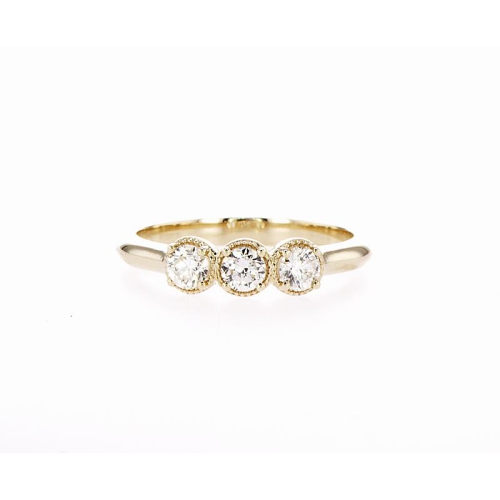
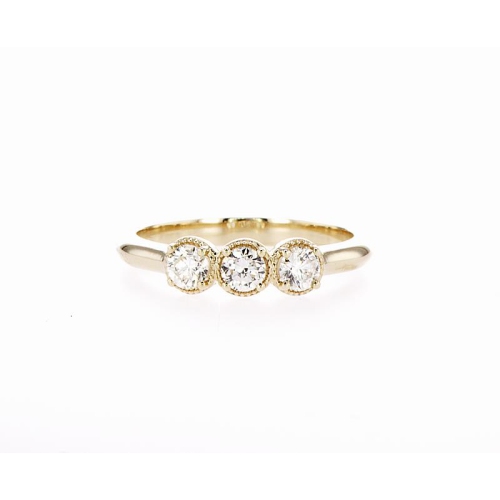
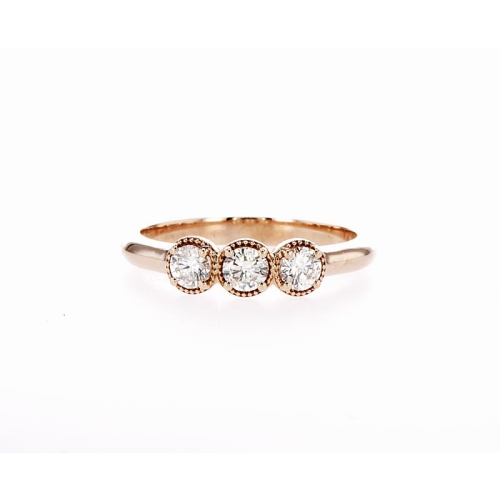
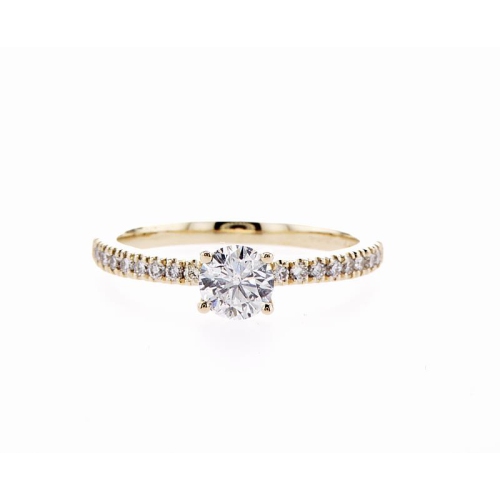
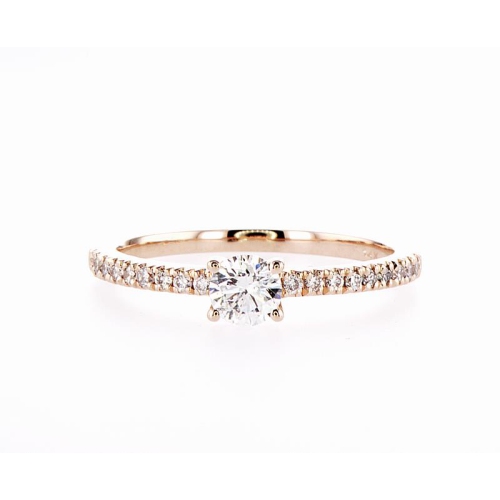
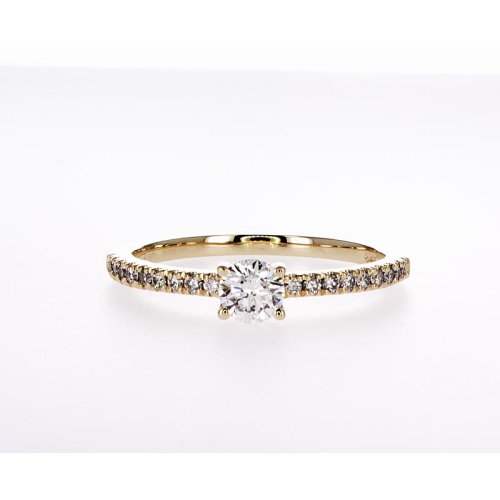
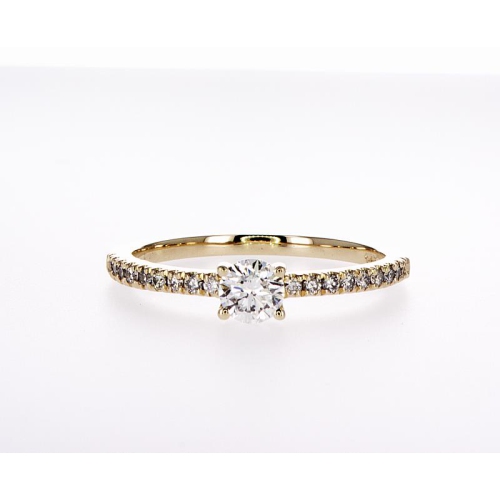
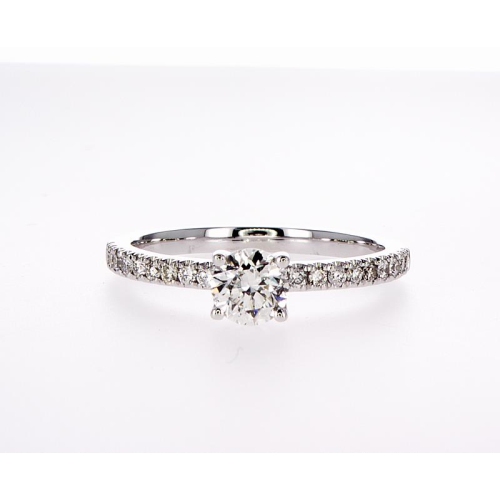
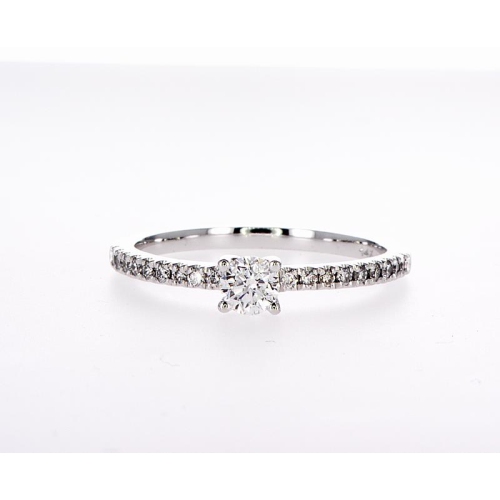
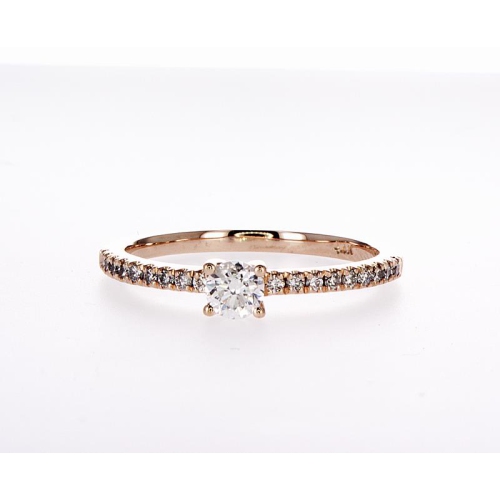
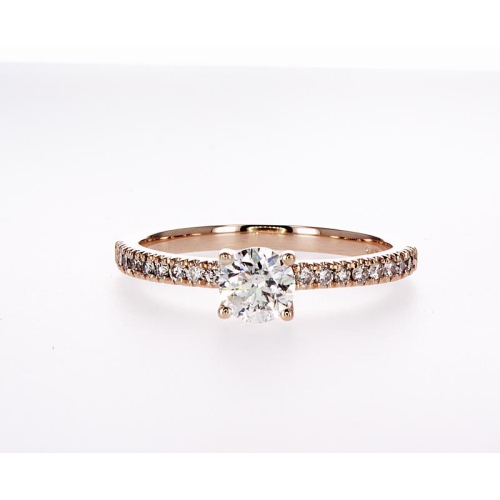
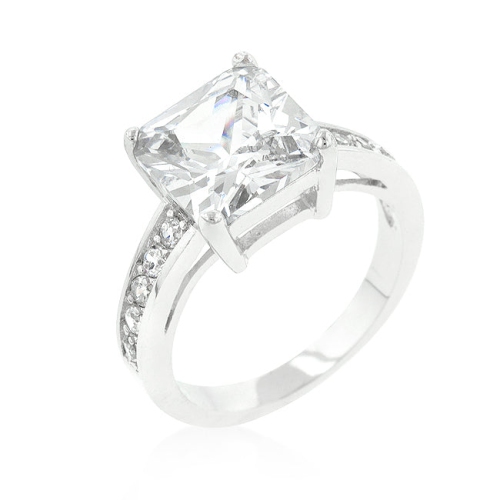
Prong Set Diamond Rings

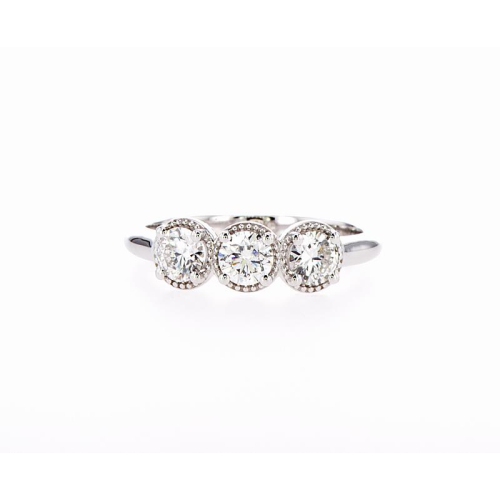
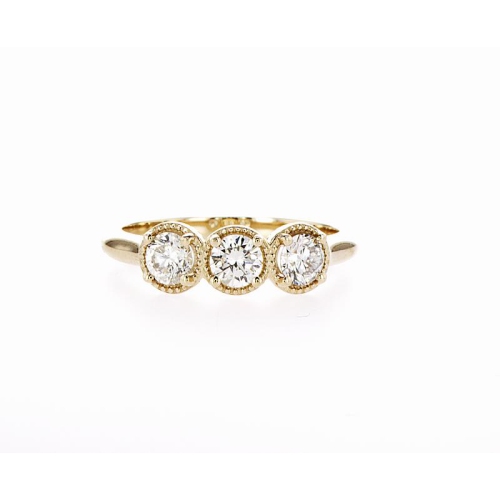
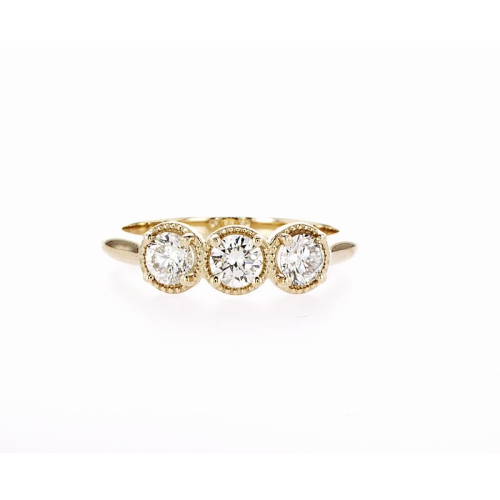
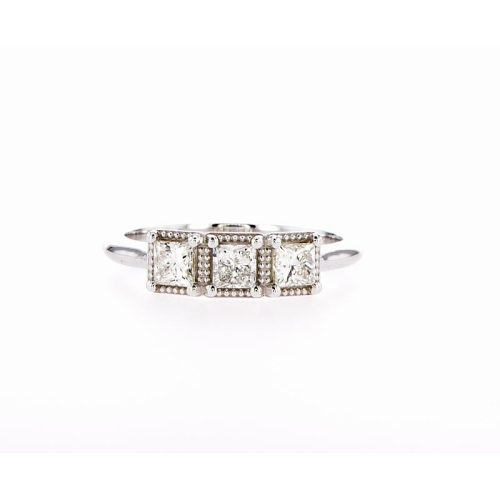
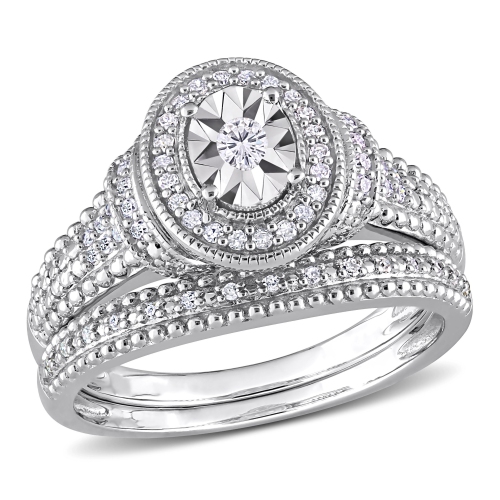
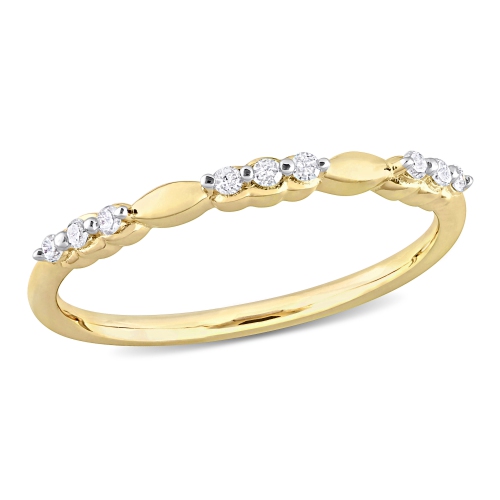
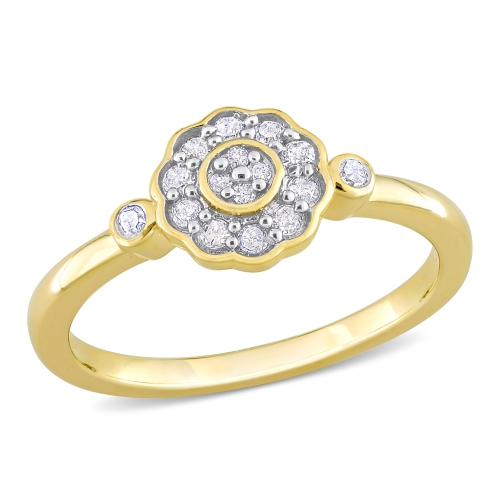
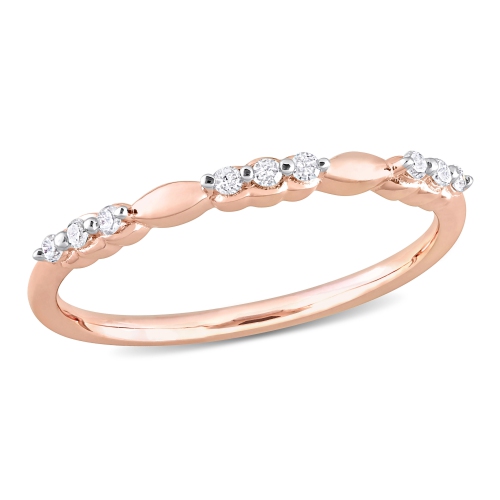
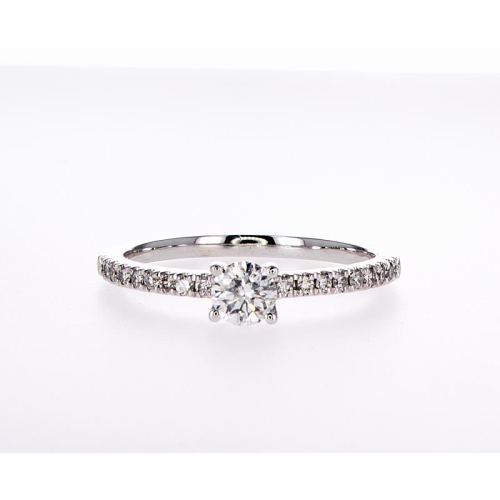
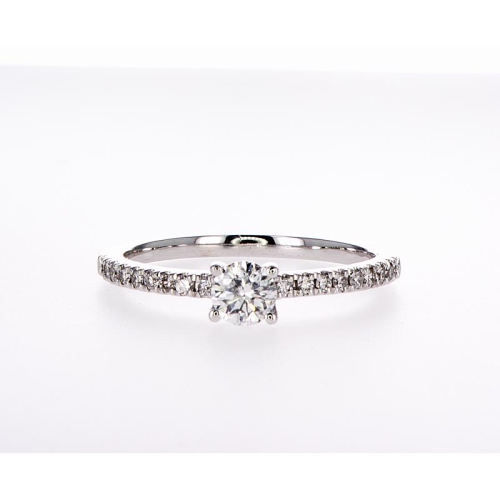
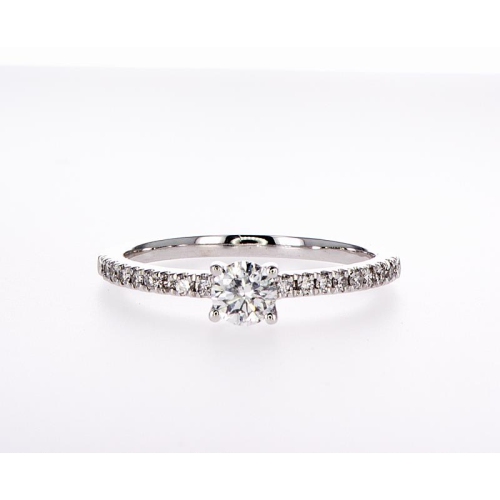
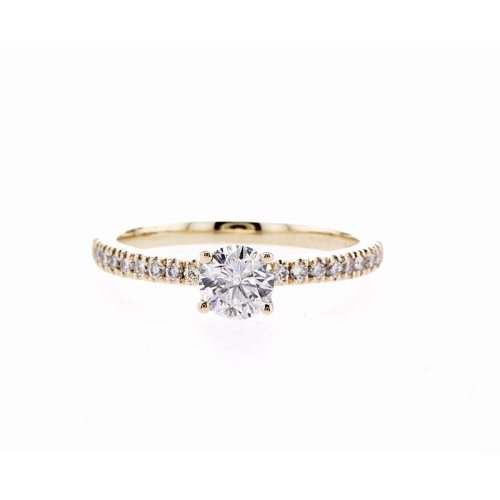
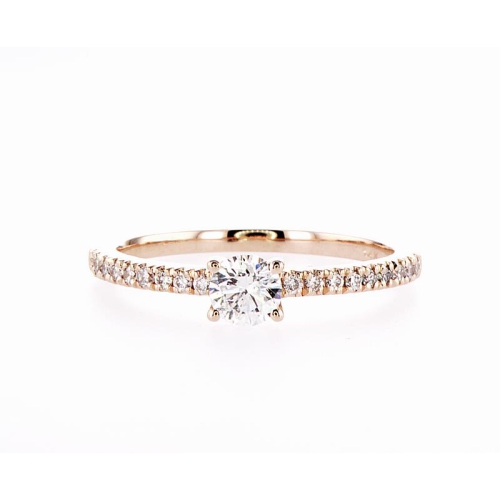
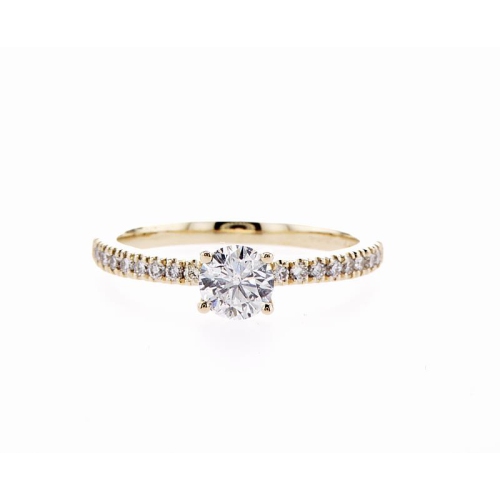
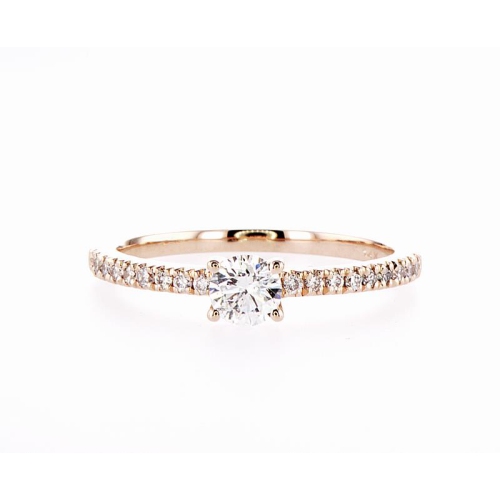
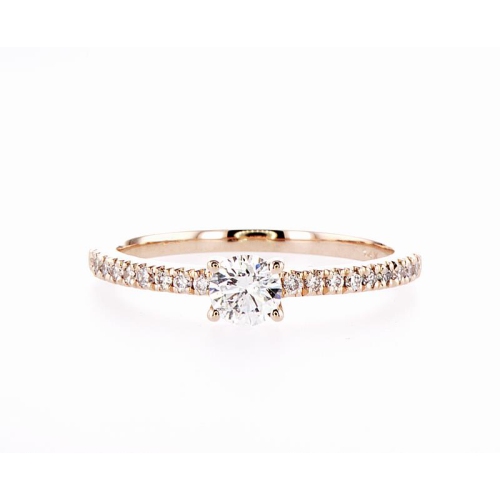
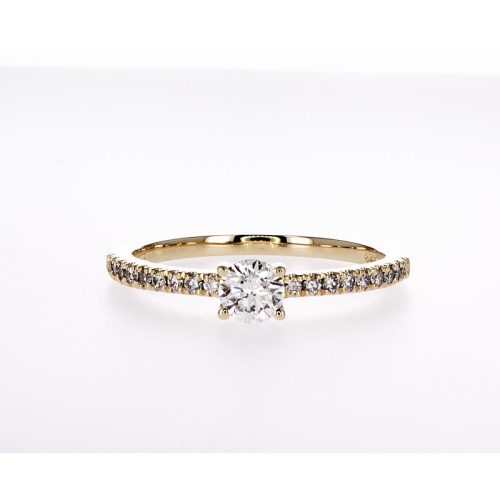
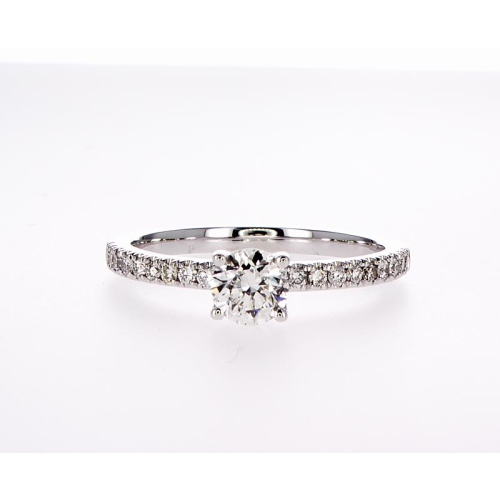
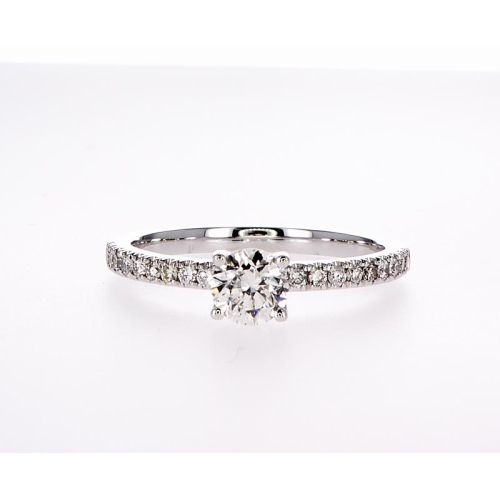
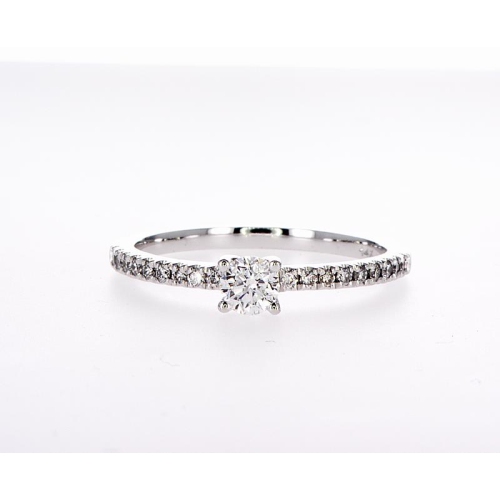
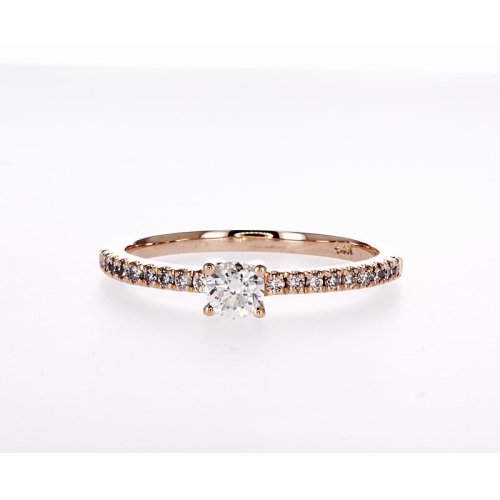
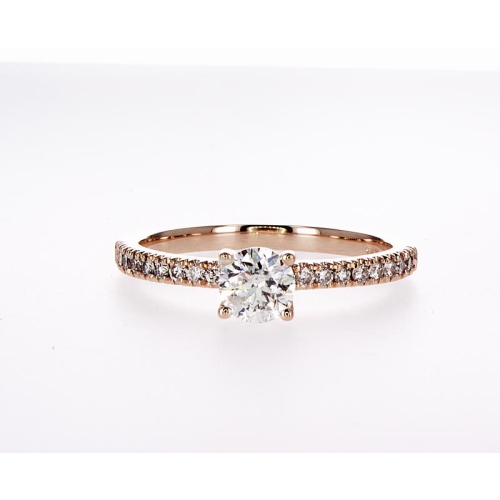
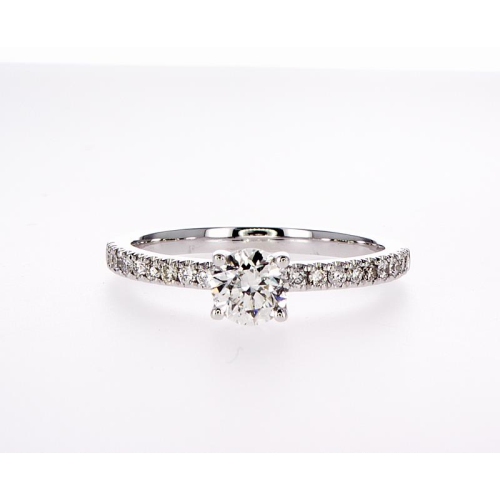
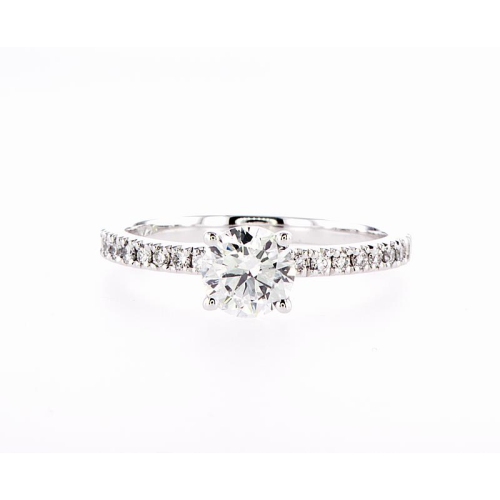
Explore prong-set diamond rings with settings that hold the diamond in place using small metal claws, leaving much of the stone visible. Compare prong styles, band designs, and diamond shapes to find a ring that suits your taste, paying attention to setting height and how it may feel during everyday wear.
Read More

Sort

How prong details shape a diamond ring’s look and feel

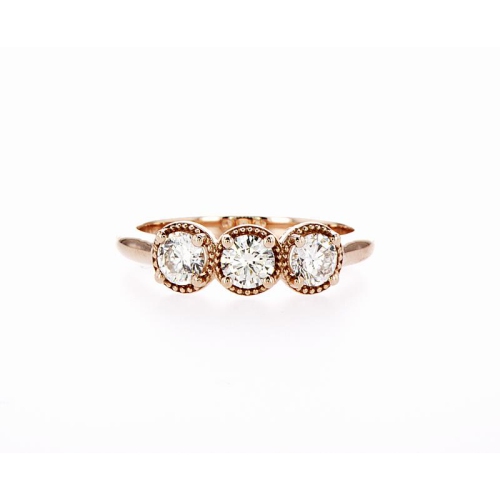
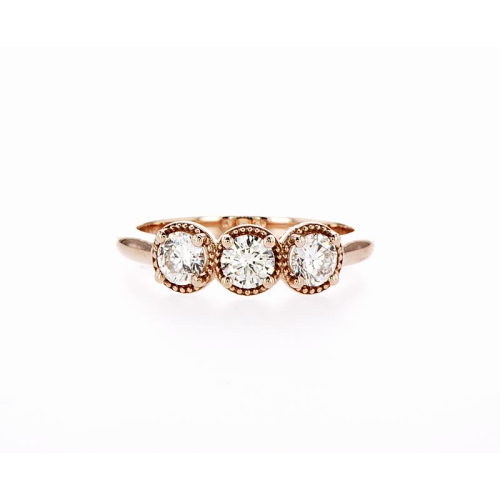
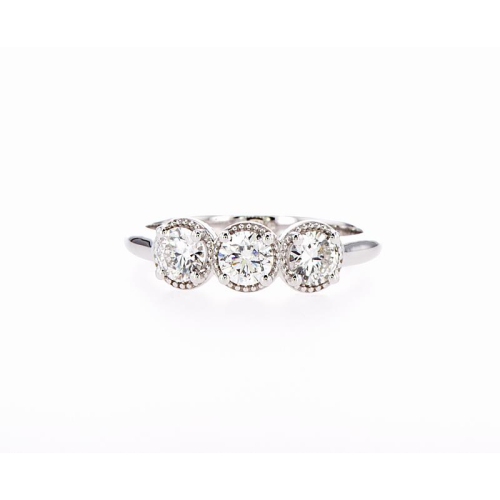
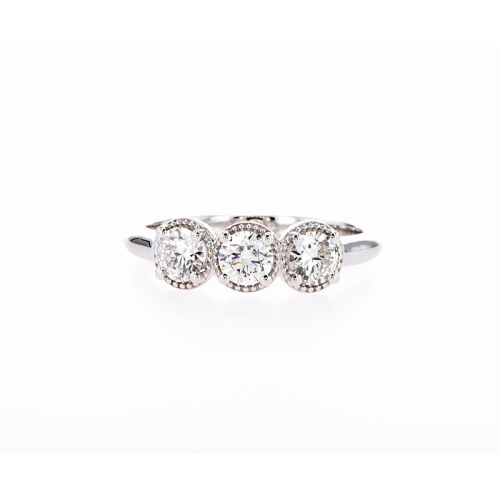
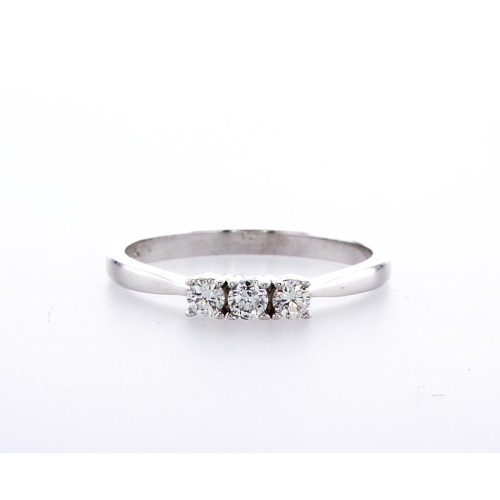
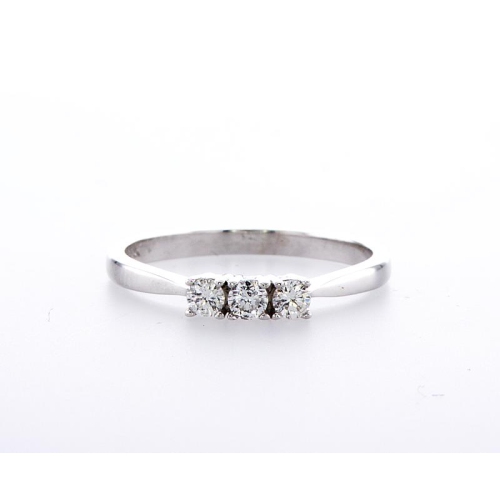
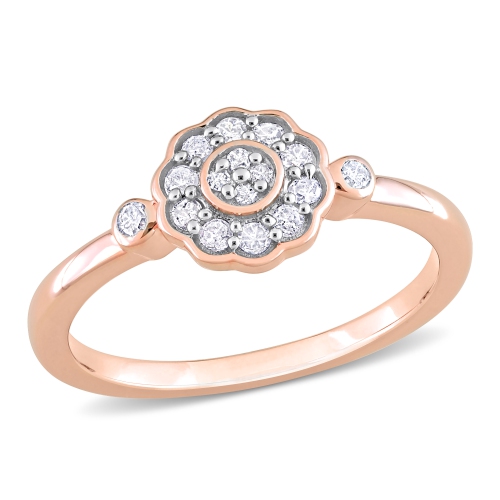
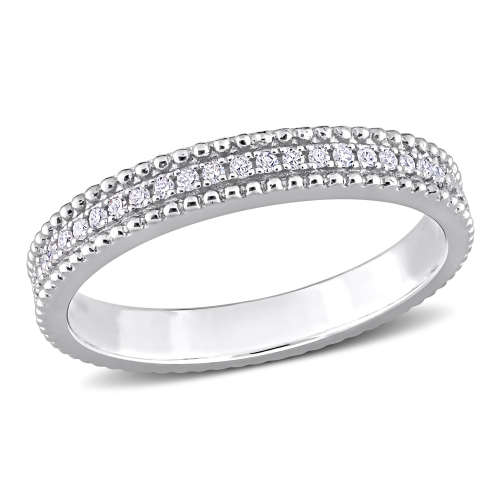
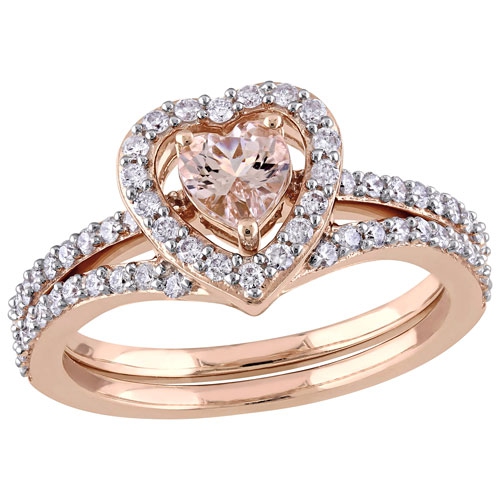
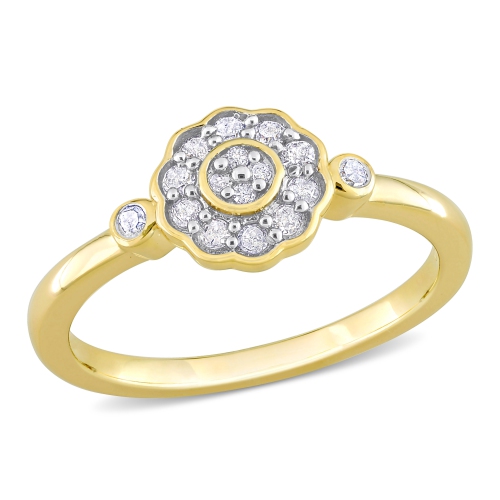
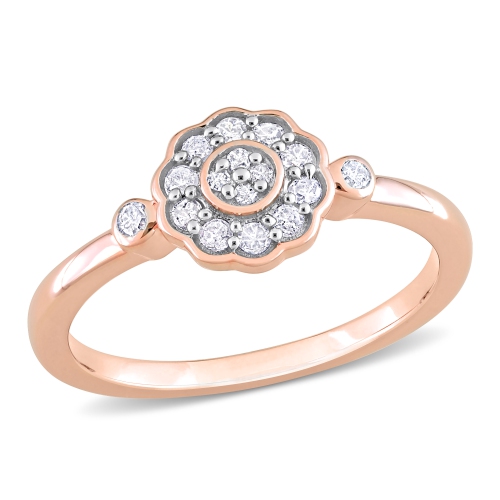
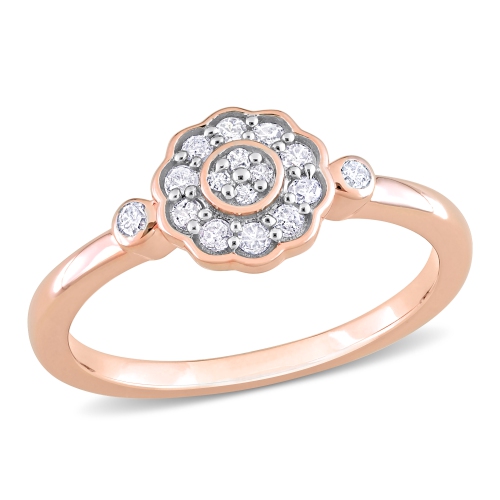
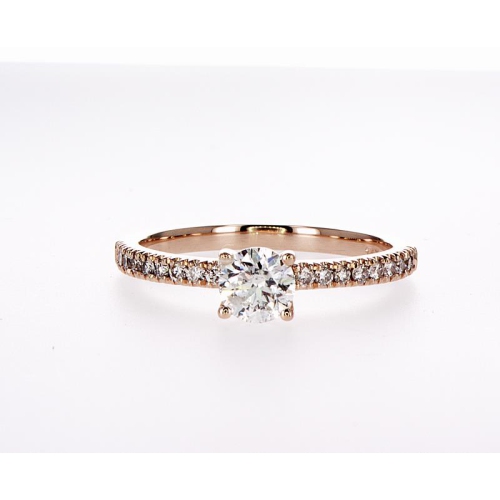
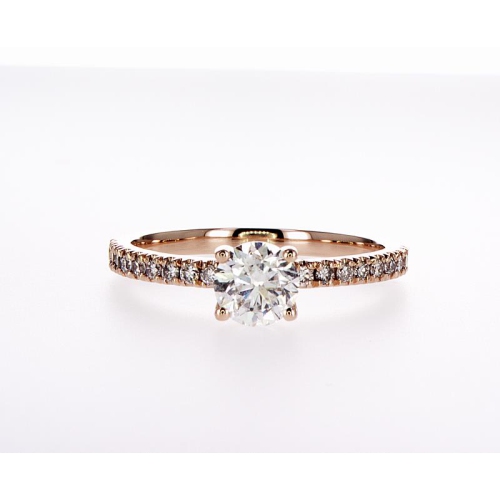
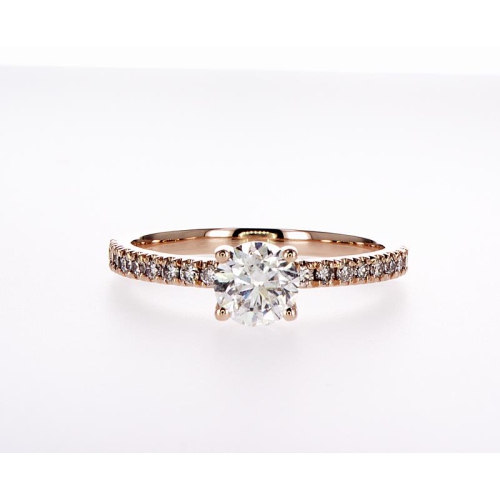
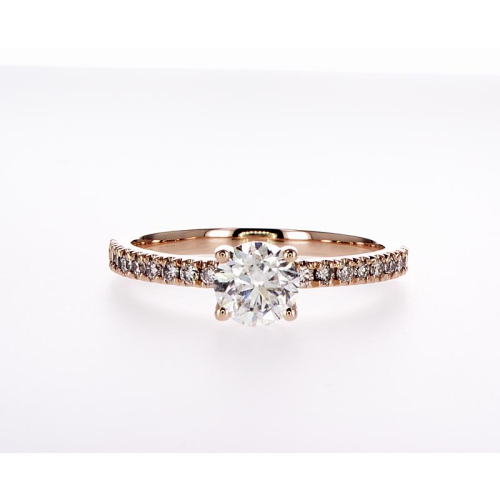
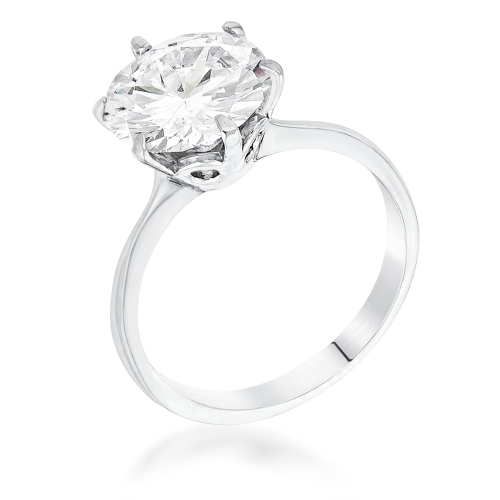
Prong set diamond rings feature small metal claws that hold a diamond in place while leaving much of its surface visible. This setting emphasizes the stone’s shape and allows light to reach it from multiple angles, though a diamond’s cut remains a major factor in its brilliance. The exposed design can suit a range of tastes, from understated styles centred on a single diamond to more intricate designs with accent stones. For shoppers comparing rings for an engagement, an anniversary, a meaningful gift, or personal wear, the setting is an important part of both the appearance and the everyday feel. Alongside the diamond’s characteristics, details such as the number of prongs, their shape, and how high the stone sits can help distinguish one design from another.

When comparing prong set diamond rings, consider how the setting complements the diamond’s outline and how much of the stone you prefer to see. Four-prong settings generally expose more of a diamond’s perimeter, while six-prong settings create a more defined frame and provide additional points of contact. Neither prong count alone determines security; the quality of the setting, the fit of the prongs, and their condition also matter. Rounded claws offer a different visual finish from pointed claws, while V-shaped prongs can help protect vulnerable tips on shapes such as pear, marquise, and princess cuts. A higher setting may give the centre stone a more prominent profile, but it can also catch more readily on clothing or gloves. Lower-profile designs may be more convenient for frequent wear, although their fit beside another ring depends on the shape of the setting and band.

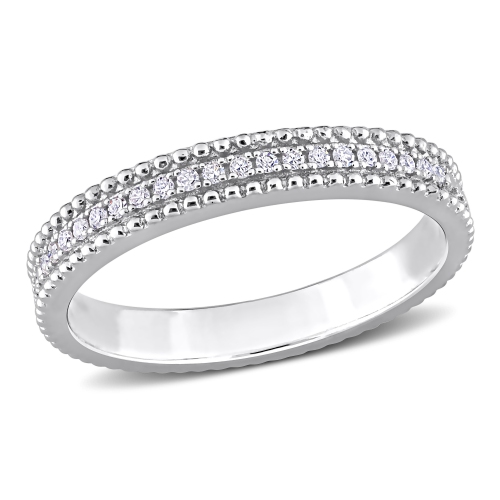
The diamond and band details provide further context for choosing among listings. Carat weight describes a diamond’s weight rather than its visible dimensions, so shape and proportions are useful to compare alongside that figure. Where a ring includes multiple diamonds, check whether a stated carat weight refers to the centre stone or the combined total. Colour, clarity, and cut information can help explain differences in appearance and price, while any grading documentation should be reviewed for what it actually covers. Product descriptions should also distinguish between natural and laboratory-grown diamonds. For the band, compare the stated metal, purity, finish, and width rather than relying on photographs alone. These details influence the ring’s look, weight, and care needs, and any disclosed alloy information may be relevant to someone with metal sensitivities. Ring size deserves particular attention for a gift or surprise proposal, as resizing suitability depends on the metal and construction and should not be assumed.

For regular wear, a prong setting benefits from attention to both comfort and condition. The claws should sit snugly against the diamond rather than feel raised or catch persistently on fabric; a snagging prong or a stone that moves warrants assessment by a qualified jeweller. Removing a ring before heavy lifting, contact sports, or tasks that could strike the setting can help prevent damage. Cleaning methods should be appropriate to the metal, any gemstone treatments, and all stones included in the design, rather than assuming every diamond ring can be cleaned in the same way. If the ring will be worn with a wedding band or another favourite piece, consider how the profiles meet and whether the rings could rub against each other. Balancing these practical details with the diamond’s appearance and the wearer’s preferred style makes it easier to choose a ring suited to both the occasion and continued wear.
Read More

FAQ

Some products may be subject to Environmental Handling Fees (EHF) depending on your province. Learn more about EHFs.