Queen Size Waterproof Mattress Protectors

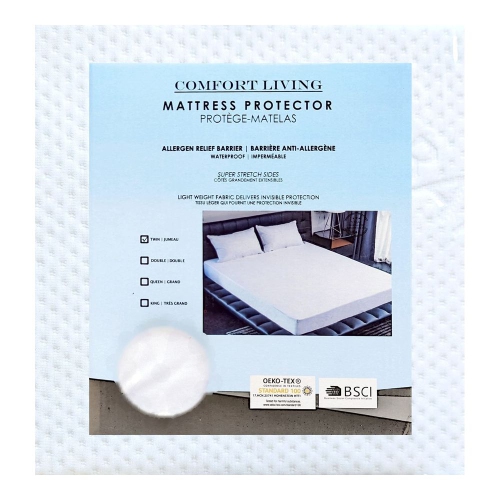
Queen size waterproof mattress protectors add a barrier against spills and moisture to help keep your mattress clean. Browse options for queen mattresses, and compare dimensions, pocket depth, and care instructions to find a protector that fits your mattress and laundry routine.
Sort

Everyday spill protection starts beneath the fitted sheet

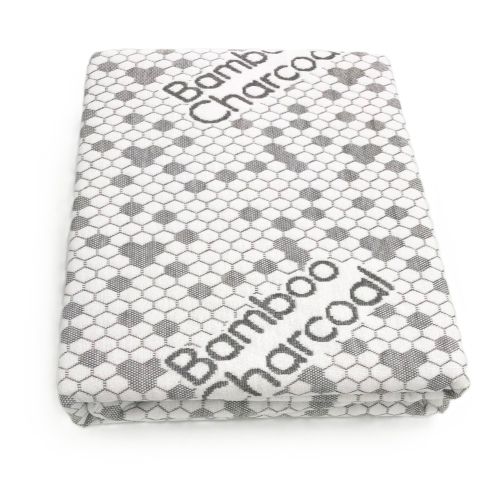
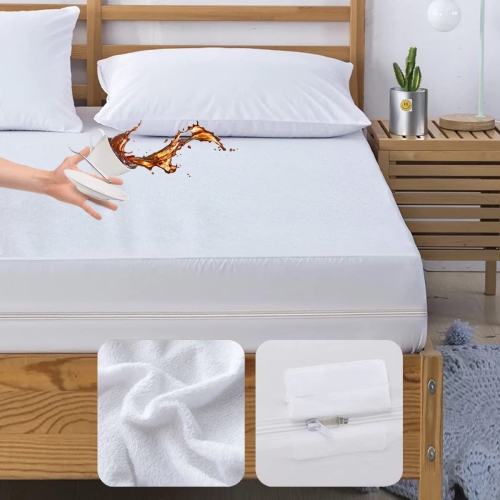
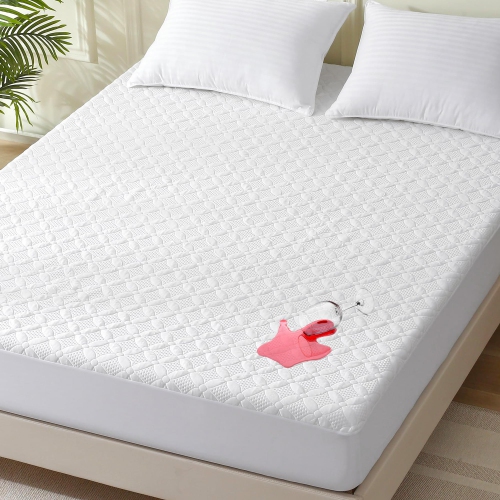
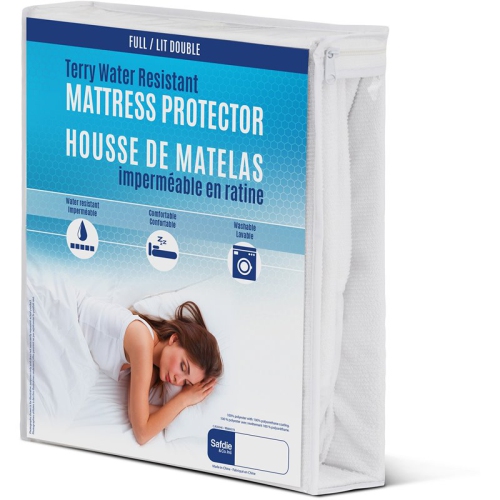
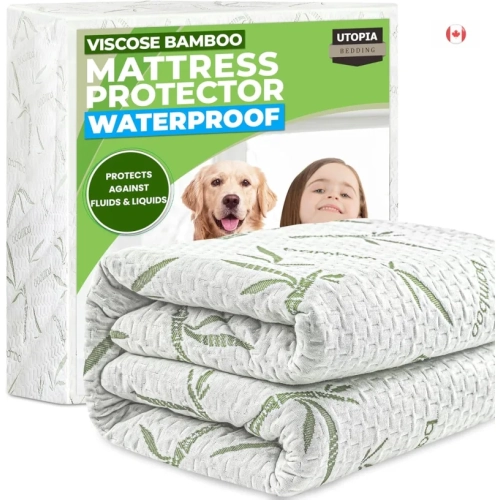
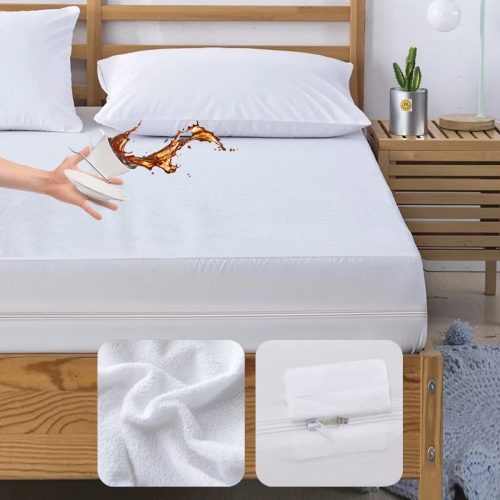
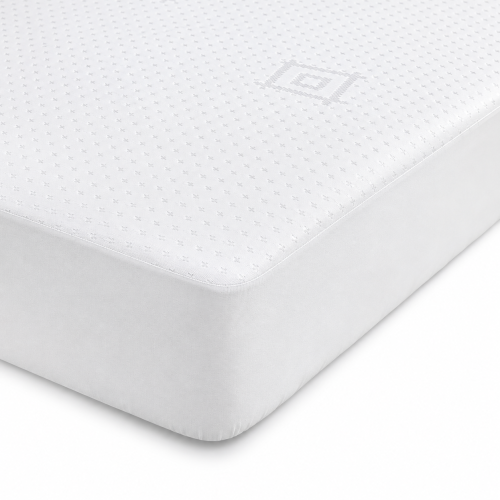
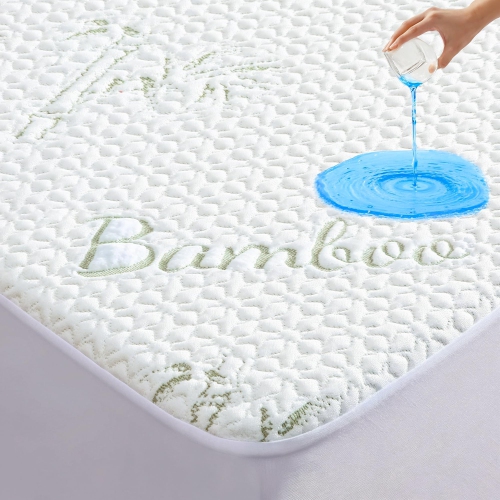
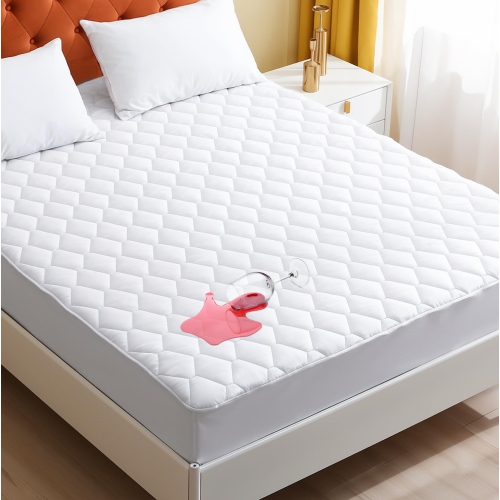
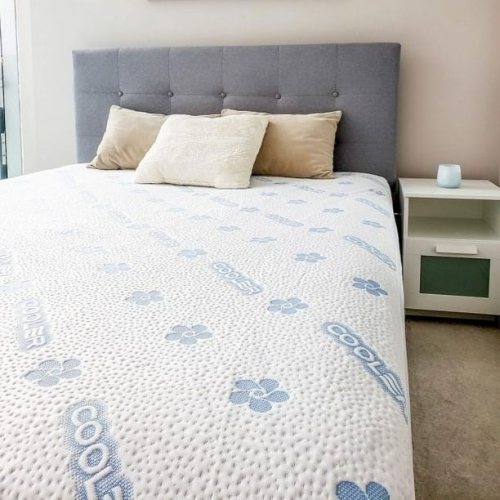
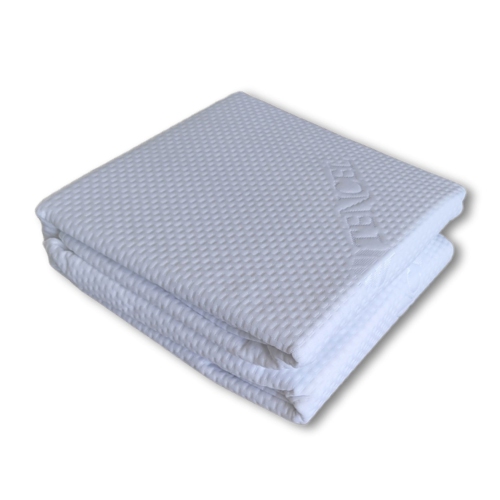
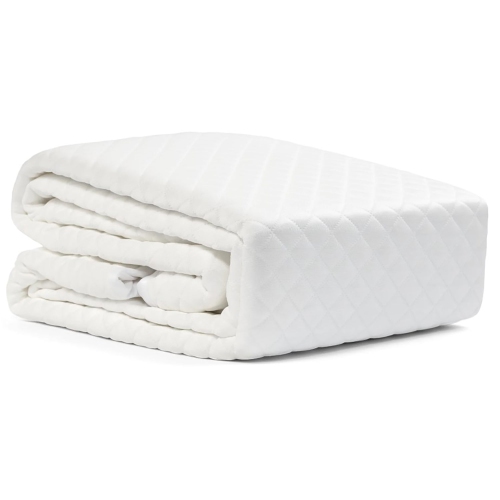
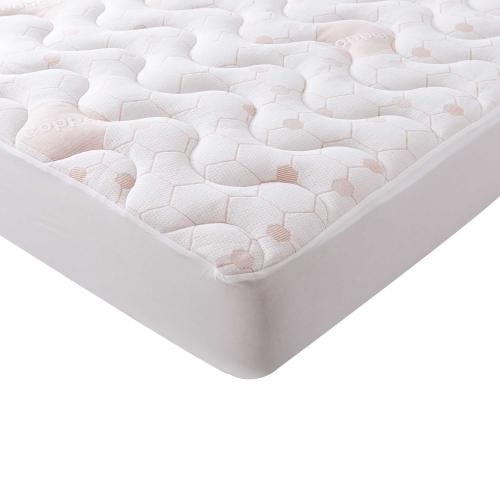
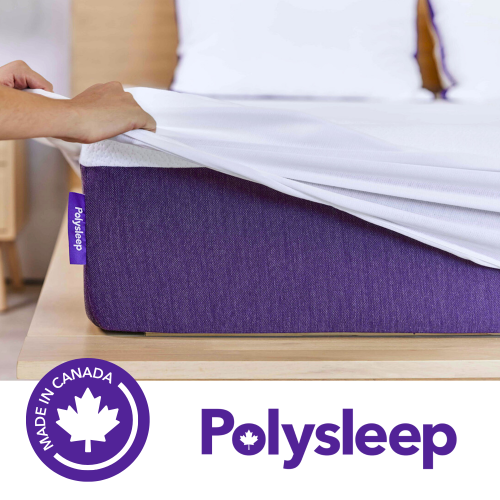
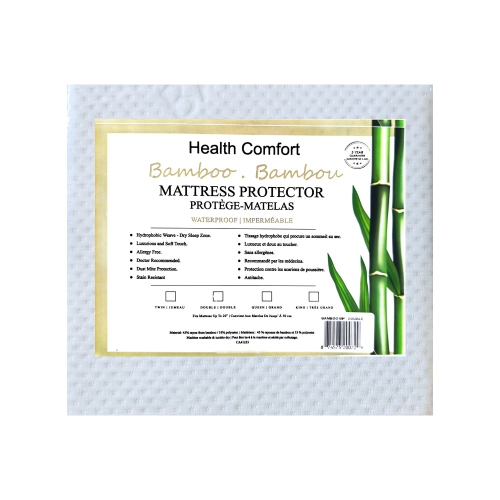
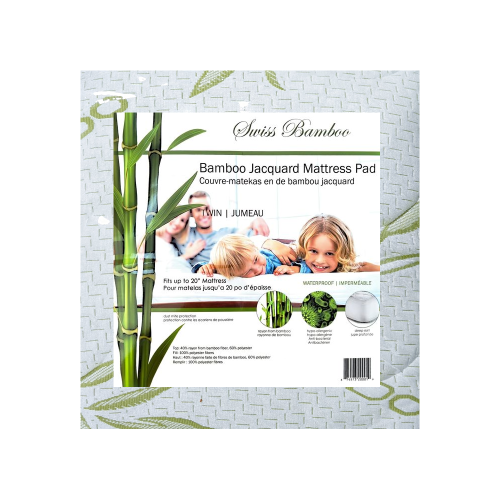
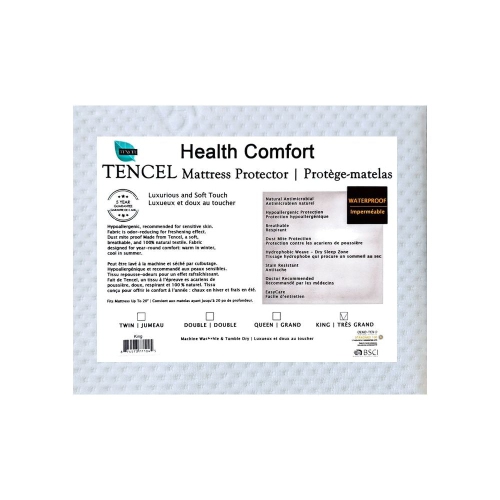
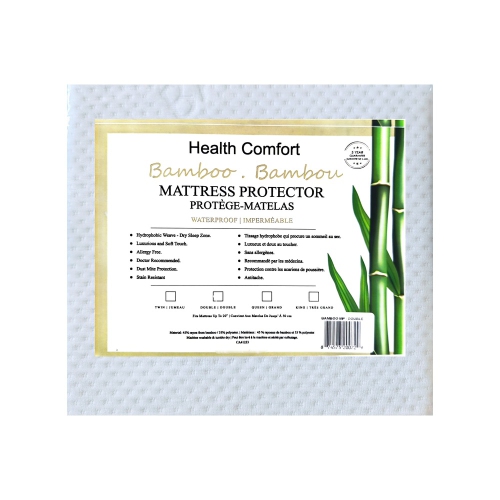
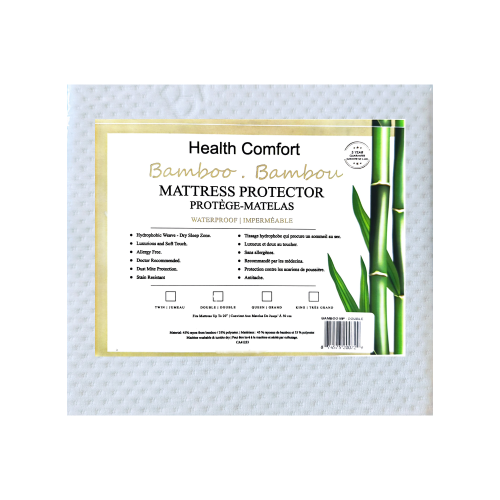
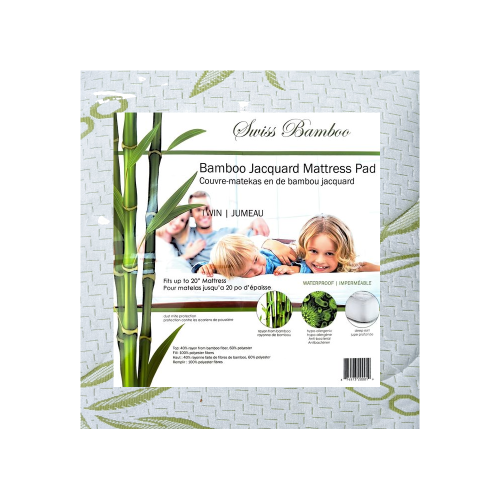
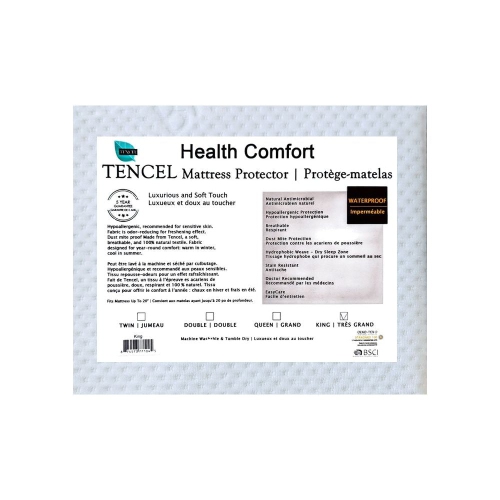
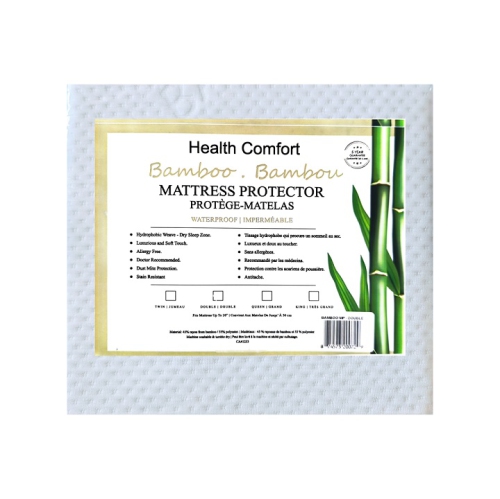
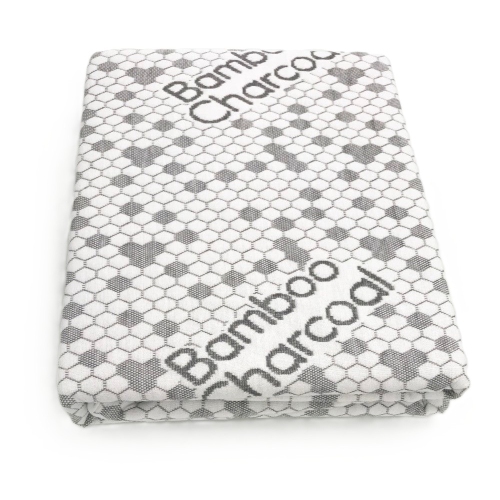
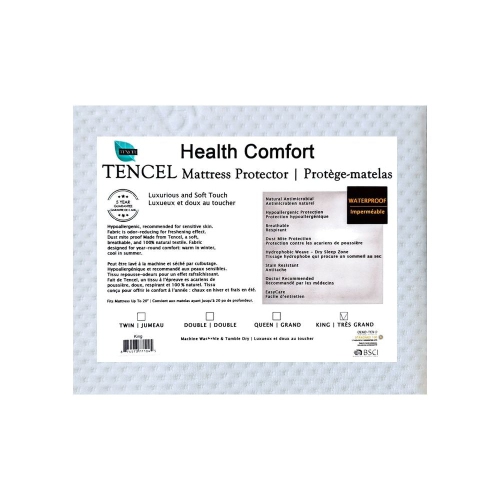
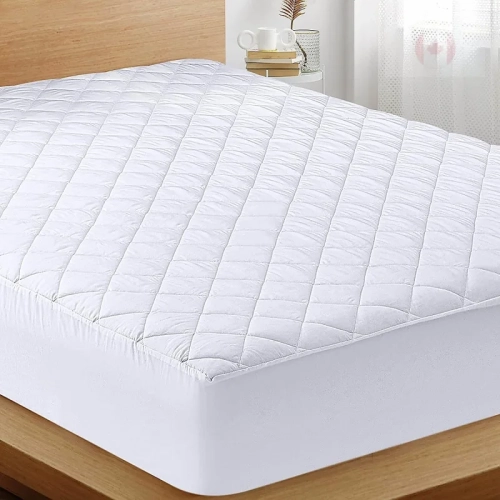
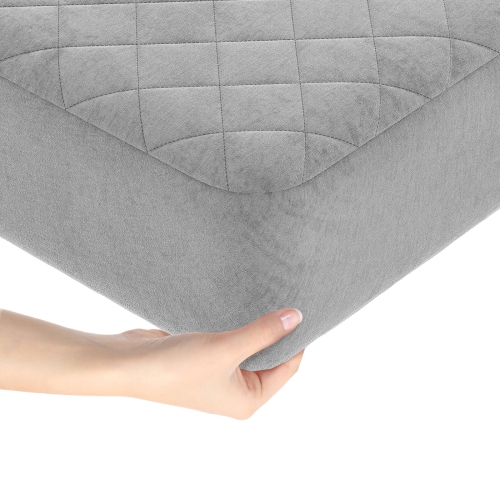
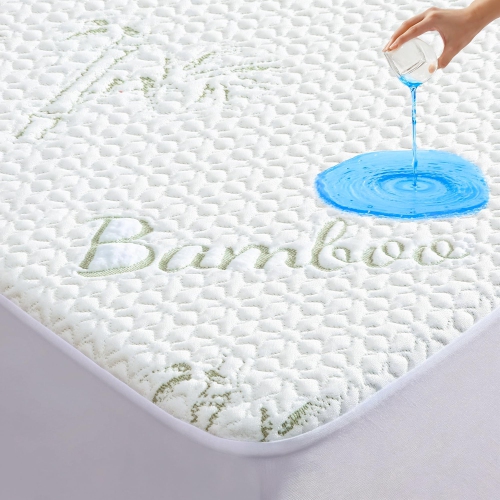
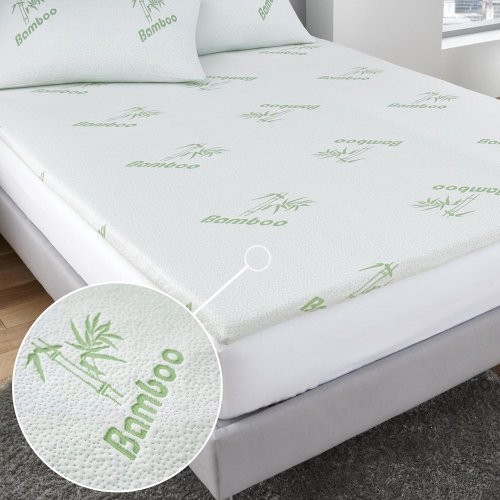
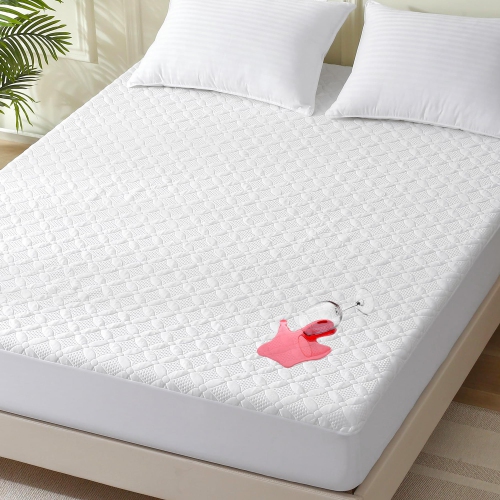
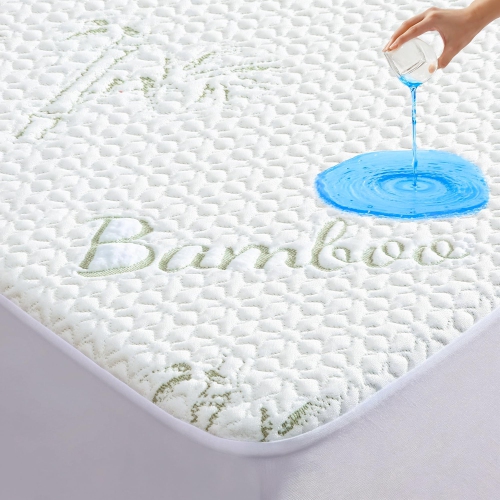
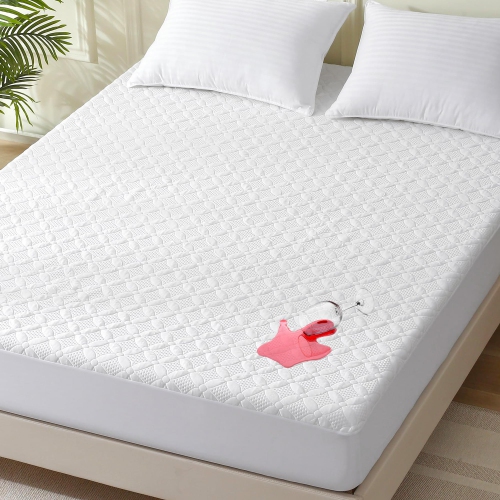
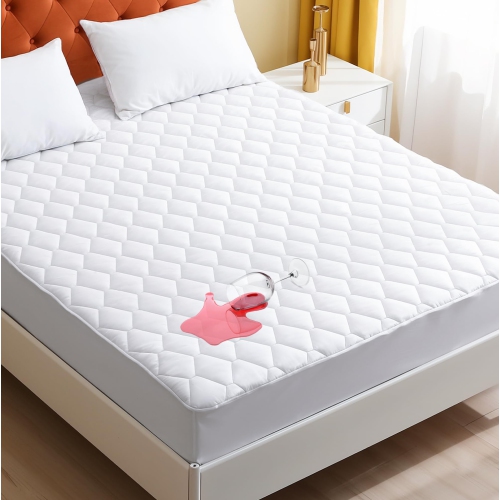
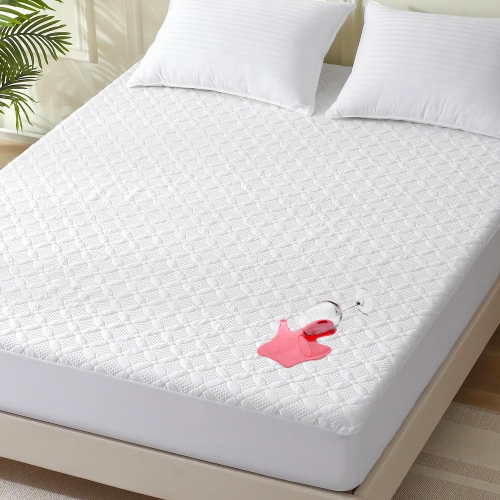
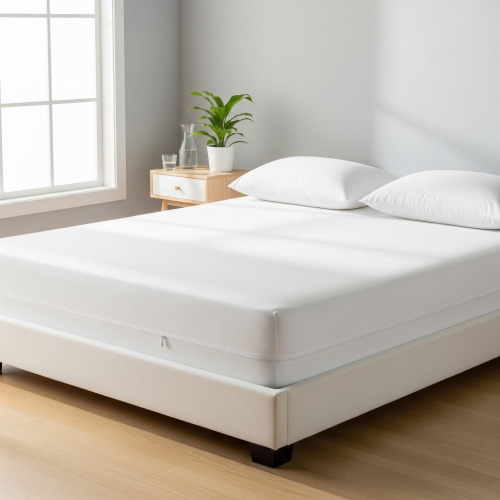
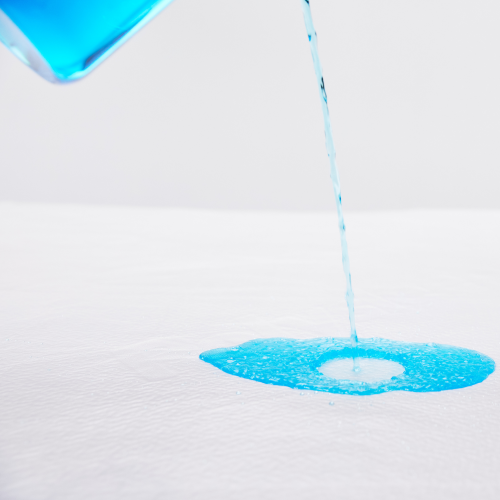
Queen size waterproof mattress protectors create a washable barrier between bedding and the mattress, helping keep spills, perspiration, and everyday moisture from reaching the sleep surface. They sit beneath the fitted sheet, where they can protect the mattress without becoming the main layer felt against the skin. Many designs combine a fabric face with a thin waterproof membrane, offering a softer, quieter alternative to a thick plastic cover. Cotton terry has a gently textured surface that can absorb small amounts of moisture, while smooth cotton or microfibre fabrics provide a different feel beneath the sheet. Bamboo-derived viscose also appears in fabric blends, although the complete construction matters more than any single fibre when assessing softness, care requirements, and performance. The waterproof layer, often made from polyurethane, is what blocks liquid; an absorbent fabric surface alone does not make a protector waterproof. Breathability and waterproofing describe different characteristics, so a protector can allow moisture vapour to pass through while resisting liquid penetration. Neither term guarantees that every sleeper will experience the same comfort. A thin, unpadded protector generally changes the feel of a mattress less than a quilted version, which may add a modest layer of cushioning. Neither replaces a supportive mattress or provides the substantial comfort adjustment associated with a mattress topper. These protectors suit everyday household situations: a glass of water tipped over beside the bed, a child settling into a queen bed, or a pet leaving damp pawprints on the bedding. They can also simplify upkeep in guest bedrooms and shared households where mattresses serve different sleepers over time. Protection is most useful when it is already in place, rather than added after a spill has soaked through. A protector does not make the entire bed spillproof, however, and liquid should still be removed promptly. Sheets, pillows, bed frames, and any uncovered mattress areas remain separate considerations. For routine use, the most practical construction balances dependable liquid protection with a surface that stays unobtrusive beneath familiar bedding.

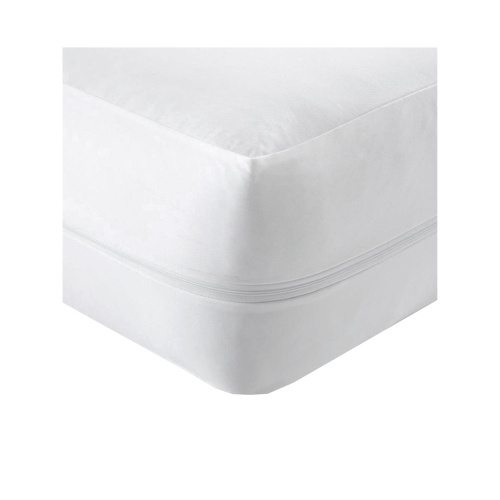
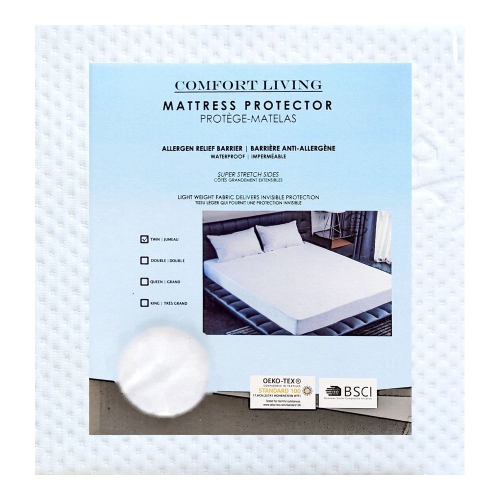
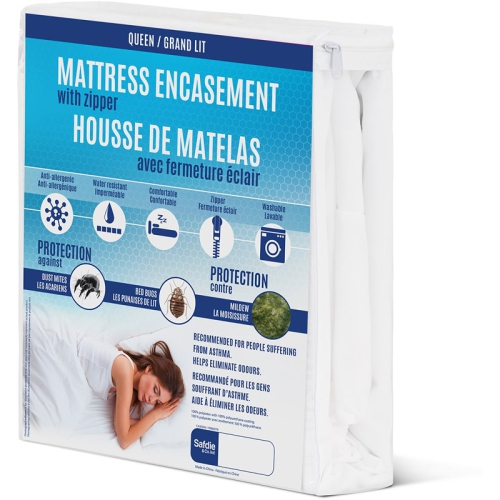
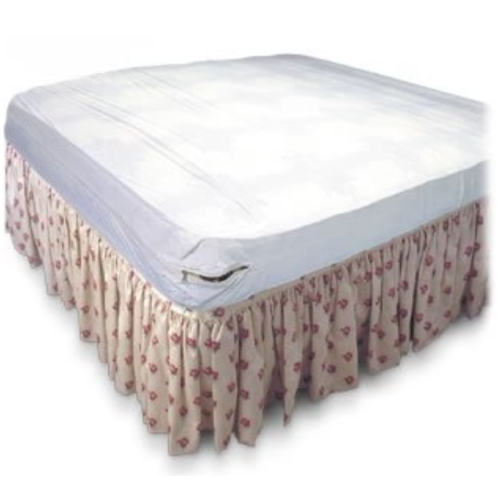
A standard queen mattress typically measures 60 by 80 inches, but matching those dimensions is only the beginning of getting a secure fit. Mattress depth matters just as much, particularly with pillow-top constructions or a topper placed above the mattress. Measuring from the bottom edge to the highest point of the assembled sleep surface helps establish the pocket depth needed for a fitted protector. A skirt that is too shallow can pull loose at the corners, while excess fabric may gather beneath the sheet and create noticeable folds. Elastic around the perimeter can help hold a fitted design in place, though the shape and condition of the mattress also affect how neatly it sits. Queen size labelling should not replace checking the stated measurements, especially for non-standard beds or mattresses made for recreational vehicles. Coverage deserves equally close attention. Some protectors have a waterproof sleeping surface with stretch fabric around the sides; that skirt may secure the protector without providing waterproof side protection. Other constructions extend their barrier farther around the mattress, while zippered encasements surround it on all sides. The Waterproof Mattress Covers Queen page offers a related category to explore, with dimensions and coverage remaining more useful comparison points than the word “cover” alone. For households concerned about dust mites or allergens, waterproofing by itself is not evidence of an allergen barrier. Any relevant protective claims should be stated clearly for the complete design, including its fabric, seams, and closure. A zippered shape alone does not establish that level of protection either. Sleepers who move frequently may appreciate a smooth surface and a firmly anchored skirt that reduce bunching beneath the fitted sheet. On an adjustable bed, compatibility with a moving mattress is another detail worth checking. The fitted sheet must also accommodate the full mattress depth once the protector is installed, so both layers can sit securely without pulling against each other.
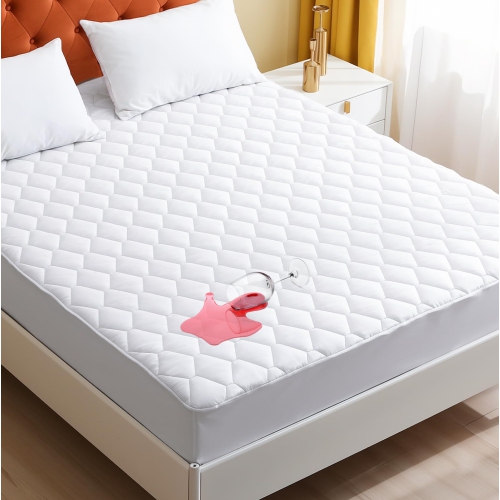
Care requirements have a direct effect on how convenient a queen size waterproof mattress protector is to use over time. Many are machine washable, but washing and drying directions vary with the surface fabric, backing, and seam construction. The sewn-in care label is the best reference for detergent, wash settings, and drying methods. A protector that tolerates a household washing routine can be easier to maintain after a spill, particularly when the mattress is used every night. Washing before first use may be recommended, and any preparation instructions should be followed before putting the protector beneath the fitted sheet. After an accident, removing wet bedding promptly and blotting up excess liquid can limit how far moisture spreads across the protected surface. The protector should then be cleaned as directed rather than left damp beneath fresh sheets. Bleach, fabric softeners, harsh stain treatments, and ironing may be unsuitable for certain waterproof layers, even when the fabric face appears sturdy. High dryer heat can also damage some backings, making the permitted drying setting an important detail rather than an afterthought. Thorough drying matters: fabric folds, elastic edges, and quilted sections can retain moisture after the main surface feels dry. Once clean, the protector should lie flat and dry before the bed is remade. Durability depends on more than fabric thickness; secure stitching, resilient elastic, and a backing that remains intact through repeated laundering all contribute to useful service. Peeling, cracking, separated seams, or corners that no longer stay anchored are reasons to reassess its condition. Keeping a second protector on hand can make bedding changes simpler while one is being washed, especially in a frequently used bedroom. A protector still works alongside regular sheet washing, mattress care, and prompt attention to spills rather than replacing them. The right fit and manageable care routine help it remain a practical, largely unnoticed part of the bed.

FAQ

Some products may be subject to Environmental Handling Fees (EHF) depending on your province. Learn more about EHFs.