Rhodium Plated Sterling Silver Rings

Shop rhodium-plated sterling silver rings with a bright, polished finish. Compare designs, ring sizes, and care details to find a style that suits your taste and fits comfortably, whether you’re choosing a ring for everyday wear or a special occasion.

Read More

Sort

How rhodium gives silver rings their bright white finish

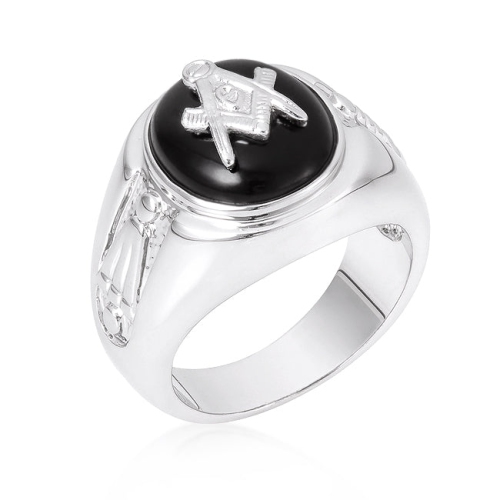
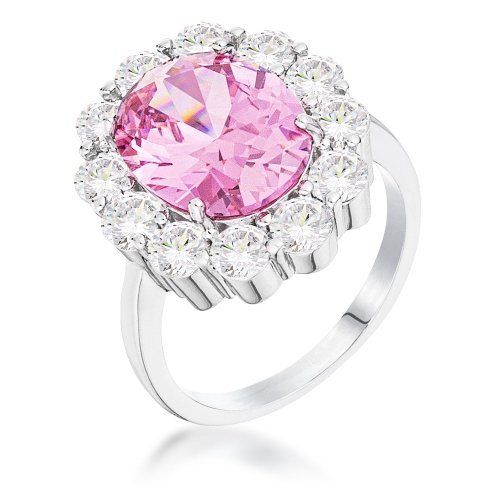
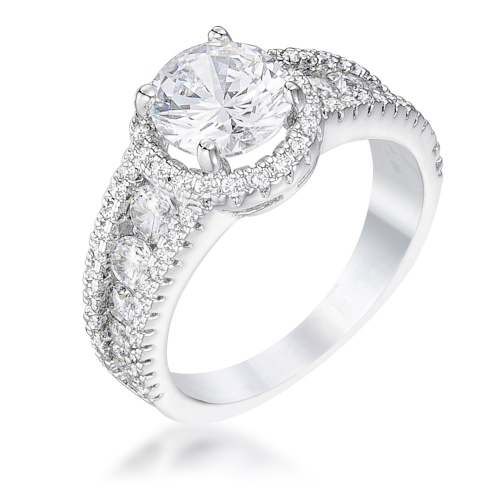
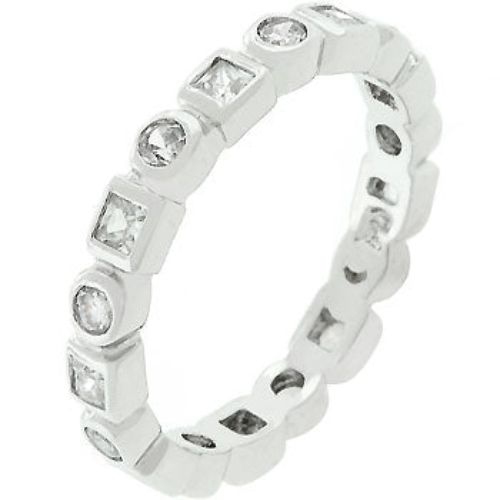
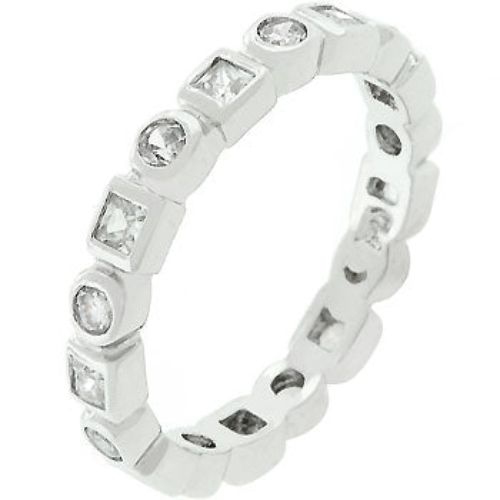
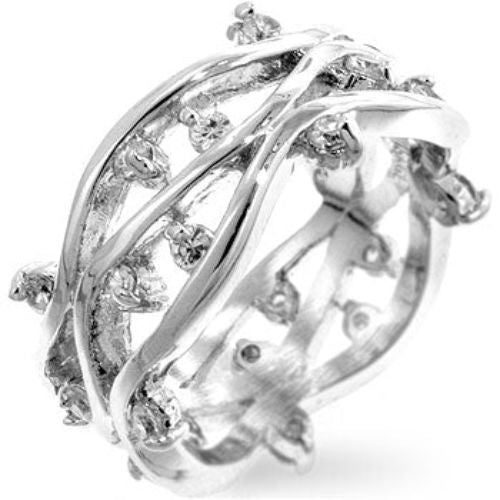
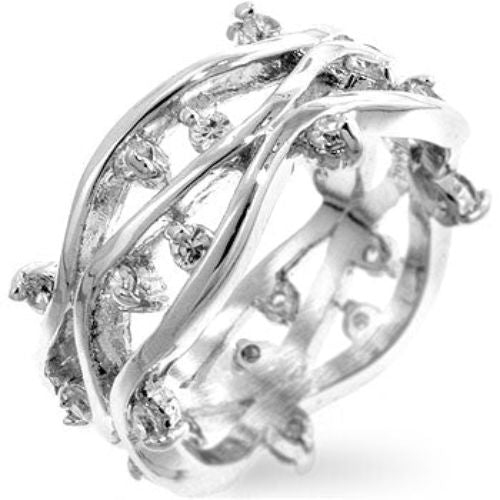
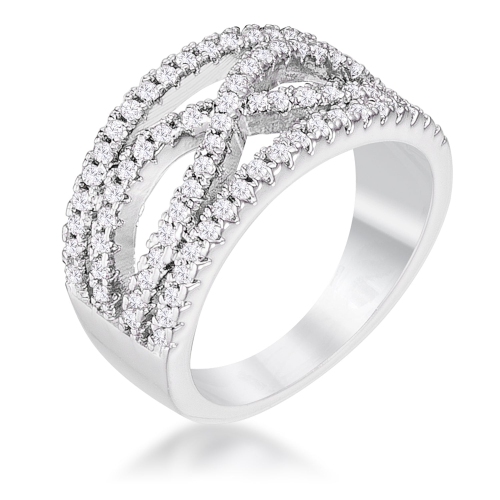
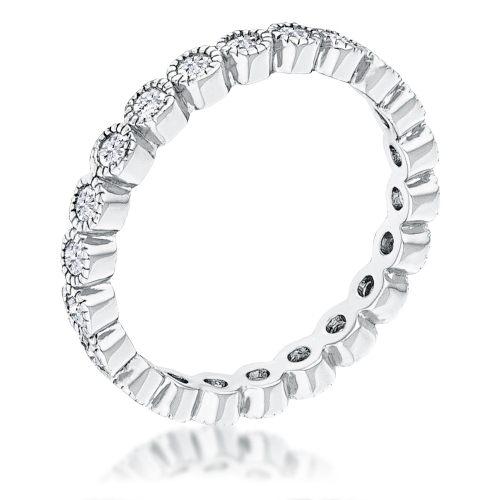
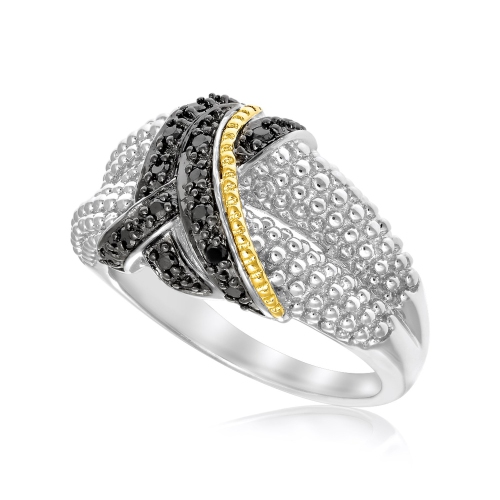
Rhodium-plated sterling silver rings combine a silver base with a bright white surface finish that gives the metal a crisp, polished appearance. Sterling silver is an alloy containing 92.5% pure silver, with the remaining portion made up of other metals, commonly copper, to add strength. Rhodium, a metal in the platinum group, is applied as a thin outer layer rather than forming the body of the ring. This distinction matters: the sterling silver provides the underlying structure, while the rhodium contributes surface colour, shine, and resistance to tarnishing. A 925 mark refers to the silver alloy, not the thickness of the plating. The finished look works well with both understated bands and more detailed designs, from a smooth ring worn alone to a setting with a raised centre stone or small accents along the shoulders. A narrow, high-polish band can add a clean line beside a watch or bracelet, while an openwork or textured design brings more visual detail without relying on a large stone. When a ring includes gemstones, their identity, setting, and care requirements are separate considerations from the metal itself. A clear stone against the white finish creates a tonal look; coloured stones produce a more noticeable contrast. The height and shape of the setting also influence how the ring feels in everyday use. A low-profile design tends to sit closer to the hand, whereas a taller setting gives a stone greater prominence and may need more attention around knitwear, pockets, or gloves. For someone who prefers jewellery that moves easily between casual clothing and a dressier outfit, proportions often matter more than ornament. A slim band can feel subtle enough for regular wear, while a broad silhouette or sculptural shape makes the ring a stronger focal point. The best match depends on whether the ring is intended as a quiet daily accessory, an occasional statement, or a meaningful piece associated with a personal milestone.

Fit deserves as much attention as appearance, particularly with a ring that may stay on the hand for hours at a time. A comfortable ring should pass over the knuckle with gentle resistance and sit securely at the base of the finger without pinching or leaving a deep indentation. Finger size can vary through the day, so measurements taken more than once offer a better starting point than a single quick check. Measuring the intended finger is important, since the same finger on the opposite hand may differ in size. Band width changes the feel, too: a broad band covers more skin and can feel snugger than a fine one in the same stated size. Several rings stacked together can have a similar effect. Rounded inner edges may feel smoother against the finger, while pronounced edges, raised details, and heavier tops can be more noticeable when gripping a pen, carrying a bag, or typing. A top-heavy design may also turn more easily if the fit is loose. Ring sizing systems and measurement charts should be checked carefully, especially when comparing a diameter measurement with a circumference measurement. Resizing is not equally straightforward for every design; stones around the full band, intricate patterns, and certain settings can limit what a jeweller can adjust, and work on a plated ring may require refinishing afterwards. For a gift, knowing the recipient’s usual ring finger, preferred band width, and existing jewellery style helps make the choice more personal. A ring marking a birthday, graduation, anniversary, or other achievement does not need to resemble a traditional commitment ring to carry meaning. Simple shapes may suit someone who rarely changes accessories, while distinctive textures or coloured stones can appeal to someone who enjoys making jewellery part of an outfit. Anyone with known metal sensitivities should check the full metal composition, including any layers beneath the rhodium, rather than assuming that a plated surface guarantees comfortable wear.

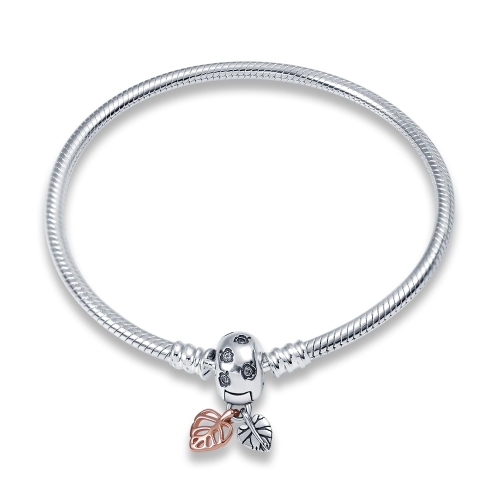
Rhodium plating is a surface treatment, so its appearance will change with wear. The layer can gradually thin where the ring rubs against nearby fingers, objects, or other jewellery, particularly along the underside of the band. This is different from damage to the sterling silver underneath, although hard knocks and strong pressure can affect the ring’s shape or loosen a setting. Removing rings before weight training, lifting heavy objects, cleaning, or working with tools helps reduce contact with rough surfaces and chemicals. It is also sensible to take them off before swimming and to let lotions, perfume, and hand products dry before putting them back on. For routine cleaning, follow the care directions for the complete ring, including its stones and any adhesives or decorative finishes. When those directions permit, a little mild soap and lukewarm water, followed by careful rinsing and drying with a soft, lint-free cloth, can lift everyday residue. Avoid abrasive polishing compounds and silver dips unless a jeweller confirms that they are suitable for the plated finish; products intended to remove tarnish from bare silver can be too aggressive for a coated surface. Ultrasonic and steam cleaning are not appropriate for every gemstone or setting either. Separate storage in a soft pouch or a lined compartment helps prevent pieces from rubbing together, and a small dish in a secure place can make it easier to remove a ring before household tasks without misplacing it. If the finish becomes uneven or the underlying silver starts to show, a jeweller can assess whether replating is appropriate and check the condition of the setting at the same time. For a coordinated look, Rhodium Plated Sterling Silver Bracelets can echo a ring’s bright metal tone without needing identical details. Leaving a little visual space between bolder pieces allows each shape to stand out, while finer bands and delicate wrist jewellery create a lighter combination. Thoughtful fit, suitable care, and proportions that suit the wearer’s routine help keep the focus on the ring’s design and the significance it holds.
Read More

FAQ

Some products may be subject to Environmental Handling Fees (EHF) depending on your province. Learn more about EHFs.