Yellow Gold Engagement Rings
Yellow gold is a precious metal that has been used for centuries in jewelry and other decorative items. It has a warm, golden glow that is perfect for engagement rings. Here are some great options for yellow gold engagement rings available in the market.
Sort


Warm gold meets personal style and everyday comfort
Yellow gold engagement rings pair the familiar warmth of gold with a design that marks a personal commitment. Their rich colour can lend a simple solitaire a soft, classic appearance or give a more intricate setting the character of an heirloom. Yellow gold also works beautifully with a range of stone shapes, from rounded centres with gentle outlines to angular cuts with crisp edges. For someone who already wears yellow gold earrings, chains, or bracelets, an engagement ring in the same metal can feel like a natural addition to their everyday jewellery. Its appearance comes from both the gold content and the other metals used in the alloy, so two yellow gold rings may differ slightly in tone. Pure gold is relatively soft, which is why jewellery intended for regular wear generally uses gold blended with metals that add strength. Common fineness levels include 10-karat, 14-karat, and 18-karat gold, containing approximately 41.7%, 58.3%, and 75% gold respectively. Higher gold content often produces a richer yellow colour, while lower-karat alloys generally offer greater resistance to bending and wear, though the particular alloy and ring construction also matter. Solid gold and gold-plated jewellery are different constructions: solid gold uses a gold alloy throughout the metal portion, whereas plating is a surface layer over another metal that can wear away with use. These distinctions are particularly relevant to an engagement ring that may be worn daily for many years. Anyone with metal sensitivities should check the stated alloy composition rather than assuming that every yellow gold ring will suit their skin. Beyond the material itself, the width and shape of the band influence how the ring feels. A rounded inner surface can make a wider band more comfortable, while a slender band creates a delicate outline but still needs enough substance to support its setting. The most satisfying combination is one that feels comfortable on the hand and reflects the wearer’s own style, whether understated, ornate, or somewhere between the two.
The setting gives a yellow gold engagement ring much of its personality. A solitaire places the emphasis on a single centre stone, with the warm metal framing its shape rather than competing with it. A halo adds a border of smaller stones, while a three-stone design creates a broader arrangement across the finger. Fine pavé details can add points of sparkle along the band, and engraved patterns or beaded edges introduce texture even when the ring has relatively little stone coverage. Yellow gold can create a pleasing contrast around a bright diamond or emphasize the depth of a coloured gemstone. Diamond appearance depends on the interaction of cut, colour, clarity, and carat weight; carat describes weight rather than visible dimensions, so stones of equal weight may look different in size. A well-proportioned cut influences how light moves through the stone, while shape determines its outline on the hand. Round and oval shapes have softer contours, whereas rectangular and square shapes offer more defined lines. Designs such as Yellow Gold Emerald Engagement Rings offer another expression of this warm metal pairing, with the stated gemstone and cut helping distinguish each design. An emerald gemstone and an emerald-cut stone are not the same thing: emerald is a green gemstone, while emerald cut describes a stepped, usually rectangular shape that can be used for diamonds and other gems. Natural and laboratory-grown stones should also be identified clearly in the ring’s details, along with any disclosed treatments. These details matter for both appearance and care. Emeralds, for example, can contain internal features and may have treatments that require gentler handling than diamonds. Prongs leave more of a stone visible, while a bezel surrounds its edge with metal and can provide additional protection. Neither setting makes a ring immune to knocks. The overall height is equally important: a raised centre can look striking from the side, but a lower profile may feel less intrusive when putting on fitted sleeves or reaching into a bag.
An engagement ring becomes part of ordinary routines as well as milestone moments, making fit and practical care just as meaningful as its appearance. A comfortable ring should pass over the knuckle with some resistance and sit securely at the base of the finger without pinching. Finger size can fluctuate, and a wider band often feels tighter than a narrow one in the same nominal size, so professional sizing with a similar band width can help establish a suitable fit. For a surprise proposal, a ring worn on the intended finger may offer a useful reference, but sizing is not interchangeable between hands or fingers. Resizing possibilities depend on the design: continuous stone settings, intricate patterns, and some constructions can limit adjustments. The relationship between an engagement ring and a wedding band also deserves attention. A straight band may sit neatly beside a setting with enough clearance beneath the centre stone, while a low basket or broad stone outline can leave a gap or require a shaped companion band. Rings worn together can rub against one another, so compatible profiles help reduce unnecessary contact with delicate details. For daily care, removing the ring before weight training, heavy lifting, cleaning, or hands-on work helps protect the band and setting from pressure, impacts, and chemicals. Even a diamond’s hardness does not prevent it from chipping under a sharp blow, and gold can acquire scratches through normal wear. Many diamond rings can be cleaned with lukewarm water, mild soap, and a soft brush, but the appropriate method depends on the gemstones, treatments, and construction. Ultrasonic or steam cleaning is not suitable for every ring, particularly one containing a treated or fracture-prone gemstone. Separate storage in a soft-lined compartment helps prevent contact with other jewellery, and periodic checks by a jeweller can identify worn prongs or loose stones before they become a larger problem. With thoughtful handling, a yellow gold engagement ring can retain the warmth and distinctive details that made it feel personal from the beginning.
Top selling and popular products
-
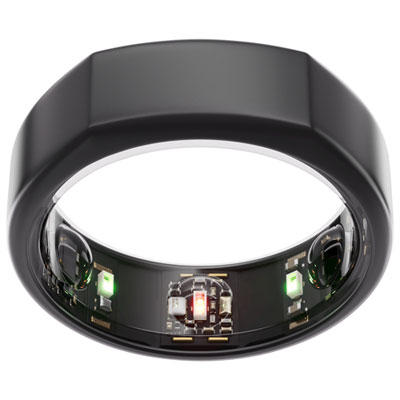 Your price for this item is $369.99
-
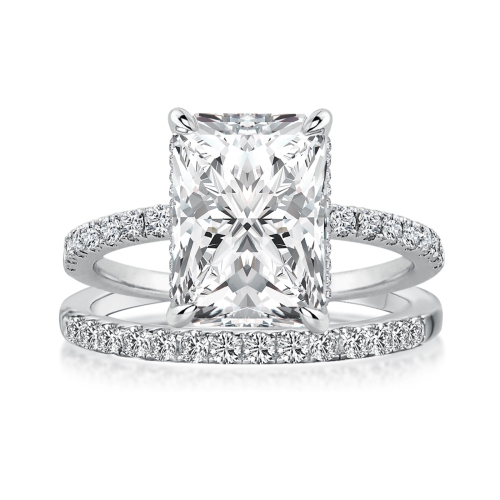 Your price for this item is $801.45
-
 Your price for this item is $133.2
-
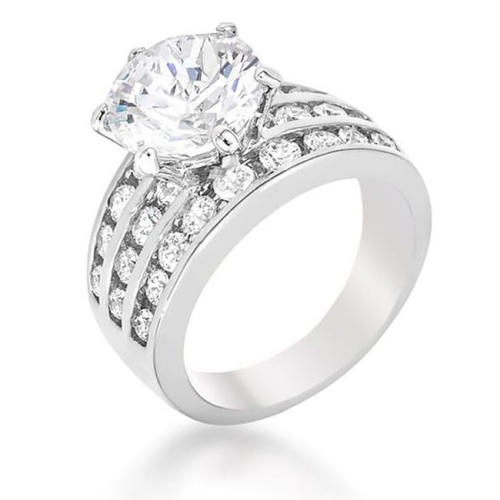 Your price for this item is $151.05
-
 Your price for this item is $123
-
 Your price for this item is $135.75
-
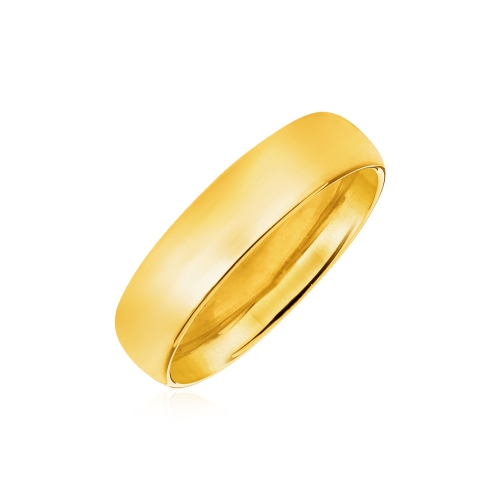 Your price for this item is $486.49
-
 Your price for this item is $969
Discover more categories related to Yellow Gold Engagement Rings


Top Collections:
Pokemon Centers, Best Cameras for Sports Photography, Kindle Devices, Samsung Galaxy Phones, Canon G7X Cameras, Pokémon 30th Celebration Cards, Refurbished Apple Laptops, iPhone 15 Apple, Laptops for Students, Budget Smartphones
Some products may be subject to Environmental Handling Fees
(EHF) depending on your province.
Learn more about EHFs.