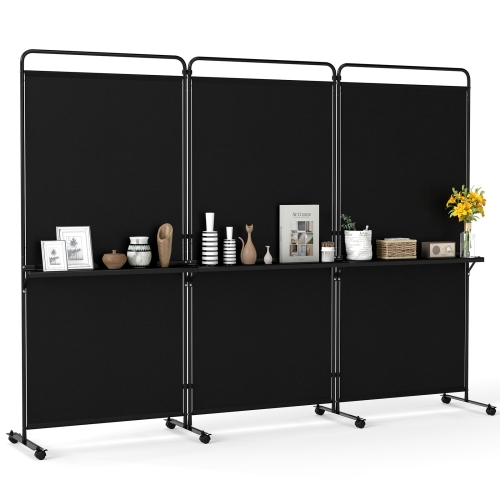
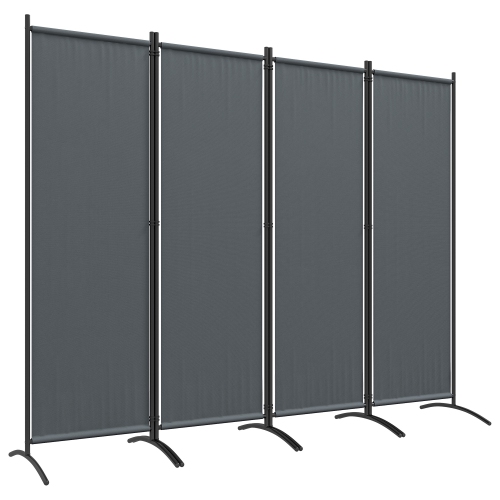
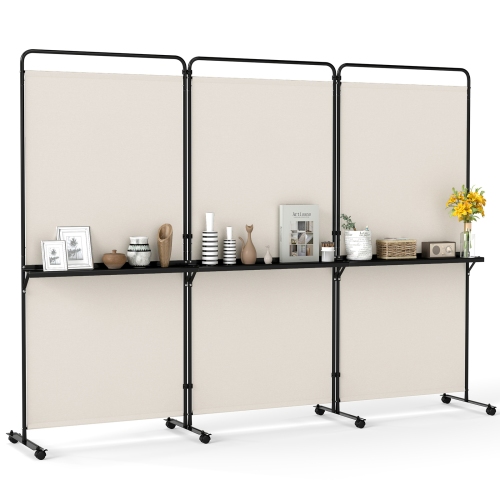
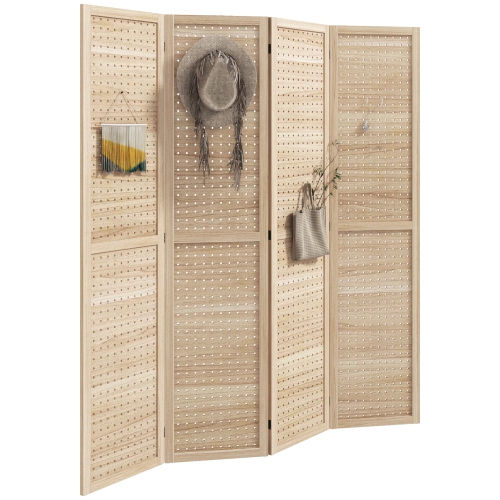
Room Dividers for Shared Bedrooms

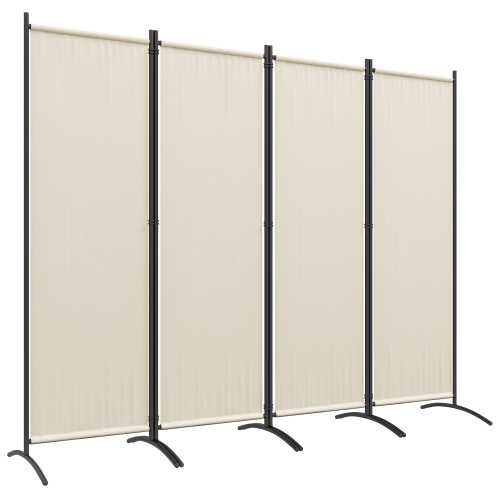
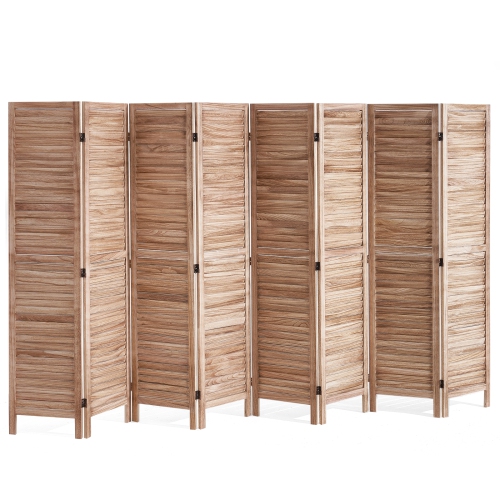
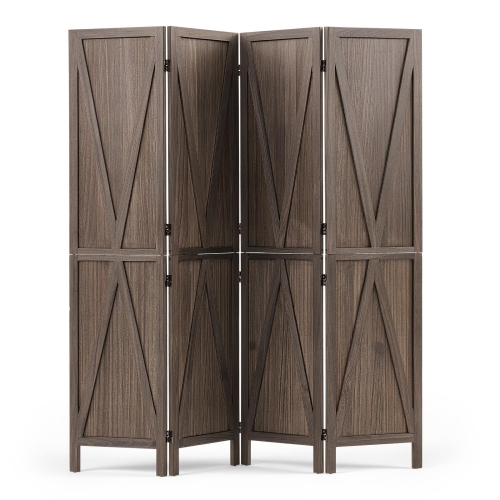
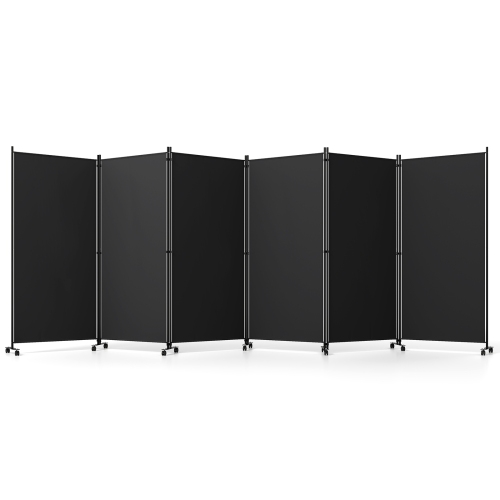
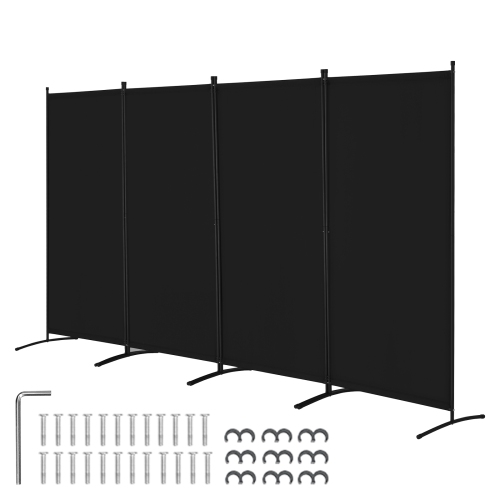
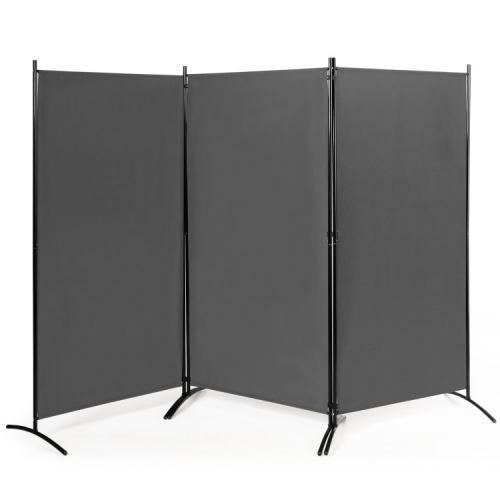
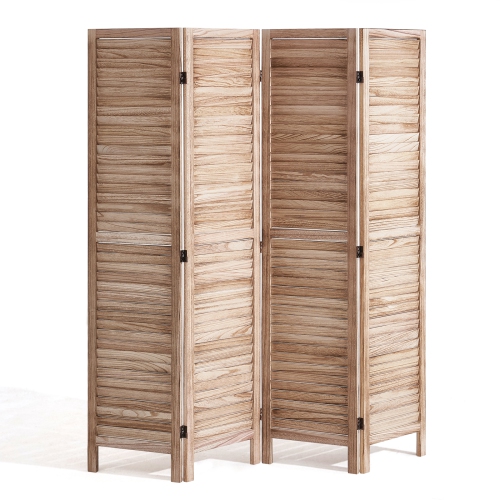
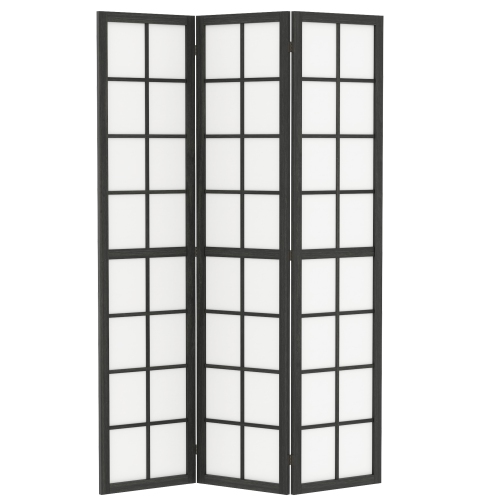
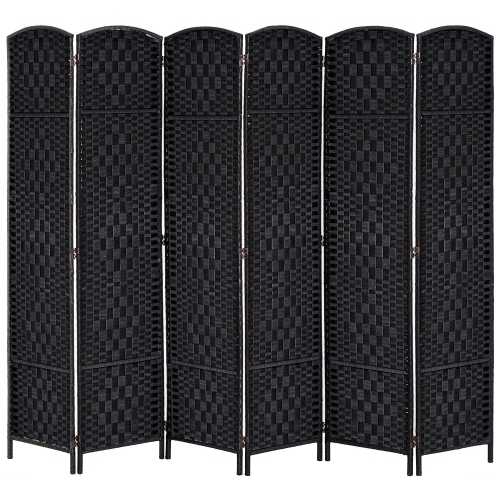
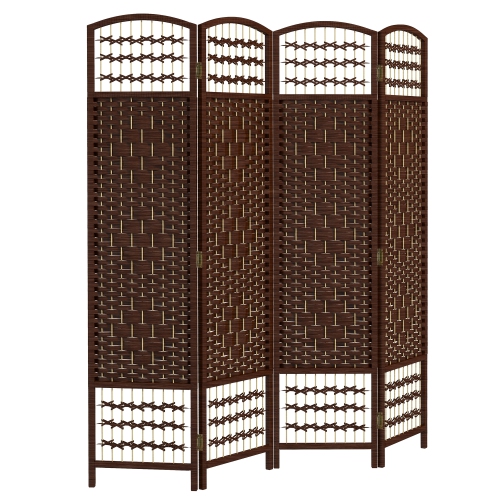
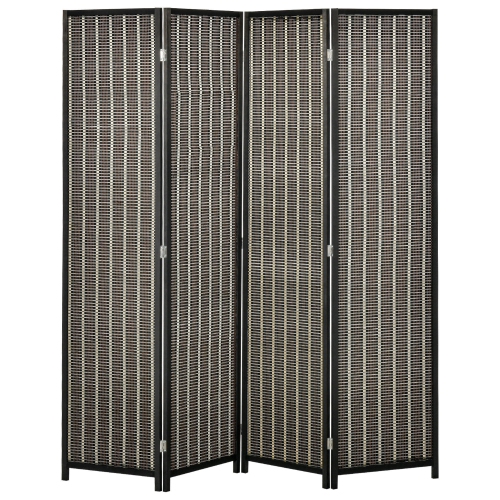
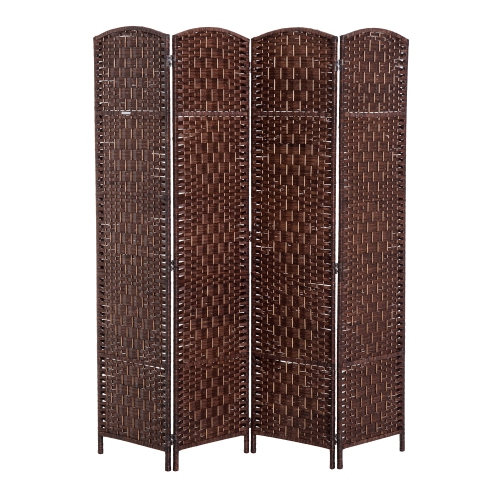
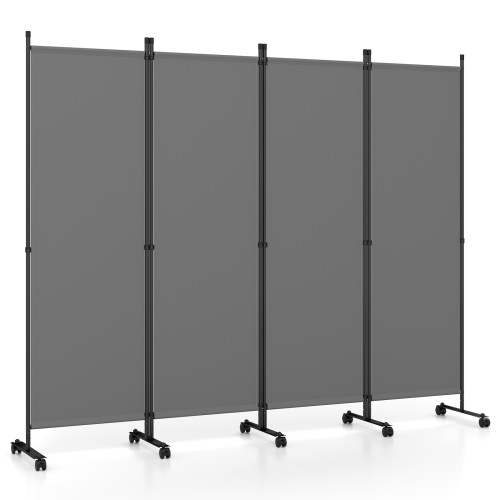
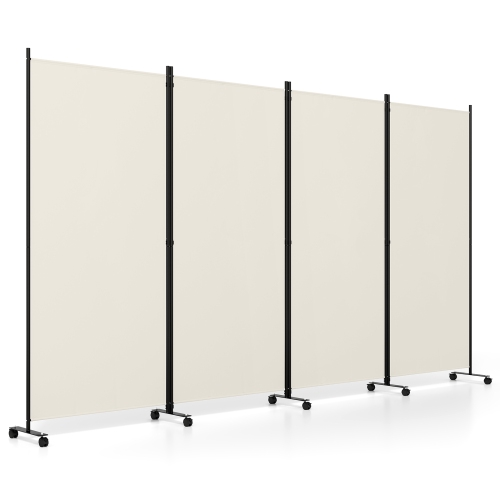
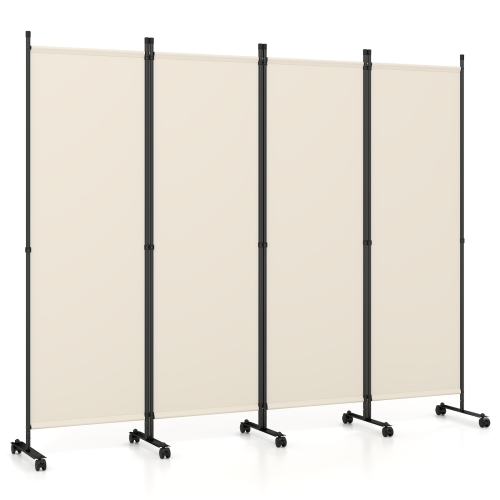
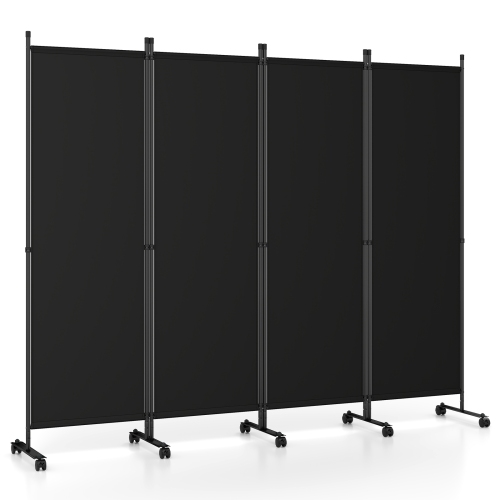
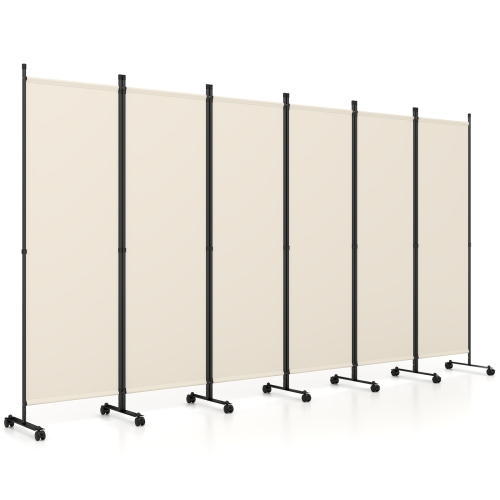
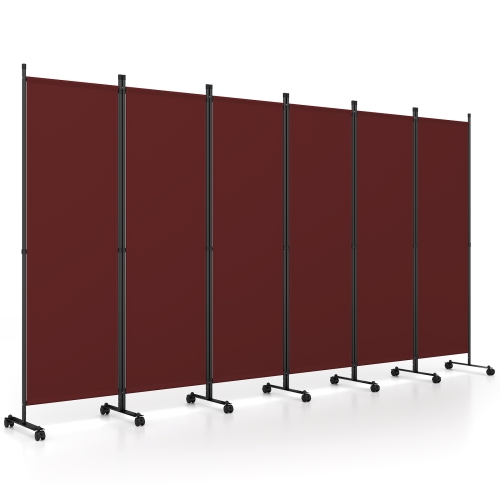
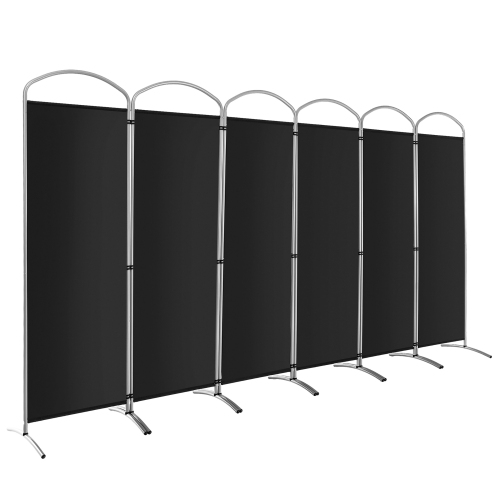
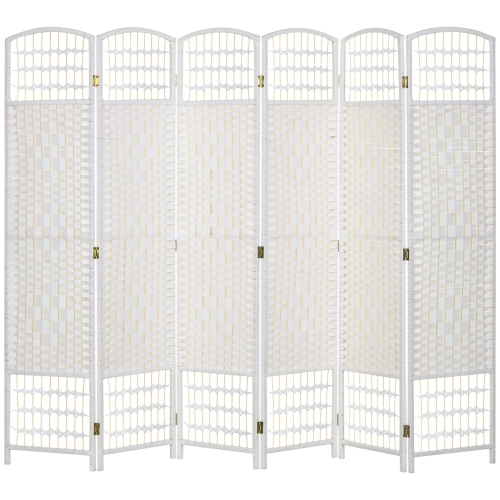
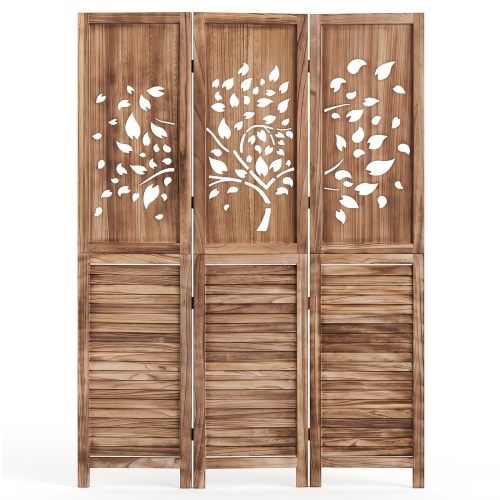
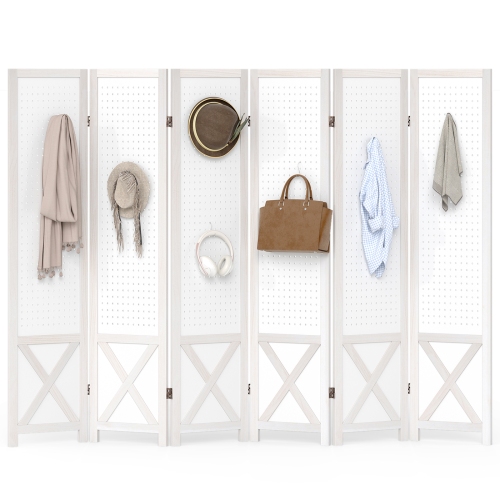
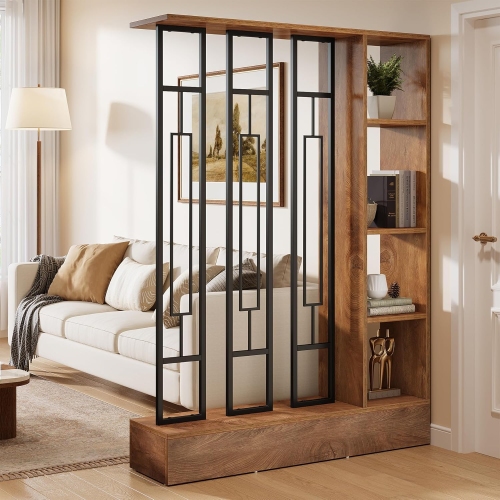
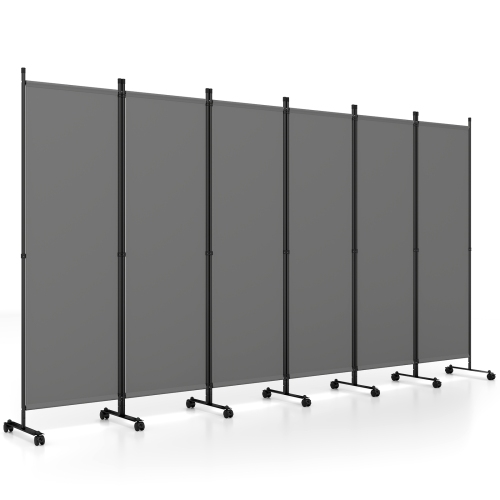
Room dividers for shared bedrooms help create separate areas for sleeping, studying, or getting dressed without adding a permanent wall. Browse bedroom partitions with your room’s layout in mind, comparing dimensions and how much privacy each design provides. Consider the divider’s height, floor space, and placement to keep shared walkways clear.
Sort

More privacy with room for everyday bedroom routines

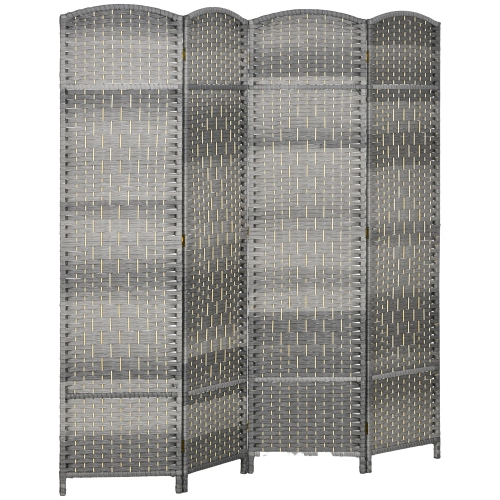
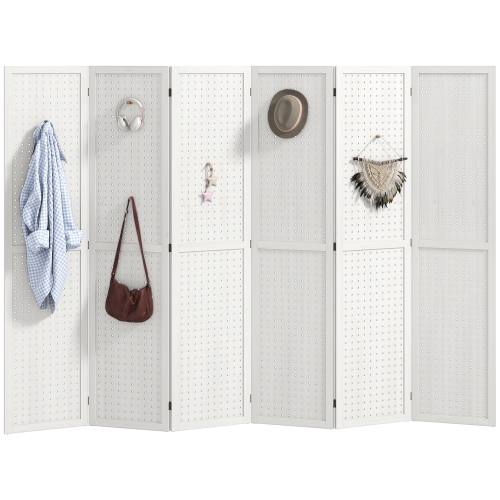
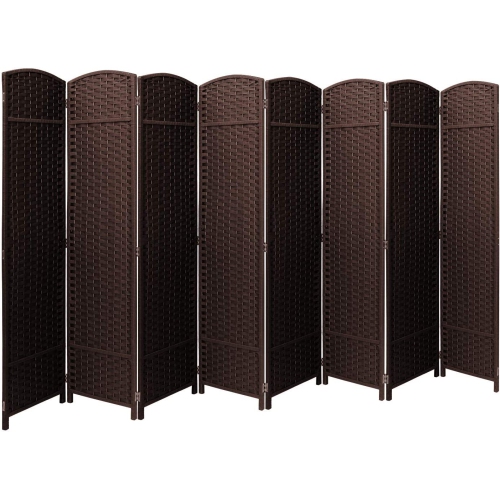
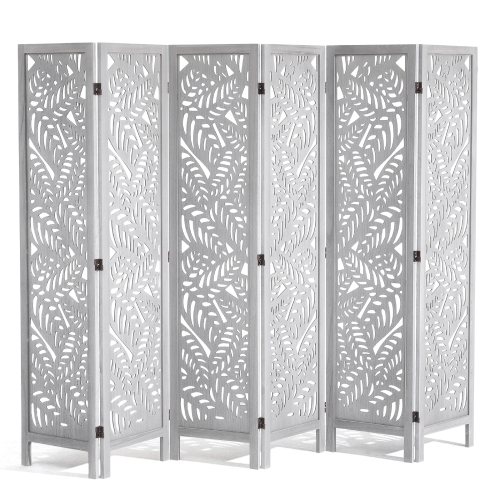
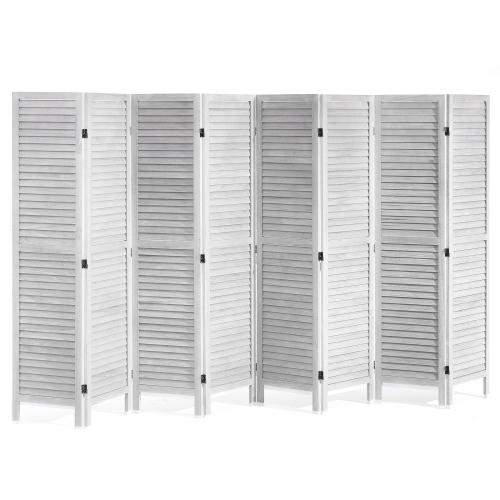
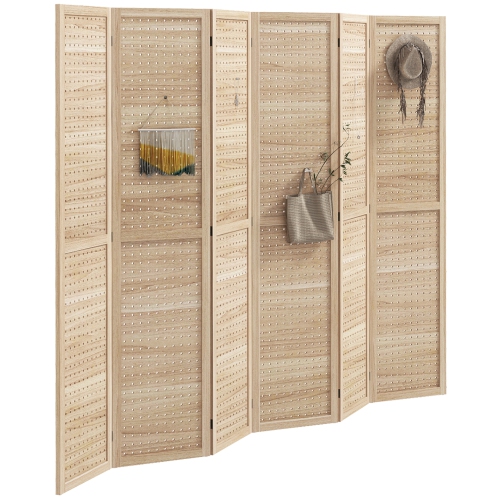
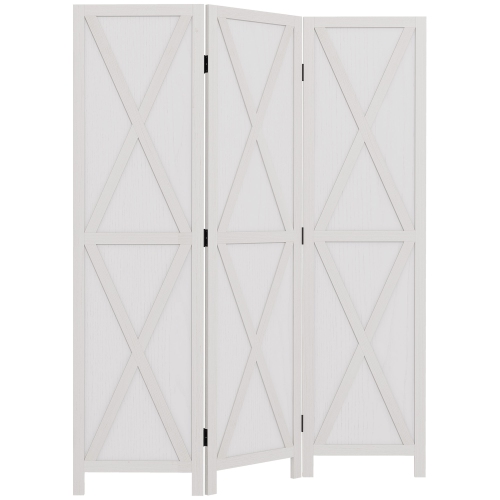
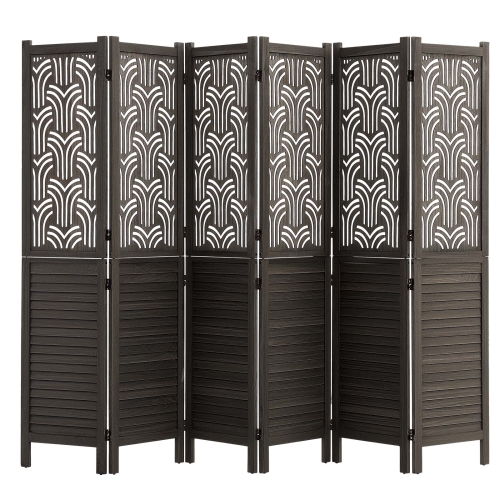
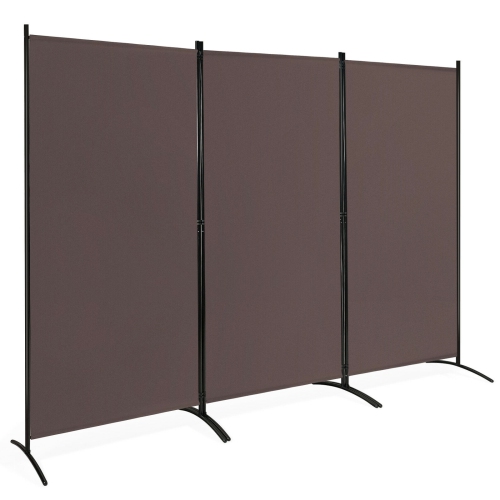
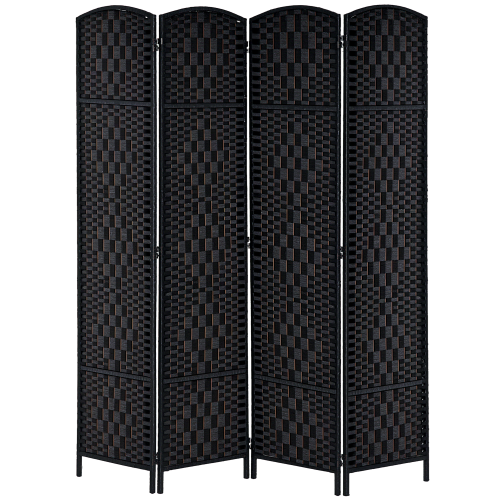
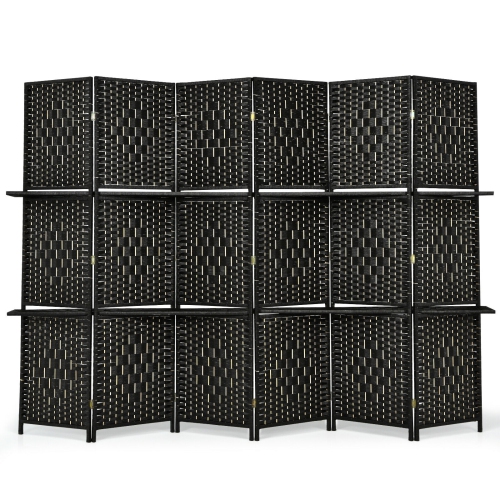
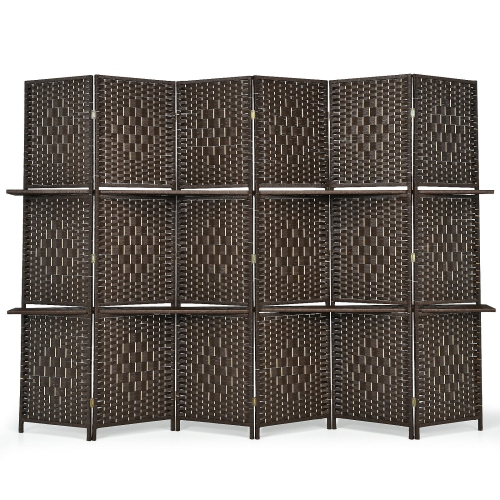
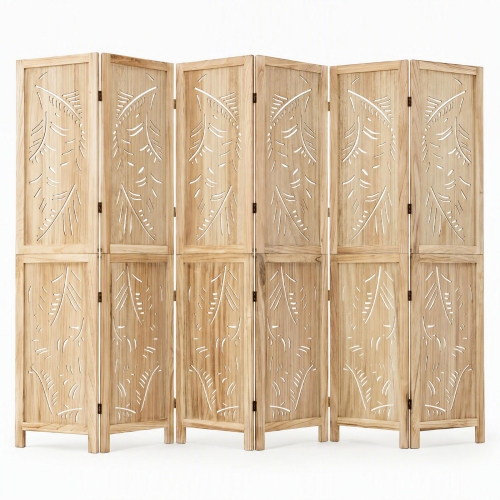
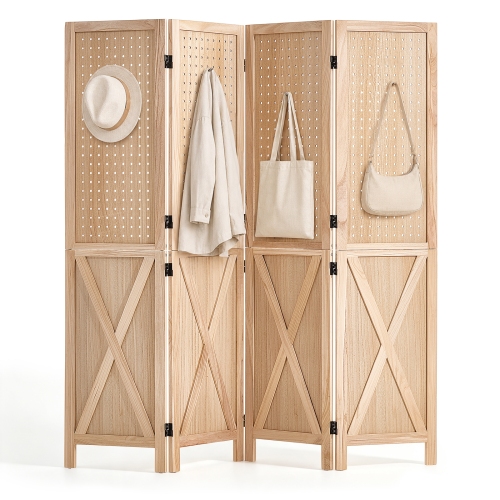
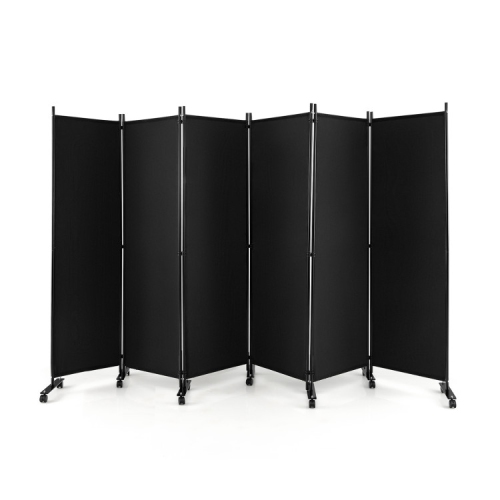
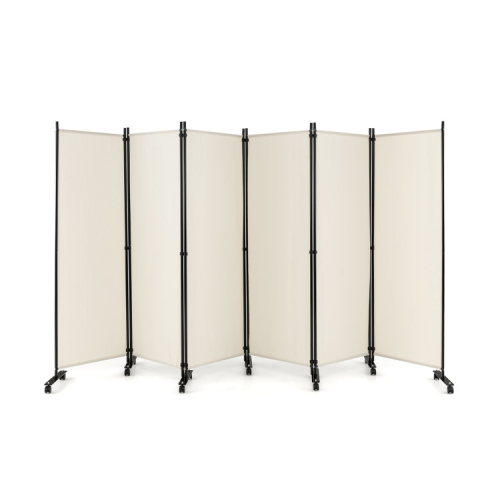
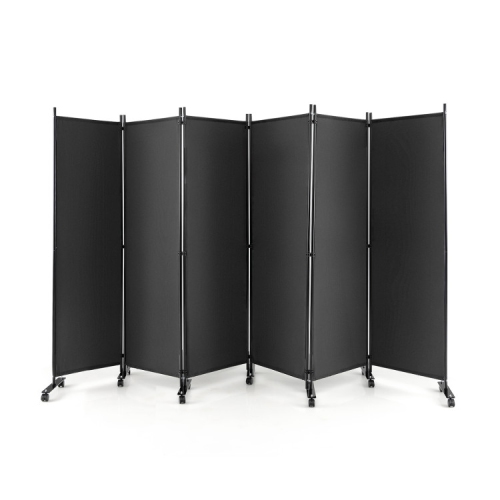
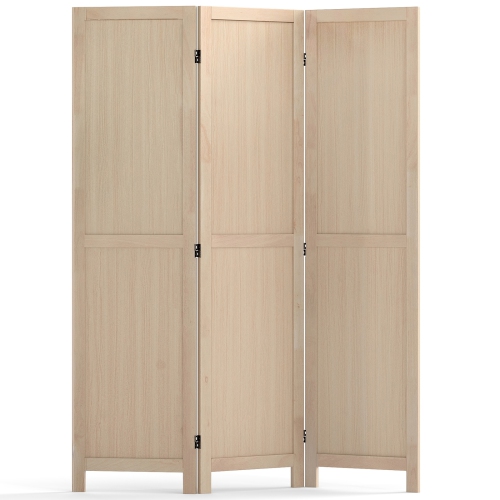
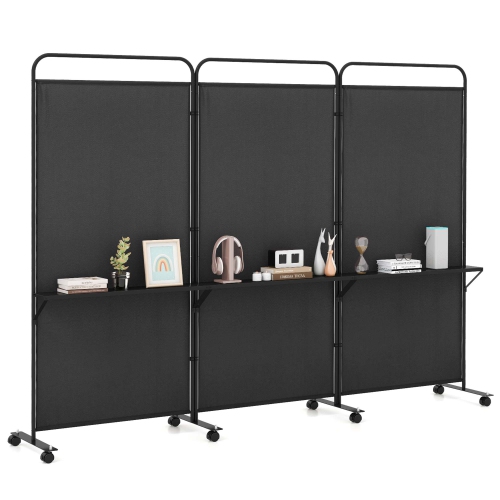
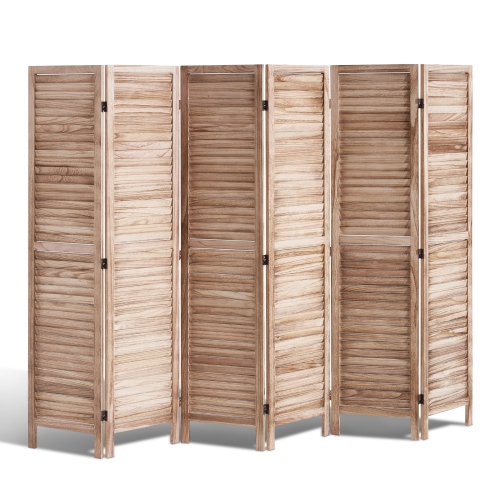
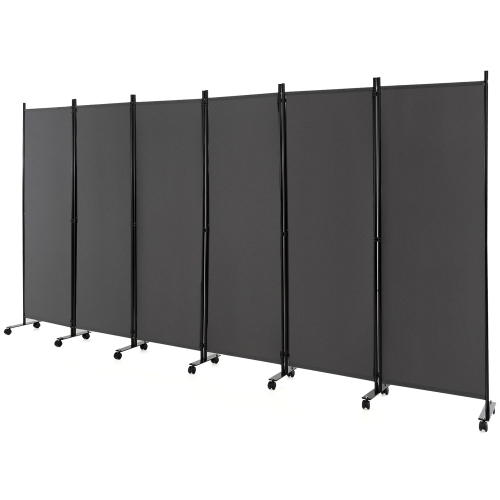
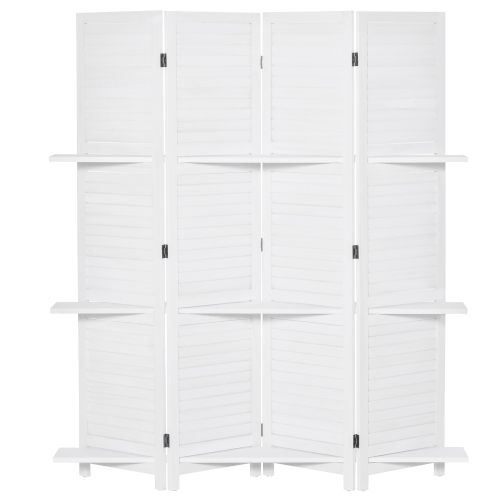
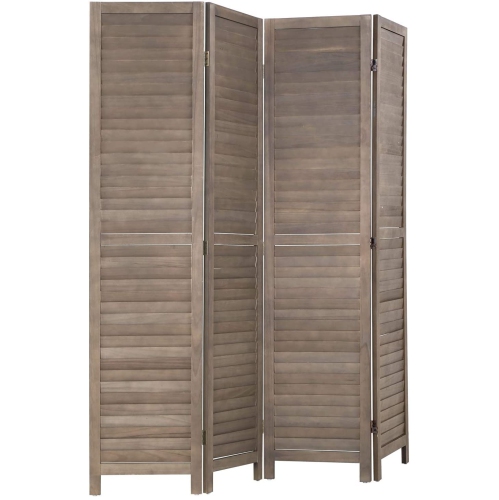
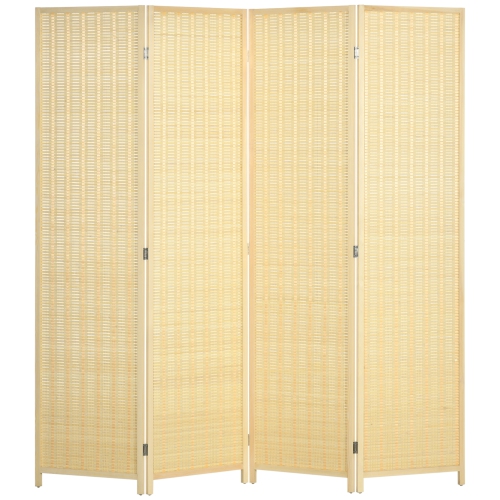
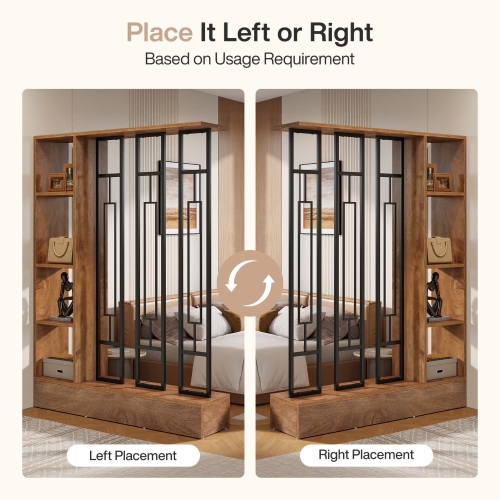
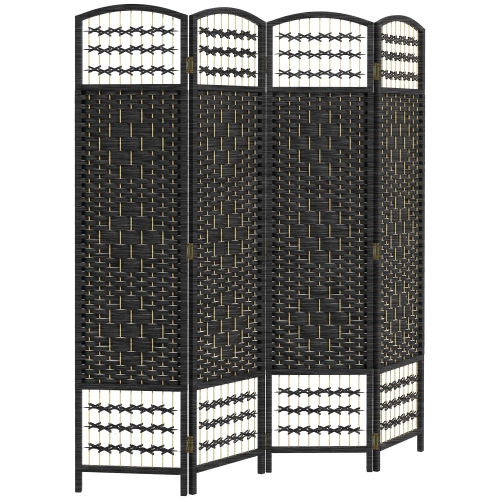
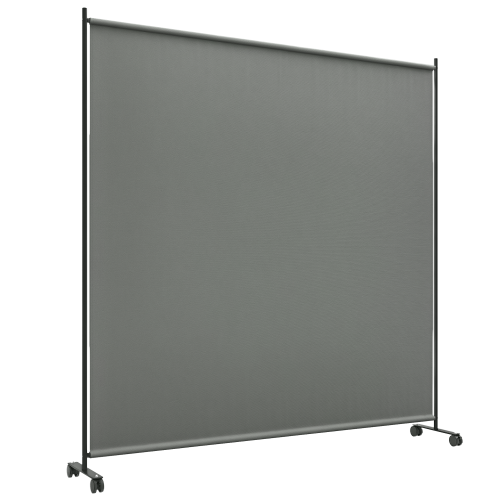
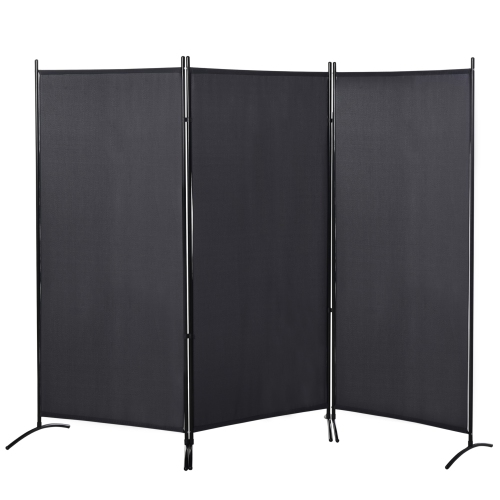
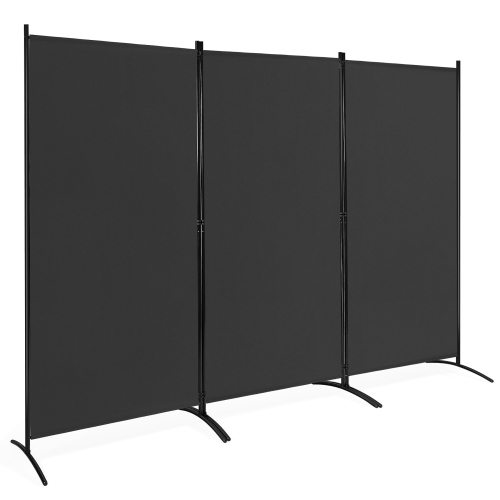
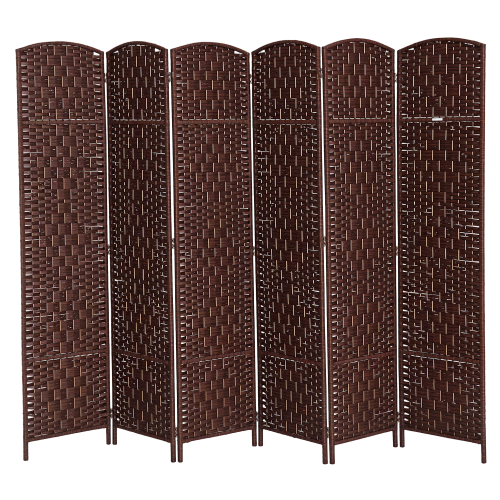
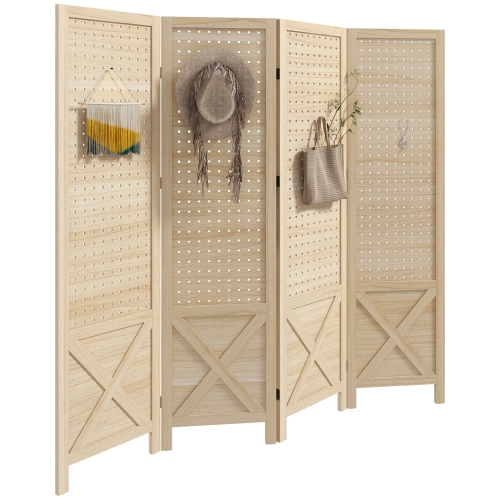
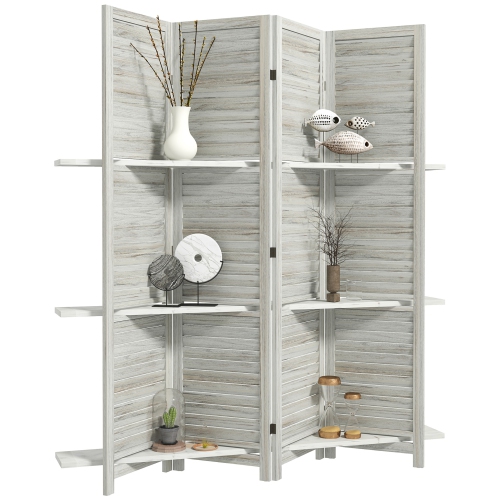
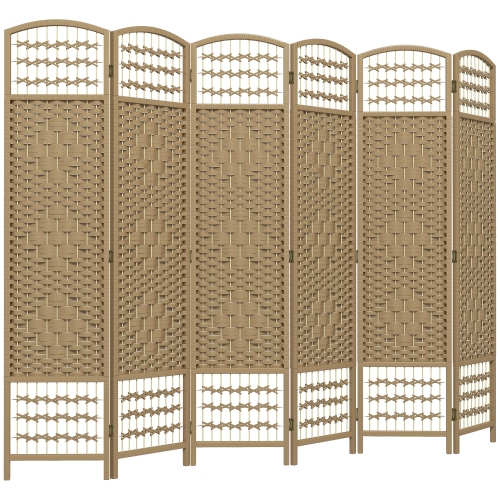
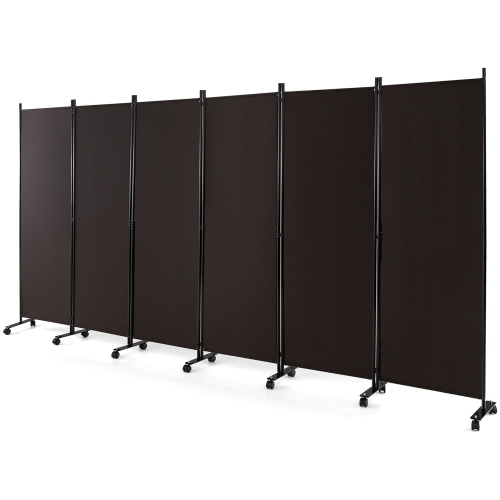
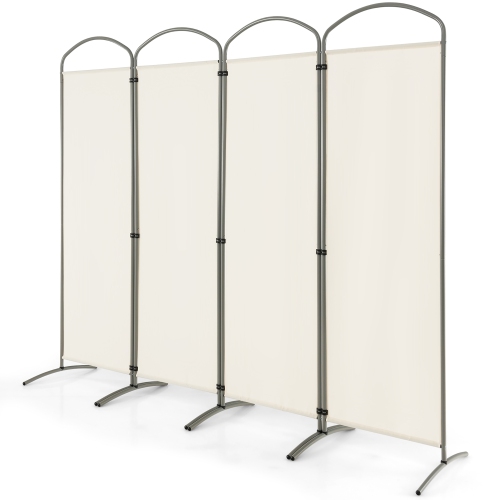
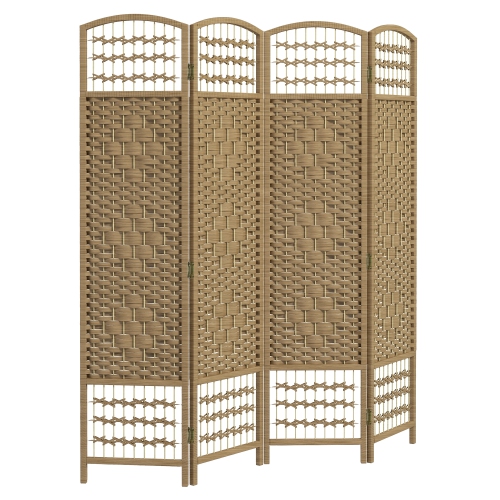
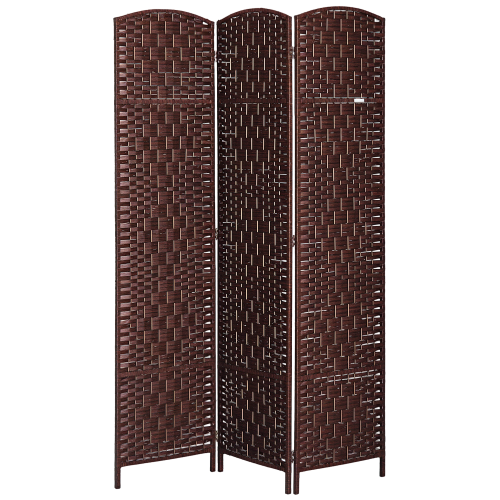
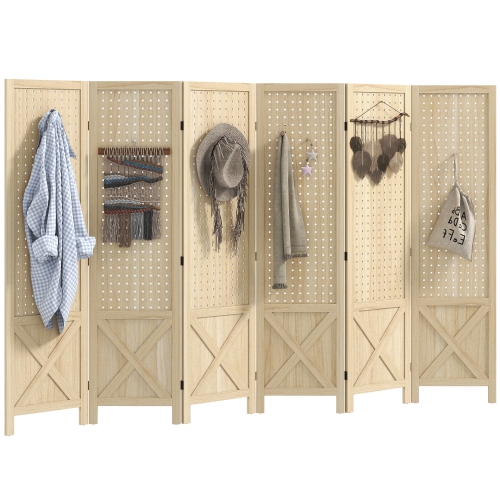
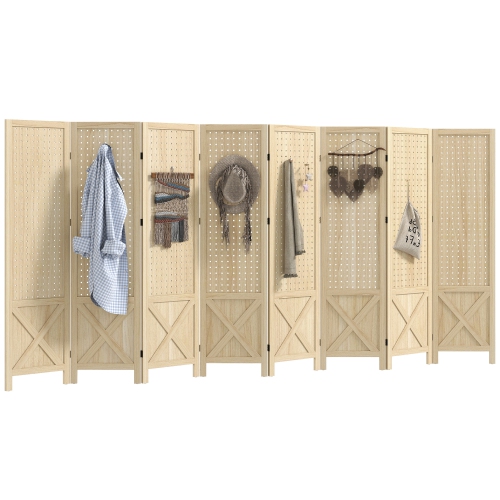
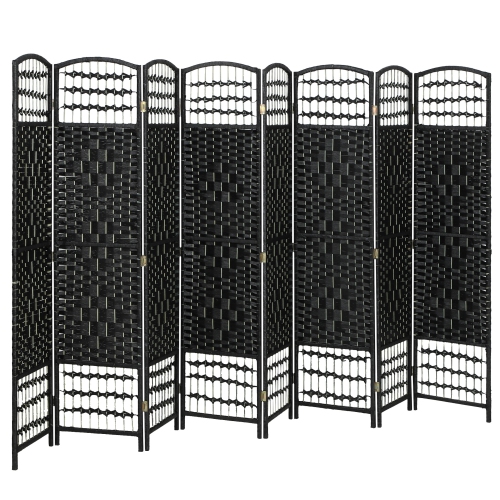
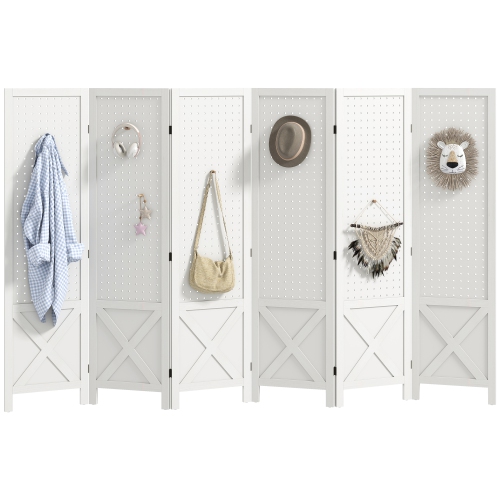
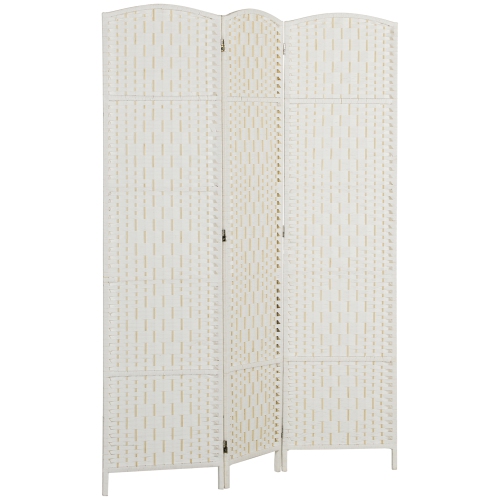
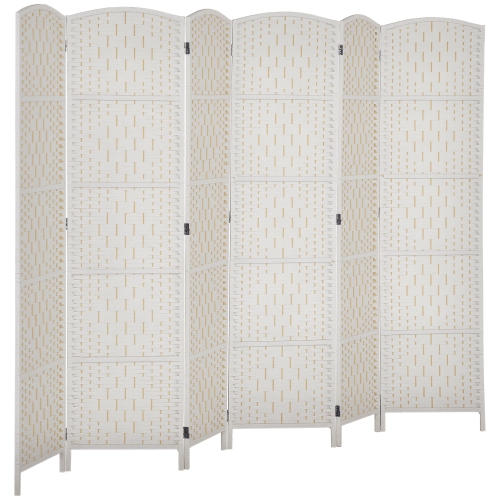
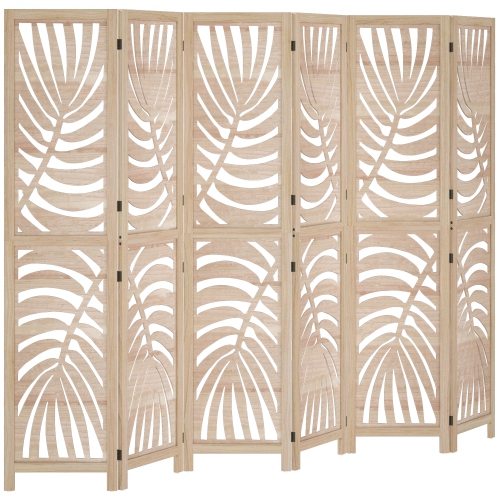
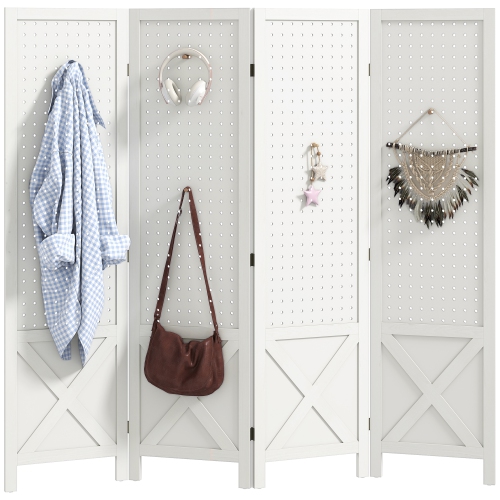
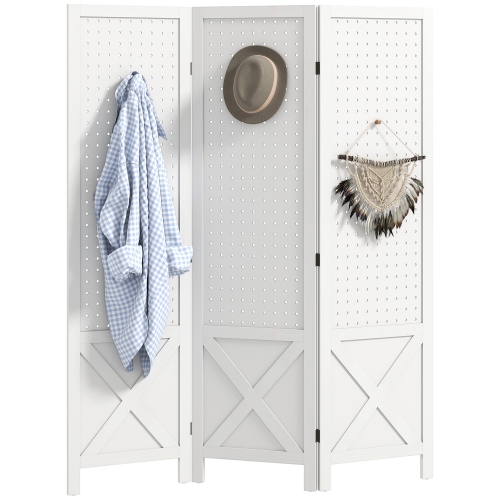
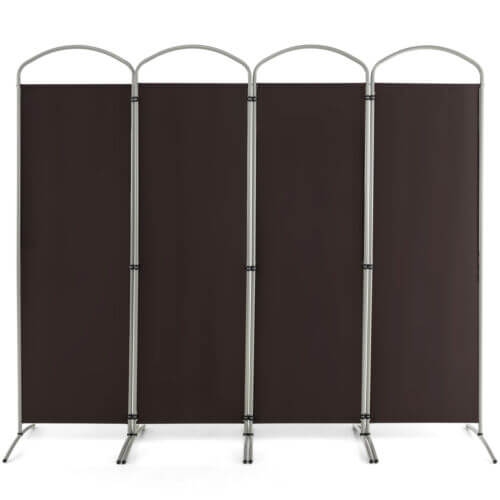
Room dividers for shared bedrooms help turn one sleeping space into two areas with clearer boundaries, without making permanent changes to the room. A screen between twin beds can soften the feeling of being constantly in view, while a partition beside a desk can separate homework or video calls from someone else’s resting space. For siblings, roommates, or family members sharing a bedroom, that visual separation can make everyday routines feel less intrusive. The best fit depends on what needs to be screened: a changing area calls for more complete coverage than a low boundary between a bed and a reading chair. Height matters, but so does the view from different positions. A divider that hides a bed from the doorway may still leave it visible from the other side of the room, and gaps beneath or between panels affect how much privacy it provides. Width is equally important, especially with folding designs that need angled panels to stand properly rather than stretching flat across their full stated span. In a compact bedroom, the floor space occupied by those folds can be just as relevant as the divider’s overall measurements. Furniture placement also shapes the result. Leaving enough clearance for dresser drawers, wardrobe doors, and a comfortable route around each bed keeps the new boundary from becoming an obstacle. A divider placed near the foot of a bed may create a useful dressing corner, whereas one running alongside the bed can give each sleeper a more distinct personal area. The room’s windows and lighting deserve attention, too: a solid partition can leave one side noticeably darker, while an open or translucent design shares more light at the expense of privacy. A shared bedroom generally feels more balanced when both occupants retain access to useful lighting, storage, and an unobstructed path to the door. Room dividers work best as part of that arrangement, creating separation while preserving the practical space that both people use every day.

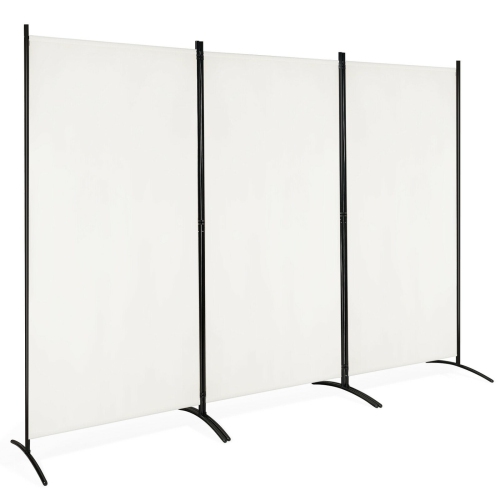
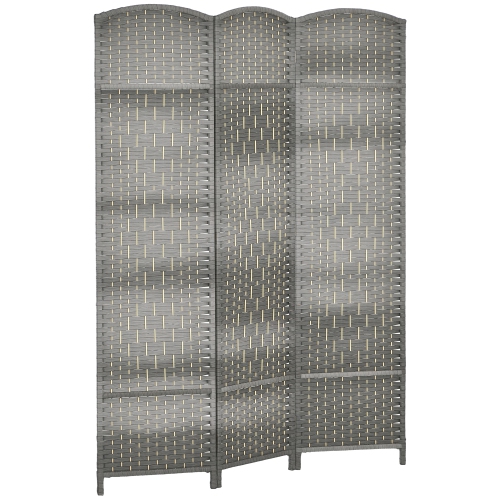
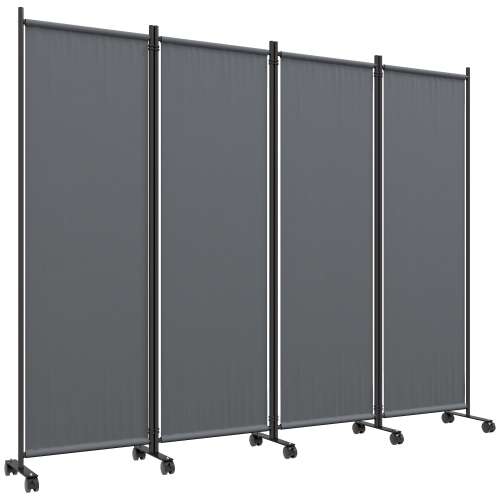
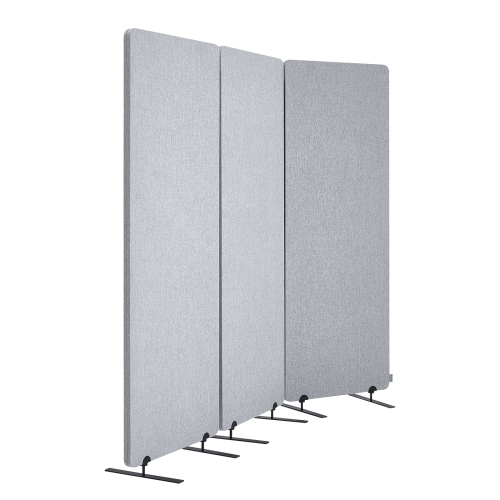
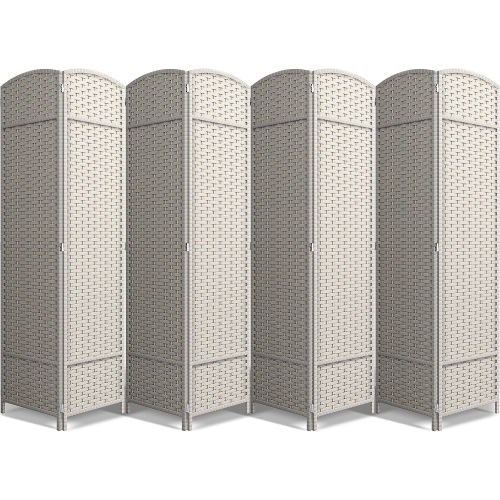
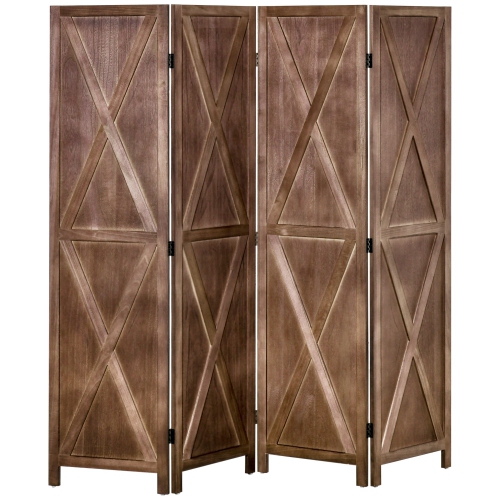
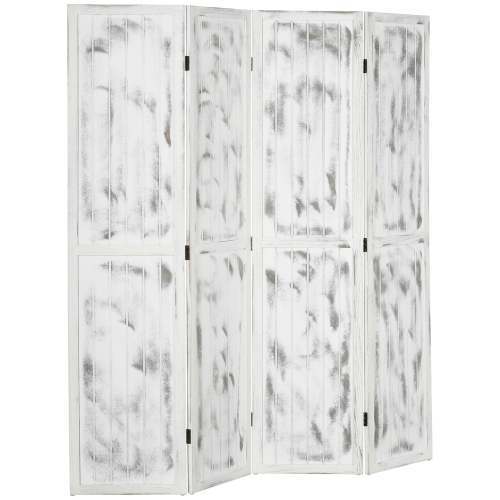
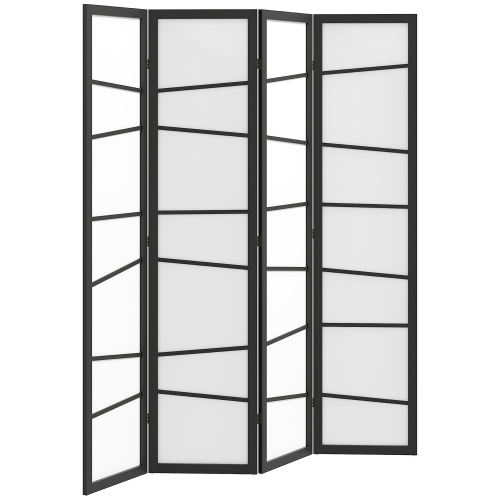
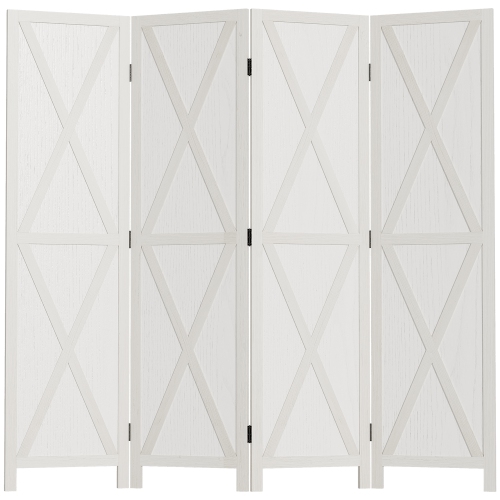
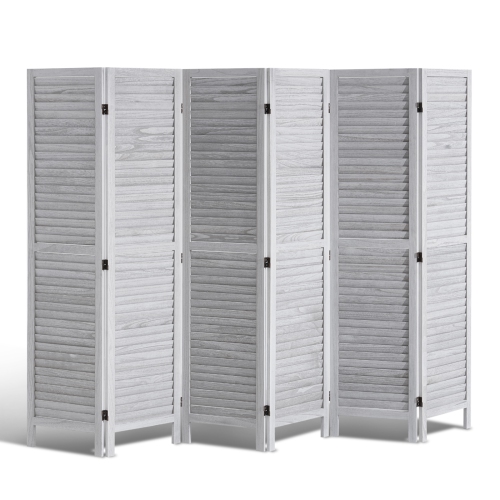
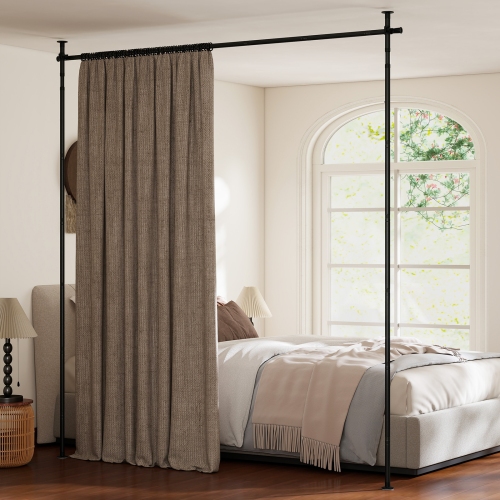
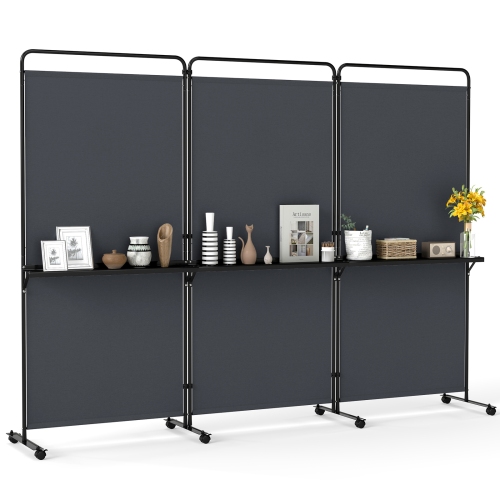
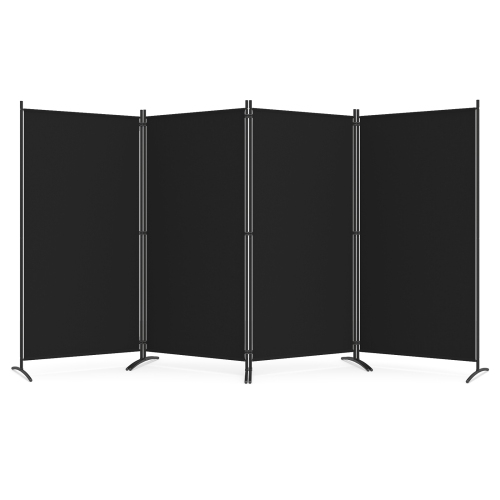
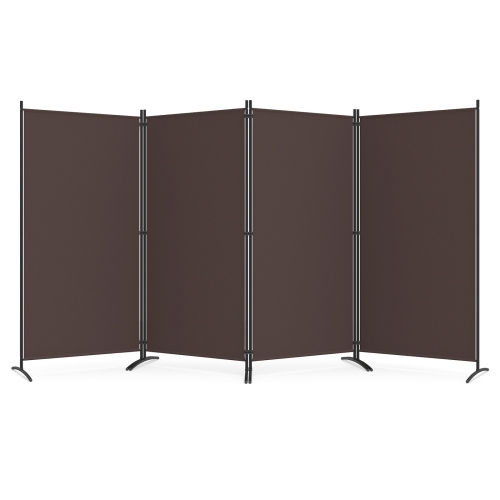
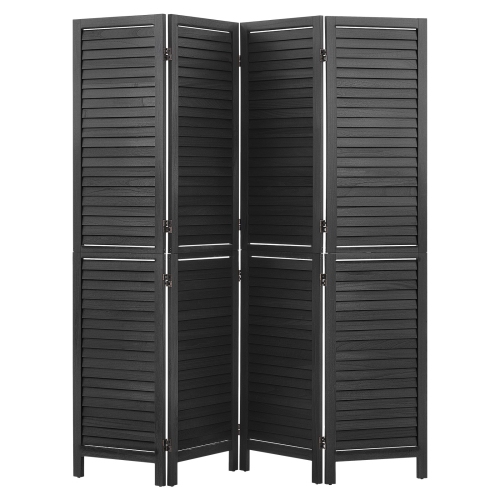
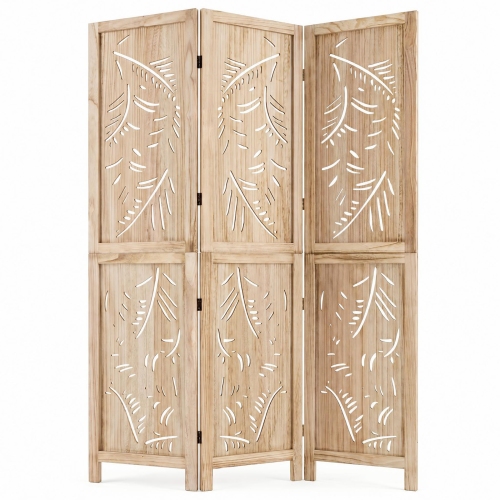
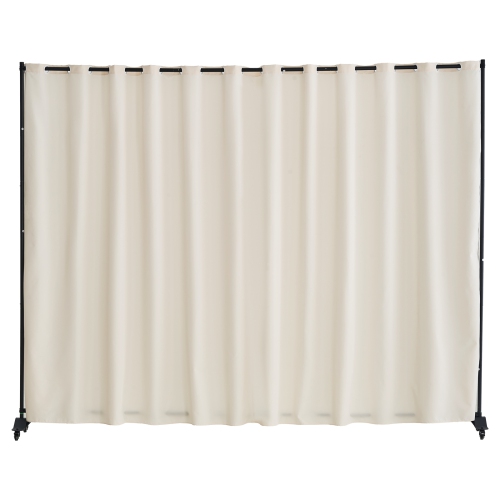
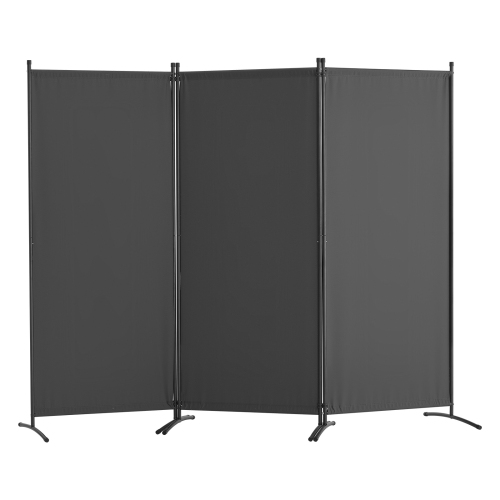
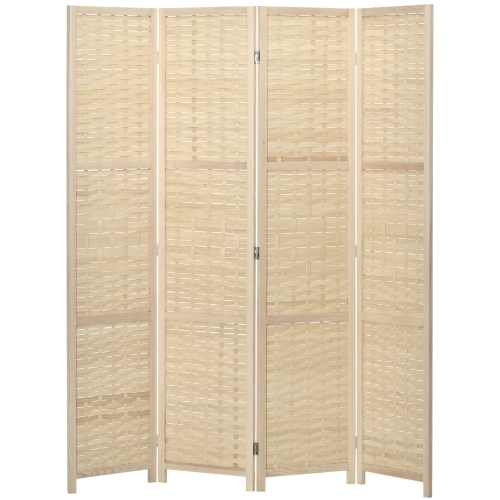
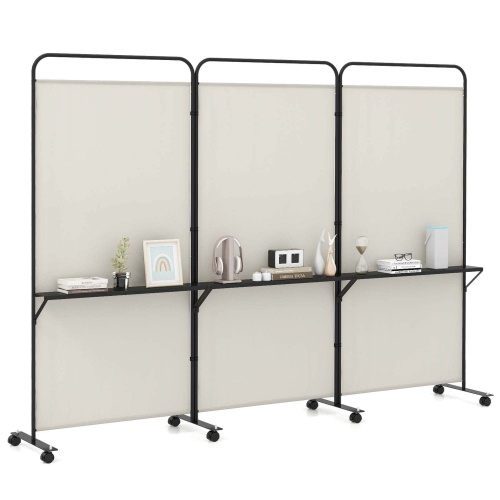
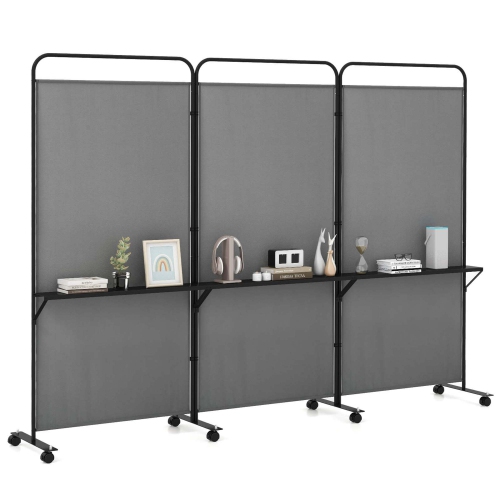
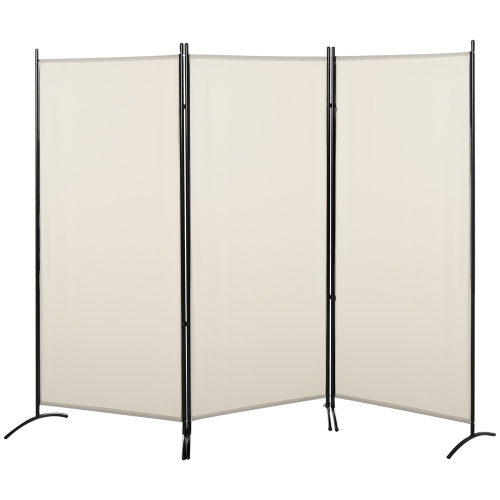
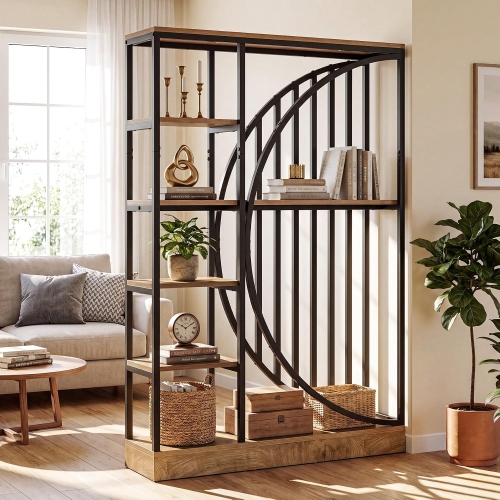
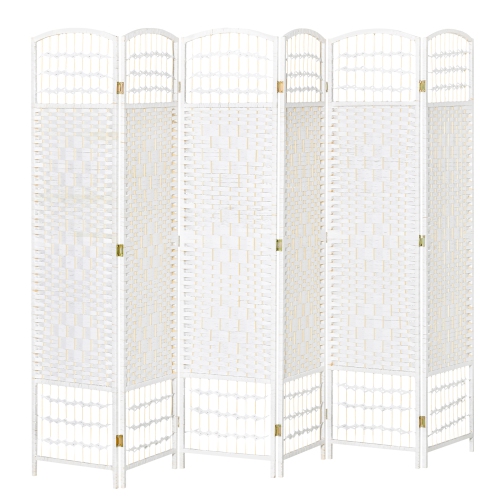
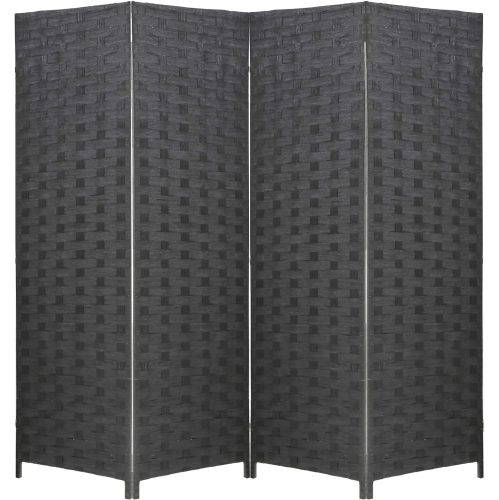
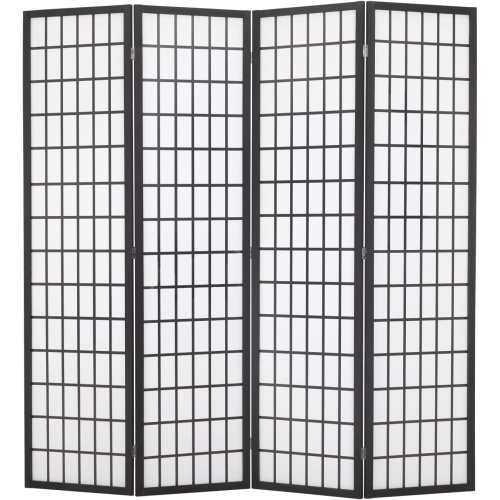
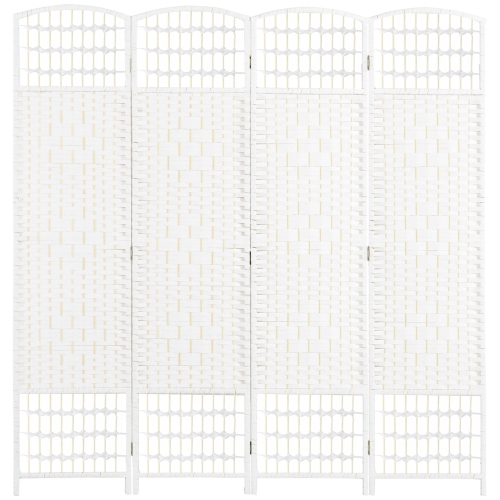
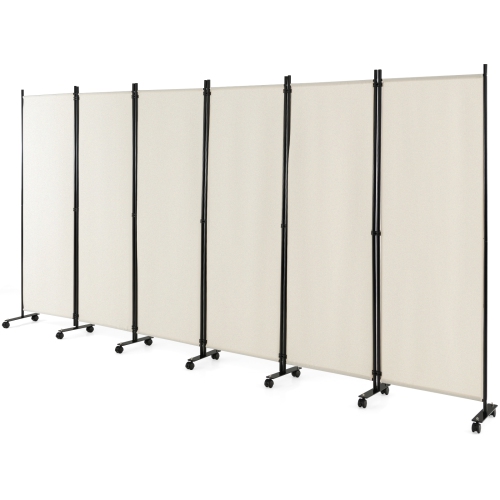
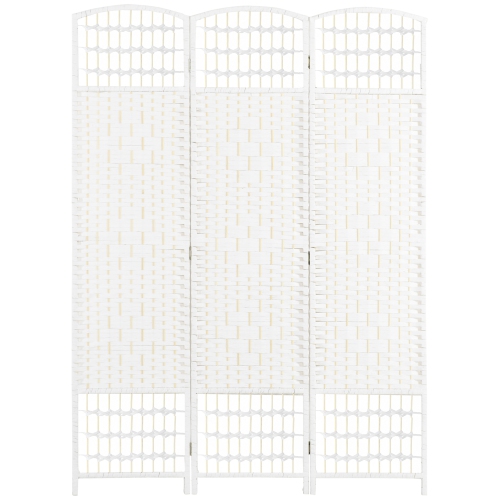
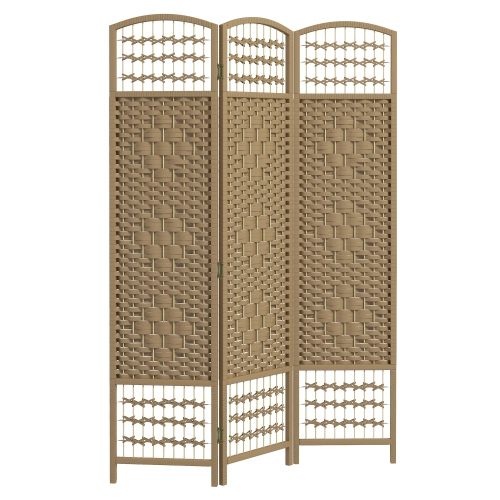
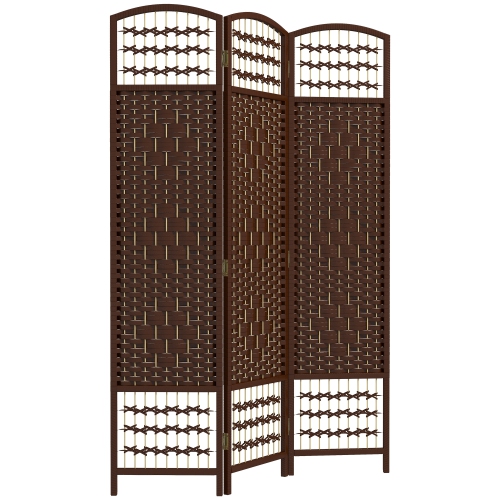
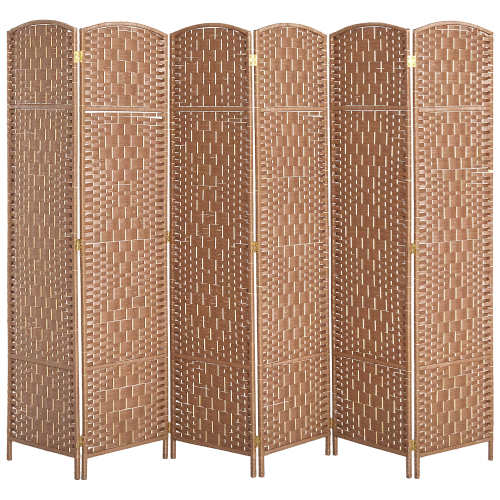
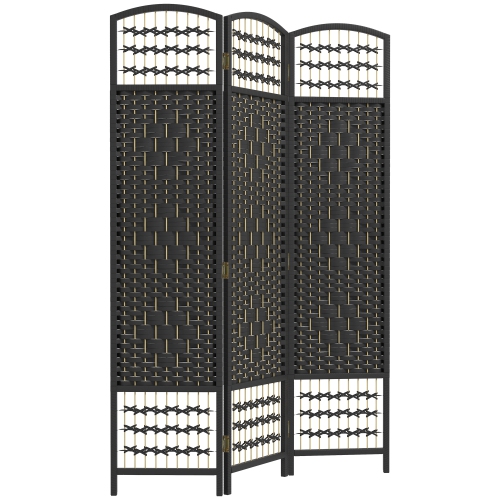
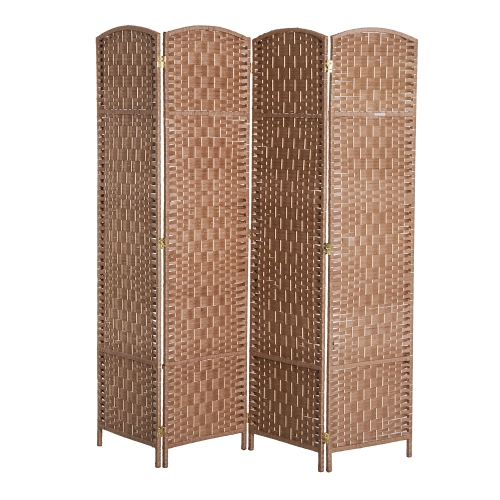
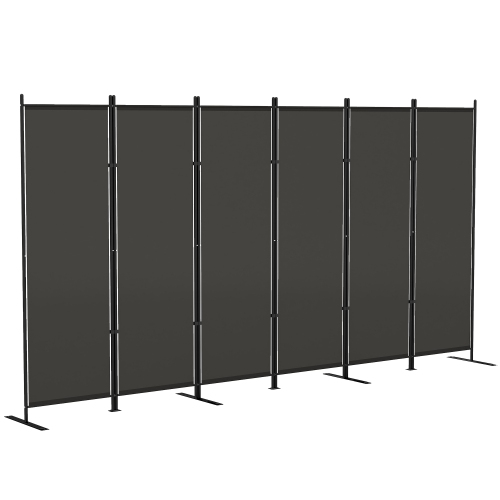
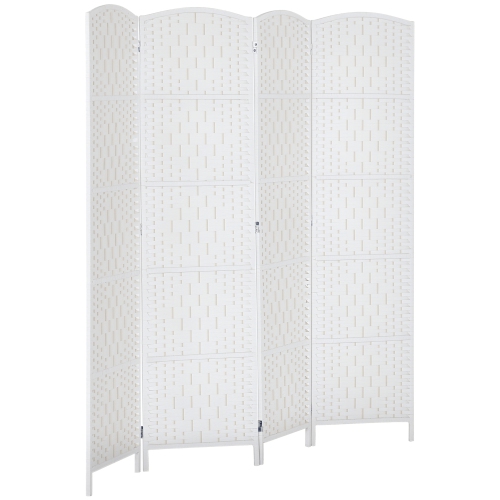
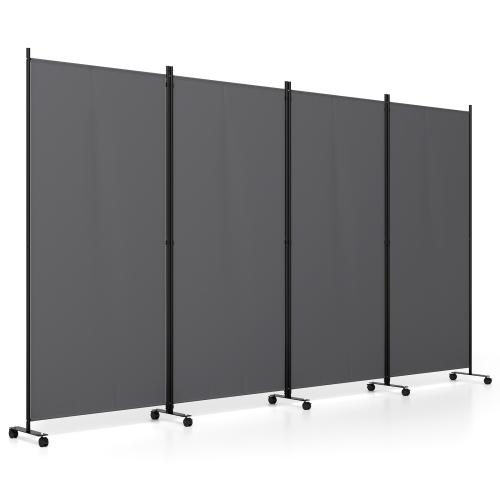
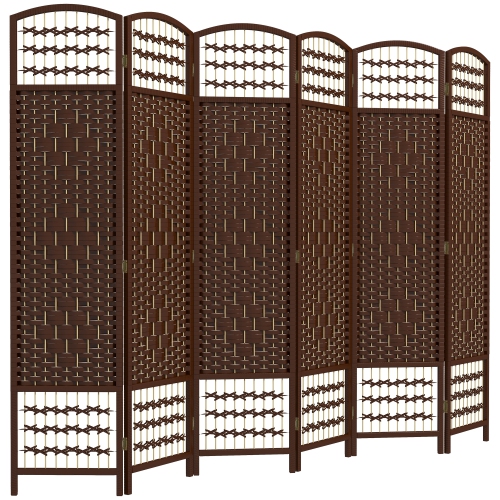
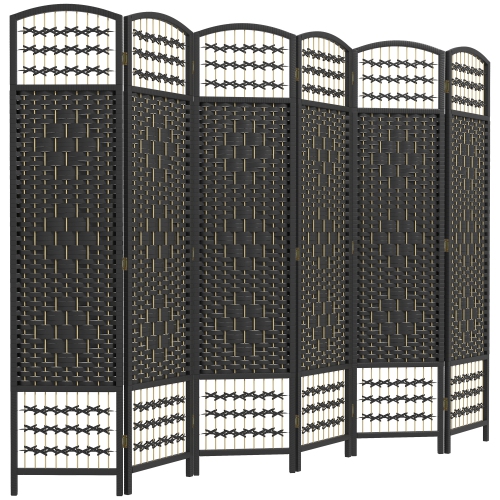
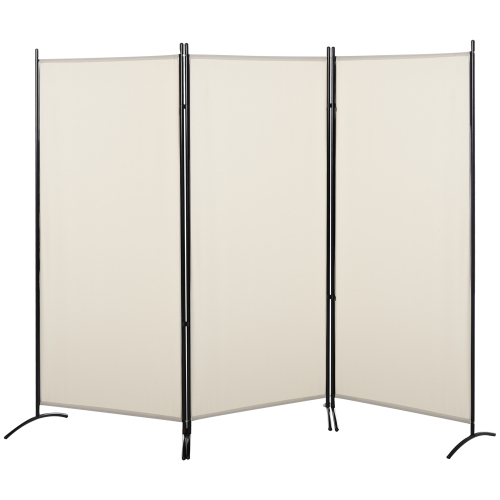
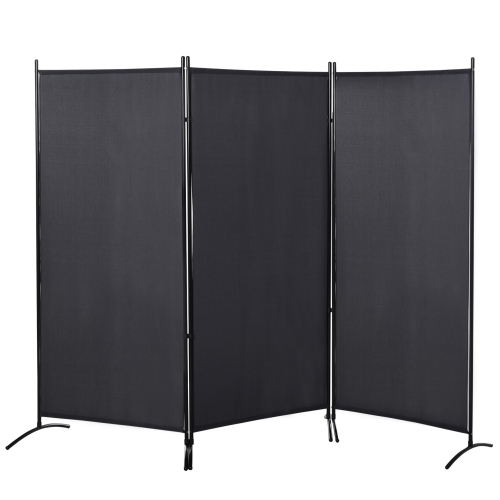
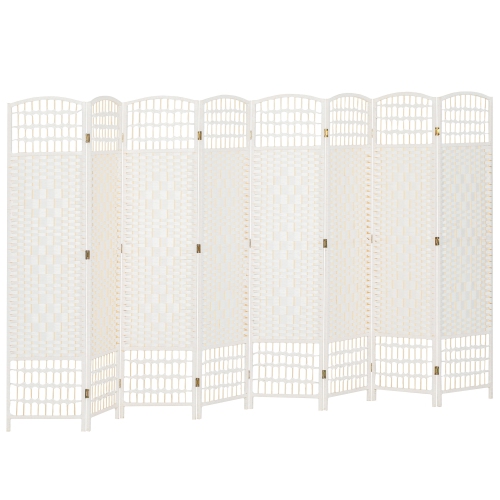
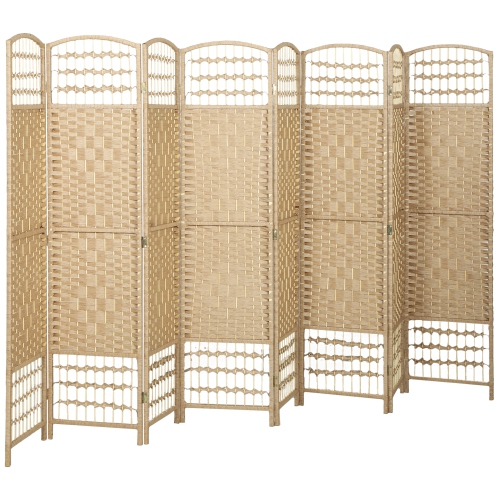
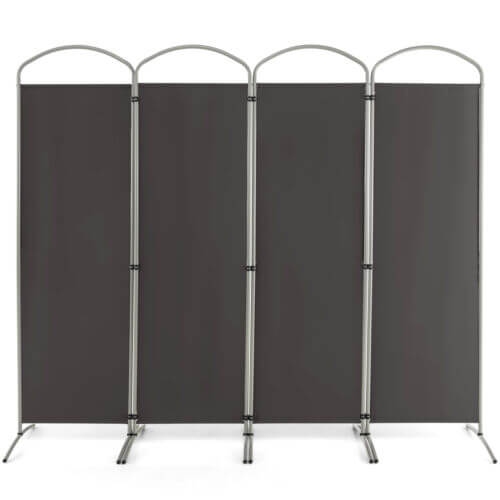
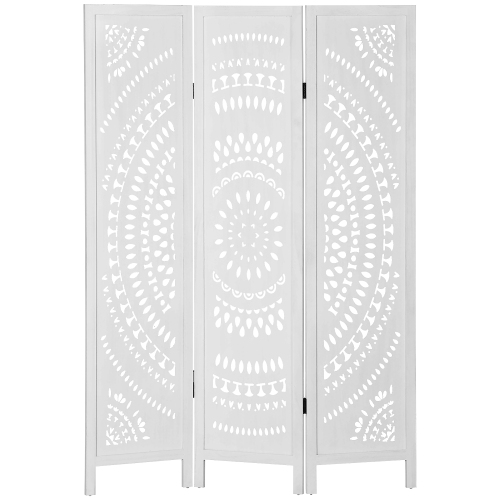
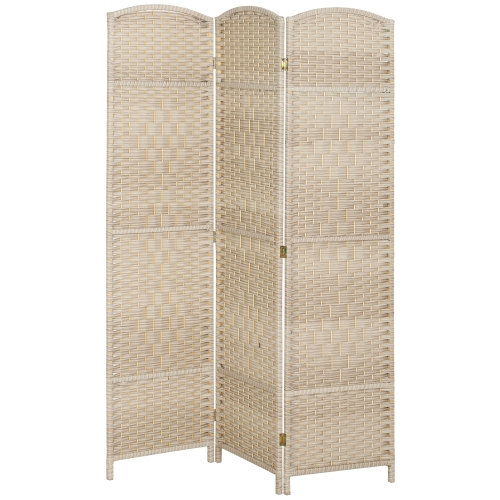
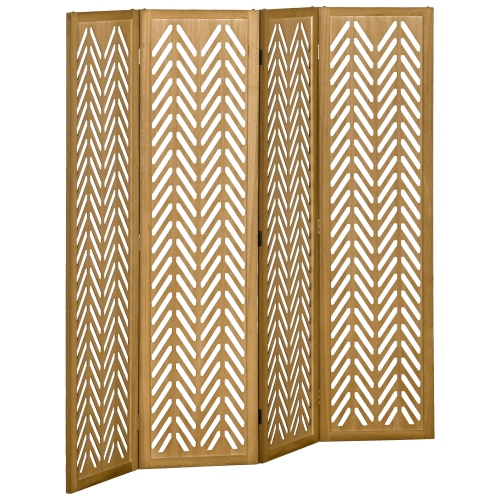
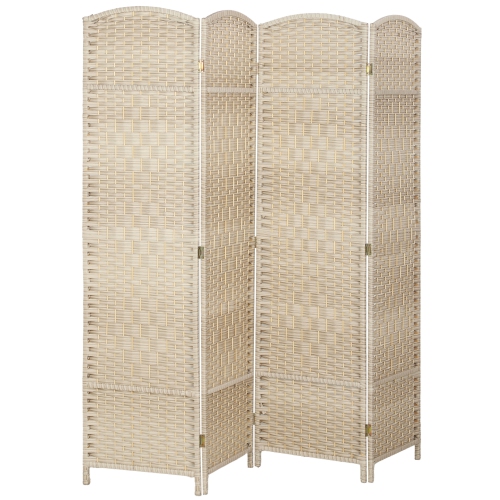
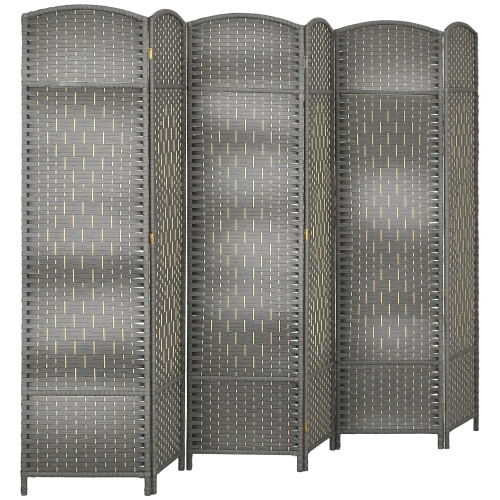
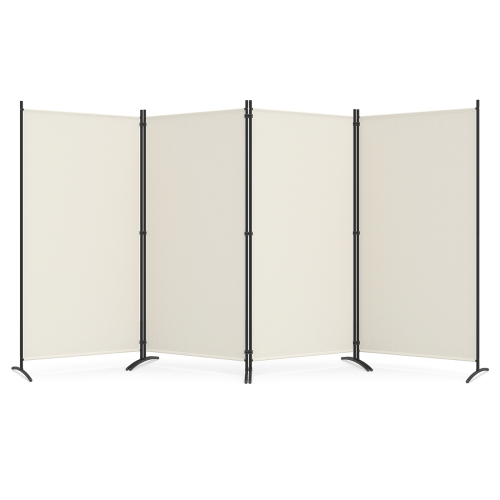
Materials give bedroom dividers much of their character, as well as influencing weight, upkeep, and how easily they move. Wood and wood-look panels can bring a furniture-like presence to the room, with finishes that sit comfortably alongside bed frames and dressers. Their surfaces may be solid, slatted, or patterned, so the amount of coverage varies considerably even when the dimensions are similar. Woven panels offer texture and can look lighter within a small space, although a loose weave may reveal silhouettes or allow sightlines through the screen. Fabric-covered panels often create a softer visual boundary, with colour and texture helping the divider blend into bedding, rugs, or curtains. Opaque fabric is useful where changing privacy matters; sheer or loosely woven material is better suited to gentle separation than concealment. Metal frames can provide a slim outline, while the panel material determines whether the overall effect feels open or enclosed. Weight involves a trade-off: a lighter divider is easier to reposition, but any freestanding design needs a stable base and the correct panel arrangement. Hinges, feet, frame joints, and panel attachments all contribute to durability, particularly when a screen is folded and opened regularly. Smooth edges and a finish that tolerates routine handling are valuable in a room where the divider may sit close to bedding or clothing. Care requirements should suit the household as well. Smooth panels are often straightforward to dust, while woven surfaces and textured fabric can hold lint and may need gentle vacuuming if permitted by the care label. Removable fabric covers may offer easier cleaning, but washing suitability depends on the material and construction. Moisture, harsh cleaners, and rough handling can damage some finishes or loosen panel coverings, making the stated care directions important. Visual privacy should also be distinguished from sound control. An ordinary room divider does not make two separate rooms, and conversation, alarms, or keyboard noise can still travel around it. Soft surfaces may make the space feel less stark, but a screen should not be treated as soundproofing or a substitute for agreed quiet hours.

The way a divider fits into shared routines can matter as much as its appearance. One roommate may prefer an open room during the day but want a screened sleeping area when the other is reading late; siblings may need a boundary around separate desks rather than a partition that splits the whole bedroom. Folding designs can accommodate those changes when there is a safe place to store them and enough room to move them without scraping furniture. More substantial partitions may suit a layout that stays consistent, particularly where each person has a clearly defined bed, desk, and storage area. Students sharing accommodation may also find Dorm Room Privacy Dividers useful when considering separation around closely spaced beds or study areas. In any shared sleeping space, the divider should support ordinary tasks rather than complicate them: making the bed, plugging in a lamp, opening a drawer, and carrying laundry should remain easy on both sides. A bedside light positioned within each person’s area can reduce the need for bright overhead lighting, although light may still spill above or around the partition. Keeping chargers and lamp cords out of walking routes helps prevent snagging when panels are moved. Safety is especially important in children’s bedrooms, where a screen should not become something to climb, pull on, or use as a support. Stability requirements and any specified restraints need to be followed, and folding joints should be kept clear of small fingers. Dividers must not obstruct doors, windows needed for emergency escape, or access to heating and ventilation. Visually, a finish that echoes an existing bed frame or a fabric colour drawn from the bedding can make the partition feel like part of the room rather than an afterthought. Matching both sides is not essential; a neutral boundary can sit between two very different personal styles. With suitable proportions, dependable construction, and a placement that respects each occupant’s daily needs, a room divider can give a shared bedroom a more comfortable sense of personal space.

FAQ

Some products may be subject to Environmental Handling Fees (EHF) depending on your province. Learn more about EHFs.