Running Watches

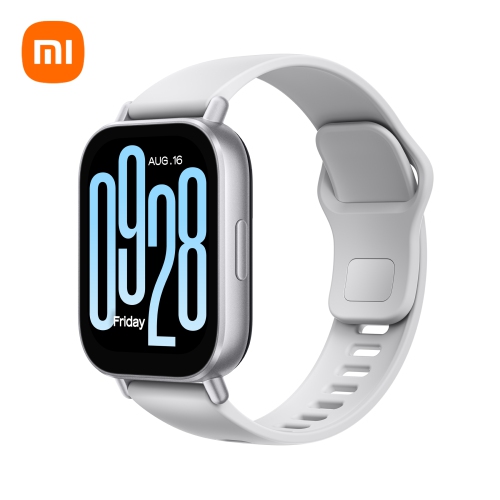
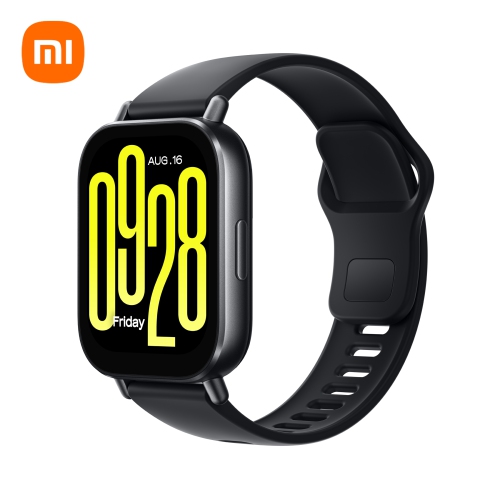
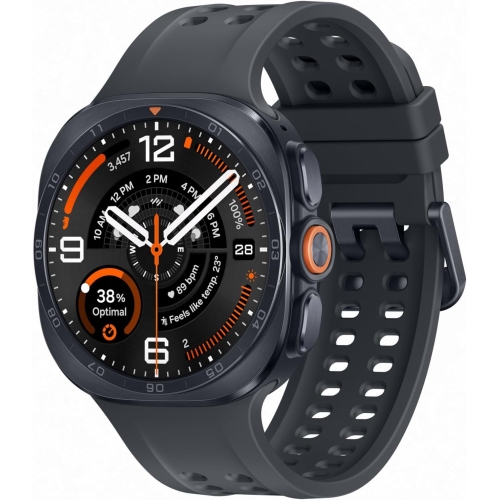
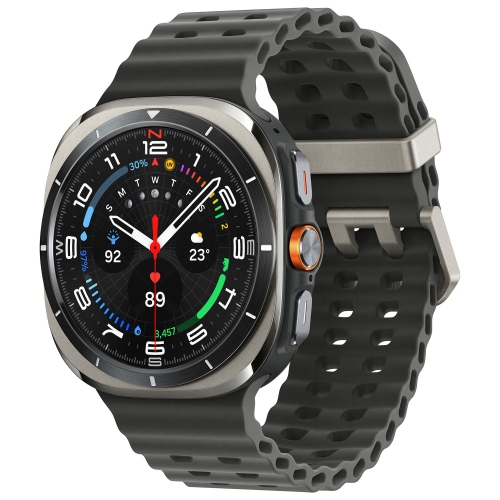
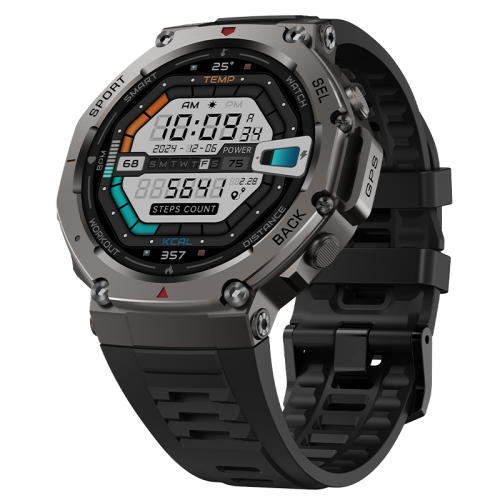
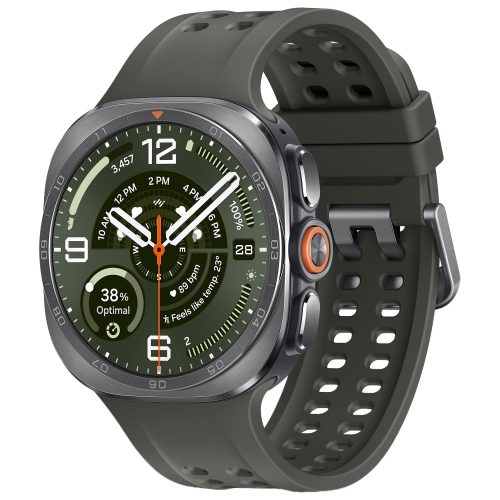
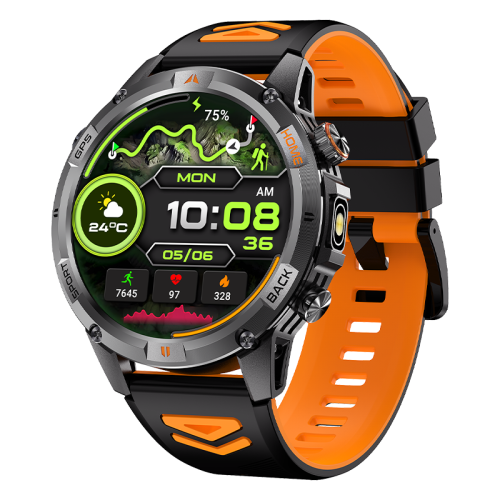
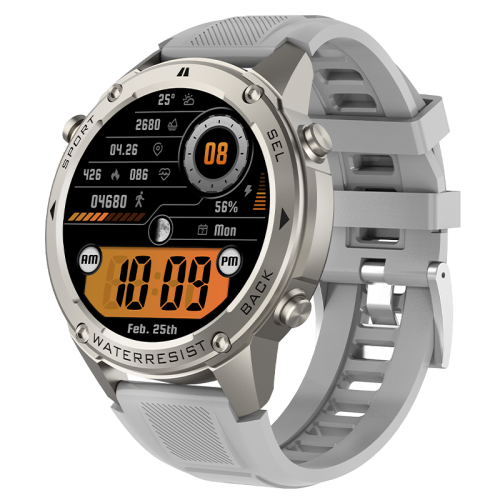
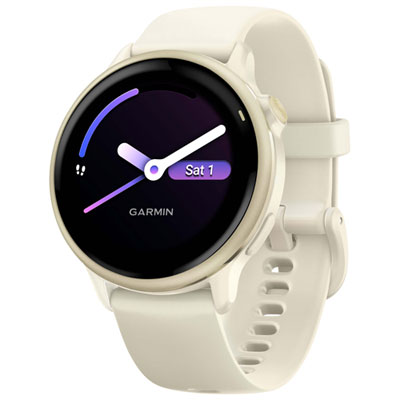
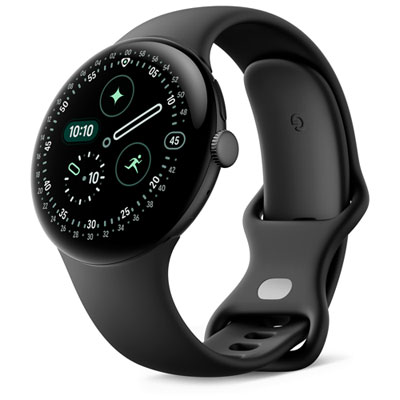
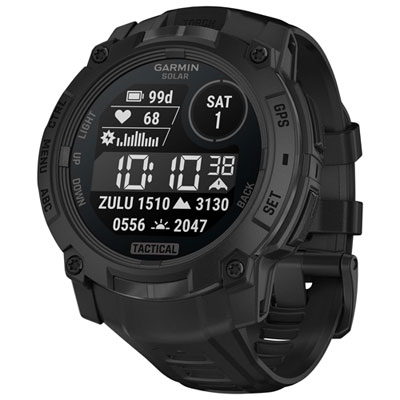
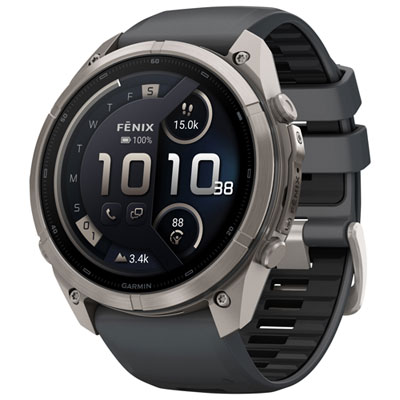
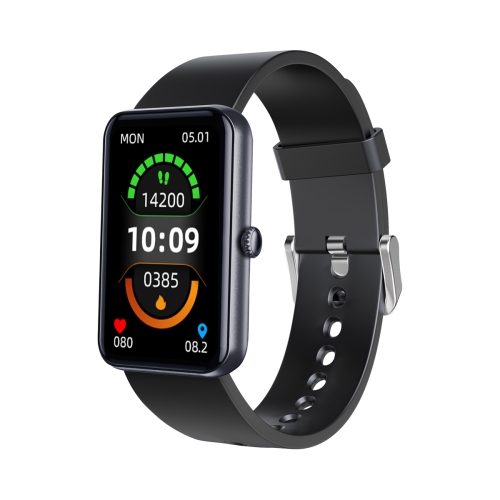
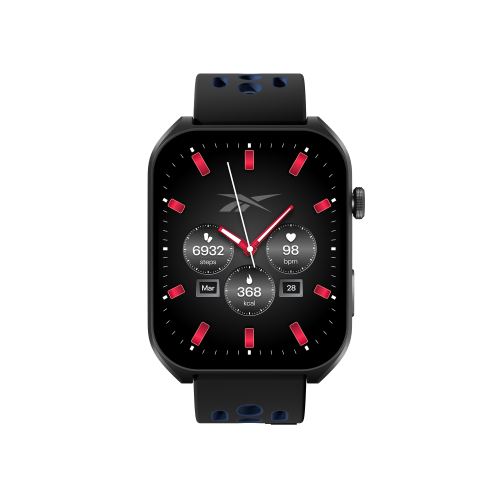
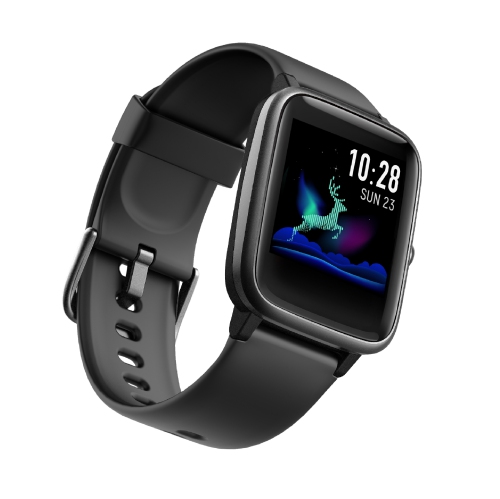
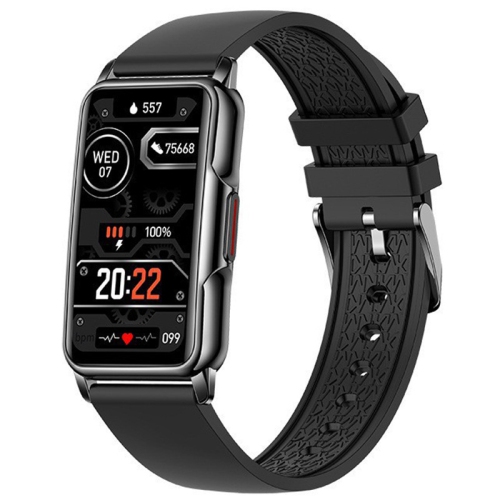
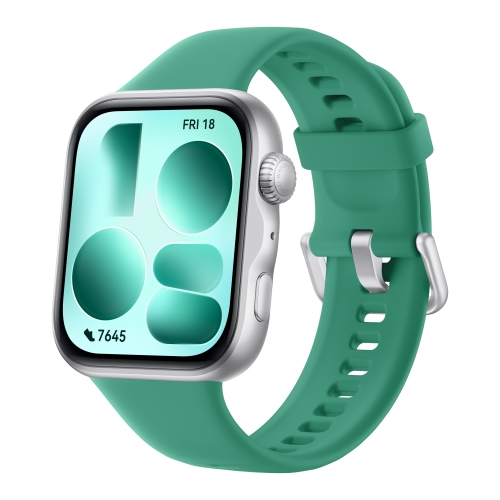
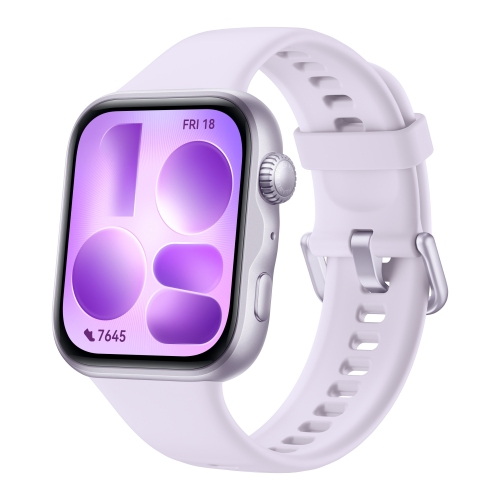
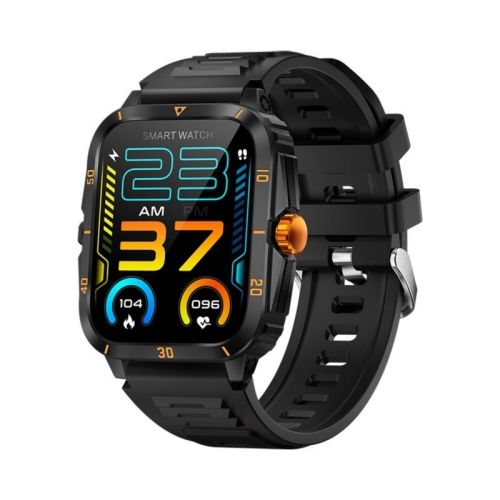
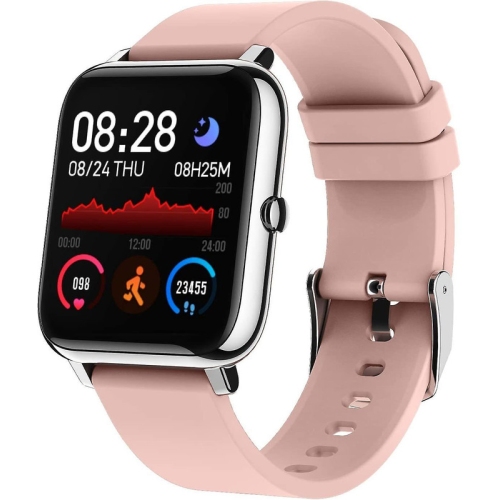
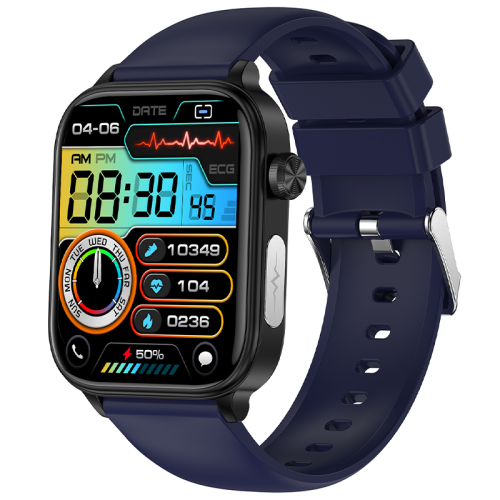
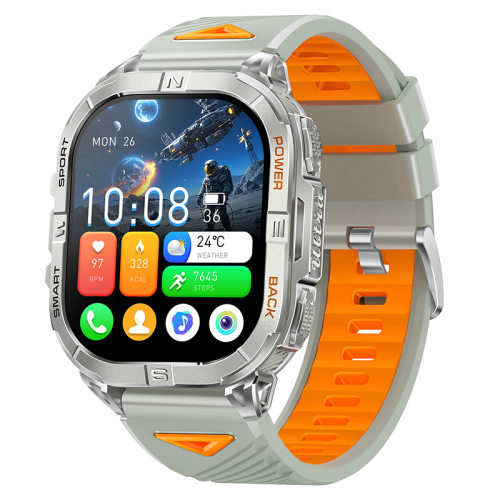
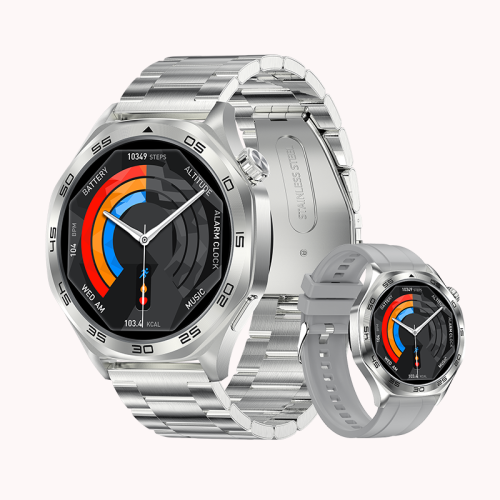
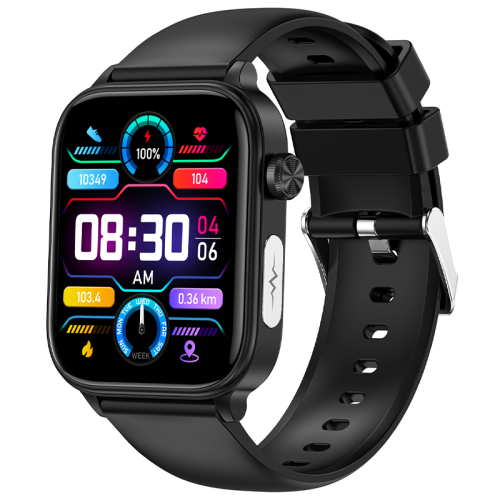
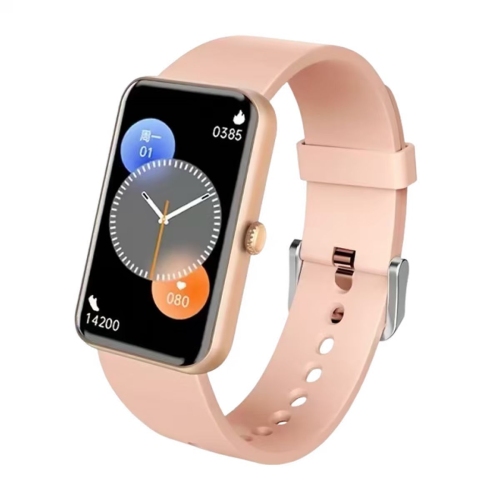
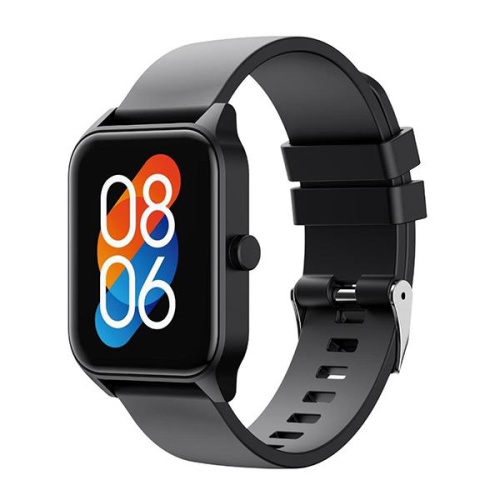
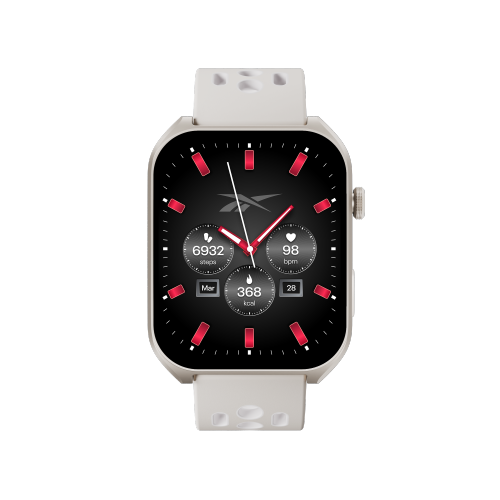
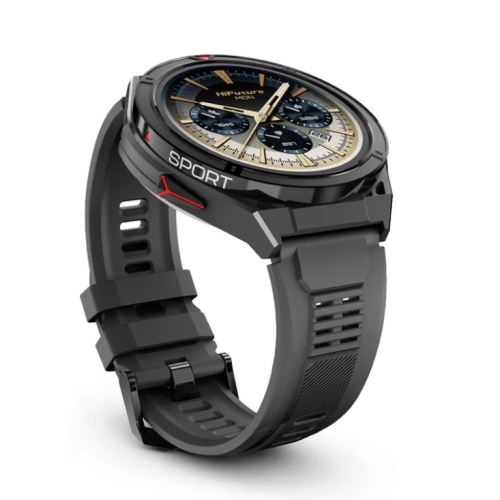
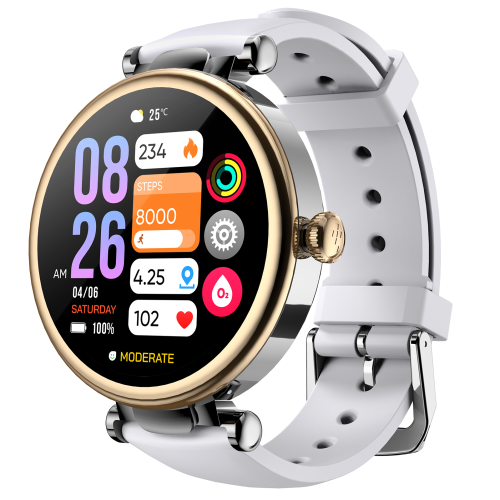
Find running watches to help you keep track of your training, whether you’re starting out or preparing for a race. Compare options by fit, battery life, and features such as GPS, pace tracking, and heart rate monitoring to choose a watch that suits your running routine.

Sort

What your watch can tell you about your run

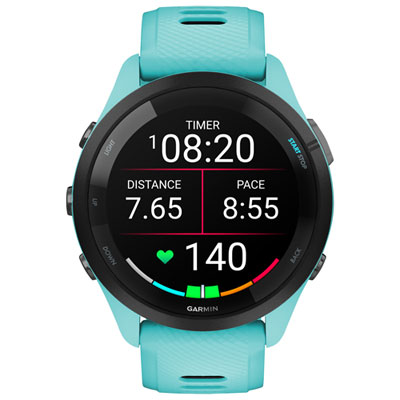
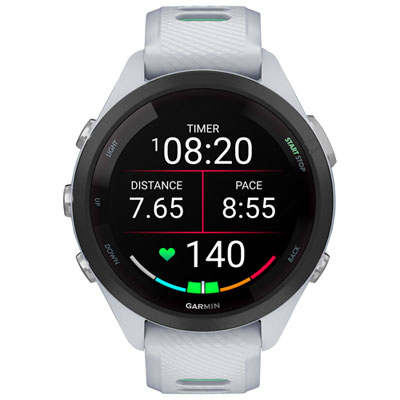
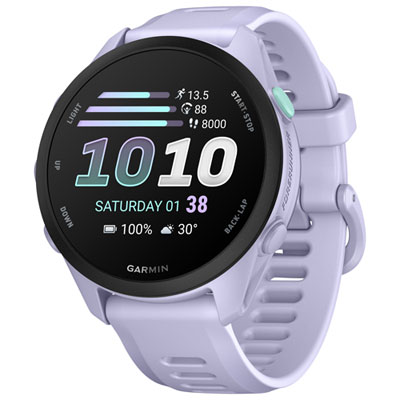
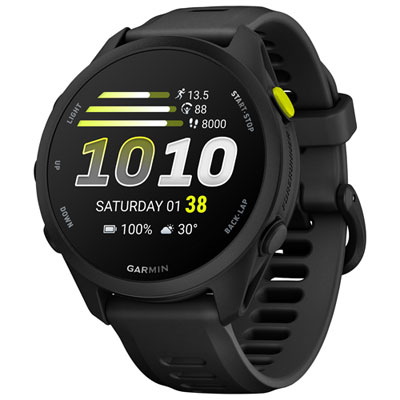
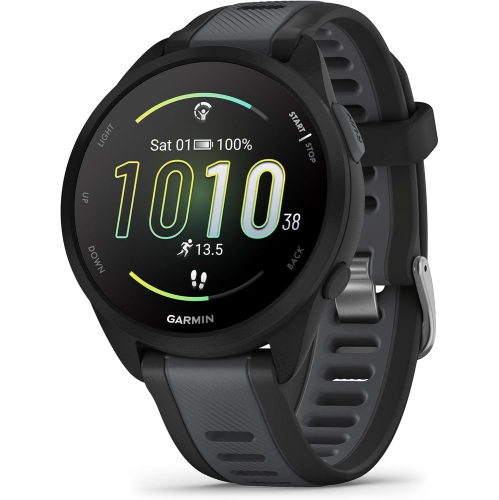
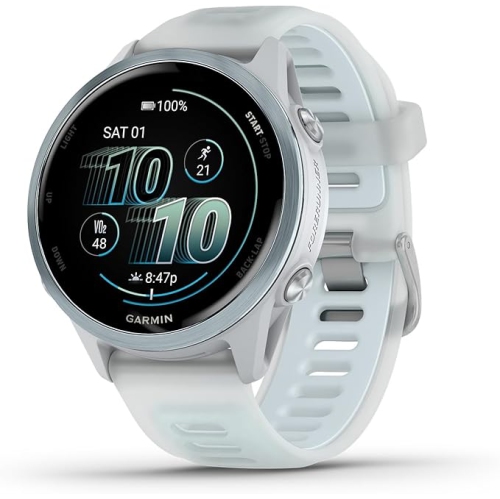
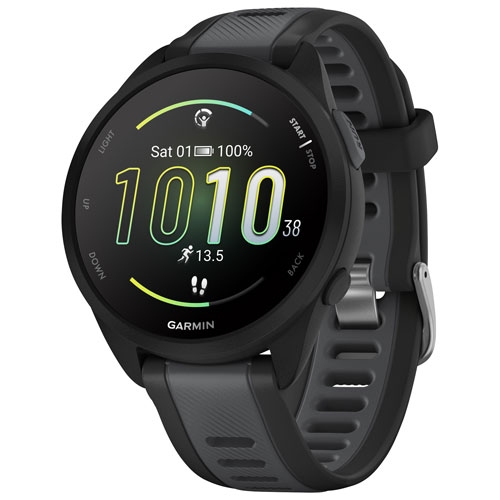
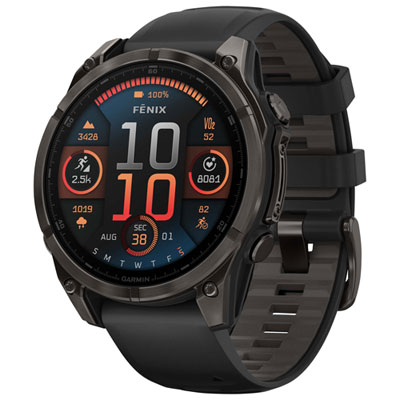
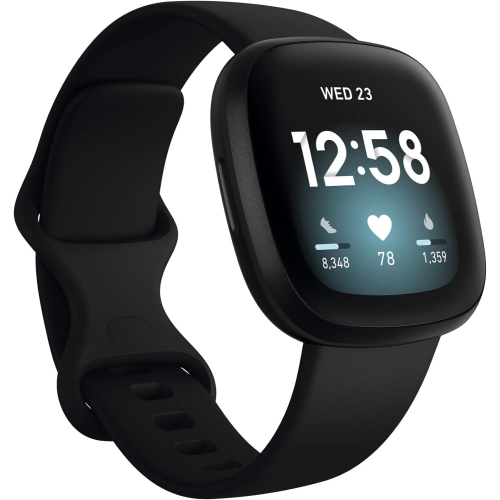
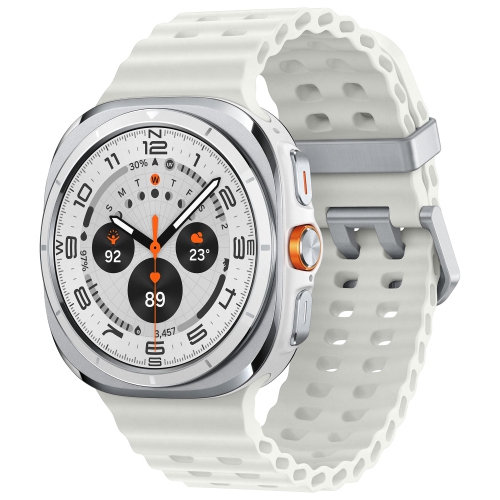
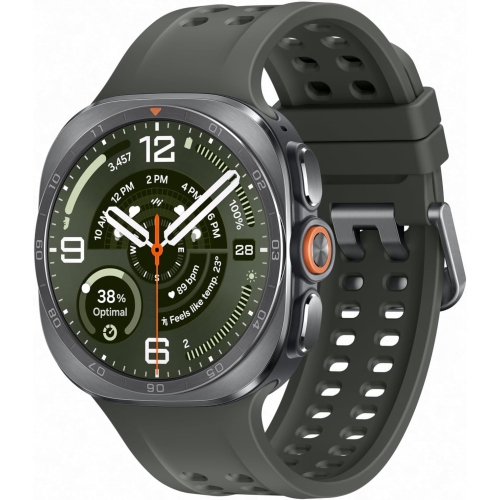
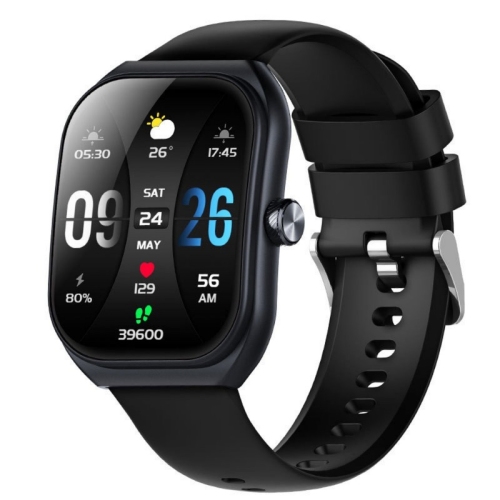
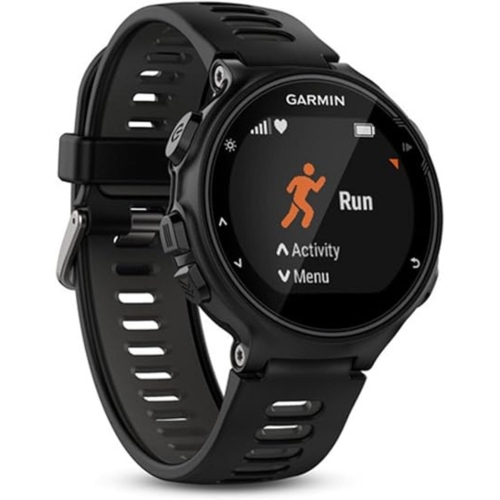
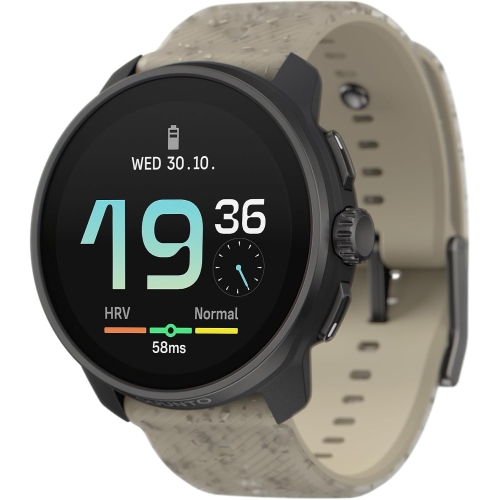
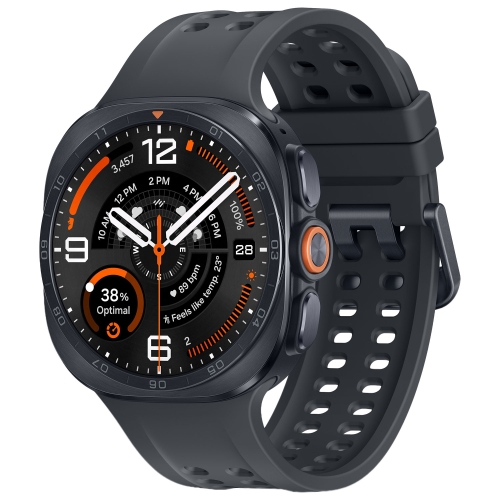
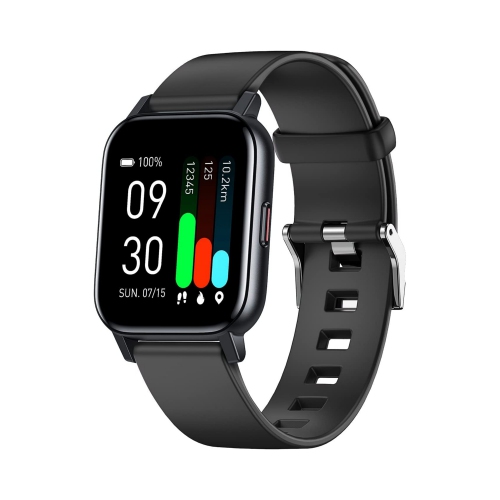
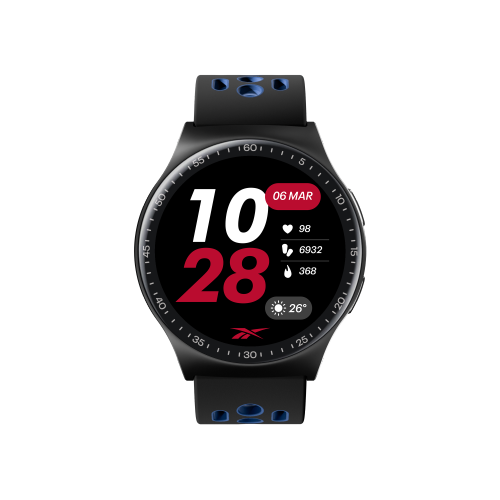
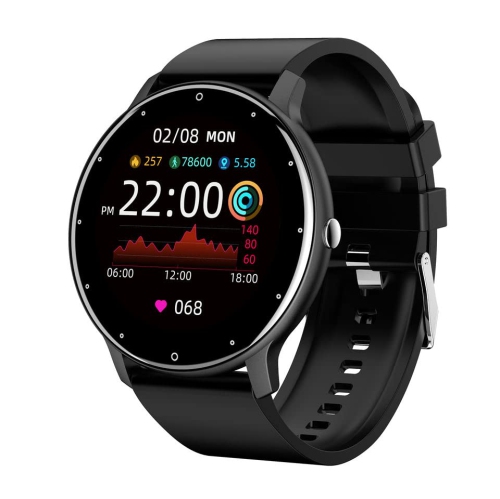
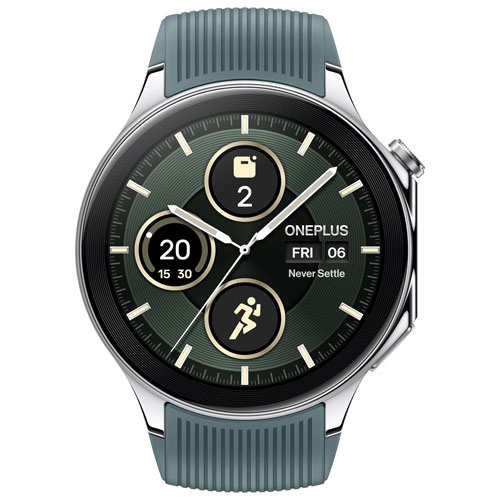
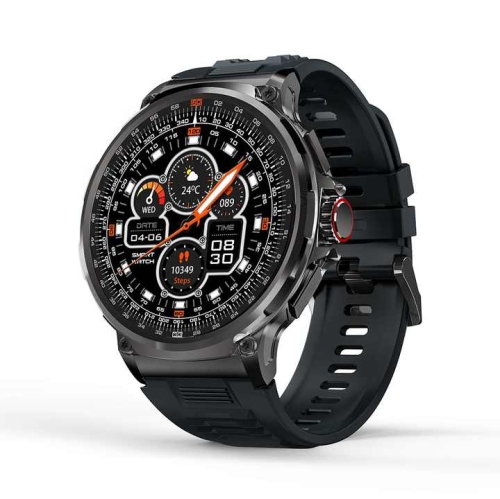
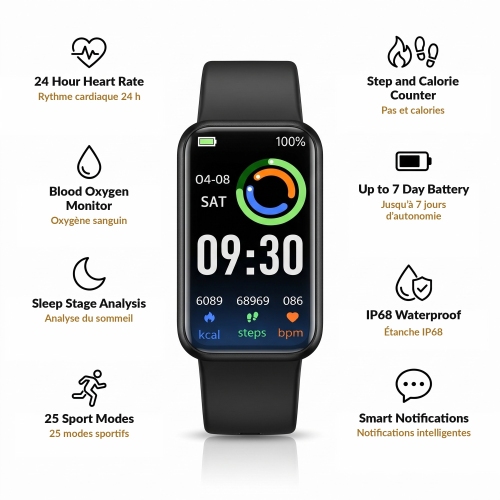
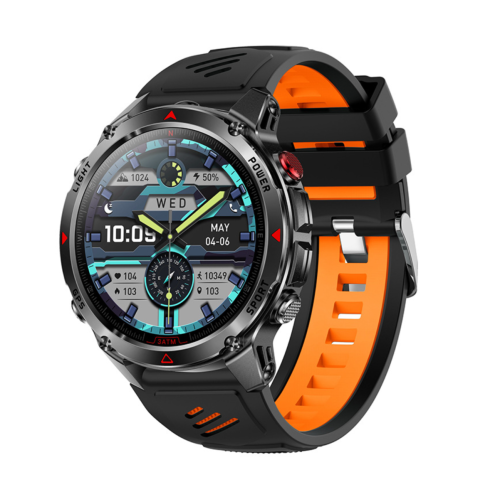
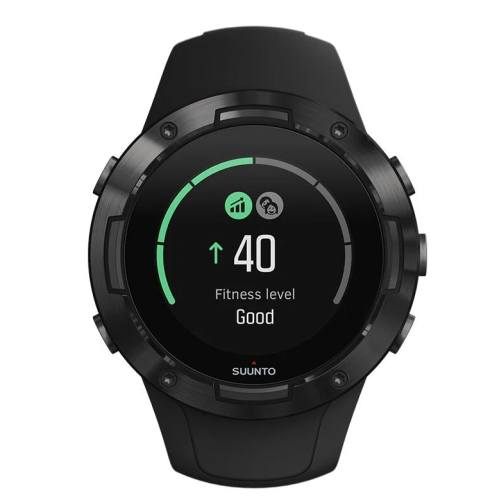
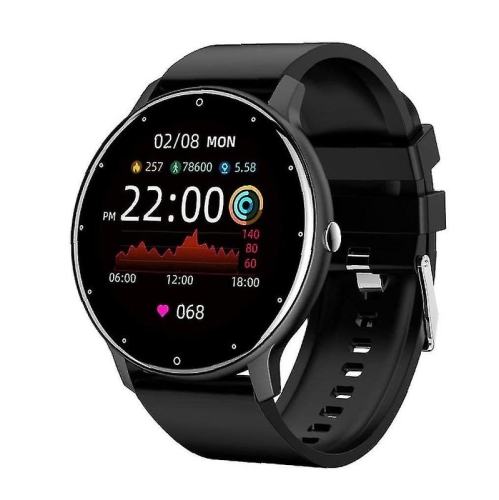
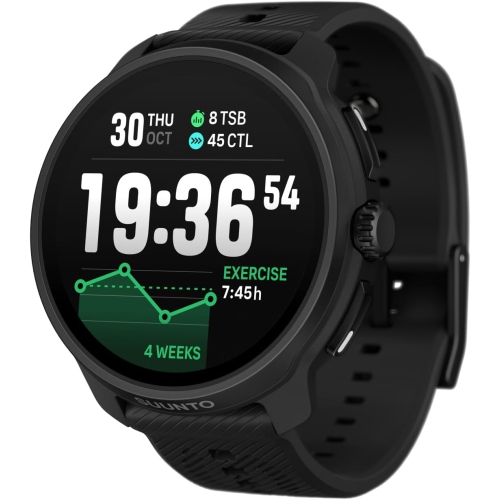
Running watches put useful training information where it is easiest to check: on the wrist, a quick glance away from the next kilometre marker. They can help make sense of a relaxed jog, a carefully paced race, or a treadmill session squeezed into a busy day. Depending on the model, a running watch may display elapsed time, distance, current pace, average pace, heart rate, and lap splits, with customizable screens that keep the most relevant numbers prominent. A beginner building towards a first 5 km might appreciate simple run-and-walk intervals and a clear timer, while a more experienced runner may want structured workouts, pace alerts, and separate displays for warm-ups, faster efforts, and rest periods. Built-in GPS can record an outdoor route without relying on a phone’s location tracking; connected GPS uses a paired smartphone carried along on the run. That distinction matters for anyone who prefers leaving a phone behind. Satellite reception and the route itself can affect distance readings, particularly around tall buildings or dense tree cover, so a momentary pace change on screen does not always reflect a sudden change in effort. On a treadmill, distance estimates may depend on wrist movement, previous calibration, or a compatible accessory rather than GPS. Optical heart-rate tracking adds another view of a workout, although fit, movement, and individual differences can affect readings. Support for an external heart-rate sensor can be useful for runners who want another measurement option. Some watches also estimate cadence, training load, or suggested rest time, helping turn individual sessions into a longer-term picture. These estimates work best as context alongside how a runner feels, rather than as instructions that must be followed. For everyday use, straightforward controls and readable data often matter more than the longest feature list: starting a run, marking a lap, and pausing at a crossing should feel easy without breaking concentration. A clearly presented workout summary can also make it easier to compare similar routes without getting caught up in every small fluctuation.

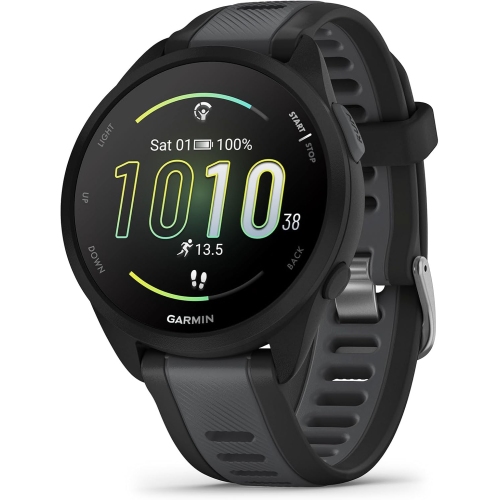
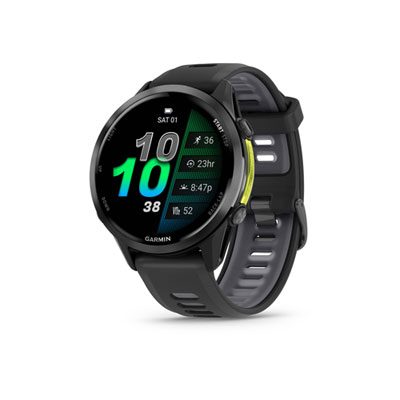
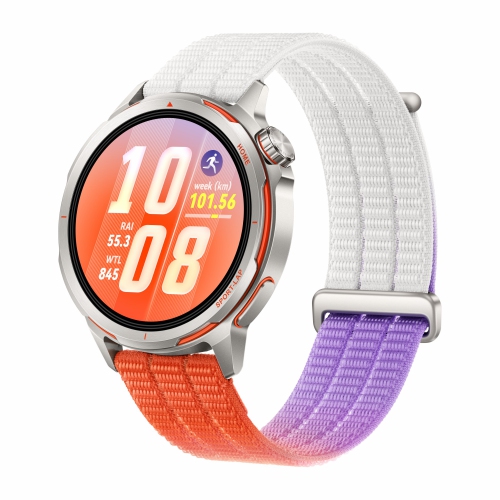
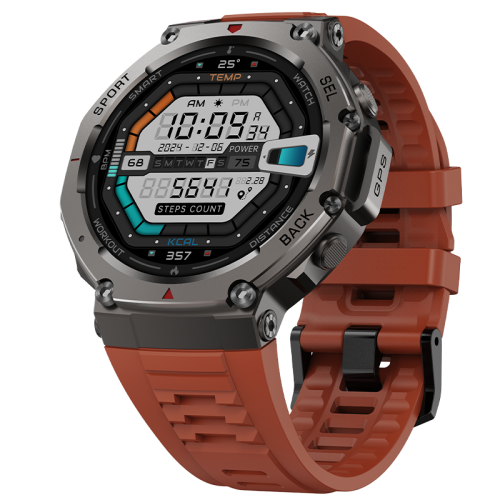
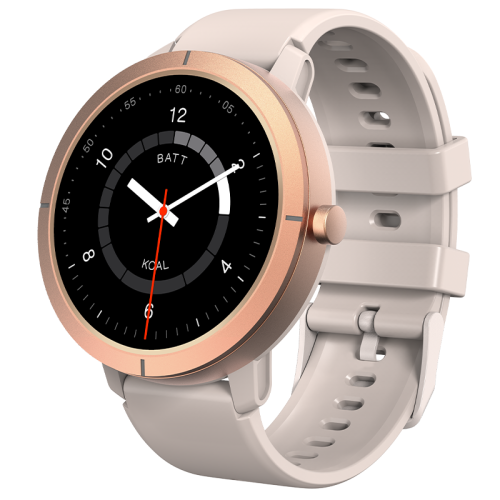
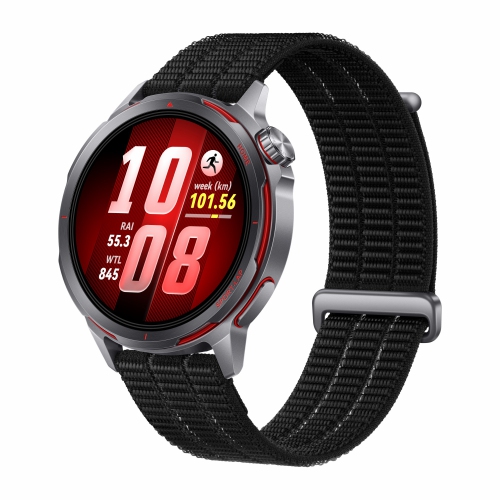
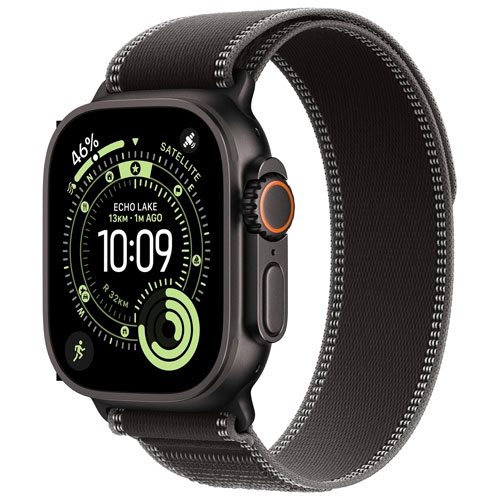
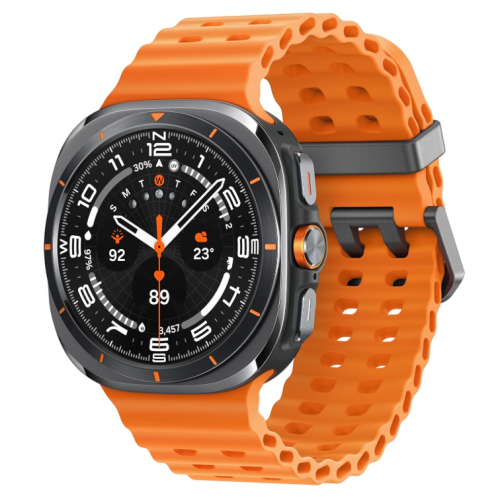
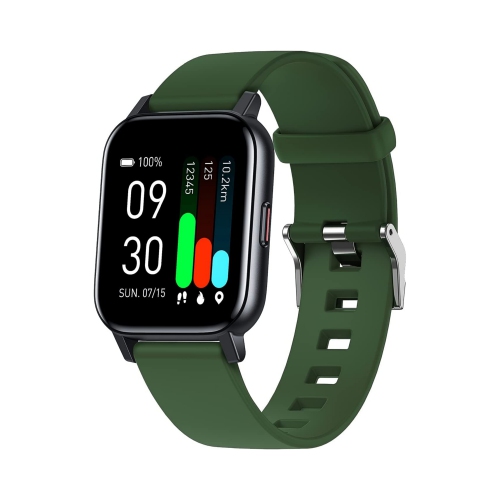
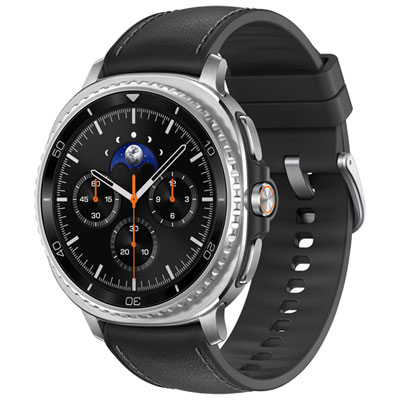
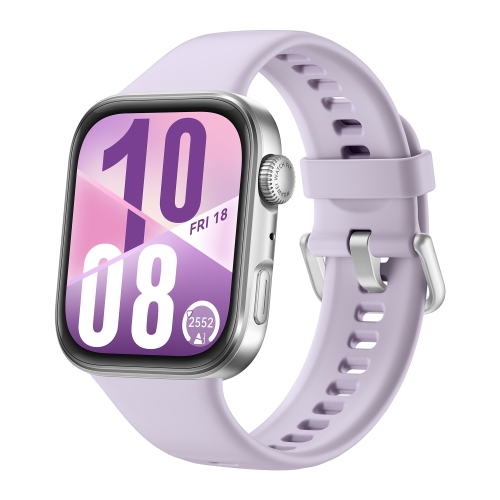
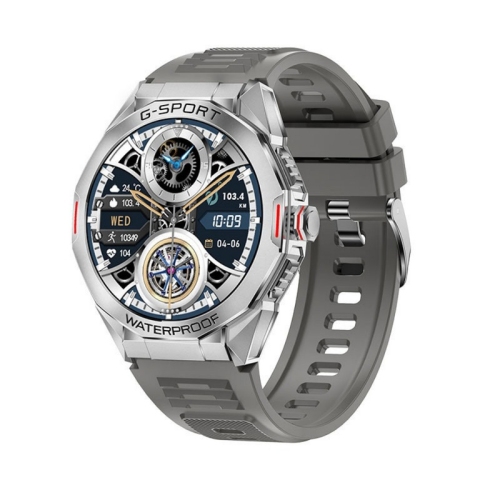
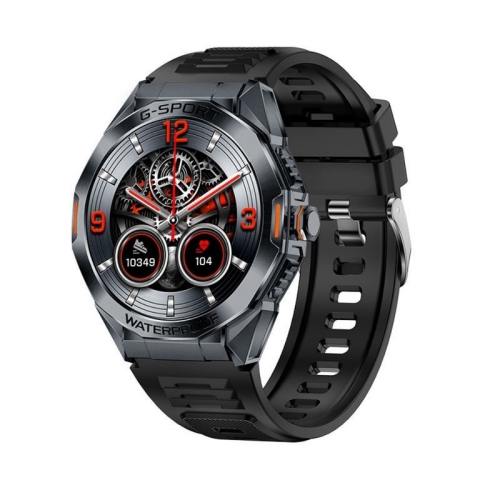
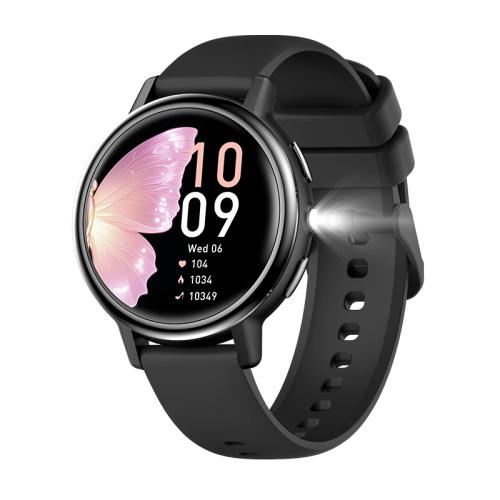
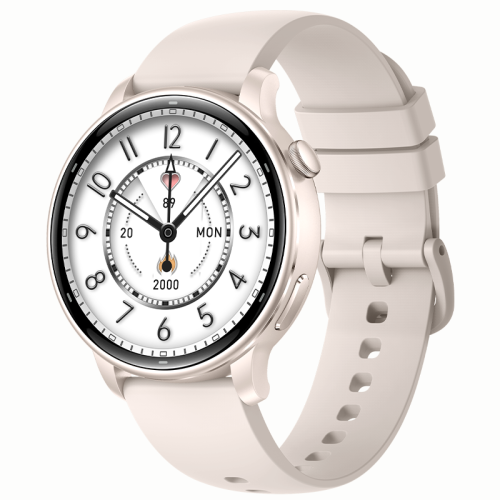
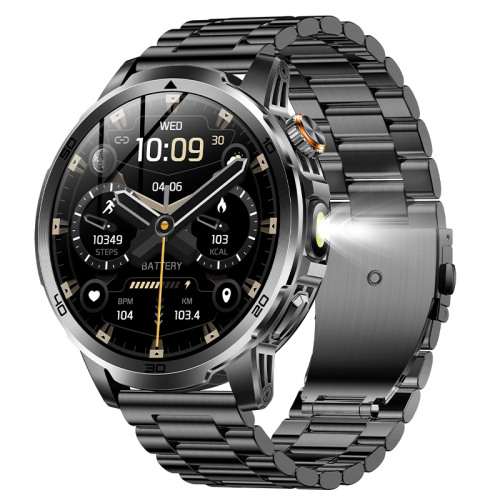
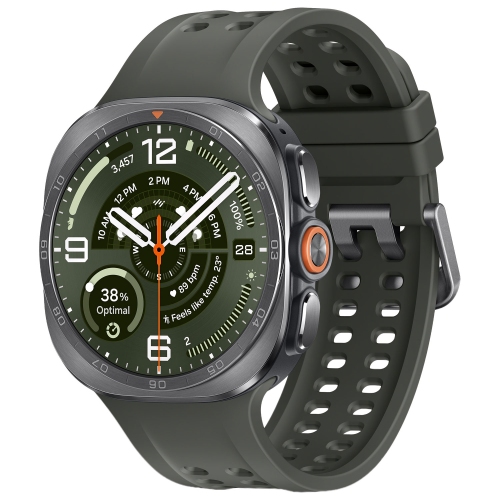
Comfort has a direct influence on how useful a running watch becomes, especially when it stays on through a workout, a workday, and sleep tracking. Case diameter is only part of the fit: thickness, weight, strap flexibility, and the way the lugs sit against the wrist all affect how securely a watch rests. A large display can make numbers easier to read at a glance, but a smaller case may feel less intrusive on a narrow wrist. The strap should hold the sensor in steady contact with the skin without pinching or leaving the hand feeling restricted. A watch that slides towards the hand with every arm swing can be distracting and may produce less consistent sensor readings. Soft silicone straps are common for their flexibility and easy cleaning, while woven nylon options can offer fine adjustment and a different feel against the skin. Case materials such as reinforced polymer, stainless steel, and titanium bring different balances of weight and sturdiness. Lens materials and raised edges may help with everyday wear, but no watch should be treated as scratch-proof. Physical buttons can be particularly useful when fingers are damp with sweat, while touchscreens offer convenient navigation through maps, menus, and workout summaries. Water-resistance ratings deserve attention as well: protection against splashes is not the same as suitability for swimming, and the manufacturer’s stated uses matter more than assumptions based on appearance. After a sweaty session, cleaning the case and strap according to the care instructions helps remove salt and residue. Where permitted, a gentle fresh-water rinse followed by thorough drying is preferable to harsh cleaners or abrasive scrubbing. Charging contacts should be clean and dry before connecting the charger, and fabric straps need time to dry fully. Replaceable straps are useful when a band wears out or a different fit is needed, provided the replacement matches the watch’s attachment system.

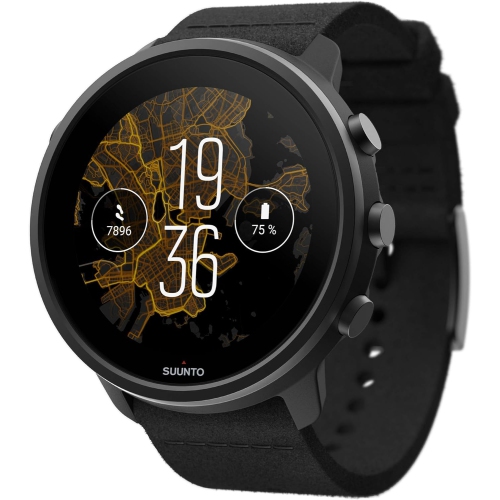
Battery life and everyday connectivity shape how a running watch fits into a routine beyond the workout itself. A runner heading out for short, familiar routes may have different needs from someone recording a long-distance event with navigation enabled. Battery estimates for ordinary watch use are not interchangeable with estimates for continuous GPS tracking, and features such as music playback, frequent screen illumination, and more demanding satellite settings can increase power use. A dependable charging routine can matter as much as the headline battery figure, particularly when the watch is also used overnight. Navigation features vary from a simple line showing a saved route to more detailed maps and turn prompts; route support should match the places and distances the runner expects to cover. Even with wrist-based navigation, a watch is not a substitute for appropriate preparation or a backup plan on unfamiliar routes. For athletes who split their time between running and other activities, the broader category of Sports Watches includes designs with different combinations of cycling, swimming, strength-training, and multisport functions. Phone compatibility is another important consideration, since setup, workout syncing, notifications, and connected features may depend on the operating system and companion app. Music controls are not the same as onboard music storage, and the ability to view a message does not necessarily include the ability to reply. Clear app summaries, useful data export options, and adjustable privacy settings can make recorded runs easier to manage and share on the runner’s own terms. A running watch can also be a thoughtful gift for someone starting a regular routine, preparing for a race, or celebrating a personal milestone. Wrist size, preferred controls, phone compatibility, and interest in detailed training data are more useful clues than athletic experience alone. The most suitable design is one that feels comfortable enough to wear consistently and makes the runner’s usual activities simpler to record, review, and enjoy.
FAQ

Some products may be subject to Environmental Handling Fees (EHF) depending on your province. Learn more about EHFs.