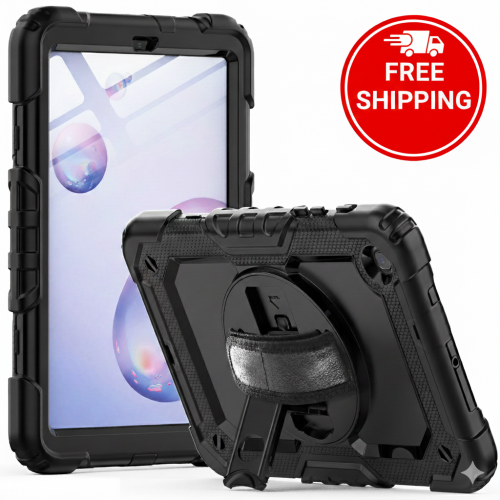
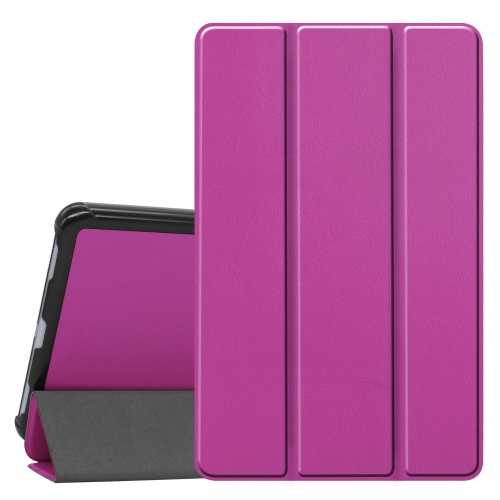
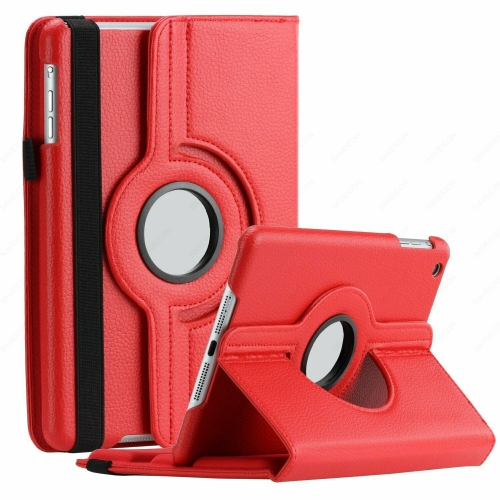
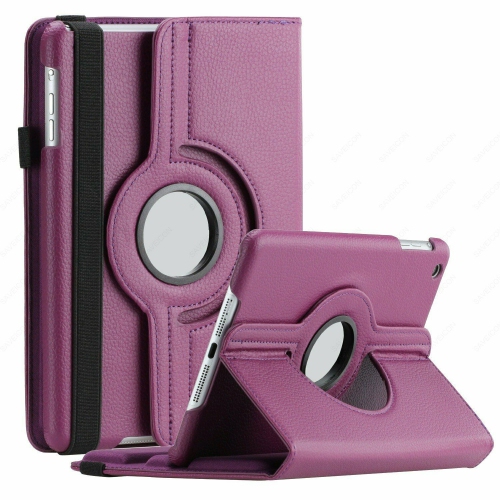
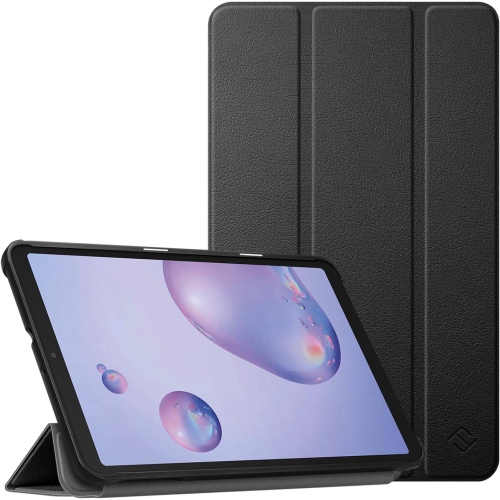
Samsung Galaxy Tab A 8.4 Cases

Find Samsung Galaxy Tab A 8.4 cases to help protect your tablet from everyday scratches and bumps. Compare covers by fit, design, and access to buttons, ports, and cameras, and check compatibility with your tablet’s exact model before choosing.

Sort

Why tablet case fit goes beyond screen size

A well-fitted case helps a compact 8.4-inch tablet move comfortably between reading on the sofa, watching videos at a desk, and travelling in a work bag. It adds a layer between the device and the surfaces it touches every day, while giving hands something more substantial to hold than a smooth tablet back. Fit matters more than screen size alone: tablets with similar display measurements can have different dimensions, camera positions, charging connections, and button layouts. Matching the full model number in the device settings to the case’s compatibility details helps avoid a cover that blocks a speaker or leaves a corner sitting loose. A properly shaped shell should hold the tablet securely without requiring excessive force, with openings that leave the charging port, cameras, microphones, and controls accessible. The space around a charging opening also matters when a cable has a wider connector housing. Raised edges can help keep the screen or camera area from resting directly against a flat surface, although their usefulness depends on the case design and any screen protector already installed. A close-fitting back cover suits someone who wants a slimmer profile for reading or carrying the tablet in a small bag, while a folio adds a flap over the display when closed. Sleeves offer another approach for transport, but generally need to be removed before the tablet can be used. These differences make the intended routine as important as the appearance of the cover. Households with several tablets may also be browsing Samsung Galaxy Tab E 9.6 Cases; those belong to a different fit category and should not be treated as interchangeable with cases for an 8.4-inch device. Keeping each tablet’s model information handy makes it easier to distinguish between similar-looking covers, especially when replacing an older case or choosing one as a gift.

Materials influence how a tablet case feels in the hand, how much bulk it adds, and how it responds to everyday handling. Flexible silicone or thermoplastic polyurethane can provide a grippy surface and some cushioning around corners, while a rigid polycarbonate shell offers structure without necessarily adding a thick outer layer. Designs that combine a firm inner shell with a softer exterior bring those qualities together, though protection still depends on construction, fit, and the circumstances of an impact. No case makes a tablet damage-proof. A textured back can be useful when carrying the device from room to room, while rounded edges may feel more comfortable during a long reading session. Folio covers often use fabric, synthetic leather, or other layered materials, each with a different feel and cleaning routine. A smooth finish may wipe clean more easily, whereas a woven surface can provide extra texture but may collect lint along seams. For someone who watches videos at a kitchen counter or joins calls from a desk, a folding cover or built-in stand can be more useful than extra decoration. Stand angles deserve attention: an upright position suits viewing, while a lower angle can make tapping the screen more comfortable. A broad, stable base is helpful on a firm tabletop, but a stand that works well there may wobble on a cushion or lap. Hand straps can make one-handed use easier, particularly for someone reading while standing or moving between work areas. Handles may suit younger users, provided the case fits securely and the tablet is used with appropriate supervision. Covers with magnetic closures can help keep a folio shut in a bag, but automatic sleep and wake functions depend on both the case and the tablet supporting that feature. Colour and pattern add a personal touch, and a distinctive finish can help family members tell similar devices apart without opening every cover.

Daily habits have a noticeable effect on how well a case wears. A tablet carried beside keys, pens, and charging accessories benefits from a separate bag compartment, even with a cover fitted. Small particles trapped between the shell and the device can rub against the finish, so occasional removal and gentle cleaning are worthwhile when the case design allows it. Cleaning should follow the material’s care directions: a soft cloth lightly dampened with water may suit some surfaces, while fabric, leather, adhesives, and printed finishes can need different treatment. Harsh cleaners, abrasive pads, and soaking can damage coatings or weaken parts of the cover. The tablet should be removed before cleaning the case where practical, and everything should be fully dry before reassembly. Seams, folding joints, stand grooves, and the edges around charging openings are useful places to check for dust or wear. A stretched corner, cracked shell, or closure that no longer holds securely can reduce the case’s usefulness even if most of its surface still looks tidy. Intended use helps narrow the balance between portability and coverage. A student moving between a desk and a backpack may value a closed front cover and a dependable viewing stand; someone reading novels for long stretches may prefer less weight and a comfortable grip. A shared household tablet may benefit from a wipeable surface and an easy-to-recognize colour. For a gift, knowing the recipient’s exact tablet model is essential, but knowing how they use it makes the choice more personal. A cover that supports hands-free recipe viewing serves a different purpose from a slim shell for reading on a commute. The most useful case is one that fits the device precisely, feels comfortable in regular use, and adds practical protection without making familiar tasks awkward.

FAQ

Some products may be subject to Environmental Handling Fees (EHF) depending on your province. Learn more about EHFs.