Silicone Chair Leg Protectors for Hardwood Floors

Silicone chair leg protectors for hardwood floors help cushion contact between chair feet and flooring to reduce scratches and scuffs when chairs move. Browse chair leg caps and covers, checking the size and shape against your chair legs for a snug fit. Look for options suited to hardwood floors, and compare base materials to find the right balance of grip and easy movement.
Read More

Sort

A snug fit for smoother, quieter chair movement

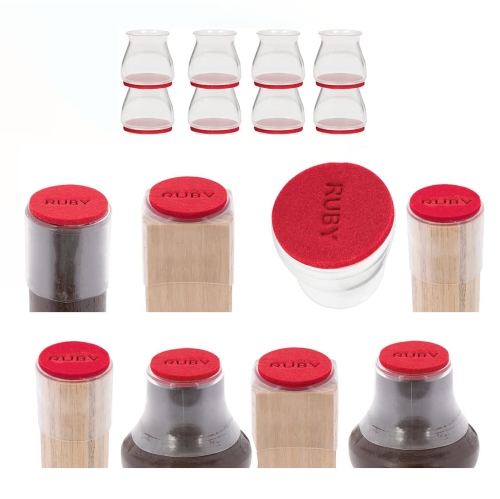
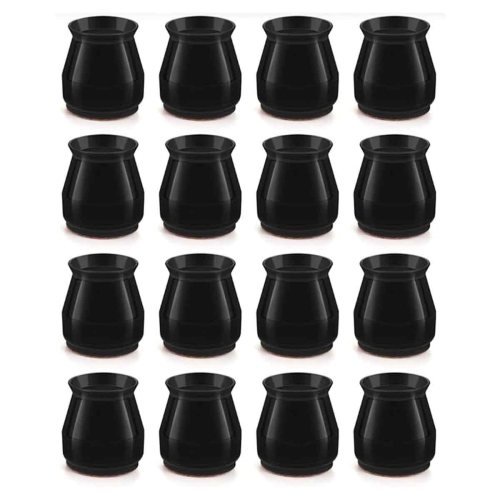
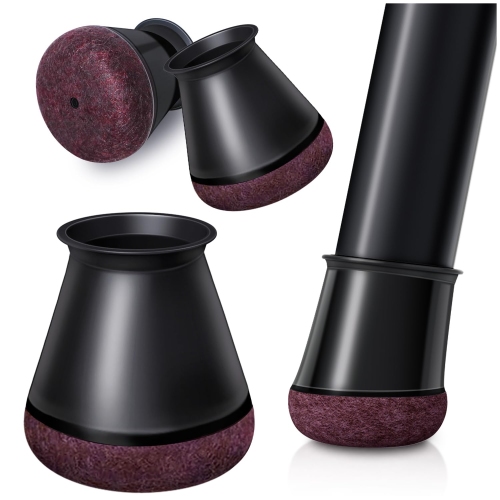
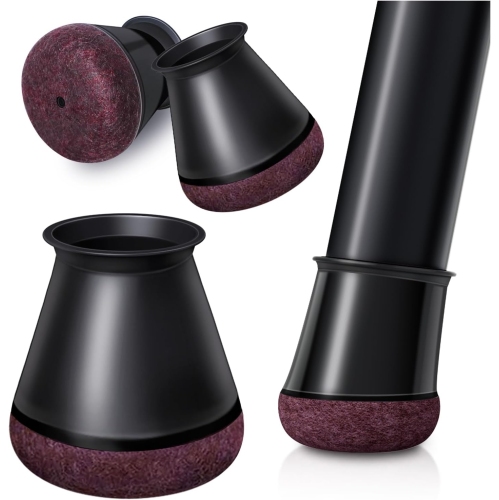
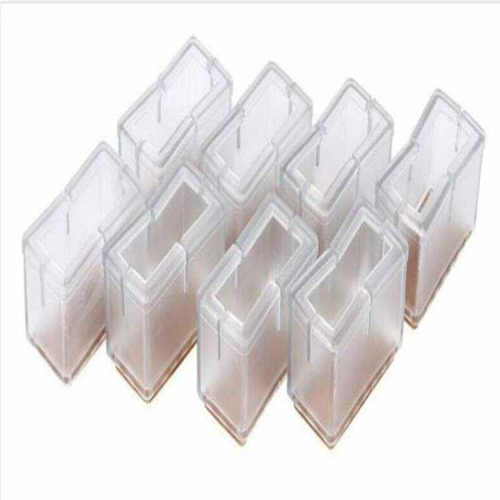
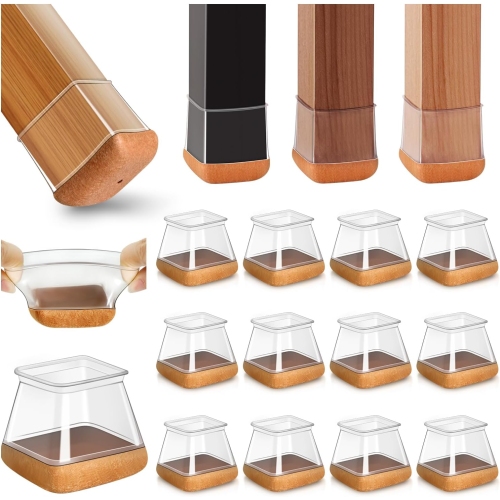
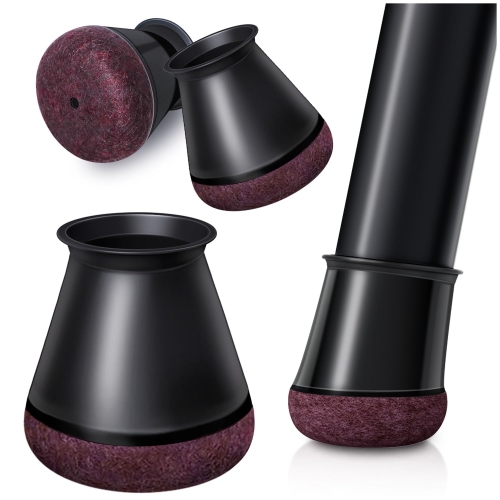
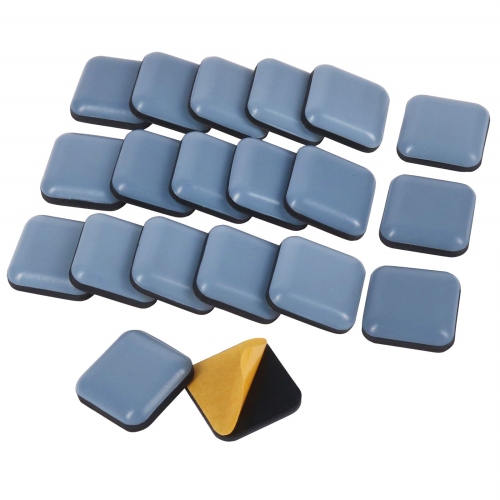
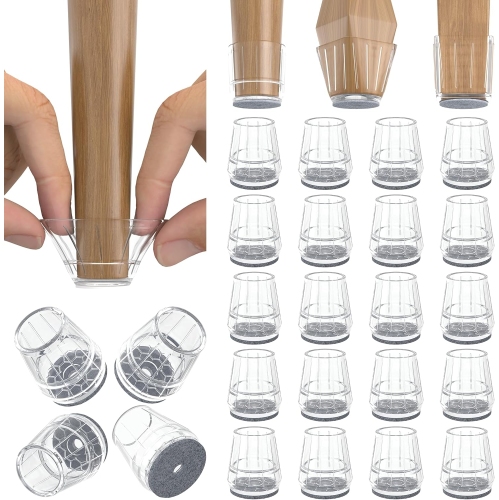
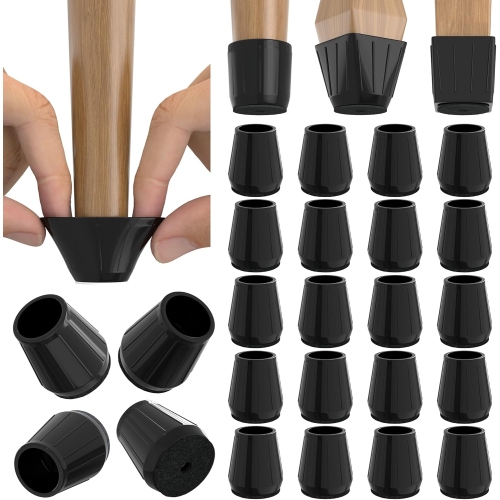
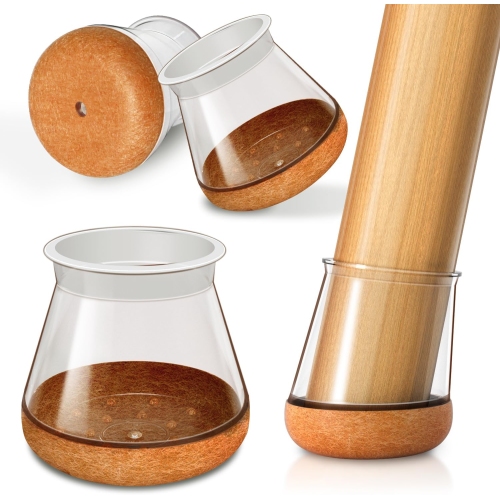
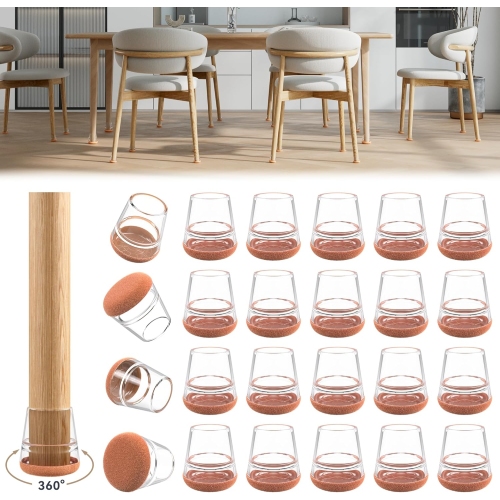
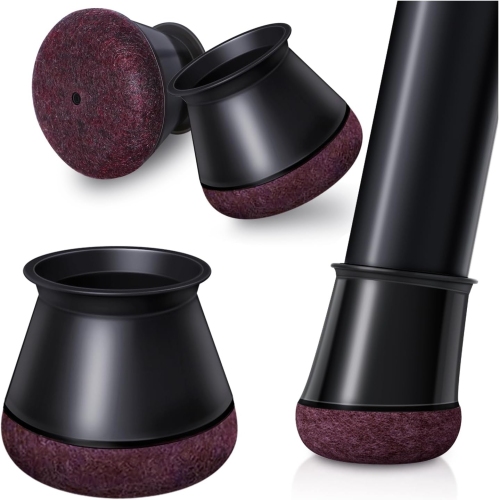
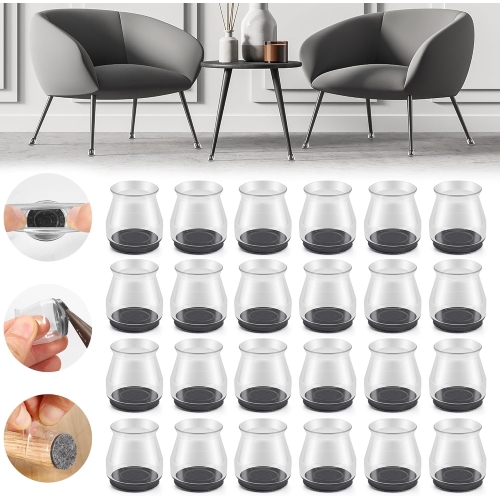
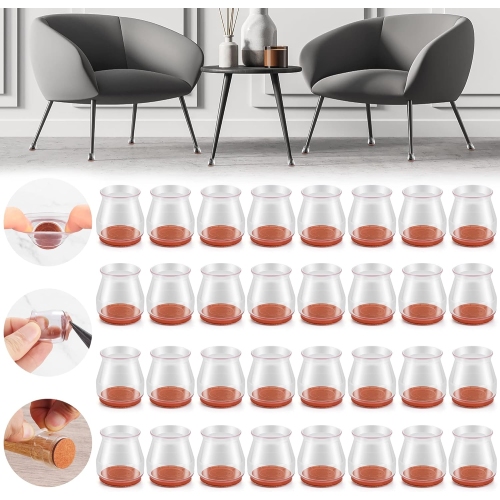
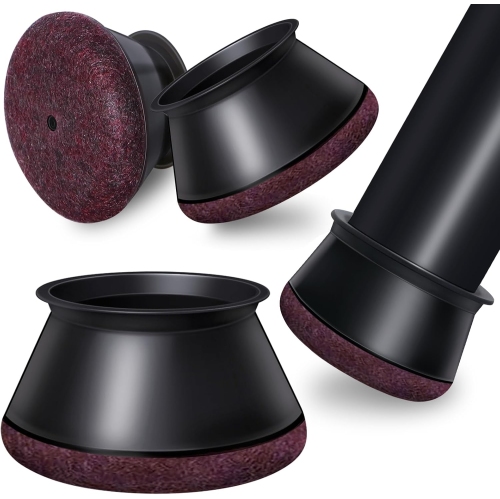
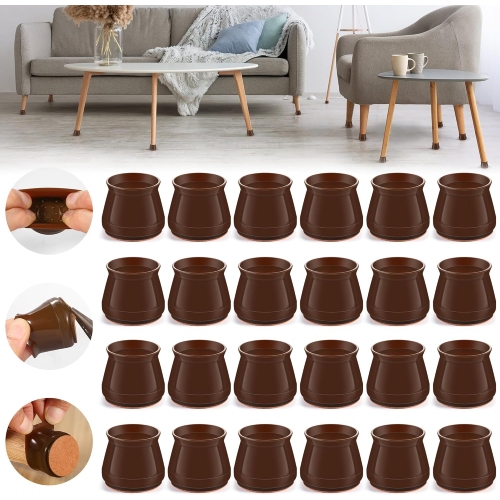
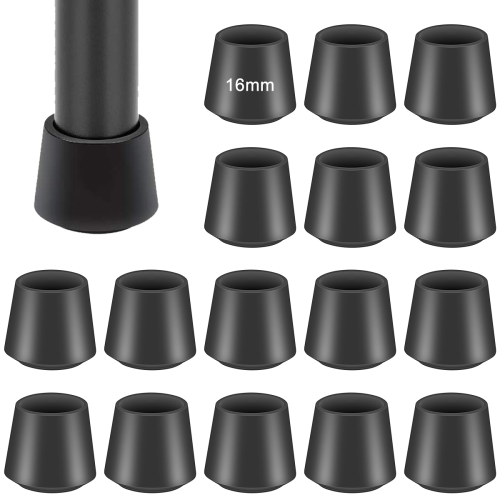
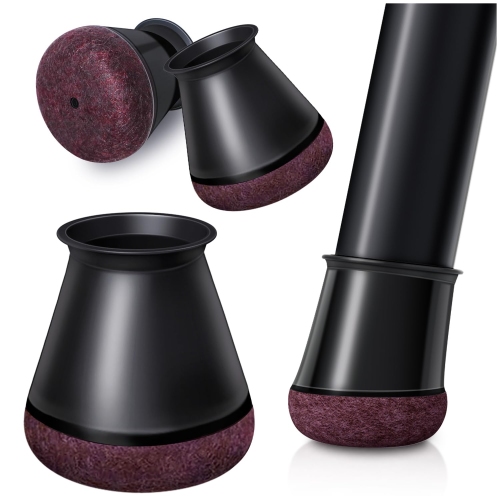
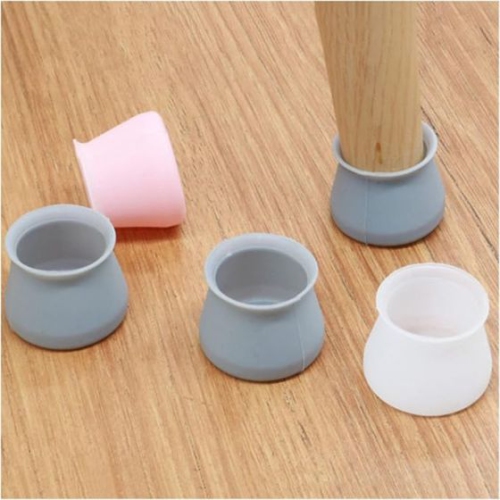
Silicone chair leg protectors for hardwood floors are flexible covers that fit over furniture feet to help reduce scratches, scuffs, and the scraping sounds of chairs moving across wood. Many designs combine a stretchable silicone sleeve with a felt bottom: the sleeve holds the protector around the chair leg, while the felt provides a soft contact surface between the furniture and the floor. This combination is especially useful around a dining table, where chairs slide backwards at breakfast, shift during homework, and move again when everyone sits down for dinner. Bare wood, metal edges, and worn plastic feet can leave marks on a floor’s finish, particularly when grit gets caught underneath. A well-fitting protector helps limit that direct contact, although no cover can guarantee protection against every scratch. Felt-bottom designs can also soften the sharp dragging noise that carries through a kitchen or an open-plan living space. Compared with a simple adhesive pad attached beneath a leg, a silicone cap wraps around the sides, giving it another way to stay in place without relying on adhesive against the furniture. Many slip-on styles need no tools, screws, or glue, making them a practical addition to dining chairs, kitchen stools, and other compatible furniture that moves frequently. Clear silicone keeps the leg’s finish visible, though the cover may still be noticeable; opaque options offer a more defined appearance and can blend with similar furniture colours. The felt base may remain visible beneath either style. For shoppers comparing different ways to cushion furniture feet, Chair Floor Protectors includes the broader category, while silicone covers with felt bottoms serve the more specific need for a flexible fit and smoother movement on suitable hard floors. Their everyday appeal lies in making familiar furniture a little easier to live with, from a frequently used desk chair without castors to the dining chairs that always seem to move during a conversation.

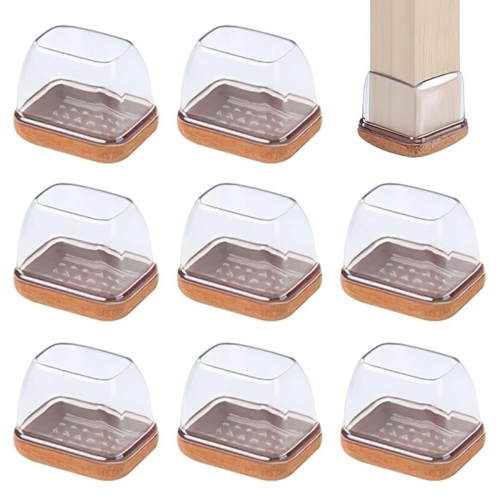
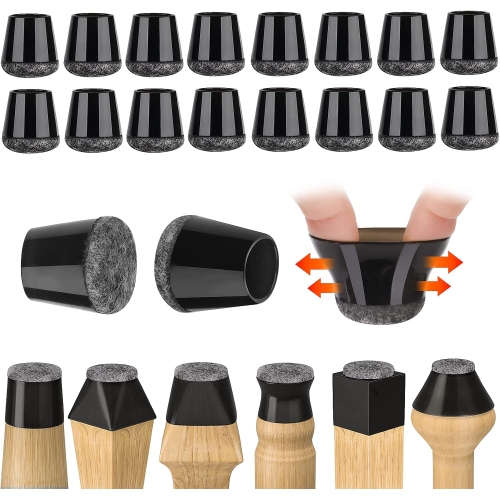
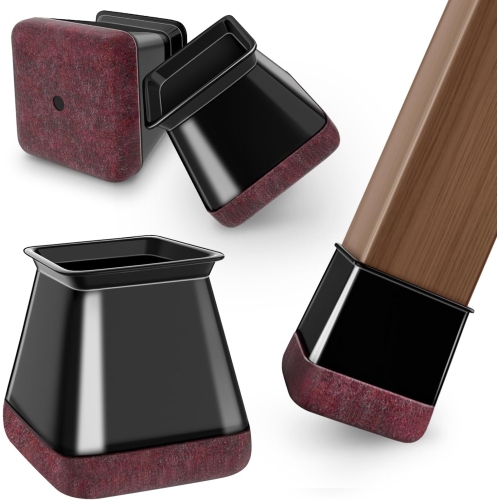
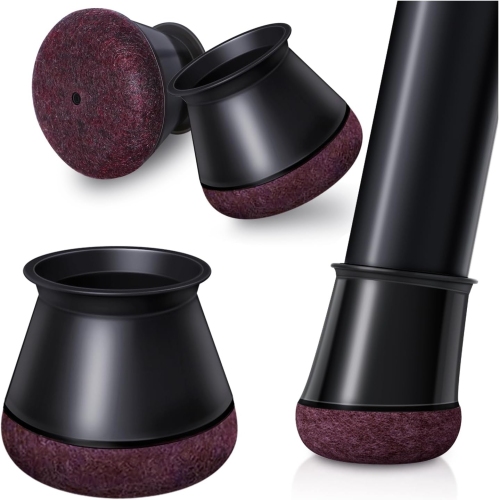
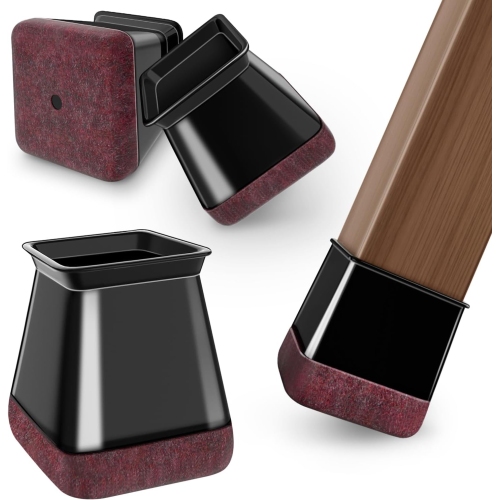
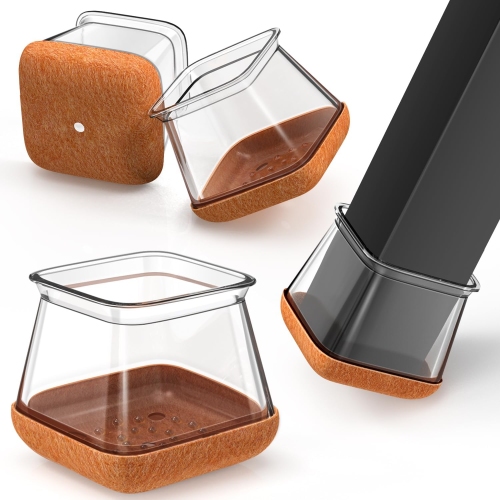
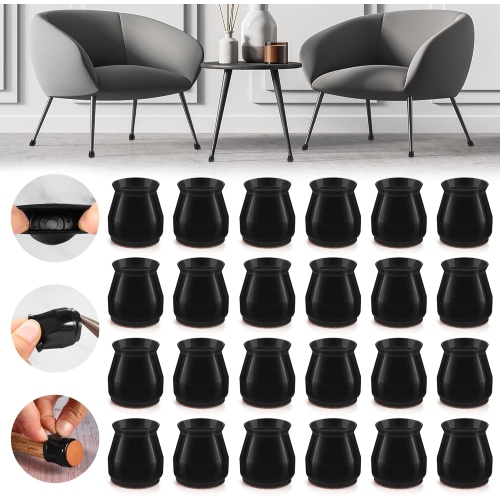
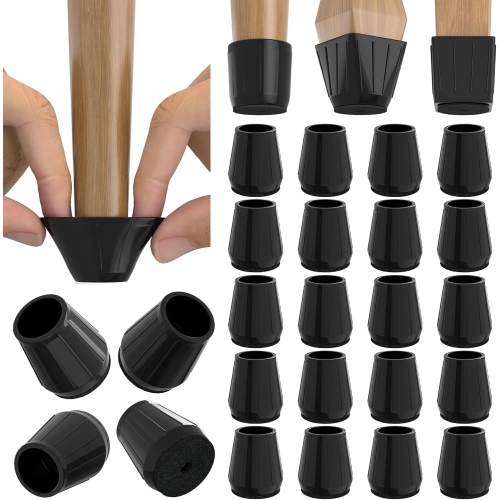
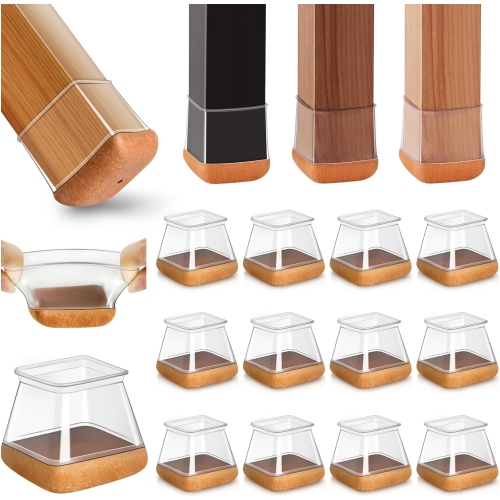
Fit is central to how silicone chair leg protectors perform, and the shape of the furniture foot matters as much as its size. Round legs need covers matched to their diameter, while square and rectangular legs need a suitable fit across both dimensions. Measurements taken at the actual floor-contact end are more useful than measurements higher up the leg, especially on tapered furniture. A chair that looks uniform from a distance may have front and rear legs with different shapes, angles, or widths, so one size does not necessarily suit every foot. Flexible silicone can accommodate some variation within a stated fit range, but stretching a small cover beyond that range may strain its walls or pull the felt out of position. A loose cover can twist, creep upwards, or come away when the chair is lifted. Square corners also need enough room to sit properly without distorting the sleeve. On angled chair legs, the important detail is whether the felt rests flat against the floor rather than contacting it along a narrow edge. A level contact patch helps spread the load and allows the chair to move more evenly. Covers with sufficient sleeve depth can provide more grip around a compatible leg, provided that decorative details or crossbars do not prevent them from seating fully. Materials and construction affect performance, too. Felt should cover the area that bears against the floor, keeping exposed furniture edges away from the finish. Designs with felt integrated into the silicone body may be less prone to pad separation than some adhesive-only constructions, though their lifespan still depends on fit, use, and workmanship. A thicker sleeve may resist splitting, but thickness alone does not establish durability. Even stretch, intact seams, and a securely attached base are useful qualities. Pack quantities also deserve attention when outfitting a whole table: six four-legged chairs need twenty-four protectors, and matching all feet on each chair helps avoid an uneven stance. Replacing a damaged cover with one of a different height or base thickness can leave an otherwise sound chair feeling unsteady.

Routine care helps these small accessories continue doing their job. Dust, crumbs, and tracked-in grit can collect in felt, turning a soft pad into a surface that may mark the floor as the chair moves. Regular sweeping or vacuuming around furniture, along with periodic checks underneath each leg, helps reduce that risk. Loose debris can often be brushed away from the felt, while exposed silicone may be wiped with a damp cloth when the care directions permit. Soaking or machine washing is not suitable for every construction, particularly where layers are bonded together. Any cleaned protector should be dry before it is refitted, and the furniture foot should be clean and dry as well. Hardwood finishes vary, so compatibility with the flooring manufacturer’s care requirements matters, especially on newly finished surfaces or floors with a specialist coating. Silicone covers are not a remedy for a rough, splintered, or damaged chair foot; those problems need attention before a cap is fitted. Over time, felt can flatten, wear thin, or lift at the edges, and silicone can loosen or tear where it is repeatedly stretched. A protector that shifts during ordinary use or exposes a hard edge no longer provides the intended separation from the floor. Busy households may notice this wear sooner on the chairs used most often, rather than evenly across an entire set. These covers are particularly useful for renters trying to limit everyday floor marks, households with children moving dining chairs several times a day, and anyone seeking less scraping noise in shared spaces. They can also be a thoughtful practical addition to a housewarming gift when the recipient’s chair dimensions are known. Intended use remains important: felt-bottom protectors suit compatible stationary furniture on appropriate indoor hard surfaces, not rolling chair castors, and they should not be treated as non-slip safety feet or furniture-moving equipment. Heavy furniture is better lifted with suitable assistance than dragged across the room. With a close fit, clean contact surfaces, and timely replacement of worn covers, silicone chair leg protectors can help hardwood floors withstand the repeated small movements of everyday life.
Read More

FAQ

Some products may be subject to Environmental Handling Fees (EHF) depending on your province. Learn more about EHFs.