Dark Spot Serums
Discover the secret to radiant, even-toned skin with our curated selection of dark spot serums. Designed to target hyperpigmentation, age spots, and discoloration, these powerful formulations are packed with potent ingredients that work to brighten and rejuvenate your complexion. Whether you're looking to diminish the appearance of stubborn dark spots or prevent new ones from forming, our range of serums offers solutions for all skin types and concerns. Achieve a flawless, luminous glow and boost your confidence with the right dark spot serum tailored to your skincare needs.
Sort

How serum ingredients help fade lingering post-acne marks
Dark spot serums are leave-on skincare products formulated to help reduce the appearance of uneven pigmentation, including lingering post-acne marks and some sun-related discolouration. Unlike a cleanser that rinses away or a concealer that provides temporary coverage, a serum delivers ingredients intended to work gradually with regular use. These formulas may appeal to someone whose blemishes have cleared but left flat brown marks, or someone noticing patches that look darker than the surrounding skin. Hyperpigmentation occurs when excess melanin, the pigment responsible for skin colour, accumulates in particular areas. Sun exposure, inflammation, and hormonal changes can contribute, although different types of pigmentation do not respond equally to the same ingredients. Vitamin C is a common choice for improving the appearance of dullness and uneven tone while providing antioxidant support. Niacinamide can help reduce the appearance of discolouration and support the skin barrier, making it useful in formulas that balance tone care with hydration. Alpha arbutin and topical tranexamic acid also appear in products designed to address visible dark spots, while liquorice root extract is another ingredient used in brightening formulas. Exfoliating acids, such as glycolic or lactic acid, work differently: they help remove dead surface cells, which can improve the look of uneven tone and texture. Retinol and other cosmetic retinoids support skin renewal but may require a more gradual introduction because they can cause dryness or irritation. Ingredient combinations matter as much as individual names, and a longer list of active ingredients does not automatically make a serum more effective. Concentration, formulation, packaging, and personal tolerance all influence how a product performs. A dark spot serum also serves a different purpose from a treatment for indented acne scars or raised scars; improving colour does not necessarily change skin structure. For someone seeking a more even-looking complexion, the most suitable formula is one that addresses visible pigmentation without making everyday skincare uncomfortable.
Texture and compatibility help determine whether a dark spot serum fits comfortably into a routine. Lightweight, water-based formulas often suit people who dislike a noticeable layer beneath moisturizer or makeup, while more emollient serums may feel better on dry skin that becomes tight after cleansing. Humectants such as glycerin and hyaluronic acid attract water, while ingredients such as squalane can help soften the skin. These supporting ingredients do not replace targeted pigment care, but they can make a formula easier to use consistently. Oily or blemish-prone skin may benefit from a light texture and a non-comedogenic formulation, although that label cannot guarantee that every person will avoid breakouts. For sensitive skin, fragrance-free formulas and a simpler combination of active ingredients may be more comfortable than heavily fragranced or strongly exfoliating options. A higher percentage on the label is not necessarily a better match, particularly for someone already using an acne treatment, exfoliating toner, or retinoid. Combining several potent products can lead to stinging, flaking, and inflammation, which may worsen the appearance of pigmentation. Patch testing according to the product directions and introducing one new formula at a time make it easier to identify a reaction. Application instructions vary: some serums are intended for the whole face, while others specify targeted use, and certain formulas belong in an evening routine. Many lightweight serums sit comfortably beneath moisturizer, but the label takes priority over a general layering rule. Someone who wears foundation daily may value a serum that absorbs without leaving a tacky finish or causing layers to pill. Someone with a minimal routine may prefer a formula that combines tone-focused ingredients with hydration. Products intended for facial use should not automatically be applied around the eyes or to other delicate areas. Retinoid-containing formulas also warrant particular caution during pregnancy, when advice from a healthcare professional is appropriate.
Results from dark spot serums are gradual, and the pace depends on the cause, depth, and persistence of the pigmentation, as well as the formula and how consistently it is used. Some products may improve the look of surface dullness before individual marks noticeably fade. Meaningful changes in dark spots often take several weeks to months, and deeper or recurring pigmentation may need professional assessment rather than repeated changes in skincare. Photographs taken under similar lighting can make subtle changes easier to judge than a daily glance in different mirrors. Broad-spectrum sunscreen with an SPF of at least 30 is an important companion to a dark spot routine because ultraviolet exposure can darken existing marks and contribute to new ones. Sunscreen should be used and reapplied according to its directions; a serum does not provide sun protection unless it is specifically labelled to do so. Avoiding picking at blemishes and limiting irritating combinations can also help prevent additional post-inflammatory marks. This is particularly relevant for skin that readily develops pigmentation after irritation, including many deeper skin tones. The aim is to soften unwanted discolouration while respecting the skin’s natural colour, not to change an overall complexion. For a broader focus on luminosity and dullness alongside uneven tone, Serums for Brightening offers a related skincare category. Packaging and storage deserve attention, too: certain ingredients, including some forms of vitamin C, are sensitive to light and air, so protective containers and tightly closed lids can help maintain formula stability. Following storage directions, keeping droppers from touching the skin, and observing the period-after-opening symbol support proper product care. A marked change in smell, colour, or texture should be checked against the manufacturer’s guidance rather than ignored. Persistent burning, swelling, or a rash is a reason to stop using a product. A spot that changes shape or colour, bleeds, or looks unlike surrounding marks needs assessment by a healthcare professional rather than cosmetic treatment. A well-matched serum supports steady, manageable skincare, with comfort and realistic expectations taking priority over the promise of an overnight transformation.
Top selling and popular products
-
 Your price for this item is $282.91
-
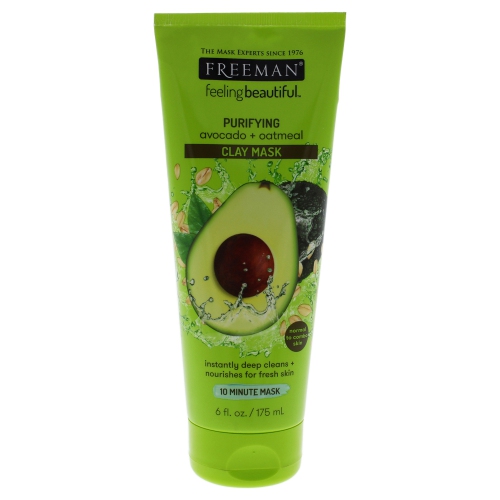 Your price for this item is $18.52
-
 Your price for this item is $242.82
-
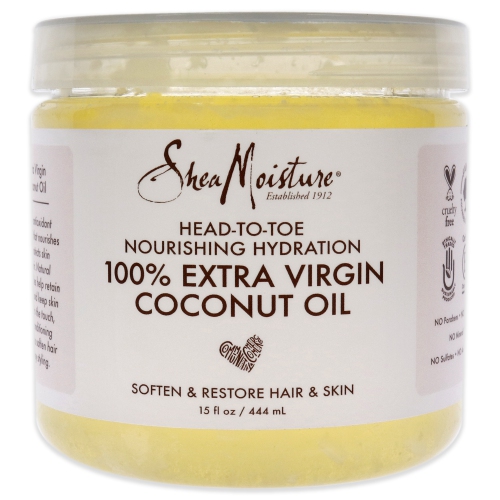 Your price for this item is $26.5
-
 Your price for this item is $22.06
-
 Your price for this item is $474.41
-
 Your price for this item is $31.8
-
 Your price for this item is $125.66
Discover more categories related to Dark Spot Serums

Top Collections:
Pokemon Centers, Best Cameras for Sports Photography, Kindle Devices, Samsung Galaxy Phones, Canon G7X Cameras, Pokémon 30th Celebration Cards, Refurbished Apple Laptops, iPhone 15 Apple, Laptops for Students, Budget Smartphones
Some products may be subject to Environmental Handling Fees
(EHF) depending on your province.
Learn more about EHFs.