Eye Creams for Under Eye Bags
Discover the secret to rejuvenated, youthful-looking eyes with our curated selection of eye creams designed to combat under-eye bags. Whether you're dealing with puffiness from sleepless nights or looking to refresh your appearance, these creams offer a tailored solution for every need. Explore options that blend innovative formulations with nourishing ingredients, aiming to soothe, hydrate, and revitalize the delicate skin around your eyes. Elevate your skincare routine and embrace a brighter, more refreshed look with the perfect eye cream for you.
Sort
What eye creams can and cannot do for puffiness
Eye creams for under-eye bags are made for the delicate skin beneath the eyes, where puffiness, dryness and changes in skin firmness can make the area look less smooth. Bags and dark circles often appear together, but they are not the same concern. Puffiness creates a raised or swollen-looking area, while dark circles involve discolouration or shadows that may be more noticeable beneath an uneven contour. An eye cream can help hydrate the skin and soften the appearance of certain concerns, but its effects depend on the formula and the reason the bags are visible. Temporary puffiness may respond differently from fullness associated with inherited facial structure or age-related changes in the tissues around the eyes. No topical cream can remove the fat pads that contribute to some under-eye bags, and a moisturizing effect should not be confused with a permanent lifting result. For someone whose concealer catches on dry patches, better hydration may make the area look smoother even when its underlying shape stays the same. Someone more concerned about a puffy appearance may prefer a lightweight formula with caffeine rather than a rich cream intended mainly for dryness. Fine lines, uneven tone and sensitivity can also influence which texture and ingredients feel suitable. The broader range of Under Eye Creams covers these overlapping needs, including moisture-focused formulas and treatments intended to improve the appearance of firmness or brightness. The most useful distinction is between the concern a cream is formulated to address and the results it can reasonably deliver. A more comfortable, hydrated under-eye area is a realistic cosmetic goal; completely erasing bags, hollows or shadows is not something an eye cream can guarantee. Results also vary between people, so the most suitable formula is one that matches both the visible concern and the skin’s tolerance.
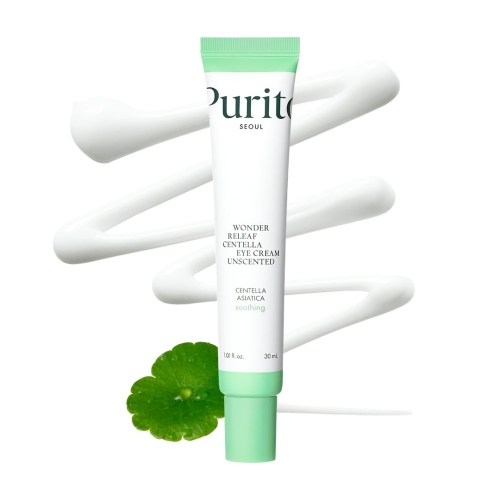
Ingredients help distinguish eye creams for puffiness from formulas focused on dryness or fine lines. Caffeine is commonly included in products intended to temporarily reduce the appearance of puffiness, although the extent and duration of that effect vary. Hyaluronic acid and glycerin attract water to help the skin look more hydrated and plump, which can soften the appearance of fine dehydration lines. Ceramides help support the skin’s moisture barrier, making them relevant when the under-eye area feels dry or tight. These moisturizing ingredients do not remove structural bags, but they can improve how the skin looks and feels over them. Peptides appear in formulas aimed at a smoother, firmer-looking eye area, with results depending on the particular ingredients and the complete formulation. Retinol and retinal are vitamin A derivatives used to address visible signs of skin ageing, including fine lines and uneven texture. They can also cause dryness or irritation, making an eye-area formulation and careful adherence to its directions important. They are not necessary for every routine, particularly when comfort and basic hydration are the main priorities. Anyone who is pregnant or planning a pregnancy should avoid topical retinoids and discuss suitable alternatives with a healthcare professional. Niacinamide and vitamin C are often included when uneven tone accompanies puffiness, but brightening the skin does not necessarily change shadows caused by a hollow or raised contour. A longer ingredient list is not automatically more effective, and combining several strong treatments can make delicate skin less comfortable rather than improve results. For sensitive skin, a fragrance-free formula may be a useful starting point, though that label does not guarantee that every ingredient will be tolerated. Unscented and fragrance-free are not interchangeable terms, so the ingredient list remains relevant. An eye cream’s overall balance matters as much as any featured ingredient: a comfortable base that works with an existing moisturizer, sunscreen and makeup is often easier to use consistently than a treatment that repeatedly stings or leaves the skin feeling tight.
Texture, application and packaging affect how an eye cream fits into an everyday routine. Lightweight gels and gel-creams often suit people who dislike a heavy finish or want a formula that settles before concealer. Richer creams may feel more comfortable on dry skin, especially when makeup emphasizes small creases beneath the eyes. A cream that leaves too much residue can make concealer slide, while layering several formulas too quickly may cause pilling. Allowing each layer to settle and using only the amount directed can help keep the finish even. More product does not necessarily produce a better result, and a thick layer may migrate towards the eyes. Eye creams are generally applied with a light touch rather than rubbed firmly into the skin; exact placement, frequency and suitability for the eyelids should follow the product’s directions. A metal applicator may provide a cooling sensation, but it should glide without pulling and be cleaned as directed. Pumps and squeeze tubes can make small amounts easier to dispense, while jars call for clean hands or a clean applicator each time. Keeping the closure secure, following storage directions and observing the expiry date or period-after-opening symbol help preserve the formula throughout use. Products should not be diluted or mixed inside their packaging. For contact lens wearers and people with easily irritated eyes, eye-area suitability and instructions are particularly relevant. Persistent burning, redness or watering are reasons to stop using a formula rather than push through discomfort. Sudden, painful or one-sided swelling deserves medical advice rather than another cosmetic treatment. For ordinary cosmetic concerns, expectations are best matched to the formula’s stated purpose: hydration may be noticeable sooner, while improvements in the appearance of texture or tone usually require consistent use over time. Daytime sunscreen suitable for the area, used according to its directions, remains important alongside an eye-care routine. A well-matched eye cream should feel comfortable, layer neatly with other skincare and address the specific concern without demanding an unnecessarily complicated routine.
Top selling and popular products
-
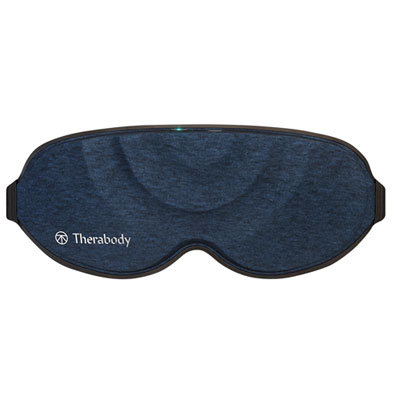 Your price for this item is $129.99
-
 Your price for this item is $159.99
-
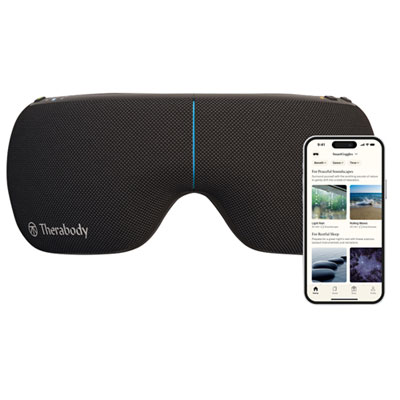 Your price for this item is $269.99
-
 Your price for this item is $109.99
-
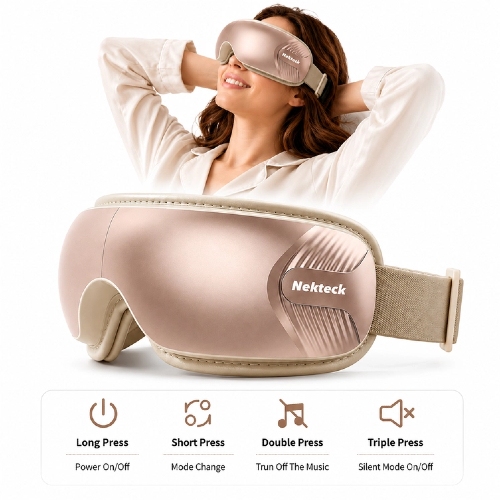 Your price for this item is $178.98
-
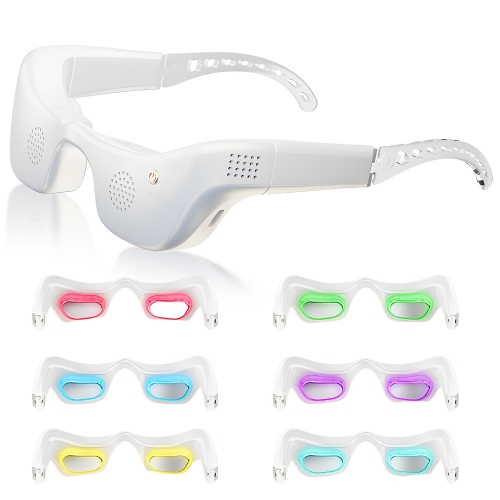 Your price for this item is $81.99
-
 Your price for this item is $45.99
-
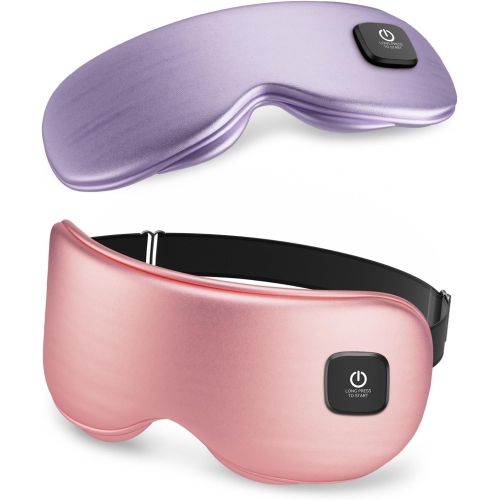 Your price for this item is $119.99
Discover more categories related to Eye Creams for Under Eye Bags
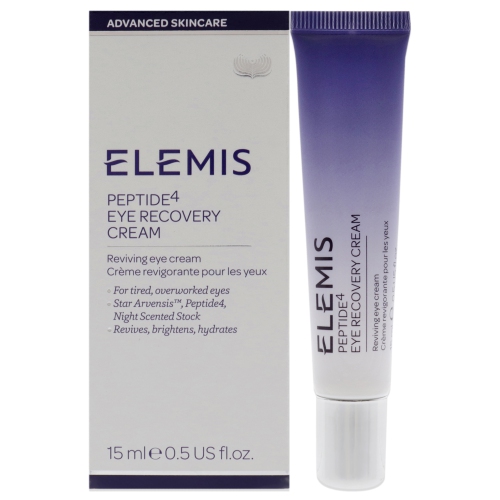
Top Collections:
Best Black Friday Deals This Year, Best Black Friday Deals On Electronics, Kindle Devices, Pokemon Centers, Best Black Friday Deals On Apple Products, Best Cameras for Sports Photography, Dyson Airwrap, Pokémon 30th Celebration Cards, Apple iPhone 17 Pro, Canon G7X Cameras
Some products may be subject to Environmental Handling Fees
(EHF) depending on your province.
Learn more about EHFs.