Eye Serums
Transform your skincare routine with our selection of premium eye serums, designed to target and rejuvenate the delicate skin around your eyes. Whether you're looking to reduce puffiness, diminish dark circles, or smooth out fine lines, our curated range offers powerful solutions for every concern. Crafted with advanced ingredients and innovative formulas, these eye serums deliver visible results to help you achieve a more youthful and radiant appearance. Discover the perfect addition to your beauty regimen and experience the transformative effects of expert skincare.
Sort
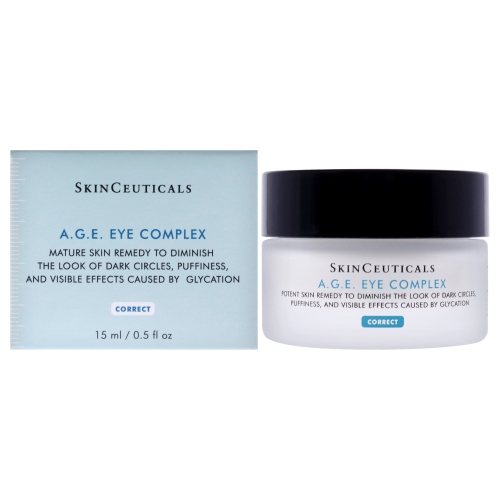
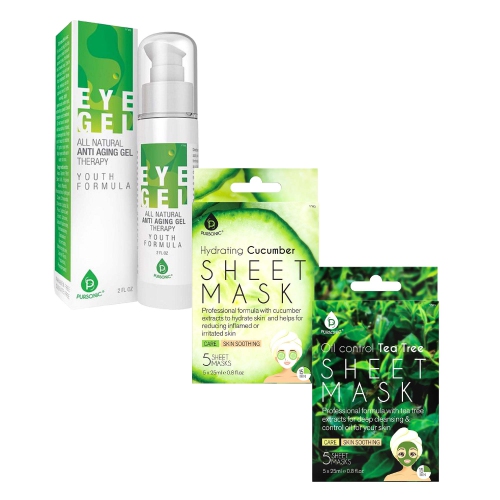
Why texture and ingredients matter for under-eye care
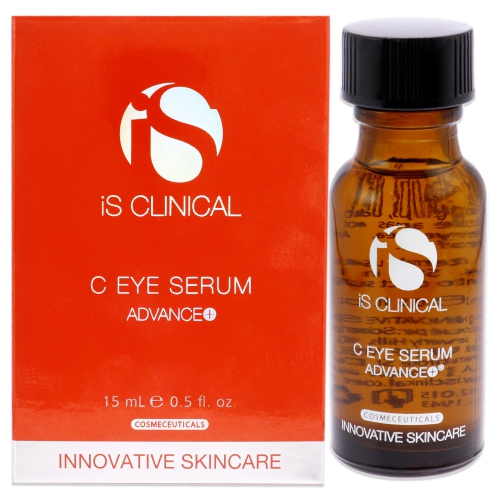
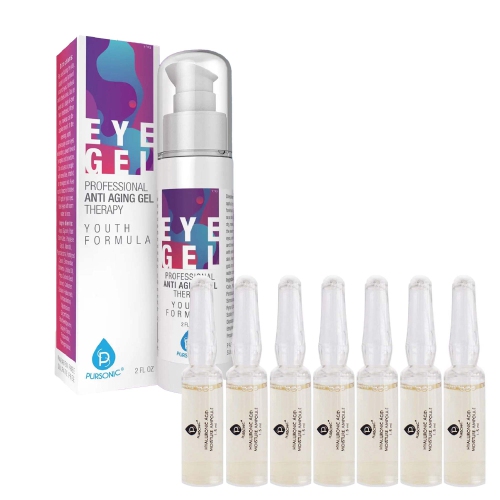
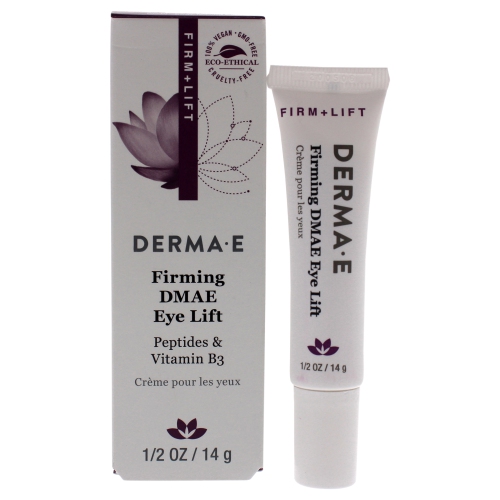
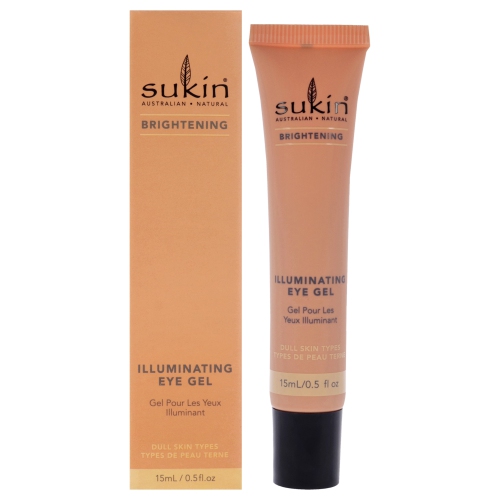
Eye serums are lightweight skin-care products formulated for the delicate area around the eyes, often with a focus on hydration, puffiness, dark circles, or the appearance of fine lines. They typically have a fluid, gel, or silky texture that spreads easily in small amounts, making them a useful option for someone who prefers less richness than an eye cream. The distinction is mostly about texture and formulation rather than a promise of stronger results: a serum can feel featherlight while still providing moisture, and an eye cream may offer a more cushioning finish. Ingredients help explain what each formula is intended to do. Hyaluronic acid and glycerin attract water to the skin, helping dry under-eye areas look smoother and feel more comfortable. Ceramides support the skin’s moisture barrier, which can be particularly useful when the area feels tight after cleansing. Caffeine is commonly included in formulas designed to reduce the appearance of temporary puffiness, while niacinamide can support moisture retention and a more even-looking skin tone. Peptides are often used in formulas aimed at improving the appearance of fine lines, and retinol or retinal may help soften visible signs of skin ageing over time, although these ingredients require careful use around the eyes. Antioxidants, including certain forms of vitamin C, may feature in brightening formulas, but suitability depends on the complete formula and individual tolerance. Dark circles are not all alike: pigmentation, visible blood vessels, thin skin, and shadows caused by facial structure can each contribute to their appearance. That makes hydration or brightening helpful for some concerns without making a serum a solution for every type of darkness. Similarly, temporary puffiness differs from persistent under-eye fullness associated with facial anatomy. For a closer focus on puffiness, Serums for Eye Bags brings together eye care centred on that concern. The most useful starting point is the desired result, whether that is a smoother surface beneath concealer, added moisture, or a less puffy-looking under-eye area.
The right texture and ingredient combination should fit comfortably into an existing routine rather than make the eye area feel overloaded. A quick-absorbing gel may suit someone who applies makeup soon after skin care, while a more emollient serum can feel better on skin that stays dry despite regular moisturizing. For sensitive skin, a simple, fragrance-free formula may be worth considering, though fragrance-free does not mean irritation is impossible. Botanical extracts, preservatives, and active ingredients can also cause a reaction in some people. A facial serum is not automatically suitable for the eye area; an eye serum should be used only on the areas specified by its label, with particular attention to whether it is intended for under-eye skin, eyelids, or both. Directions also determine the amount and frequency. Many formulas need only a very small quantity, sometimes around a rice-grain-sized amount per eye, but more concentrated or differently textured formulas may have other instructions. Gentle tapping with a clean fingertip helps distribute the product without repeatedly pulling at thin skin. Unless the label directs otherwise, placement along the orbital bone rather than directly against the lash line helps limit movement into the eyes. Lightweight serums generally go on after cleansing and before richer eye creams or moisturizers, with sunscreen following the morning skin-care routine. Allowing each layer to settle can help reduce pilling beneath concealer, especially when several gel-based products are used together. Someone who notices little rolls of product while blending makeup may find that using less serum or simplifying the layers gives a smoother finish. Retinol and retinal formulas deserve extra caution: introducing them gradually according to the directions, avoiding unnecessary overlap with other potentially irritating treatments, and using daytime sun protection can help make the routine more manageable. People who are pregnant or breastfeeding should consult a health-care professional before using retinoid-containing products. Persistent stinging, redness, watering, or swelling is a reason to stop using a formula rather than push through discomfort. An eye serum should leave the area comfortable, not create a sensation that has to be tolerated.
Packaging, storage, and everyday handling also influence how well an eye serum fits into regular use. Pumps can make it easier to dispense a consistent amount without repeatedly opening a container, while droppers offer control over fluid textures but should not touch the skin or other surfaces. Single-use capsules provide measured portions, although the amount still needs to be applied as directed. A cooling applicator may feel pleasant against puffy-looking skin, but it does not replace the role of the formula itself and should be kept clean according to the packaging instructions. Containers designed to limit air or light exposure can help protect ingredients that are sensitive to those conditions. Keeping the lid securely closed, storing the serum away from direct sunlight, and following any stated storage requirements help maintain its condition throughout use. There is no need to refrigerate a serum unless its directions suggest it. The expiry date and period-after-opening symbol matter more than whether a bottle still looks full; changes in smell, colour, or texture are also reasons to check whether it should be discarded. For everyday use, comfort and consistency are more meaningful than an elaborate routine. Hydrating formulas may make skin feel softer relatively quickly, while changes in the appearance of uneven tone or fine lines generally take longer and vary with the formula and the person using it. Comparing the area under similar lighting can give a fairer impression than judging it under a harsh bathroom light one day and soft window light the next. Eye serums can also make thoughtful gifts for someone who already enjoys skin care, particularly when their ingredient preferences and sensitivities are known. Choosing around a familiar texture or routine is more considerate than framing the gift around a perceived flaw. Whether used beneath makeup or as part of a simple evening routine, a well-matched eye serum is one that addresses a realistic concern, layers comfortably, and feels gentle enough for regular use.
Top selling and popular products
-
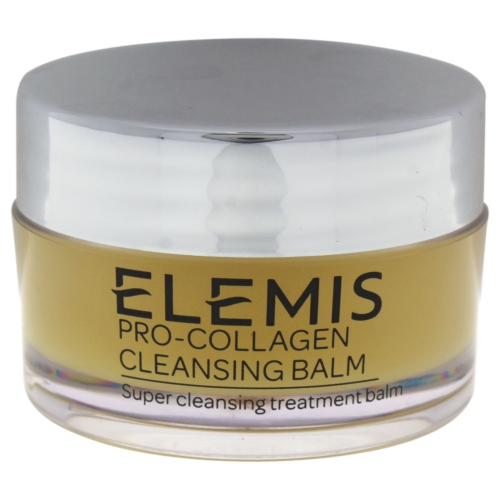 Your price for this item is $32.68
-
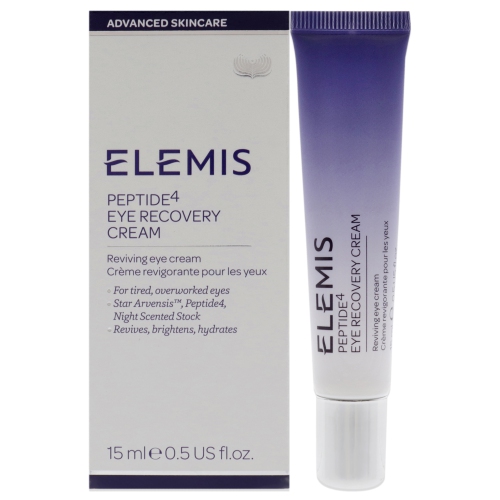 Your price for this item is $60.13
-
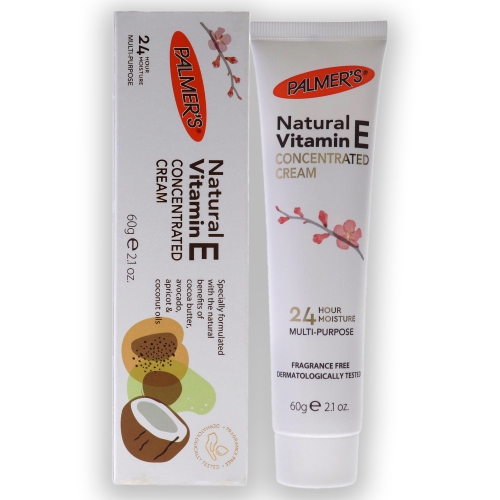 Your price for this item is $19.14
-
 Your price for this item is $39.97
-
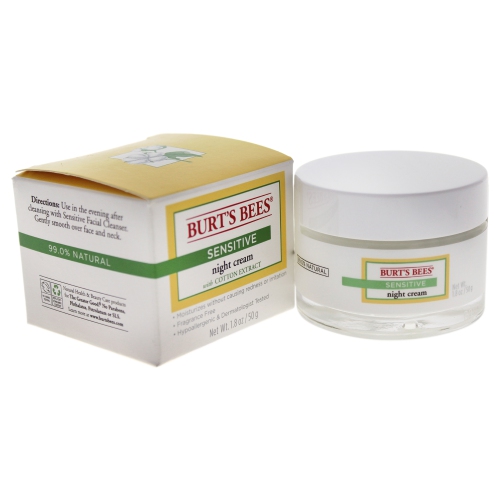 Your price for this item is $26.93
-
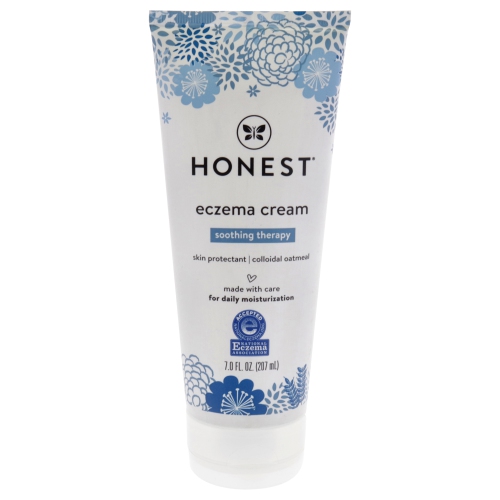 Your price for this item is $28.27
-
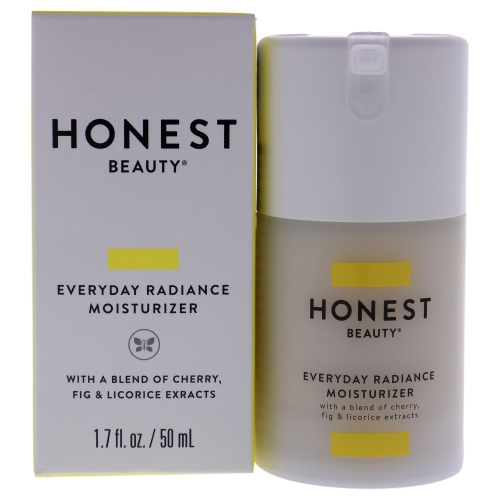 Your price for this item is $42.42
-
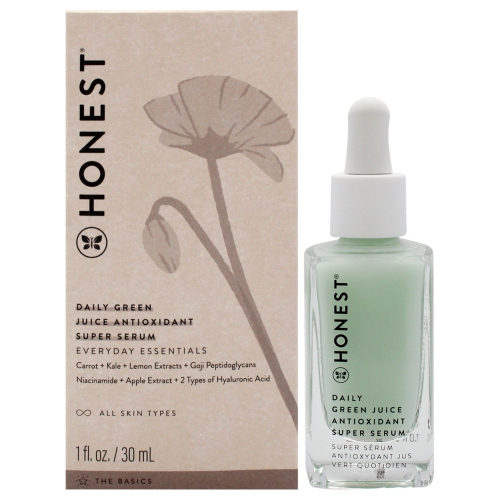 Your price for this item is $40.23
Discover more categories related to Eye Serums

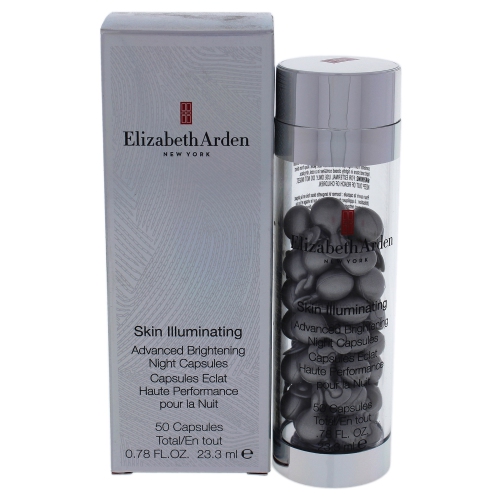
Top Collections:
Best Black Friday Deals This Year, Best Black Friday Deals On Electronics, Kindle Devices, Pokemon Centers, Best Black Friday Deals On Apple Products, Best Cameras for Sports Photography, Dyson Airwrap, Pokémon 30th Celebration Cards, Apple iPhone 17 Pro, Canon G7X Cameras
Some products may be subject to Environmental Handling Fees
(EHF) depending on your province.
Learn more about EHFs.